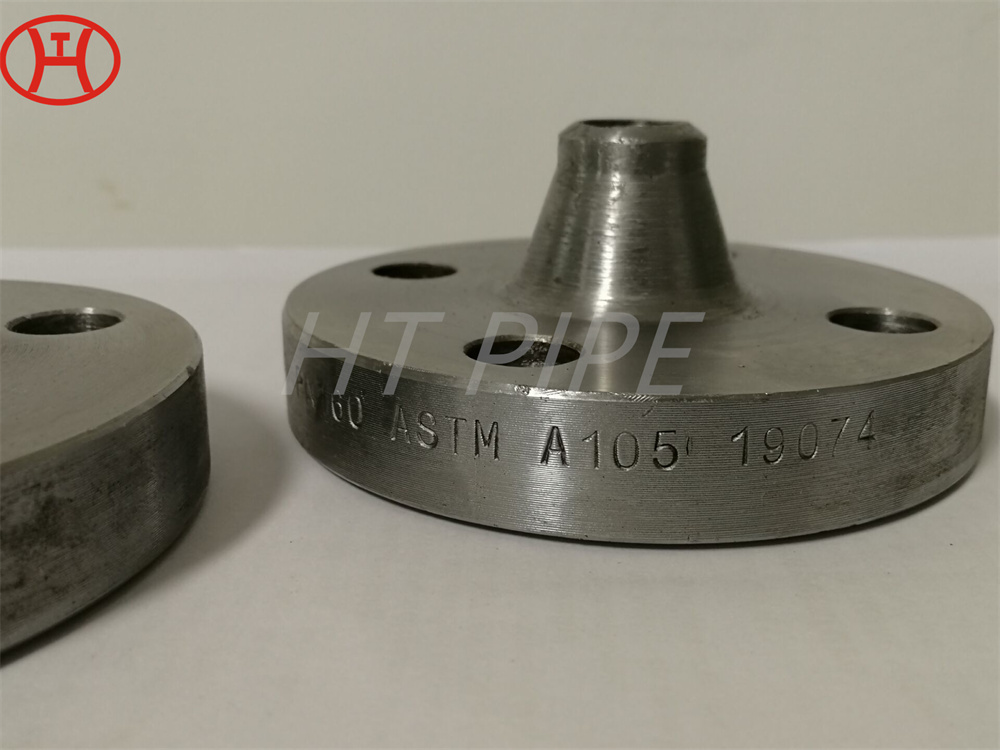
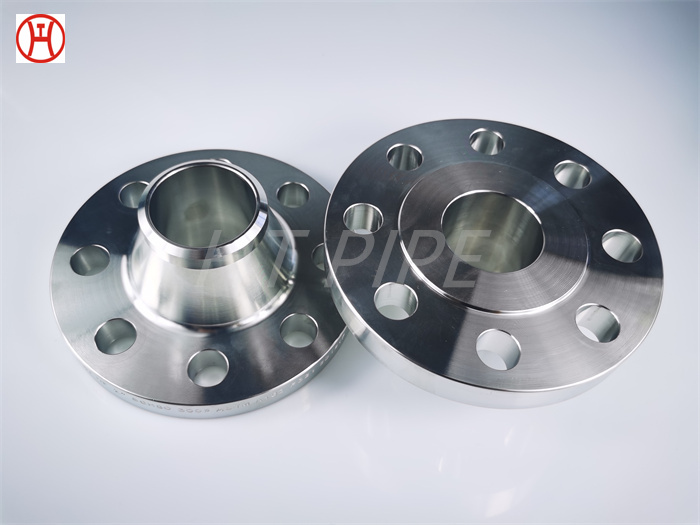
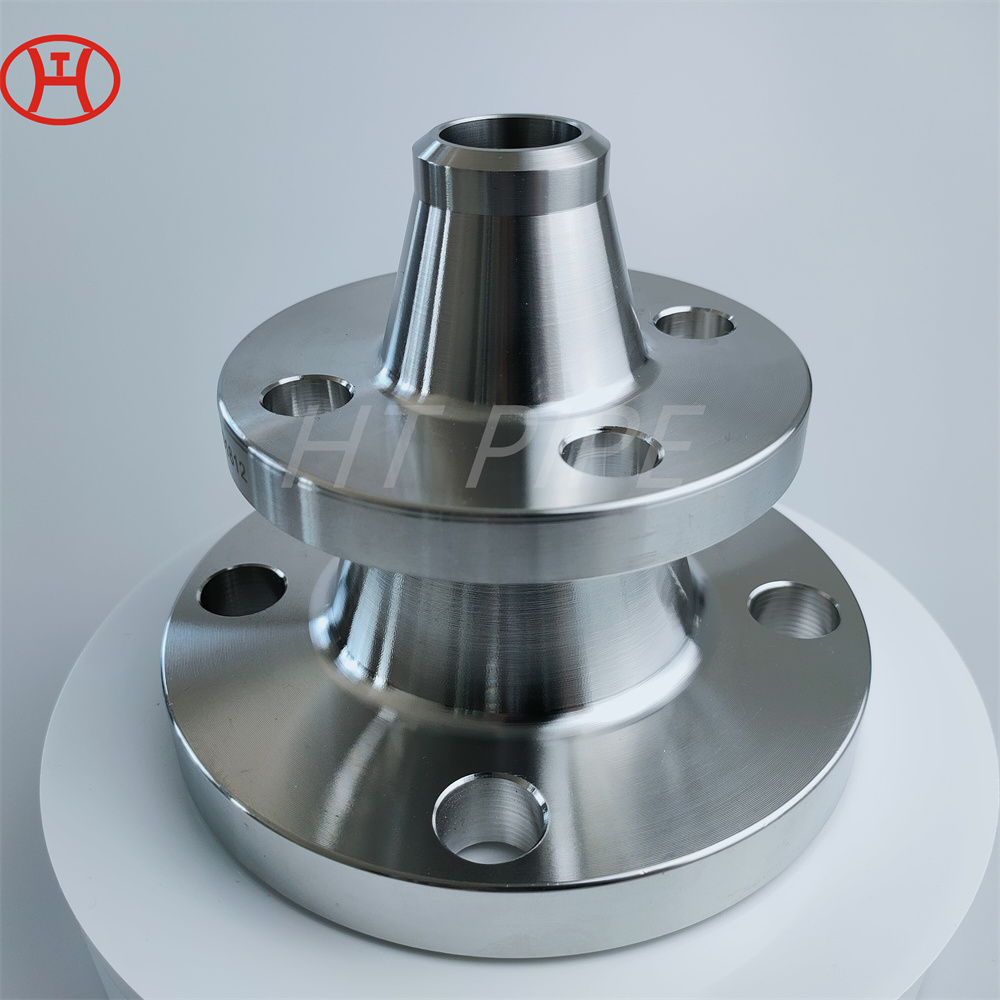
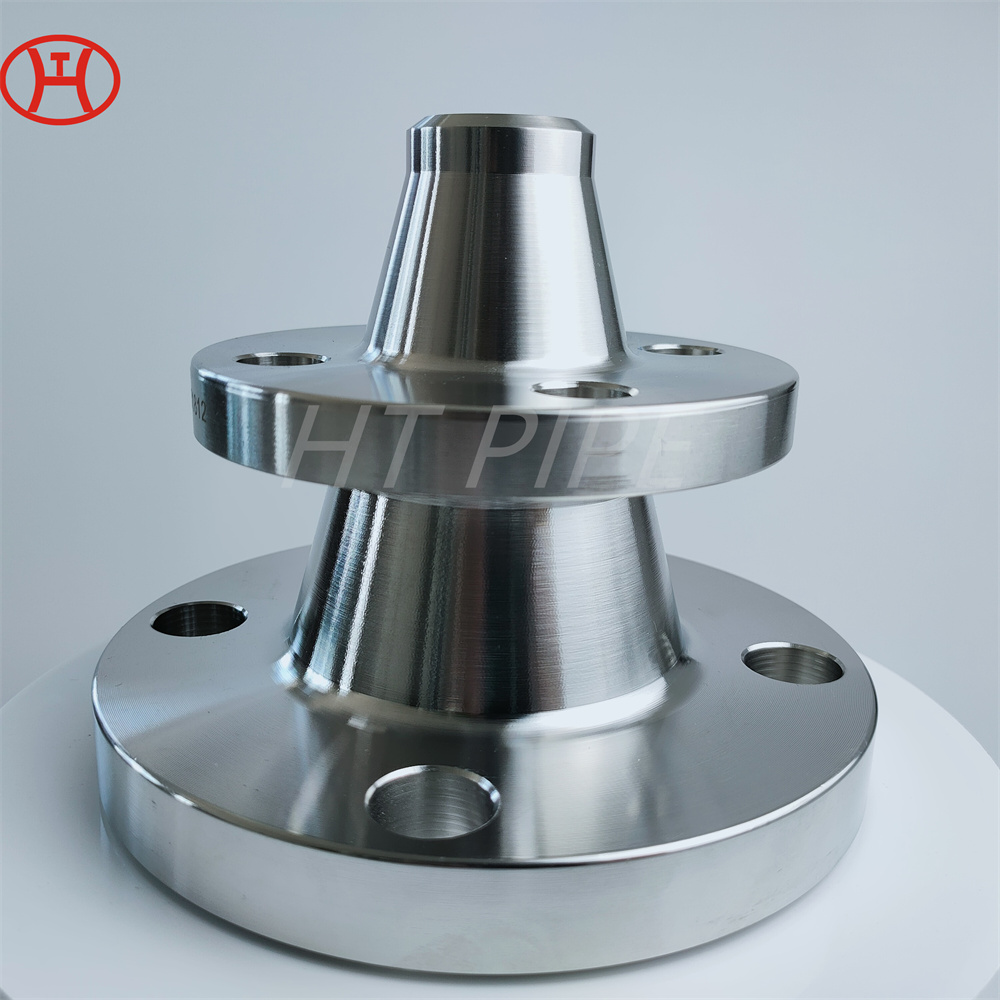
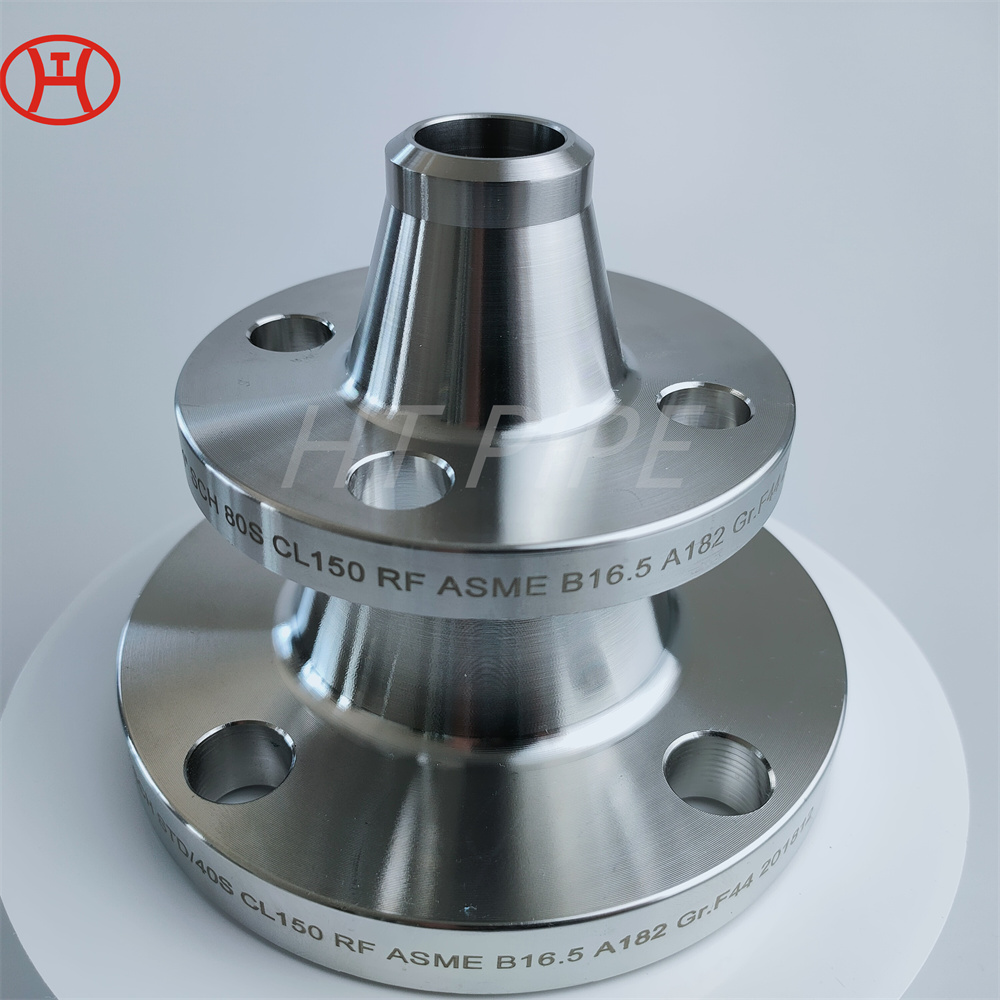
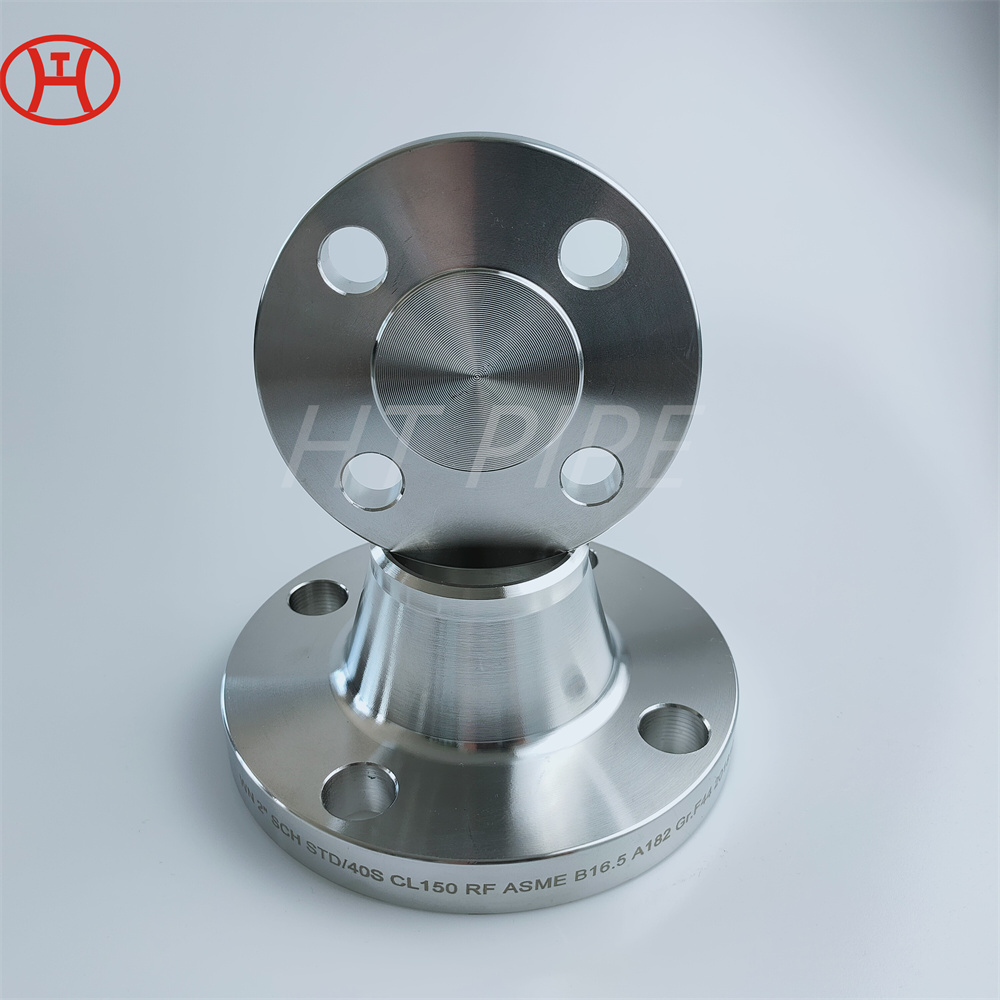
Reducing flanges are suitable for changing pipe sizes, but should not be used if sudden transitions would create unwanted turbulence, such as at pump connections. Reducing flanges consist of a flange of a specific diameter with holes of different and smaller diameters. In addition to the bore and hub size, the flange will have dimensions for the larger pipe size.
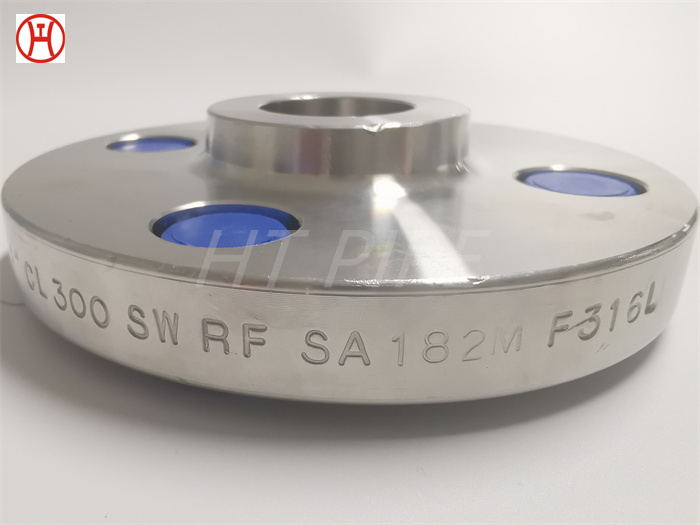
Pipe flanges connect pipes and components in a piping system by using bolted connections and gaskets. The most commonly used flanges are butt welding flanges, sliding flanges, blind flanges, socket welding flanges, threaded flanges and lap joint flanges (RTJ flanges). This type of connection in pipe flanges facilitates disassembly and disconnection for service and regular maintenance. The most common specification for carbon steel and stainless steel flanges is ANSI B16.5 / ASME B16.5.
Metal flanges are commonly used in industrial, commercial and institutional applications. Steel pipe flanges are available in a variety of styles and pressure ratings. Metal flanges are classified from 150 to 2500 #. In addition to specifying a pressure rating, some flanges, such as butt weld and socket weld flanges, require a piping schedule to be specified. This ensures that the pipe hole matches the hole in the weld neck or socket weld flange.
HT PIPE offers a wide range of carbon steel, stainless steel and nickel alloy pipe flanges. We can also supply special flanges such as long butt weld flanges, special material requirements and high production pipe flanges.
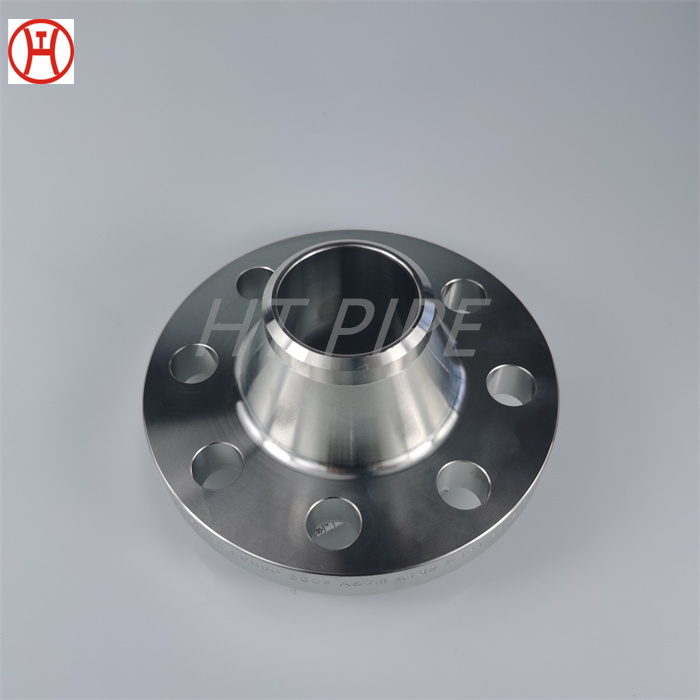
This flange type is designed to connect via butt weld connections to pipes or equipment that require flanged joints. Weld necks provide good service in a variety of temperature and pressure applications. Butt weld flanges must specify a pipe plan for drilling. Due to the welded neck, it is a popular choice for pressure vessels and creating manholes, etc. These flanges are also known as ANSI flanges or ASME B16.5 flanges.
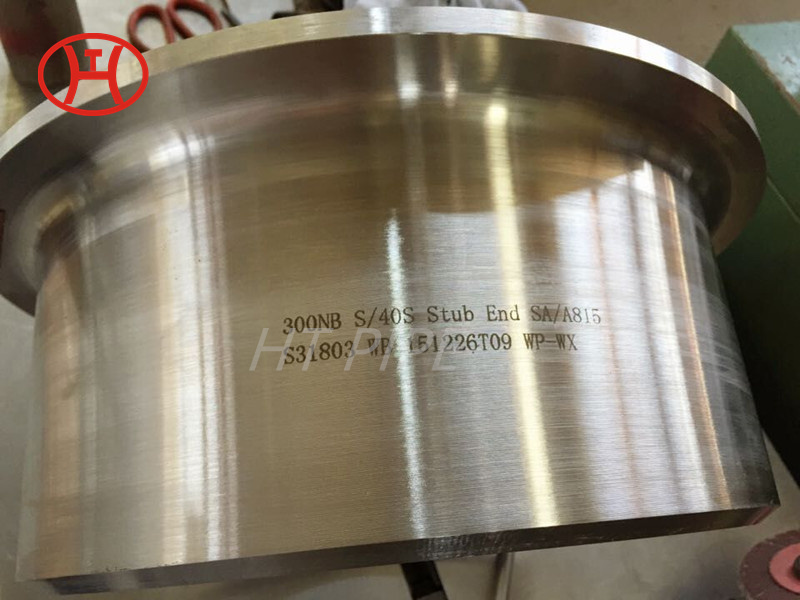
The flange itself is not welded, but the short pipe end is inserted/slid over the flange and welded to the pipe. This arrangement facilitates flange alignment where misalignment can be an issue. In a lap flange, the flange itself is not in contact with the fluid. The stub end is the part that is welded to the pipe and is in contact with the fluid.
Short ends are available in Type A and Type B. Type A short ends are the most common. Lap flanges are flat only. People confuse lap flanges with slip-on flanges because they look very similar, except that lap flanges have rounded edges and flat surfaces on the back.
A blind flange is a solid flange without holes or threaded holes used to close the end of a pipe, fitting, valve or equipment. Blind flanges are also used in pressure test equipment. Blind flanges are available in two types: convex and flat.
CS ASTM A420 WPL3 Pipe Fittings are combines Good ductility, High strength, Tensile strength, Yield strength, Fatigue resistance, Toughness, Wear resistance and Outstanding corrosion resistance qualities.
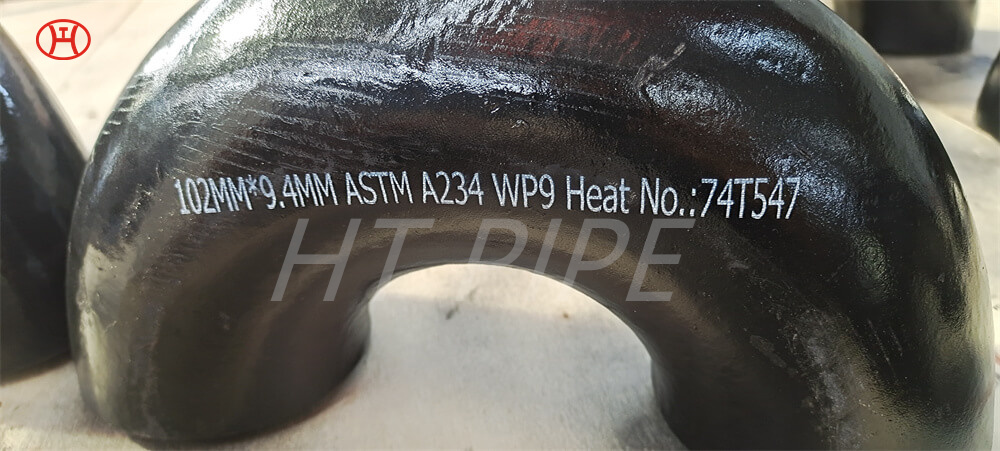
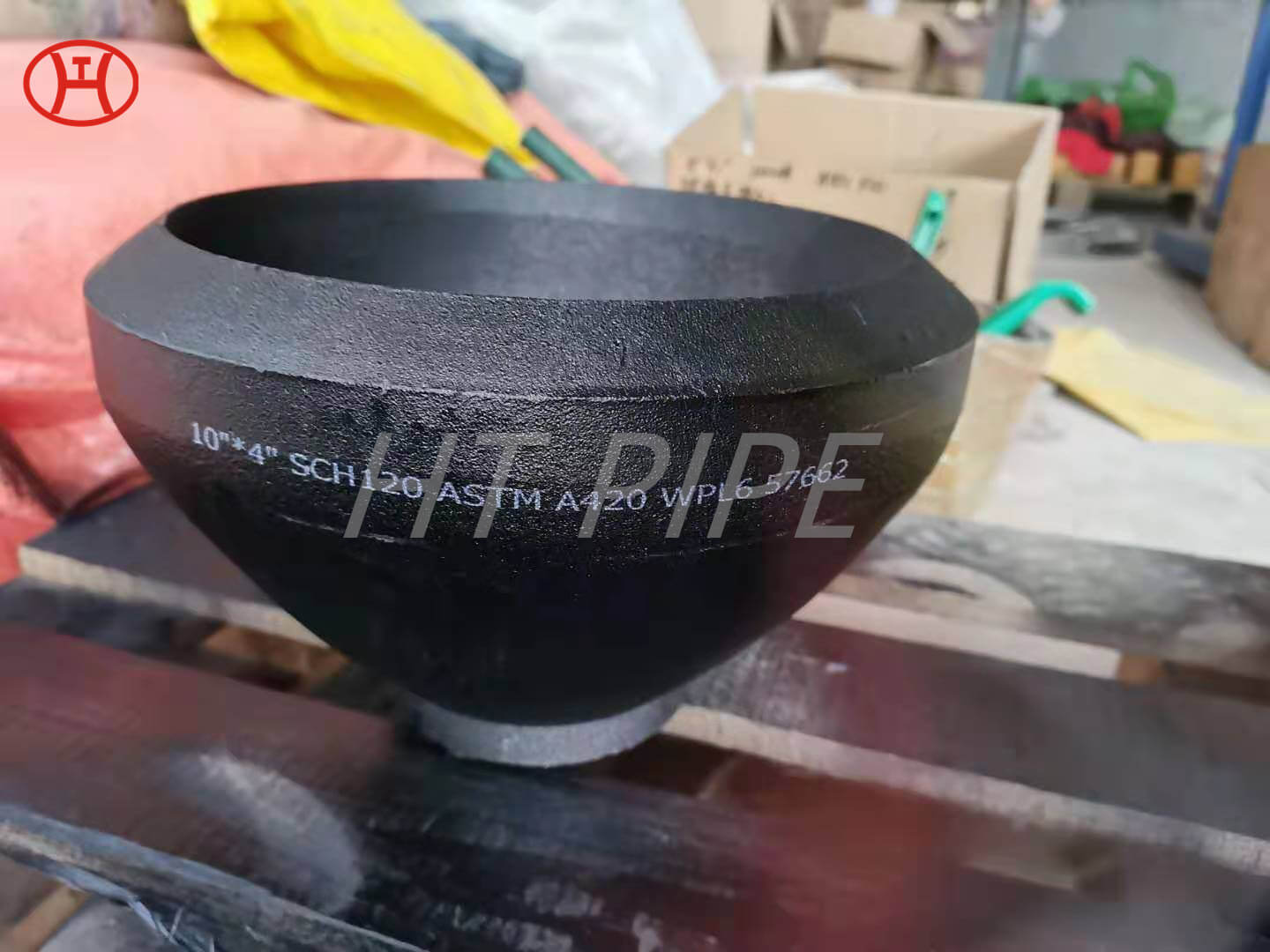
ASTM A420 WPL6 Pipe Fittings are made up of a carbon steel alloy that is made up of carbon, manganese, phosphorus, sulfur and silicon.
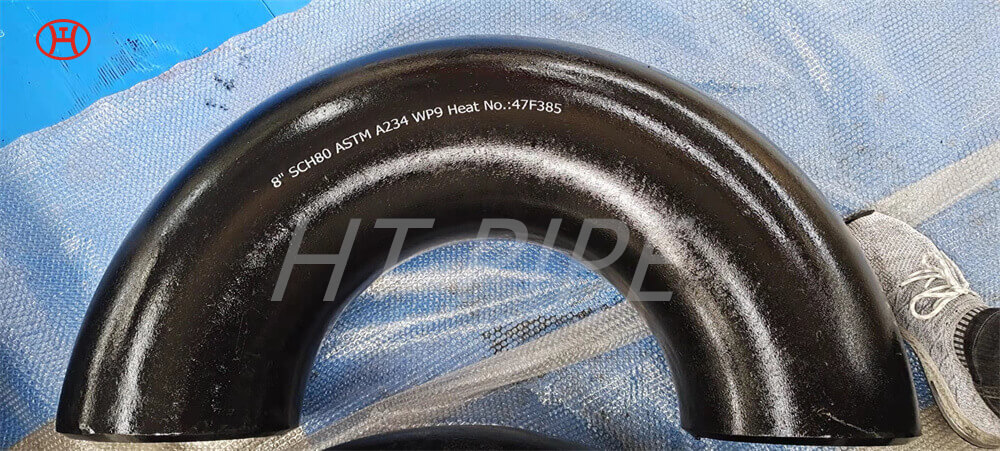
ASTM A420 is the standard specification for pipe fittings of carbon steel and alloy steel used for low temperature services. WPL6 is the most used grade material under A420.
Besides Grade WPL6, the standard also includes WPL9, WPL3, WPL8, impact test temperature correspondingly at -45¡æ, -75¡æ, -100¡æ, -195¡æ.
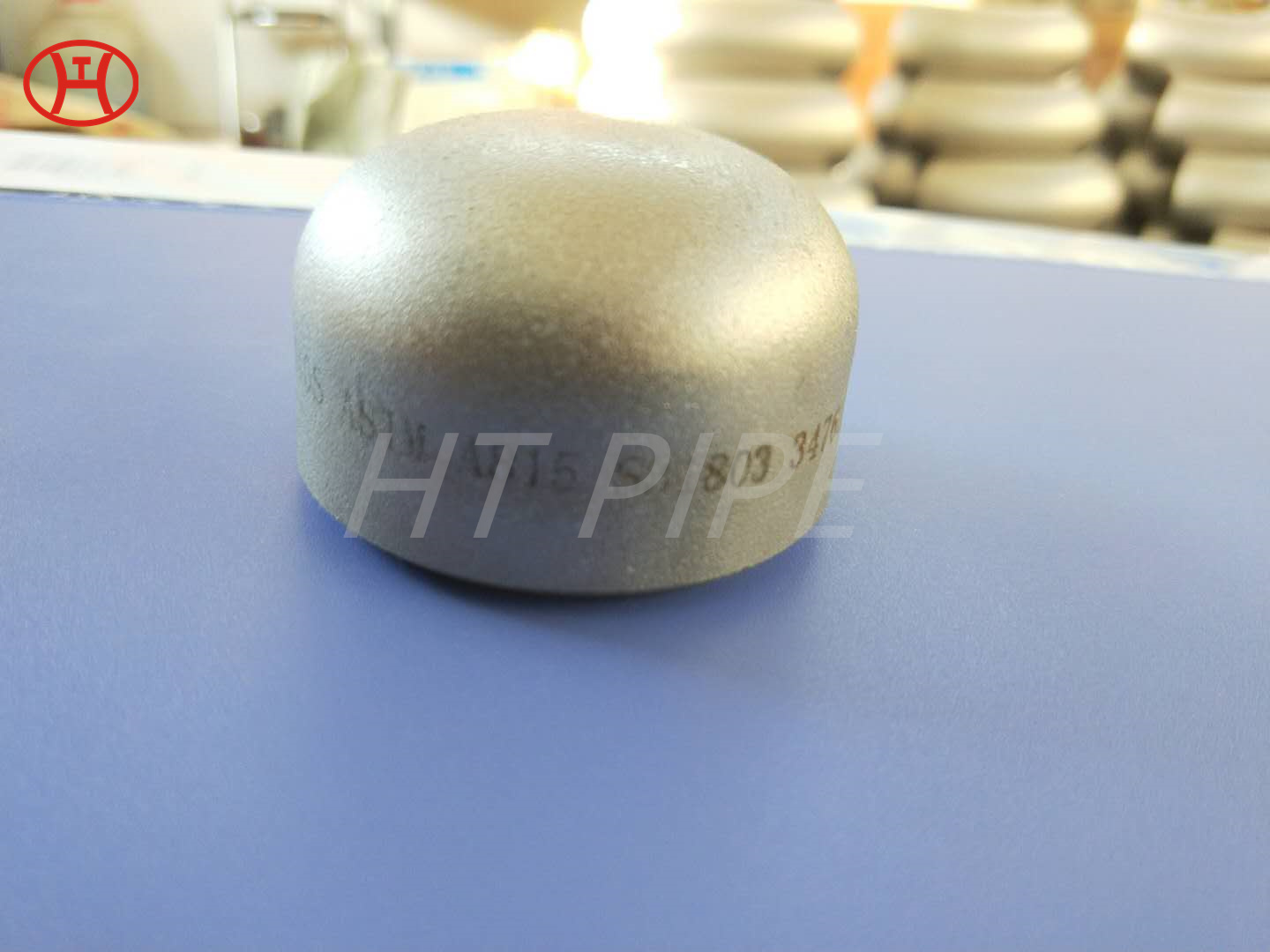
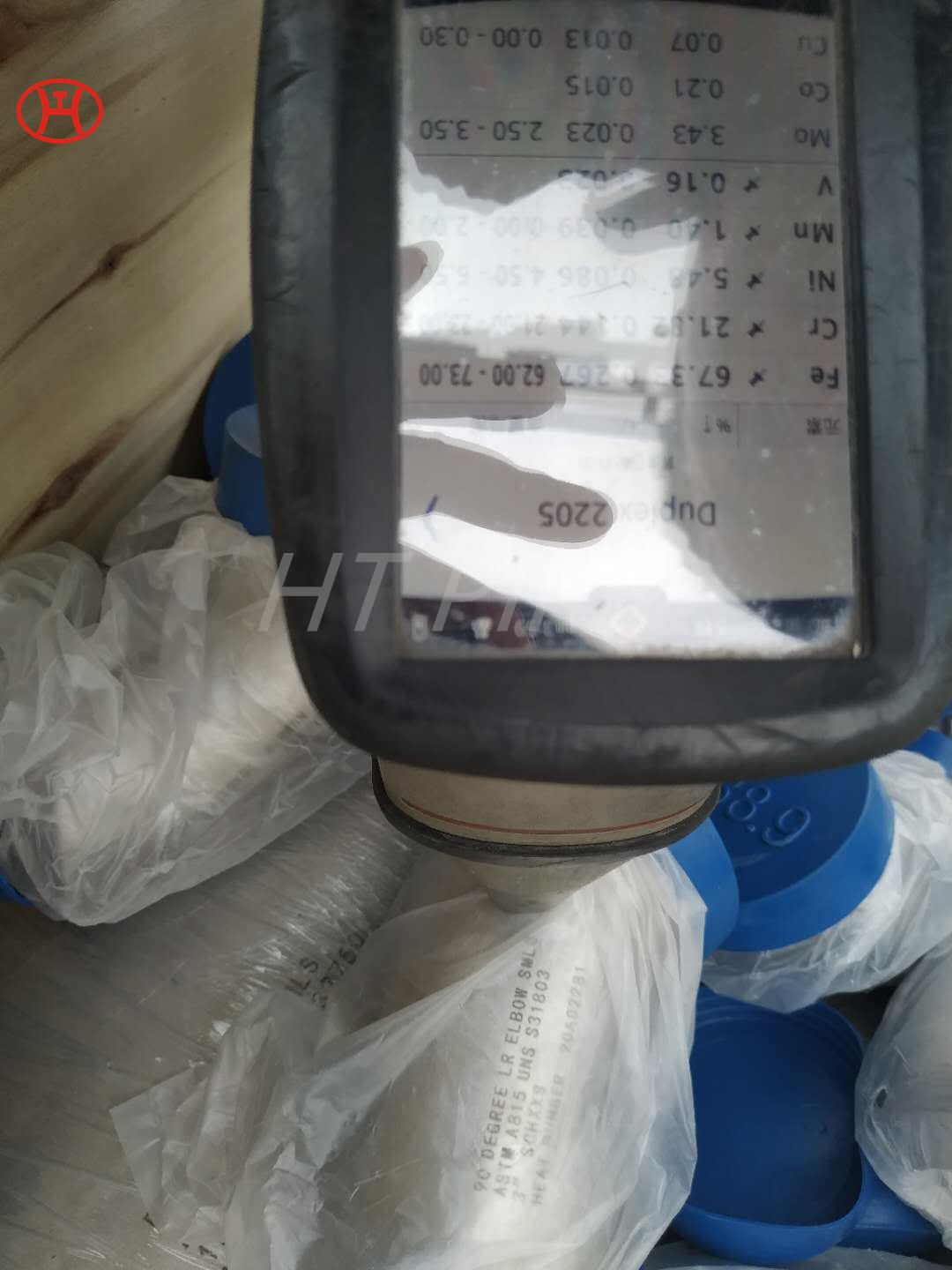
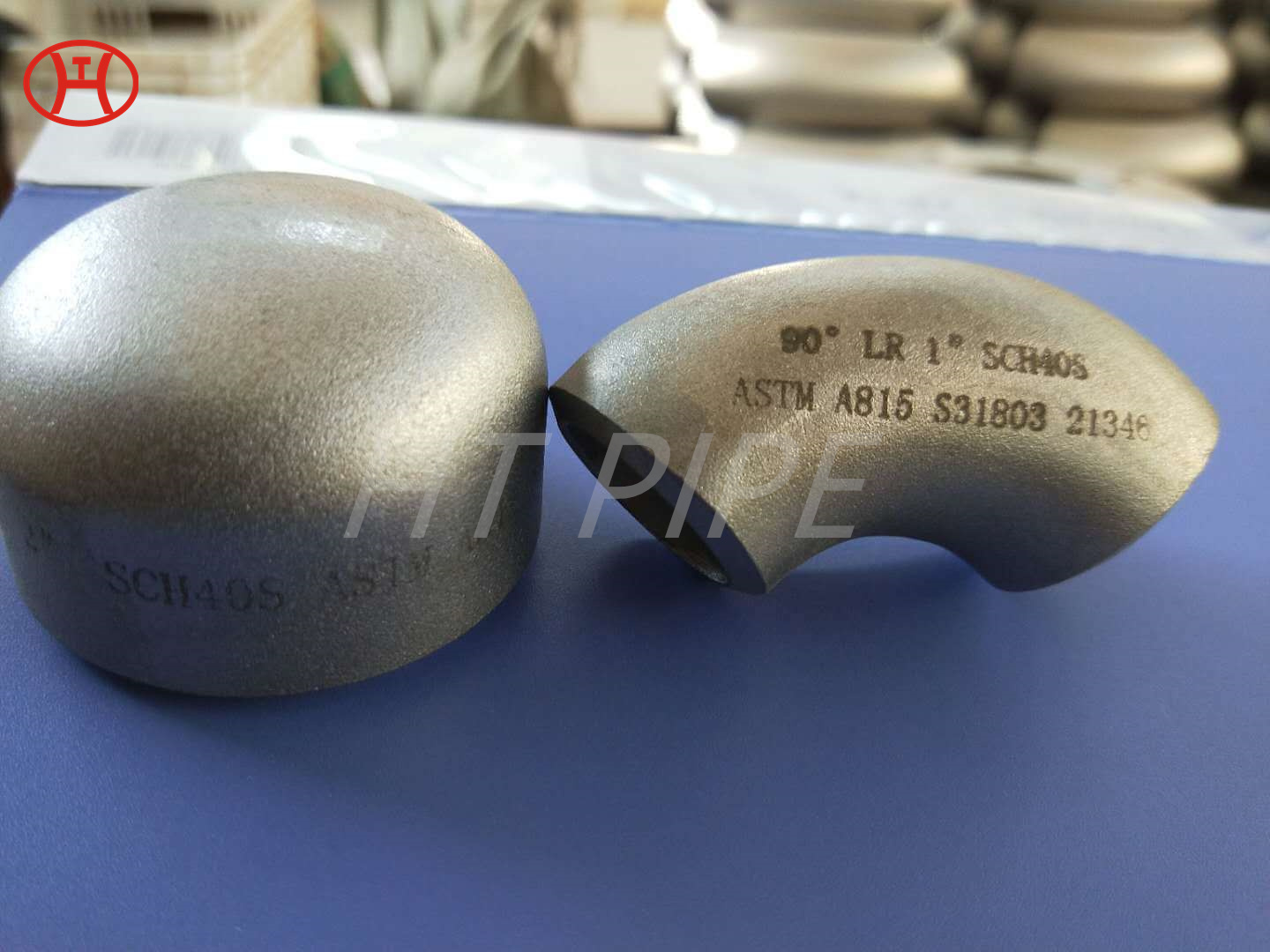
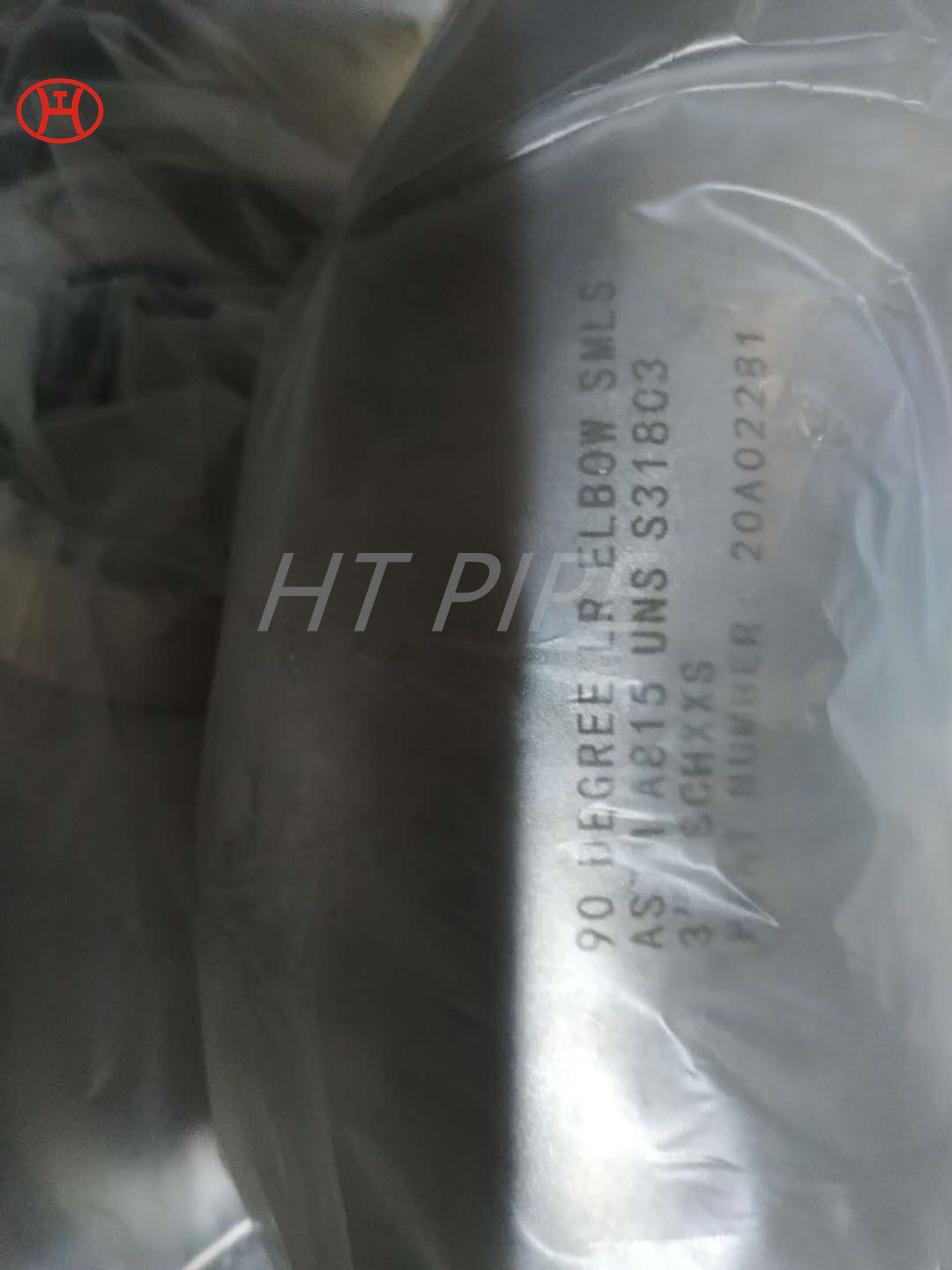
UNS S31803 pipe fittings is a duplex grade with a ferritic-austenitic microstructure. The alloy consists of around 40-50% ferrite in the annealed condition. The duplex microstructure has the high strength of the ferritic grades whilst retaining the corrosion resistance of the austenitic grades.
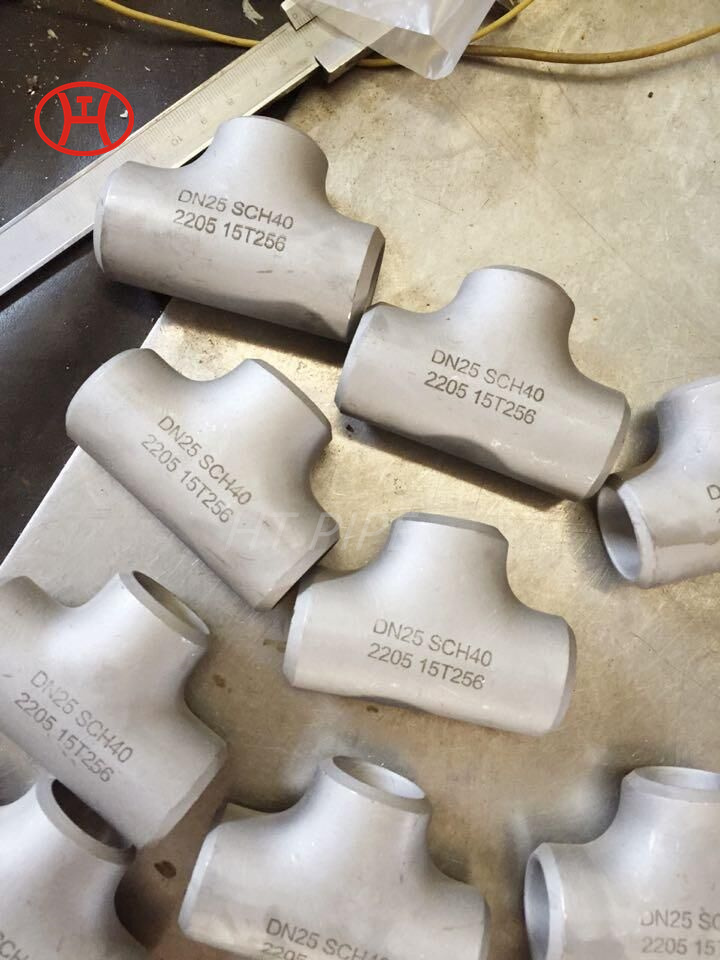
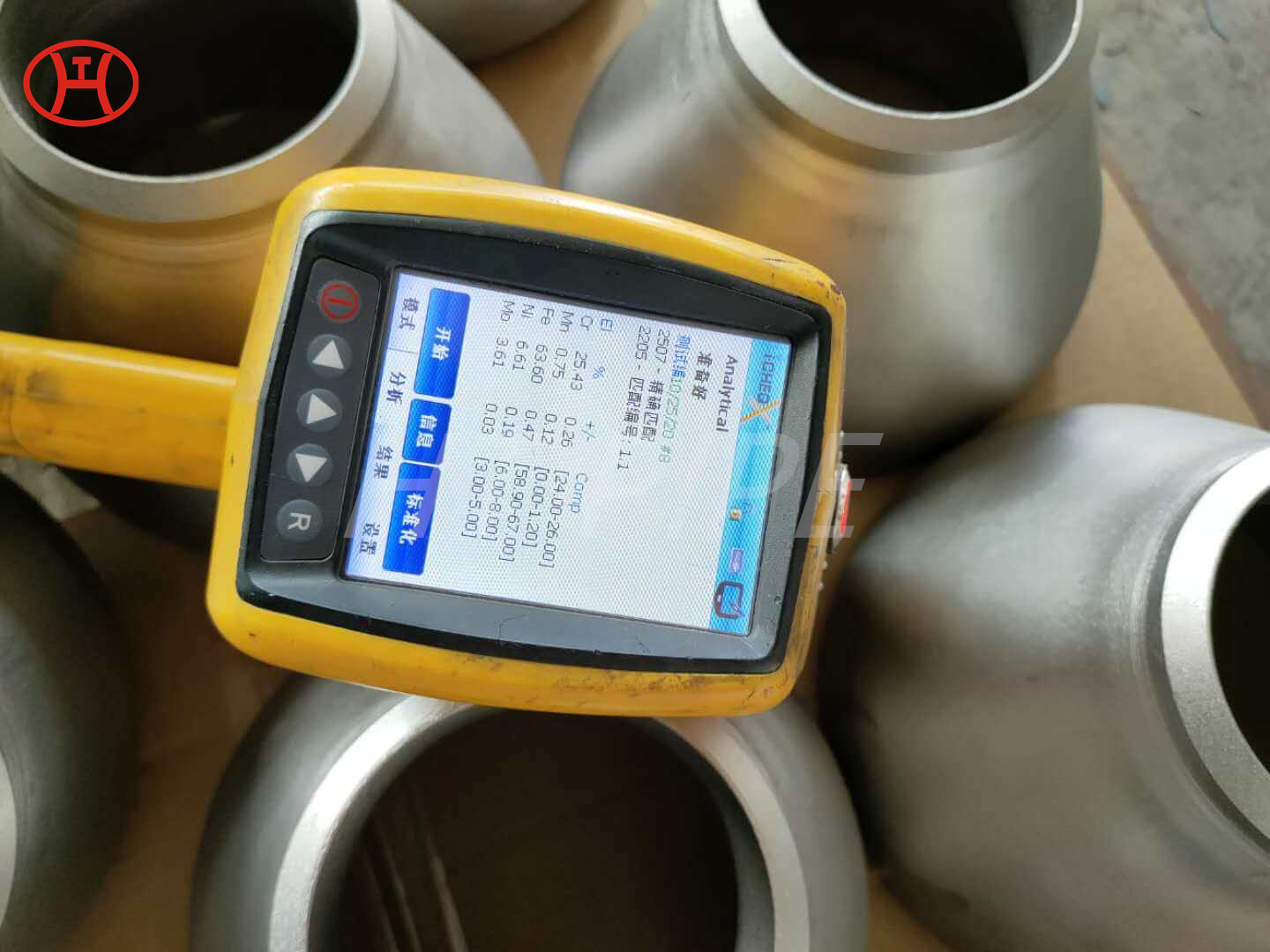
Grade 2205 is the most widely used duplex stainless steel grade. Fittings of this grade finds applications due to both their excellent corrosion resistance as well as their high strength.
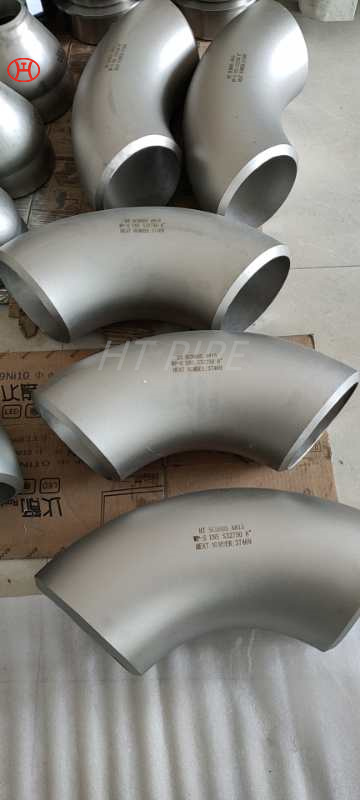
Super duplex UNS S32750 Buttweld Fittings has a low carbon content which lowers the risk of carbide precipitation in the grain boundaries during the heat treatment. They are highly resistant to crevice corrosion due to high chromium and molybdenum content of UNS S32750 Super Duplex Pipe Fittings makes it extremely resistant to uniform corrosion by organic acids such as formic and acetic acid.
Super Duplex Alloy UNS S32760 (F55 / 1.4501) pipe fittings has excellent corrosion resistance to a wide variety of media, with outstanding resistance to pitting and crevice corrosion in seawater and other chloride containing environments, with Critical Pitting Temperature exceeding 50¡ãC.
Providing higher strength than both austenitic and 22% Cr Duples Stainless Steels UNS S32760 (F55) is suited to a variety of applications in industries such as Chemical Processing, Oil & Gas, and Marine environments.
Alloy 410, is the essential, general purpose martensite stainless steel that¡¯s used for very stressed elements and provides sensible corrosion resistance, and a high strength and hardness. Alloy 410, contains a minimum of 11 .5% metal that¡¯s simply adequate to demonstrate corrosion resistance properties in delicate atmospheres, steam, and much of delicate chemical environments.
Grade 430 is a ferritic, straight chromium, non-hardenable grade, combining good corrosion resistance and formability characteristics with useful mechanical properties. Its ability to resist nitric acid attack permits its use in specific chemical applications but automotive trim and appliance components represents its largest fields of application.
429 Stainless Steel is a high moly austenitic grade alloy available in form of Pipe, Tubing, Pipe Fittings, Flanges, Valves, Fasteners, Round Bar & Plates. The material grade can be SS 429, Type 429, WNR 1.4001, UNS S42900, AISI 429, Grade 429
Stainless steel grade 446 pipe fittings is most commonly used, it also contains molybdenum, and little contains nickel alloy. This steel is suitable to use in elevated temperature and comes with slightly low carbon contents. Furthermore, the presence of titanium metal makes it stabilize the structure of stainless steel against the chromium carbide precipitation.
Duplex Steel S32550 Pipe Fittings has high stress corrosion resistance. These UNS S32550 Pipe Fittings also has lower thermal expansion than austenitic stainless steels. It also has higher thermal conductivity than austenitic stainless steels, and excellent general corrosion resistance in a wide variety of corrosive chemicals including seawater and industrial acids
Super Duplex S32950 Fittings are hardened on a variety of parameters such as strength, temperature, pressure resistance and durability before supplied to the customers. These UNS S32950 Super Duplex Pipe Fittings are being offered in an inclusive range such as S32950 Elbow, S32950 Bends, S32950 Equal & Unequal (reducing) Tees, S32950 Equal & Unequal (reducing) Cross, S32950 Concentric & Eccentric Reducer, S32950 End Pipe Cap, S32950 Long & Short Stub-ends, etc.
Duplex Steel 2101 Butt Weld Pipe Fittings, which is the most widely used duplex (ferritic & austenitic) stainless steel grade made at par with the international quality standards making use of high-grade steel.?Duplex?Steel 2101 Pipe Fittings?are extremely corrosion resistant and work hardenable alloys.?Duplex Steel 2101 Buttweld Fitting?are almost never used above 300 Degree C.
Our Incoloy 825 Buttweld Fittings are indispensable to the oil and petroleum industry; these pipes do not support porosity as they are formed through a single metal body and can be trusted for critical transmission casses.
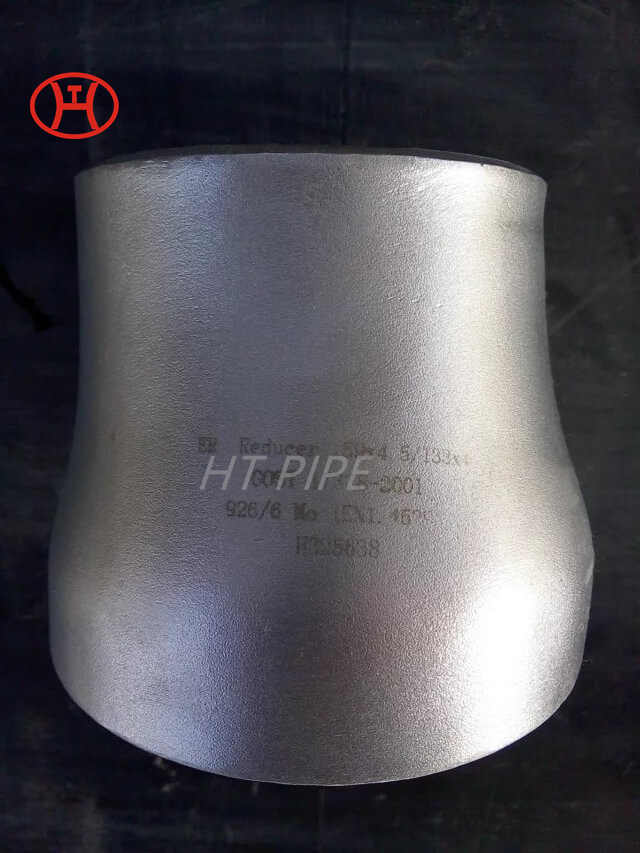
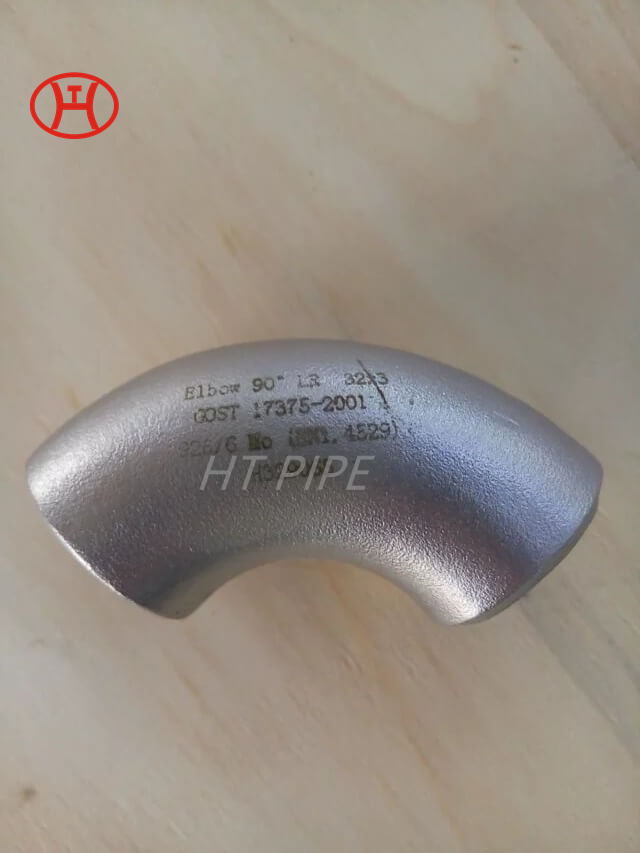
INCOLOY alloy 926 (UNS N08926 / W. Nr. 1.4529 / INCOLOY alloy 25-6MO) pipe fitting is a super-austenitic stainless steel containing 6% molybdenum and enhanced by an addition of nitrogen. The nickel and chromium contents of this alloy make it resistant to a wide range of corrosive environments.
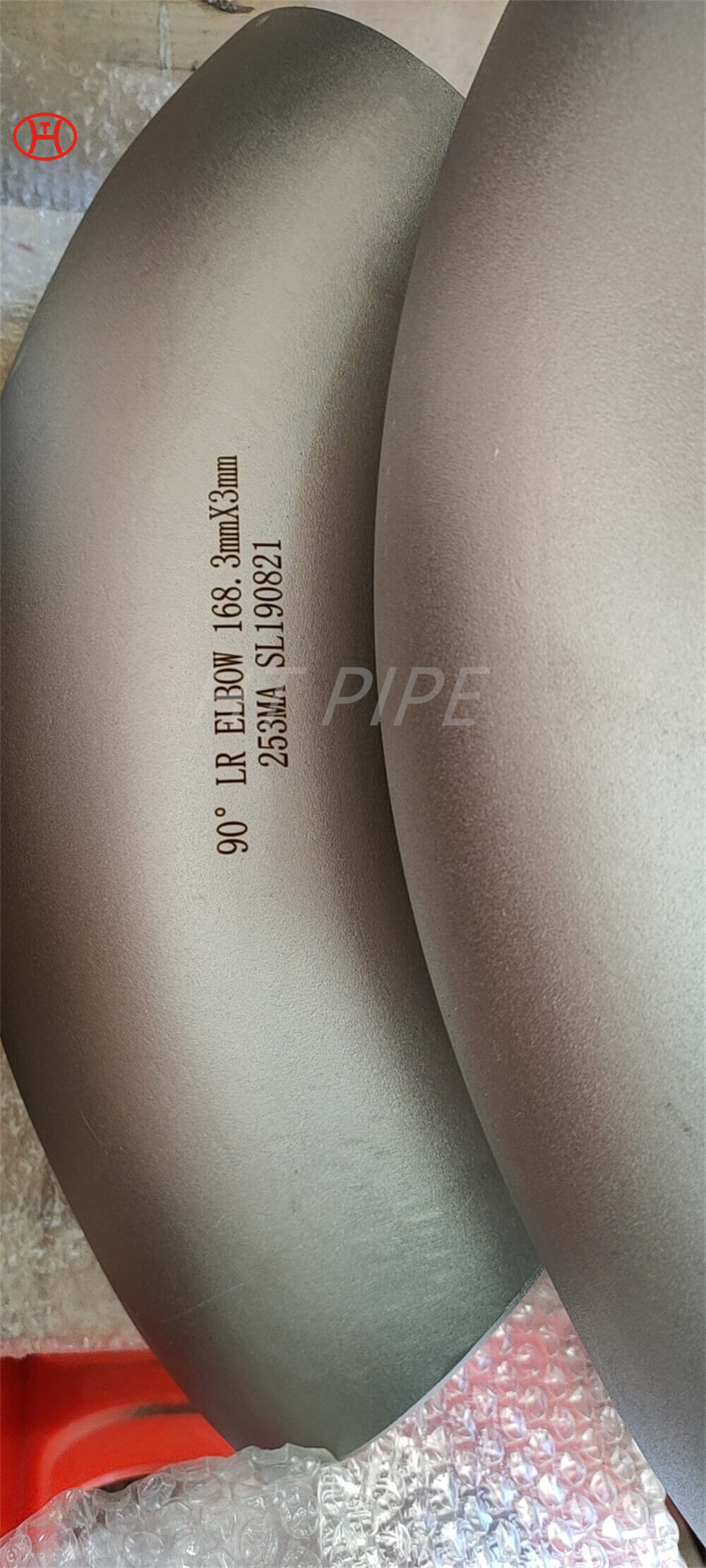
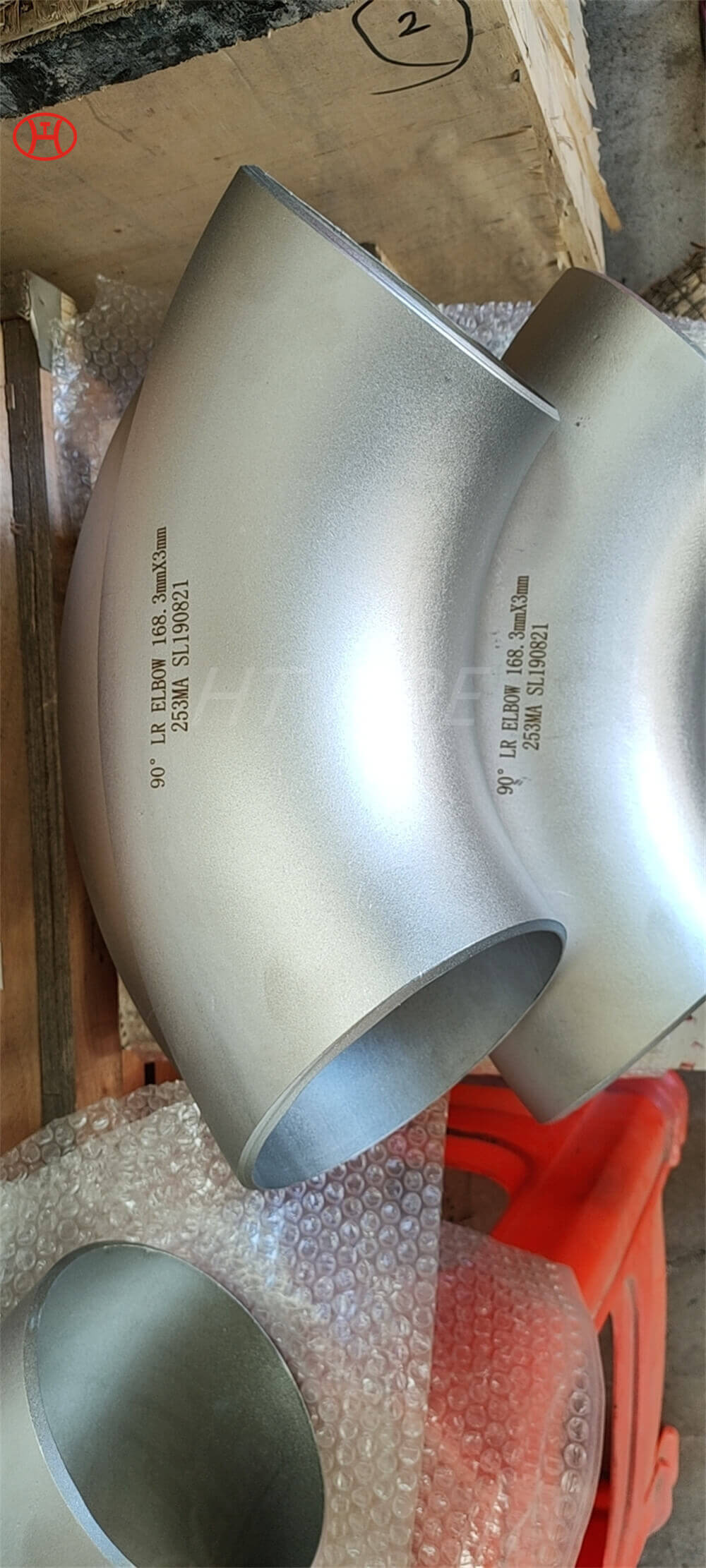
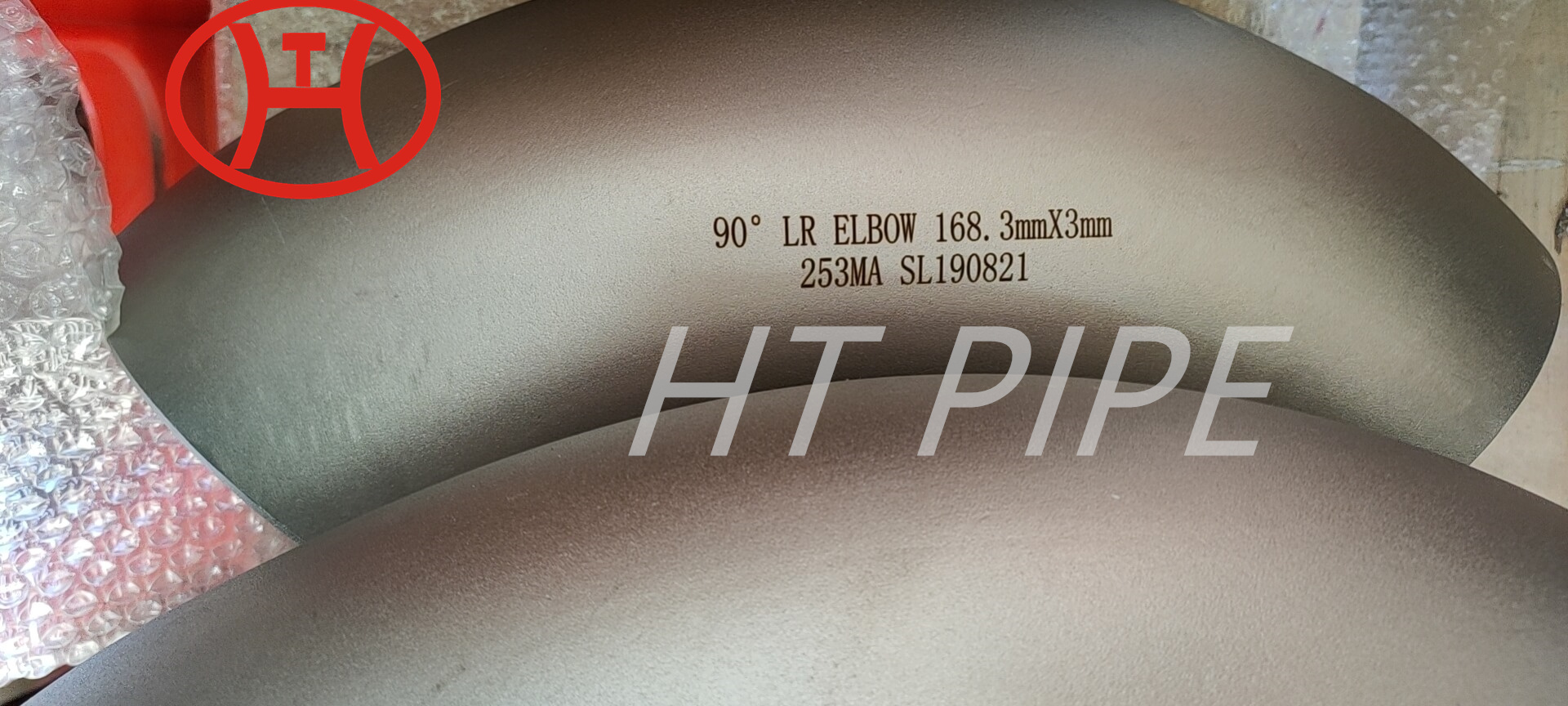
253 MA Pipe Fittings are austenitic stainless steel nickel-chromium alloyed fitting adding with unusual earth metals and nitrogen. The fittings have superior oxidation resistance up to 1150 degree C and general corrosion resistance. It offers outstanding creep strength along with superior resistance to erosion and sulfidation at elevated temperature. Through the tight control of micro-alloy addition these demonstrate superior heat resistance properties. The fittings have superior ductility and maintain its good formability. The presence of nitrogen and chromium content possess resistance to pitting and stress corrosion cracking.
UREA? 310Mo LN chemical composition has been optimized for specific uses in urea plants. It is a 310L modified austenitic stainless steel with low carbon, low silicon and high nitrogen content in order to stabilize and strengthen the austenitic phase. The alloy is designed to obtain a fully austenitic stainless steel free of intermetallic phases as intergranular carbide precipitations which affect drastically the corrosion resistance properties of the alloy in urea containing solutions.
Super duplex 2507 / UNS S32750 pipe fittings have great resistive properties to chloride stress corrosion cracking and a high thermal conductivity with a low coefficient of thermal expansion. These pipe fittings have a great resistance to inorganic acids used in dilute hydrochloric acid.
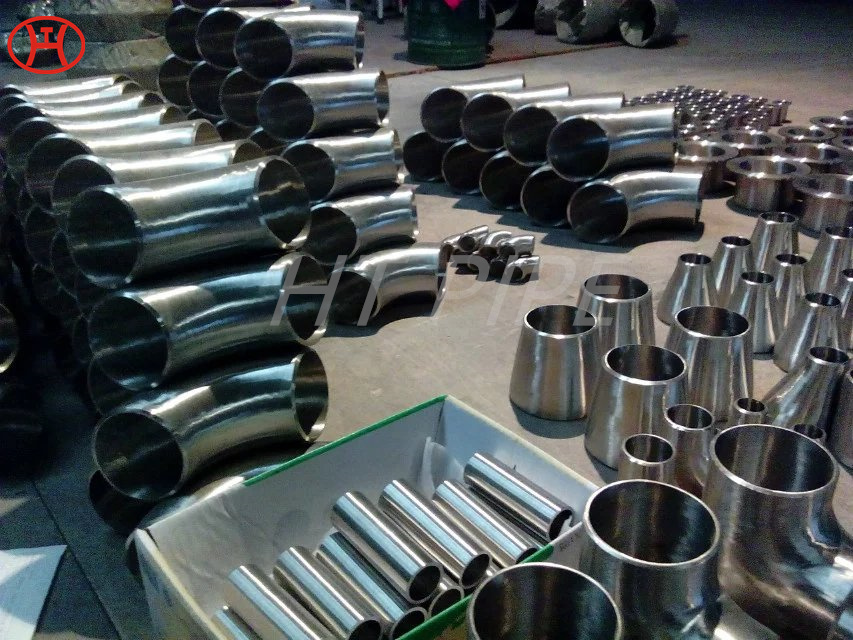
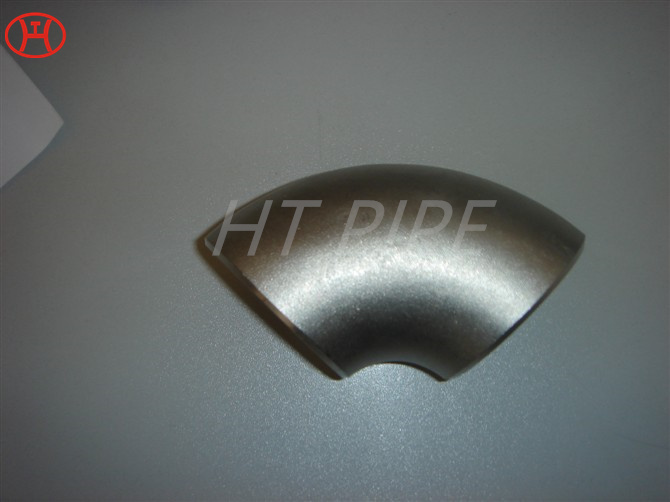
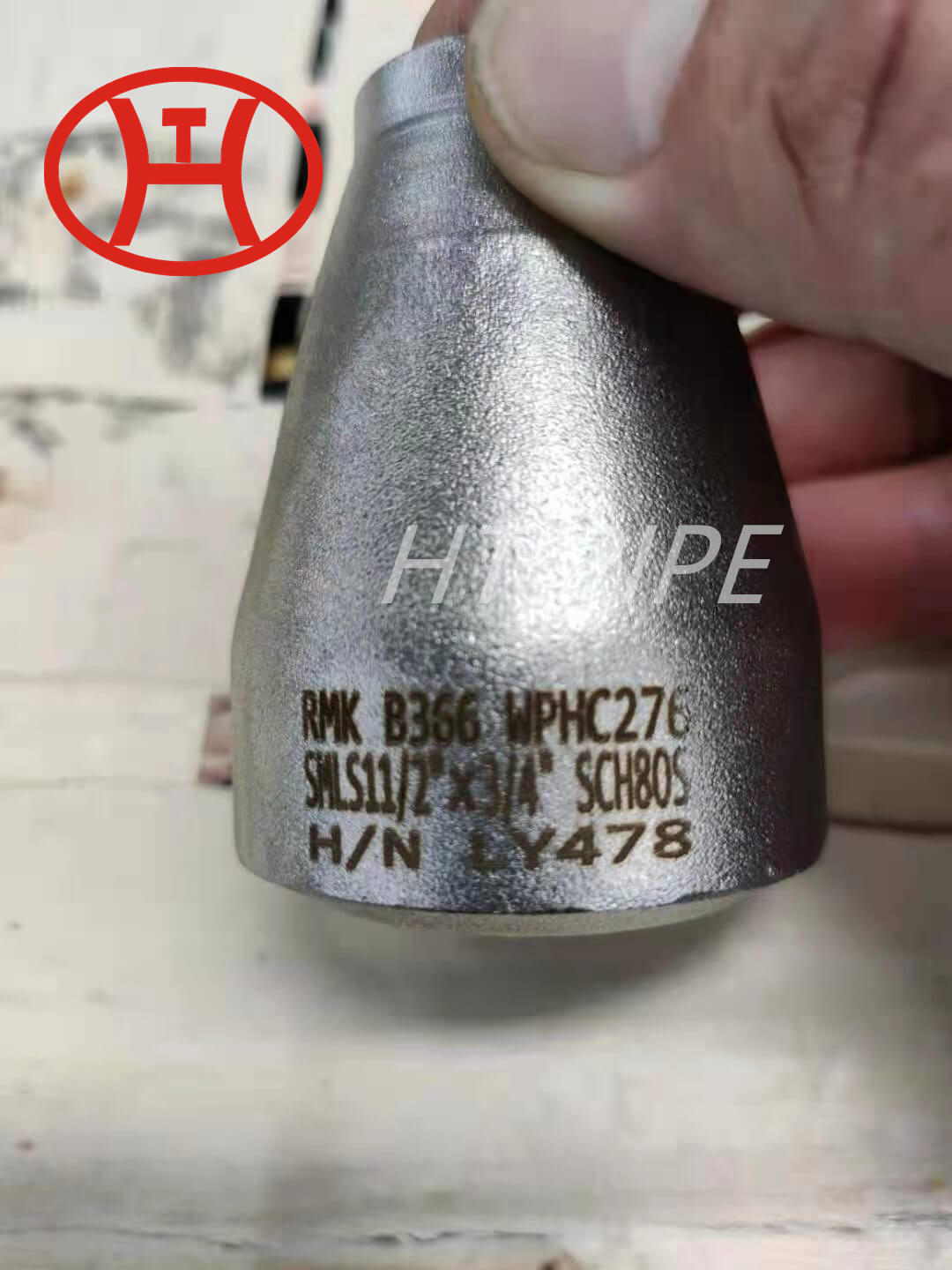
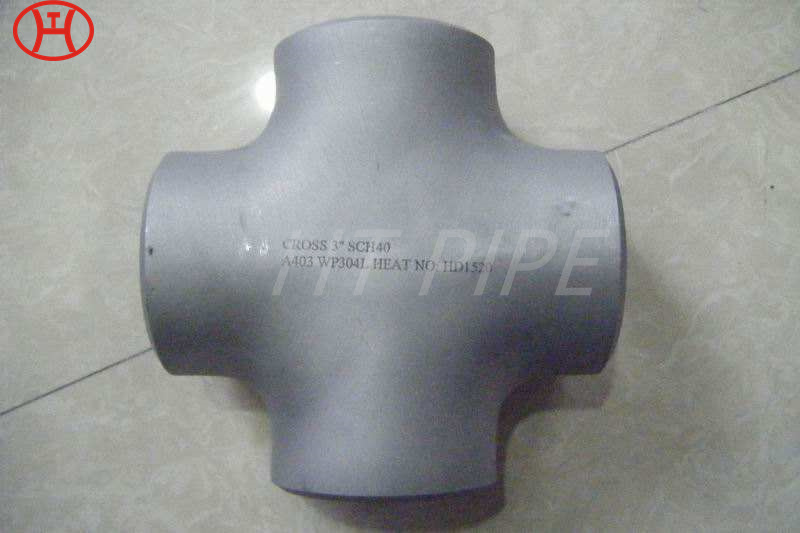
HASTELLOY C276 is a Nickel-chromium-molybdenum wrought alloy that is considered the most versatile corrosion resistant alloy available. It can be in the form of elbow, reducer, tee, cap, stub end, cross etc.
Alloy 20 is also known as UNS N08020 which is a stainless steel grade containing high alloy with excellent resistance to stress corrosion and sulfuric acid. This alloy grade contains various elements like copper, nickel; chromium and molybdenum that together help in offering crevice corrosion, resistance to corrosion and pitting.
AL-6XNalloy (UNS N08367) is a low carbon, high purity, nitrogen-bearing “super-austenitic” stainless alloy. The AL-6XN alloy was designed to be a seawater resistant material and has since been demonstrated to be resistant to a broad range of very corrosive environments. The high strength and corrosion resistance of the AL6XN alloy make it a better choice than the conventional duplex stainless steels and a cost effective alternative to more expensive nickel-base alloys where excellent formability, weldability, strength and corrosion resistance are essential.