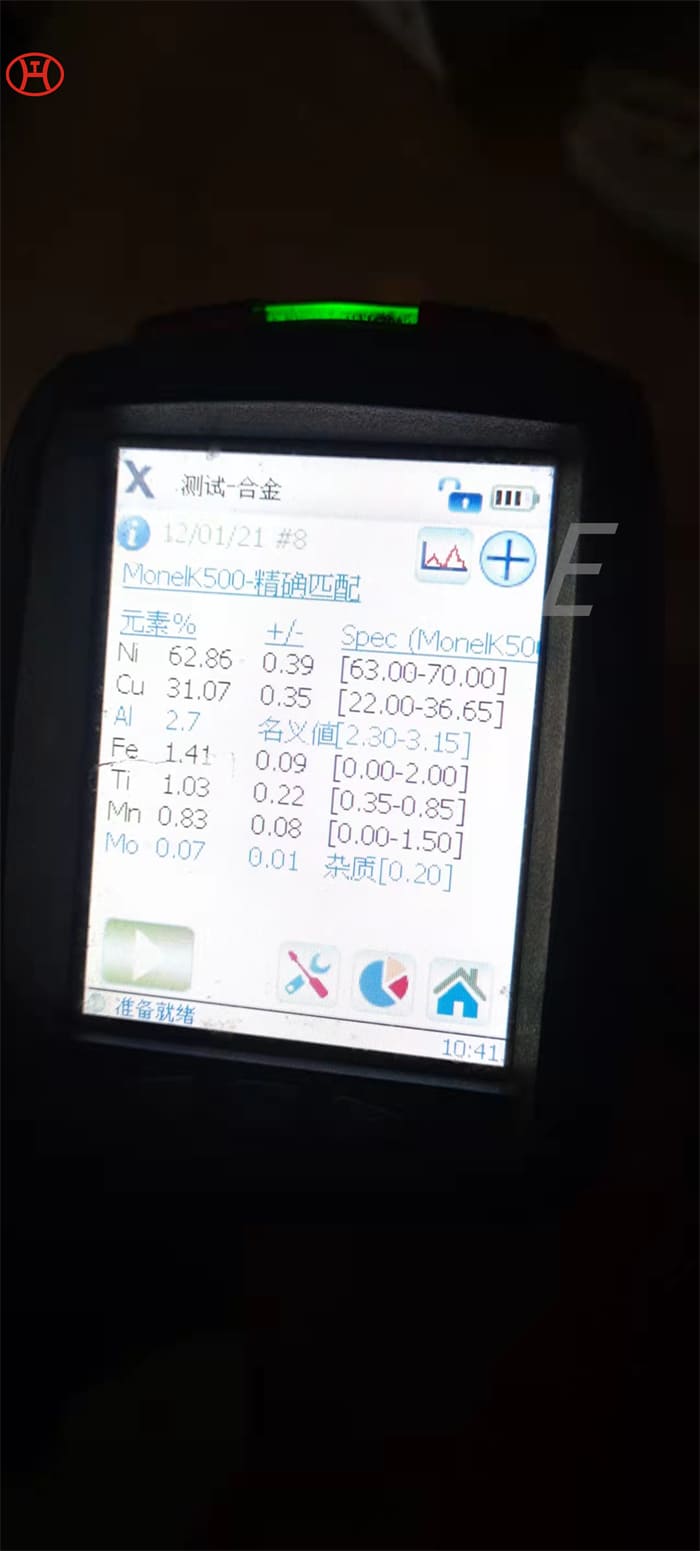
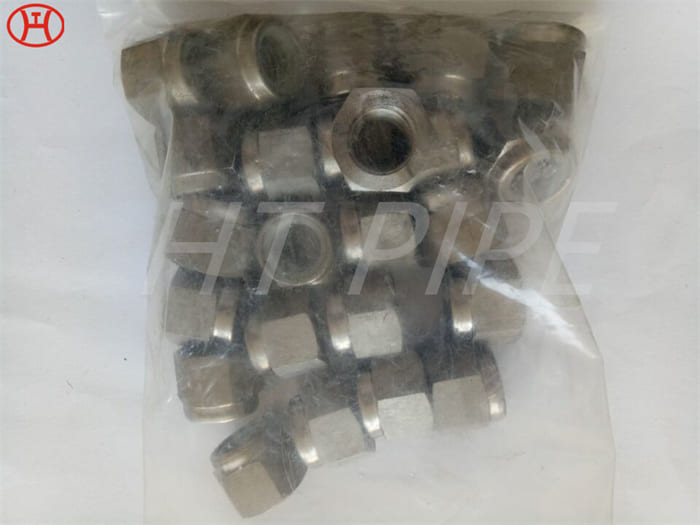
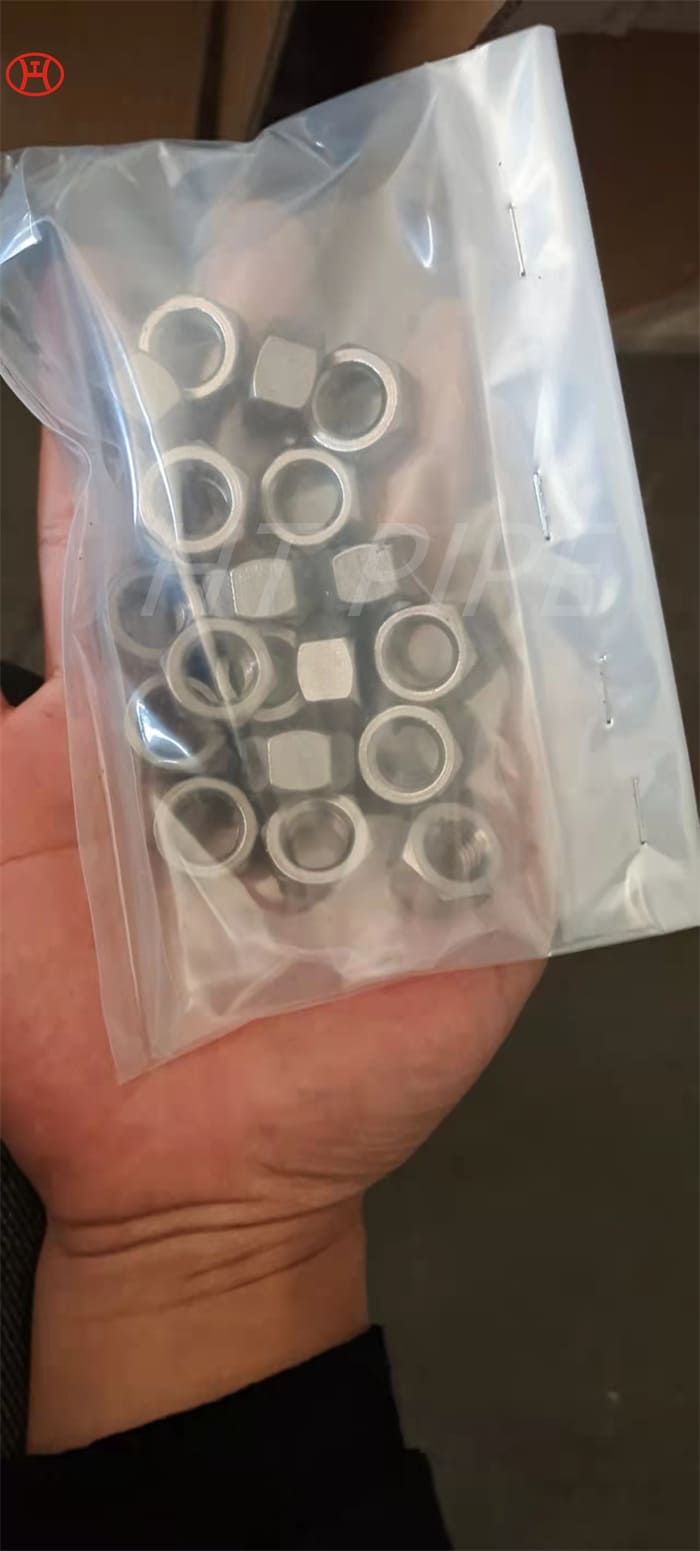
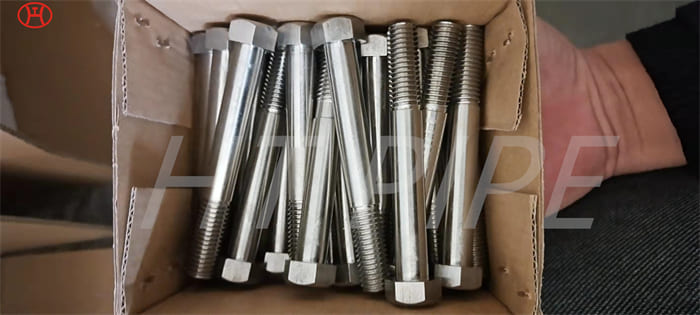
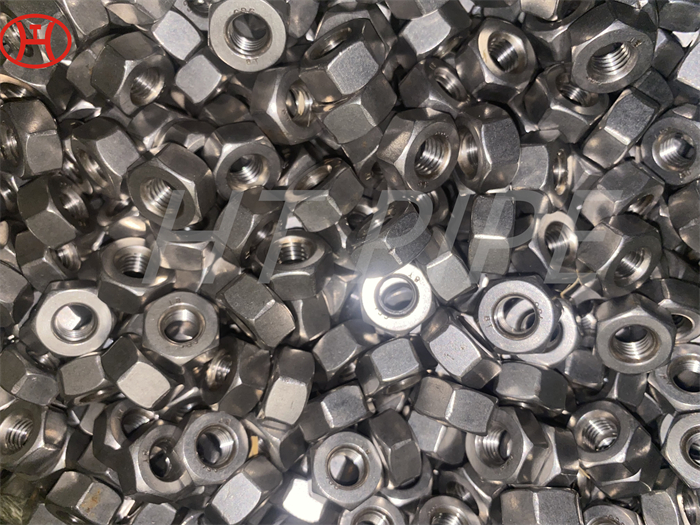
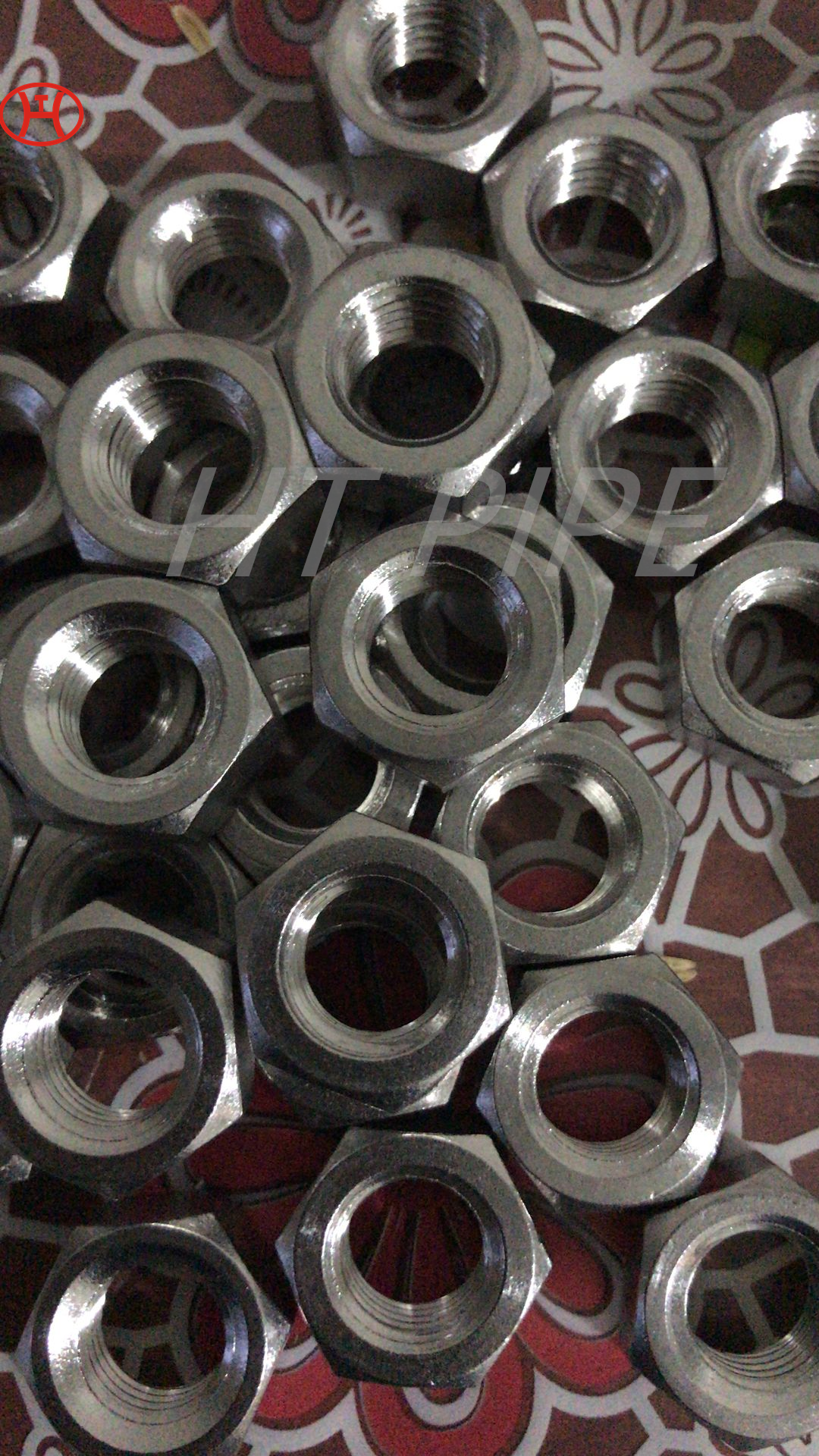
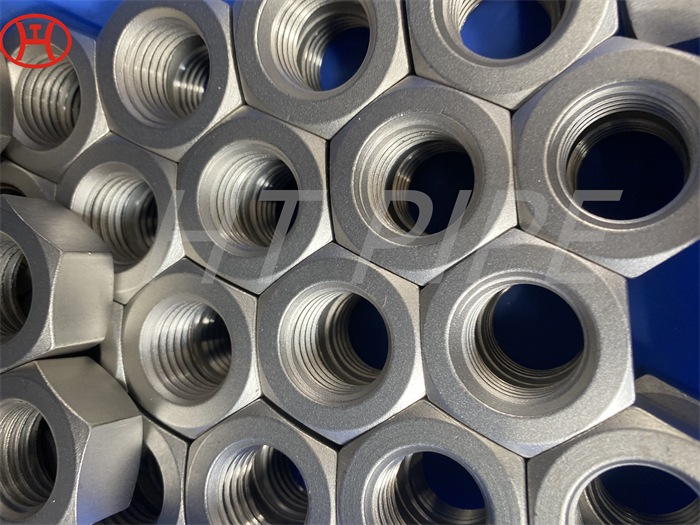
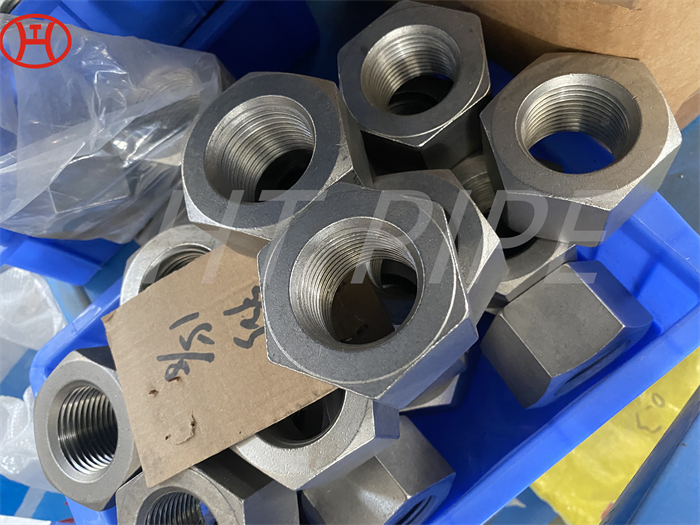
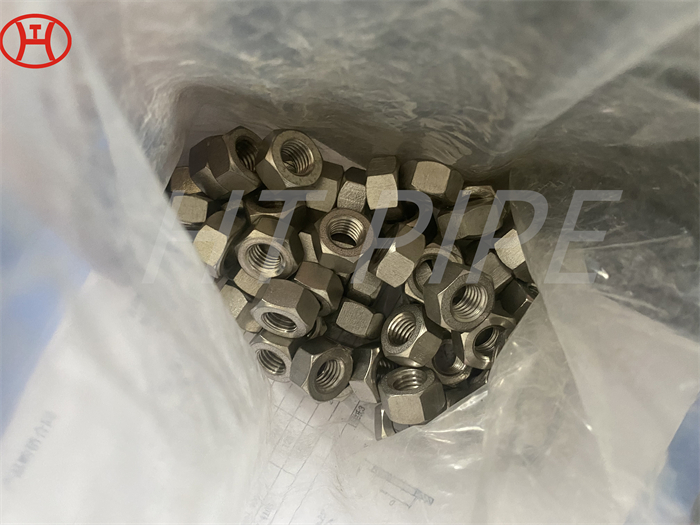
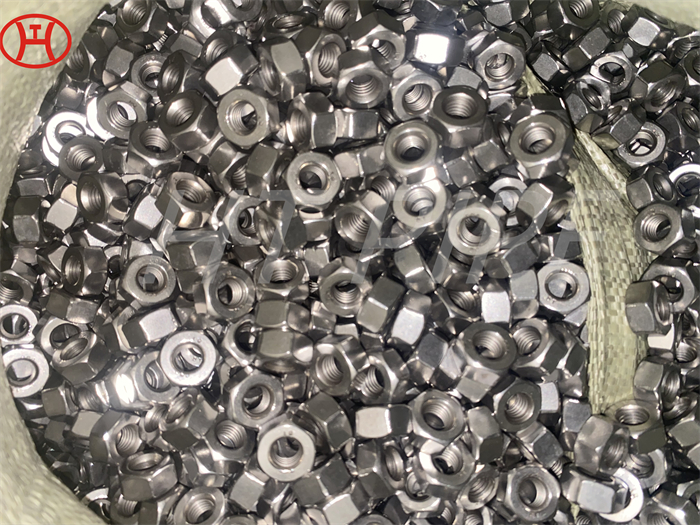
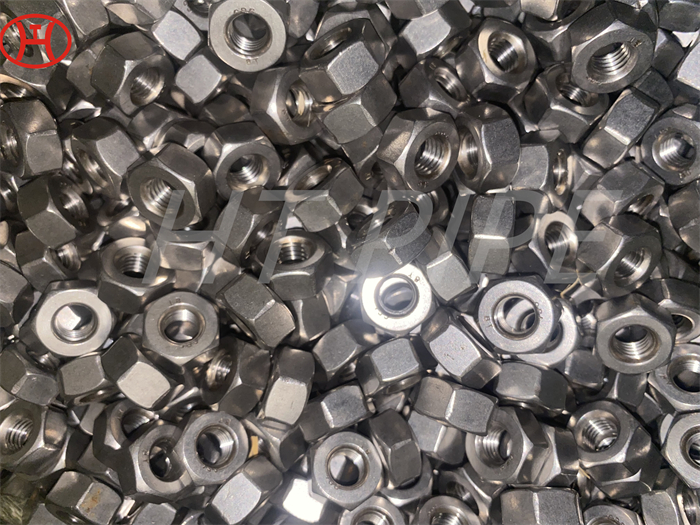
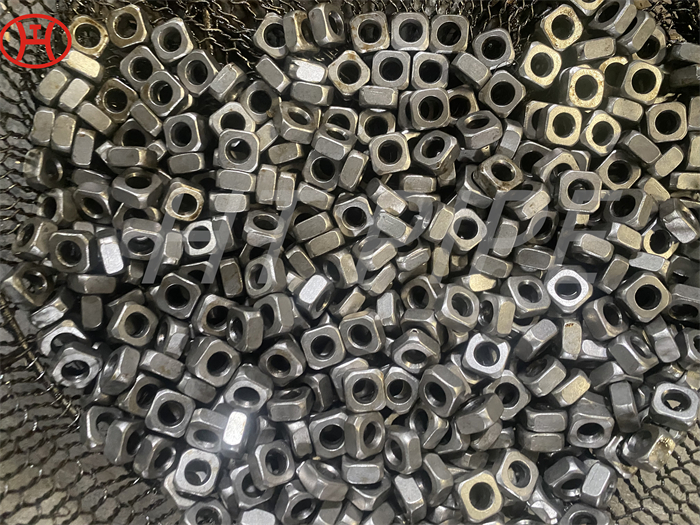
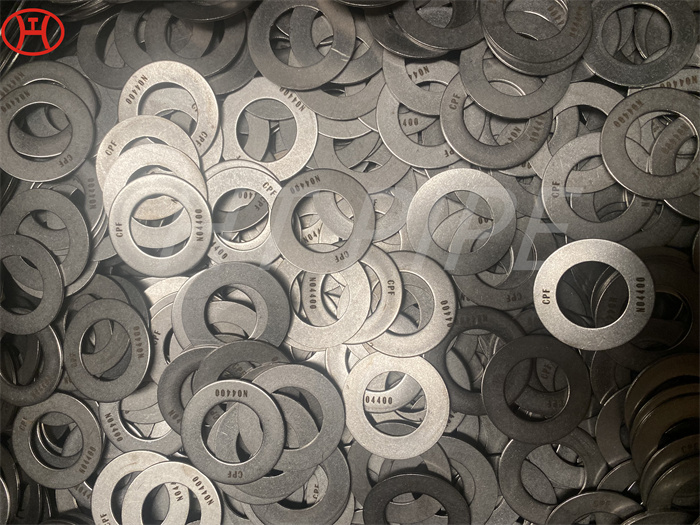
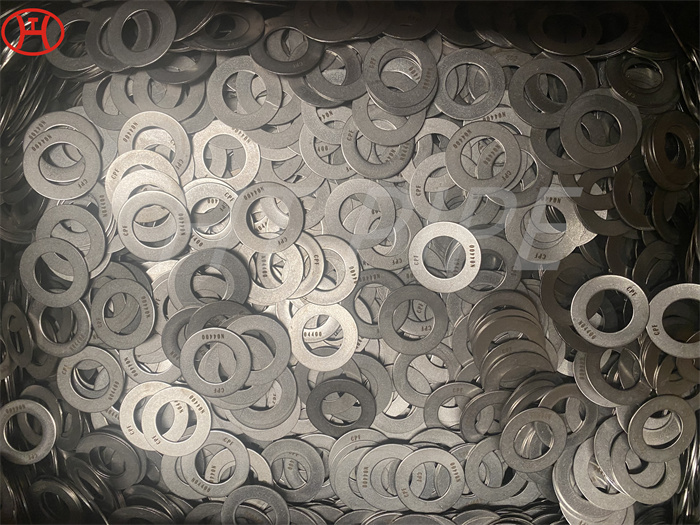
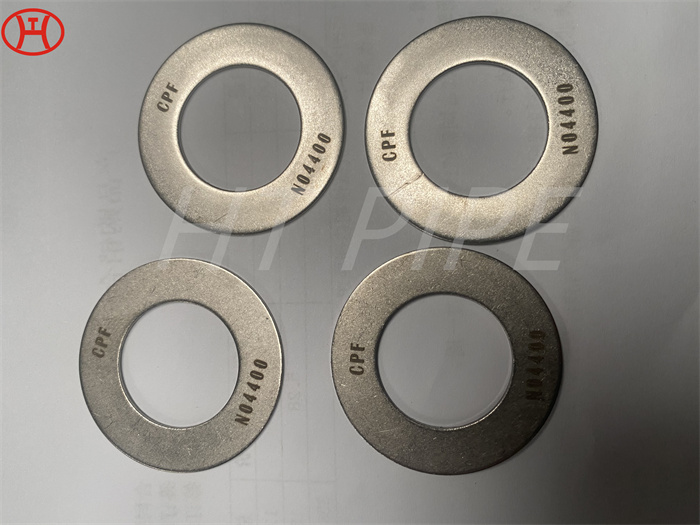
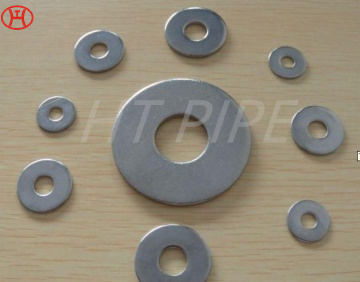
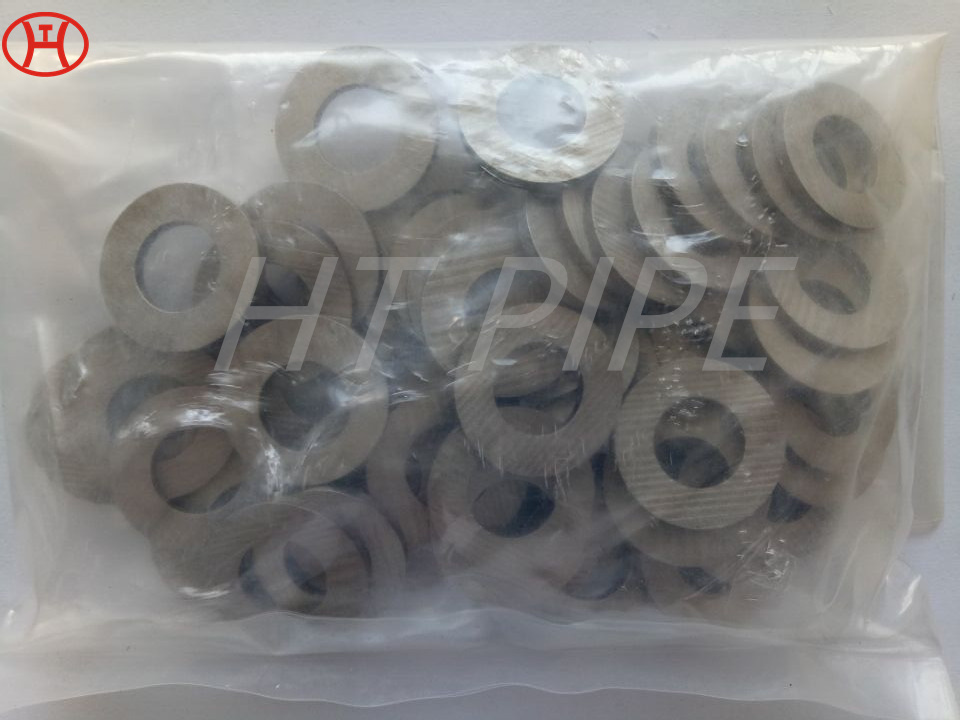
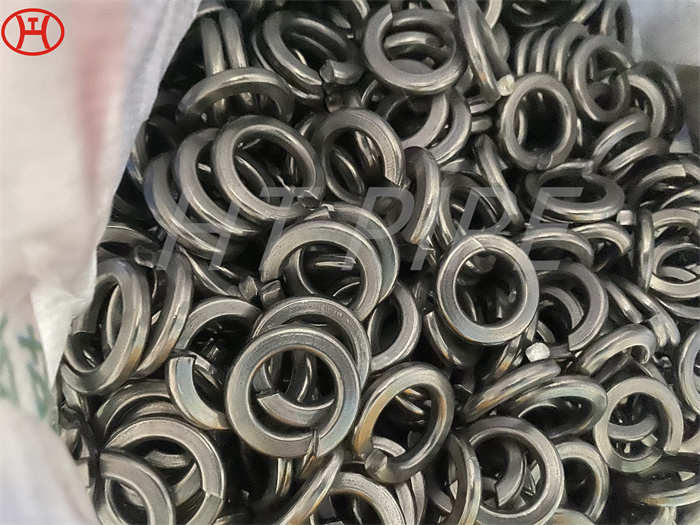
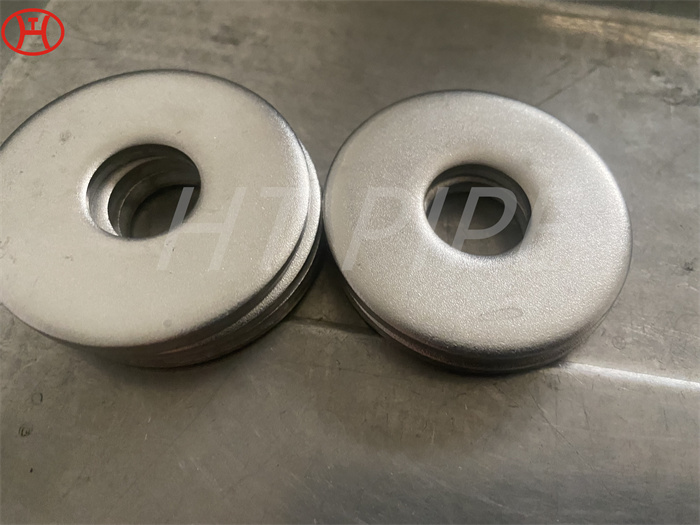
Monel K500 bolts offer a unique combination of high strength with similar corrosion resistance to Monel 400 and improved resistance to a sour-gas environments.
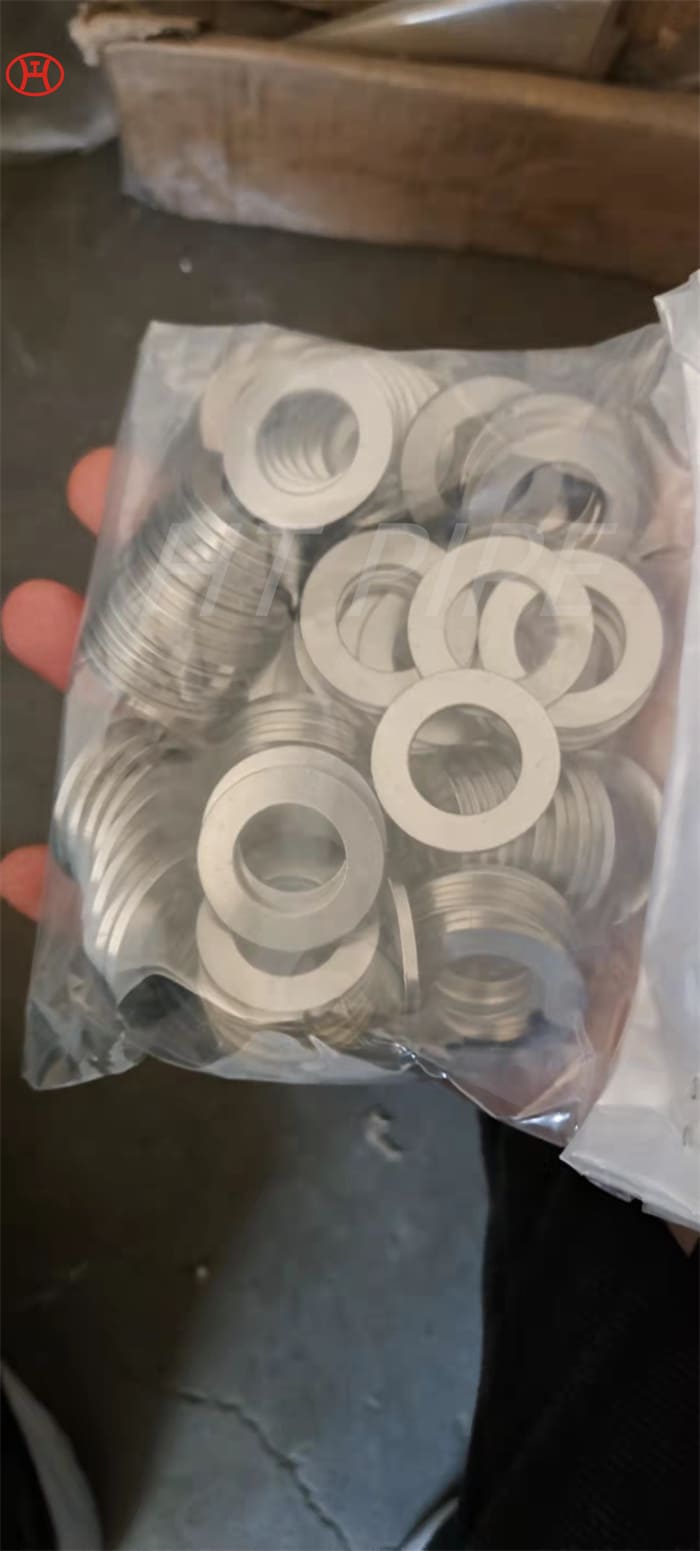
Stronger than 400, alloy K500 washer even retains this strength in corrosive. conditions, resisting both pure and salt water, as well as non-oxidizing mineral acids, salts, alkalis, and sour gas.
Monel K500 bolts are comprised of a nickel alloy that combines the outstanding corrosion resistance of Monel 400 with increased strength and hardness.
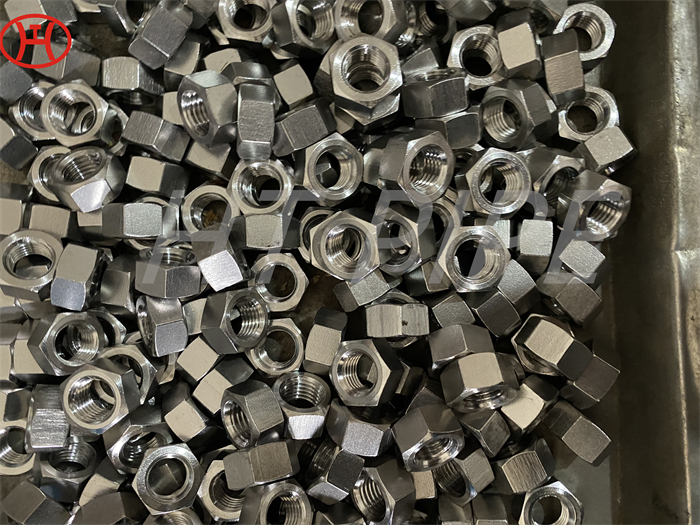
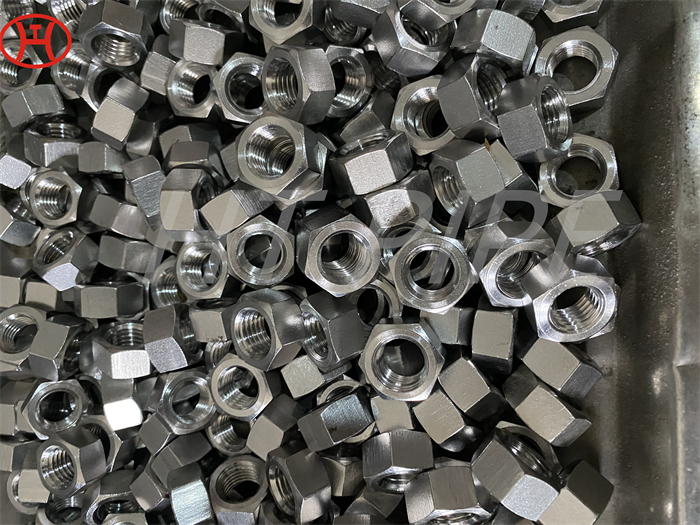
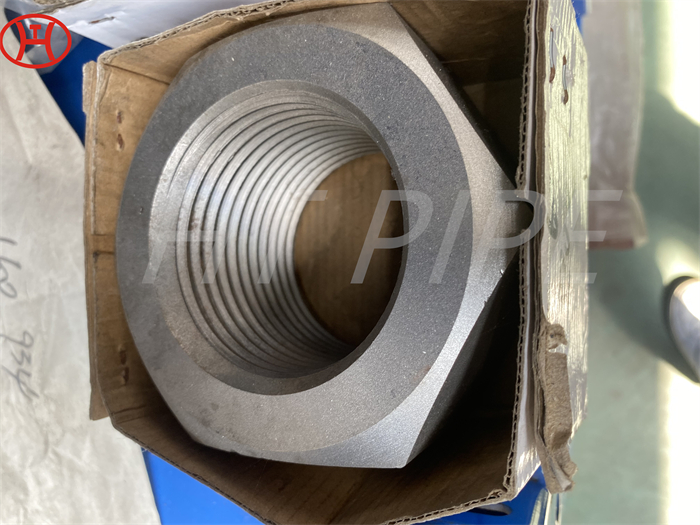
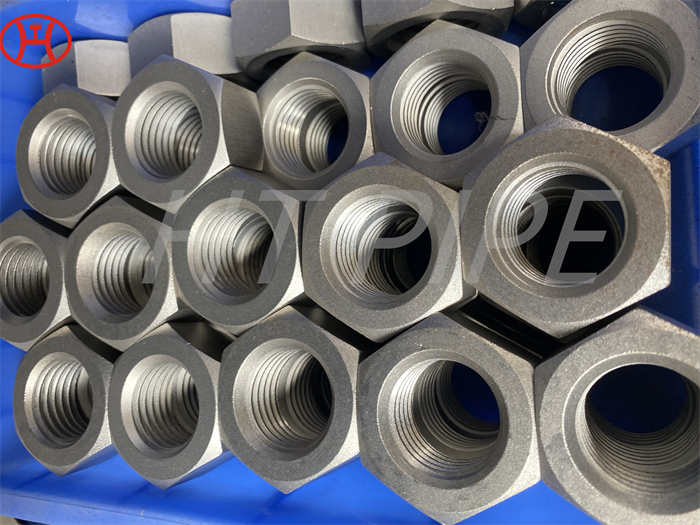
Monel K500 nuts are a result of an age hardening process where aluminum and titanium are added to the nickel-copper base and then precipitated throughout the matrix.
Monel K500 nuts will retain their strength to 1200¡ãF and even retain their ductility as low as -400¡ãF.
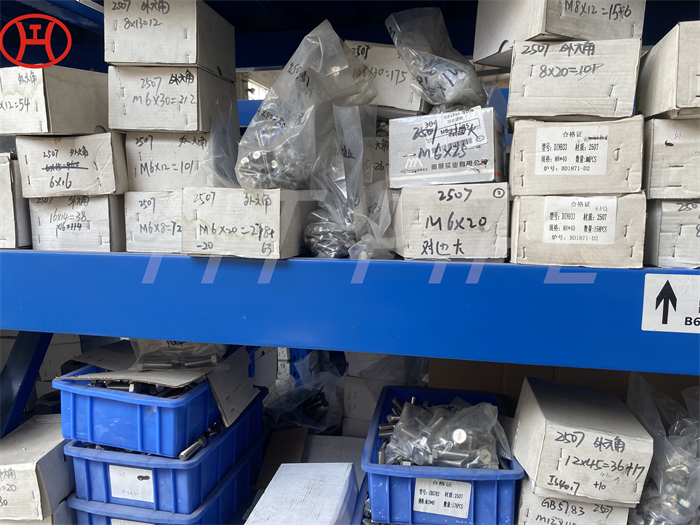
2507 Duplex is highly resistant to uniform corrosion by organic acids such as formic and acetic acid.
It is alsohighly resistant to inorganic acids, especially if they contain chlorides.
Alloy 2507 is highly resistant to carbide-related intergranular corrosion.
Due to the ferritic portion of the duplex structure of the alloy it is very resistant to stress corrosion cracking in warm chloride containing environments.
Through additions of chromium, molybdenum and nitrogen localized corrosion such as pitting and crevice attack are improved. Alloy 2507 has excellent localized pitting resistance.
Duplex 2507 has high resistance to chloride stress corrosion cracking, high Strength, and superior resistance to chloride pitting and crevice corrosion.
2507 has Good general corrosion resistance, Suggested for applications up to 600¡ã F, and Low rate of thermal expansion.
2507 has Combination of properties given by austenitic and ferritic structure, and Good weldability and workability.
Duplex 2507 is usually used in Desalination Equipment, Chemical process pressure vessels, piping and heat exchangers and Marine Applications.
2507 is also used in Flue Gas Scrubbing Equipment, Pulp and Paper Mill Equipment, Offshore Oil production/technology and Oil and gas industry equipment.
2507 (UNS S32750) is a super duplex stainless steel designed for applications which require exceptional strength and corrosion resistance. 2507 is a 25% chromium, 4% molybdenum, and 7% nickel alloy resulting in excellent resistance to chloride pitting and crevice corrosion attack.
The duplex structure provides 2507 with exceptional resistance to pitting and chloride stress corrosion cracking.
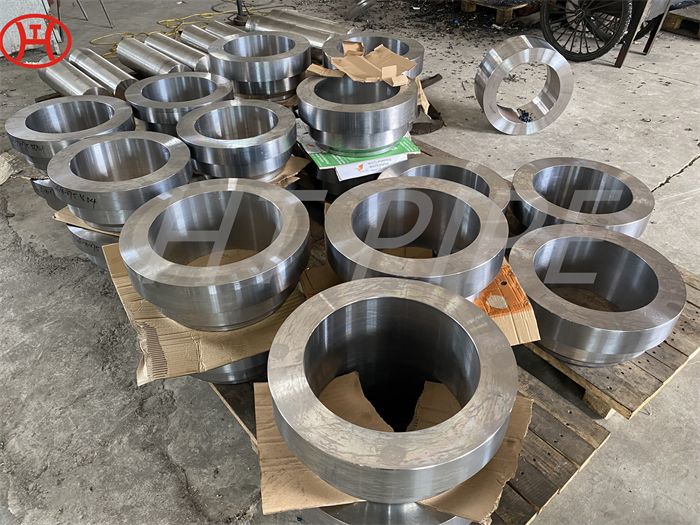
Duplex 2507 is a super duplex stainless steel designed for applications which demand exceptional strength and corrosion resistance.
Super Duplex UNS S32750 is the most common super duplex grade in the market. UNS S32750 is a duplex stainless steel especially designed for service in aggressive chloride-containing environments.
Alloy 2507 has 25% chromium, 4% molybdenum, and 7% nickel. This high molybdenum, chromium and nitrogen content results in excellent resistance to chloride pitting and crevice corrosion attack and the duplex structure provides 2507 with exceptional resistance to chloride stress corrosion cracking.
Usage of Duplex 2507 should be limited to applications below 600¡ã F (316¡ã C). Extended elevated temperature exposure can reduce both the toughness and corrosion resistance of alloy 2507.
Duplex 2507 possesses excellent mechanical properties. Often a light gauge of 2507 material can be used to achieve the same design strength of a thicker nickel alloy.
Alloy Steel AISI 4140 bar stock or forging stock to produce B7 headed and non-headed bolts. A193 Grade B7 is the most commonly used Bolt specification coupled with A194 Grade 2H Nuts for Bolting Carbon Steel pipeline. A193 B7 bolting is available in metric sizes from M6 to M180 and imperial sizes from 1/4 to 7 inches, in diameter.
B7 and B7M shall be heat treated by quenching in a liquid medium and tempering. For B7M fasteners, the final heat treatment, which may be the tempering operation if conducted at 1150 ¡ãF [620 ¡ãC] minimum, shall be done after all machining and forming operations, including thread rolling and any type of cutting.
ASTM A193 Grade B7 is a standard material specification for chromium-molybdenum alloy steel fasteners for use in high tensile, high temperature and special purpose applications.
Grade B7 is a heat-treated chromium-molybdenum alloy steel with minimum tensile requirement of 100 ksi, yield of 75 ksi and maximum hardness of 35 HRC.
The material is made up of carbon, manganese, phosphorus, sulfur, silicon, chromium and molybdenum in the composition.
The term “bolting material” as used in this specification covers, rolled, forged or strain hardened bars, bolts, washers, screws, studs and stud bolts.
ASTM A320 L7 washers are specially engineered for LOW temperature performance. These fasteners are commonly used for valves, flanges, fittings, and pressure vessels.
ASTM specifications recommend a minimum Charpy impact value for ASTM A320 L7 Stud Bolts to be 20-ft-lbf @ -150F. The Charpy impact test determines the total amount of energy that is absorbed by a material during fracture, thereby indicating the material¡¯s notch toughness.