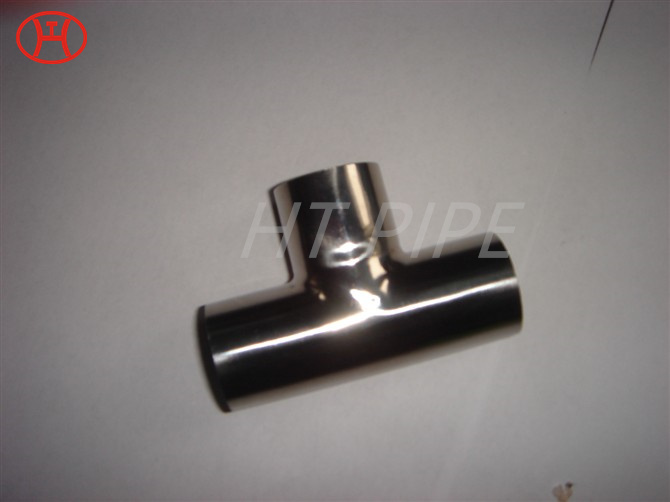
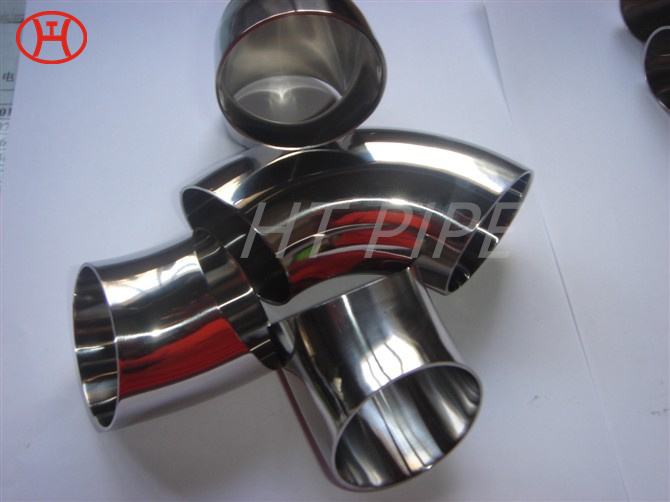
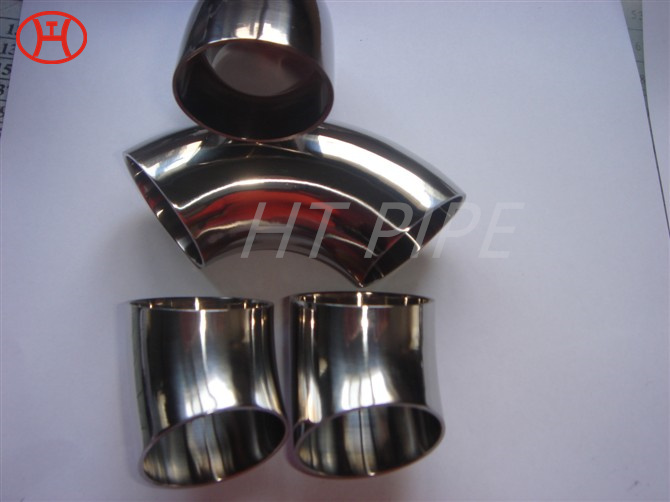
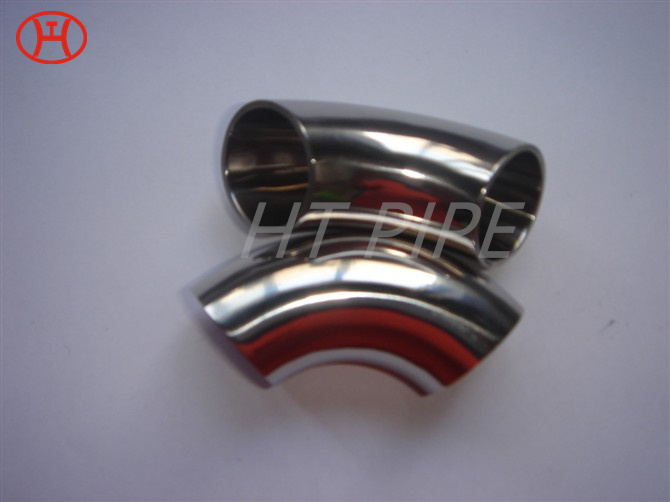
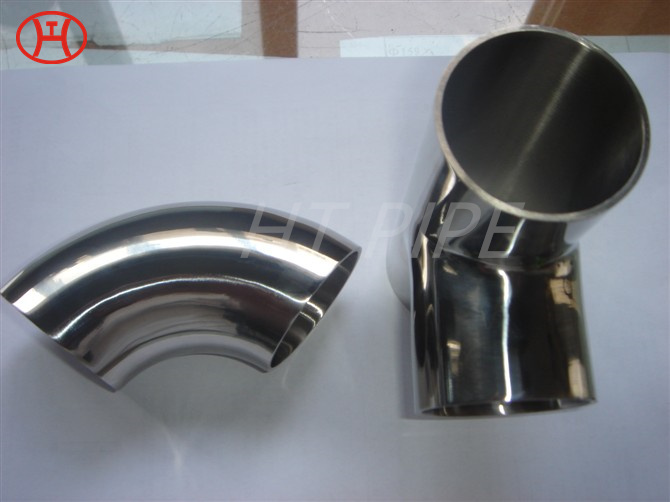
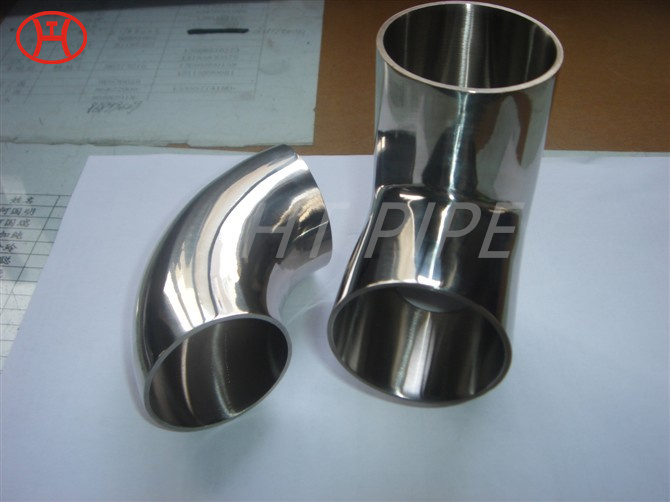
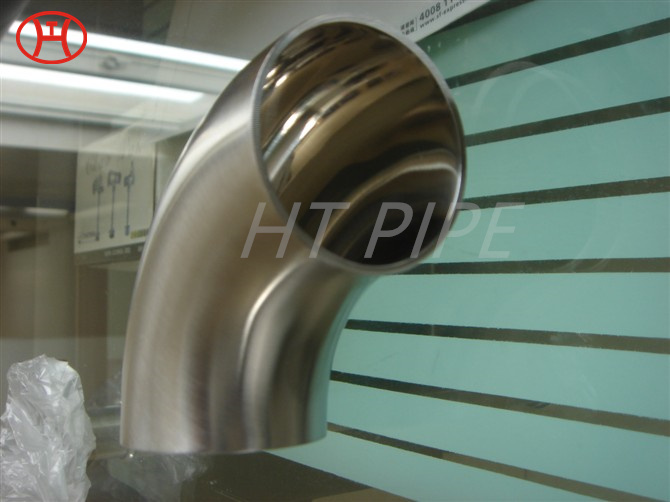
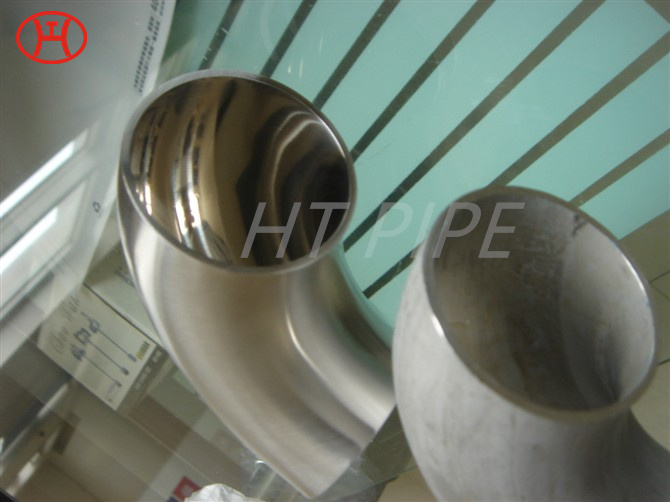
Sanitary accessories 304 are designed and manufactured for food, beverage, medical, pharmaceutical and biological applications that require cleanliness and sterility. These accessories are made of materials that ensure sterility and remain sterile during operation.
Sanitary fittings are primarily measured by the Outside Diameter (OD) and Inside Diameter (ID) of the tube end or flange end. This measurement, known as the ¡°sanitary size,¡± usually ranges from ?¡± up to 12¡±.
Stainless steel, thanks to its passive chromium oxide coating, does not react with other substances. Thanks to this, it can be freely used in contact with food. Strict HACCP standards require the use of stainless steel in contact with food. All because steel is non-toxic and easy to keep clean. Stainless steel elements can be cleaned with most common detergents and we do not have to worry that the steel surfaces will lose their properties or change their appearance.
Other available materials include silicone, rubber compounds, galvanized steel, and nylon. These sanitary fittings are primarily used to connect hoses to valves, water pumps, and deck drains.
A 45o elbow, also known as a ¡°45 bend¡± or ¡°45 L,¡± is commonly used in water-supply facilities, food, chemical, electronic industrial pipeline networks, air-conditioning pipelines, agriculture, garden production, and solar-energy facility piping.
Sanitary elbows are also classified by length. A large radius elbow has a curvature radius of 1.5 times the pipe¡¯s diameter, but a short radius elbow has a radius equal to the pipe¡¯s diameter
Short elbows are widely available and are typically used for pressurized systems in physically tight locations.
Long elbows as sanitary fittings are used in low-pressure gravity-fed systems and other applications where low turbulence and minimum deposition of entrained solids are of concern.