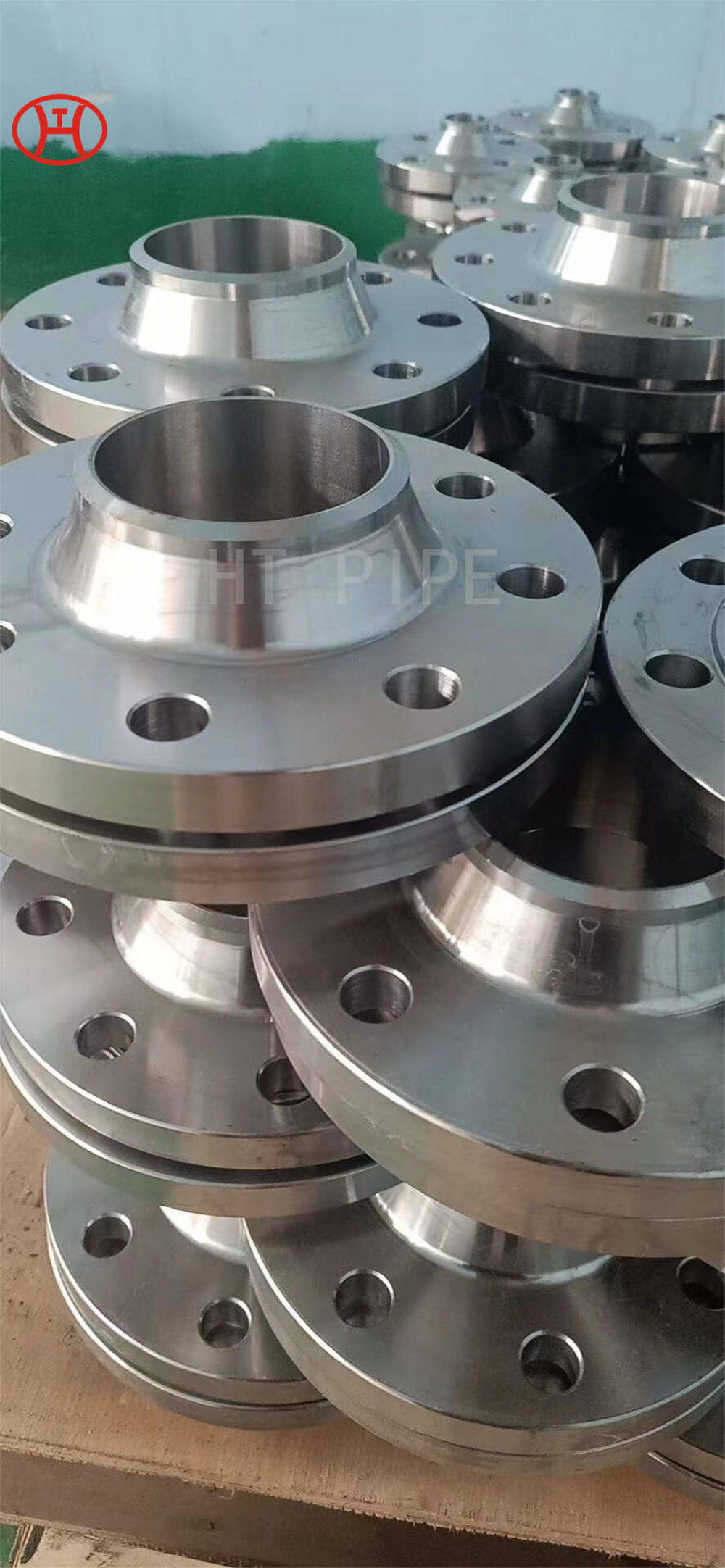
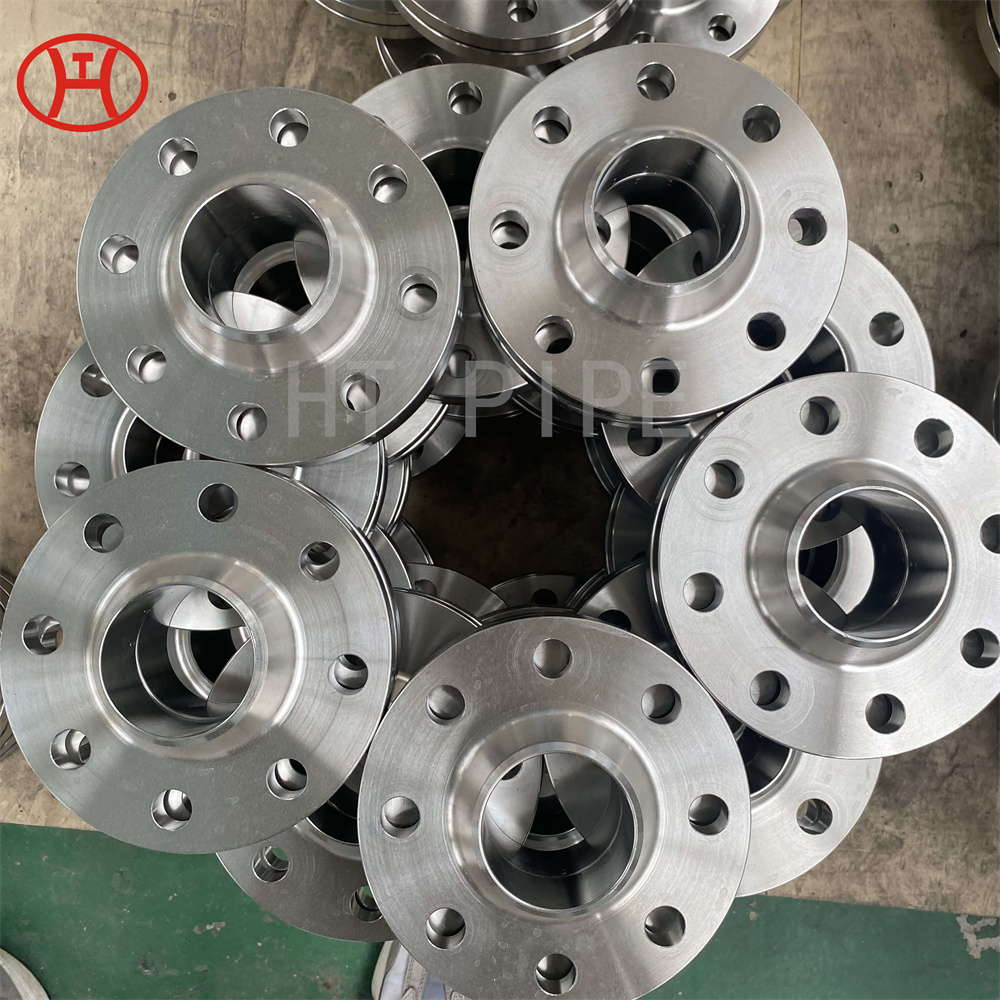
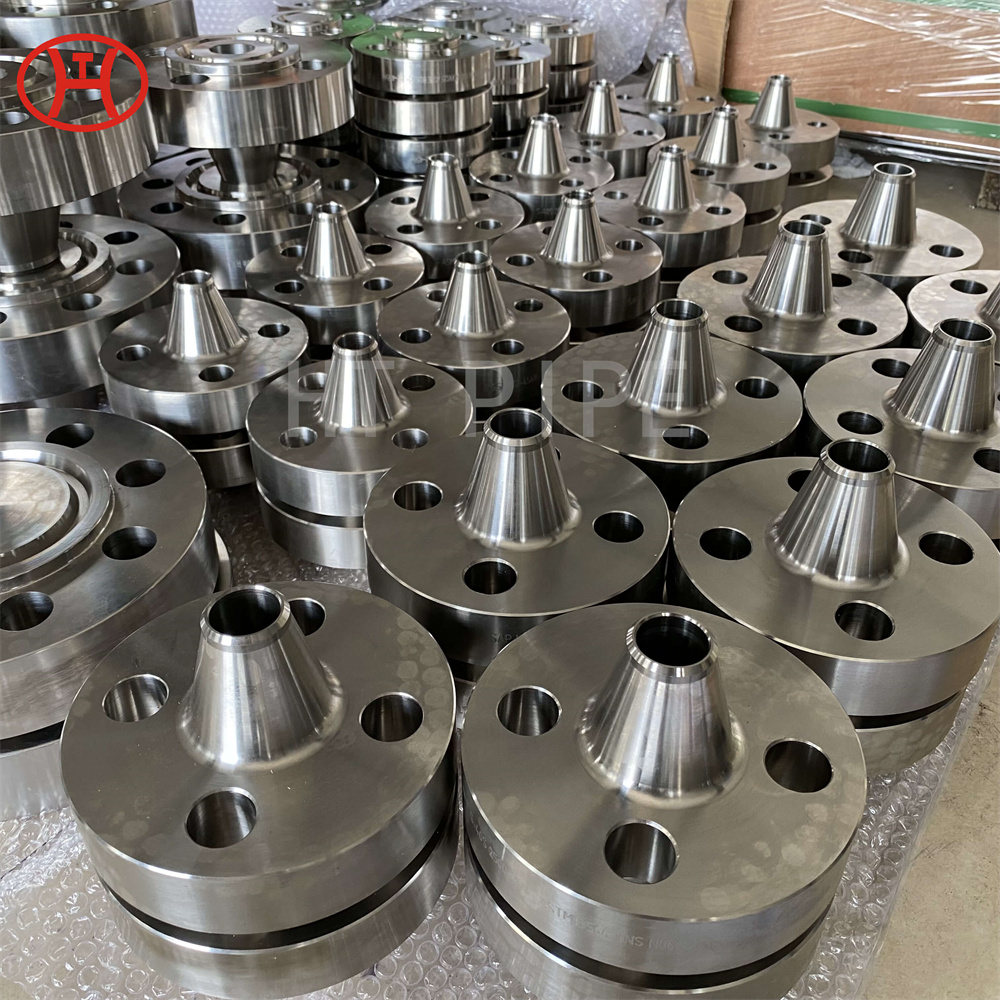
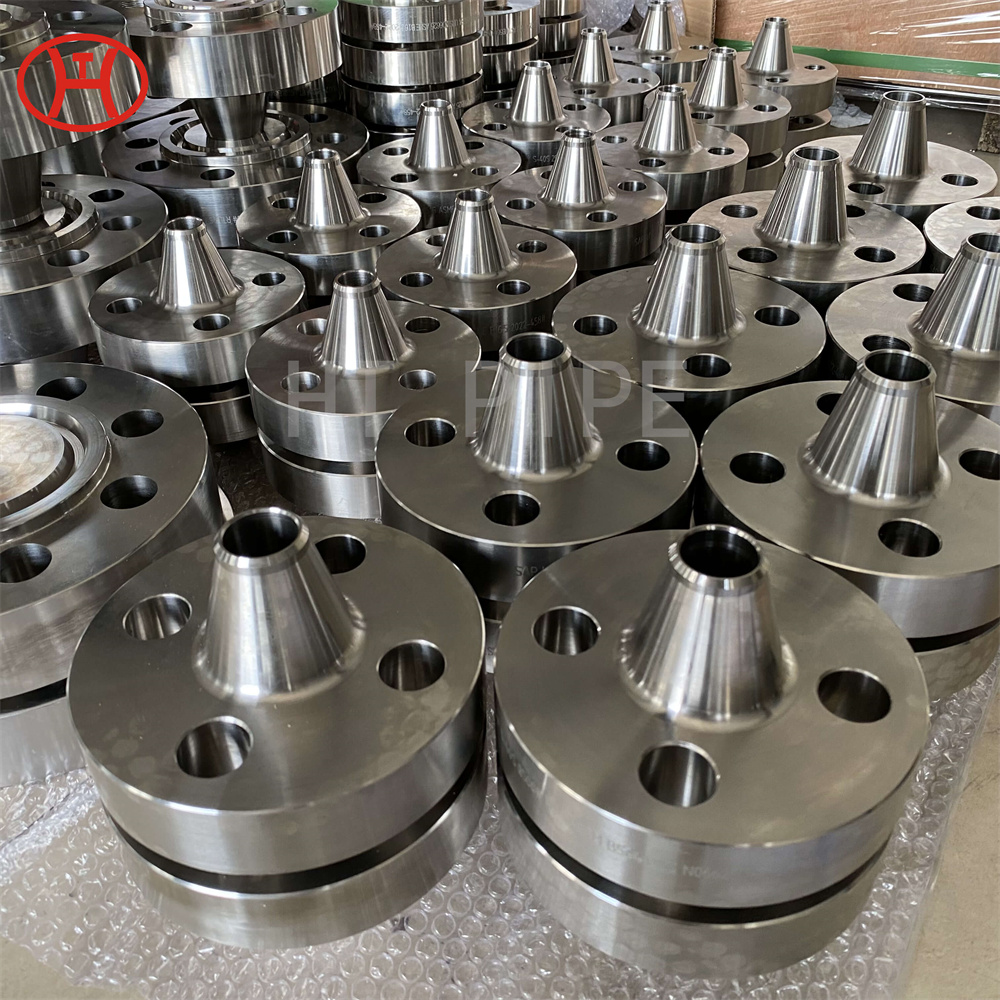
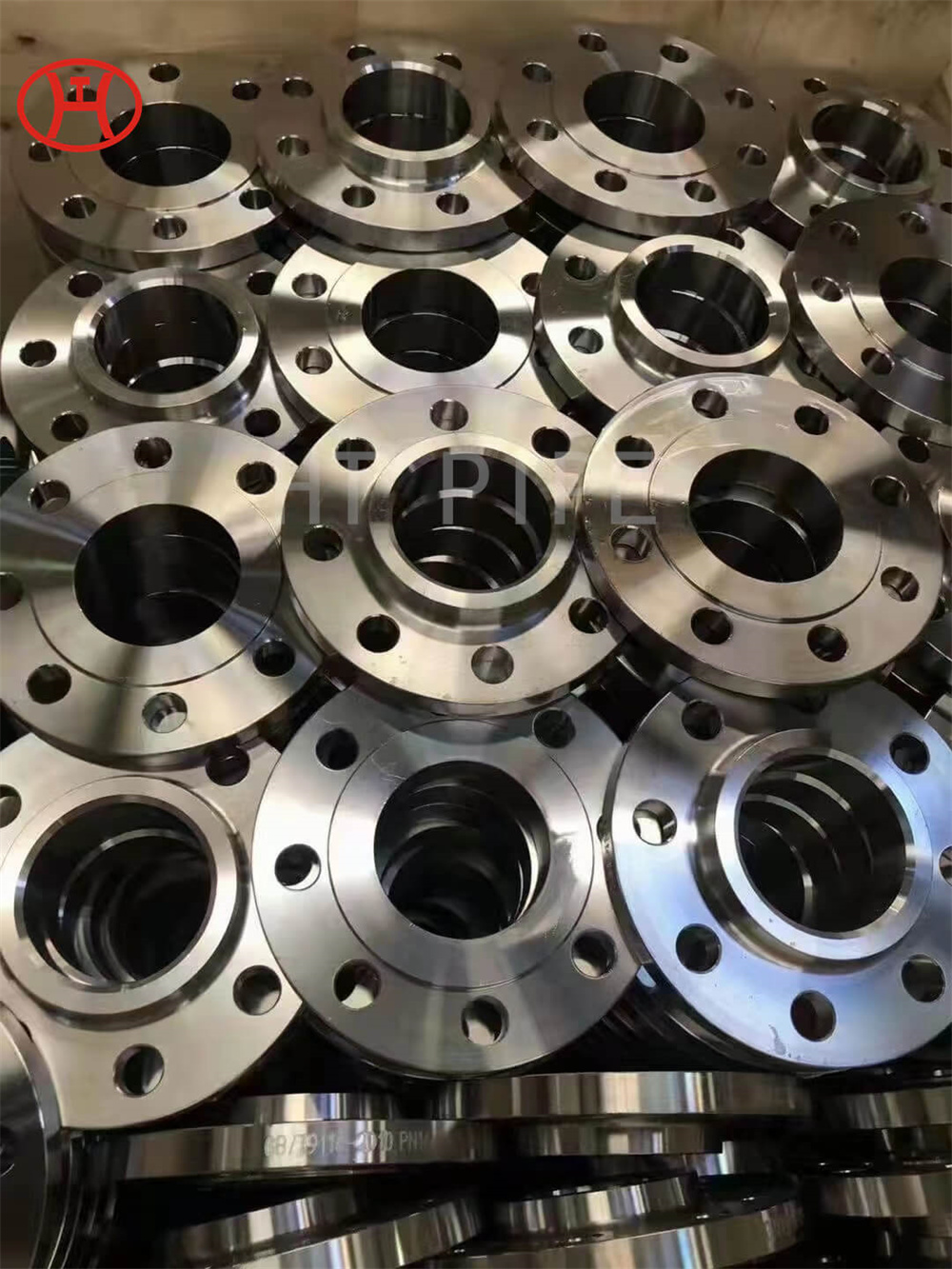
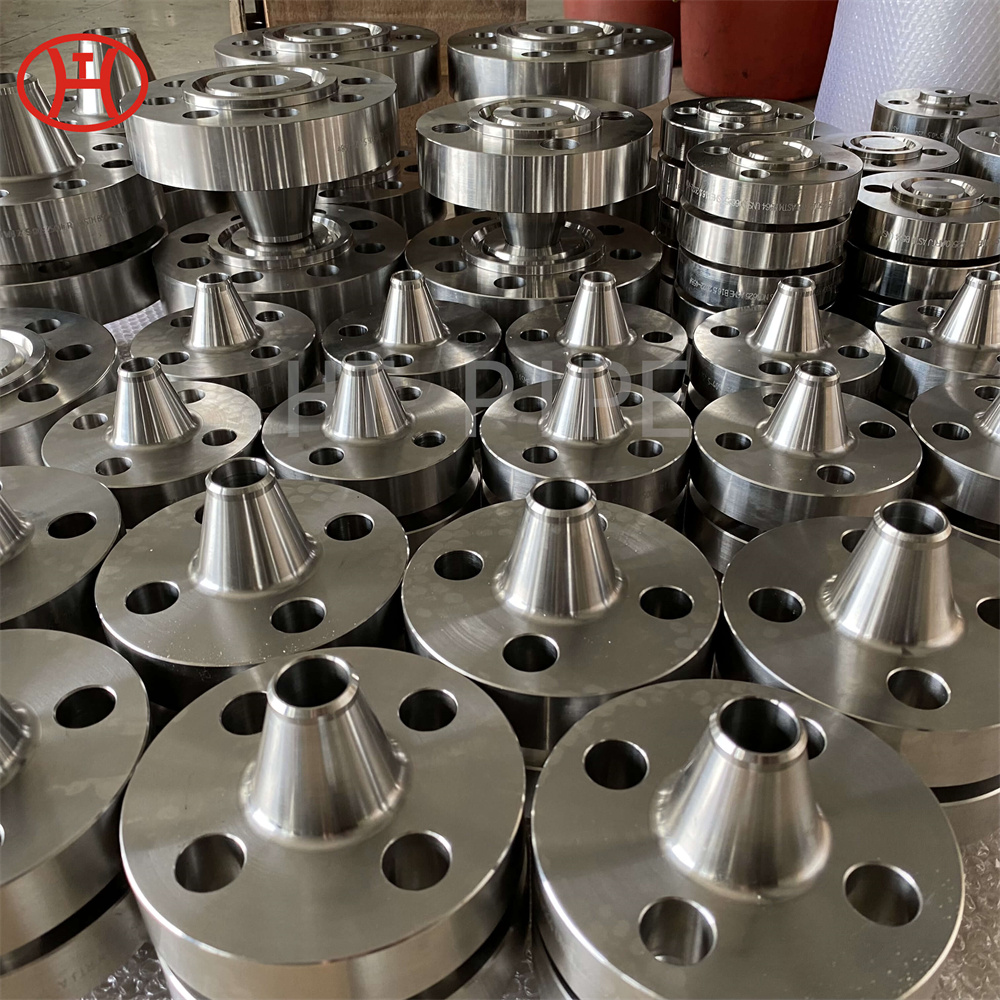
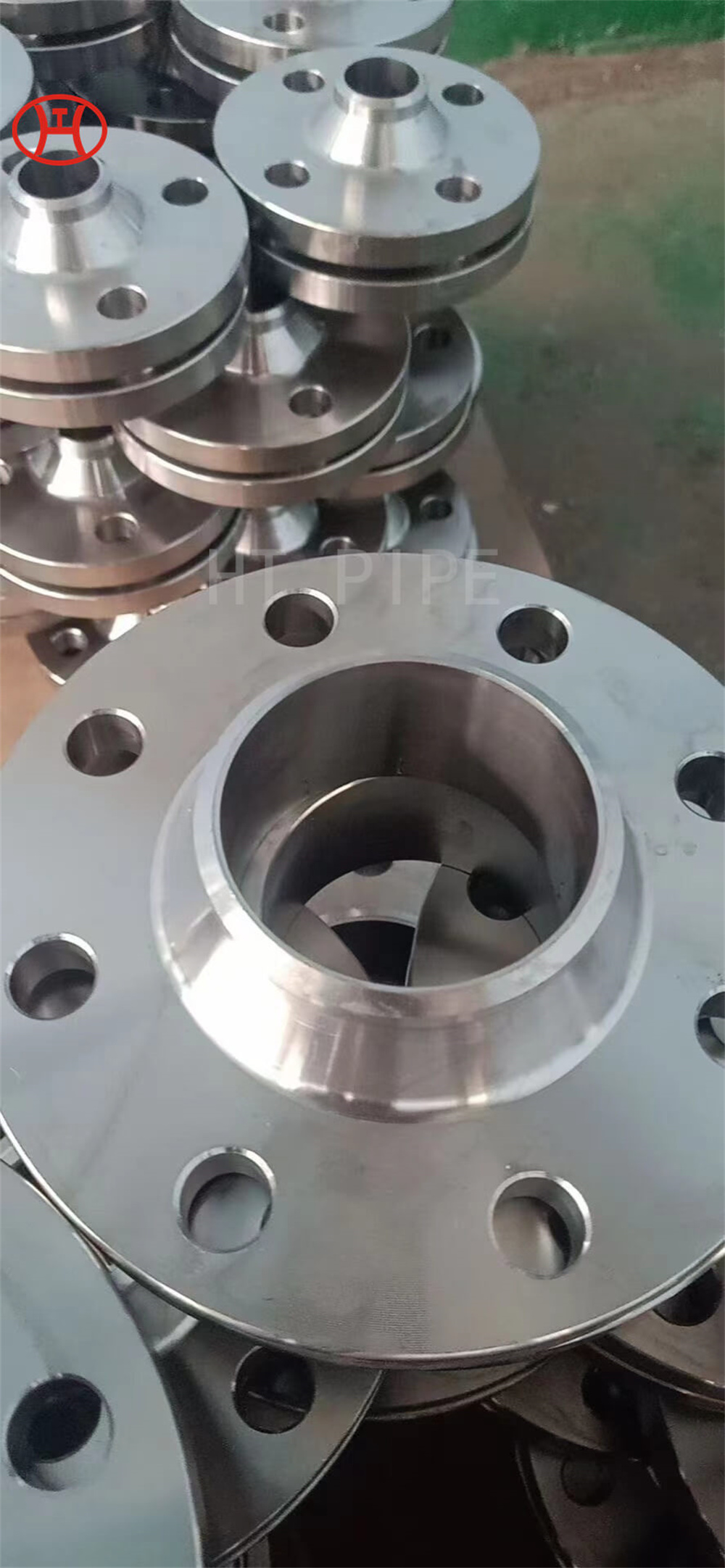
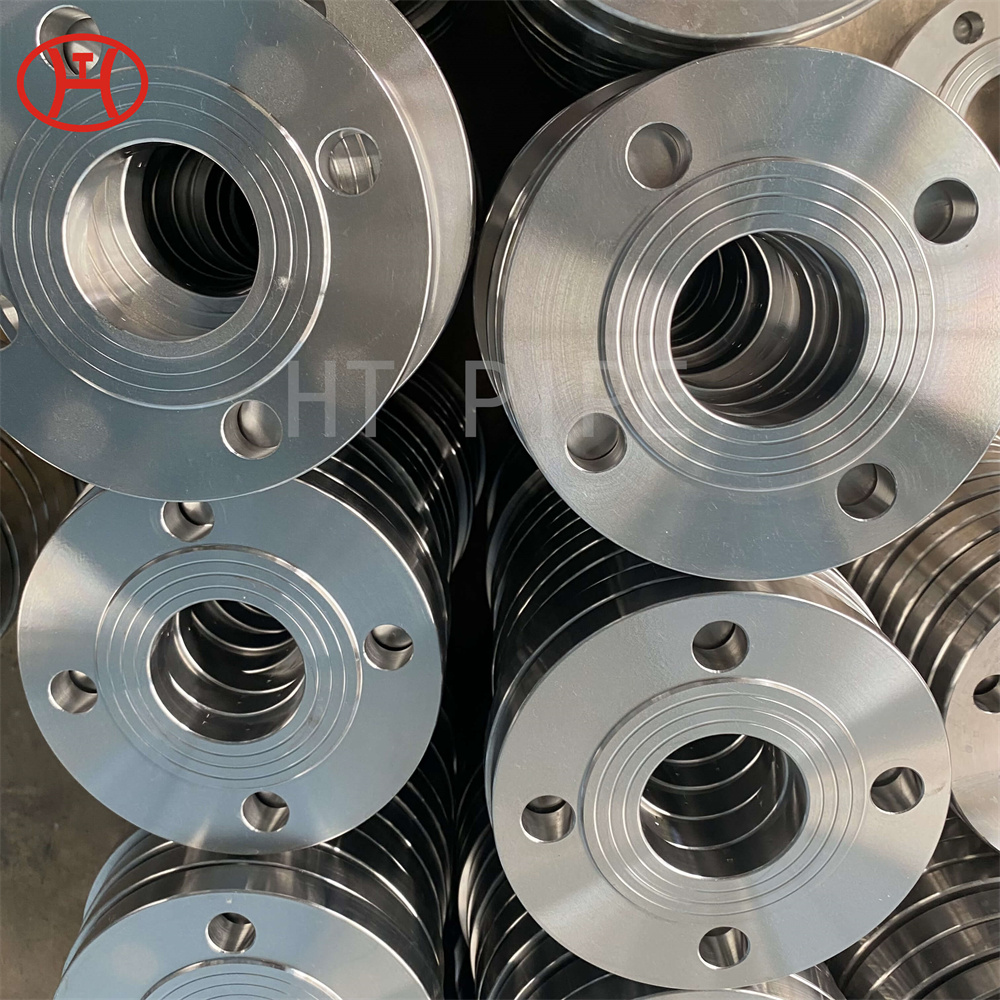
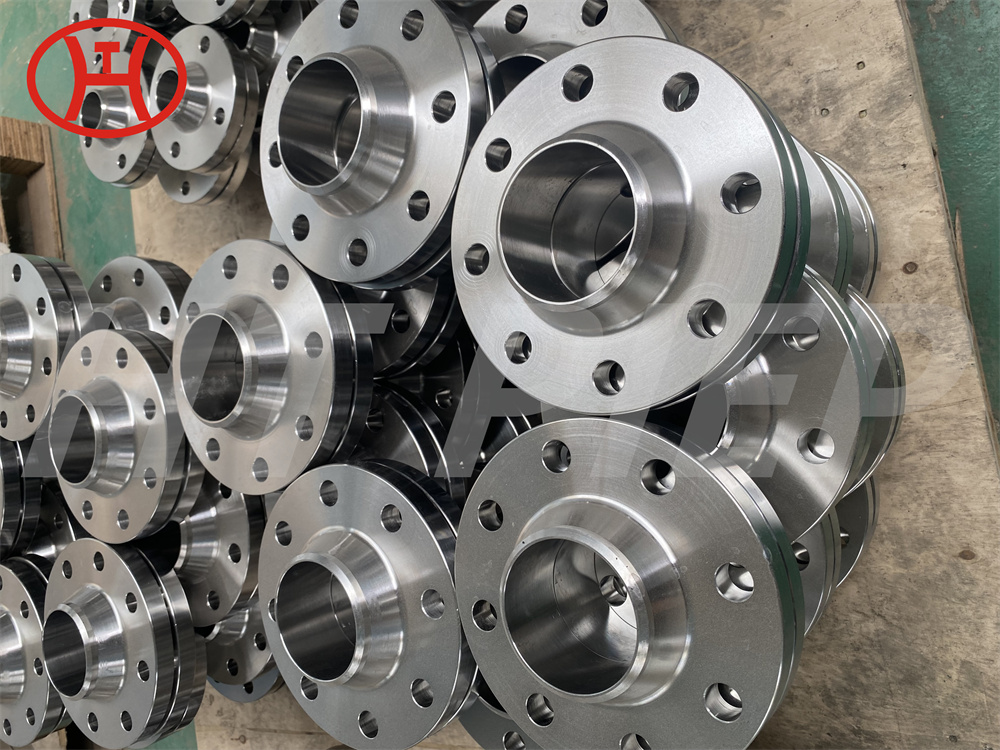
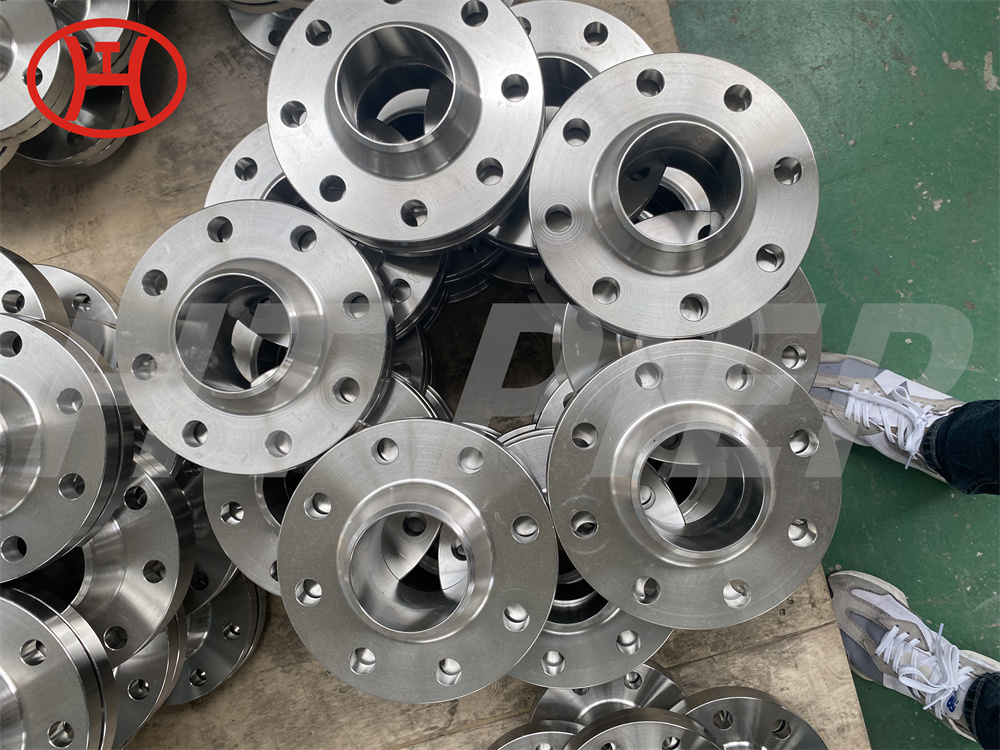
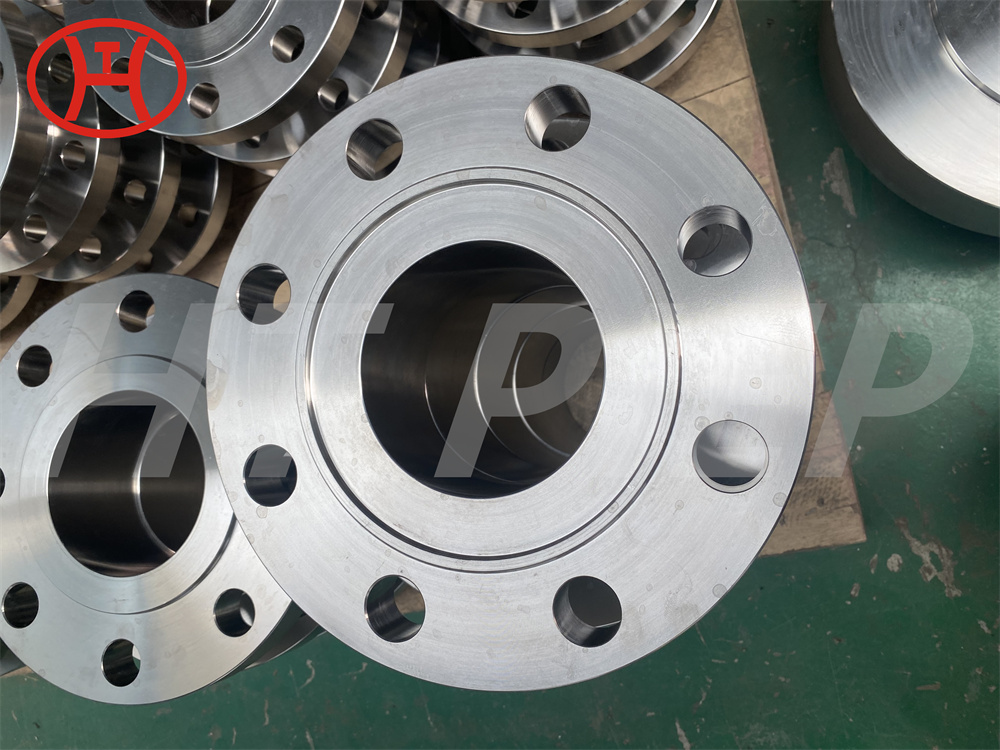
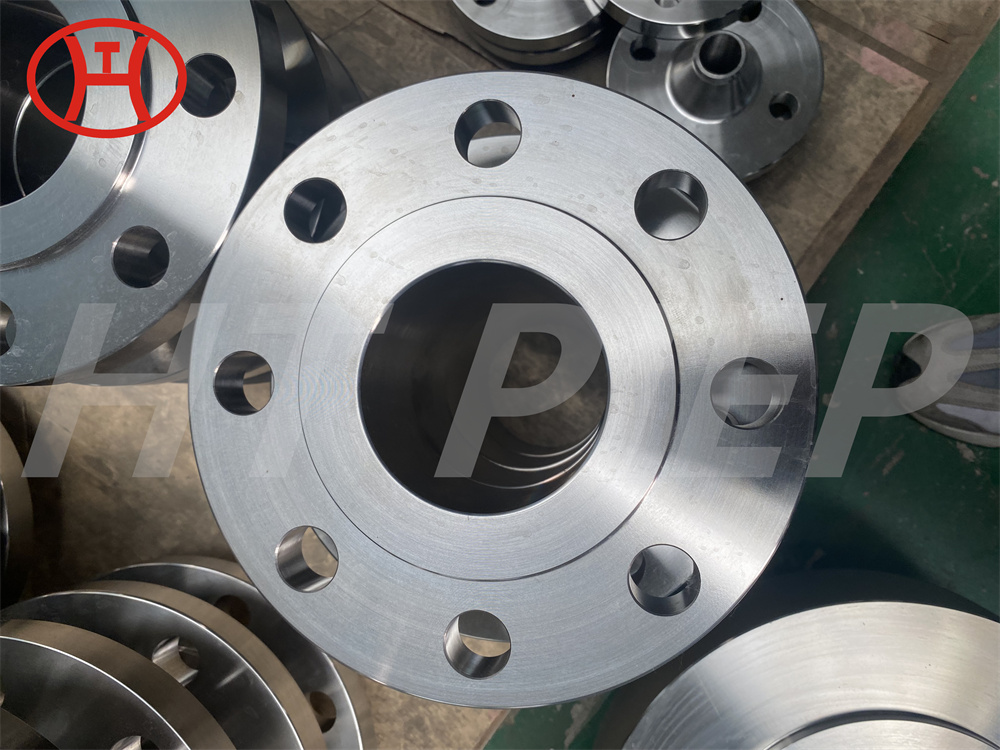
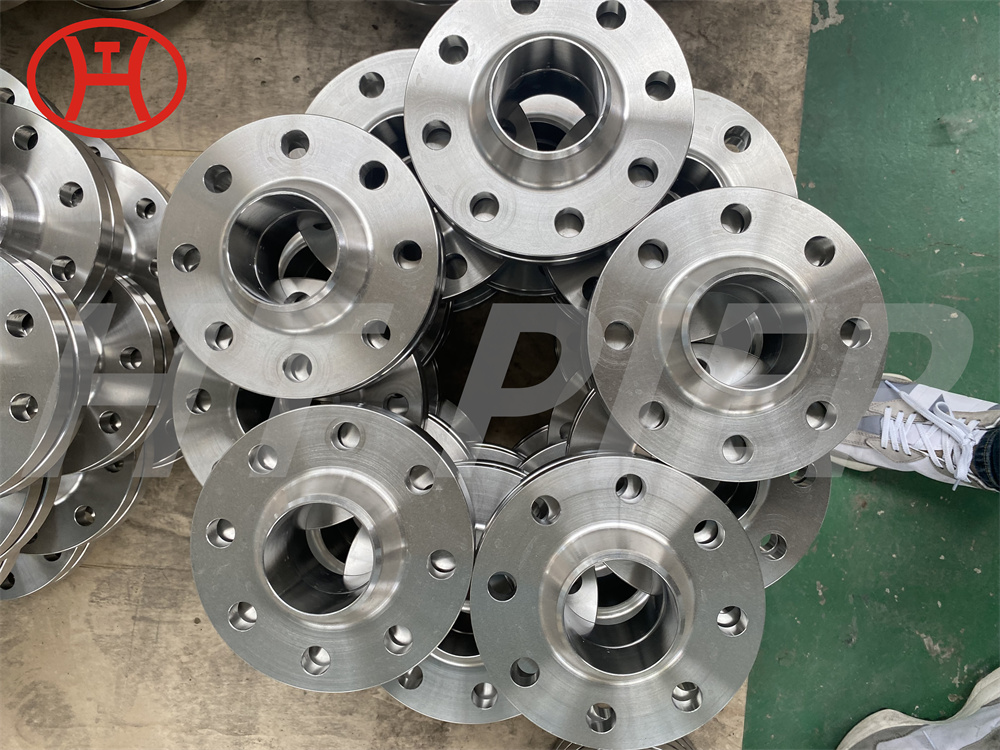
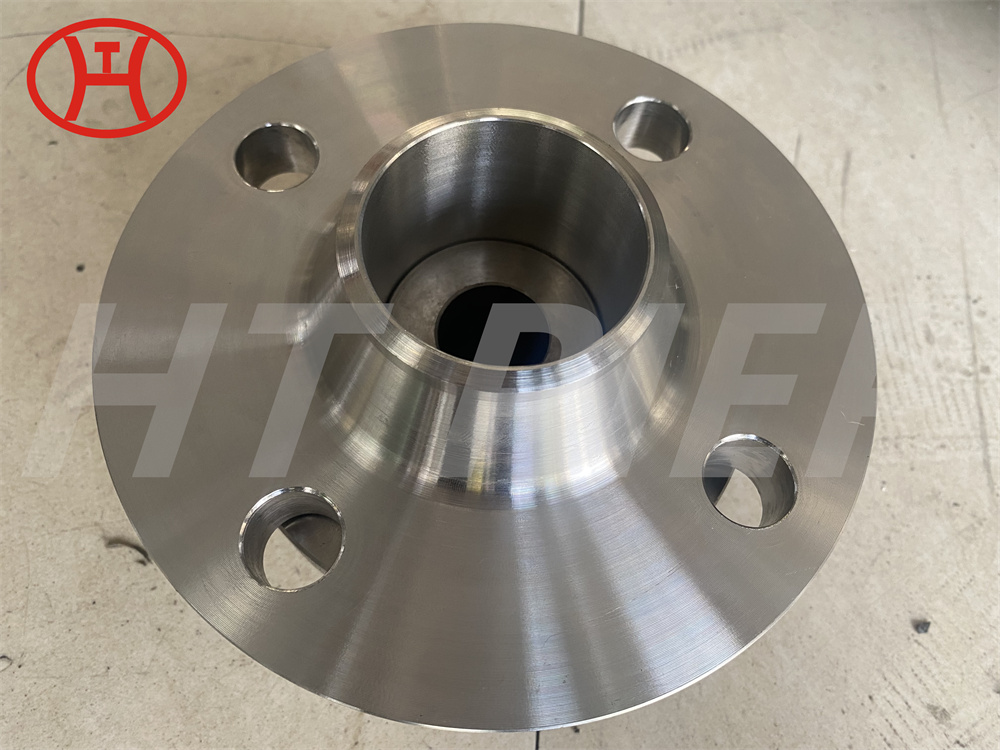
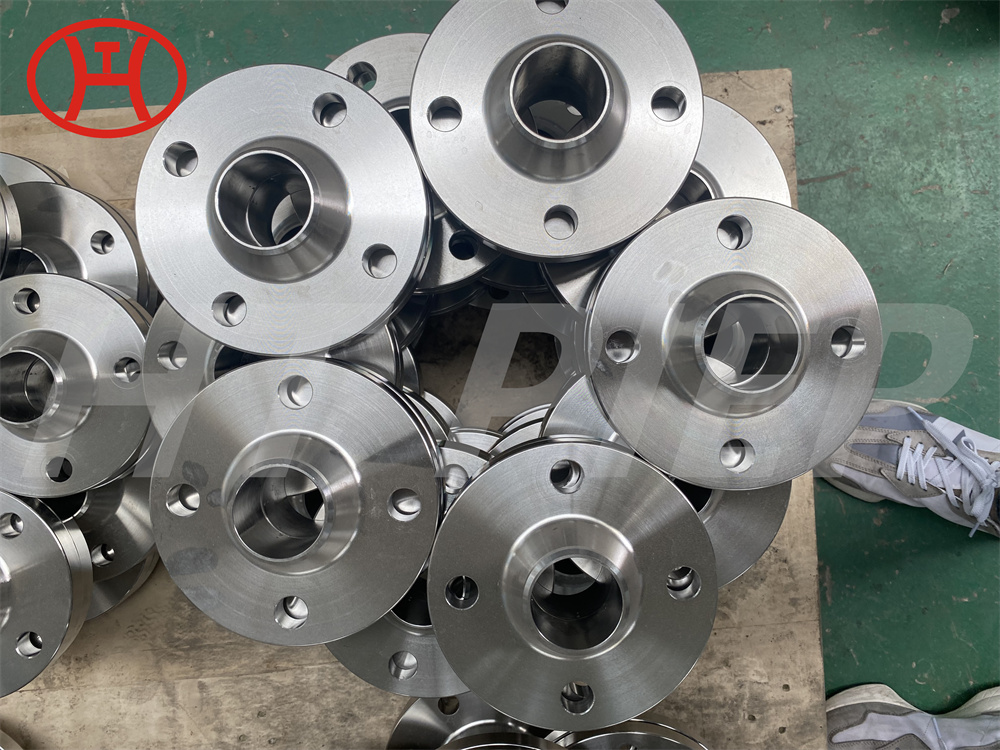
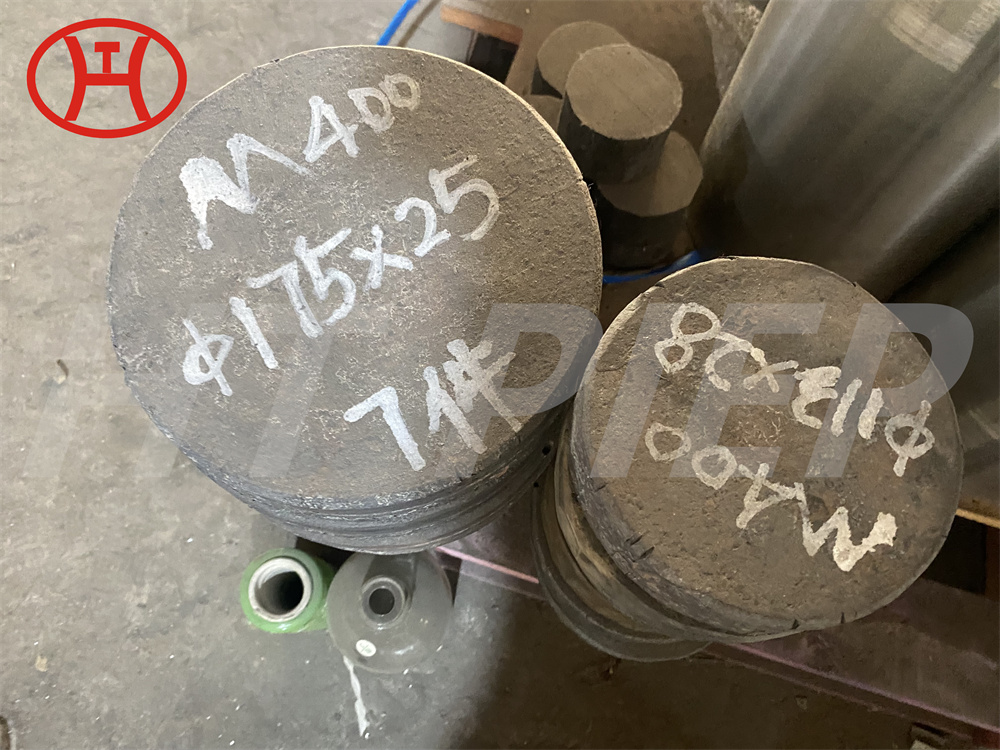
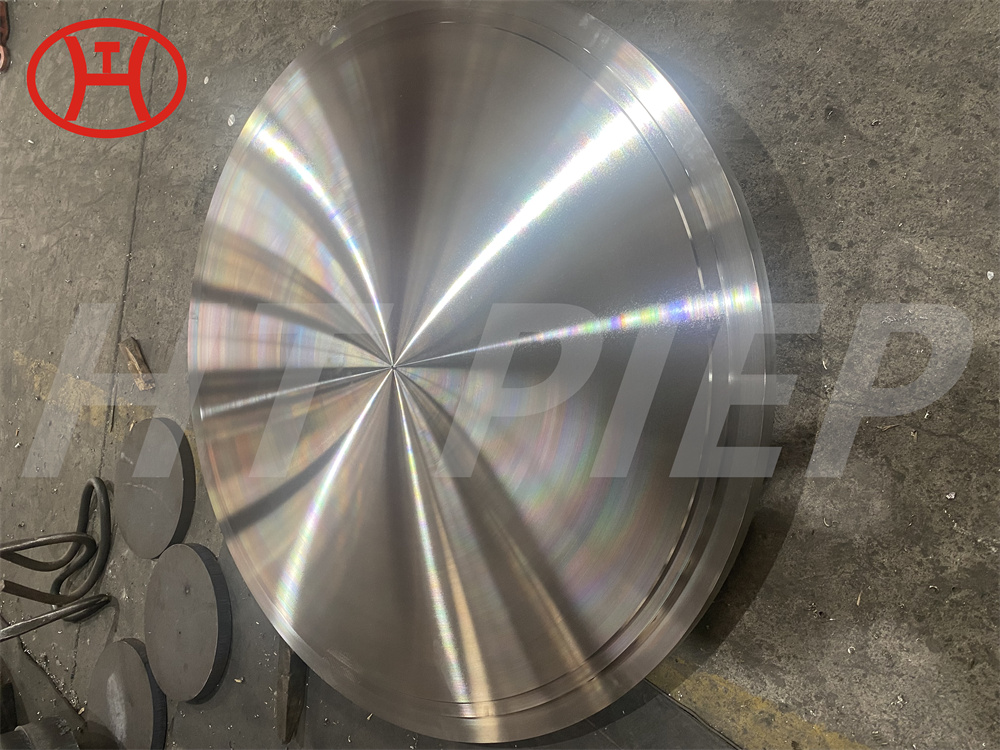
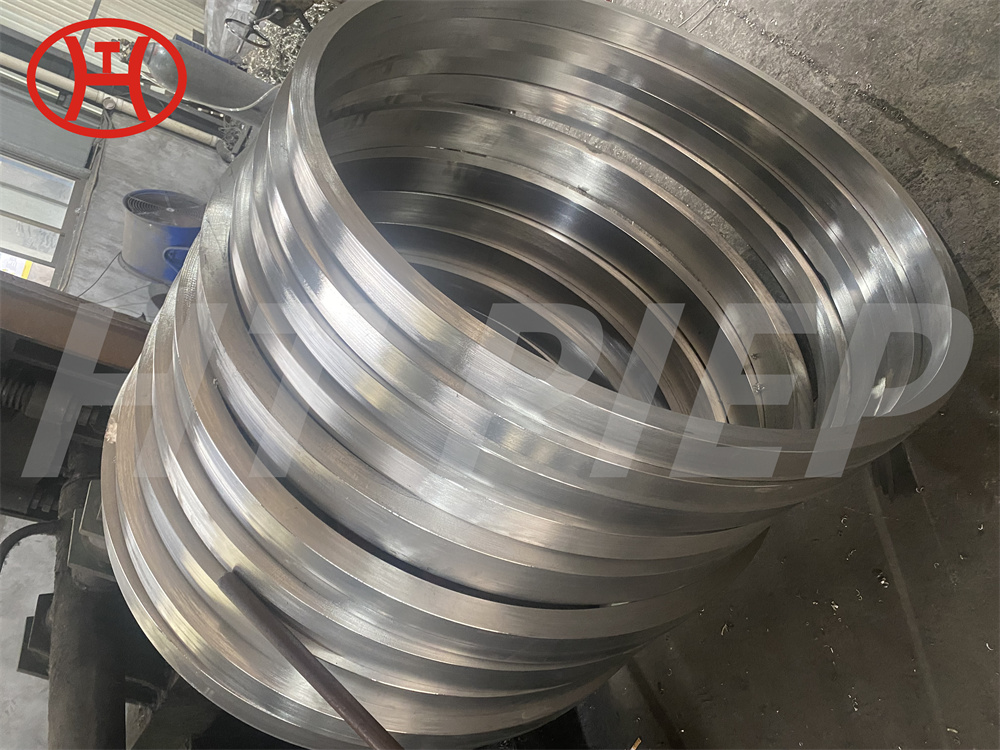
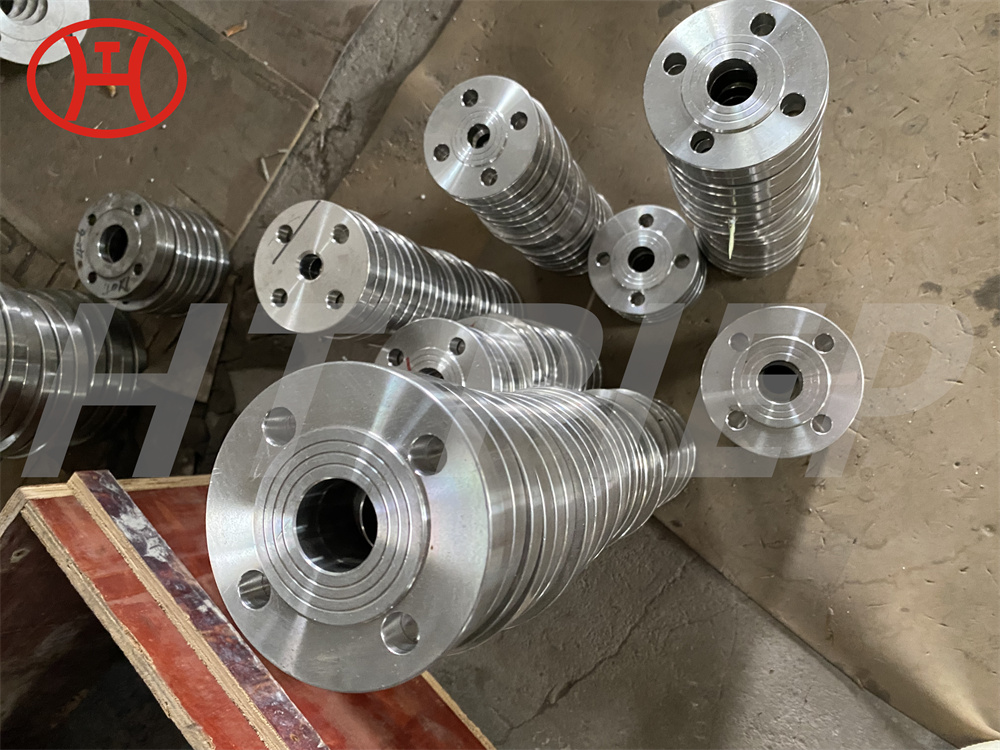
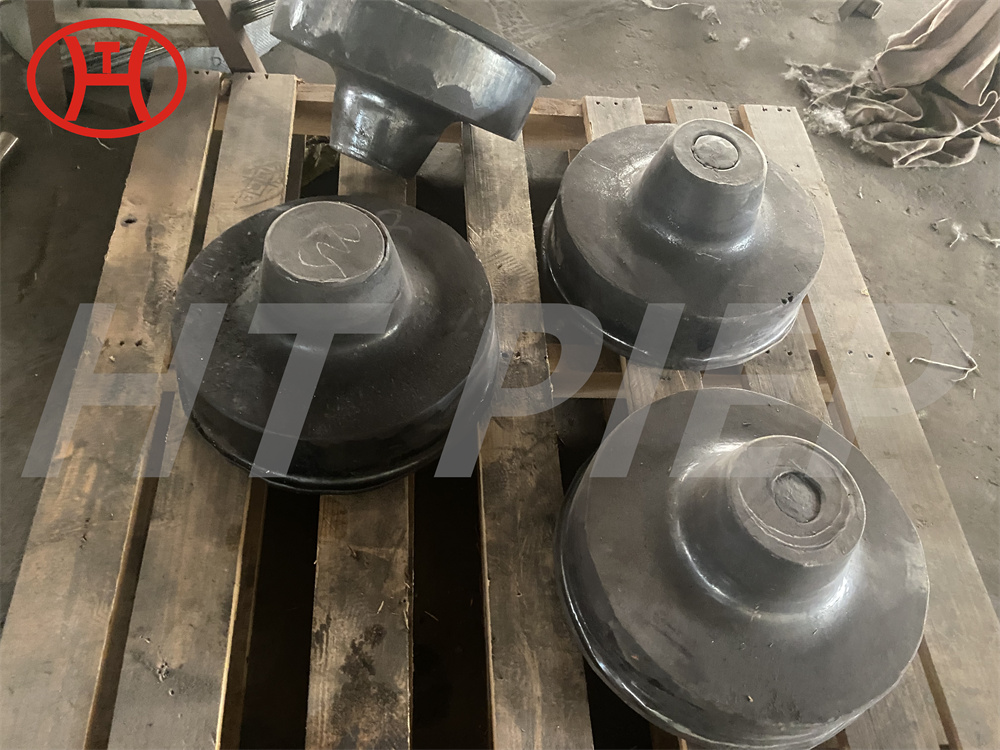
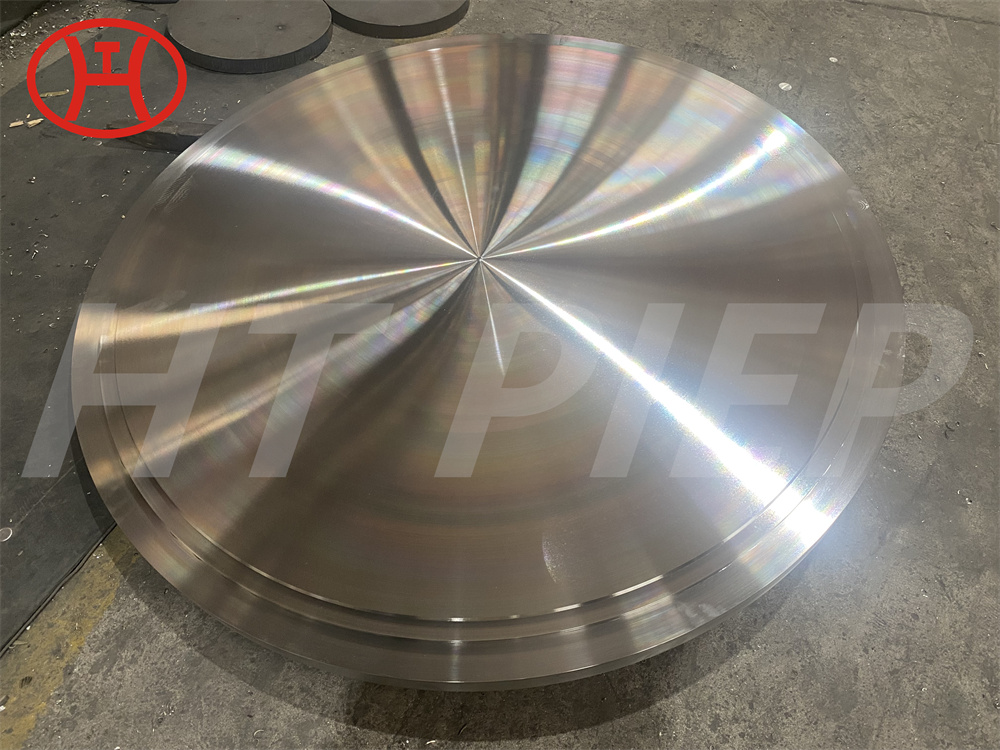
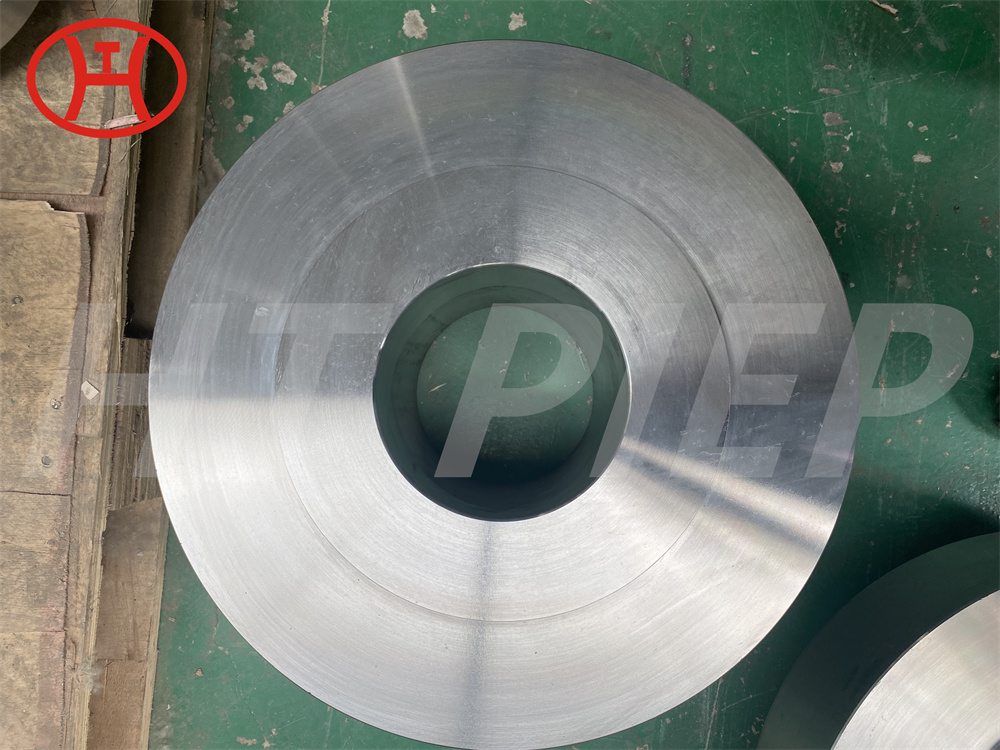
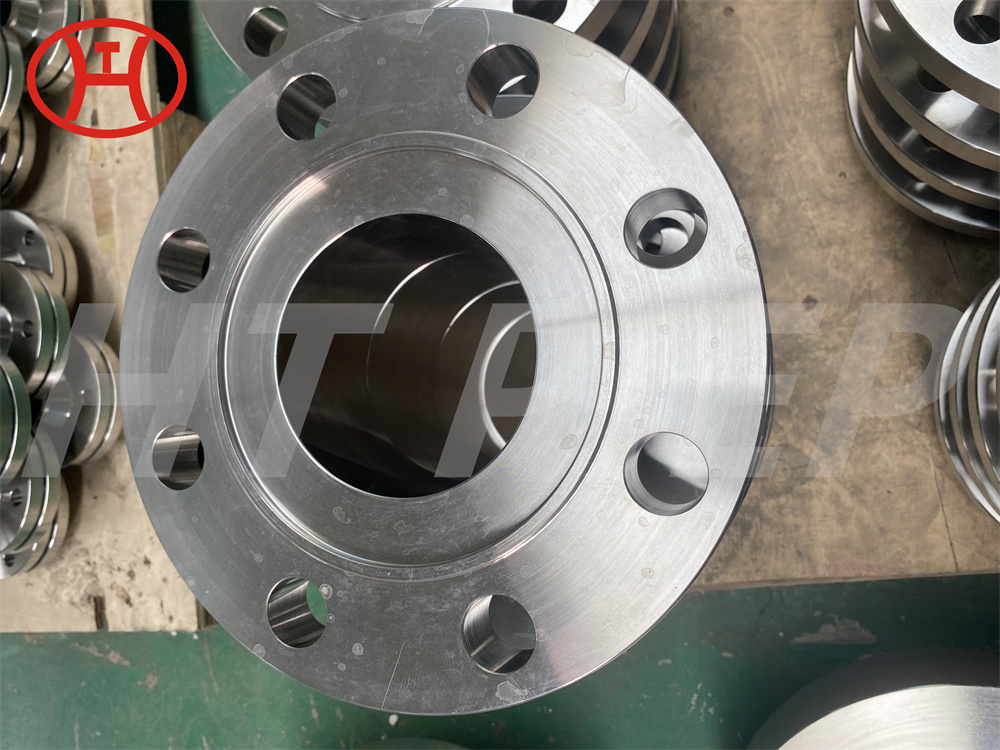
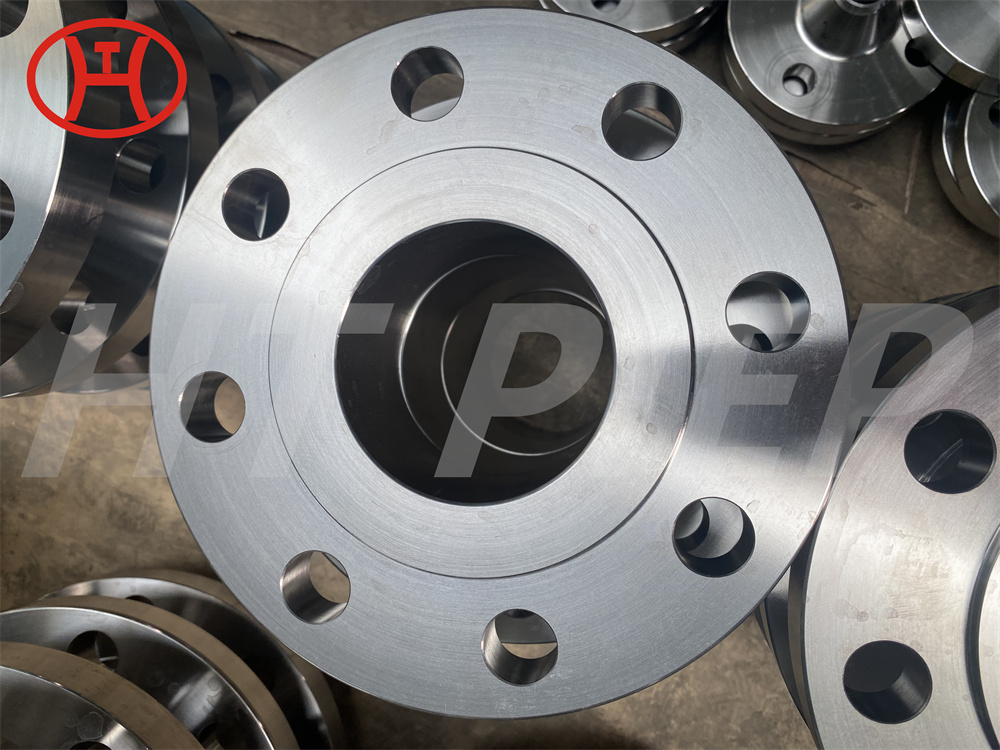
stainless steel flanges contain chromium, nickel and other chemical components. For example, the addition of molybdenum can further improve the atmospheric corrosion, especially the corrosion resistance to the atmosphere containing chloride.

The stainless steel flange is austenitic chromium nickel stainless steel, which has good oxidation resistance and corrosion resistance. Due to the high content of chromium and nickel, it has better creep strength, can work continuously at high temperatures, and has excellent high temperature resistance.
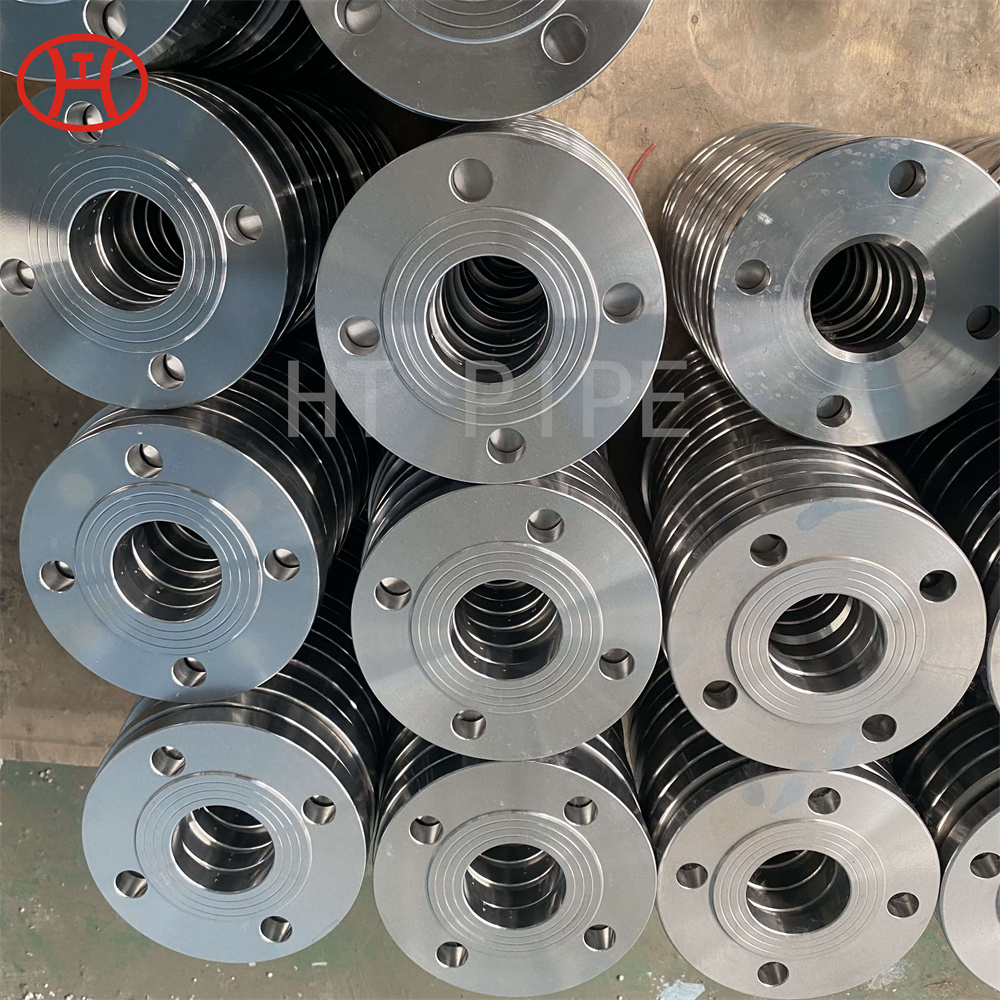
Stainless steel flanges are often used for the installation of various pipelines, especially large and long distance metal transmission pipelines. Flanges are used for long-term pipelines.
stainless steel flange uses the flange as the interface between two sections of the pipe connection, rather than directly connecting the pipe. Its advantage is that compared with the straight pipe connection, the stainless steel flange is safer and more reliable, and the interface is more secure.
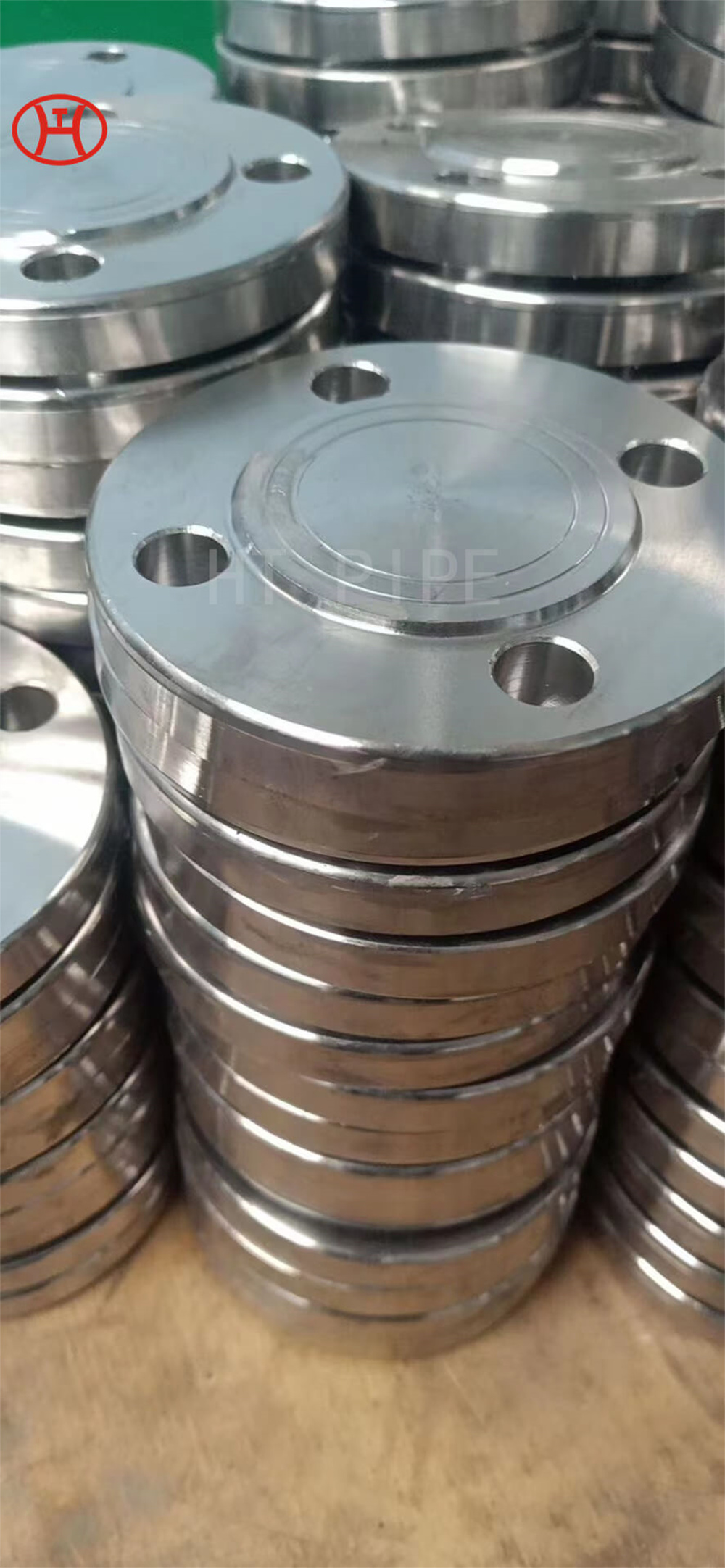
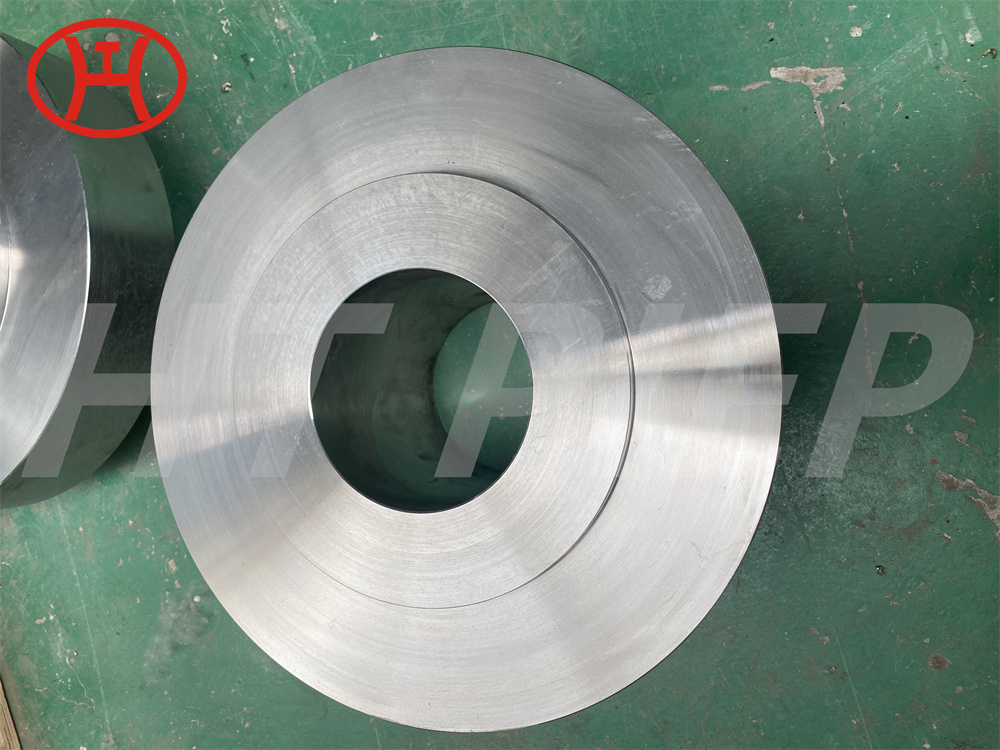
Another important role of stainless steel flange is that when a section of pipe does not need continuous connection, it needs to be partially blocked. At this time, the pipe can be easily sealed by using the flange.
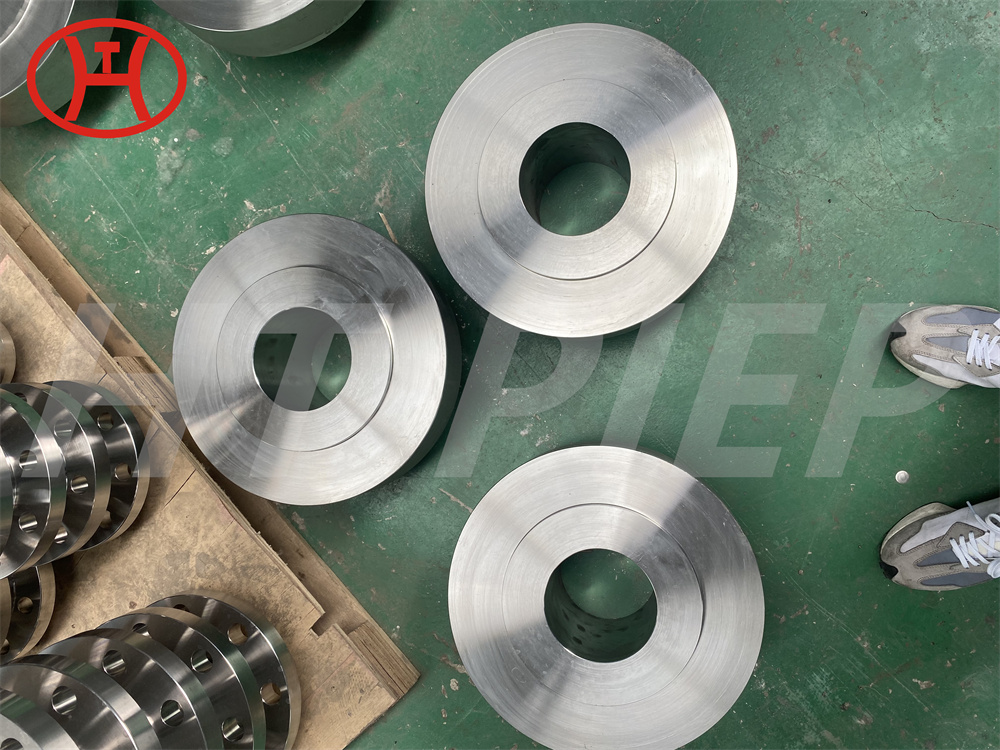
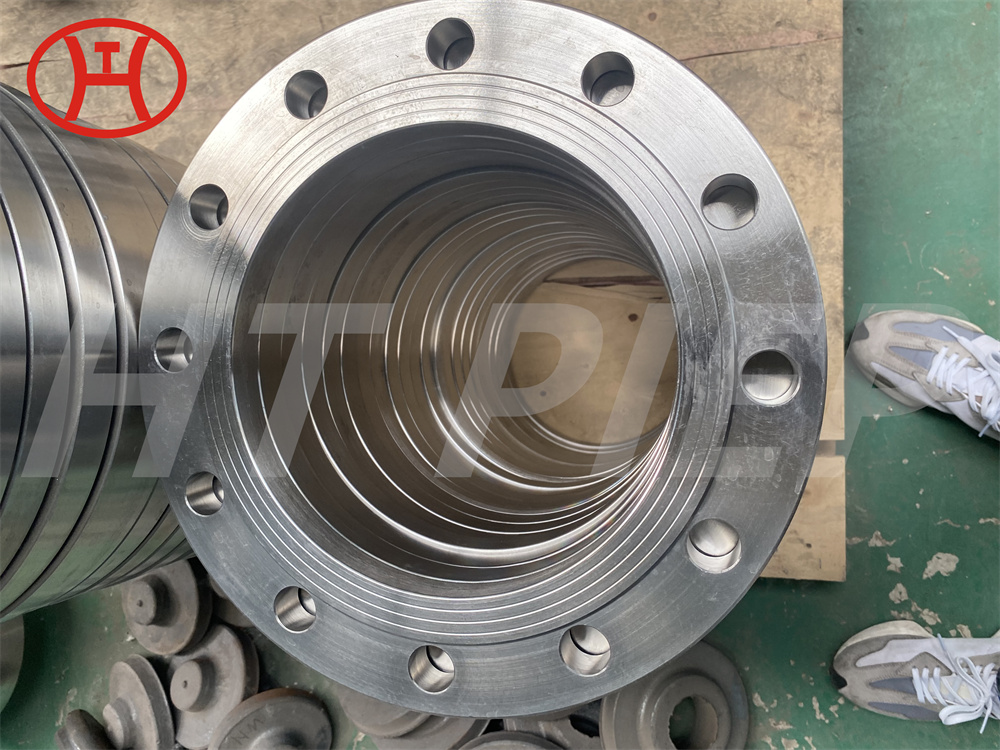
Flange, also known as flange plate or flange, is a part of connecting pipeline with pipeline and valve, which is connected with the end of pipeline. Flanges have holes. Flanges and flanges are tightly connected by bolts and sealed by gaskets.
Stainless steel is widely used in petroleum, chemical, nuclear power, food manufacturing, construction, shipbuilding, paper making, medicine and other industries.
Stainless steel flanges will not be corroded, pitted, rusted and easy to wear. Stainless steel is one of the metal materials with the highest strength for building.
stainless steel flange is a kind of general steel material, which is widely used to manufacture equipment and parts with high requirements for comprehensive performance (corrosion resistance, formability). stainless steel is a stainless steel grade produced according to American ASTM standards. stainless steel is the most widely used stainless steel and heat-resistant steel. It is applicable to food production equipment, Xitong chemical equipment, nuclear energy, etc.
stainless steel has good corrosion resistance, it can make structural members permanently maintain the integrity of engineering design.
SAE 304 stainless steel is the most common stainless steel. The steel contains both chromium (between 18% and 20%) and nickel (between 8% and 10.5%)[1] metals as the main non-iron constituents. It is an austenitic stainless steel. It is less electrically and thermally conductive than carbon steel. It is magnetic, but less magnetic than steel. It has a higher corrosion resistance than regular steel and is widely used because of the ease in which it is formed into various shapes.[1]