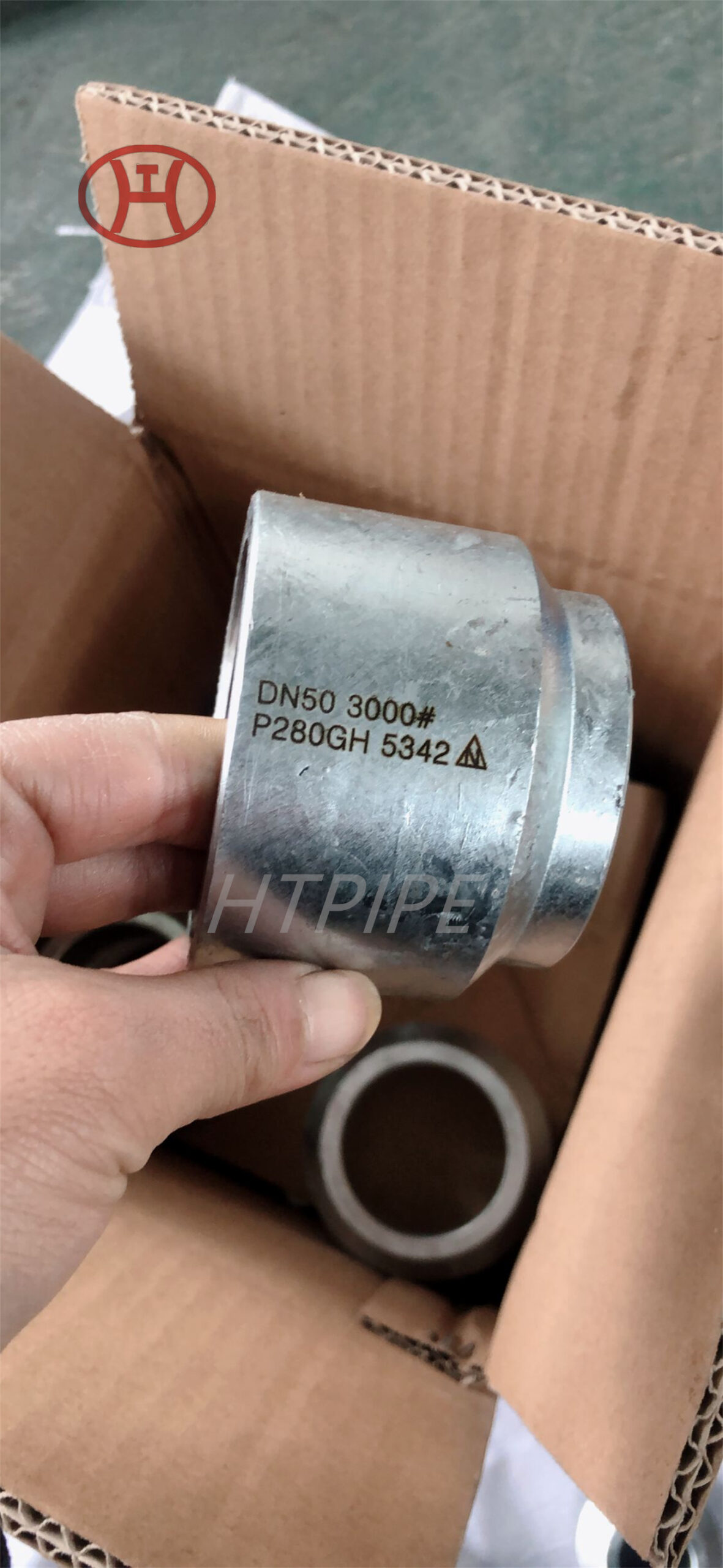
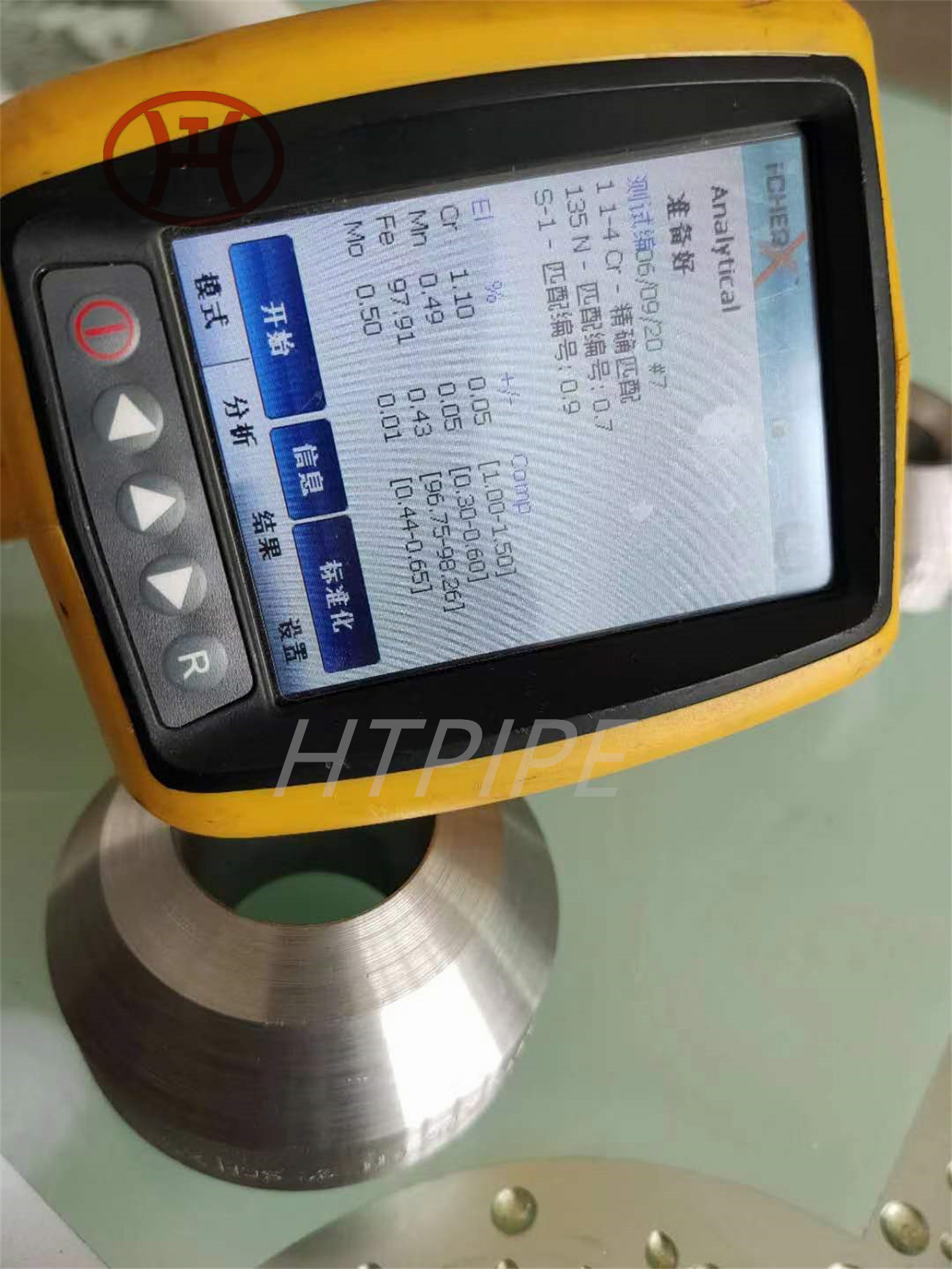
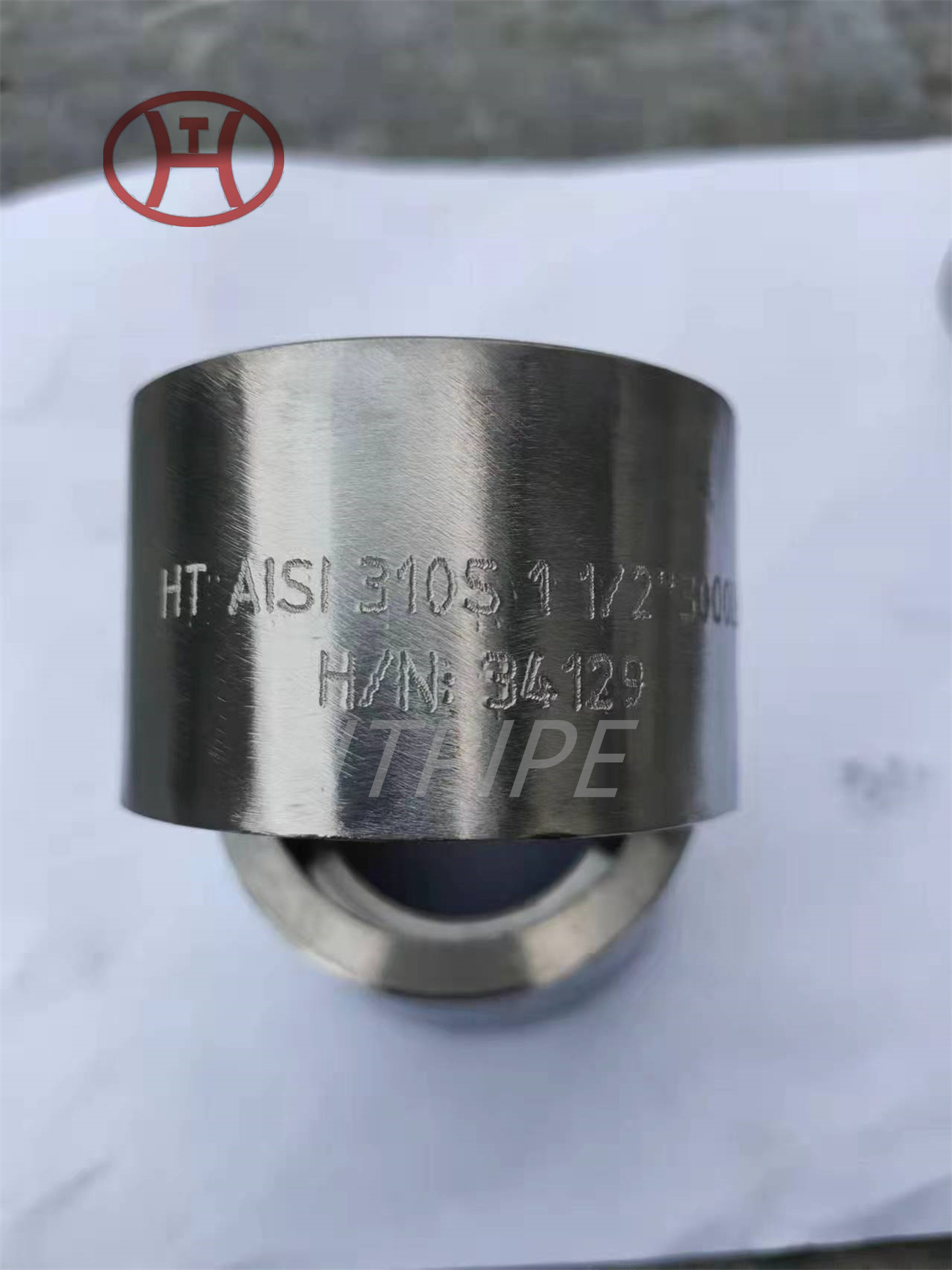
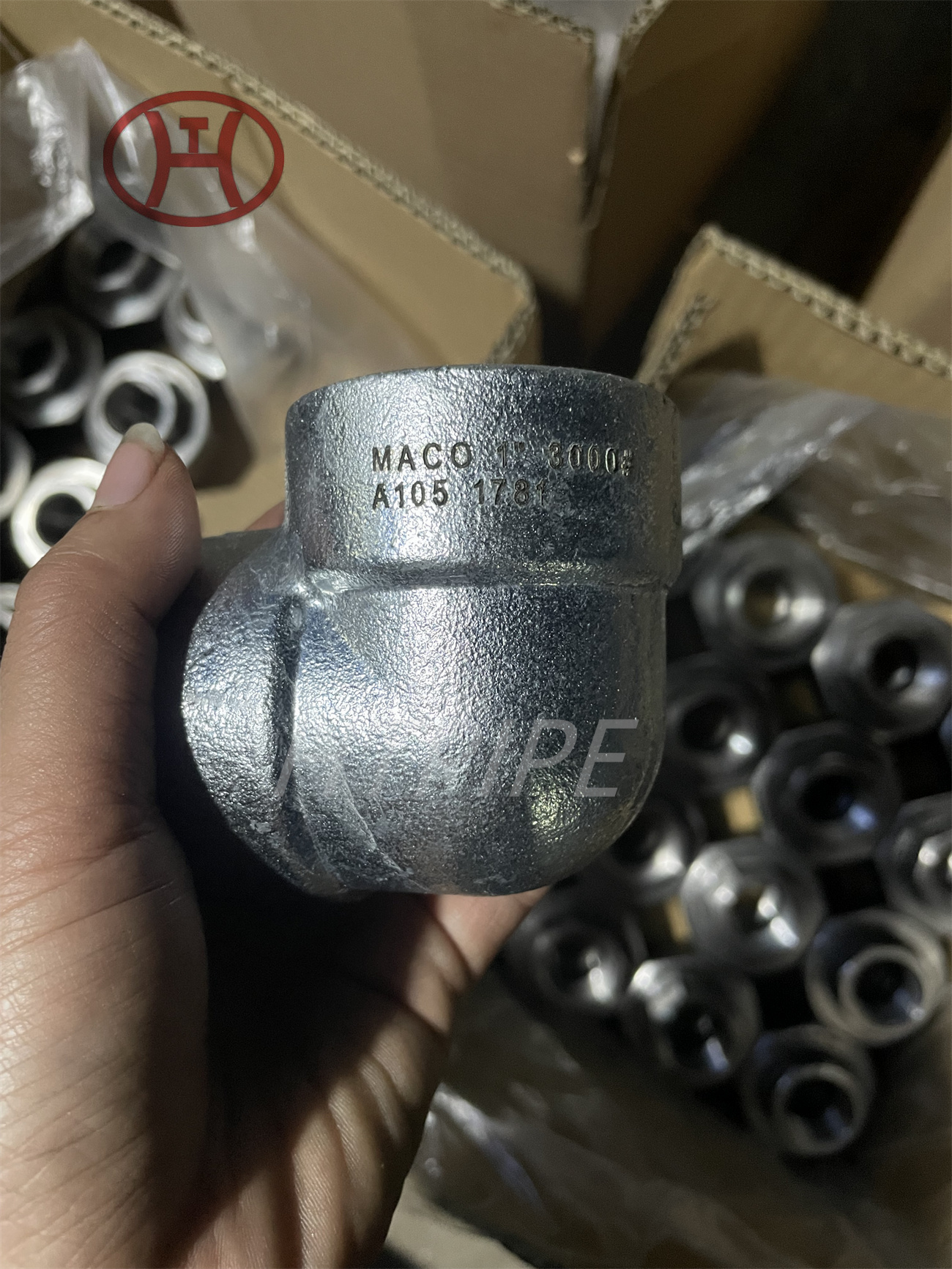
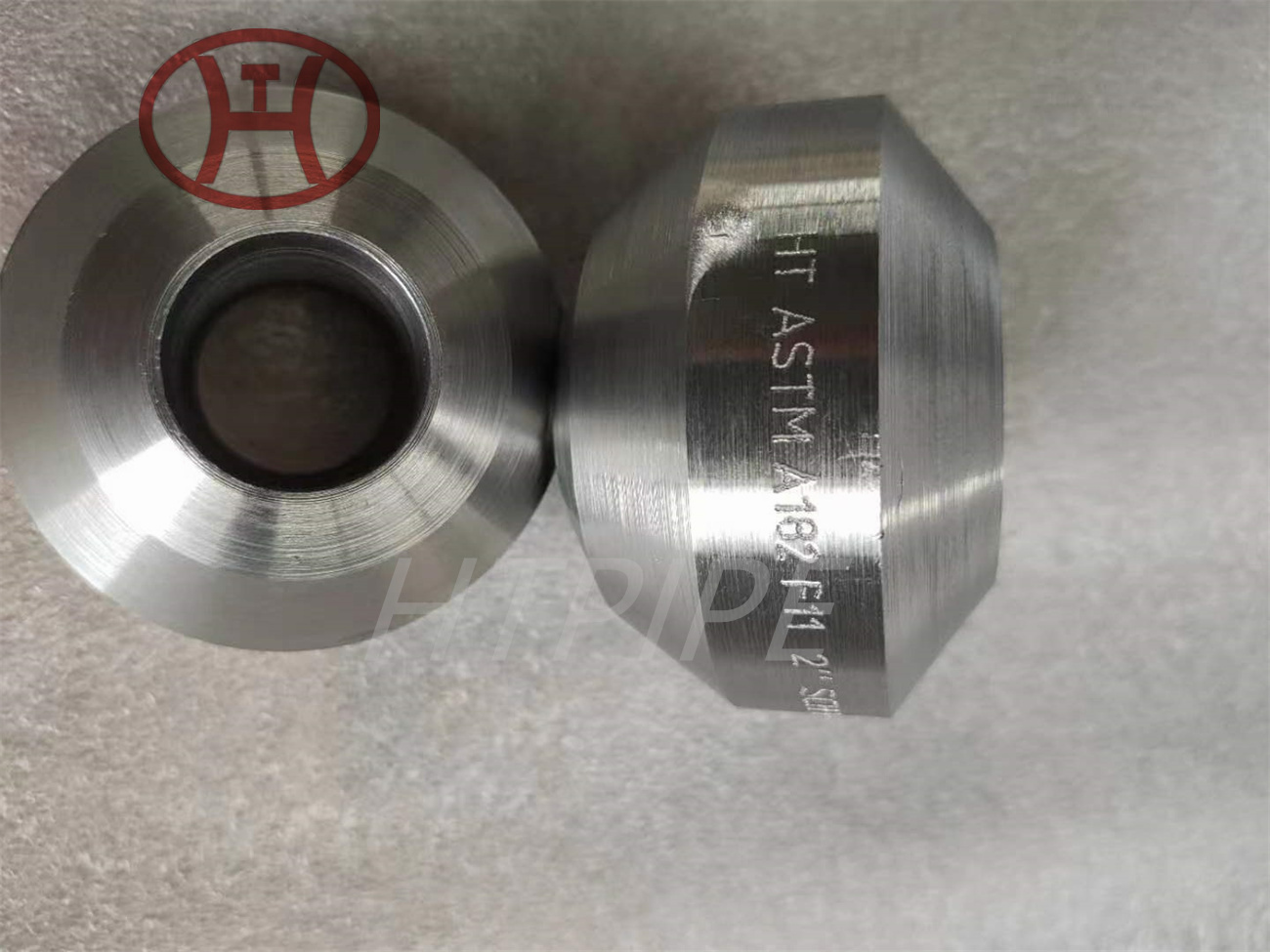
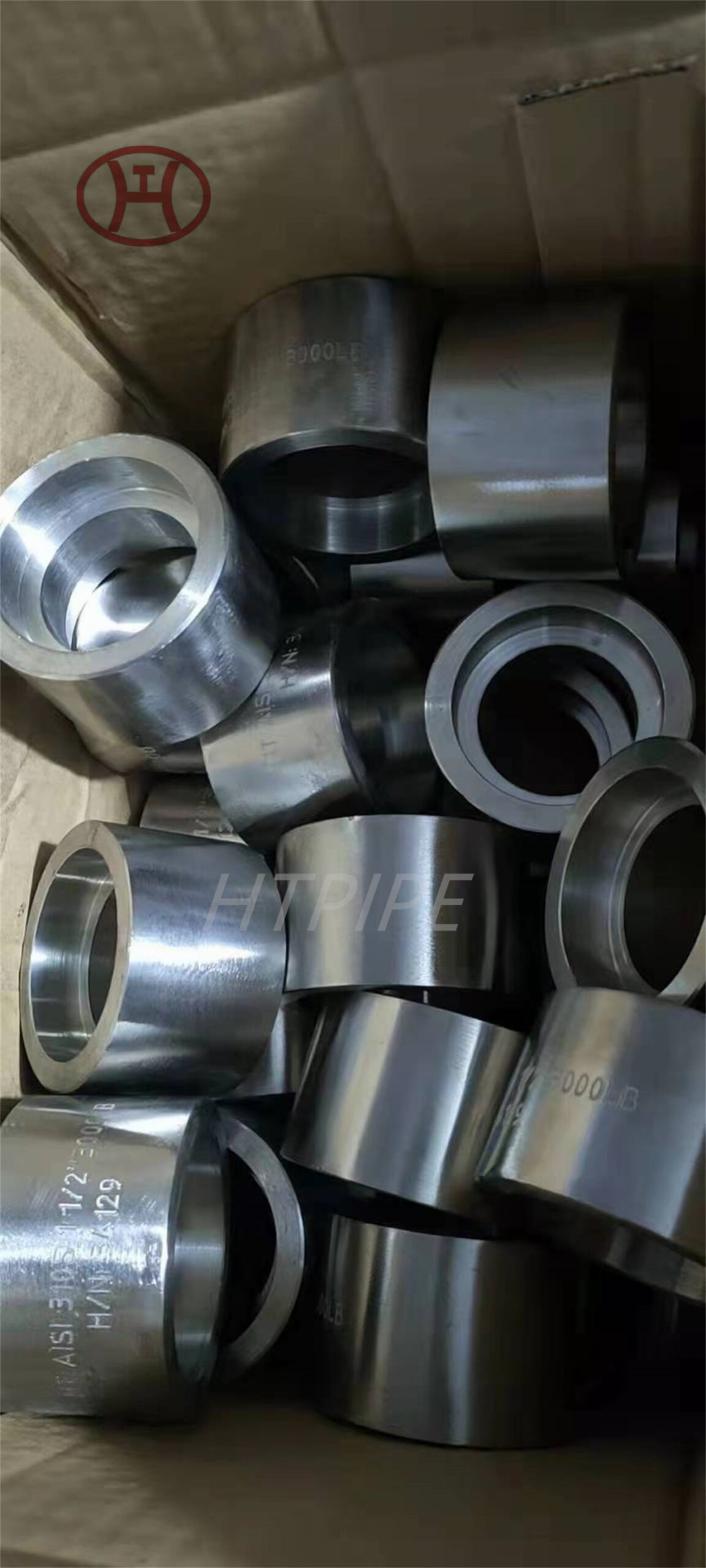
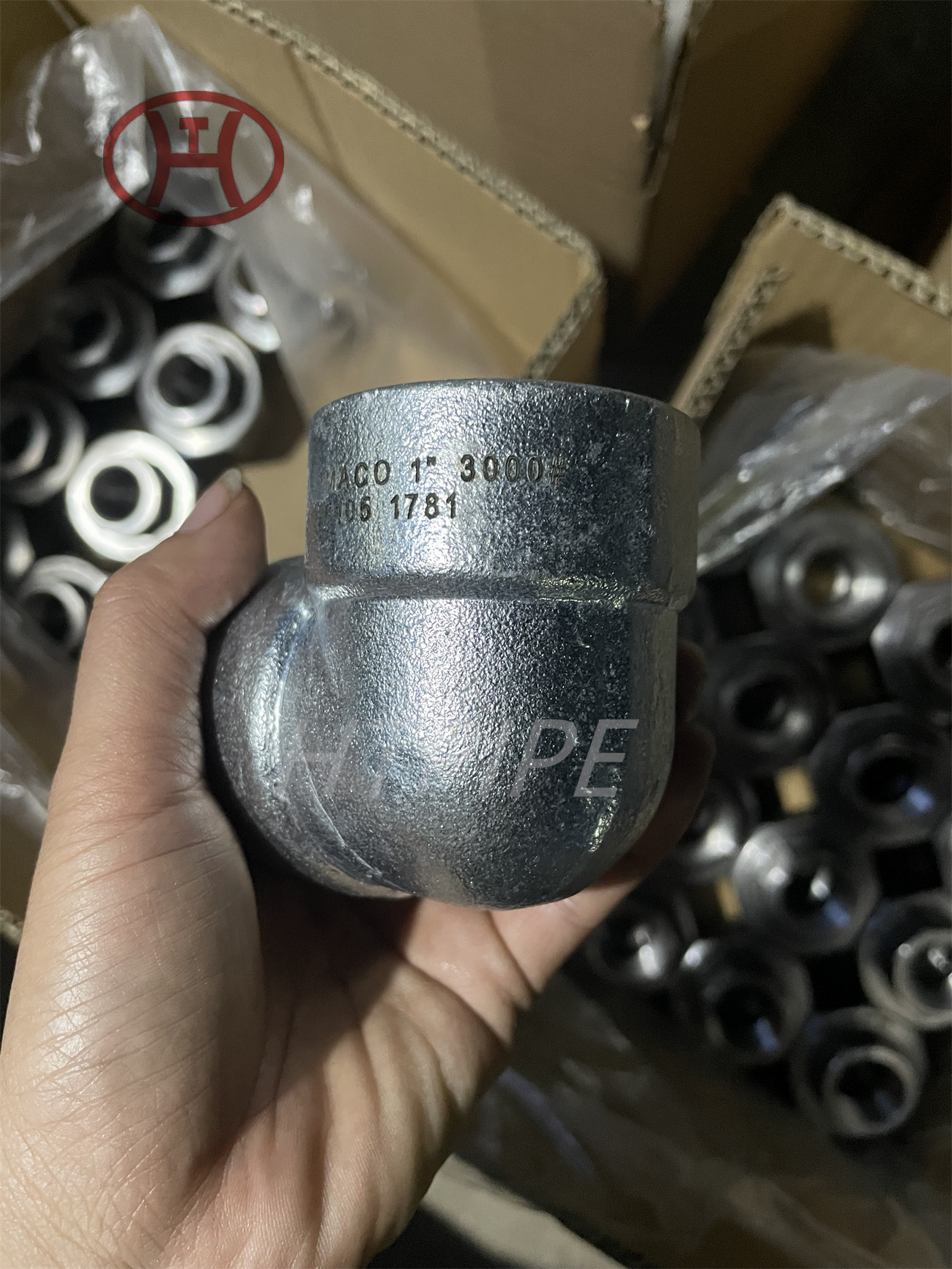
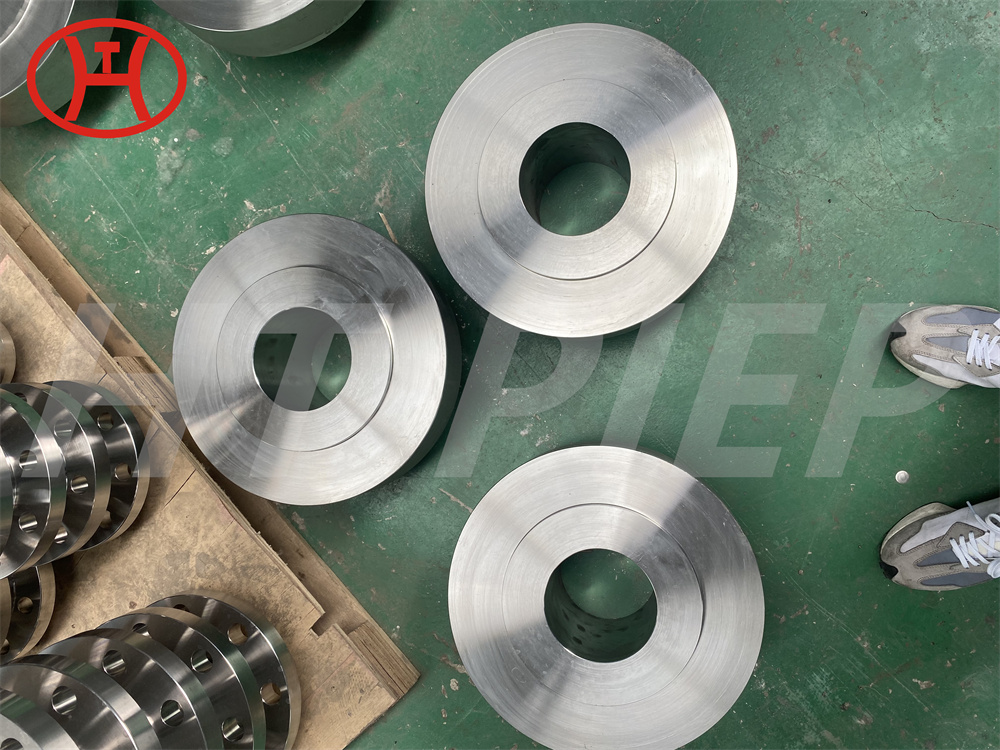
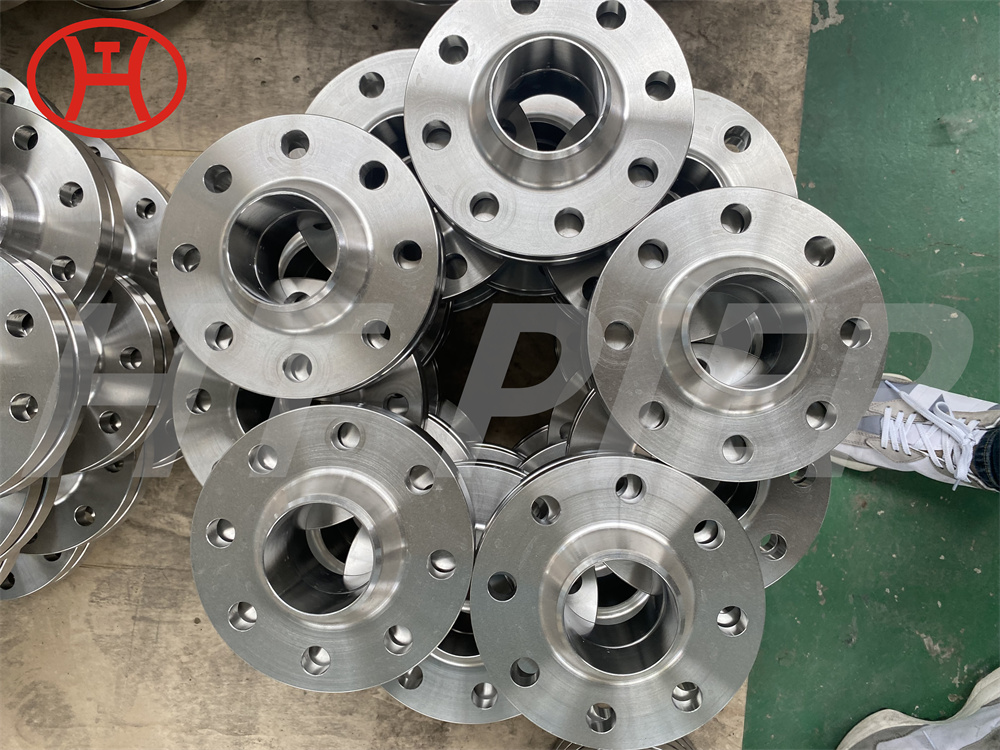
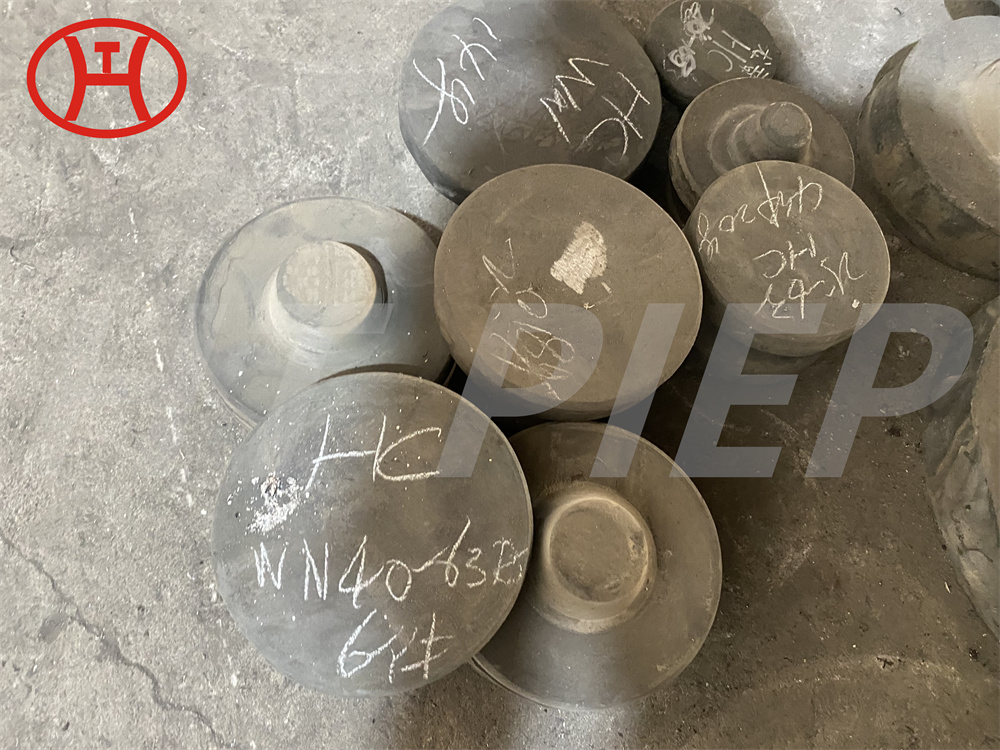
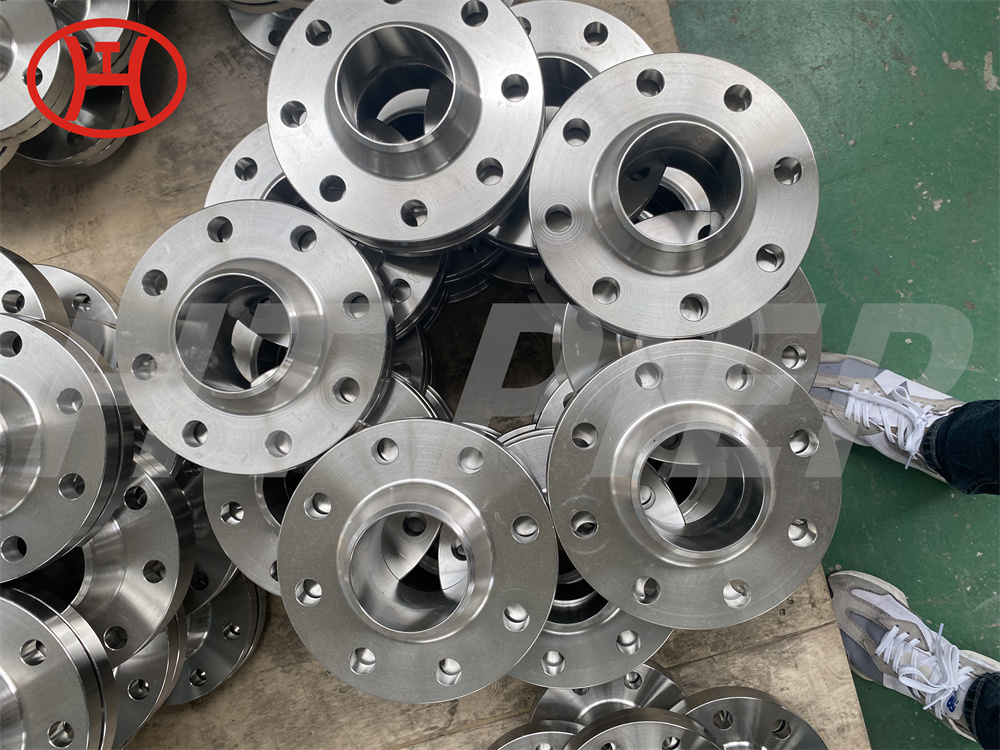
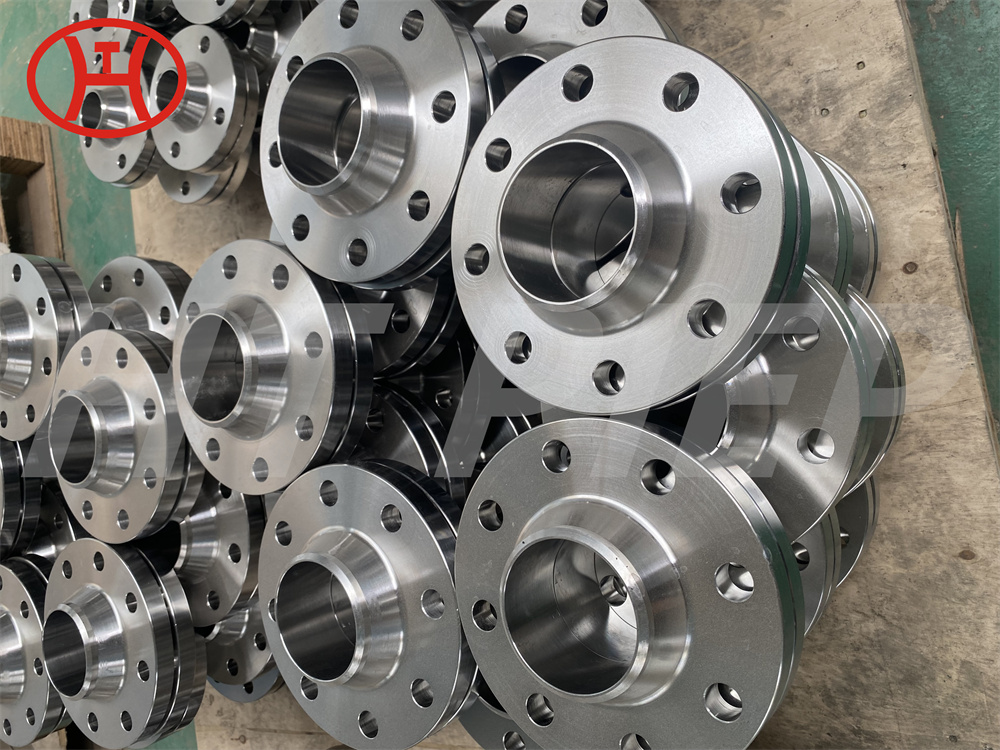
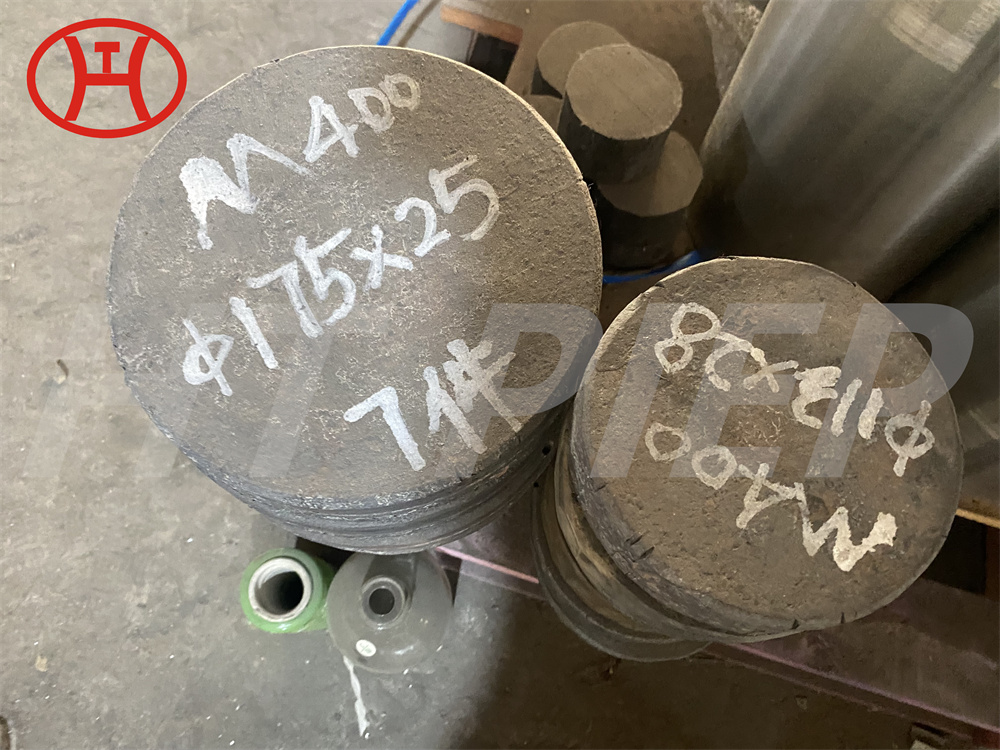
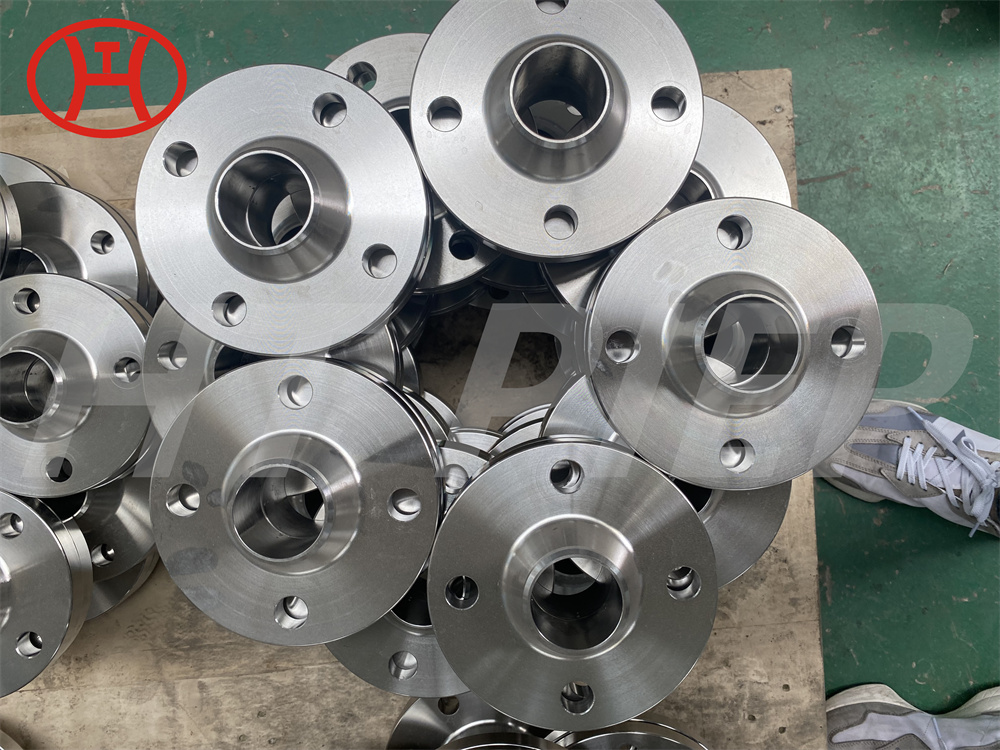
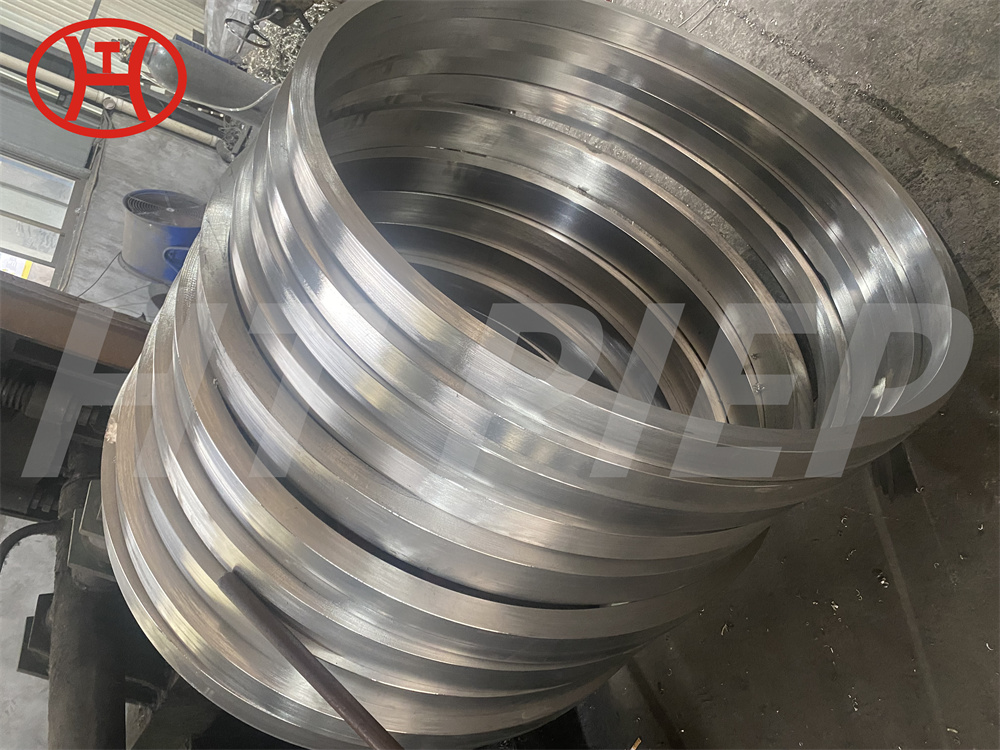
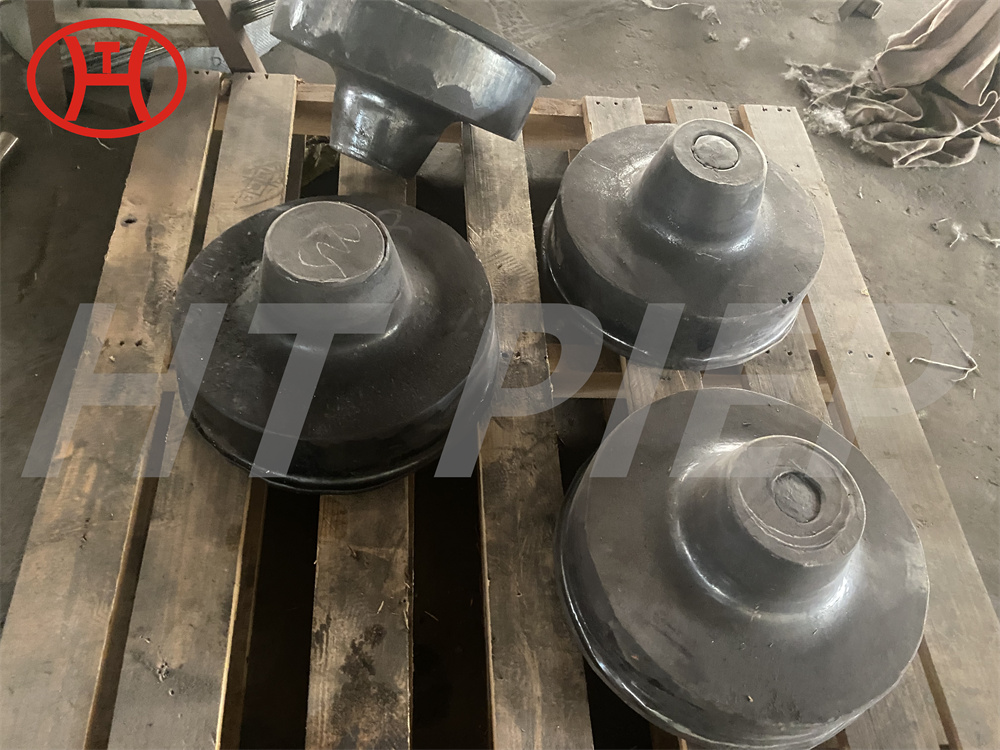
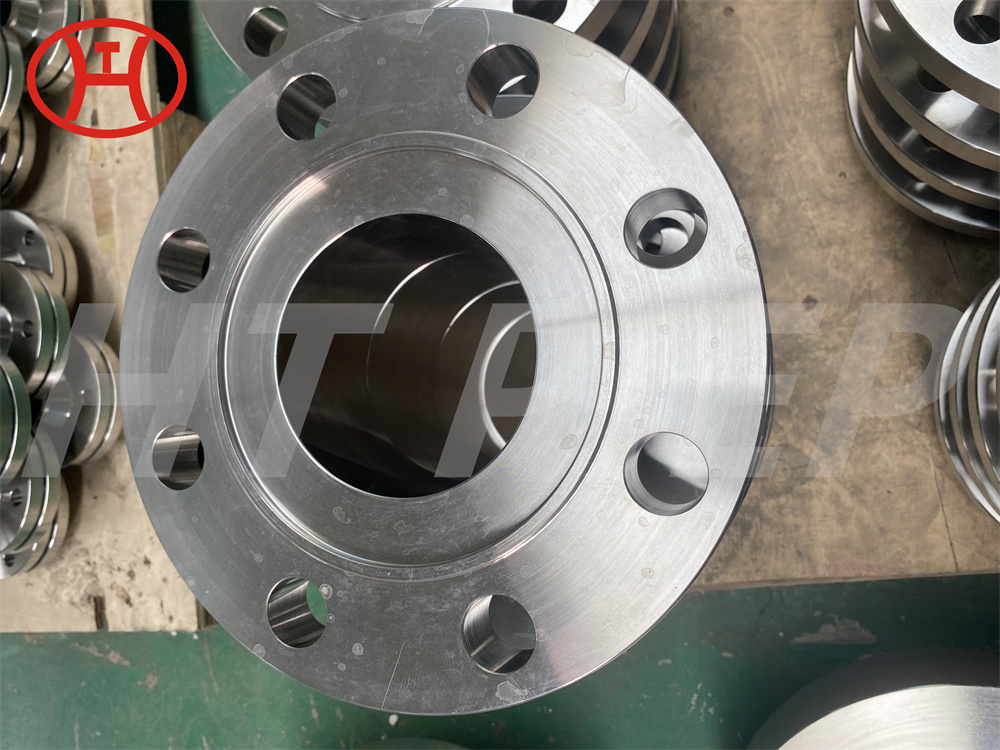
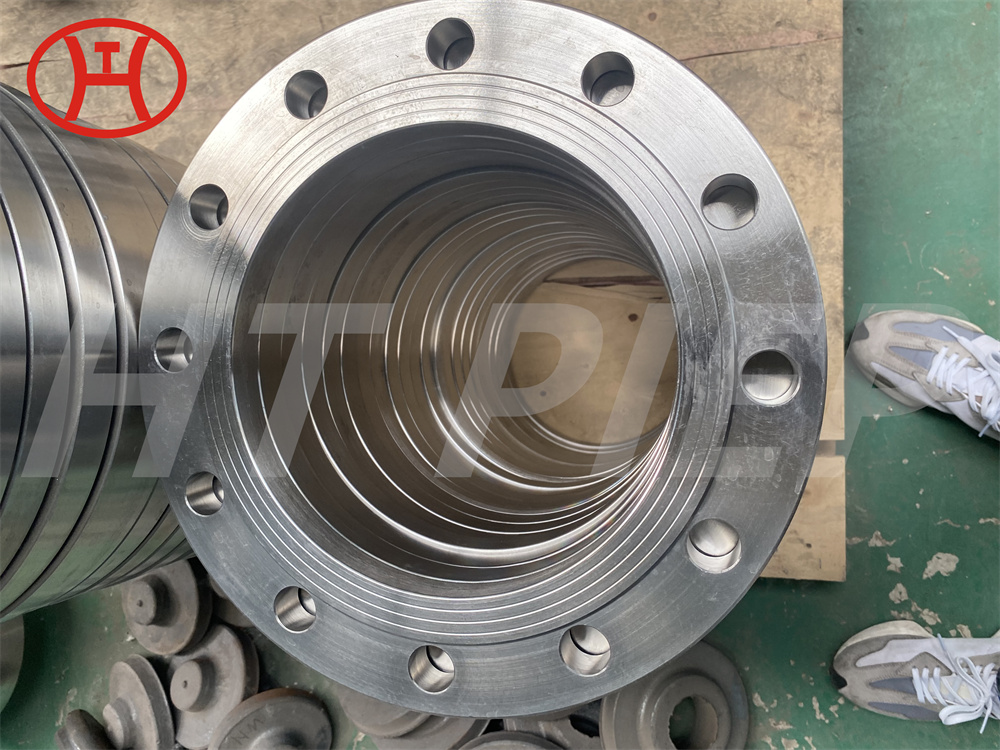
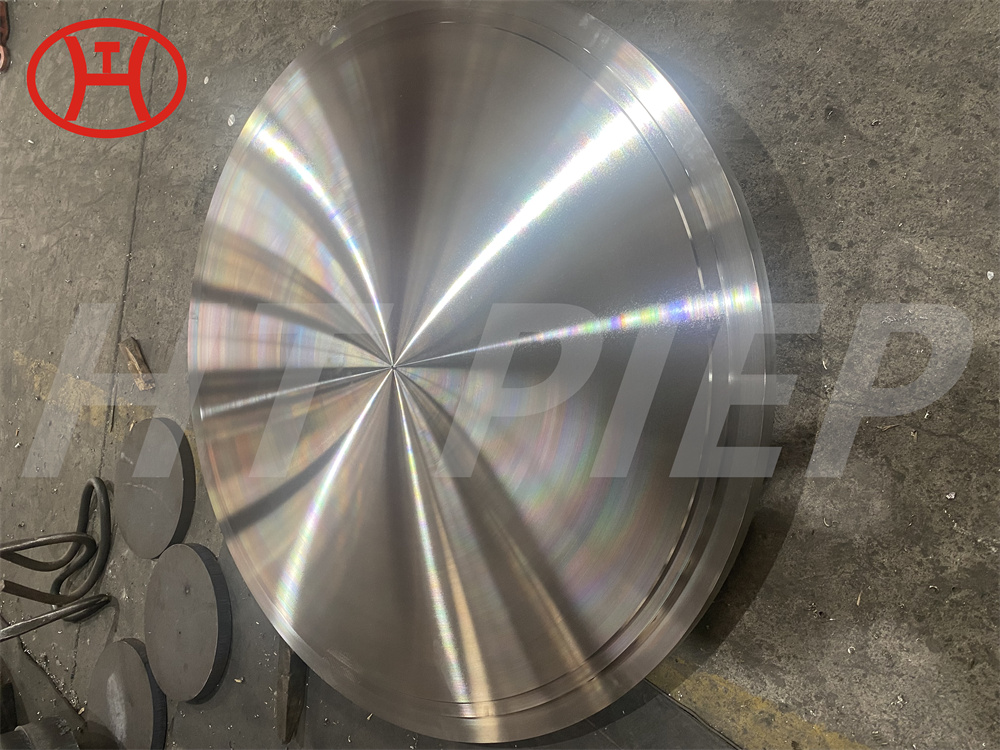
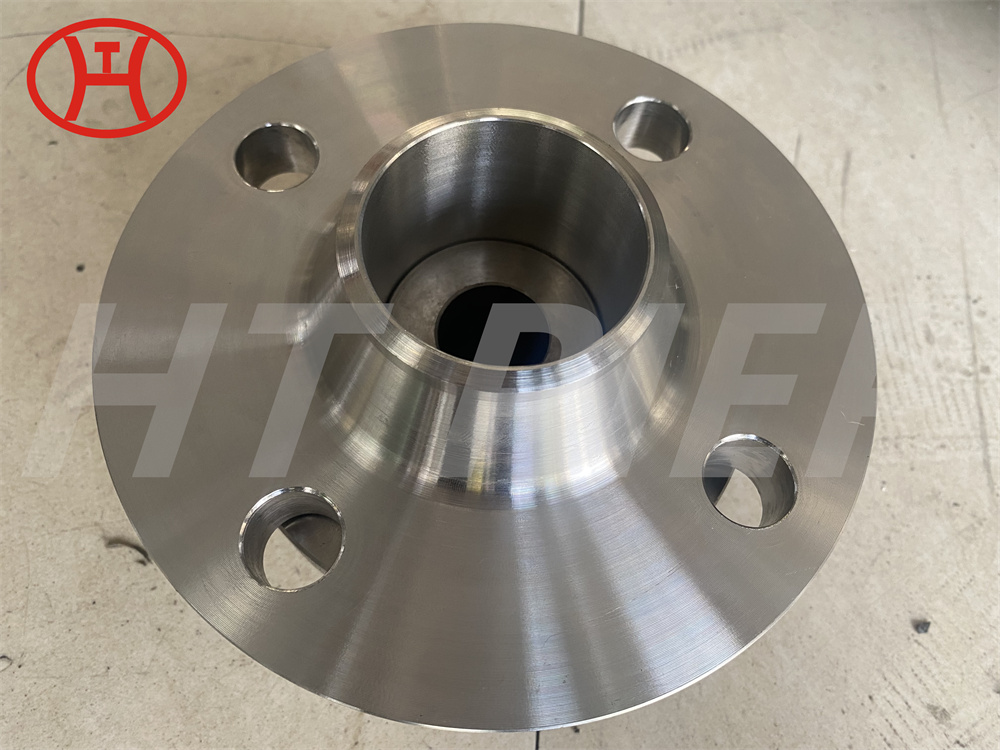
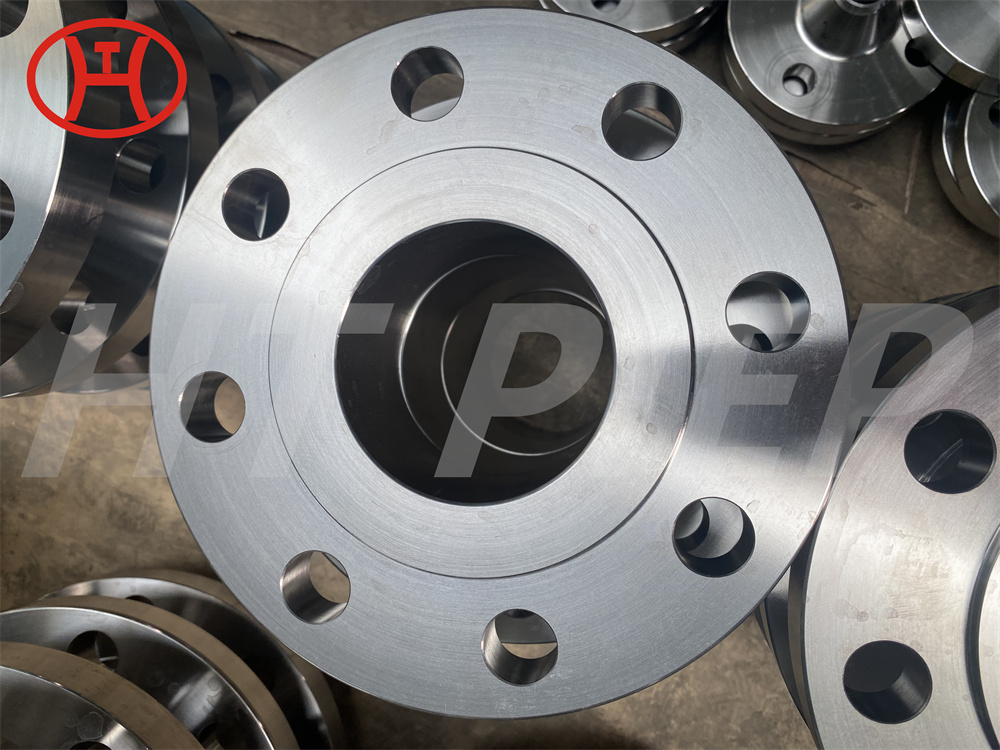
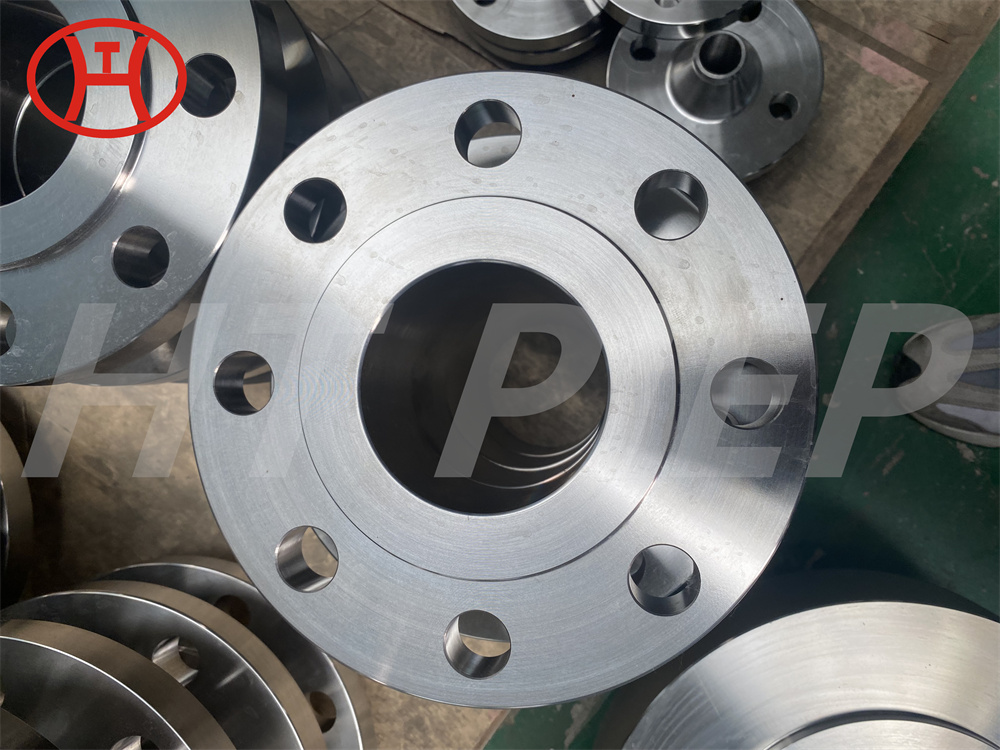
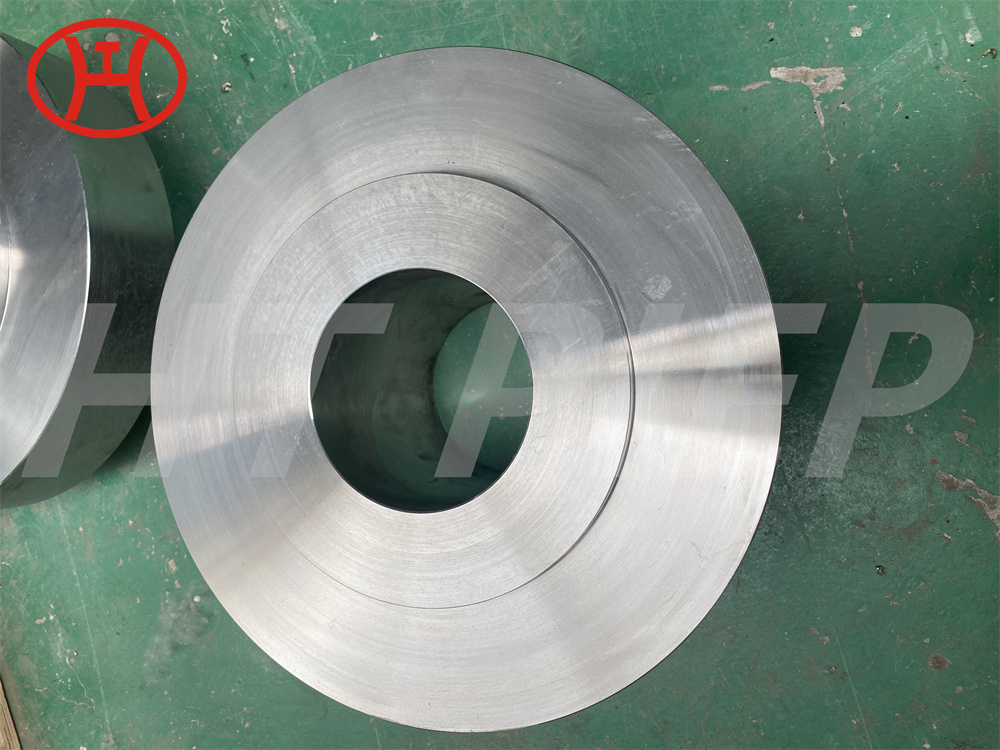
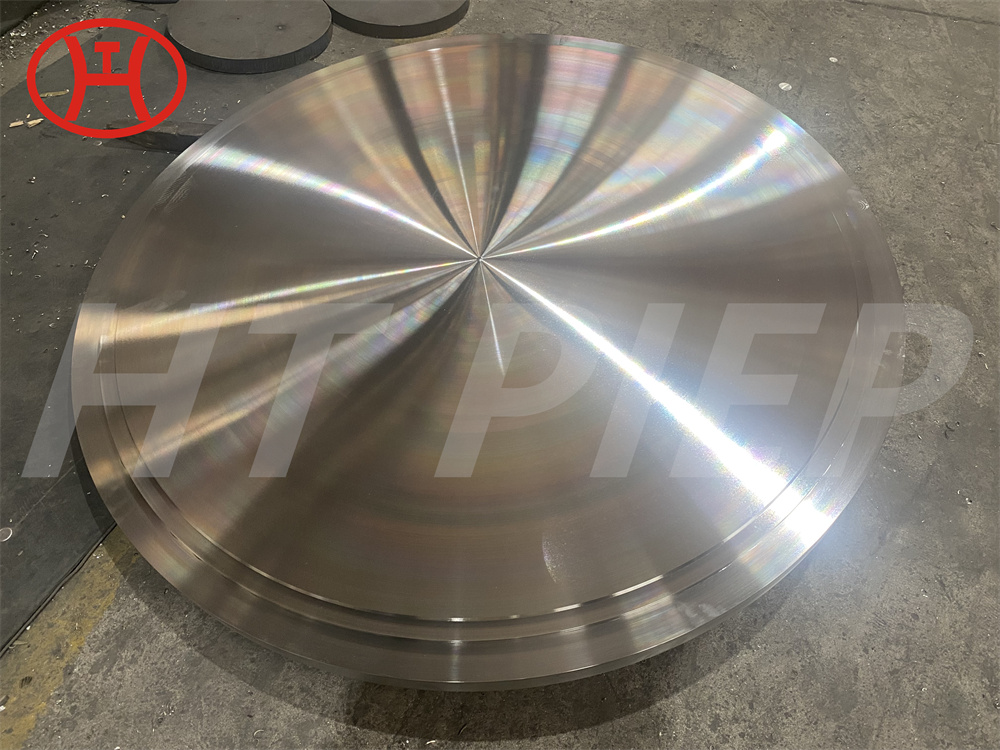
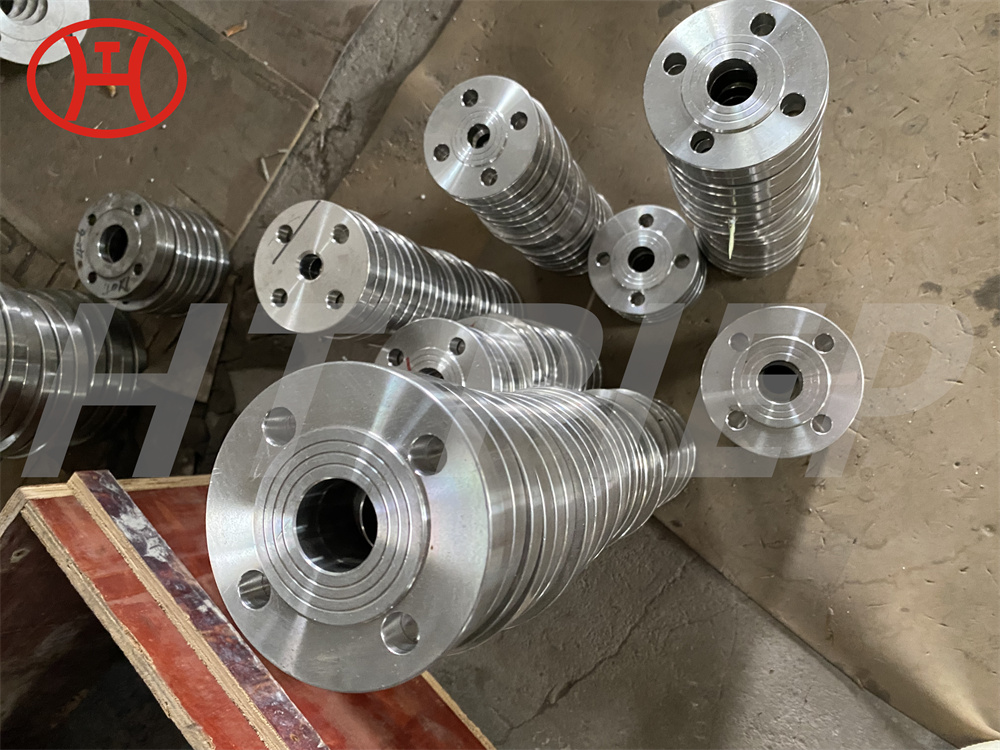
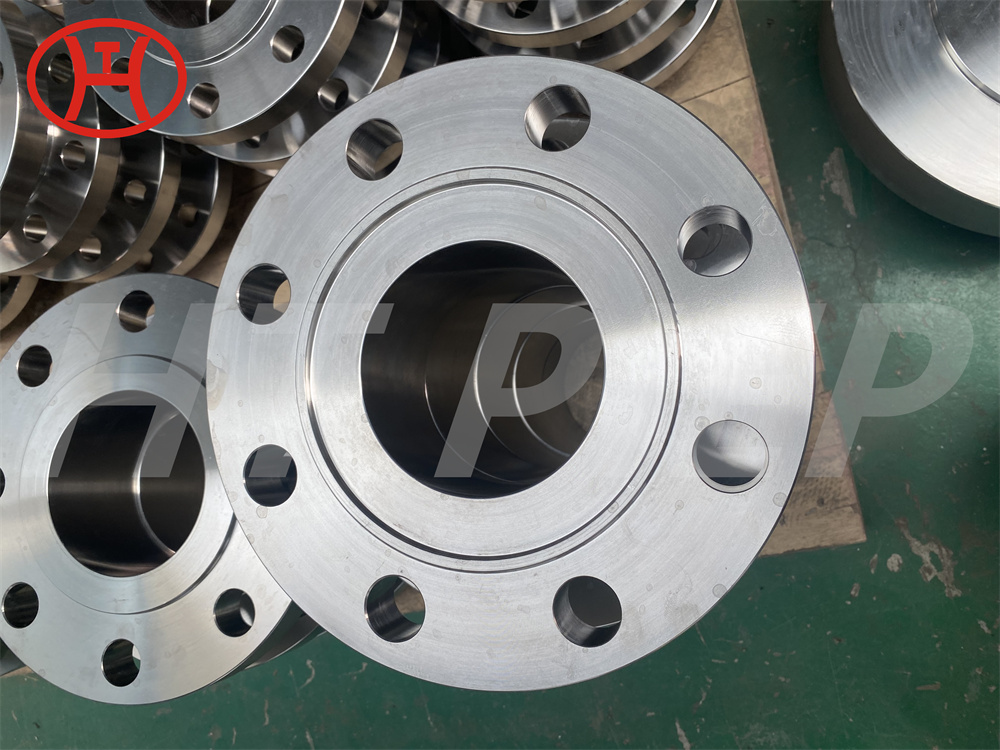
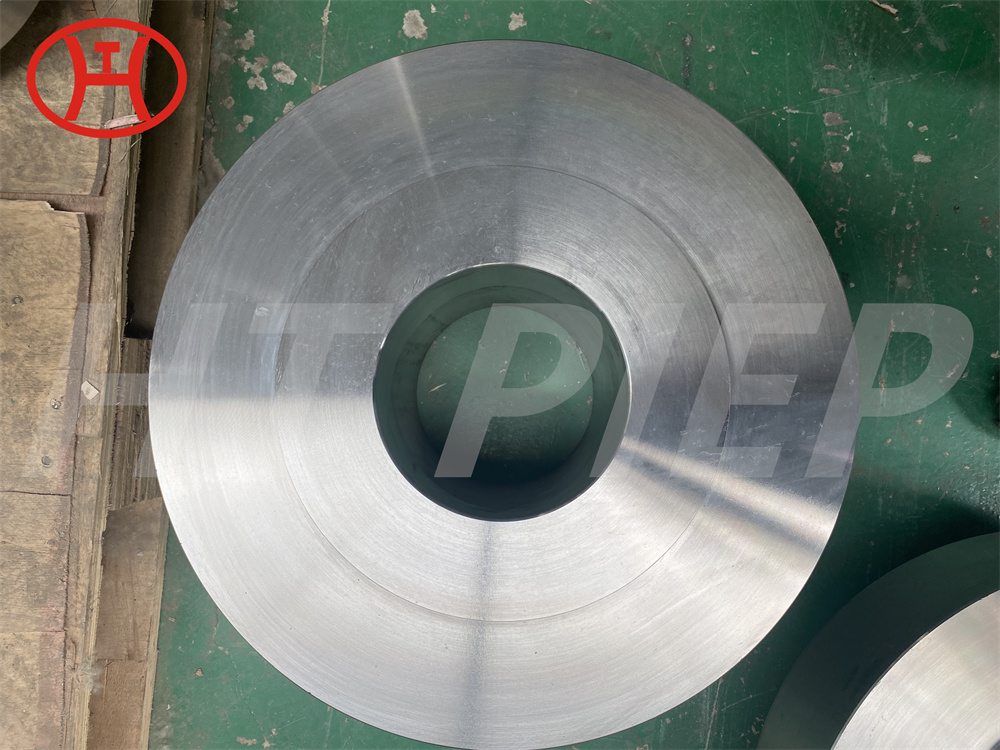
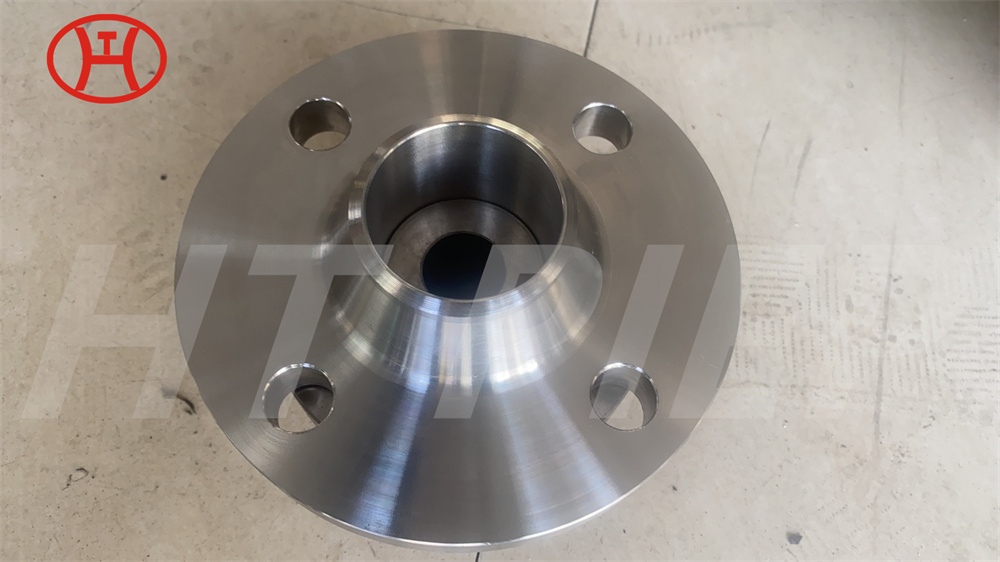
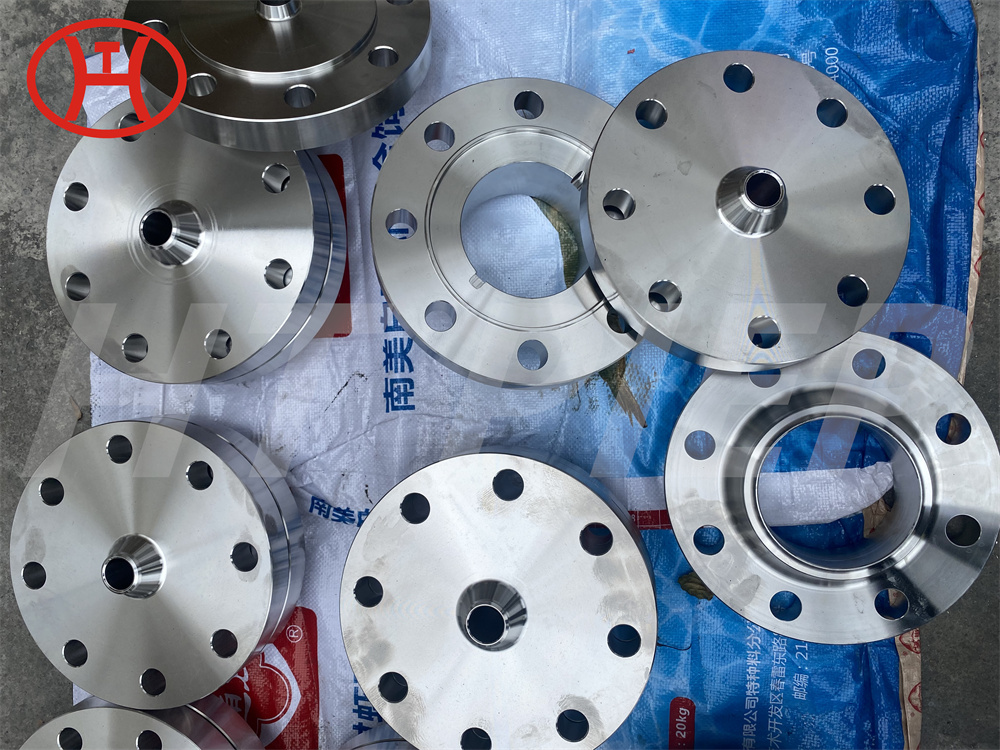
Forgings mainly include die forging, free forging and cutting forming processes to manufacture pipe fittings.
Tee is also known as pipe fitting tee or tee pipe fitting, tee joint, etc. Used mainly to change the direction of the fluid, used in the main pipe to branch pipe.
ASTM A105, also known as carbon steel, is an iron-carbon alloy with an internal carbon content of nearly 2 percent.
For the pipe fittings of small size, such as tee, tee and elbow of socket welding and thread, the shape is relatively complex, so the die forging process should be used.
A182-F11 has high thermal strength (¦Äb¡Ý440MPa) and oxidation resistance at high temperature, and has certain resistance to hydrogen corrosion.
ASTM A105 is an iron-carbon alloy with carbon content of 0.0218%~2.11%. Also called carbon steel.
Since only one type of carbon steel forging is specified in this standard, a105 is considered a type of forging carbon steel grade.
The pipe fittings of special shape or those not suitable for die forging can be manufactured by free forging process.The rough shape of pipe fitting should be forged by free forging; If the tee, should be forged out of the branch pipe.
SAE 304 stainless steel is the most common stainless steel. The steel contains both chromium (between 18% and 20%) and nickel (between 8% and 10.5%)[1] metals as the main non-iron constituents. It is an austenitic stainless steel. It is less electrically and thermally conductive than carbon steel. It is magnetic, but less magnetic than steel. It has a higher corrosion resistance than regular steel and is widely used because of the ease in which it is formed into various shapes.[1]