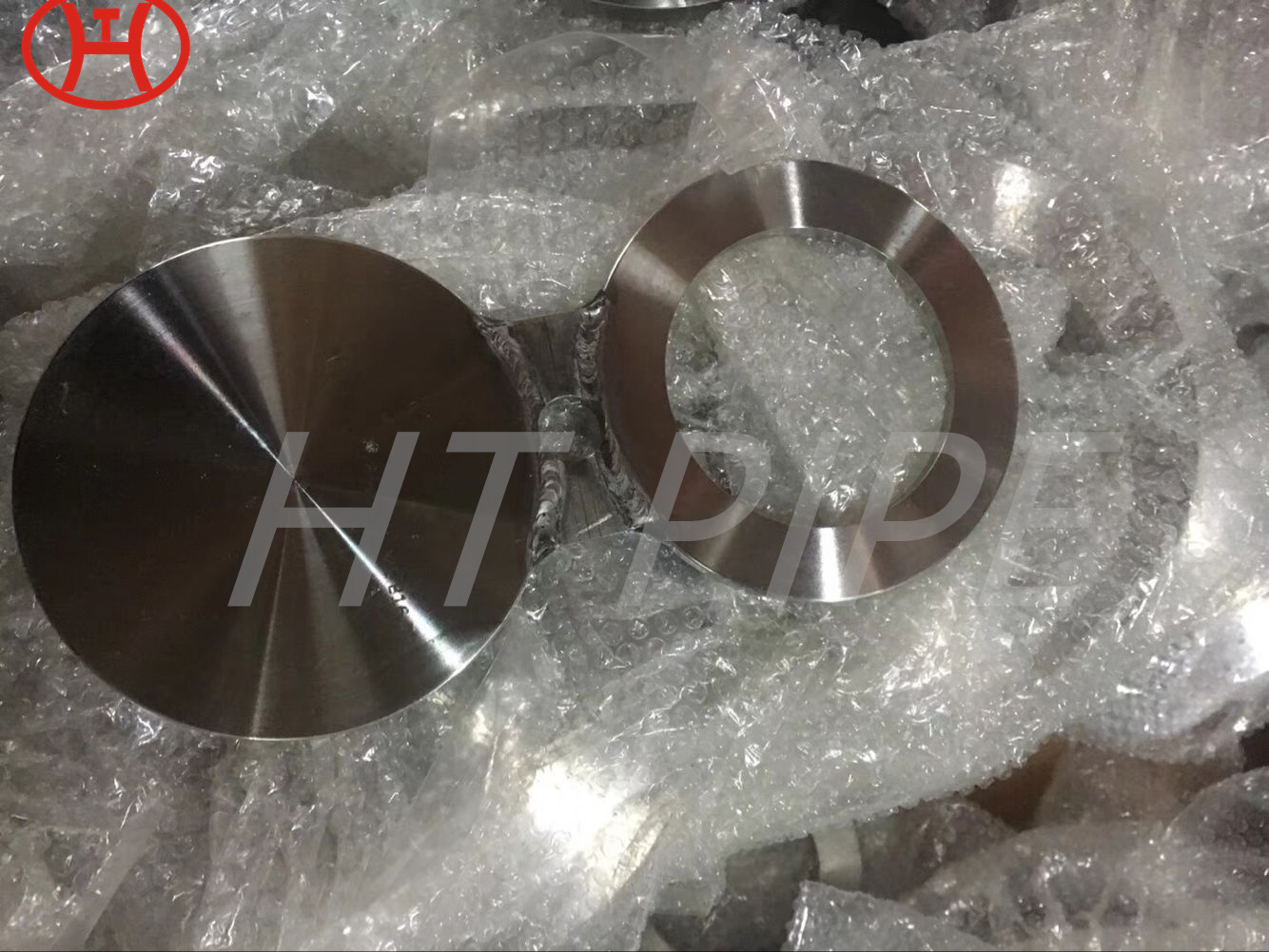
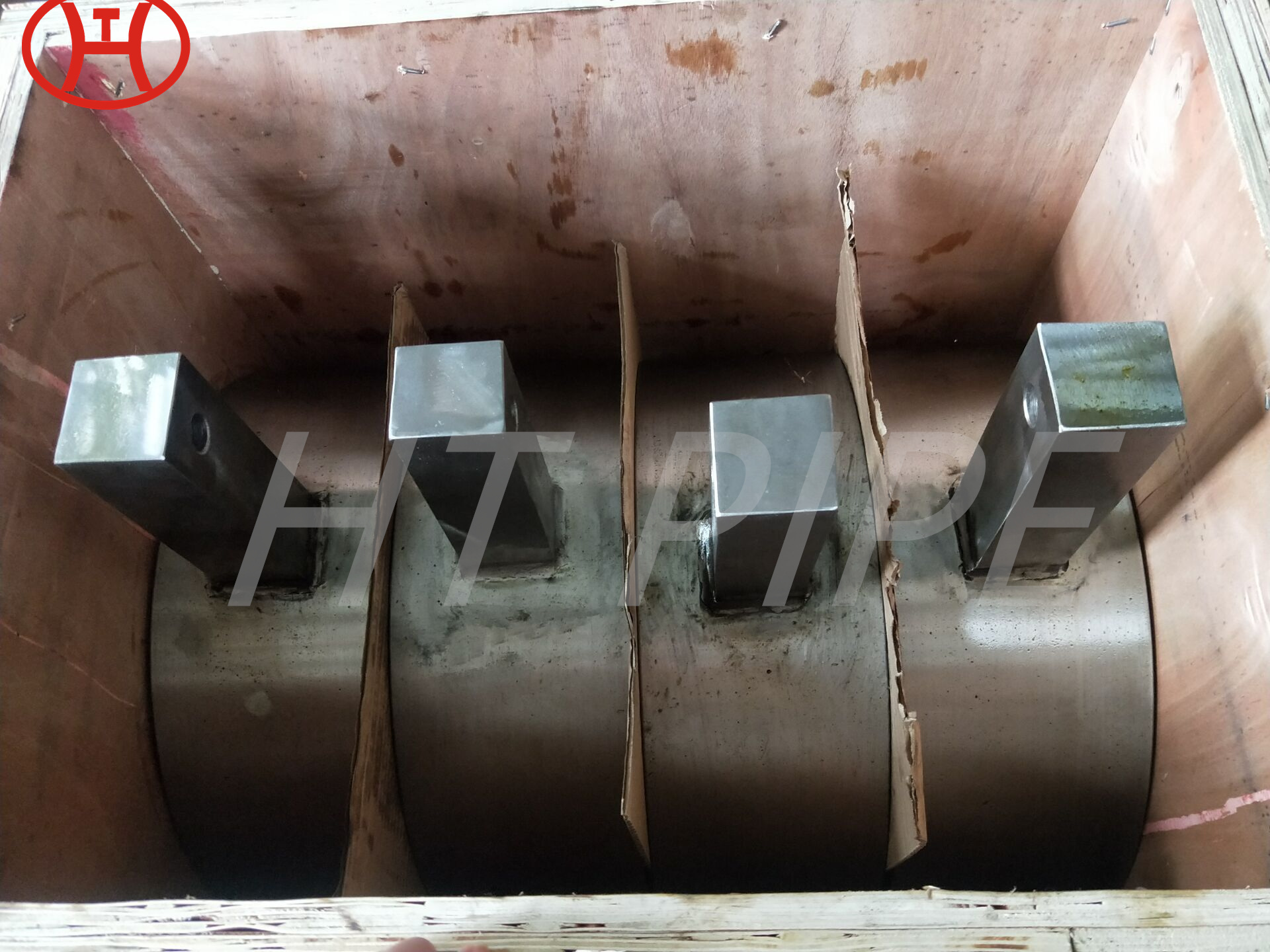
SAE 304 stainless steel is the most common stainless steel. The steel contains both chromium (between 18% and 20%) and nickel (between 8% and 10.5%)[1] metals as the main non-iron constituents. It is an austenitic stainless steel. It is less electrically and thermally conductive than carbon steel. It is magnetic, but less magnetic than steel. It has a higher corrosion resistance than regular steel and is widely used because of the ease in which it is formed into various shapes.[1]
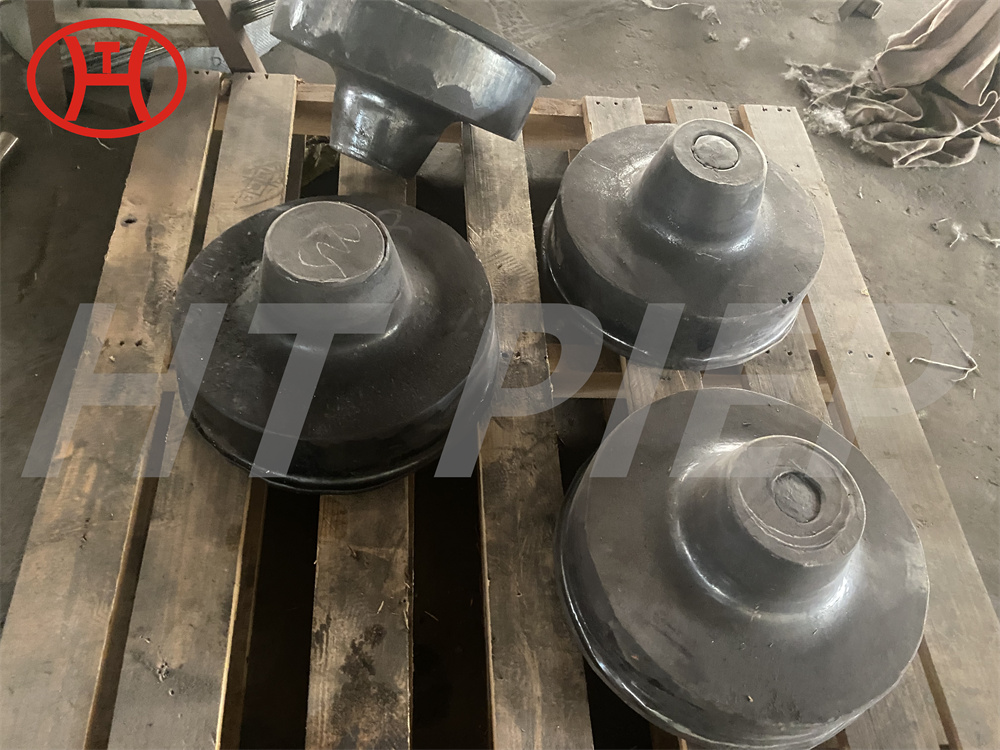
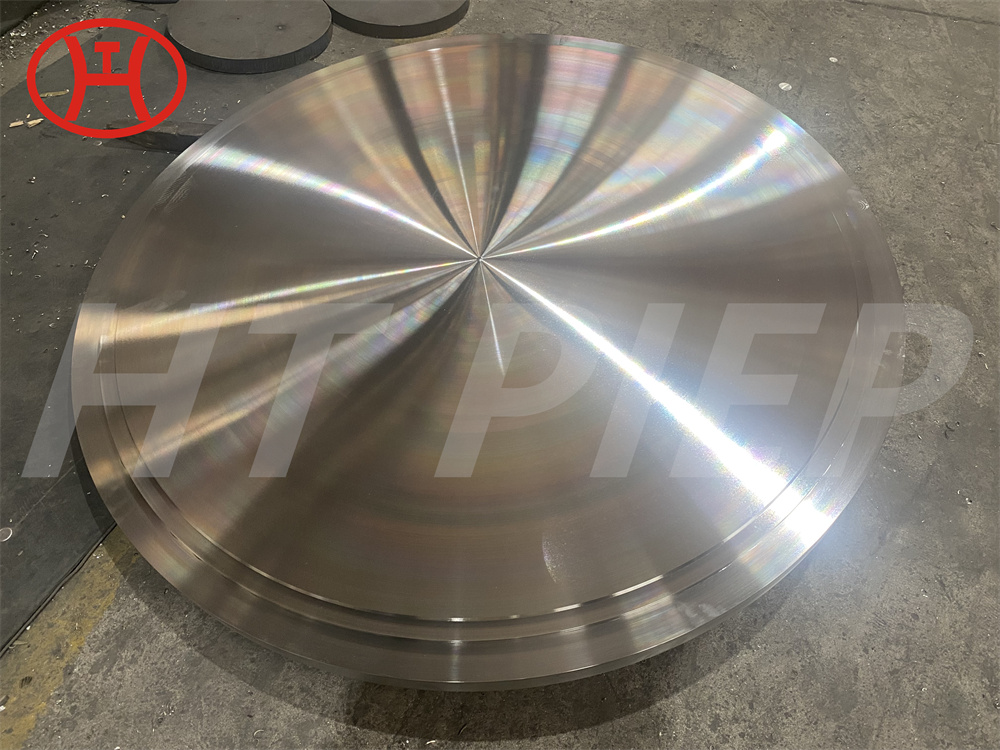
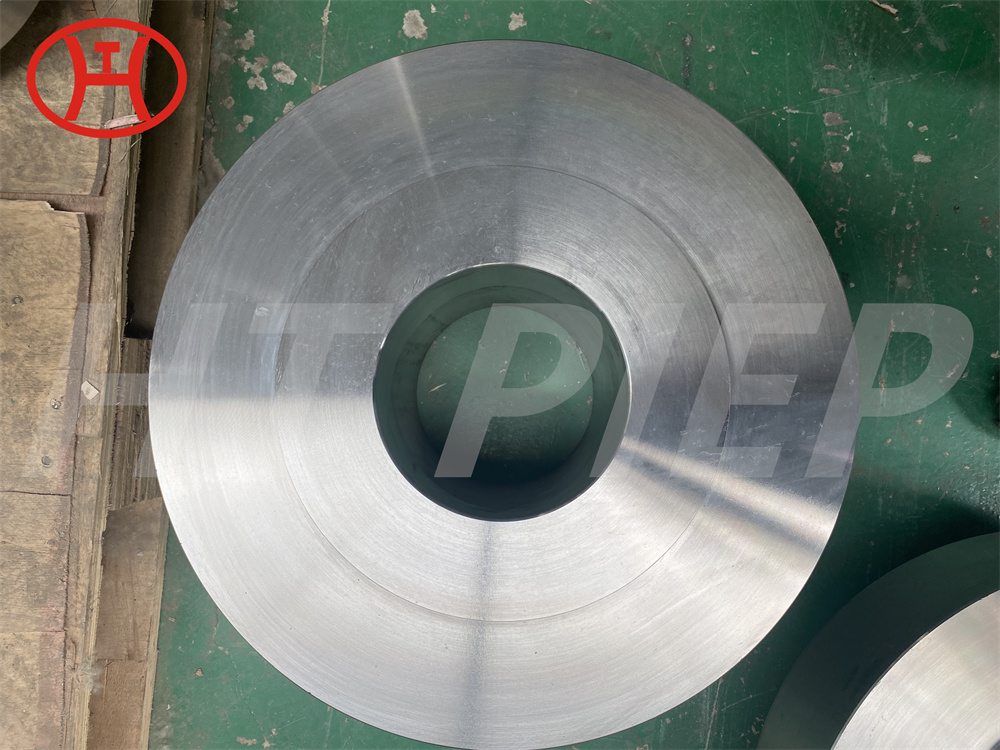
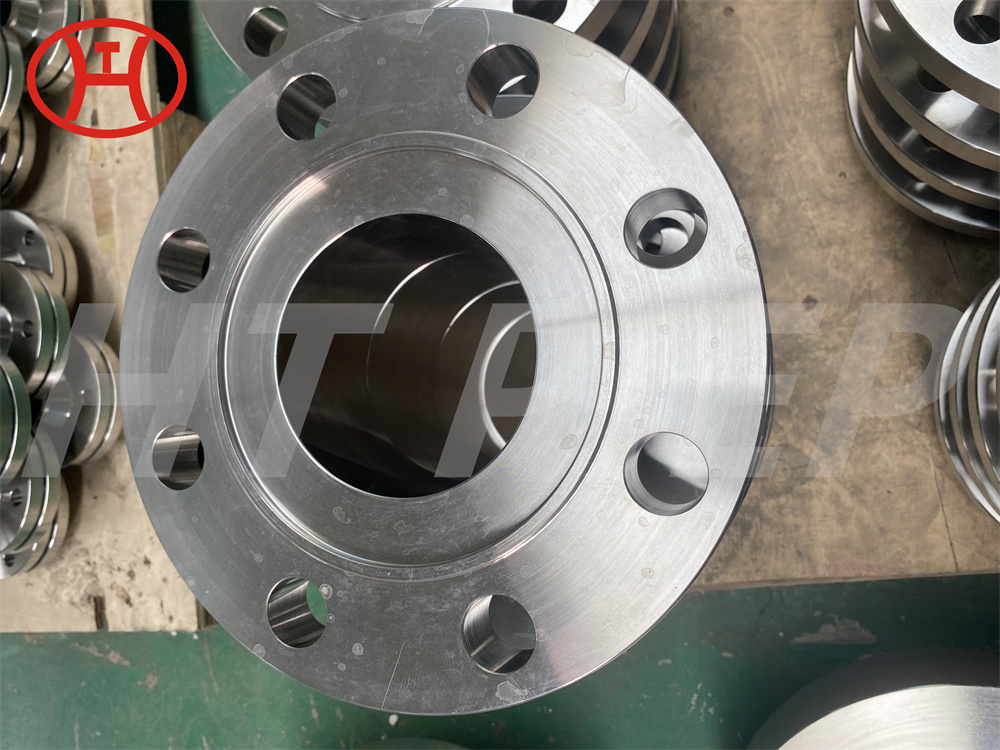
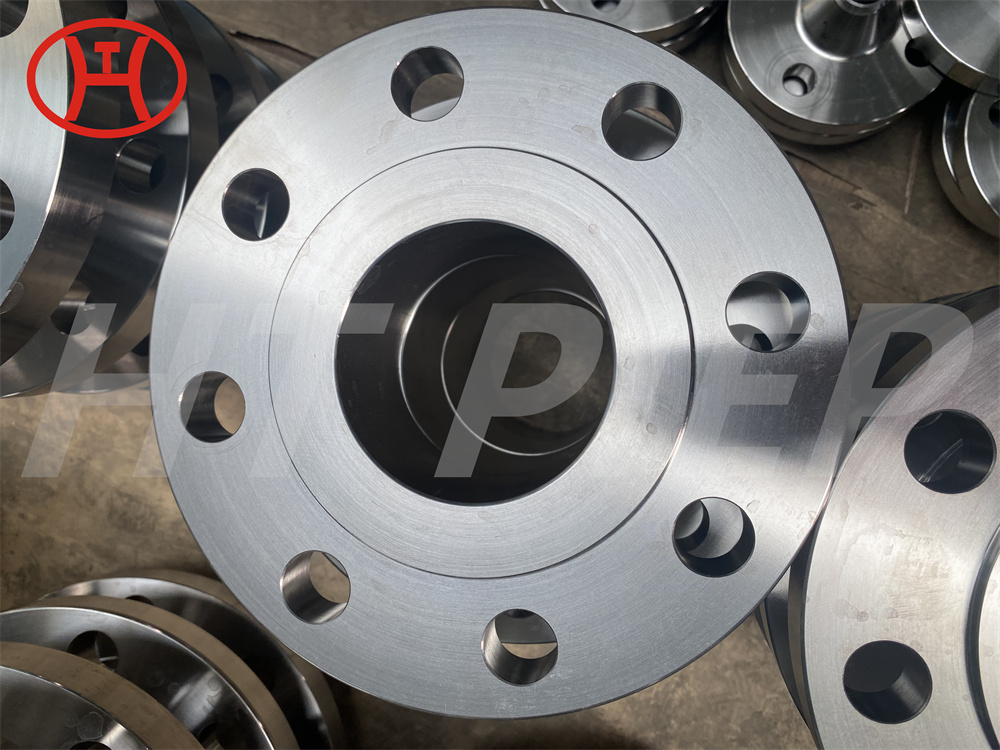
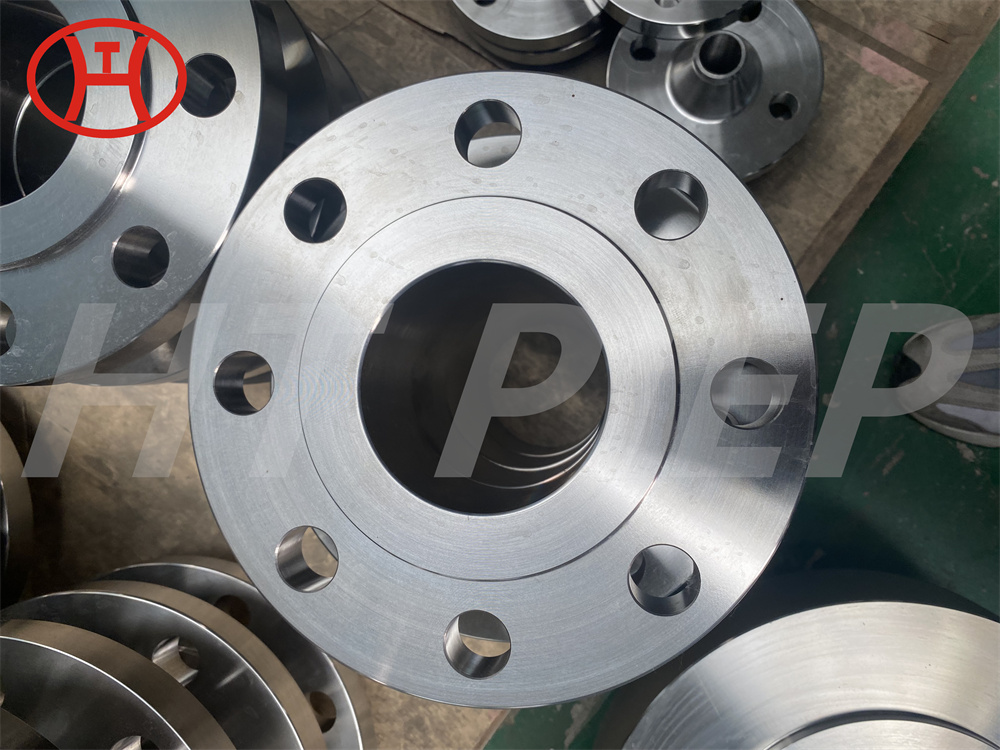
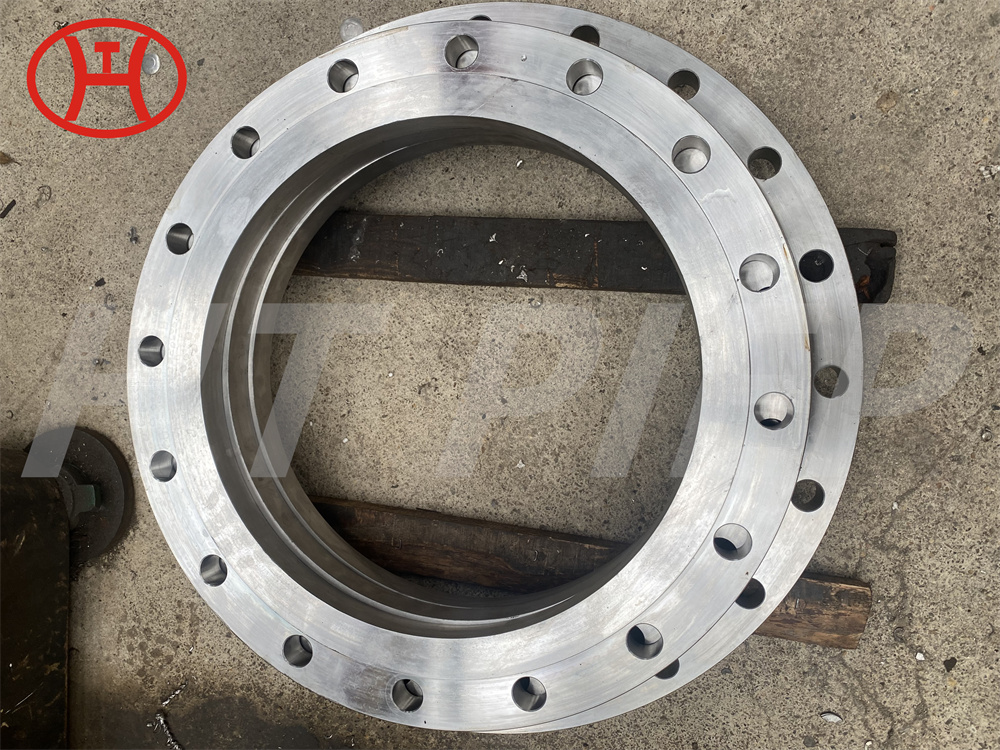
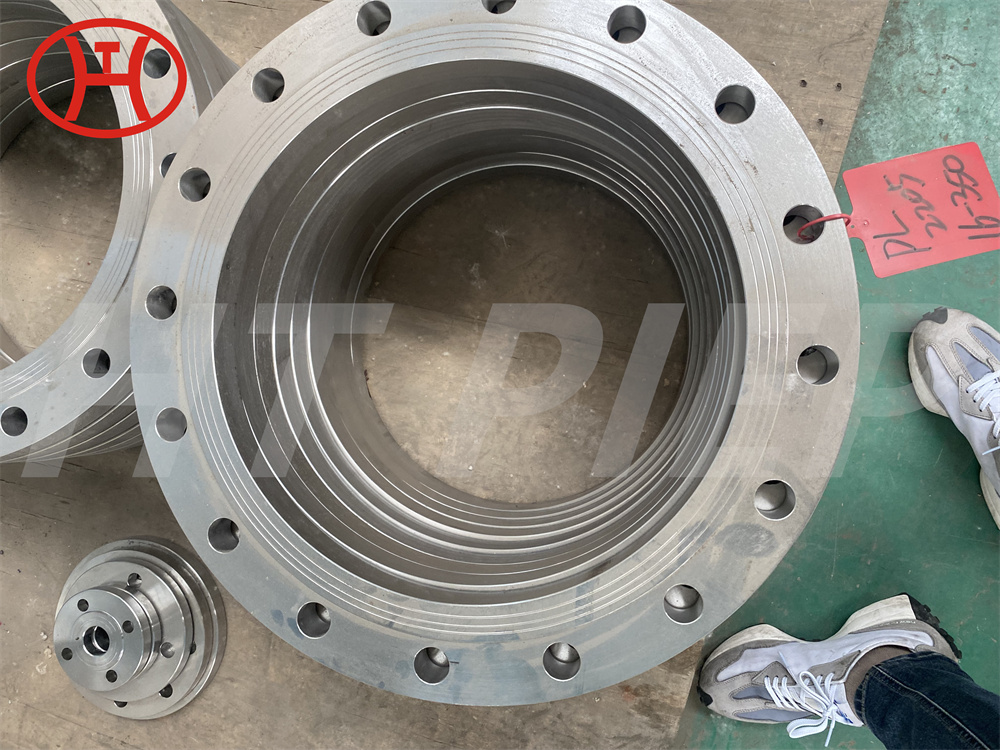
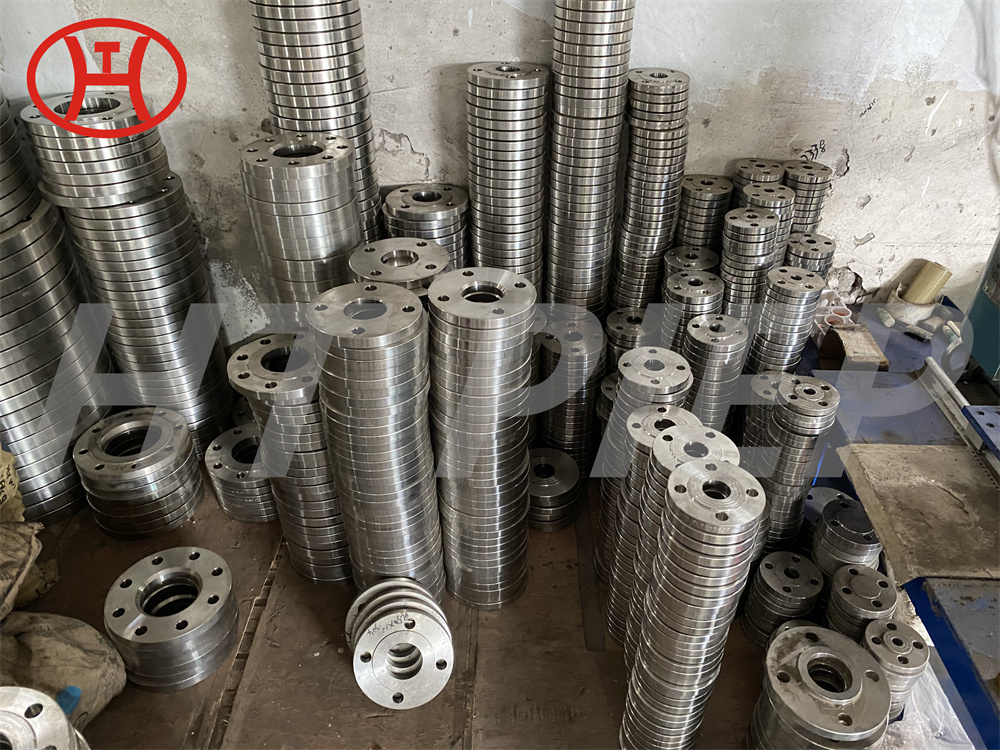
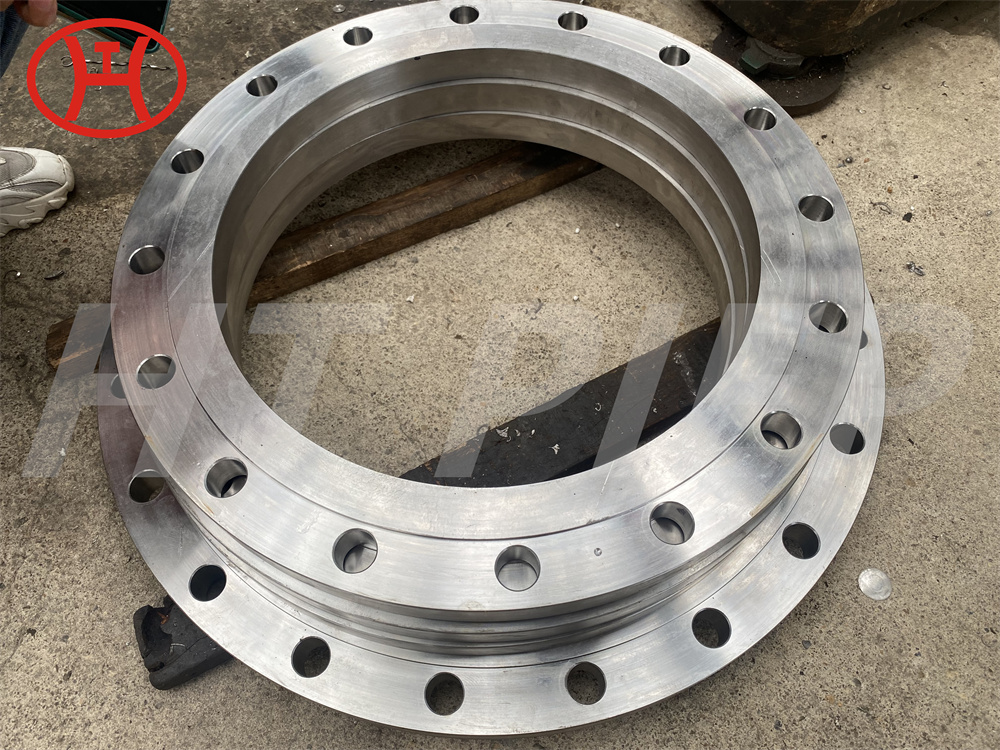
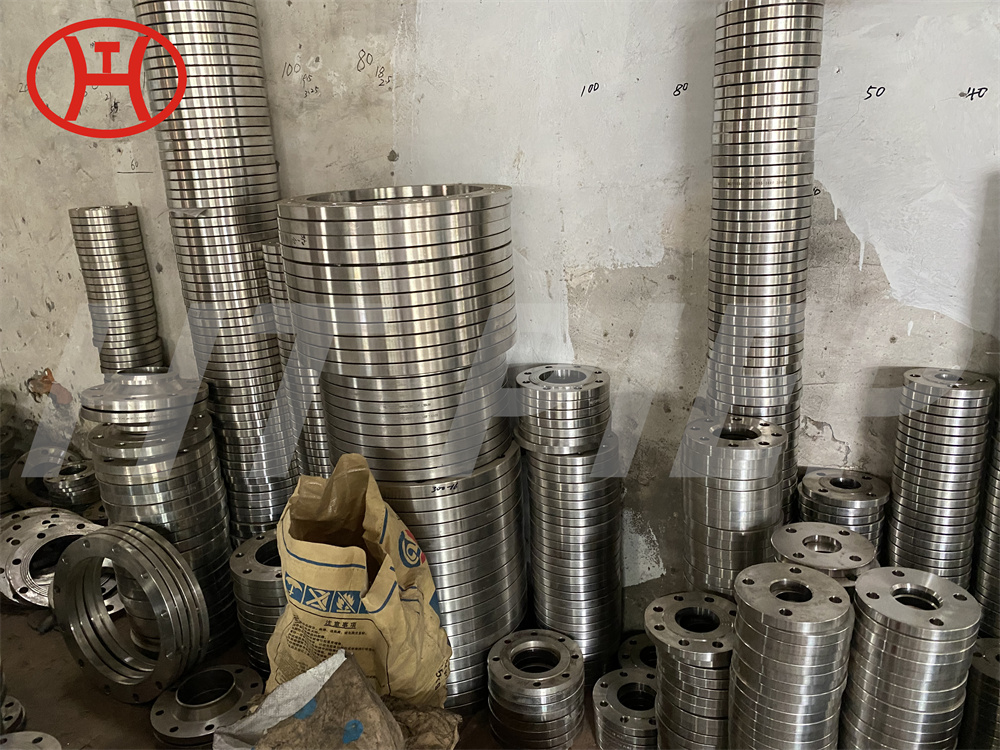
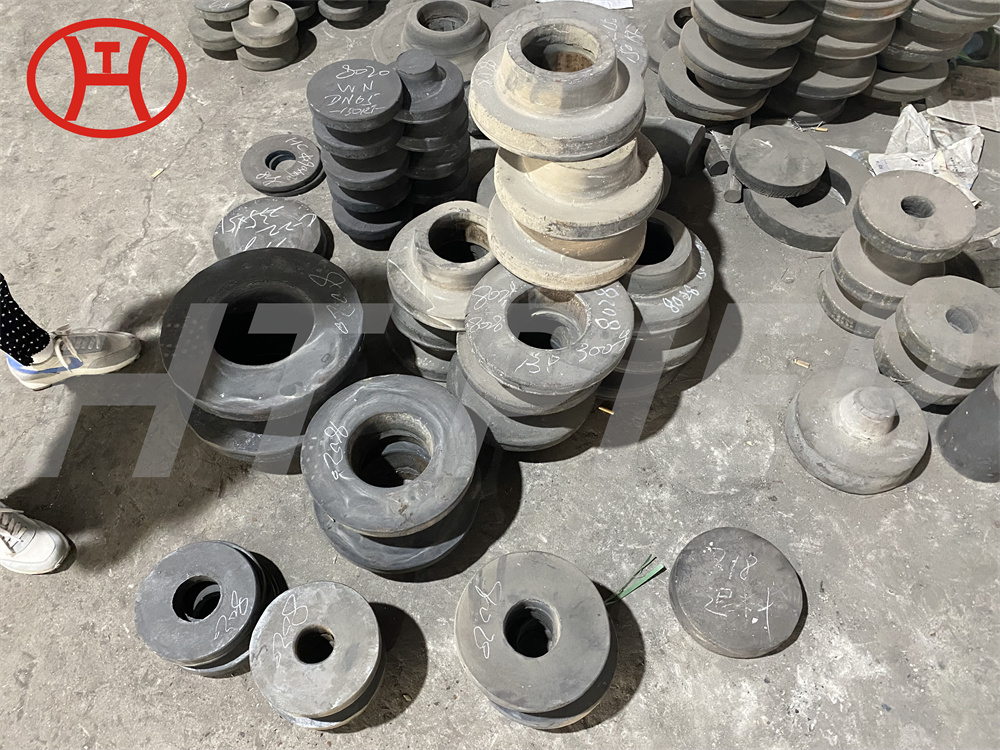
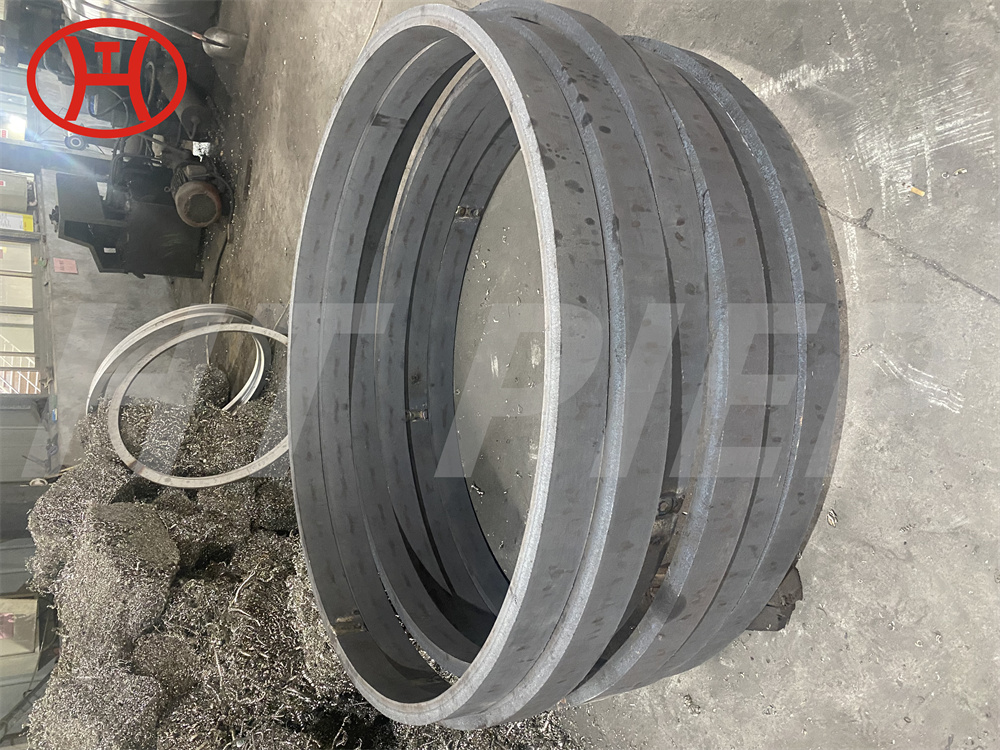
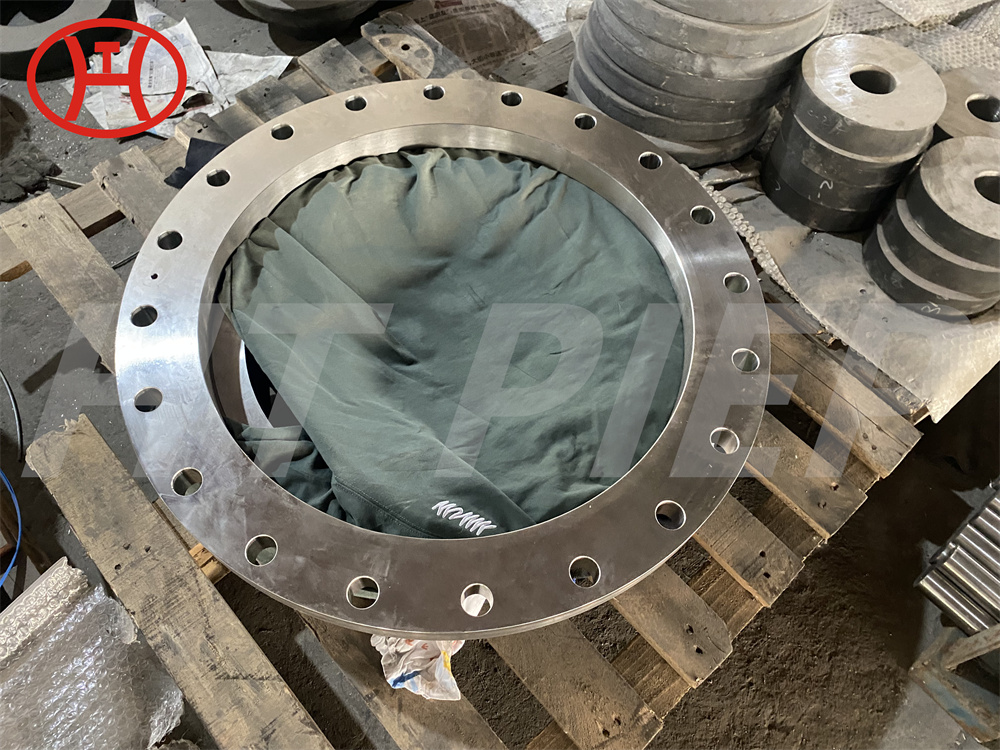
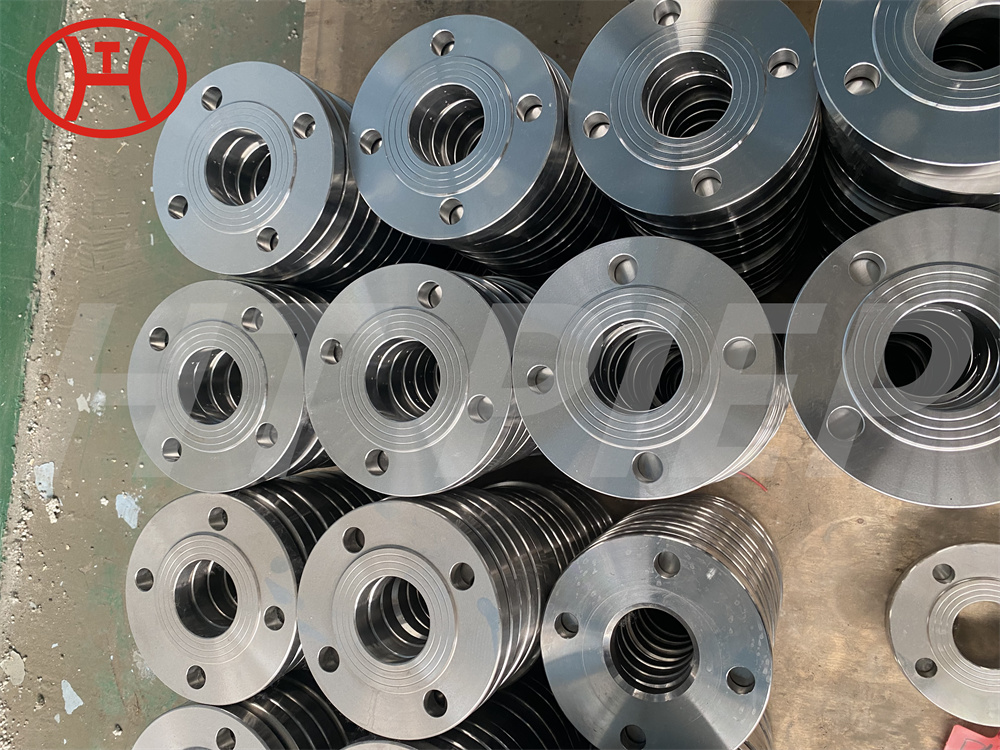
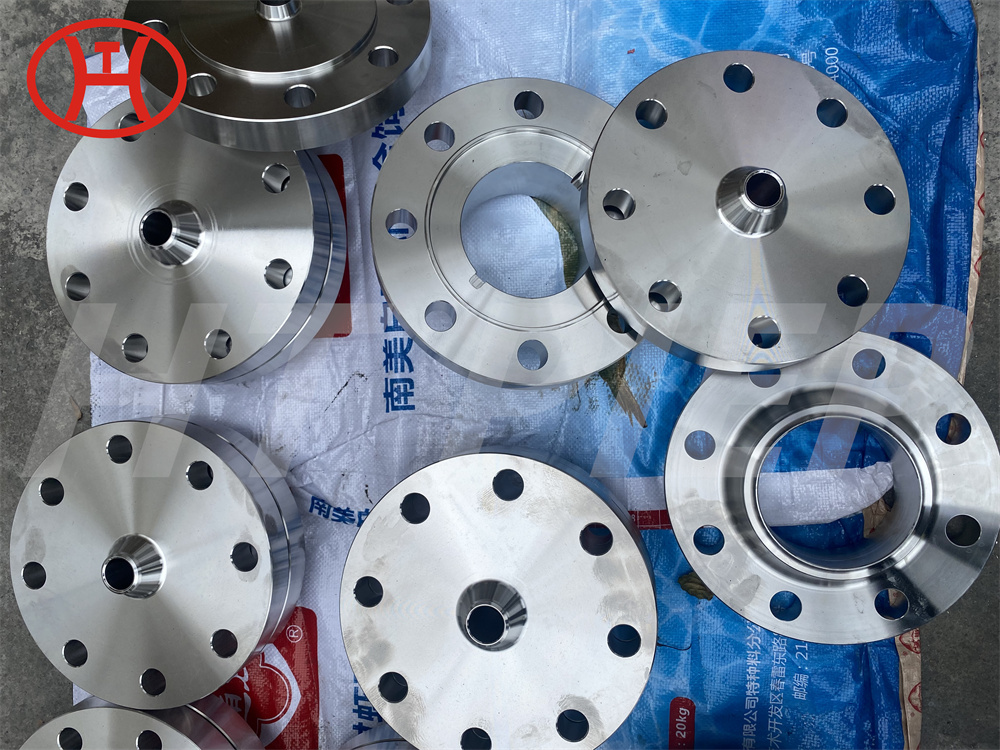
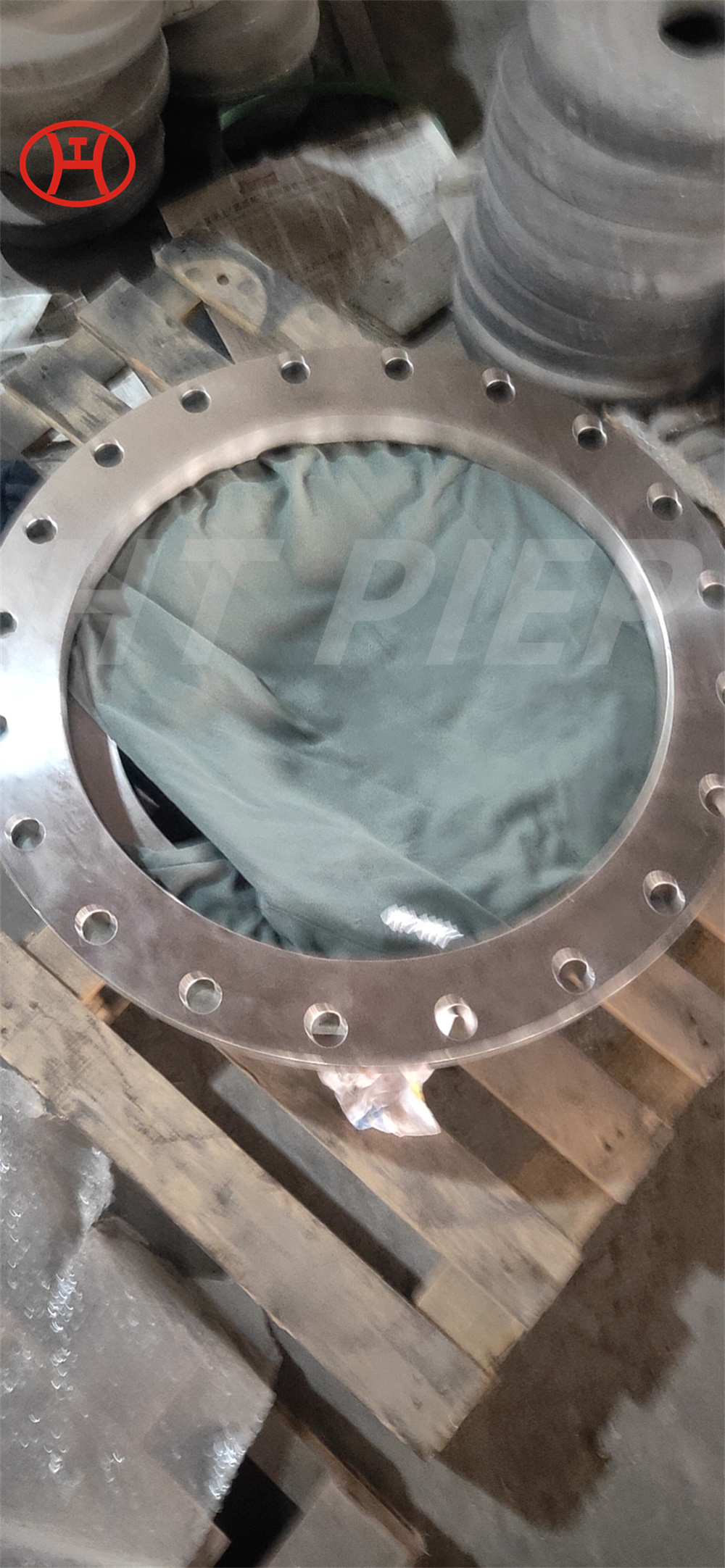
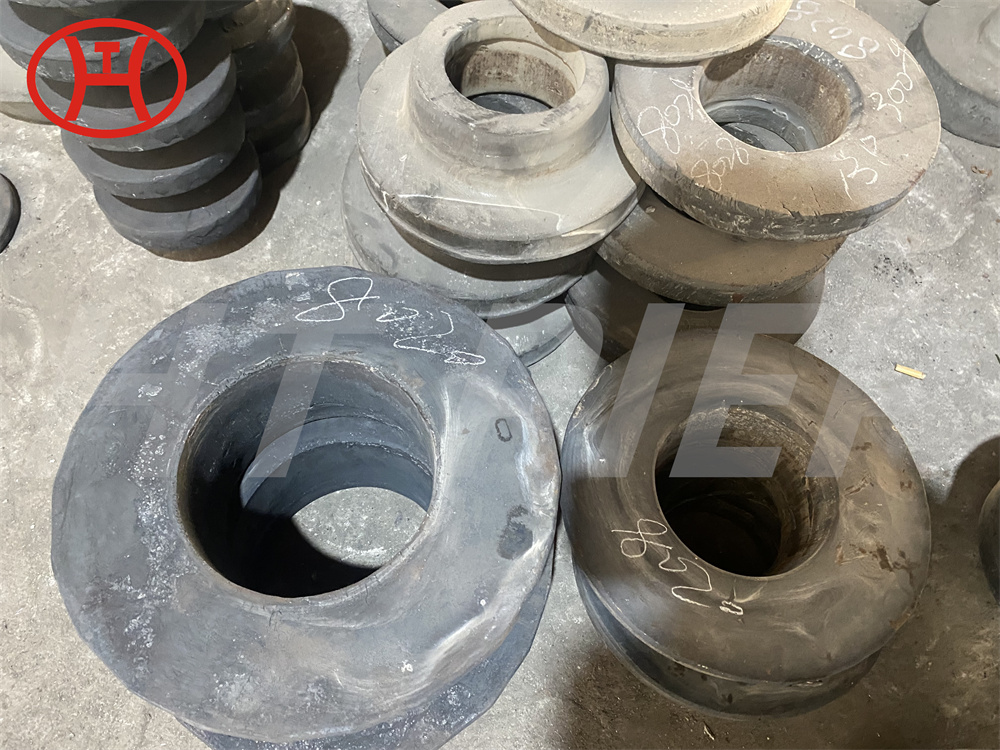
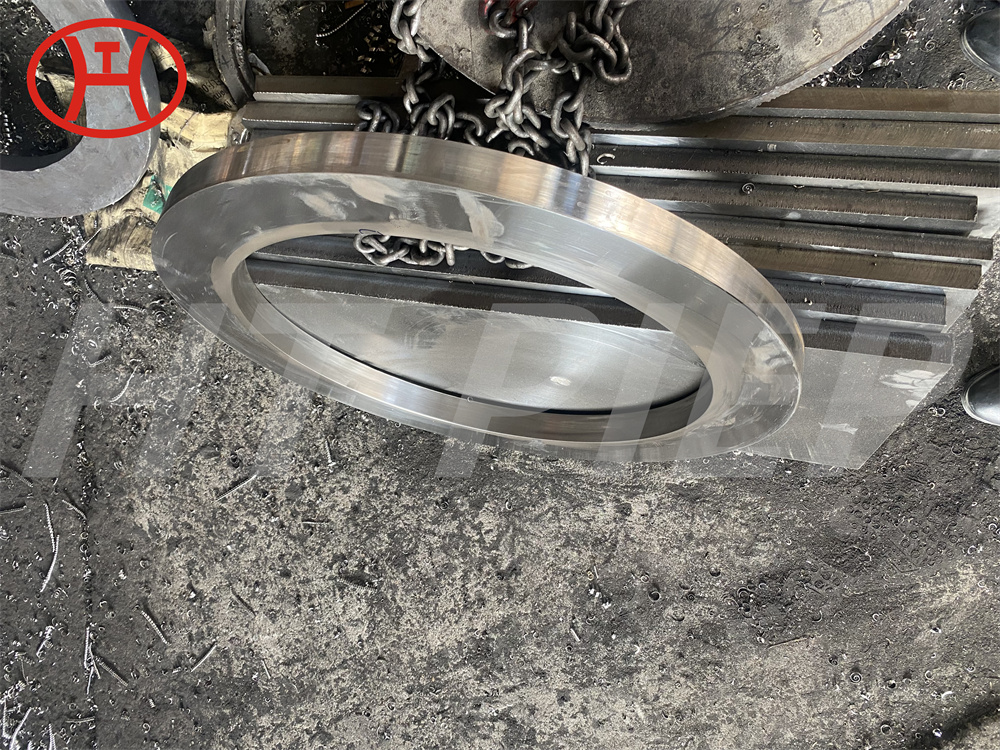
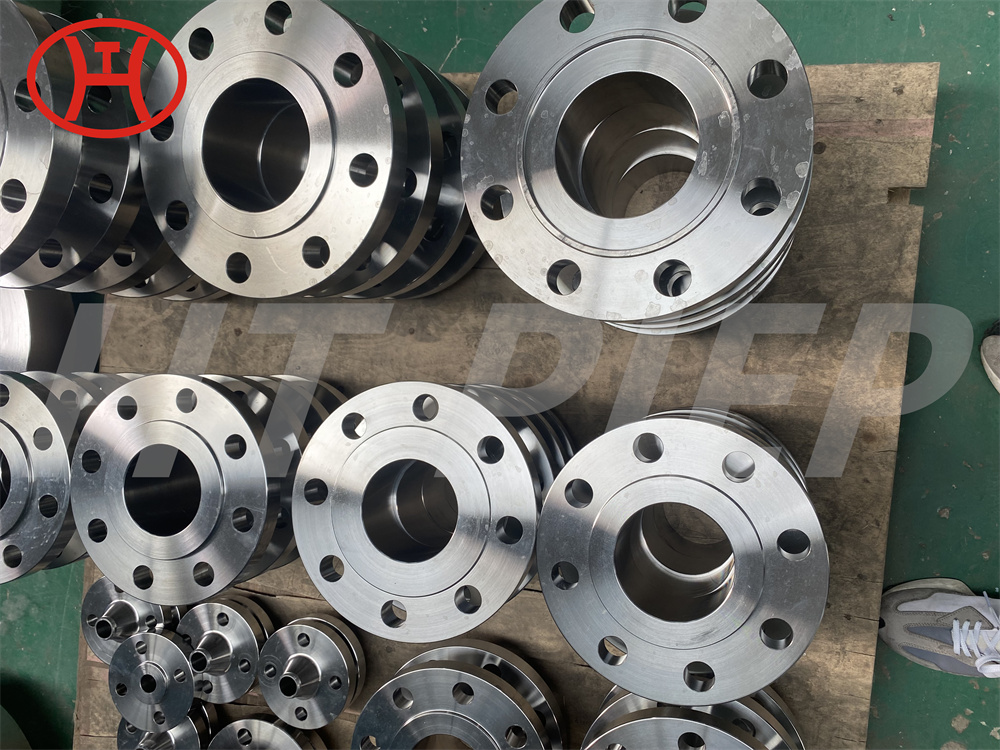
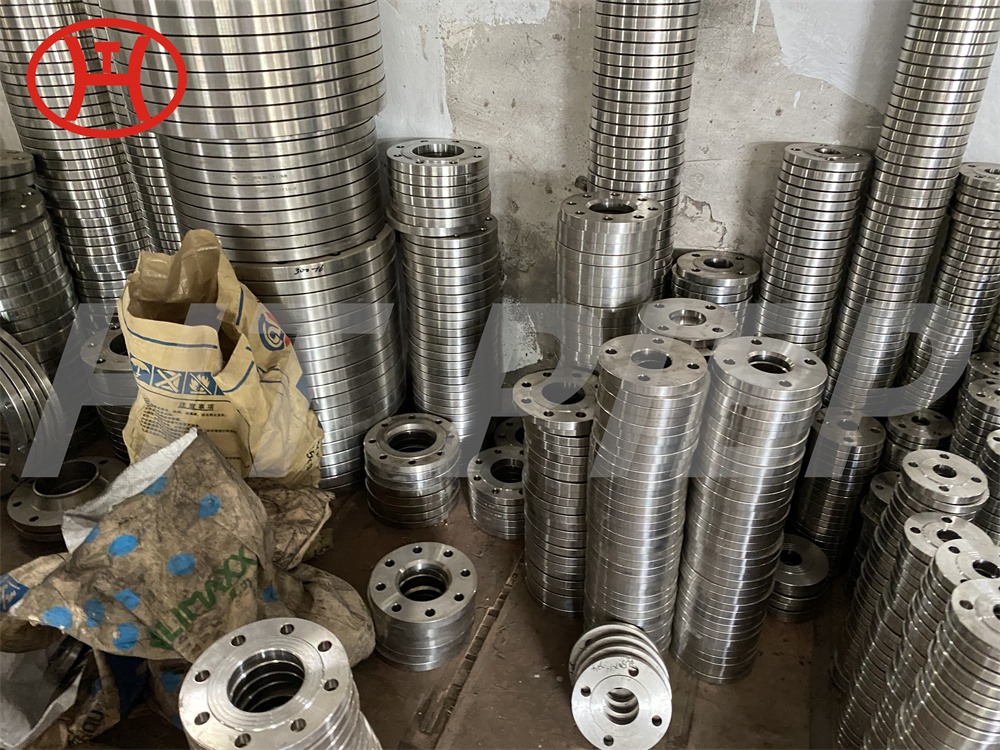
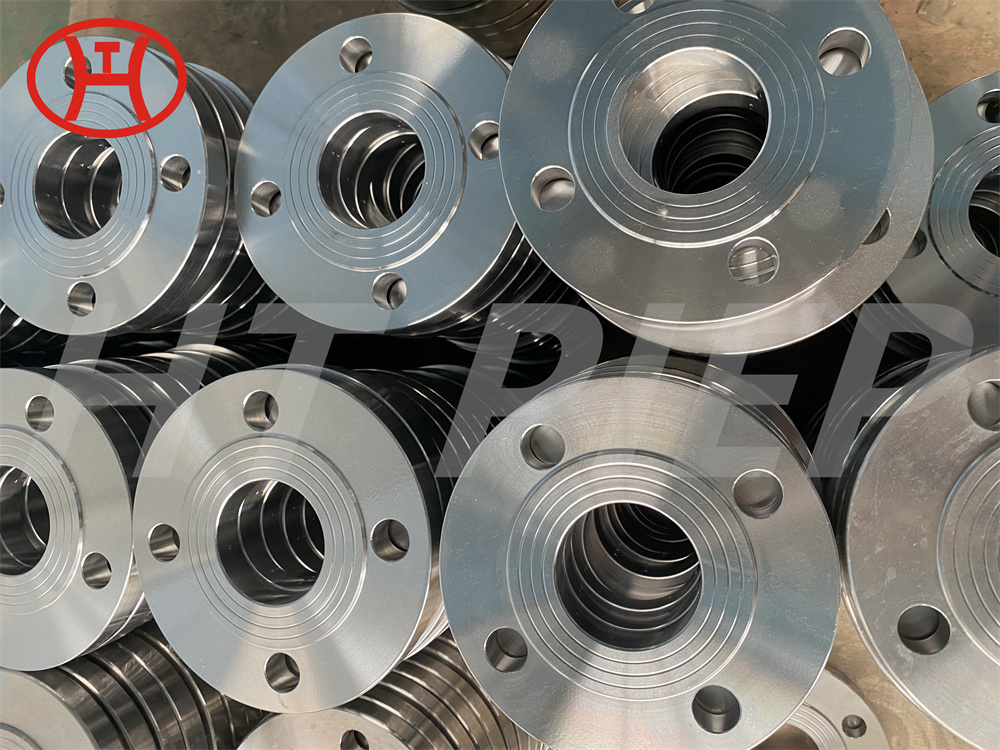
ASTM A182 F304 Stainless Steel Flanges are manufactured in accordance with ASME B16.5 150#, 300#, 600#, 900#, 1500#, 2500#.
With this high melting point, the flange can withstand temperatures up to 870 degrees Celsius. There are different types of flanges according to the face type. 304 stainless steel flanges are available with flat, raised and ring joints.
An austenitic stainless steel grade, the chemical composition of stainless steel 304 flanges gives it an advantage over ordinary carbon steel grades. Although they cost more than previous alloys, the performance they offer takes applications to the next level.
In industries that handle nitric acid, grade 304 stainless steel threaded pipe flanges can be used at temperatures up to 176¡ãF. 304 stainless steel flanges are durable and less expensive than other alloy types. Due to the oxidizing properties of this solution, it will rapidly cause disintegration if used at concentrations above 55%.