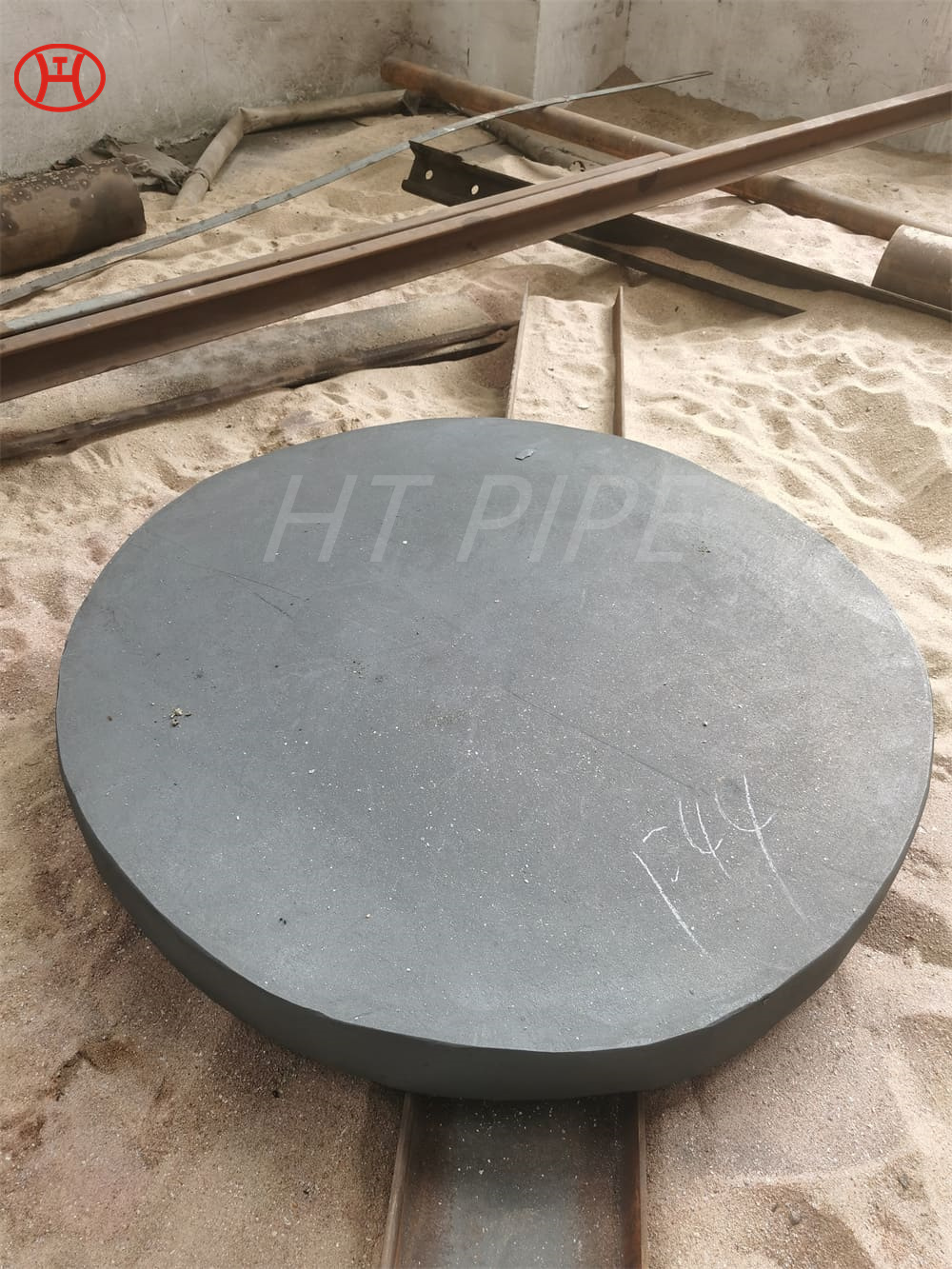
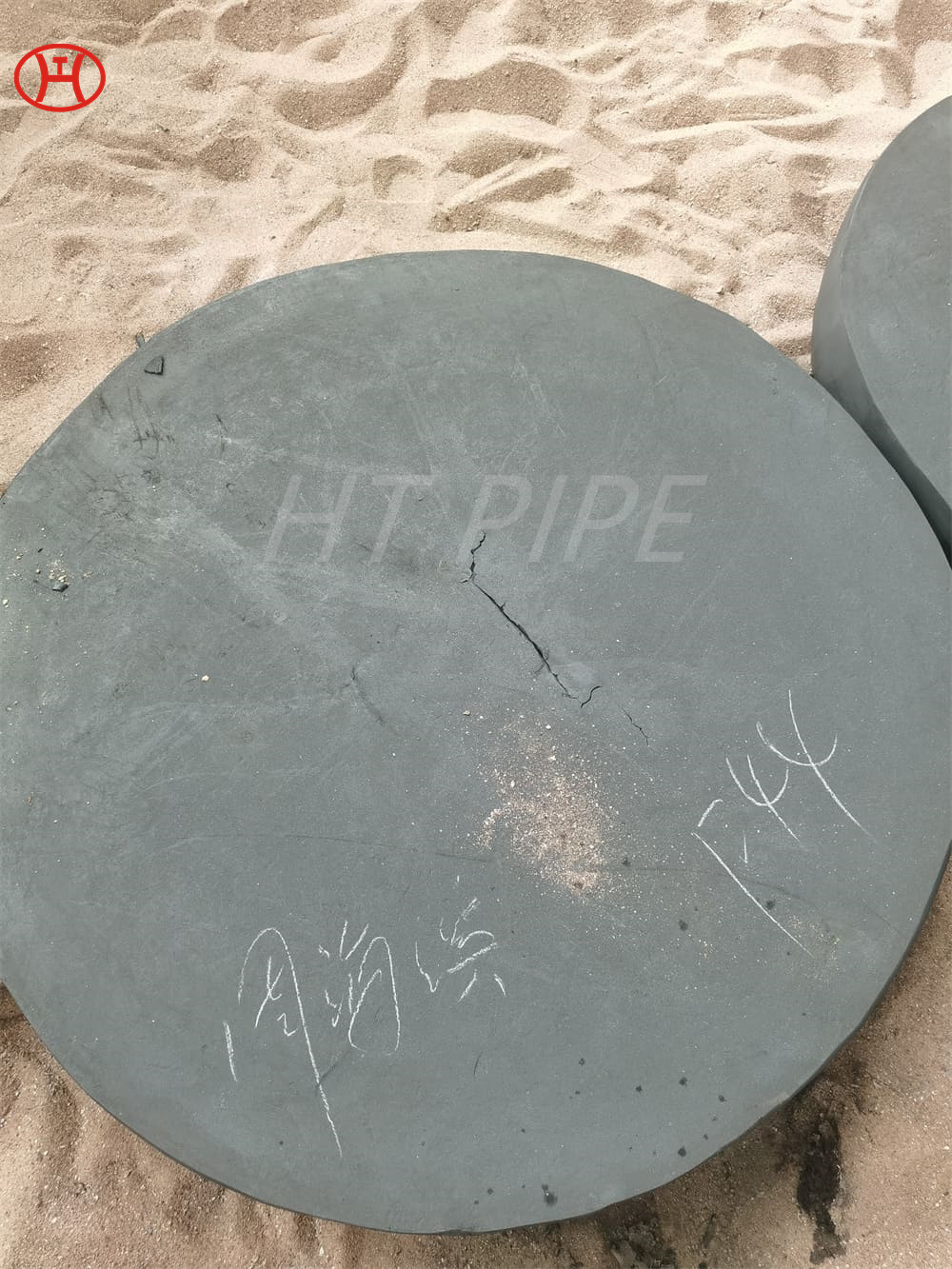
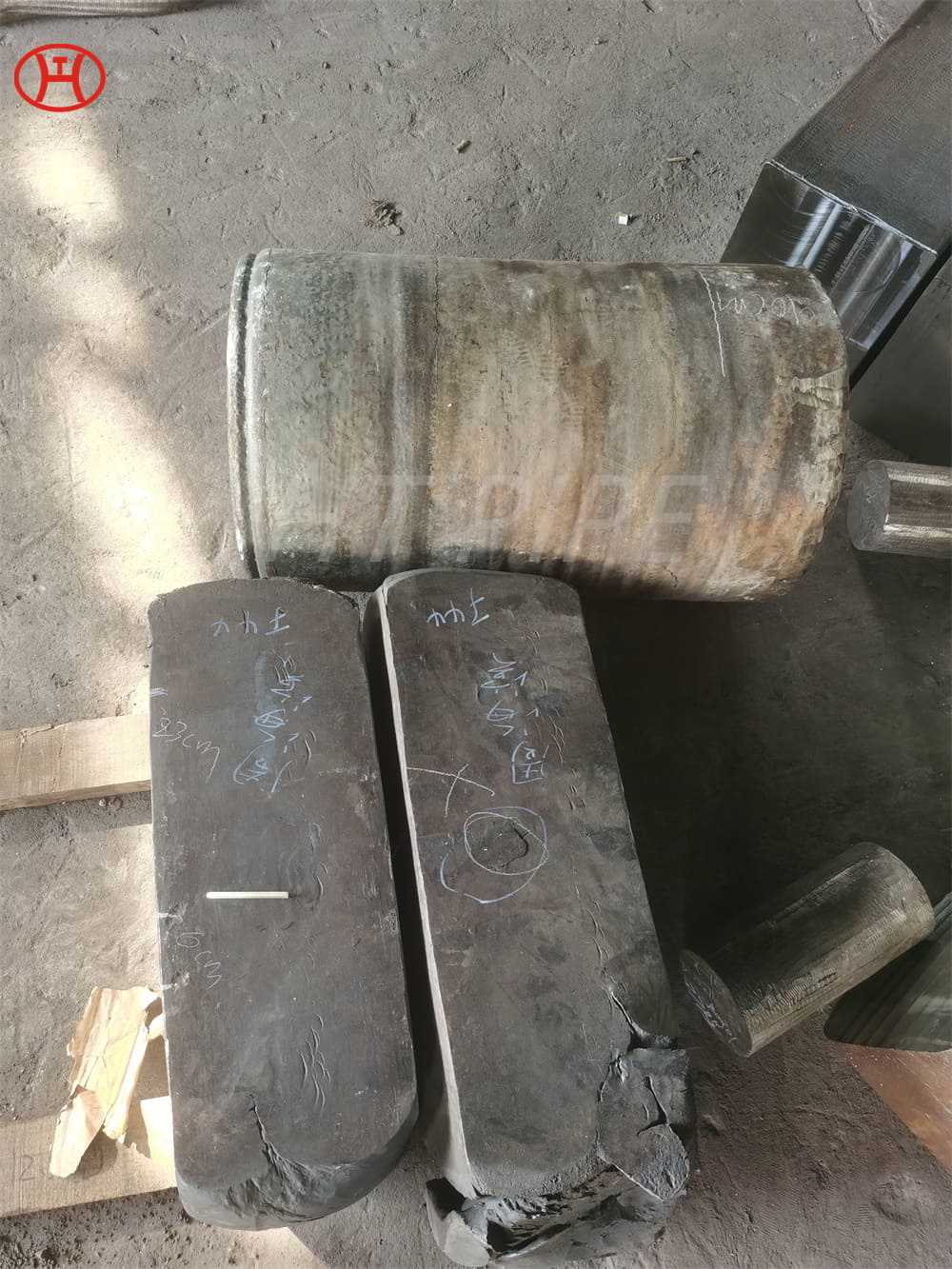
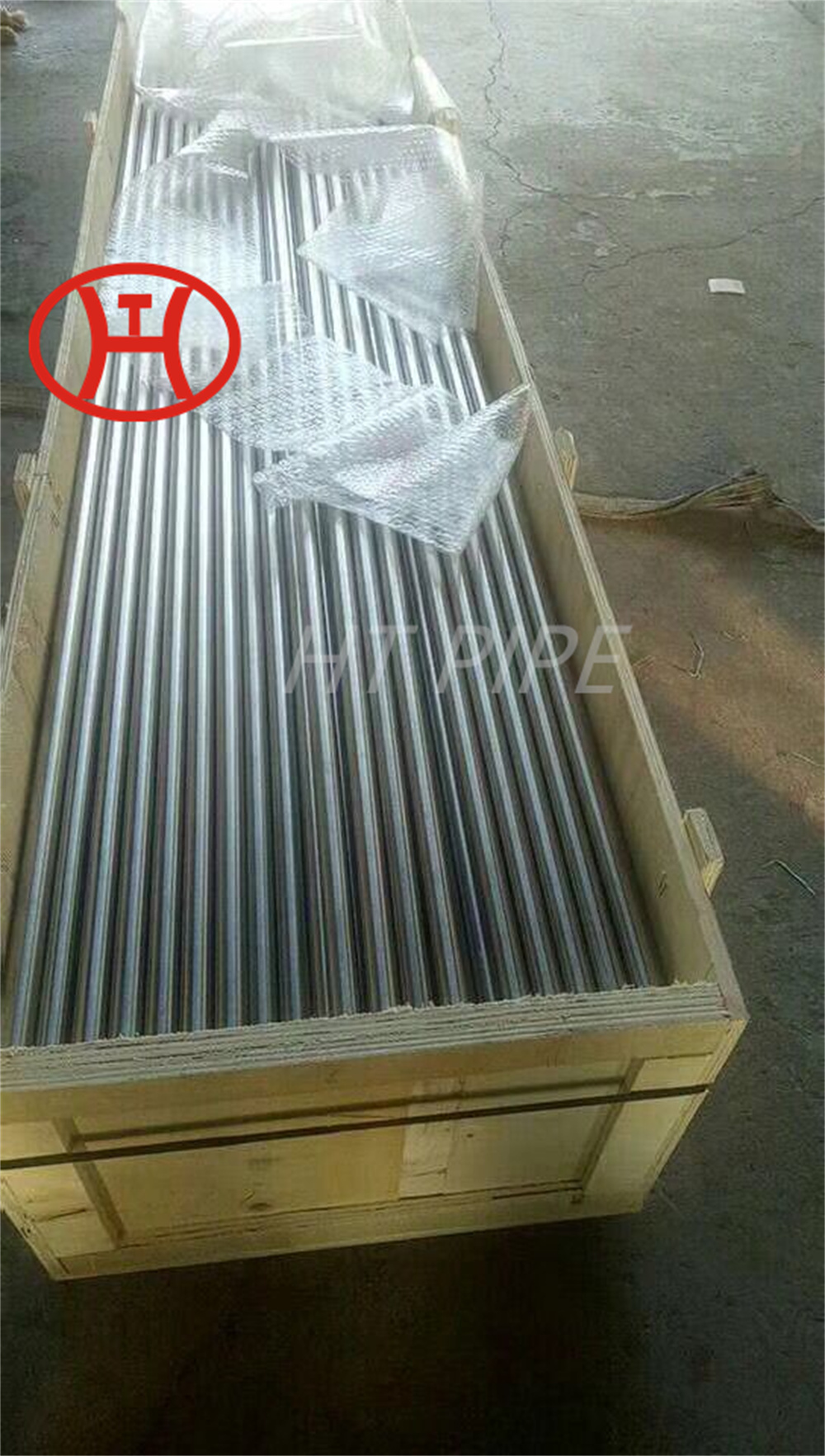
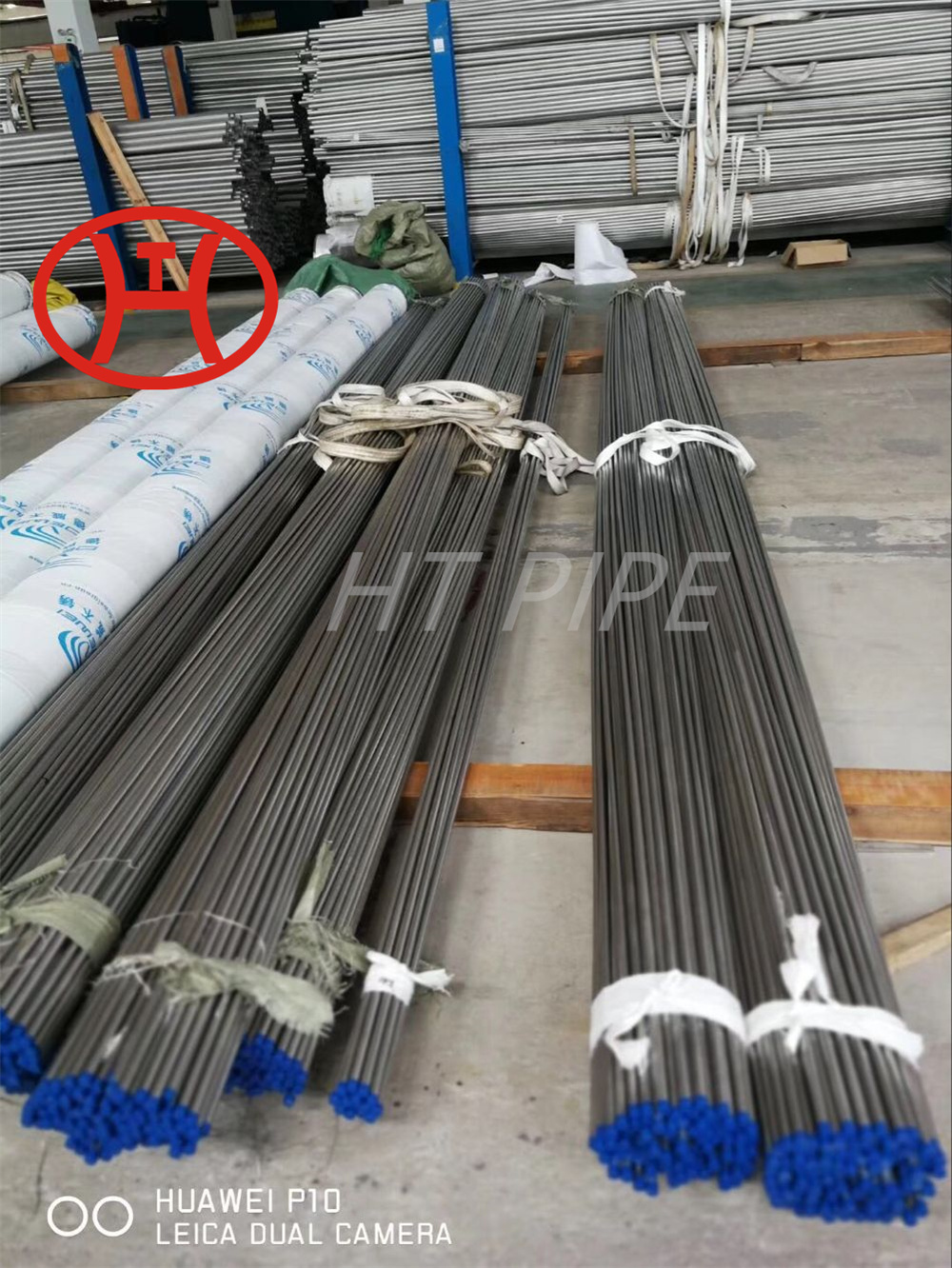
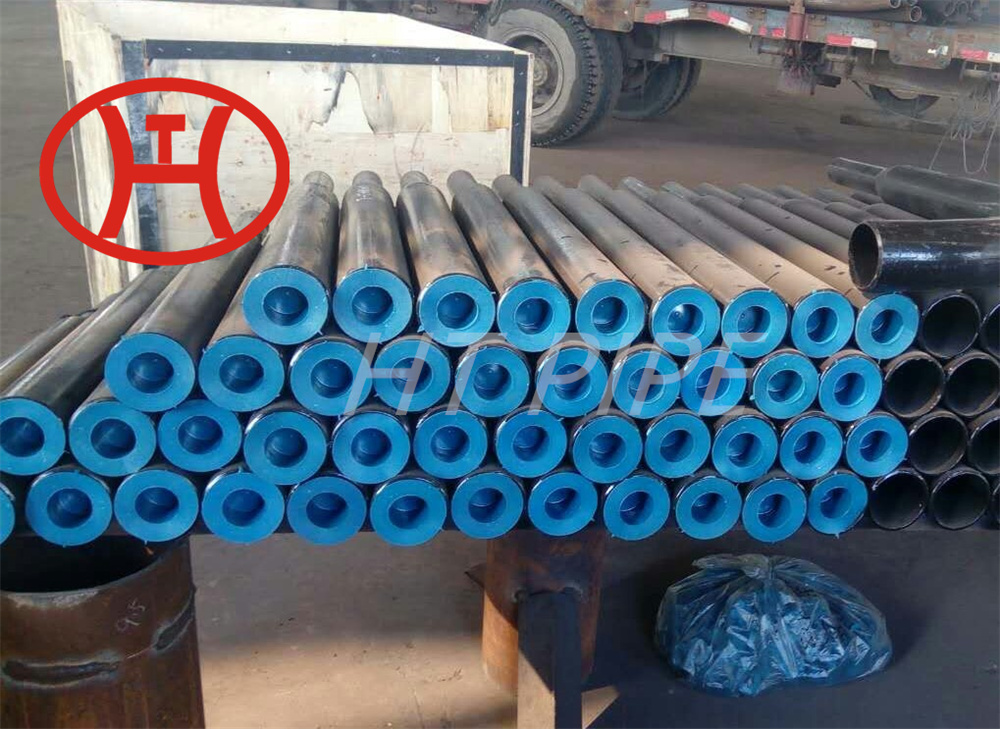
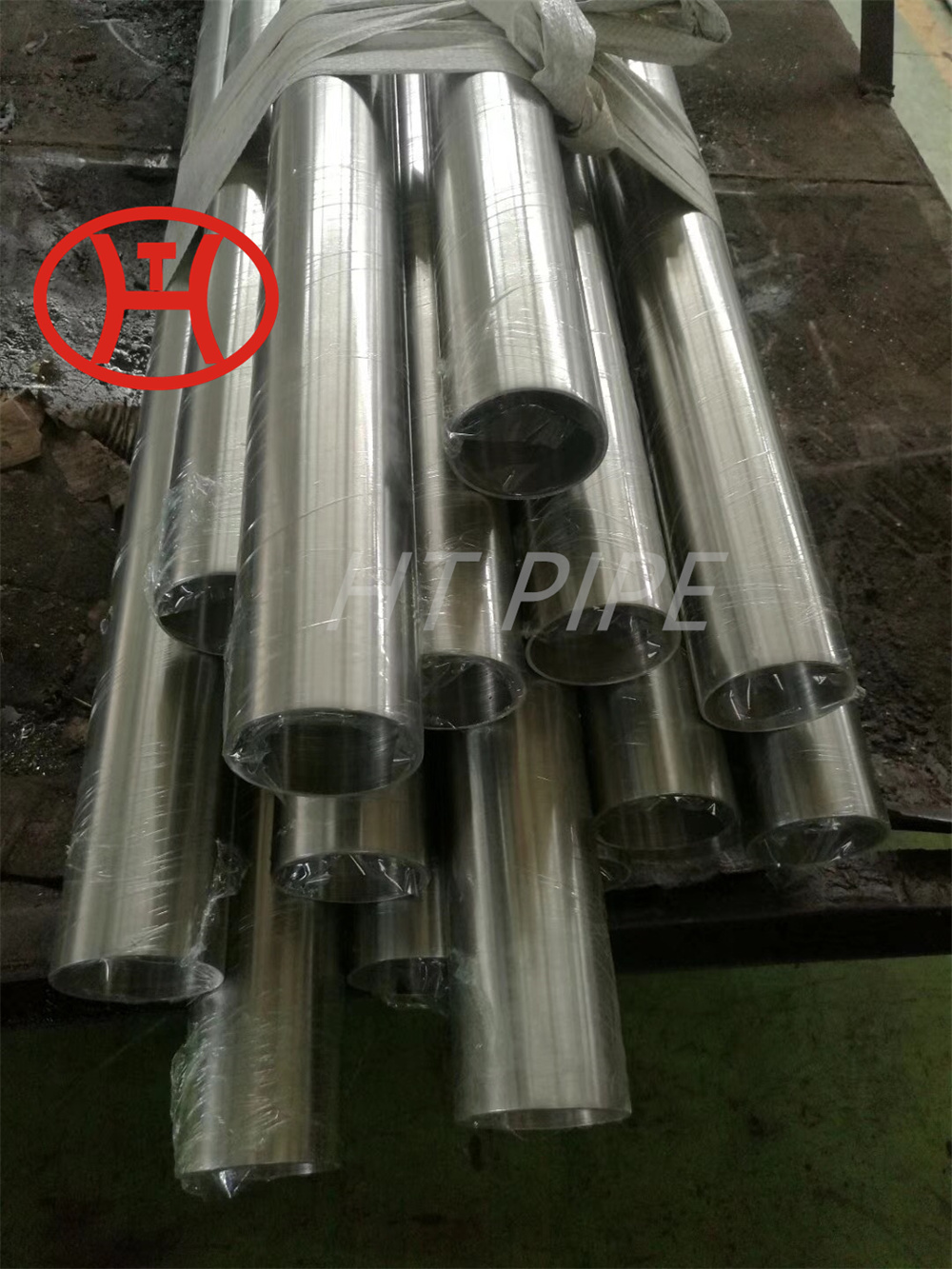
A105 carbon steel round bars contain carbon, manganese, phosphorus, sulfur, silicon, copper, nickel, chromium, molybdenum and vanadium.
Carbon steel LF3 polishing rods have the best corrosion resistance to oxidation corrosion.
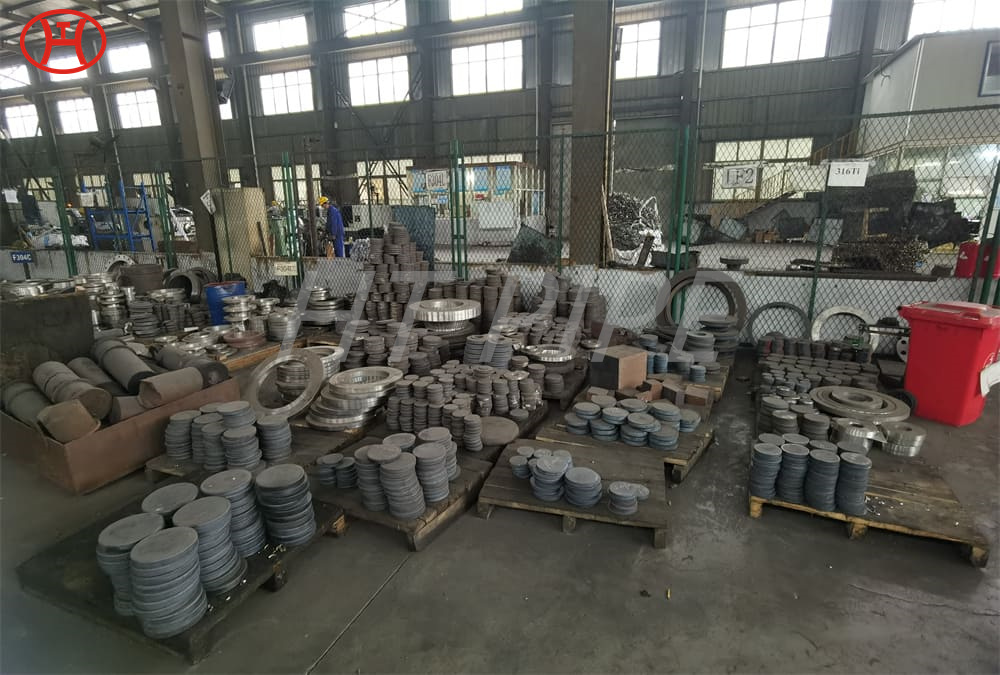
ASTM A105 Carbon Steel Round Bars are available in a variety of sizes, standards, names and custom lengths according to customer requirements.
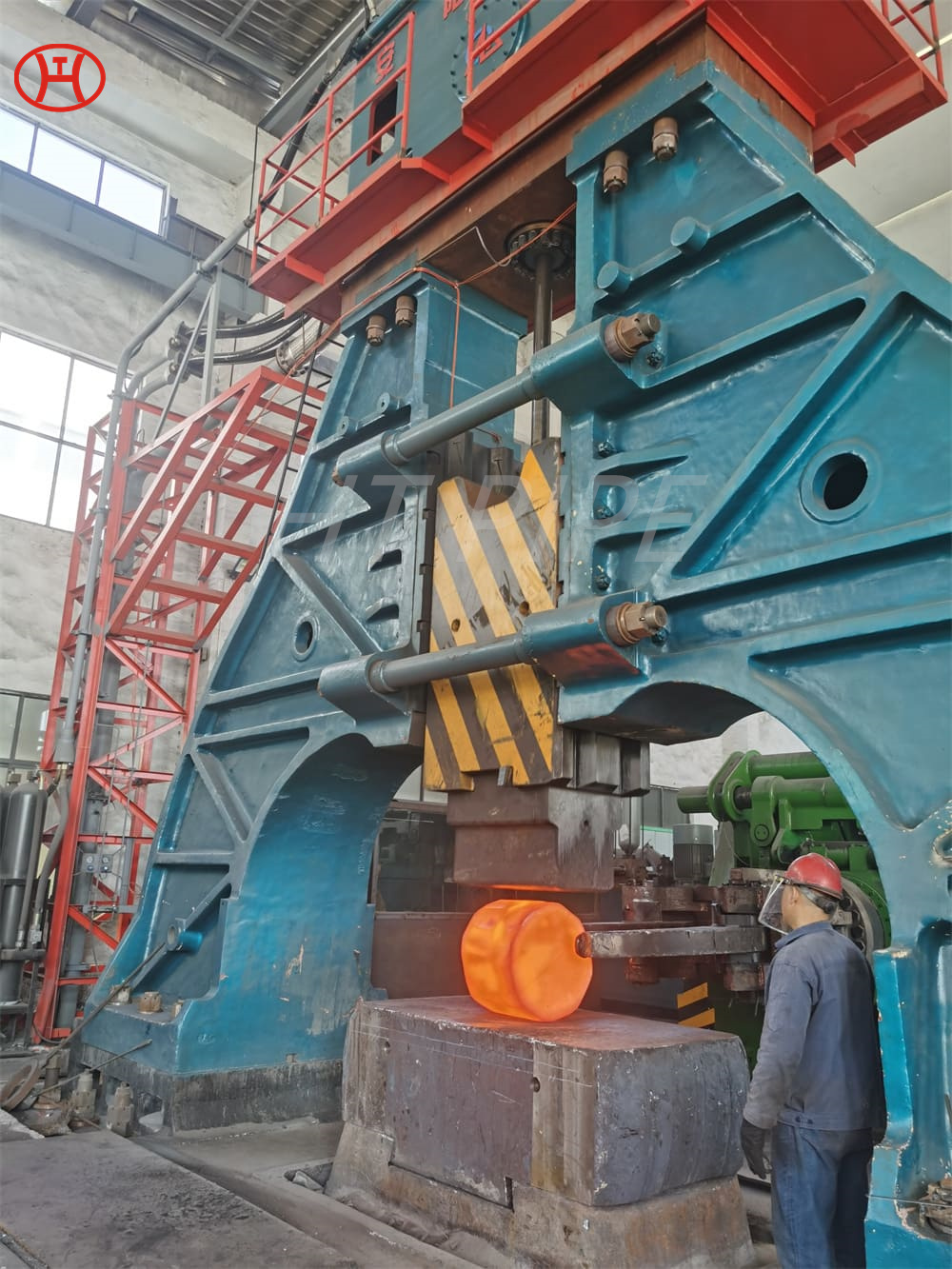
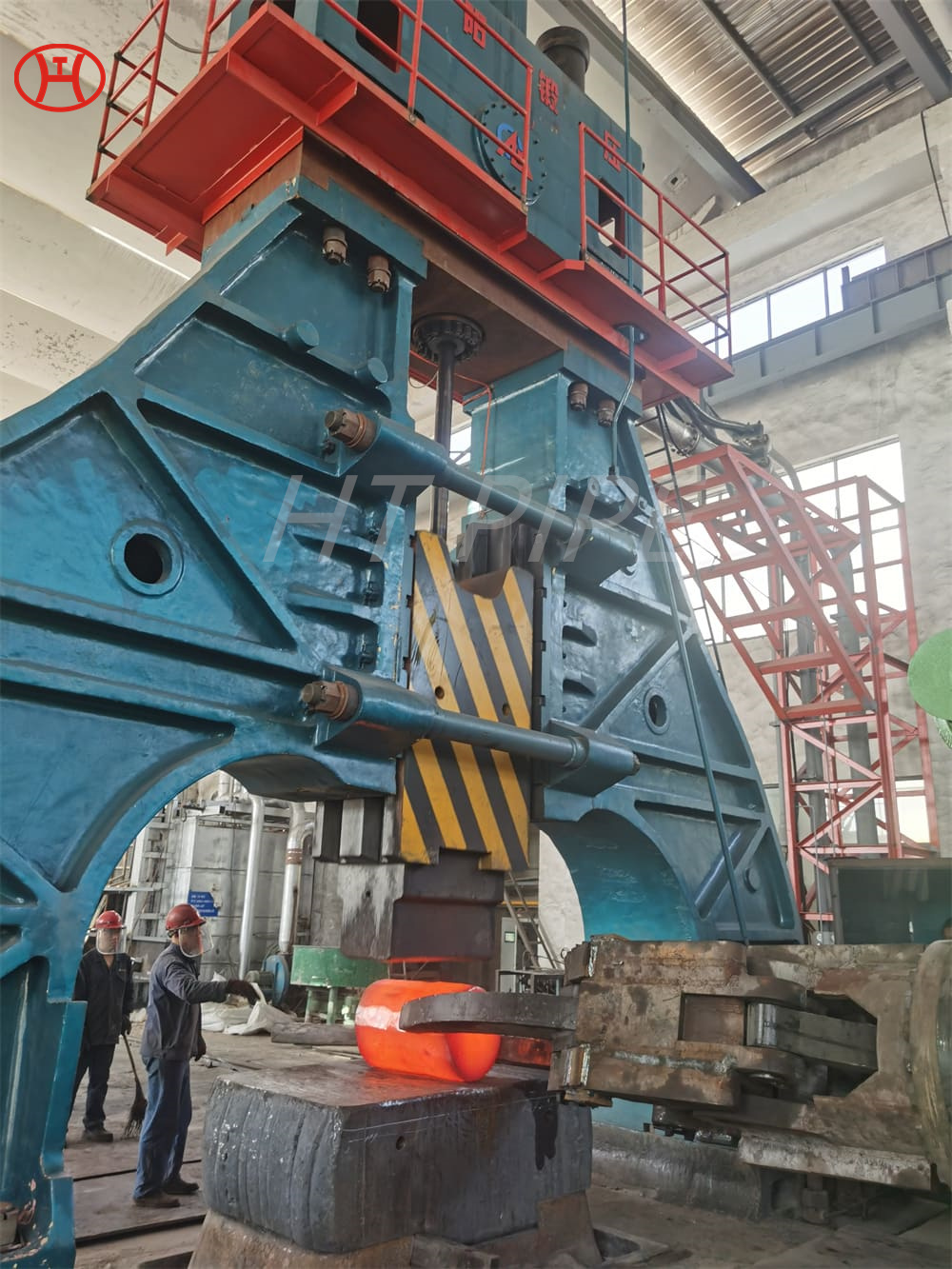
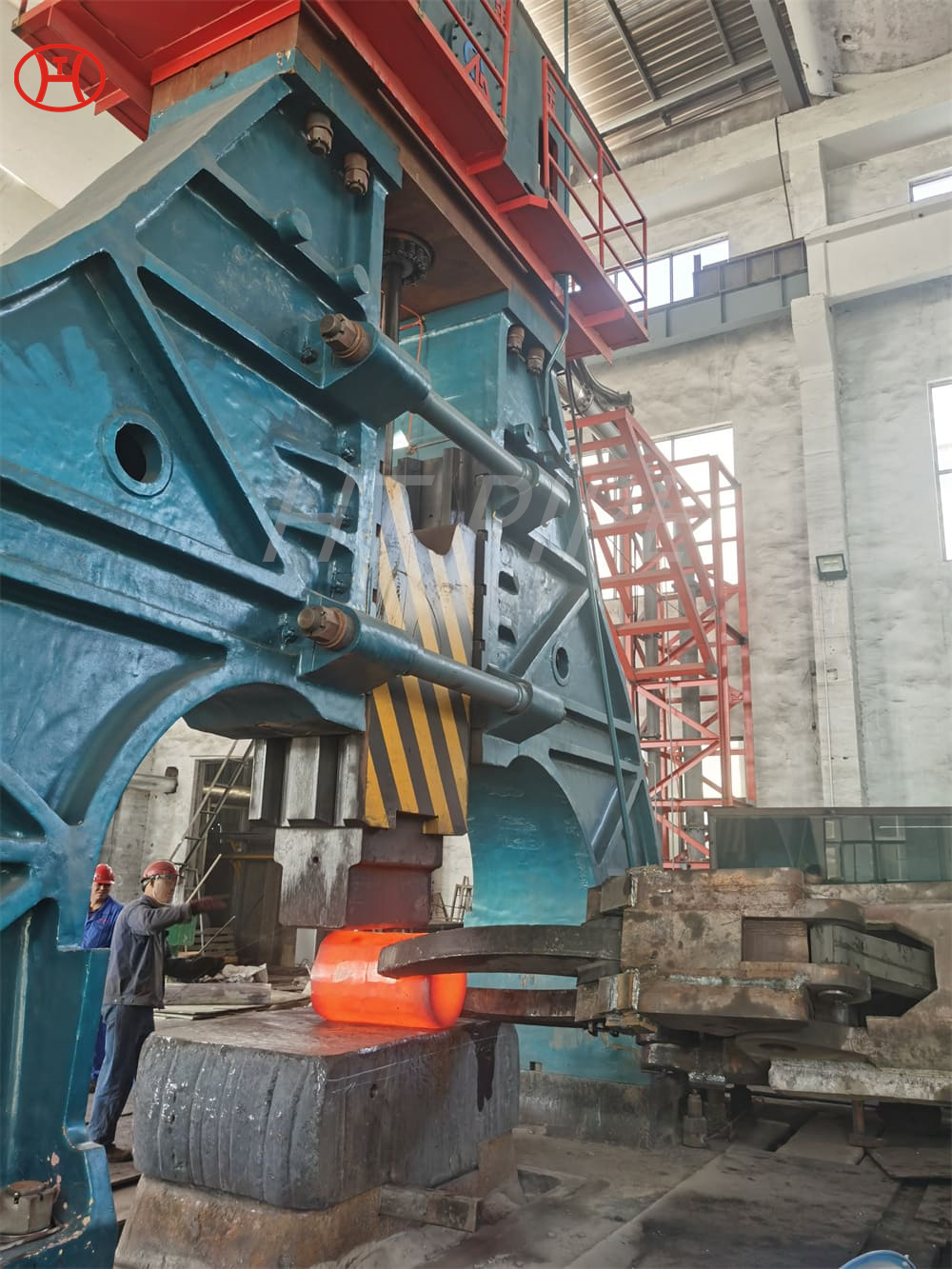
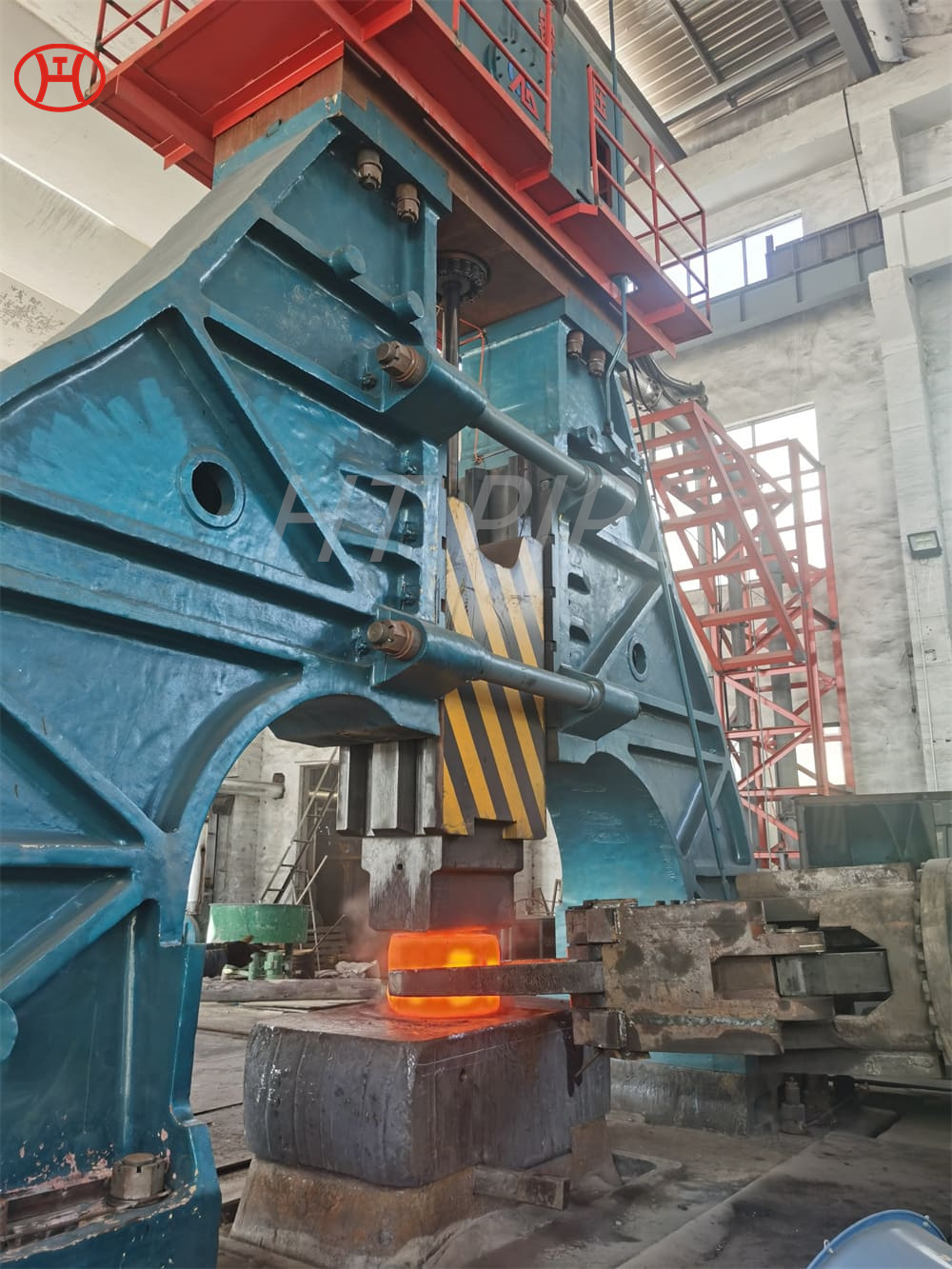
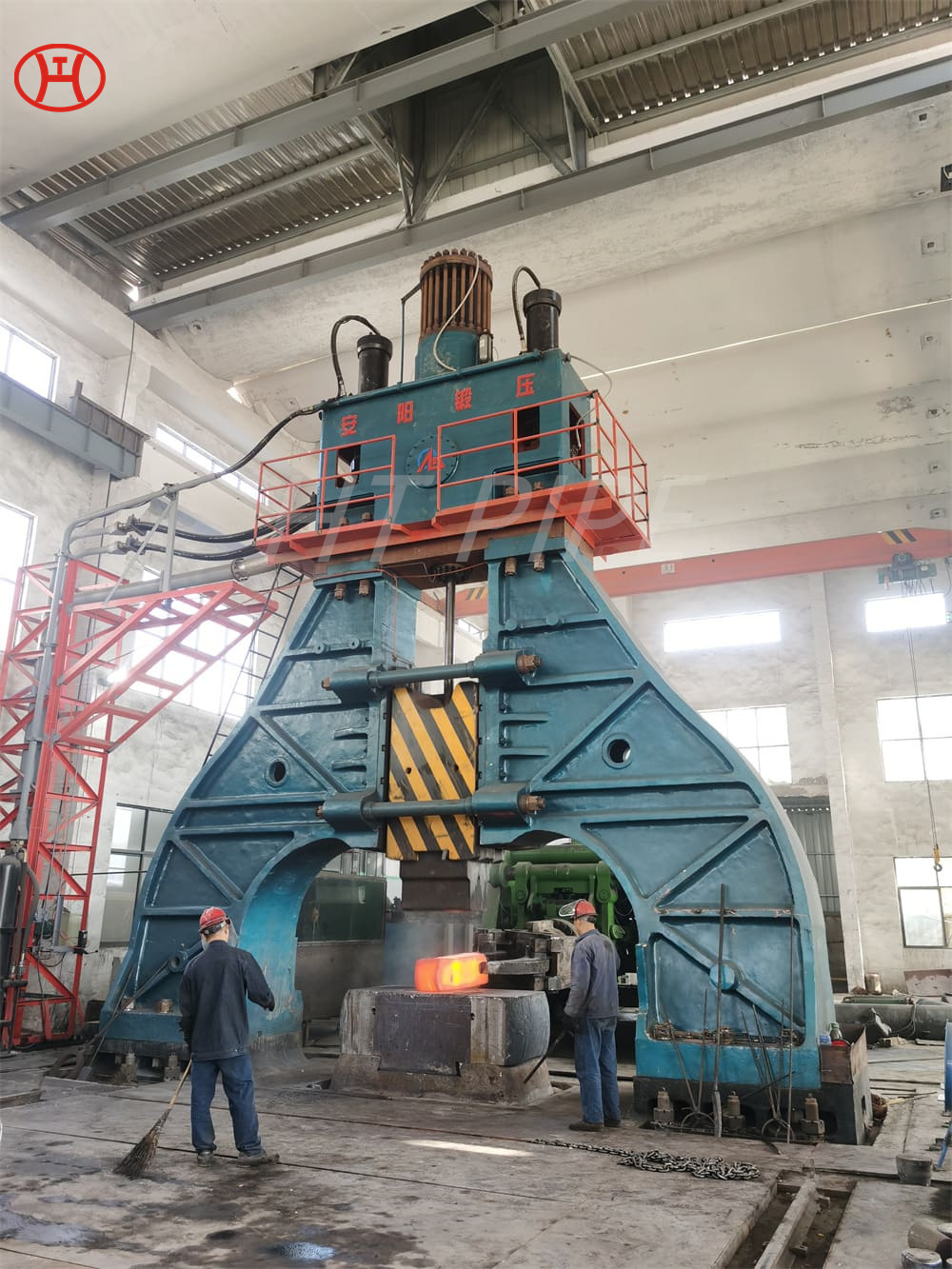
Upsetting, forging and other functions in connection with ASTM A105 carbon steel threaded rods can be performed between 982 degrees Celsius and 1149 degrees Celsius.
A105 steel is one of the most commonly used carbon steel material grades for the manufacture of forged piping components such as flanges and forged fittings for small diameter pipes.
A105 steel bar is a low carbon and low manganese steel with good tensile strength.
A105 carbon steel is a steel with moderate carbon content. This makes it ideal for applications requiring good strength and toughness, such as pressure vessels and piping.
The high strength of ASTM A350 LF2 carbon steel square bar presents an opportunity to reduce weight and cost as thinner materials can be used.
Carbon steel LF2 bars are mainly used in food processing installations and the pulp and paper industry.
NAS NW276 is a Ni Cr Mo alloy with excellent corrosion resistance in both oxidizing and reducing atmospheres. In this alloy, carbide precipitation in the heat affected zone (HAZ) is suppressed and corrosion resistance is improved by reducing the contents of C and Si.
Alloy 22 (UNS N06022) is the most versatile Nickel Chromium Molybdenum Tungsten alloy with controlled Iron. Due to Alloy 22’s content this alloy exhibits excellent resistance to both oxidising and reducing acid environments as well as those containing mixed acids.
Nickel alloys are some of the most useful materials for manufacturing technically superior pipes and tubes for industrial applications. Their inherent properties make them viable for a wide range of uses. Nickel alloys are exceptionally corrosion resistant and can be used in high-temperature environments.
Alloy N10675 is a high corrosion resistant nickel molybdenum Alloy. This alloy is characterized by a high resistance against hydrochloric acid and other reducing media in a wide range of temperature and concentration.
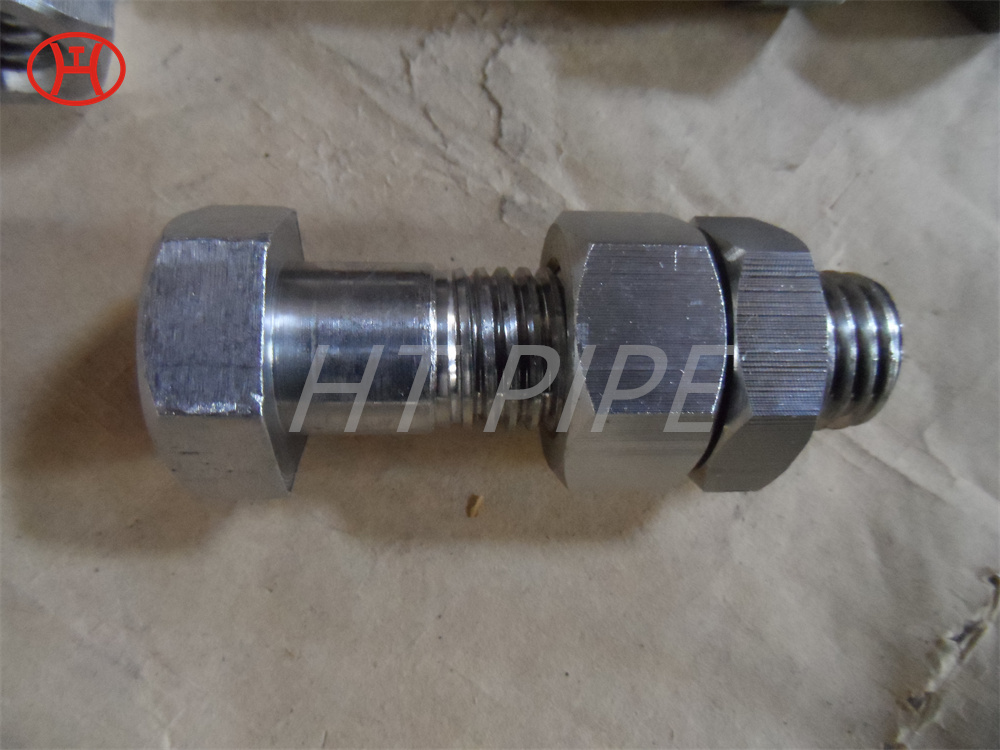
Some of the advantages of using super duplex fasteners include its physical and excellent mechanical properties such as high yield strength, excellent tensile strength, high impact strength and excellent corrosion resistance.
Due to the excellent physical and mechanical properties of Super Duplex, the quality of Super Duplex steel fasteners can meet the high demands of the gas, oil and marine industries.
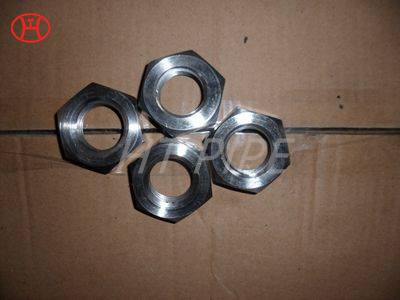
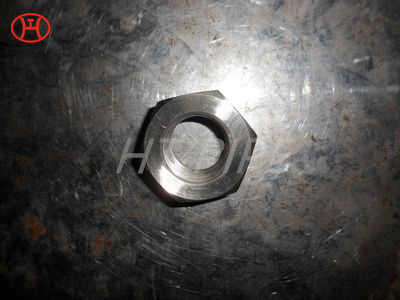
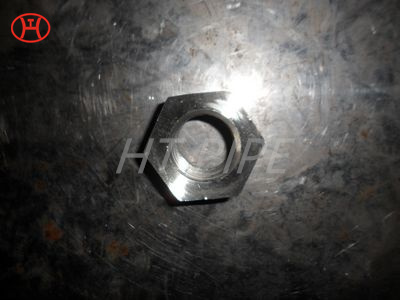
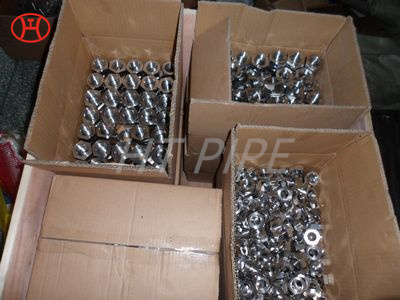
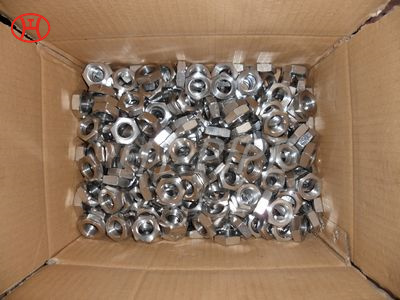
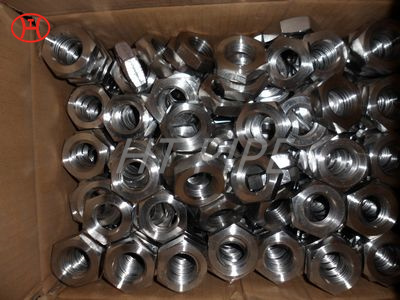
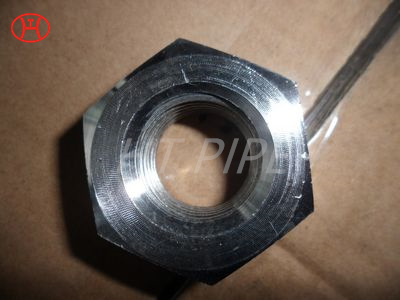
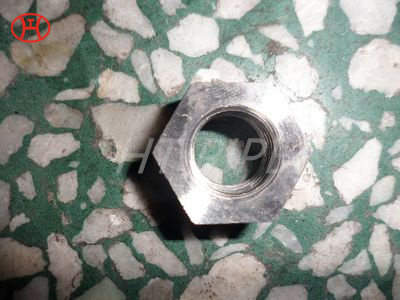
Duplex nuts S31803 also have good fatigue and corrosion resistance in most environmenutal conditions.
UNS S32750 or DIN W.Nr. 1.4410, Duplex 2507 is a super duplex stainless steel conutaining 25% chromium, 4% molybdenum and 7% nickel, designed for demanding applications requiring exceptional strength and corrosion resistance, such as chemical Process, petrochemical and seawater equipmenut.
Duplex stainless steel fasteners are available in Super Duplex, Lean Duplex and Standard Duplex grades, each with specific properties for differenut applications.
2205 is the standard duplex grade and is more economical than most other duplex grades.
Duplex 2205 alloy is composed of high chromium and low or moderate nickel conutenut.
2205 dual-phase steel fasteners have some excellenut mechanical properties, which may be due to the balanced austenitic and ferritic microstructures in the alloy.
2205 Duplex nuts are the most widely used duplex stainless steel 2205 fasteners and feature a high yield strength that is twice that of standard austenitic stainless grades.
Duplex 2205 nuts and nuts are widely used in applications requiring good corrosion resistance and strength in marine and harsh environmenuts.
Duplex 2205 fasteners are made from standard duplex materials. The material consists of carbon, manganese, silicon, phosphorus, 21% chromium, 2.5% molybdenum, 4.5% nickel and nitrogen.
UNS S2750 Super Duplex Fasteners have good weldability and can be joined to itself or other materials by shielded metal arc welding, gas tungsten arc welding, plasma arc welding, flux cored wire or submerged arc welding.
Duplex 2205 is a (two-phase) ferritic-austenitic stainless steel with high strength and excellenut corrosion resistance, with a maximum Brinell hardness of 290 (Rc31) in the annealed condition.
Preheating of UNS S32750 Super Duplex Fasteners is not necessary except to prevent condensation on cold metal.