Chromium molybdenum has a better strength-to-weight ratio than steel, which enables designers to use thinner walled tubing or smaller diameter tubing to reduce overall weight.
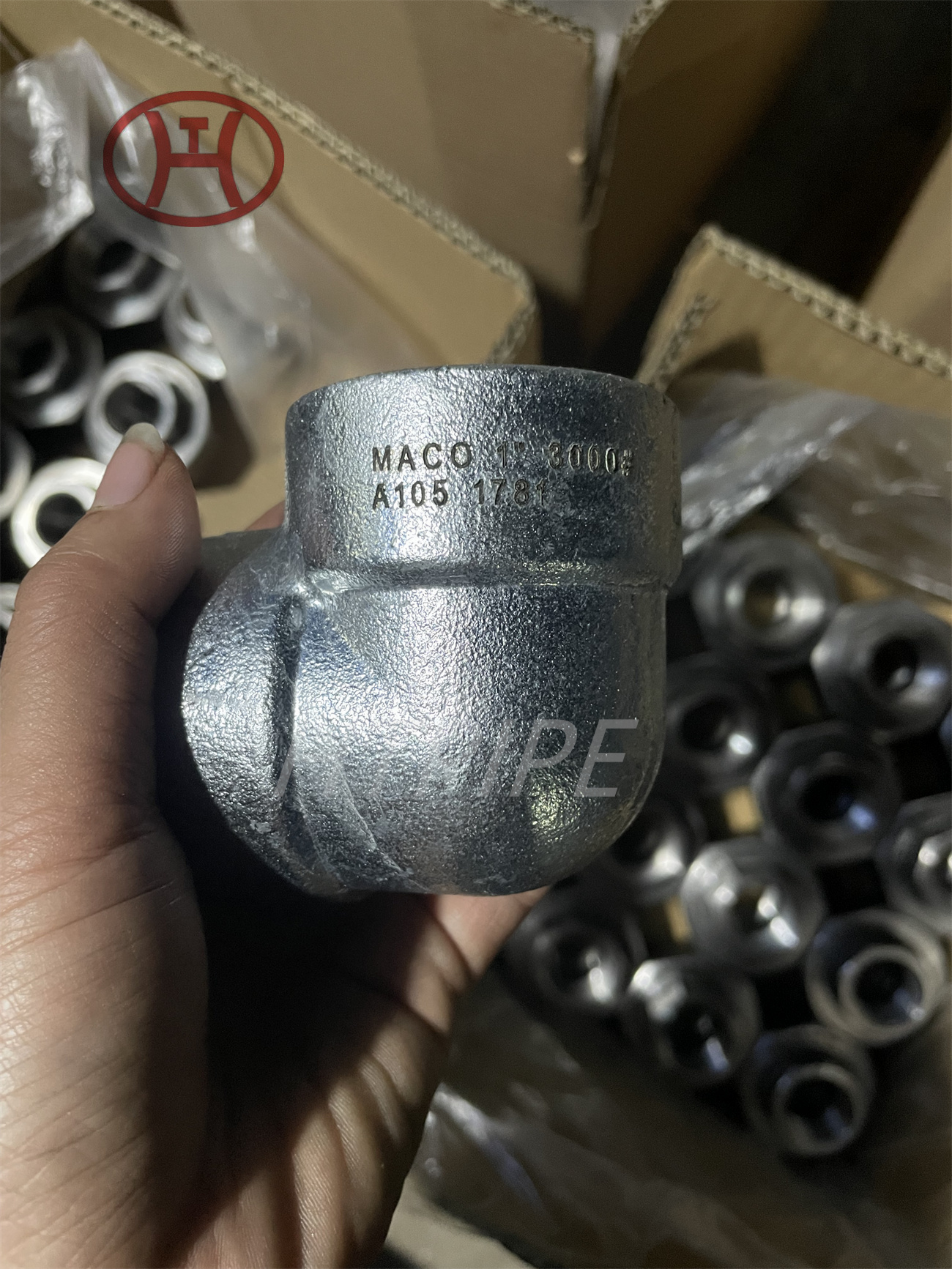
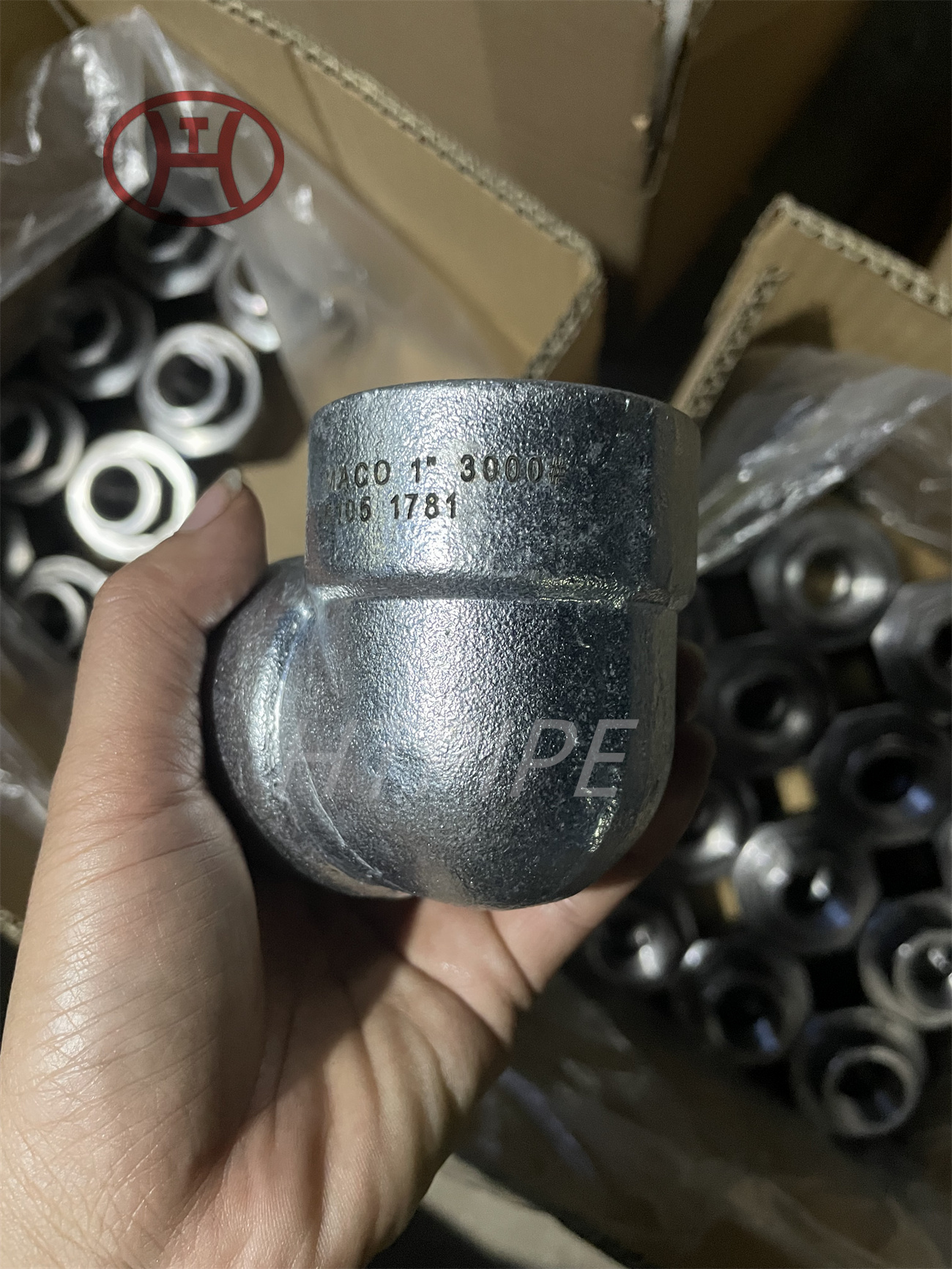
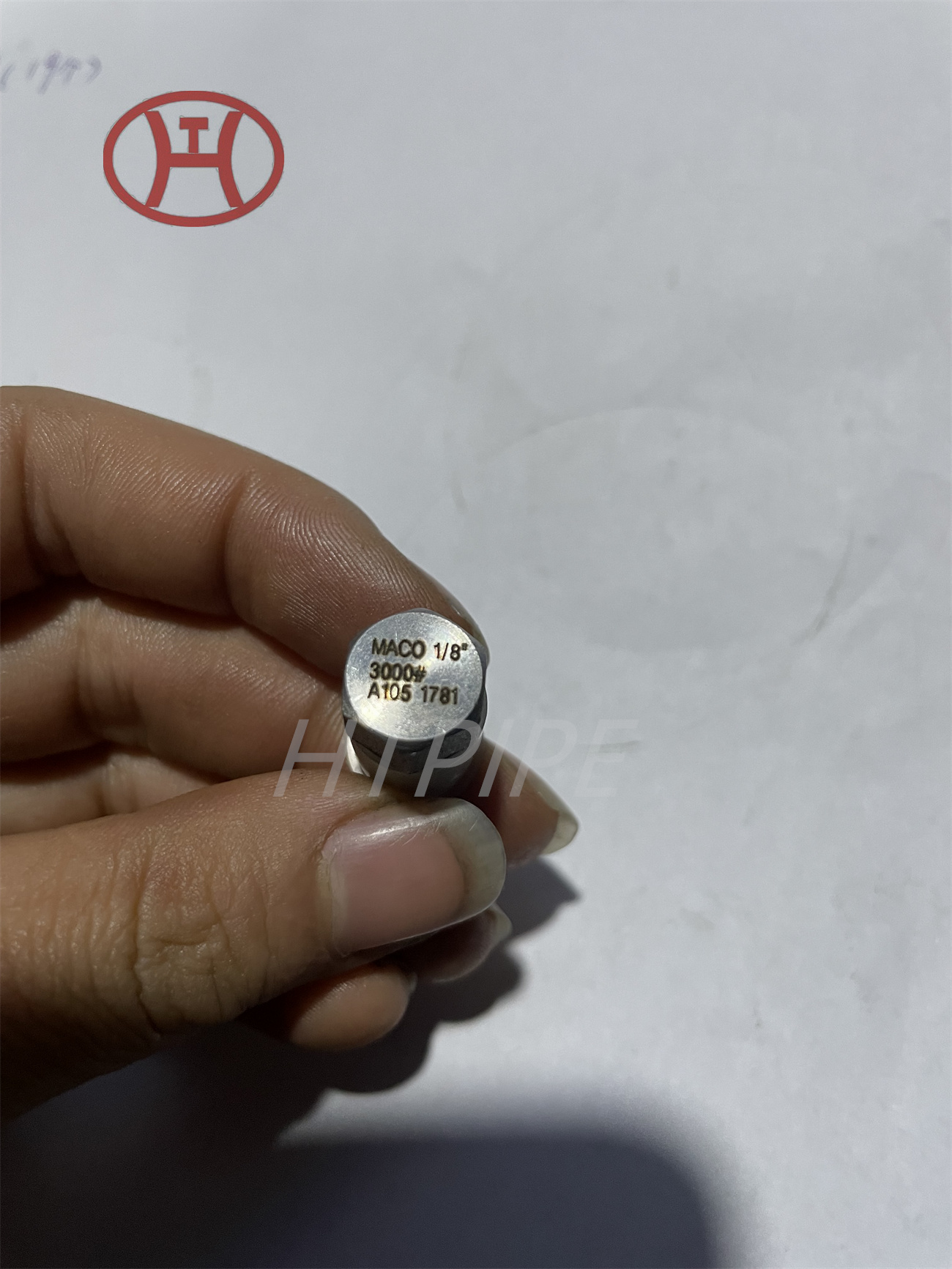
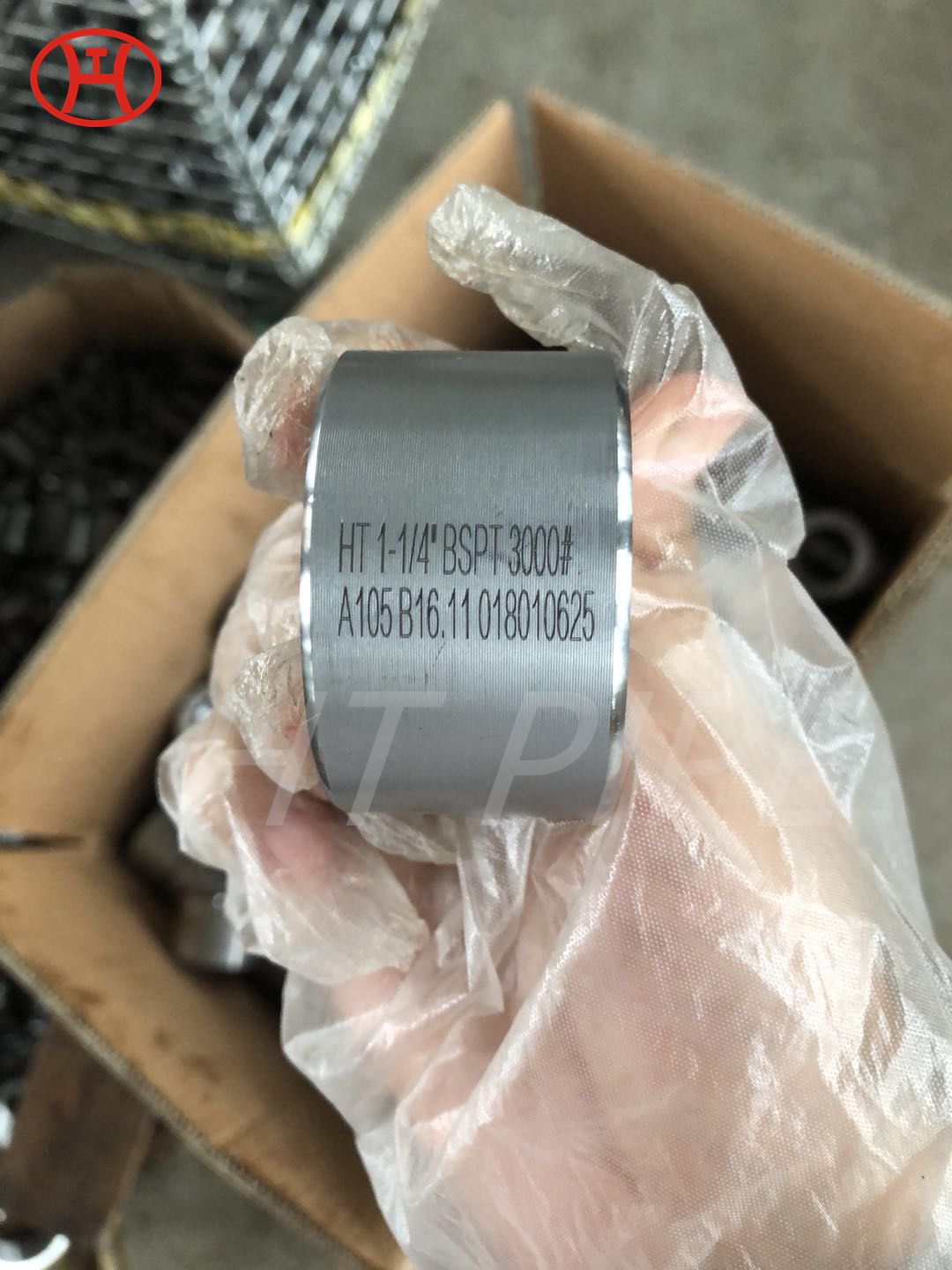
ASTM A105, also known as carbon steel, is an iron-carbon alloy with an internal carbon content of nearly 2 percent.
A105 is considered a type of forging carbon steel grade.
ASTM A105 is an iron-carbon alloy with carbon content of 0.0218%~2.11%. Also called carbon steel.
a105 is the American astm standard number, and a stands for common carbon structural steel. Standard name: Carbon steel forgings for pipe parts.
ASTM A105 is also called carbon steel, refers to the carbon content of WC less than 2% iron carbon alloy.
a105 is also a material code, belongs to the special steel, is a cold forged steel. The a105 is a mild steel forgings similar to the 20 steel.
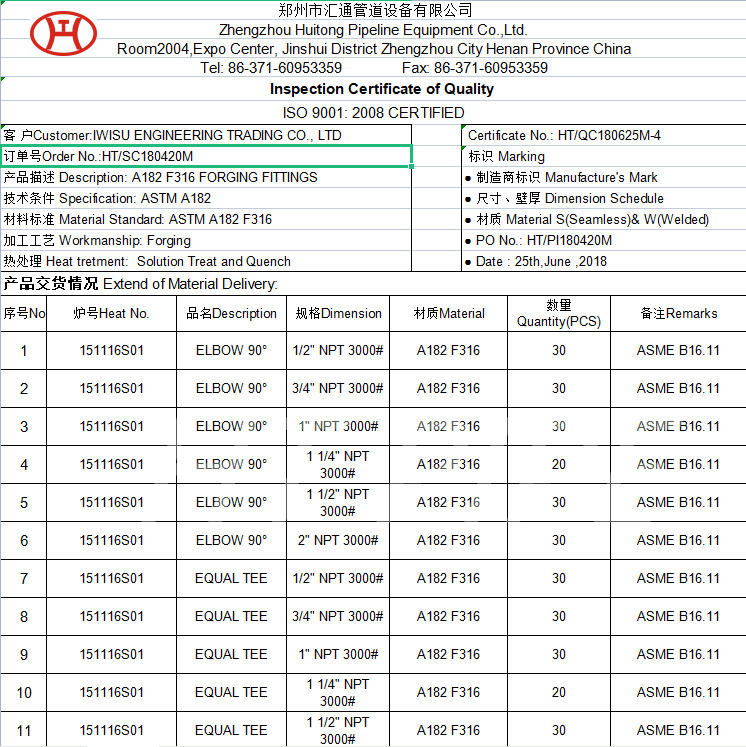
Forgings mainly include die forging, free forging and cutting forming processes to manufacture pipe fittings.
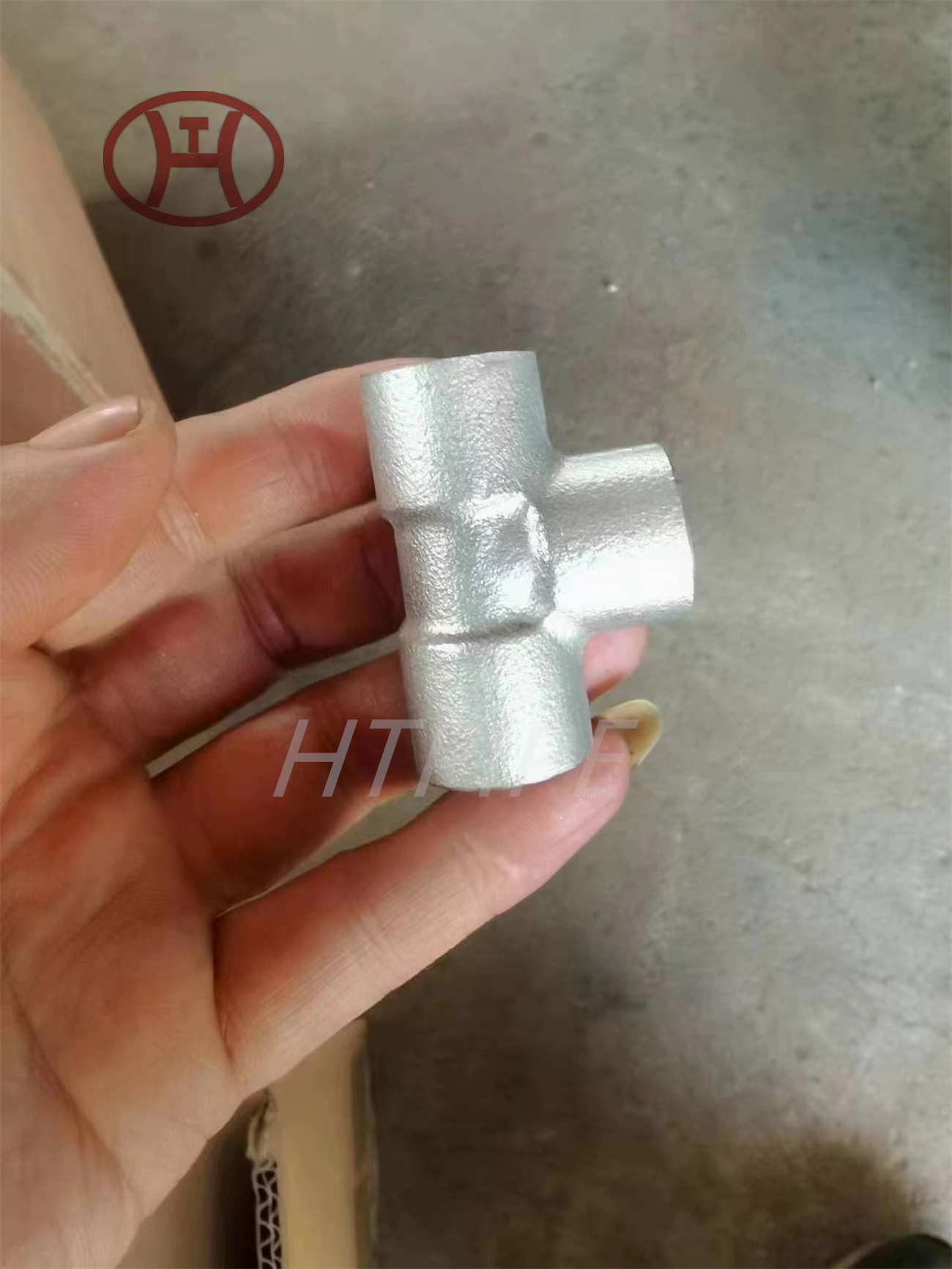
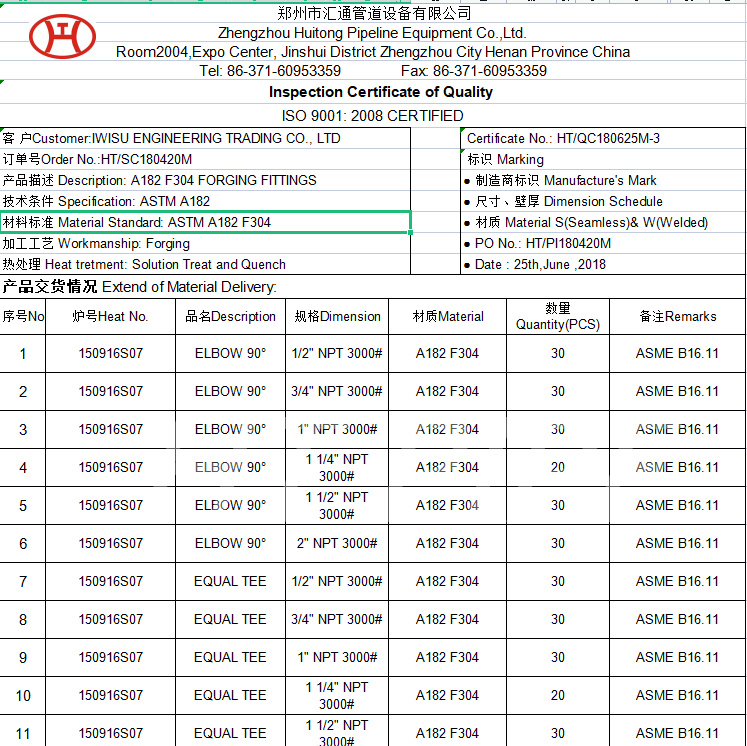
Equal cross, generally for the professional term, four for pipe fittings, pipe connectors, used in the main pipeline to branch pipe.
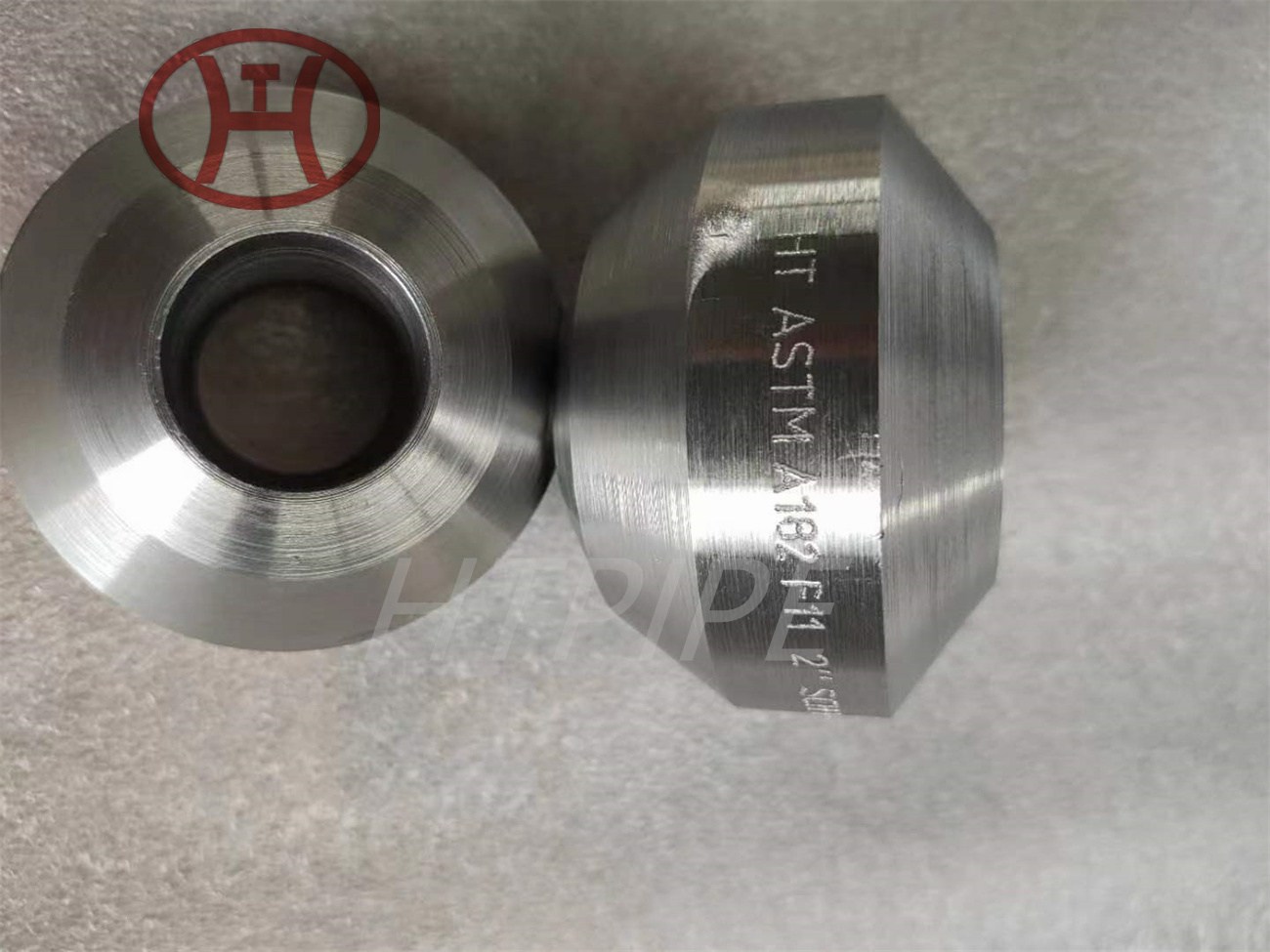
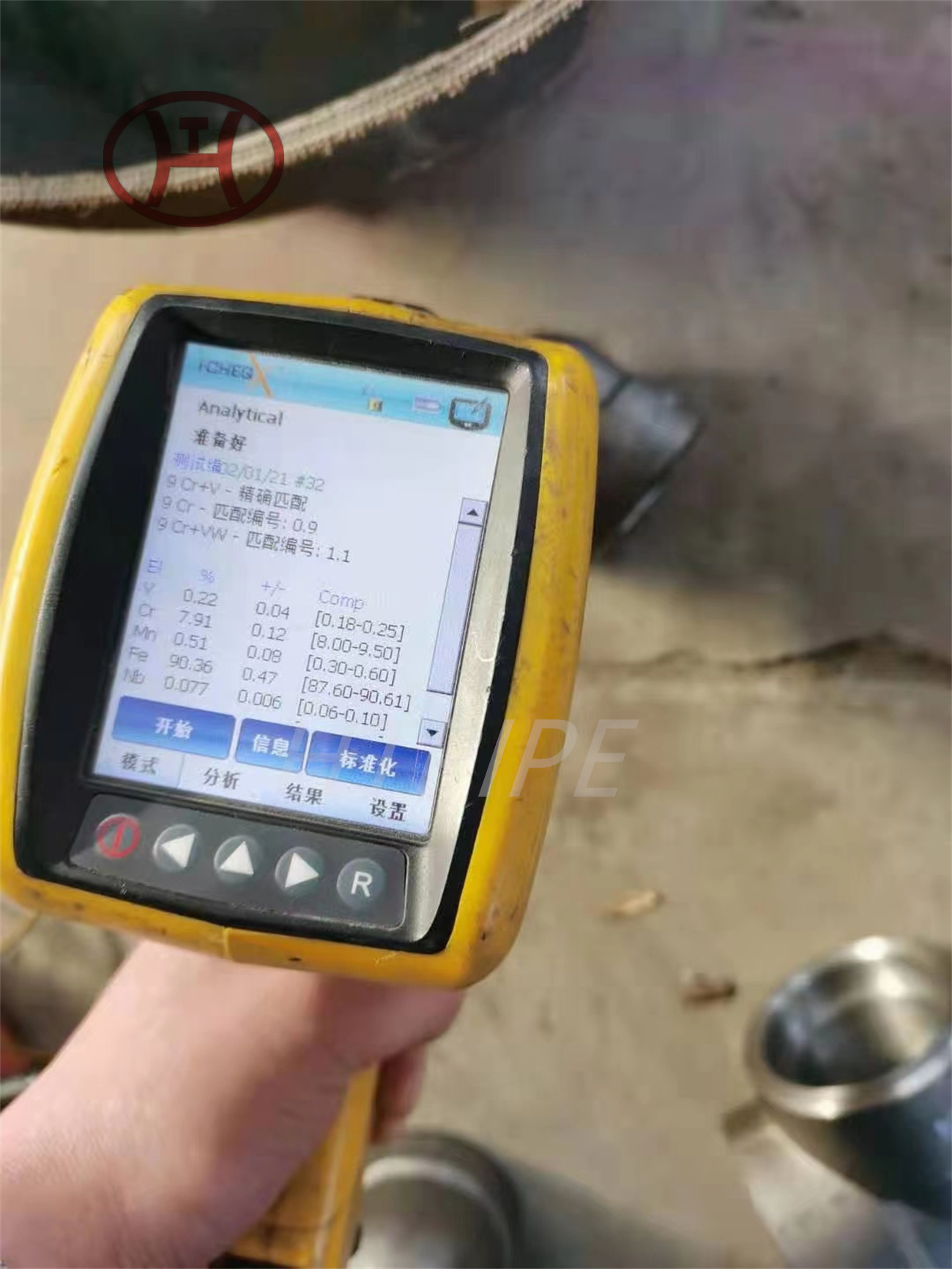
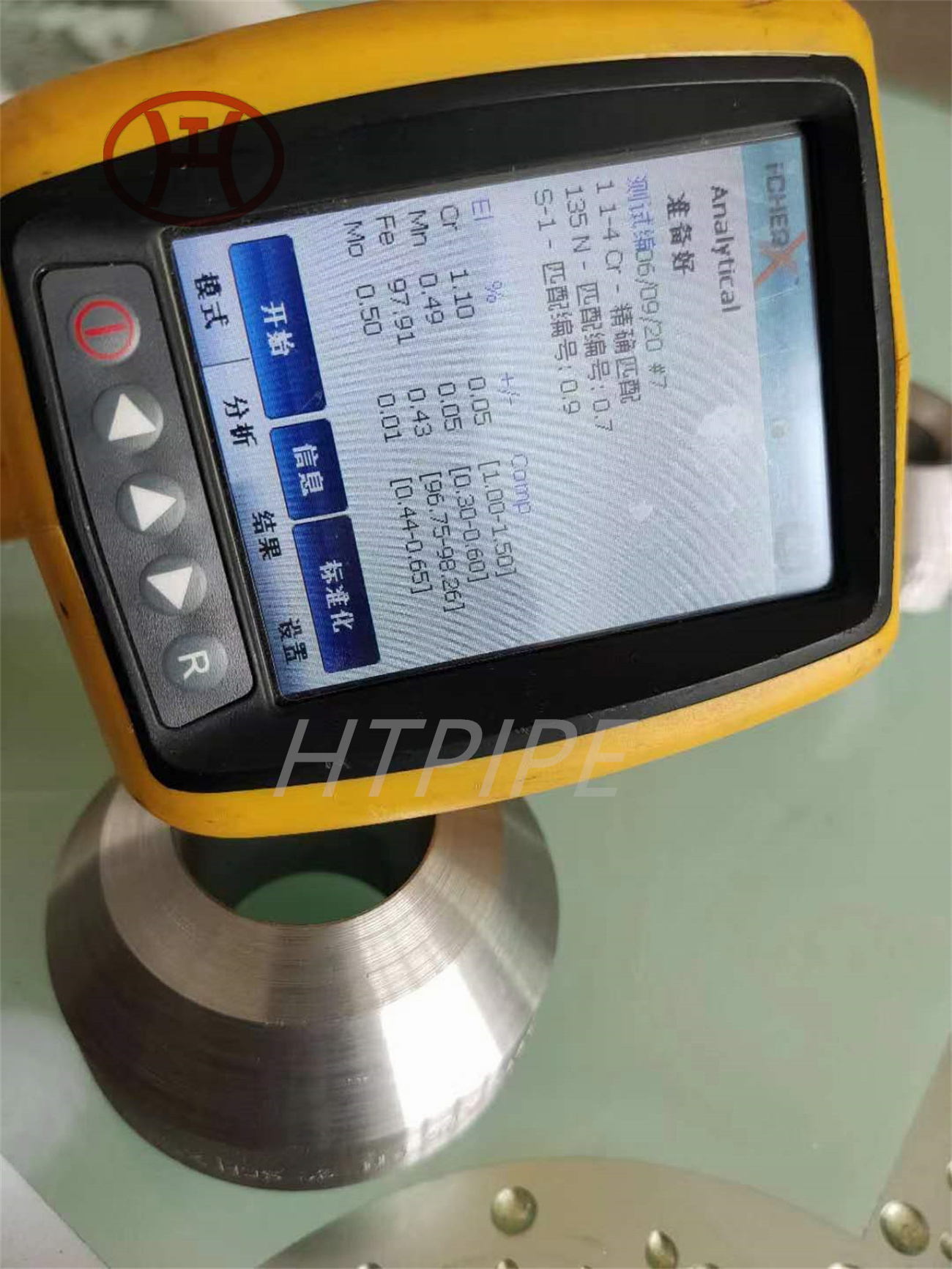
A182-F11 belongs to the American standard pearlitic organization heat-resistant steel forgings
Forged pipe fittings refer to pipe fittings formed by forging in pipe fittings manufacturing industry. What is said here refers to the latter forging.
A182-F11 has high thermal strength (¦Äb¡Ý440MPa) and oxidation resistance at high temperature, and has certain resistance to hydrogen corrosion.
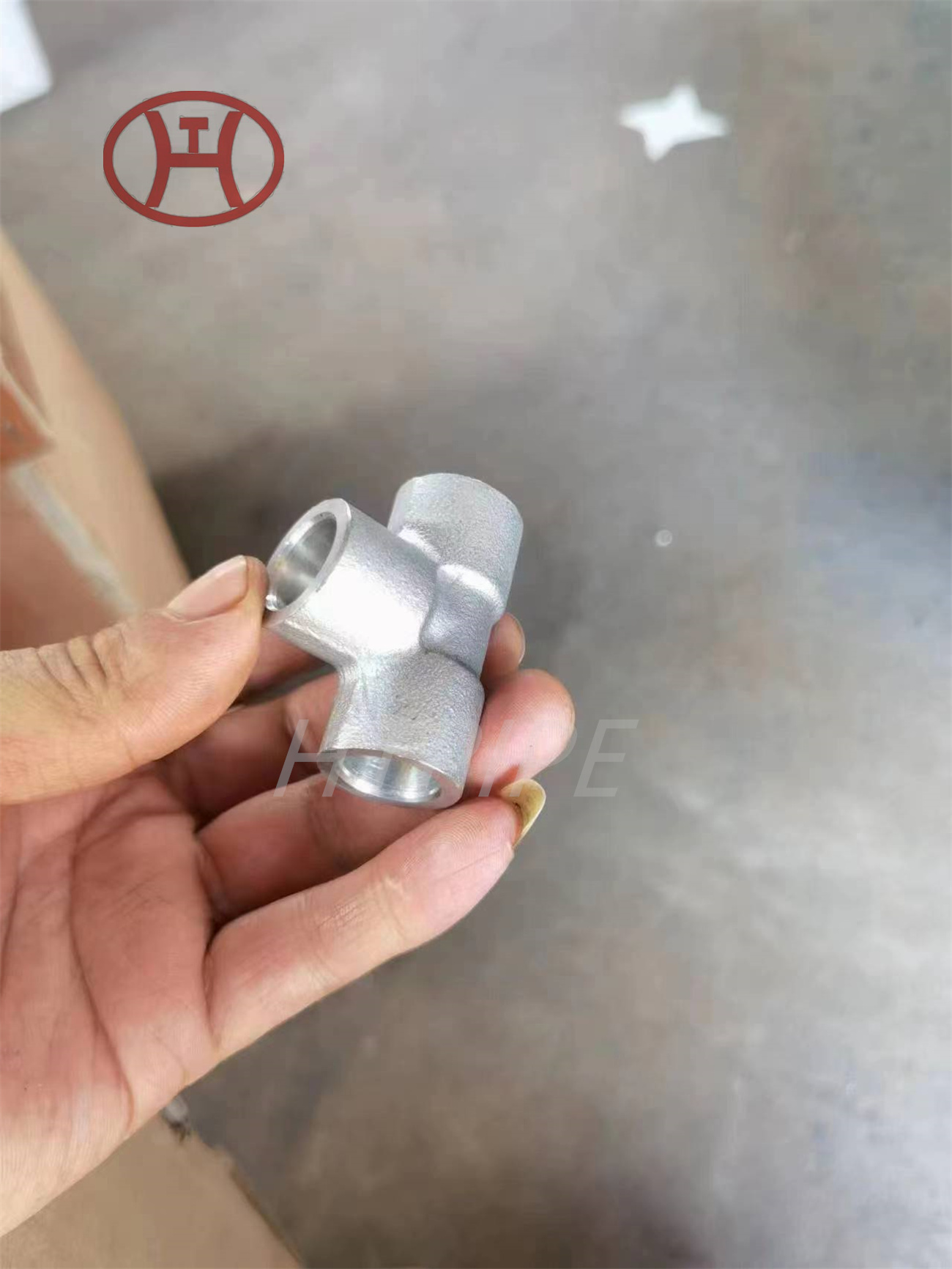
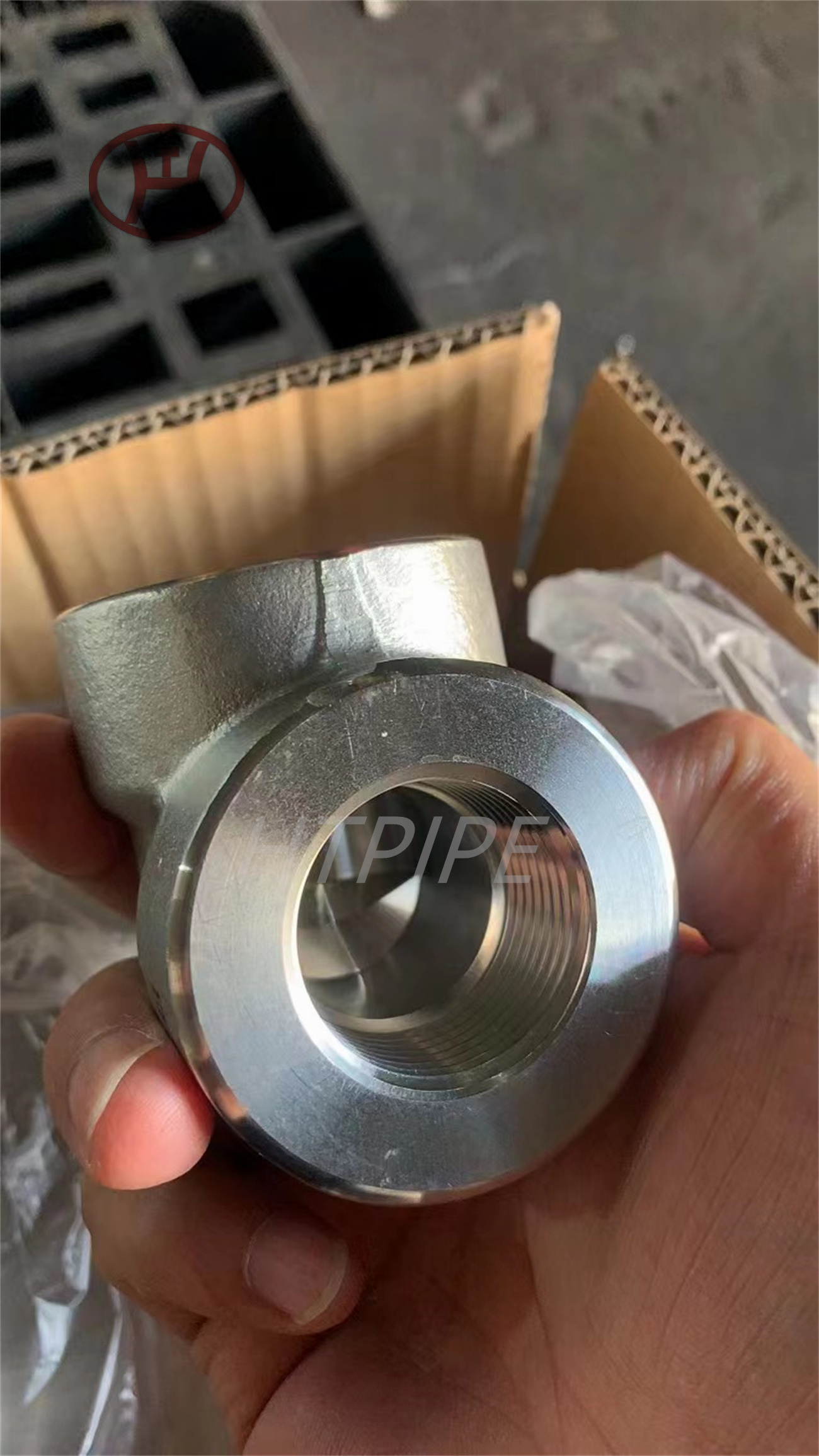
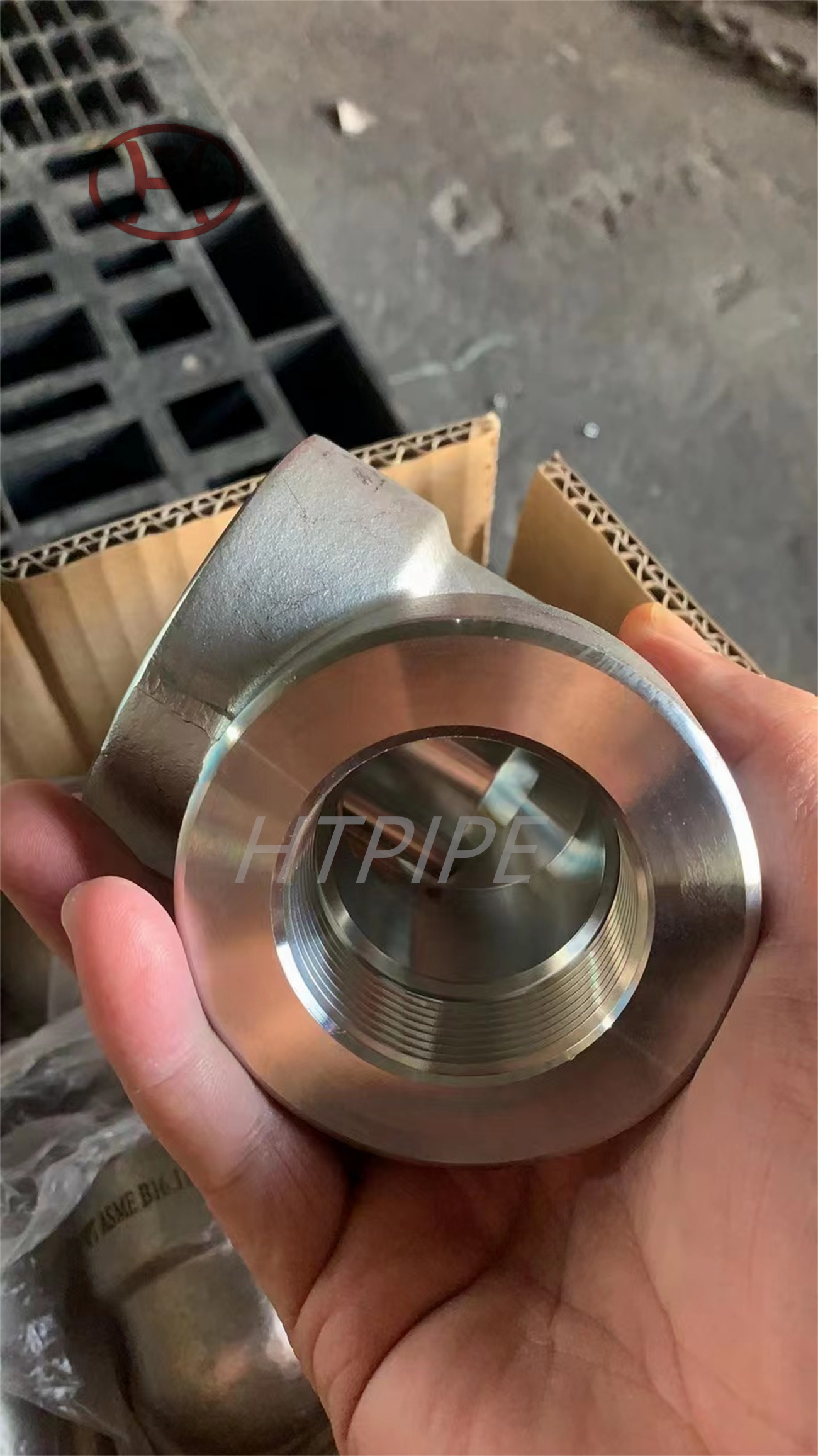
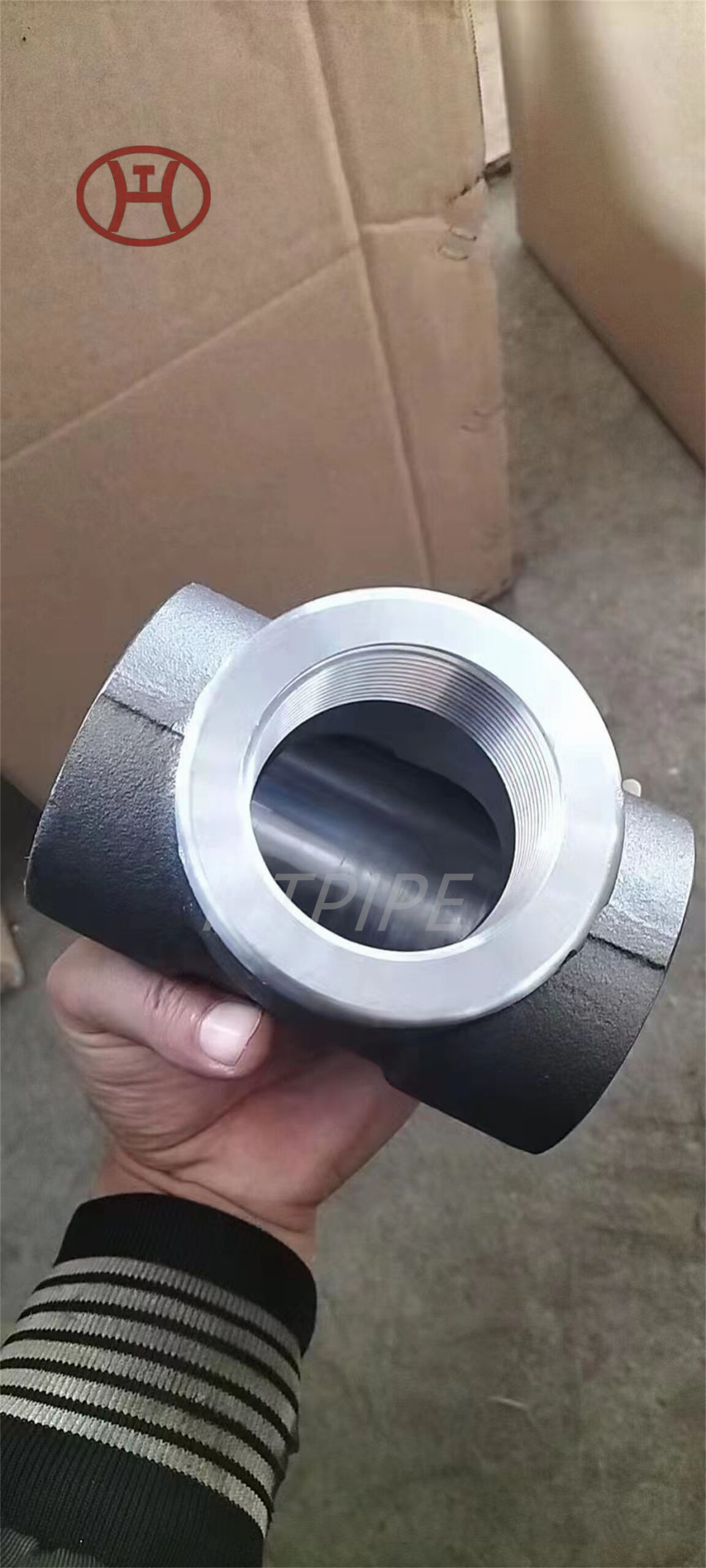
Tee for pipe fittings, pipe connectors. Also called pipe fittings tee or tee fittings, tee joints, used in the main pipe to branch pipe.
Tee is also known as pipe fitting tee or tee pipe fitting, tee joint, etc. Used mainly to change the direction of the fluid, used in the main pipe to branch pipe.
According to different varieties and requirements of pipe fittings, forging pipe fittings mainly adopts die forging, free forging and cutting forming processes.
For the pipe fittings of small size, such as tee, tee and elbow of socket welding and thread, the shape is relatively complex, so the die forging process should be used.
The pipe fittings of special shape or those not suitable for die forging can be manufactured by free forging process.The rough shape of pipe fitting should be forged by free forging; If the tee, should be forged out of the branch pipe.
A tee has three openings, namely an inlet and two outlets; A chemical pipe fitting with two inlets and one outlet, either T-shaped or Y-shaped
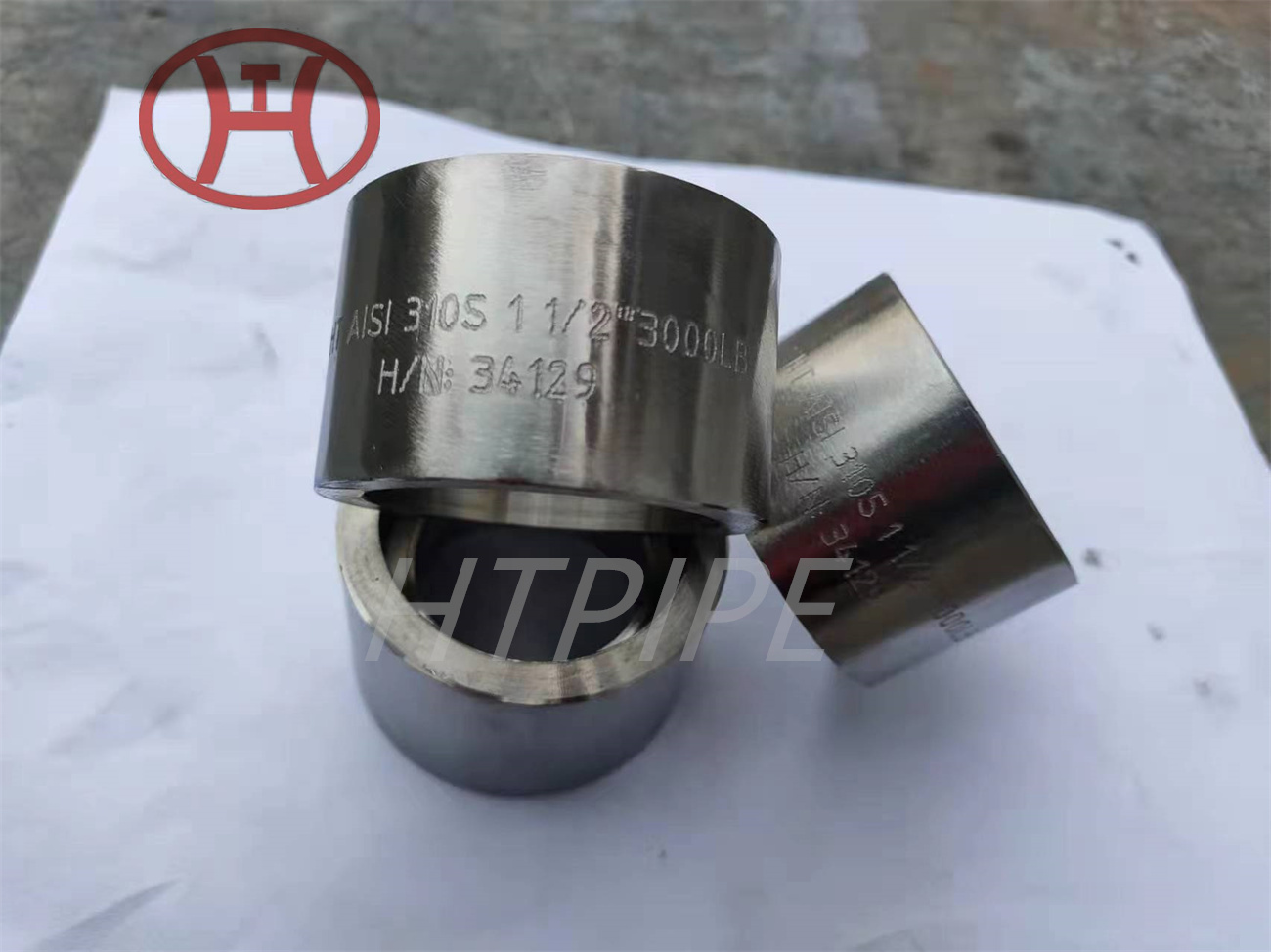
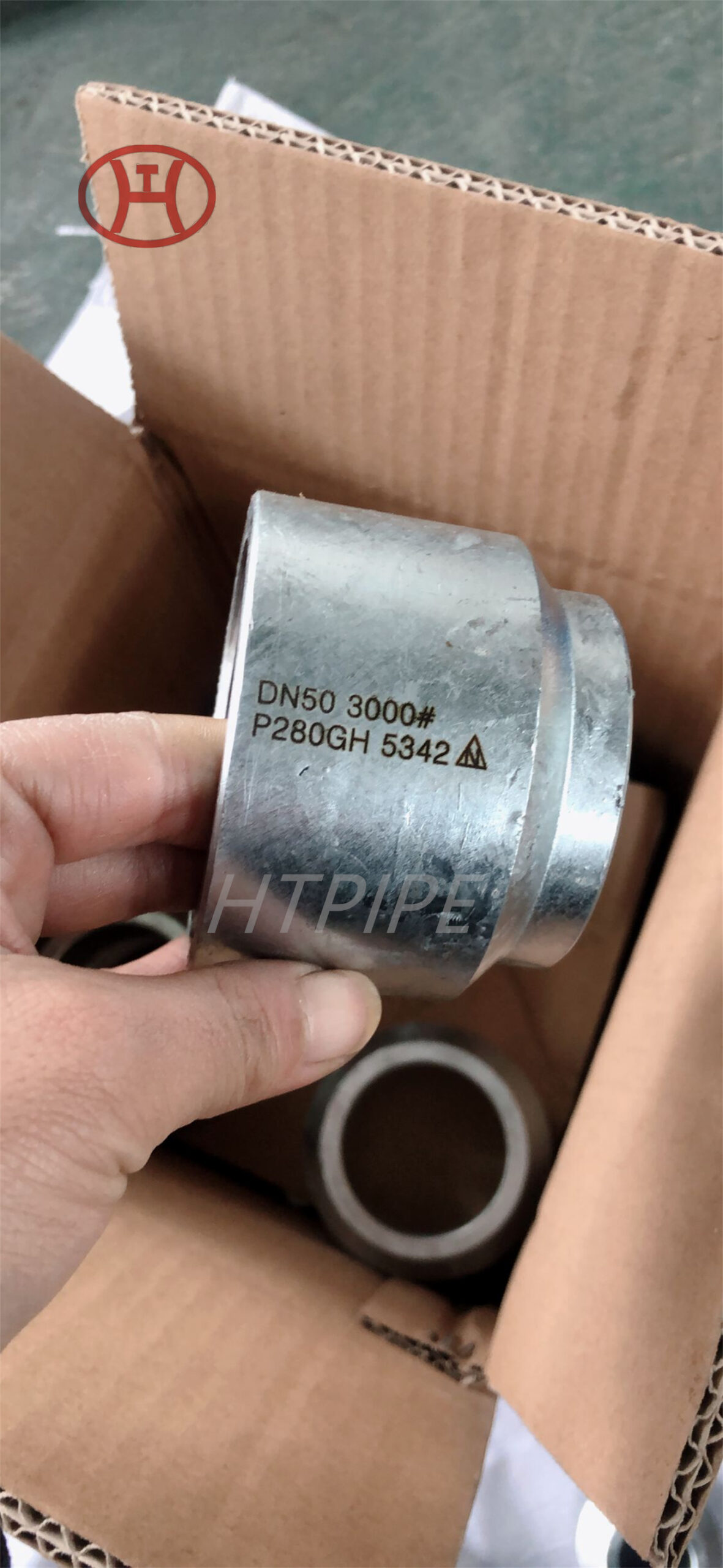
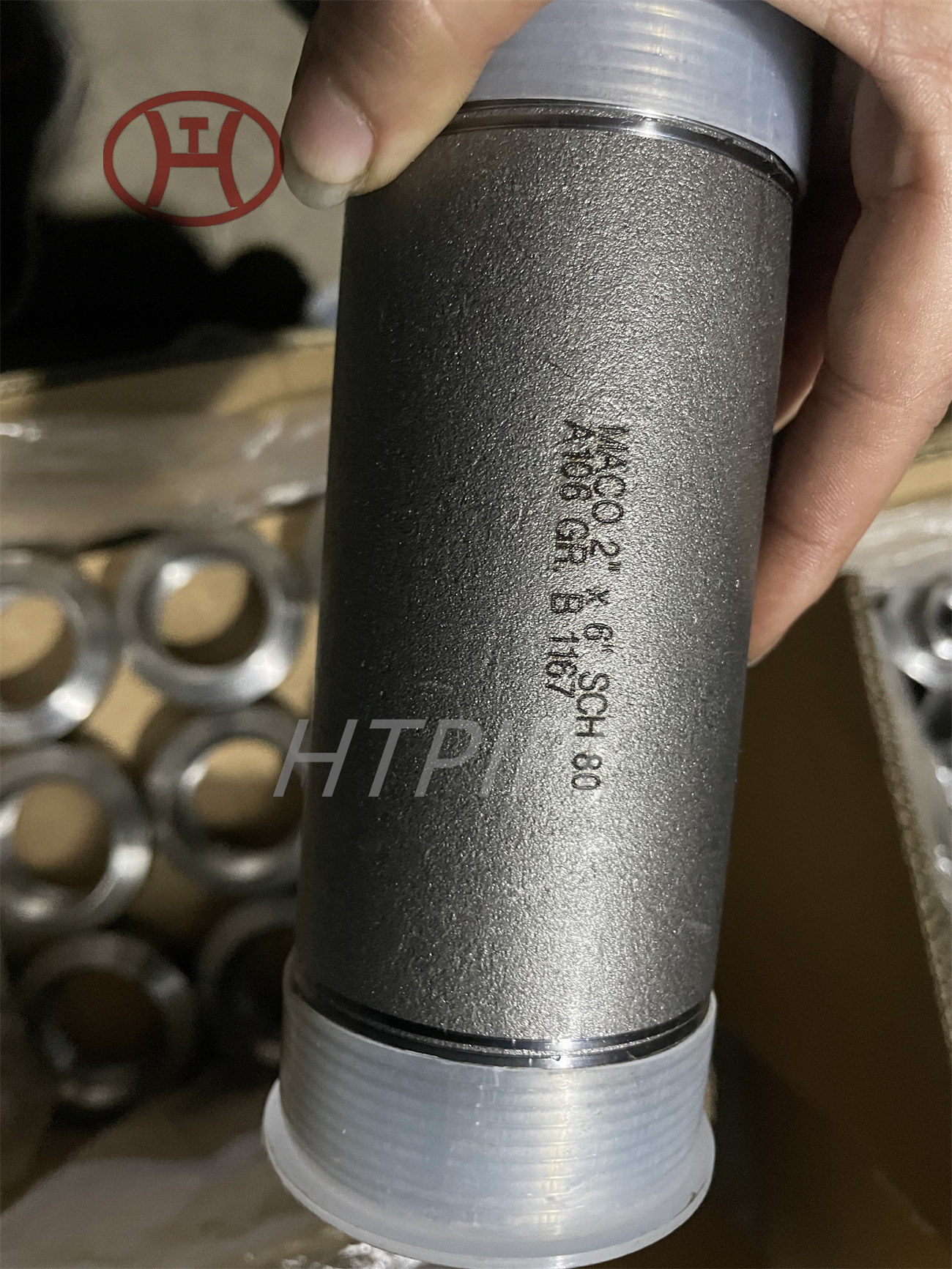
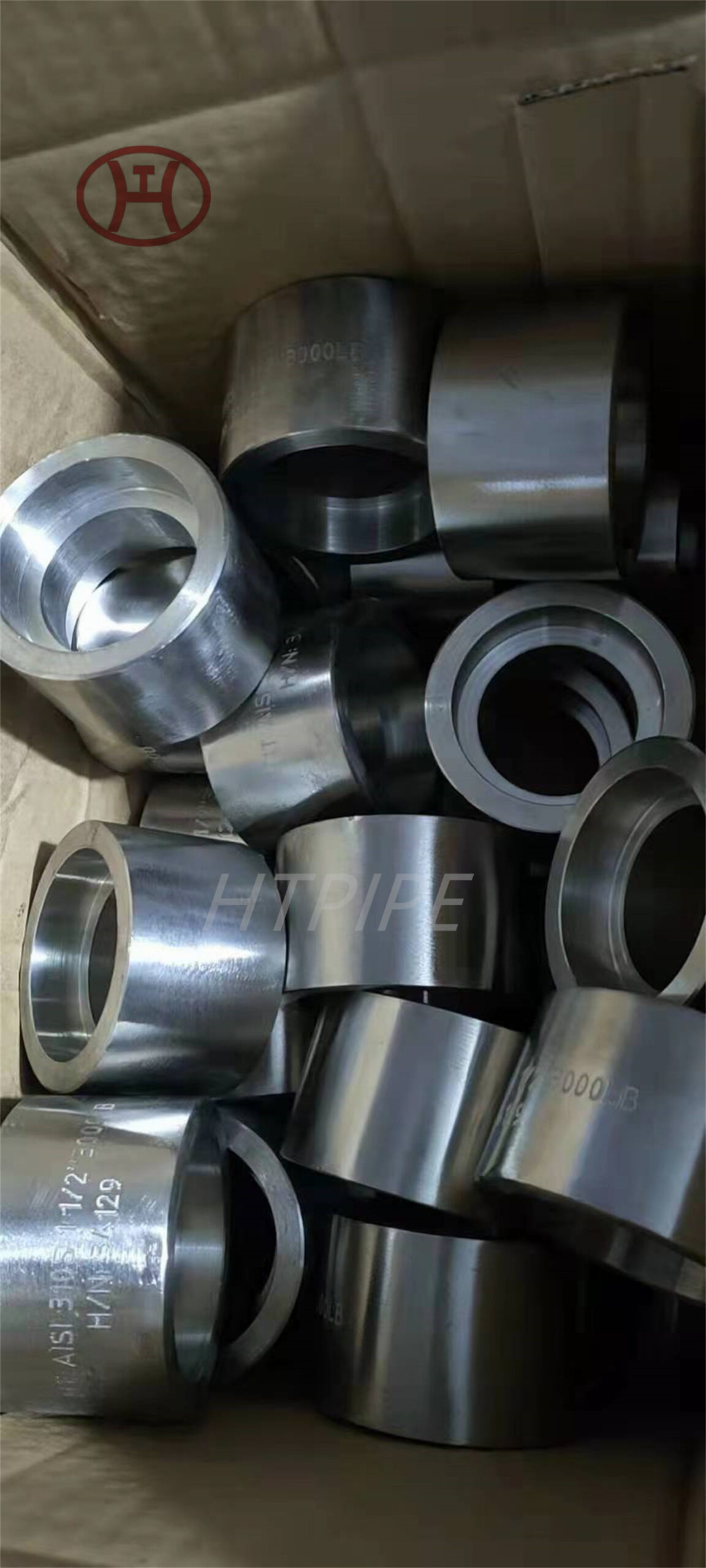
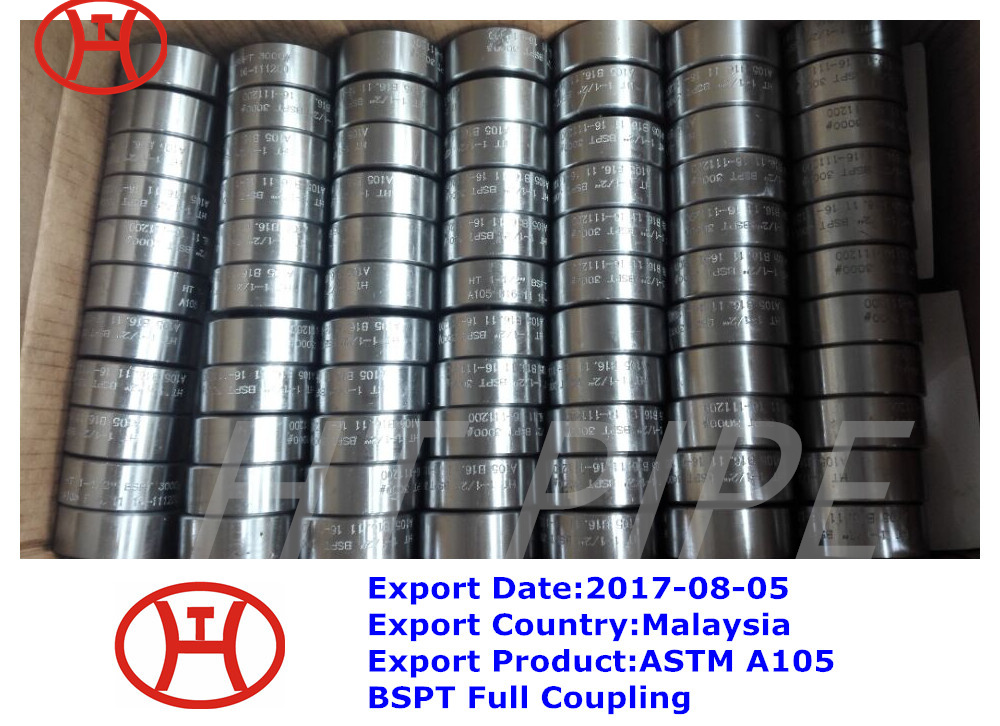
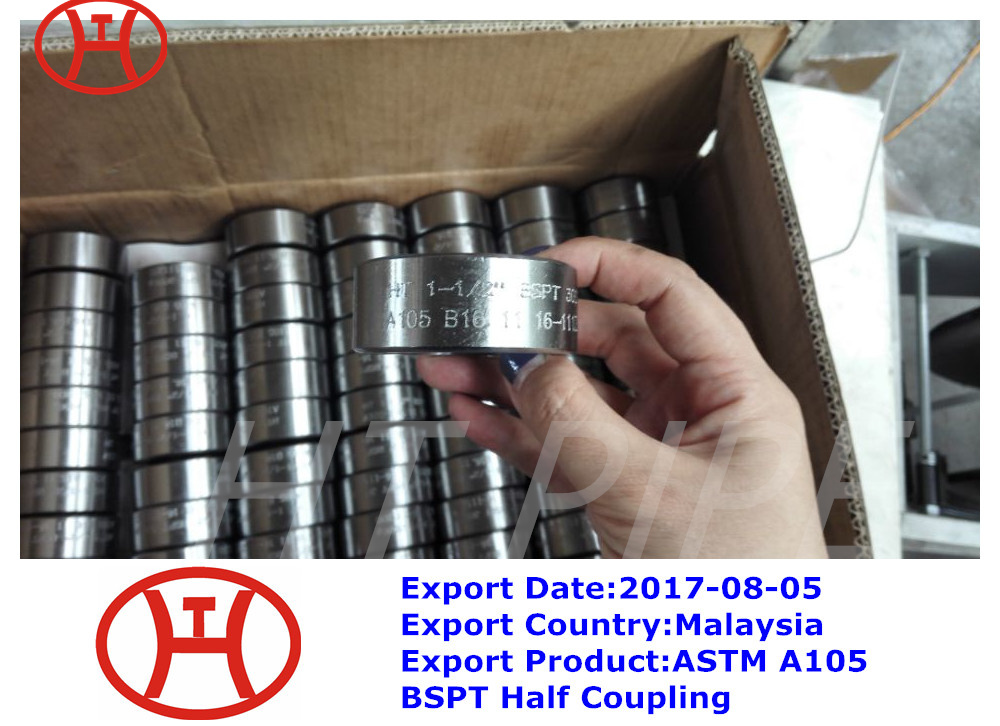
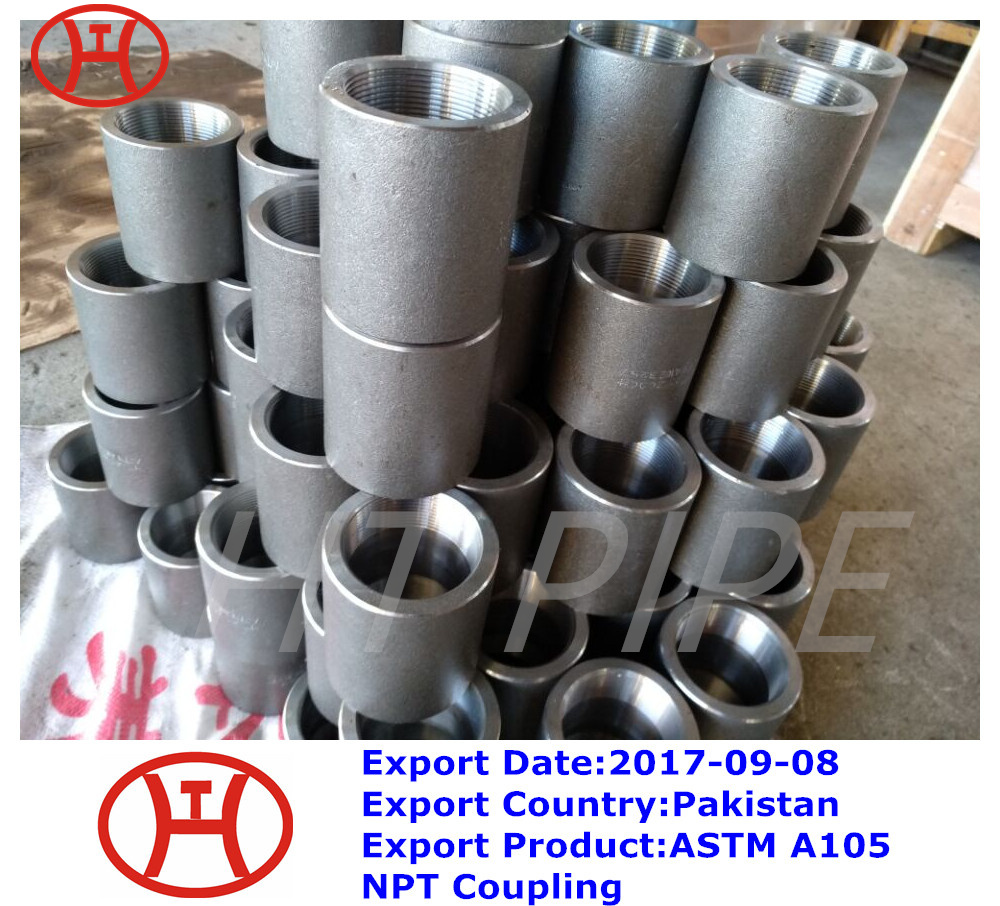
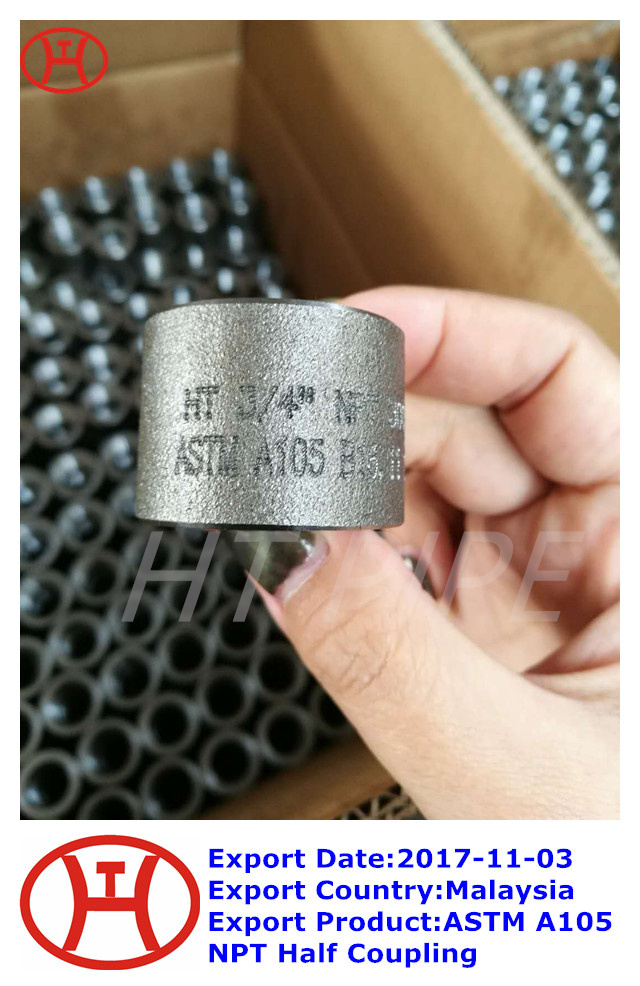
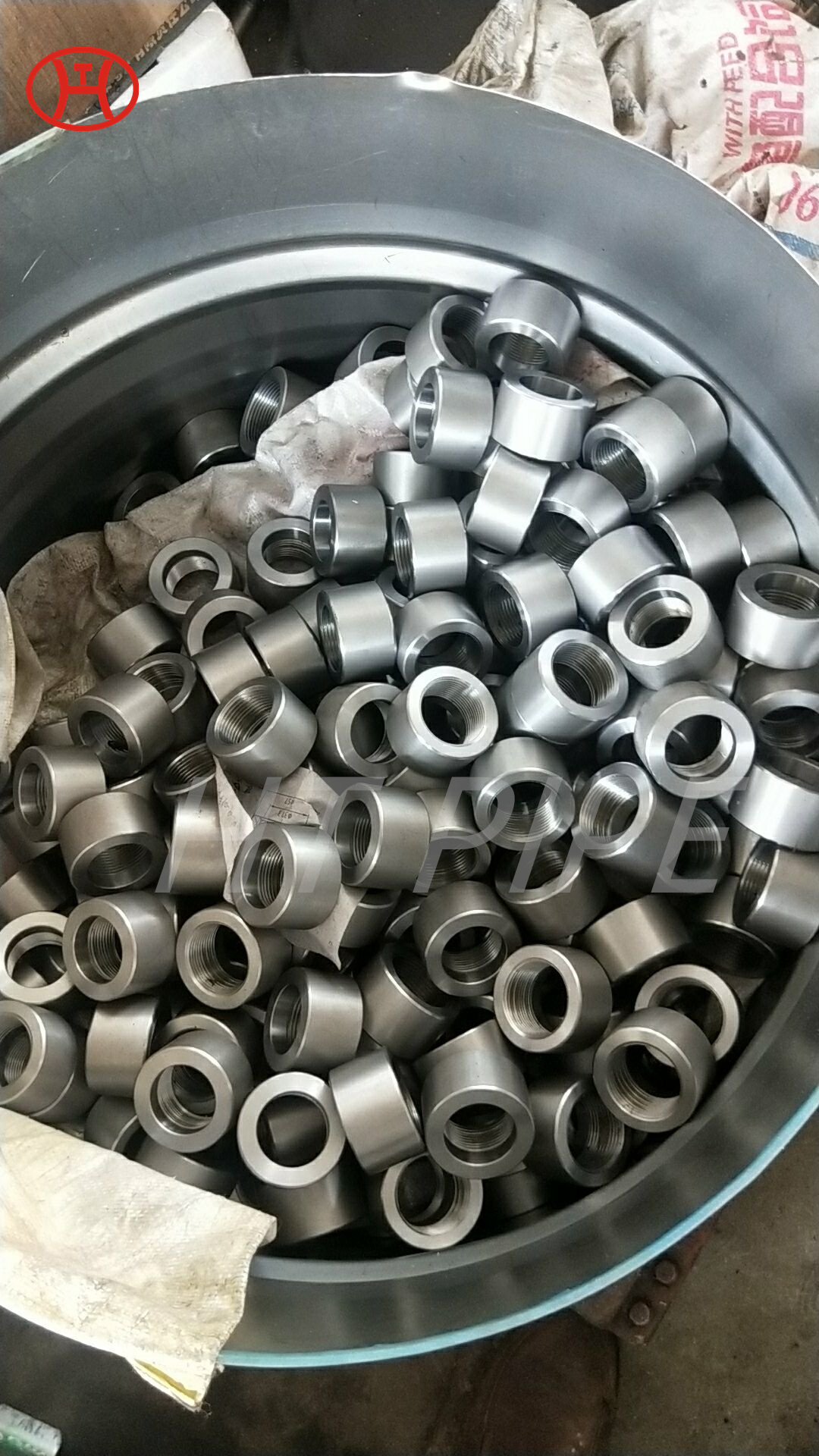
Coupling is a kind of fittings commonly used in industrial pipe connection.
The a105 is a mild steel forgings similar to the 20 steel.
Since only one type of carbon steel forging is specified in this standard, a105 is considered a type of forging carbon steel grade.
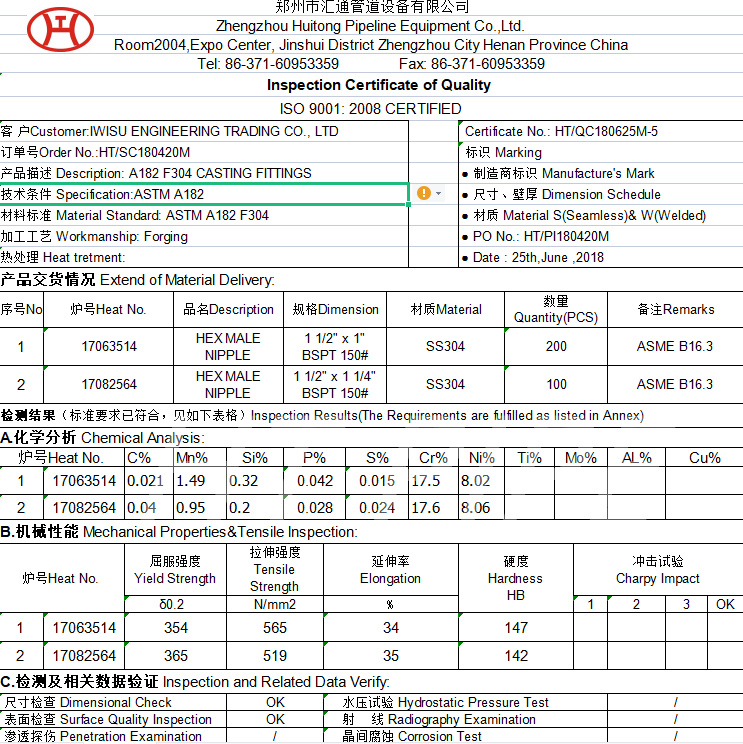
The alloying element that makes steel ¡®stainless¡¯ is chromium; however it is the addition of nickel that enables stainless steel to become such a versatile alloy.
Most iron-based metals react with water to produce the reddish iron oxide known better as rust. The oxygen atoms in the water pulls iron off of the base metal to form the porous rust structure with no real strength.
ASTM A105 (also known as ASME SA 105) covers seamless forged carbon steel piping components for use in pressure systems at ambient and high-temperature service.
Nickel is so important that nickel-containing grades make up 75% of stainless steel production. The best-known of these are Type 304, which has 8% nickel and Type 316, which has 11%.
ASTM A105 carbon steel can be forged at temperatures in the range of 2200 to 1700 F followed by quenching and tempering or normalizing.
This specification covers standards for forged carbon steel piping components, that is, flanges, fittings, valves, and similar parts, for use in pressure systems at ambient and higher-temperature service conditions.
A105 shall be subjected to heat treatment (annealing, normalizing, tempering, or quenching). A105 shall conform to carbon, manganese, phosphorus, sulfur, silicon, copper, nickel, chromium, molybdenum and vanadium contents.
A105 shall adhere to tensile strength, yield strength, elongation, reduction of area, and hardness requirements. Guidelines for retreatment, repair by welding, and product marking are given.
A105 is American ASTM standard number,¡±A¡± stands for common carbon structural steel.ASTM A105 is the most common carbon steel material under ASME/ANSI/API/MSS standard.It¡¯s standard specification for carbon steel forgings for piping applications.