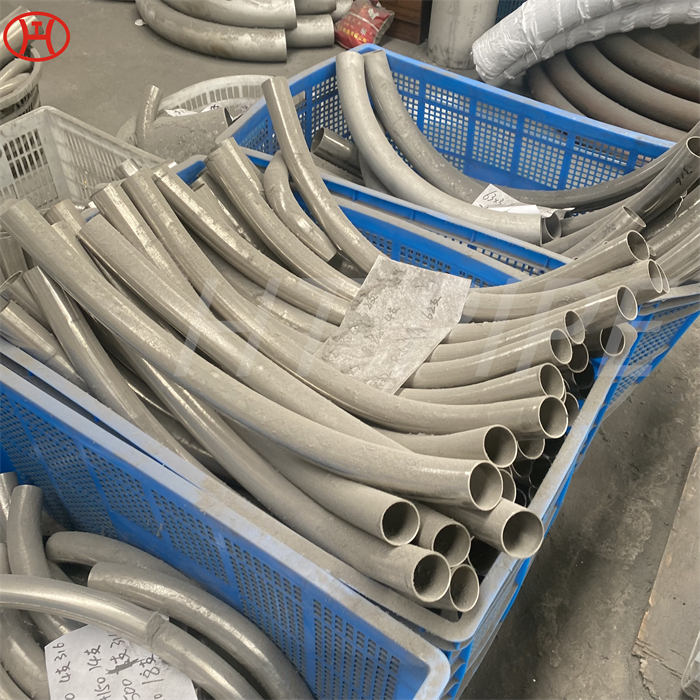
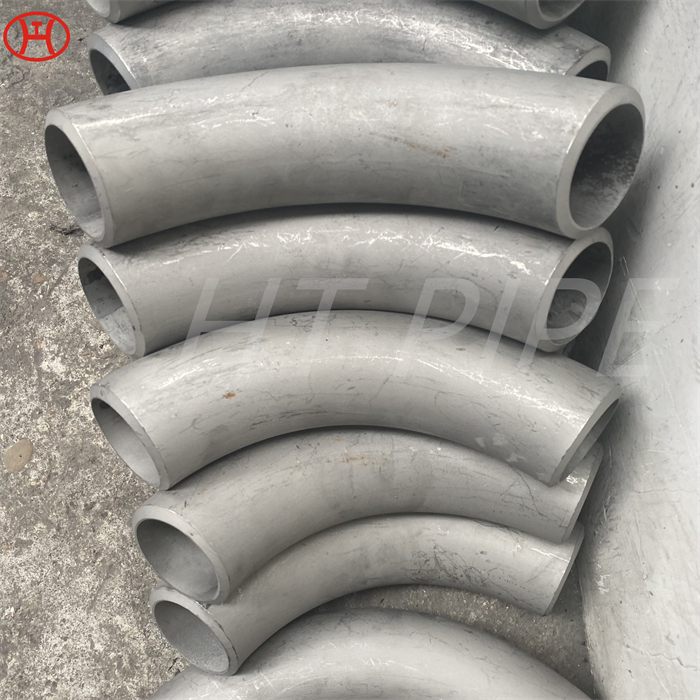
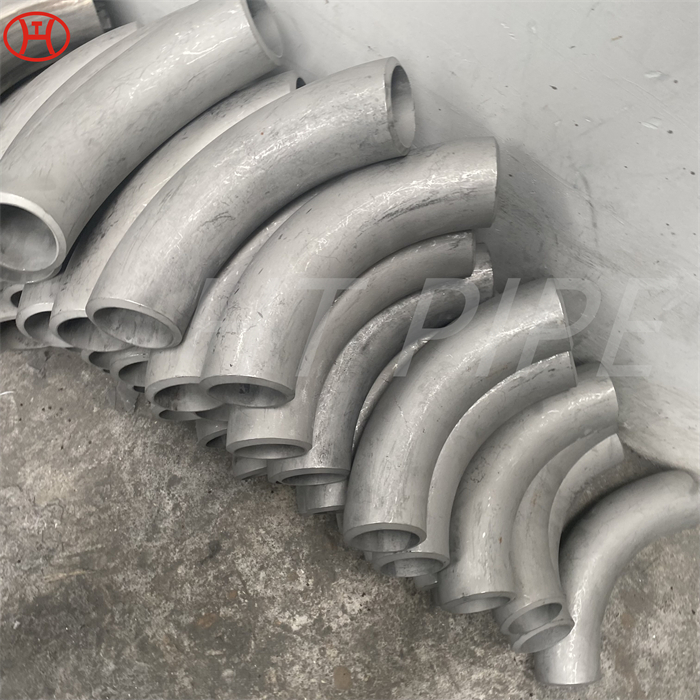
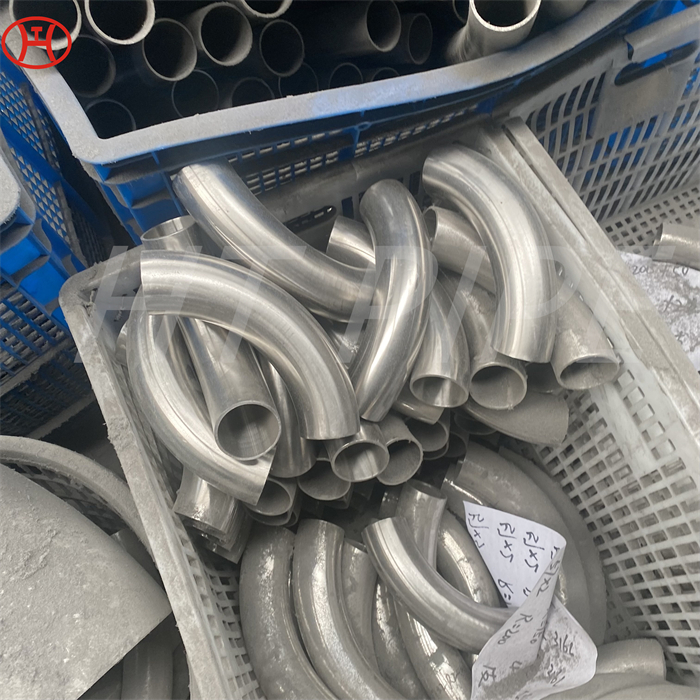
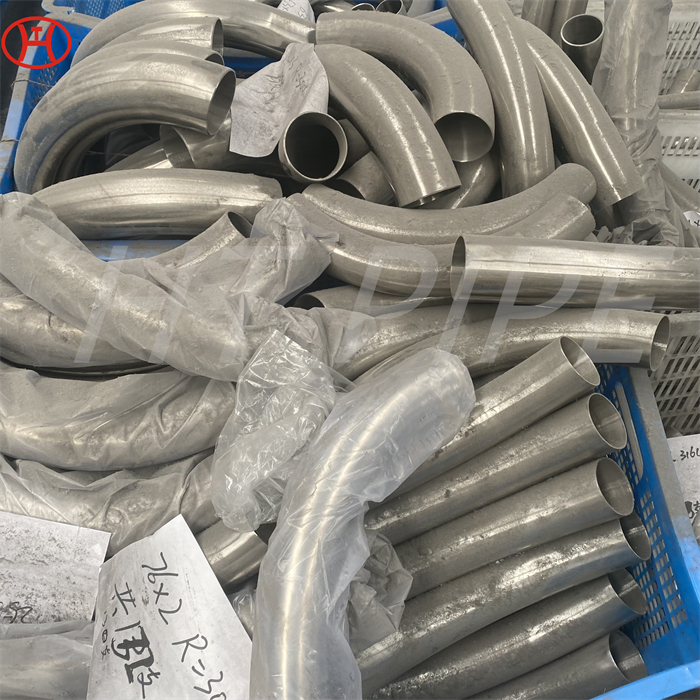
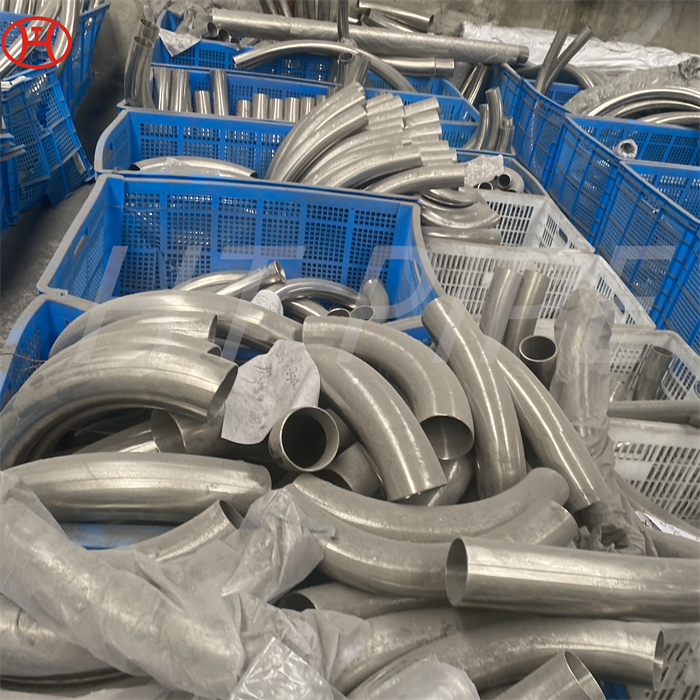
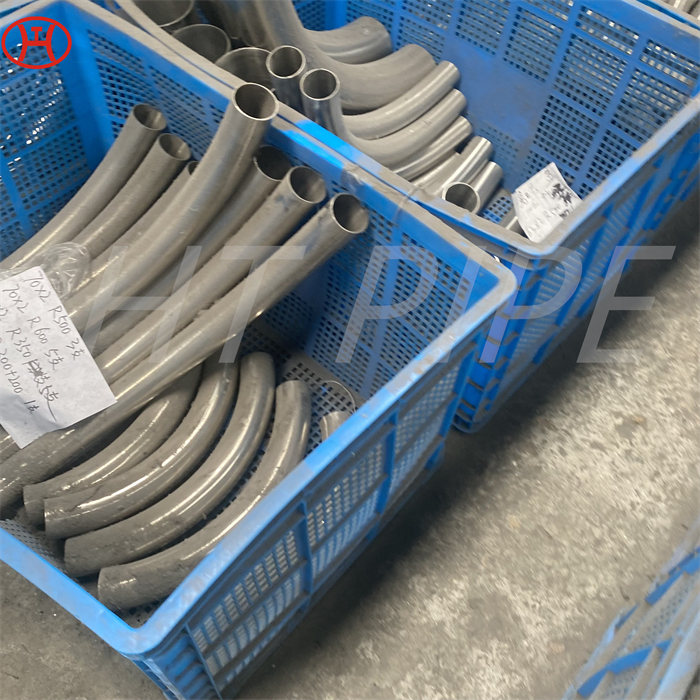
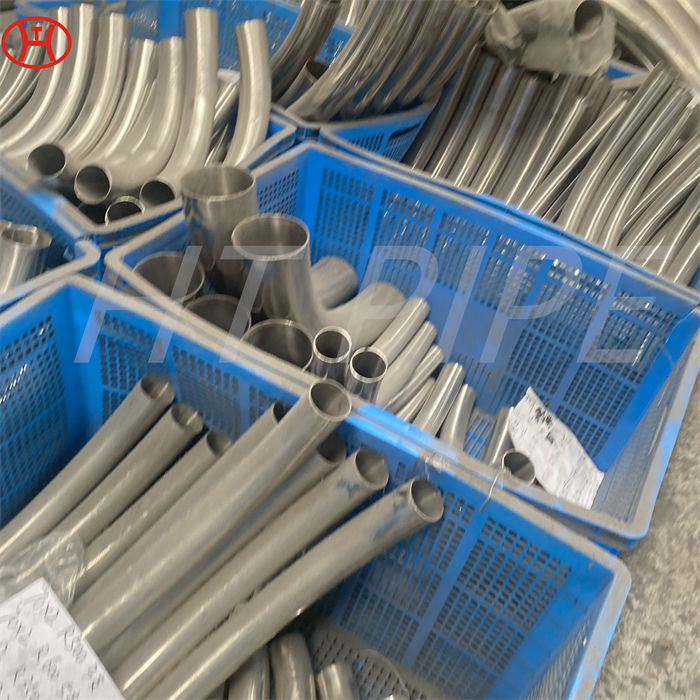
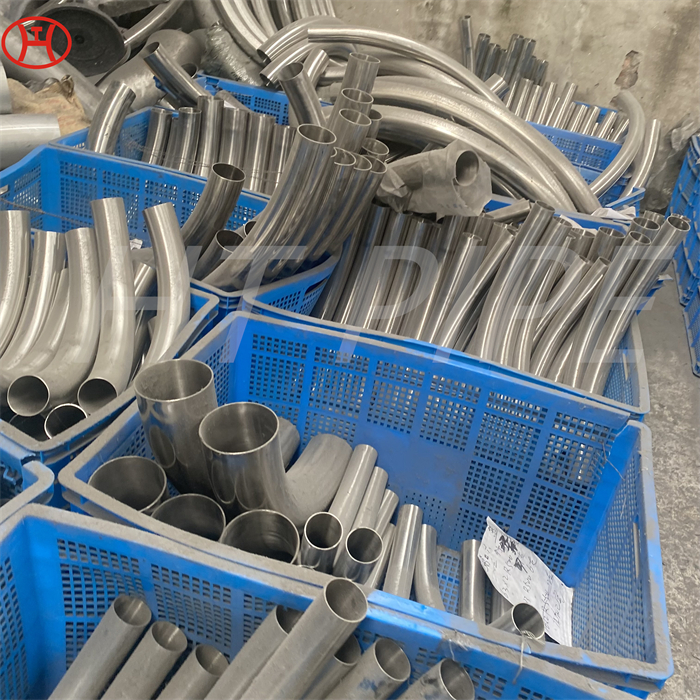
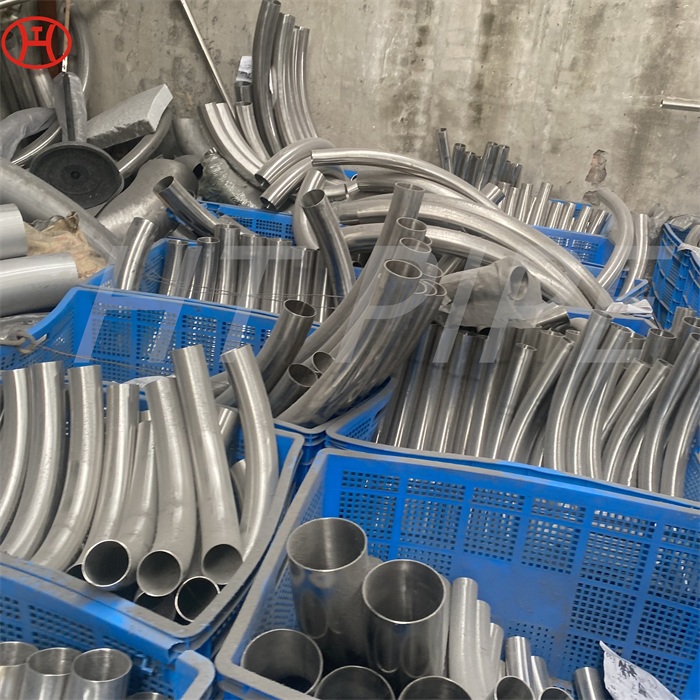
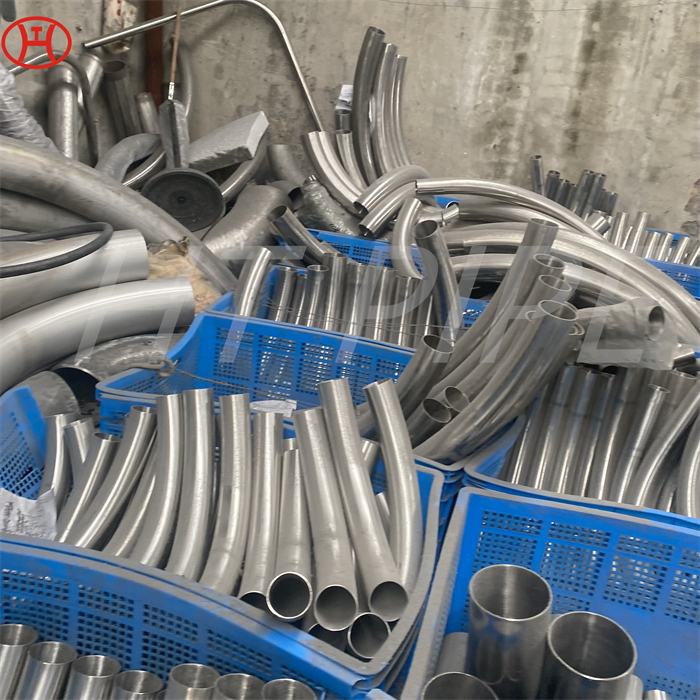
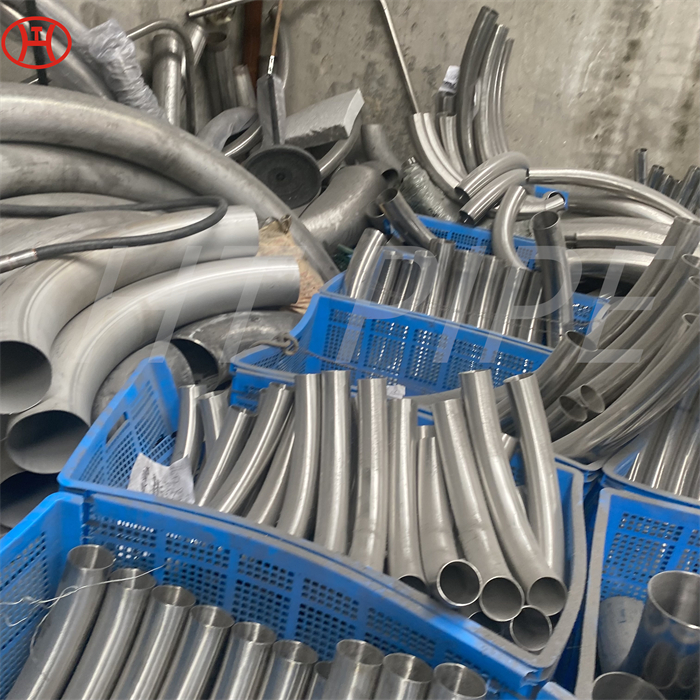
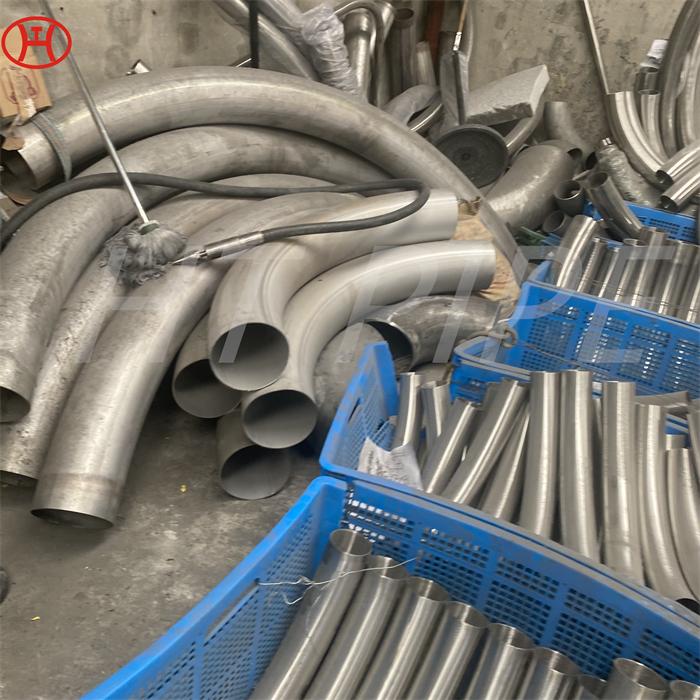
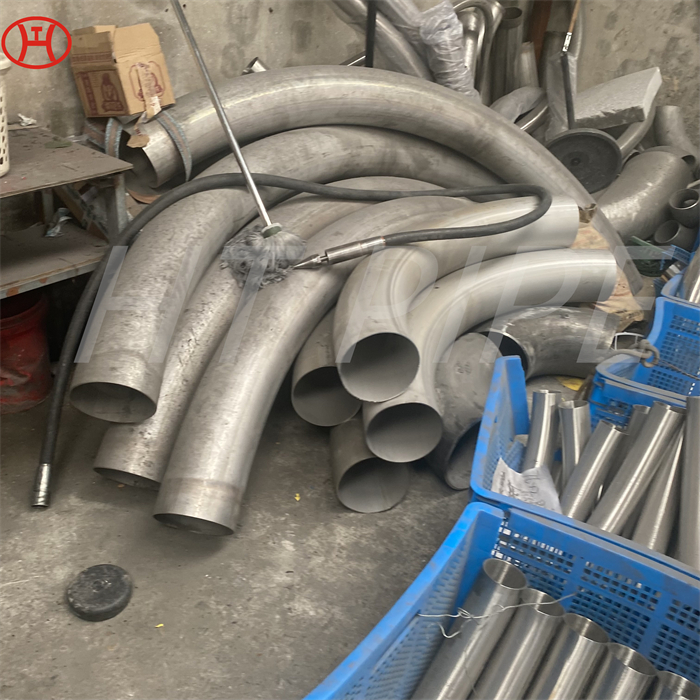
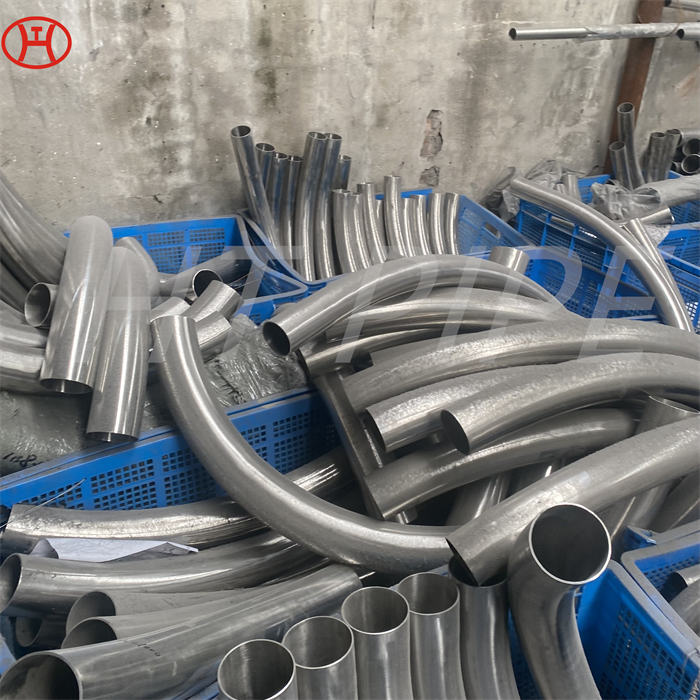
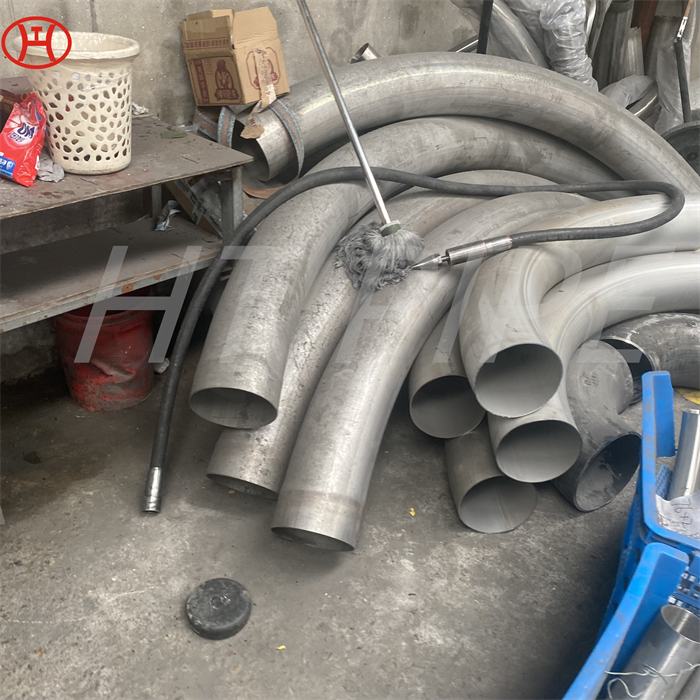
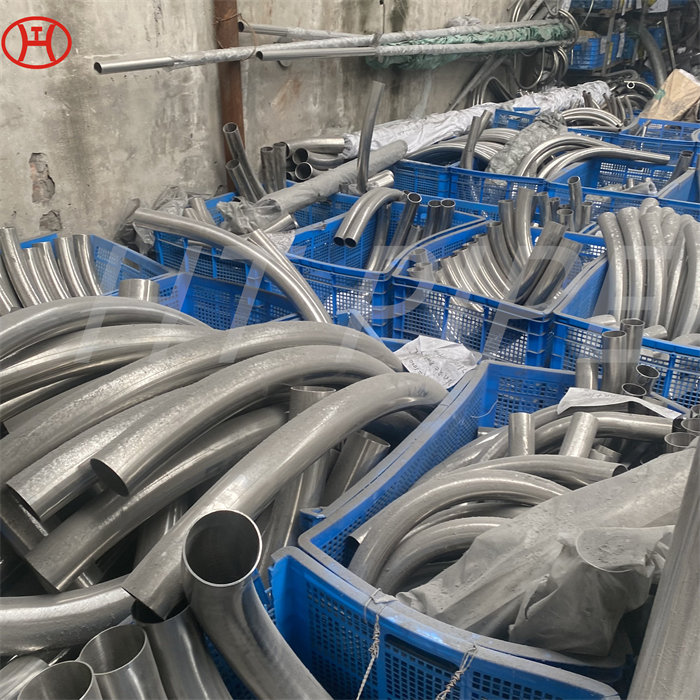
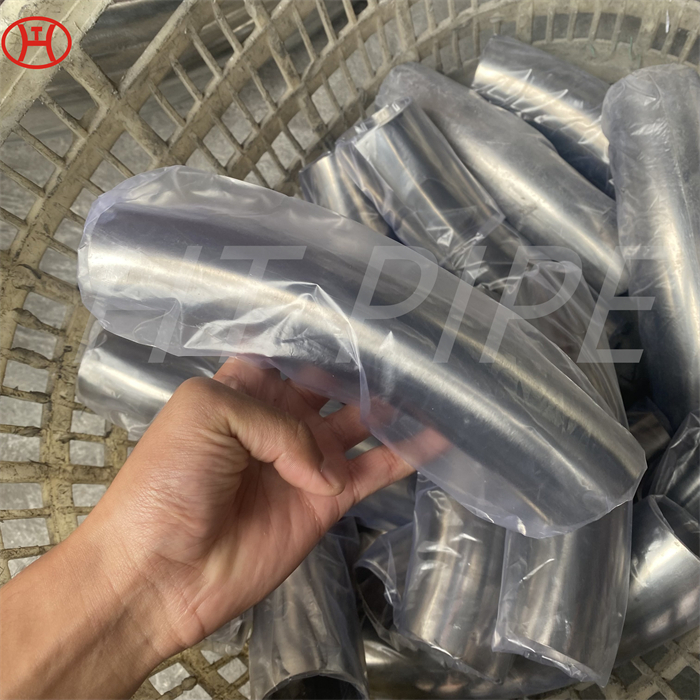
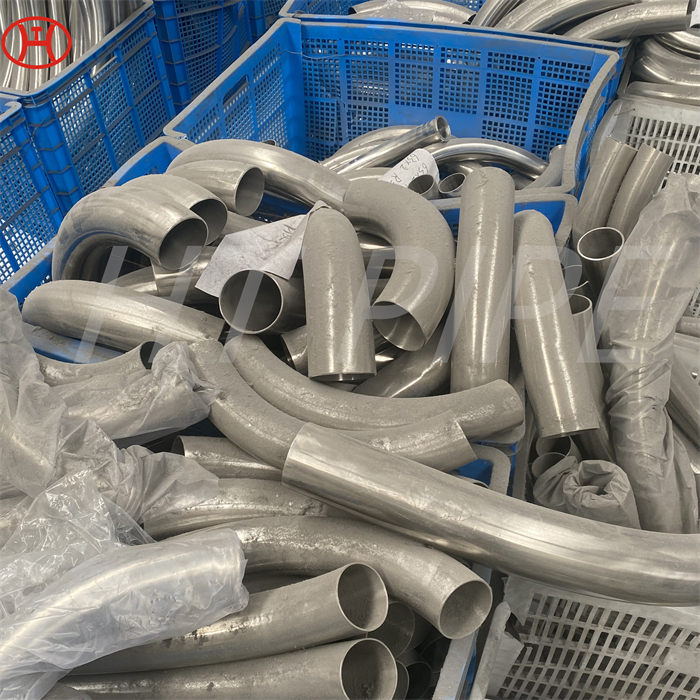
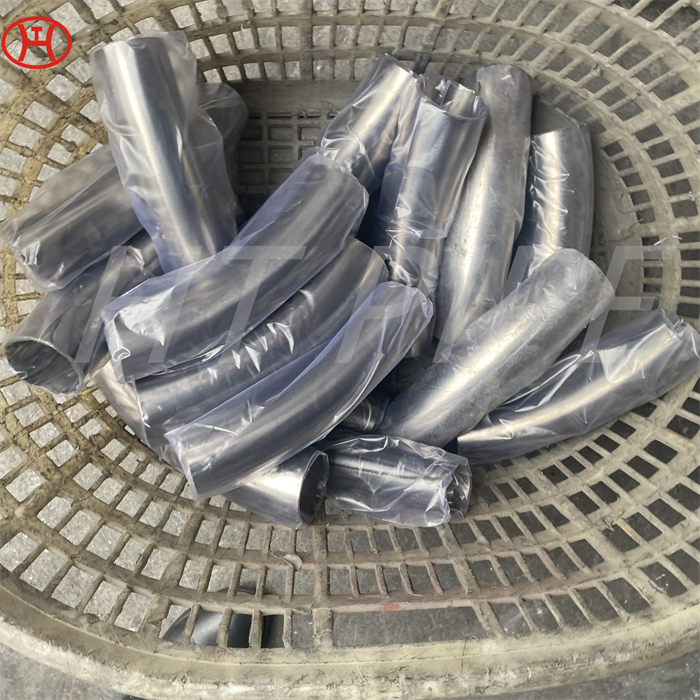
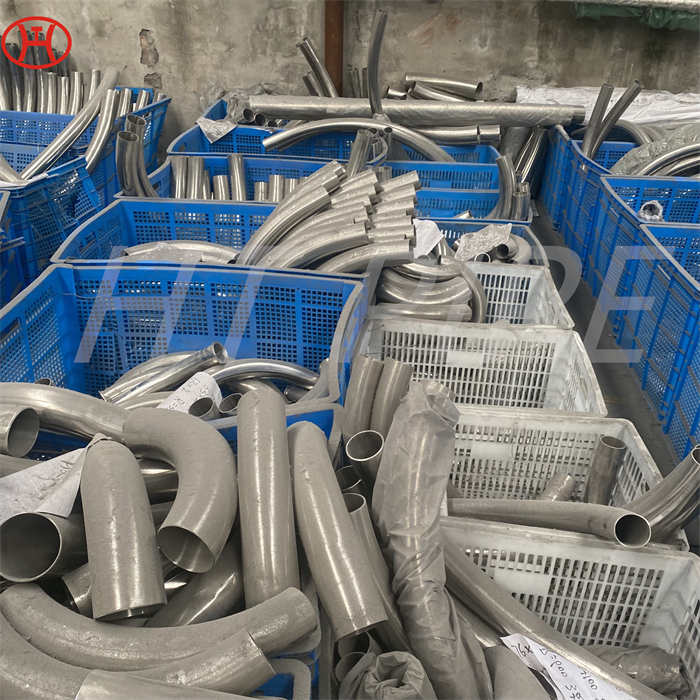
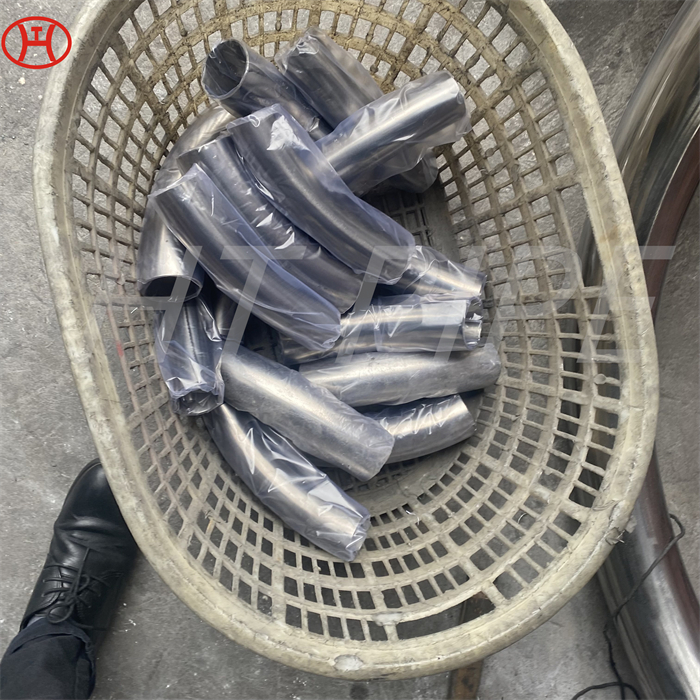
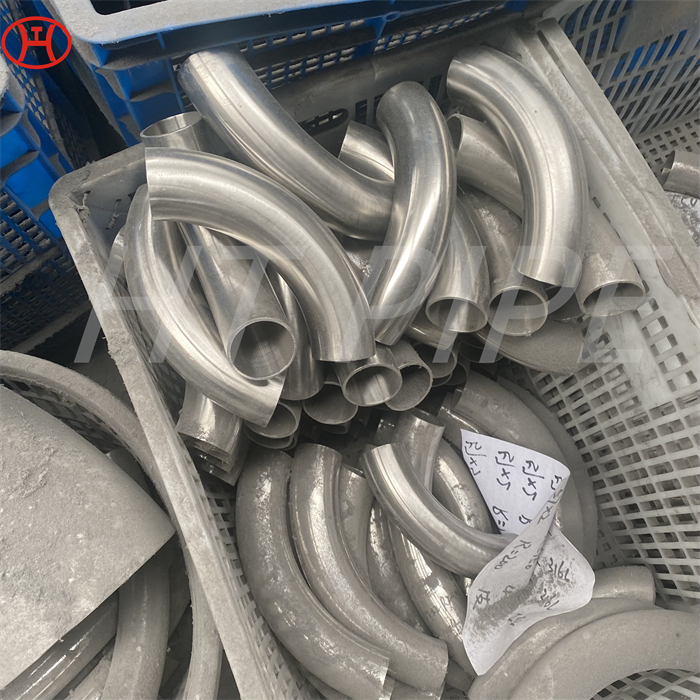
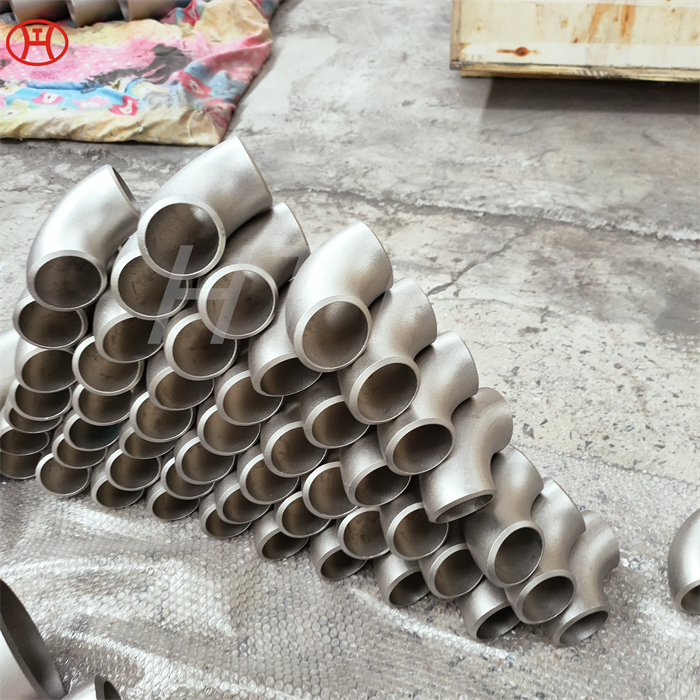
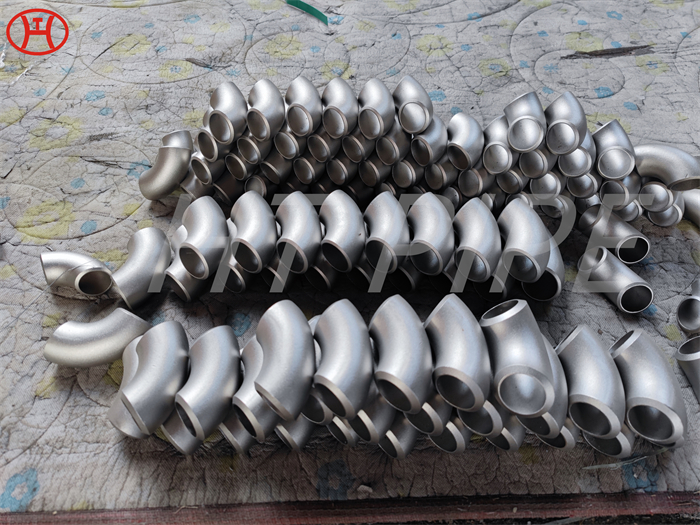
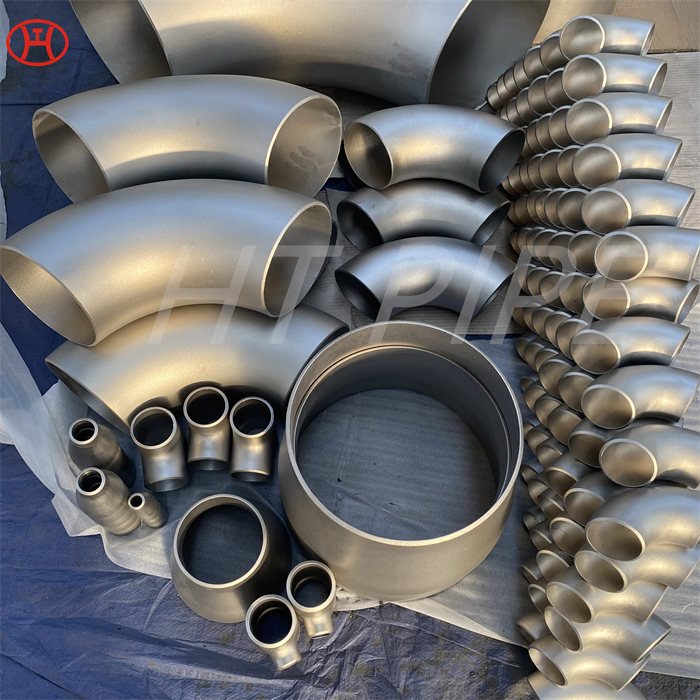
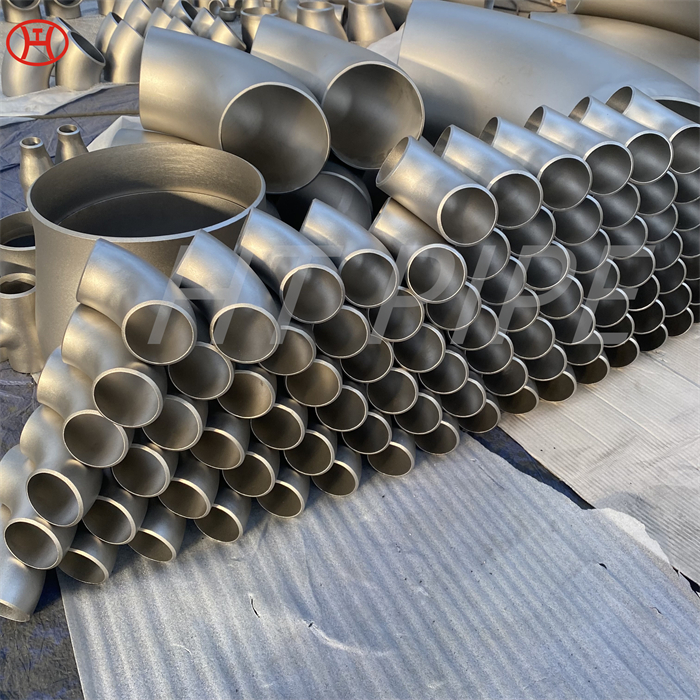
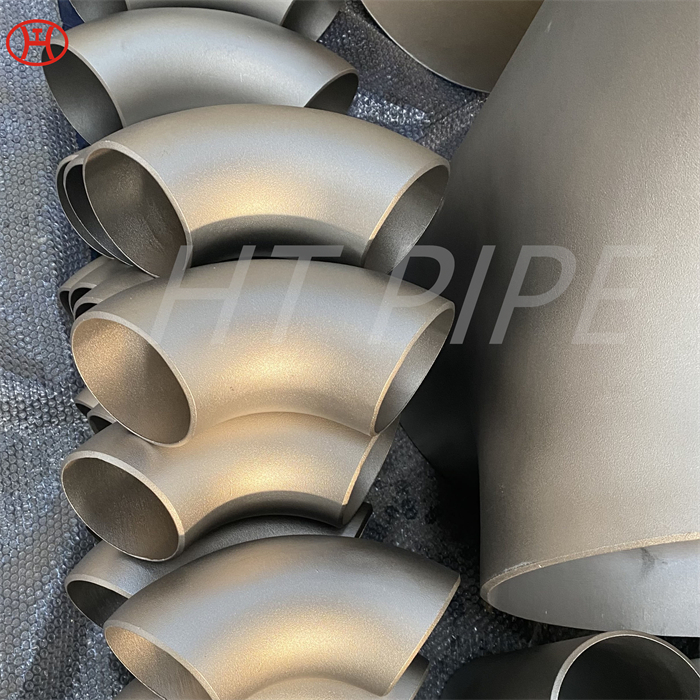
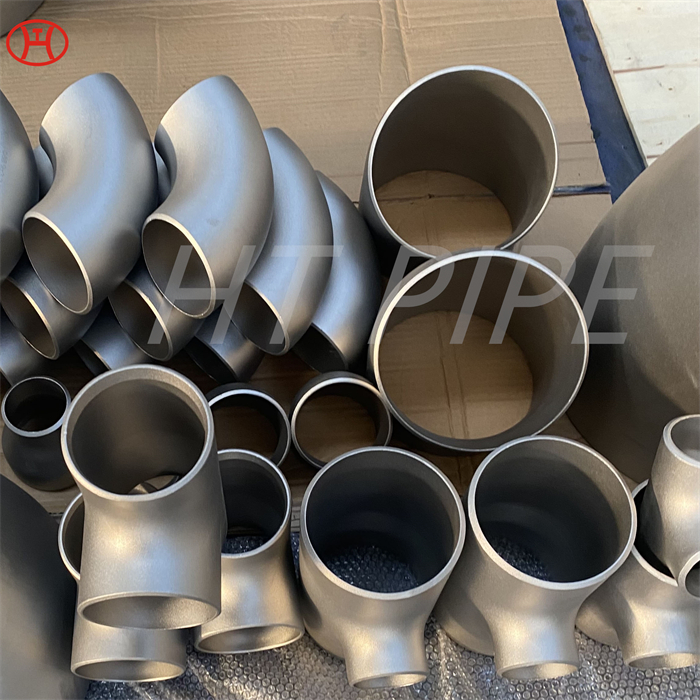
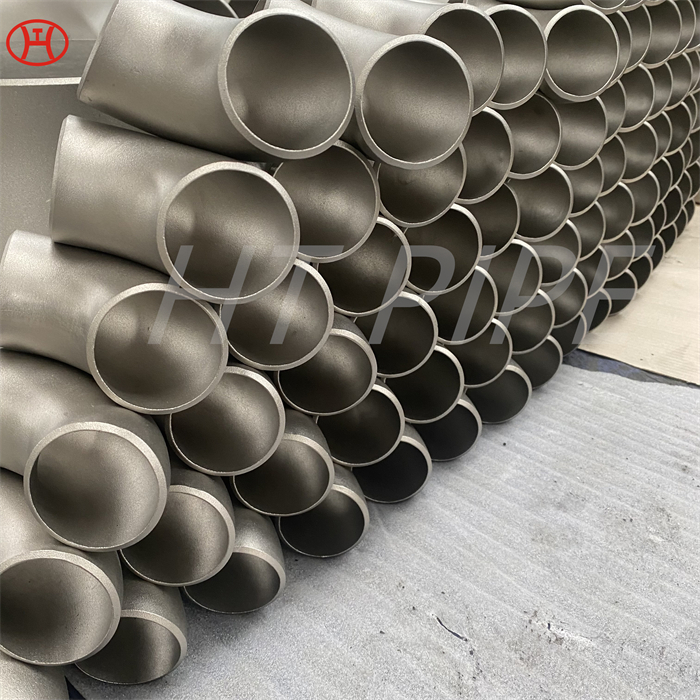
Grade 316 pipe bend is readily workable, by the standard methods of sheet metal working, with the exception that it cannot be oxygen cut. Plasma cutting is normal. The deep drawing capability of grade 316 is outstanding, because of its high austenite stability.
316 pipe bend is the superior choice for high corrosion and high temperature applications. Since 316L contains less carbon than 316, it has better intergranular corrosion resistance, meaning its welds won¡¯t decay, unlike with 316 stainless steel.
Grade 316 pipe bend is relatively easy to machine, although more difficult than carbon steel. More power is required to machine grade 316. Cutting speed should be lower, the feed higher, tooling and equipment heavier.
The Stainless Steel Fittings Manufacturers produce these fittings with the addition of manganese, phosphorus, carbon, silicon, and sulfur apart from the 2 main elements.
Stainless Steel Weld Fittings have a melting point of 1400 degrees C and an operating temperature of 870 degrees C.
Stainless Steel Pipe Bends are widely used in high-temperature applications.
A403 WP304 Pipe Bends can be welded easily however, the material may face localized corrosion due to intergranular corrosion risk.
Stainless Steel Pipe Fittings are used in the water pipeline, natural gas, fabrication, and nuclear power plant industry.
ASTM A403 WP304 Fittings are available in different sizes and shapes and have a pressure rating of 3000#, 6000#, and 9000#.
Stainless Steel Pipe Bends are resistant to atmospheric corrosion and prevent the internal fluid from getting contaminated.
Stainless Steel Pipe Bends is used in the textile and printing industry due to its versatility and weldability.
Stainless Steel Buttweld Fittings used in pressure piping frameworks of direct and high-temperature administrators.
Steel Pipe Pipe Bends can work under constant pressure due to excellent dexterity and high load-bearing capacity.
Stainless Steel 304 Buttweld Fittings are made up of a basic austenitic stainless steel material that has 18% chromium and 8% nickel in its composition.
Stainless steel 304 pipe fittings contain both chromium 18% – 20% and nickel 8% – 10.5%. It is an austenitic stainless steel and is less electrically and thermally conductive than carbon steel. It is a component that helps in change the direction of the flow such as tees and pipe bends.
The material composition of Stainless Steel 304 Buttweld Fittings includes carbon, manganese, silicon, phosphorus, sulfur and nitrogen in addition to the chromium and nickel basement.
ASTM a403 wp304 pipe bend is done to under control conditions to avoid carburization, decarburization and scaling surface. Heat treatment methods are stress relieving, hardening and annealing which strength the ductility and corrosion resistance properties.
The Stainless Steel 304 Pipe Fittings are also strong. They have 205MPa minimum yield strength and 515MPa minimum tensile strength.
An ASTM A403 WP304 Fittings is a type of austenitic grade fitting. SS Pipe Fittings can either be seamless or ERW.
The fittings are also hard with a Brinell hardness sore of 210HB maximum. These can also operate under very high temperatures up to 870 degrees Celsius.
Stainless Steel 304 Pipe Fittings are made from seamless steel pipes whereas ERW pipes are made from ERW steel pipes.
The Stainless Steel 304 Pipe Bends belong to the ASTM A403 specification. They can range in nominal diameters ranging from 1/8 inches to 48 inches. The standards for these dimensions are ASME B16.9 and B16.28.
A welded ASTM A403 Stainless Steel Weld Fittings is made up of pieces of steel plates. Stainless Pipe Fittings are made up of 10% nickel and high chromium content.
The unique combination of its components makes Inconel 625 highly resistant to corrosive substances.
Superalloy 625 elbow works excellently under high saline seawater, and more so in milder environments such as fresh water and standard atmospheric conditions.
Upon exposure to oxidising agents, Inconel 625 is protected naturally by its nickel-chromium matrix.
Inconel 625 elbow was designed to have better weldability than earlier alloys, with no signs of cracking when exposed to strain and temperature changes post-welding.
The high creep resistance and yield strength of Inconel 625 elbow make this superalloy a good choice for tubes, piping, and plant equipment that require welding.
A standard AMS 5666 or UNS N06625 variant of Inconel 625 may contain 58% nickel, 22% chromium, and 3.5% niobium.
Owing to its high corrosion resistance– especially pitting and crevice resistance, Inconel 625 is an ideal for high saline, underwater applications.