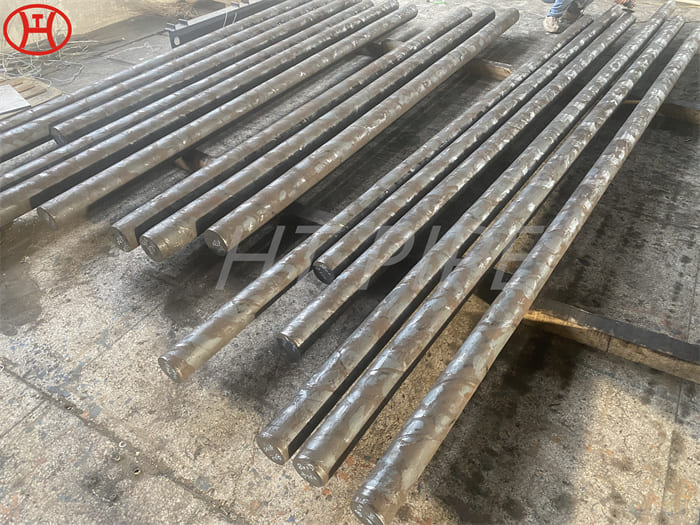
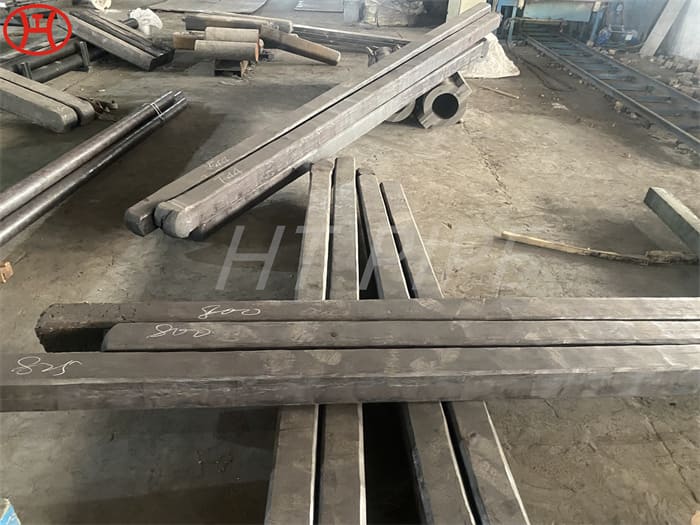
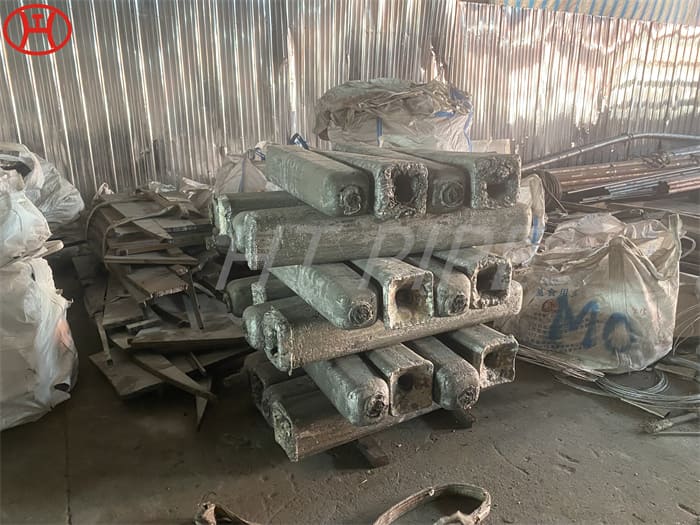
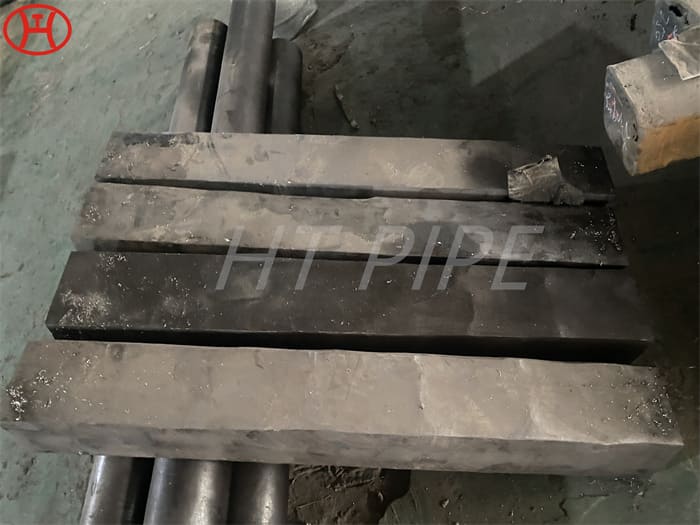
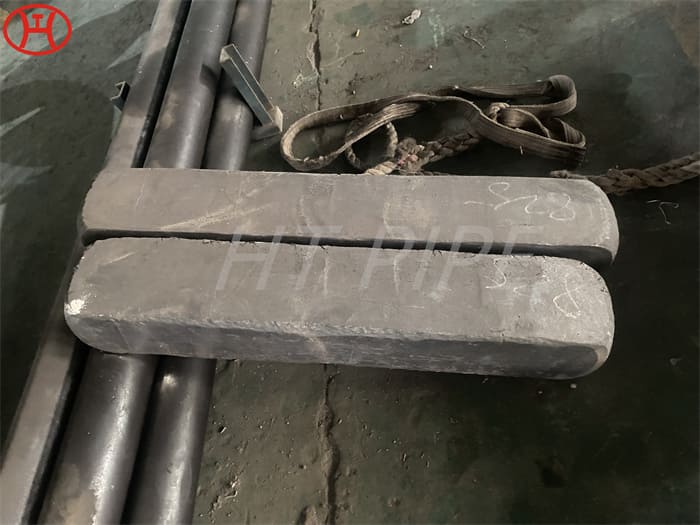
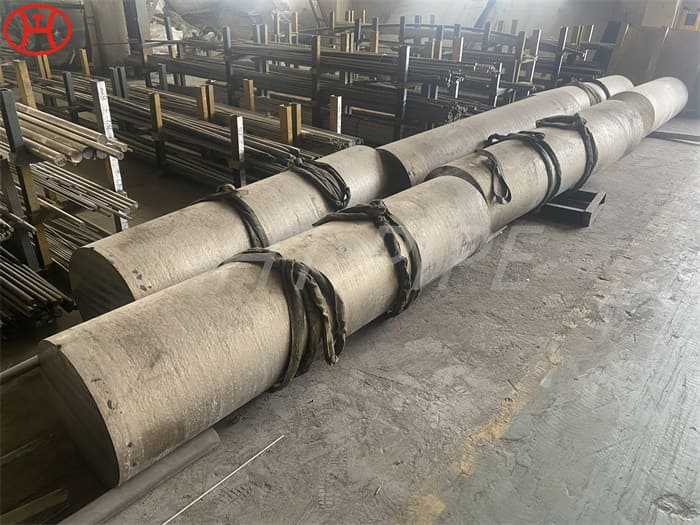
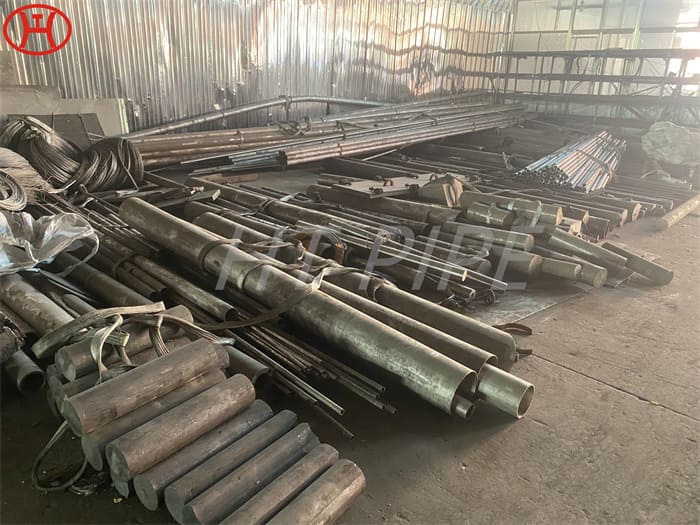
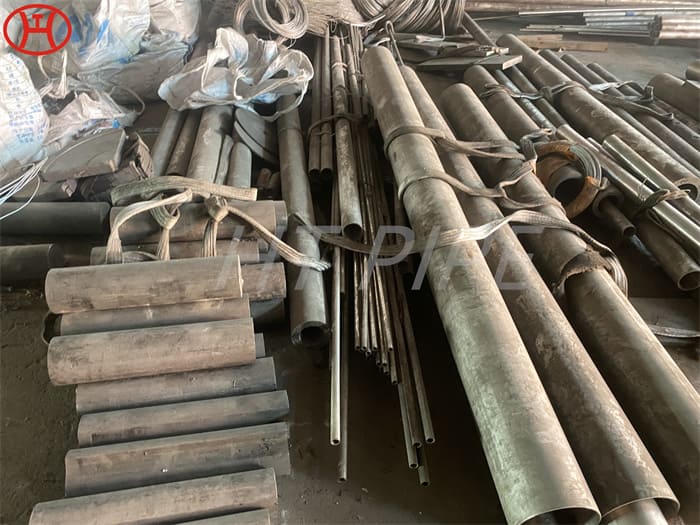
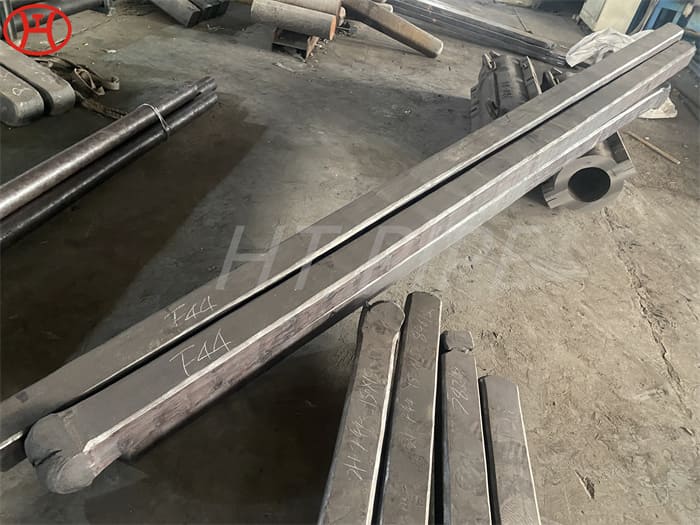
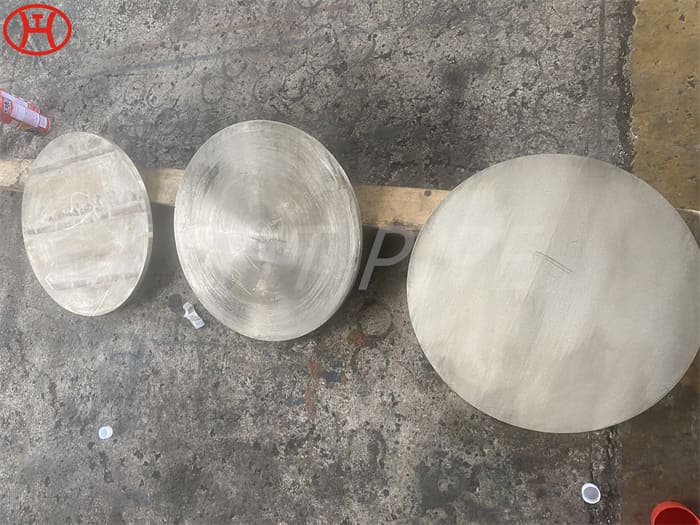
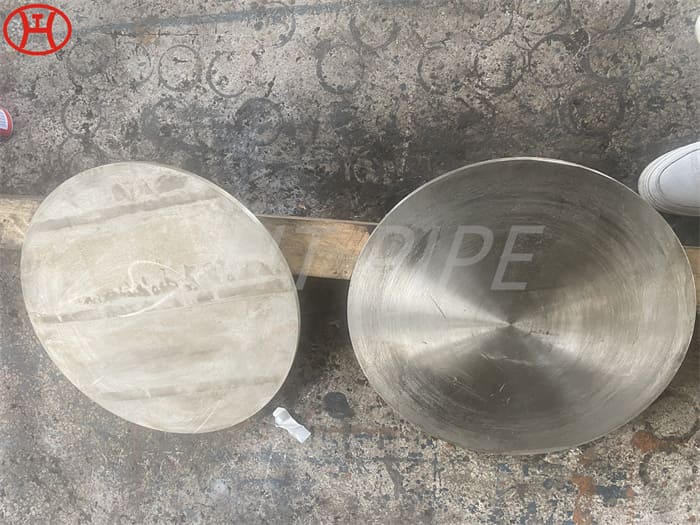
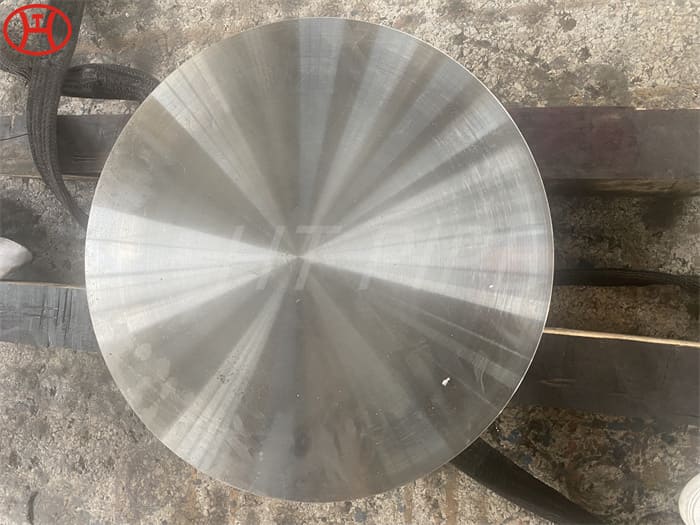
Incoloy Alloy 800H/800HT round bar has excellent resistance to carburizing, oxidation and nitriding. They are not prone to embrittlement even after extended operation at temperatures up to 12000F to 16000F.
DIN 1.4876 Rounds can work over a range of temperatures and pressures and exhibit excellent mechanical properties. These components have a minimum tensile strength of 600mpa and a minimum yield strength of 275mpa. ASTM B408 Incoloy 800 Precision Ground Rods are designed to have a uniform cross section. The strips are dimensionally and geometrically accurate.
Nickel 800 cold rolled bars run on the die shortly after the hot rolling process, allowing the bars to exhibit exceptional strength and excellent surface finish. Alloy 800 Bright Bar is an aesthetically appealing grade that can be produced in different finishes and sizes.
Incoloy 800 round bar with all necessary properties and properties such as correct rupture, creep strength, excellent oxidation resistance and high temperature vulcanization. Our high-grade round bar has unique electrical resistance properties that protect it from a wide range of environmental conditions, making it suitable for higher stress conditions and high temperature applications.
In addition to oxidation, the metal is also resistant to the effects of carburization. As an austenitic stainless steel type, this alloy has some temperature limitations, but has the advantage of varying the carbon content.
Alloy 825 rods are good electrical conductors and can also be used for many electrical purposes. These nickel 825 rods resist intergranular corrosion in the as-welded condition. Nickel 825 Round Rods have a high level of resistance to a variety of oxidizing species including nitric acid, nitrates and oxidizing salts. We also offer our customers a variety of custom sizes and shapes.
The chemistry of Inconel 825 plate is designed to provide superior resistance to a variety of corrosive environments where most Incoloy alloys are added to a nickel-iron-chromium matrix.
Incoloy 825 round bar is similar to Alloy 800 bar, but has better resistance to water corrosion. Incoloy 825 round bar has some resistance to oxidizing and reducing acids, stress corrosion cracking, and restricted corrosion such as crevice and pitting corrosion. Alloy 825 is particularly resistant to phosphoric and sulfuric acids.
The steel of UNS S31254 is a super austenitic stainless steel. They are high-end stainless steels designed for impact toughness against chloride crevice corrosion, stress corrosion cracking and pitting corrosion. These are austenites with high nickel and chromium content.
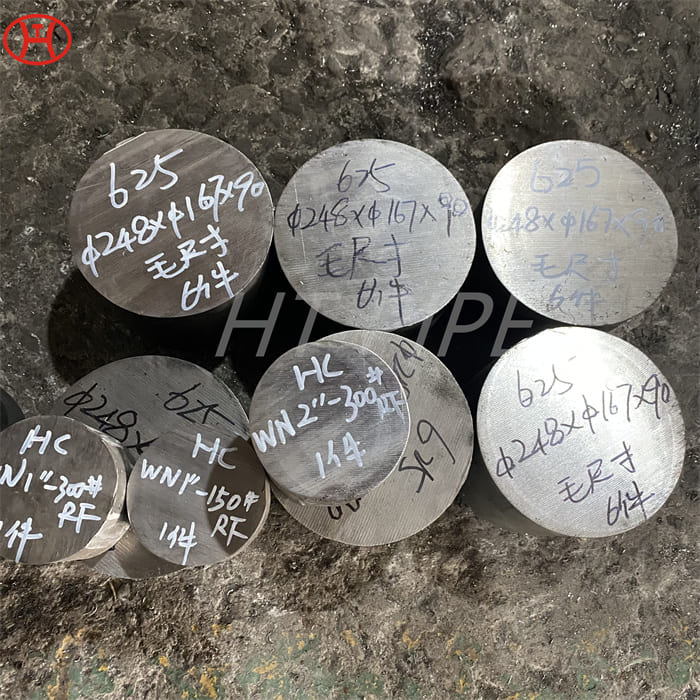
Nickel Alloy Inconel 625 | UNS# N06250 is a nickel-based superalloy with high strength properties, high temperature resistance, and significant oxidation and corrosion protection.
Nickel alloy Inconel 625 is commonly used in propeller blades, propulsion motors, submersible accessories, marine instruments and many other applications.
Alloy 625 (UNS N06625) can be used in round bar, flat bar, extruded section, tube, tube, plate, sheet, strip, plate, hexagon, forging, extruded section and wire. View stock listings, sheet stock listings or contact sales for more availability.
Inconel 625 bar is a heat resistant nickel based superalloy. The high strength of these bars makes them a difficult prospect for machines. Bars of this grade have a machinability rating of 17% and a hardness of 29 HRC.
It can be used in flue gas desulfurization systems due to its excellent resistance to sulfur compounds and chloride ions in most scrubbers.
Alloy C-276 has excellent resistance to pitting and stress corrosion cracking. It is also one of the few materials that can withstand the corrosive effects of wet chlorine, hypochlorite and chlorine dioxide.
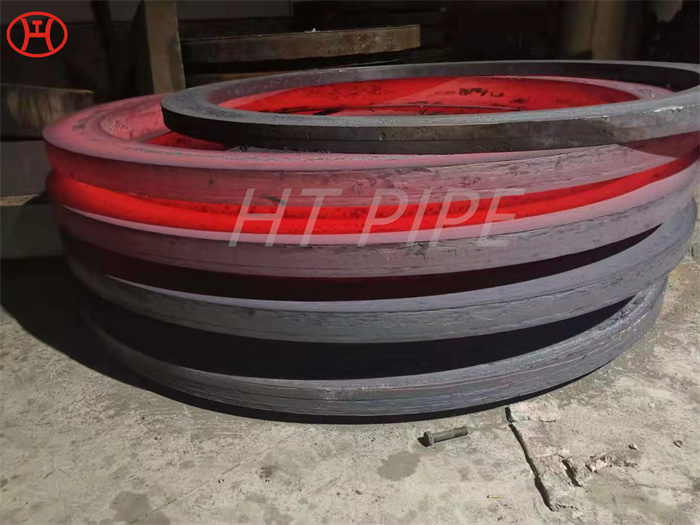
The alloy is forged between 2250/1750oF (1230/955oC) and then soaked at the forging temperature for 30 minutes per inch of billet or ingot section thickness. Forging should begin immediately, the billet is removed from the reheat furnace, a 25/40% reduction helps retain as much internal heat as possible. For optimum corrosion resistance, forged parts should be subsequently annealed. See Heat Treatment.
HASTELLOY(r) C276 can be formed by cold working using conventional techniques.
HASTELLOY(r) C276 is solution heat treated at 1121¡ãC (2050¡ãF) and then rapidly quenched. In the case of forging or hot forming, parts should be solution heat treated prior to use.
Welding of this alloy is similar to that of the C-22 alloy. Gas tungsten arc welding (GTAW) and shielded metal arc welding (SMAW) are commonly used to weld C-276 alloys.
It is recommended that the alloy be welded in the solution annealed condition with C-276 filler metal.
Like many other nickel alloys, it is ductile and easy to form and weld. This alloy is used in most industrial environments where corrosive chemical environments exist and other alloys fail.
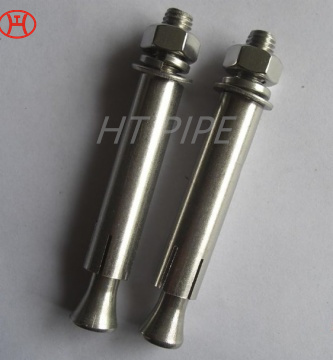
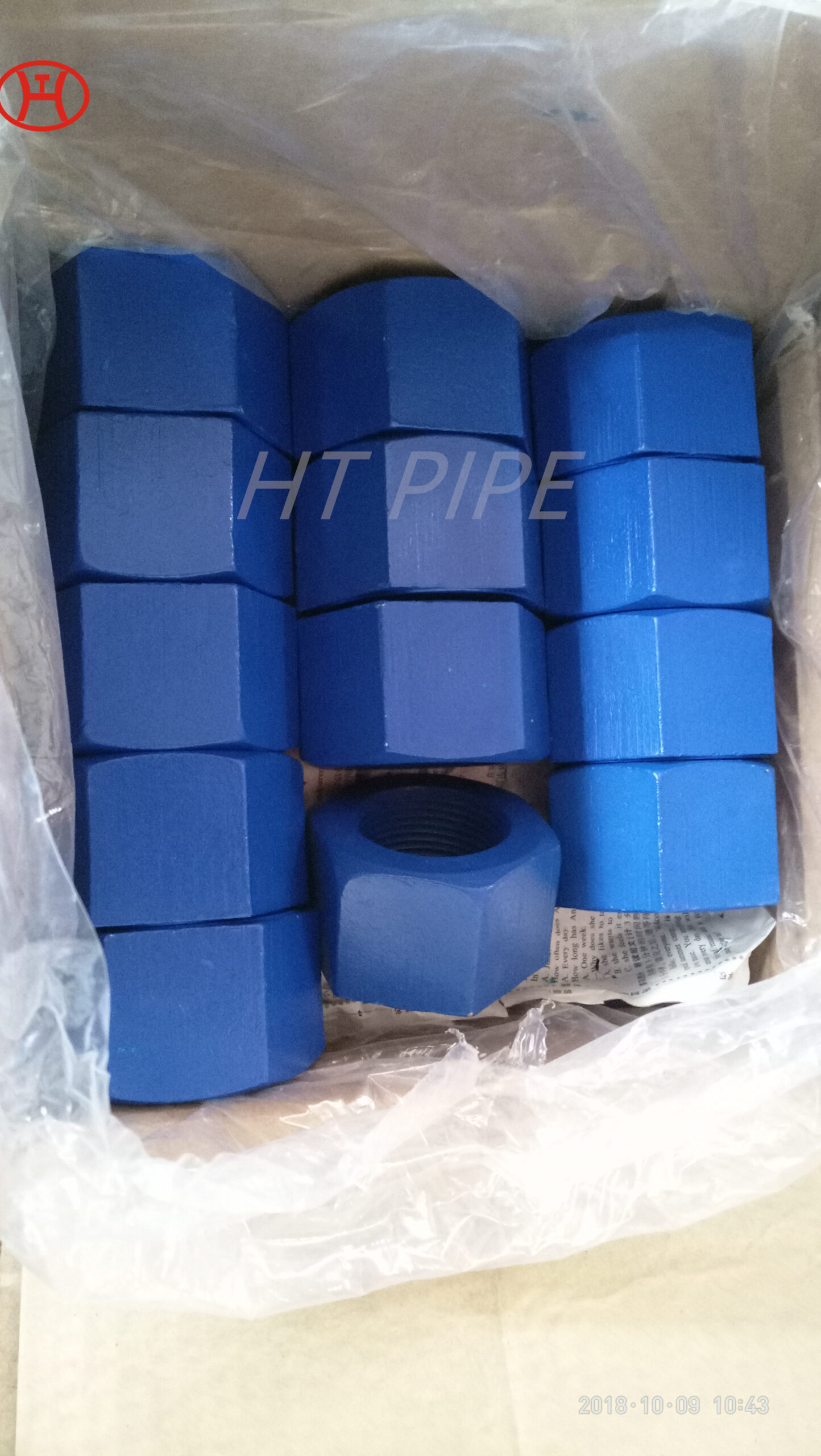
Nimonic 80 a (Alloy 80A) is one of the most popular superalloys specified for gas turbines. Nimonic 80A fasteners are often specified because of their ability to withstand very high temperatures. This makes Nimonic bolts and nuts ideal for use in aircraft parts and custom-designed gas turbine components, from turbine blade mounting to exhaust nozzles on jet engines, where Nimonic fasteners are exposed to very high levels of pressure and heat.
Monel 400 is resistant to steam and sea water as well as highly corrosive solutions such as sulfuric, hydrochloric and hydrofluoric acids after degassing. It has excellent solderability and can withstand very high pressure and weight. The alloy has excellent mechanical properties at sub-zero temperatures, with a melting point of 2370¡ã – 2460¡ã F, and the product can be used at temperatures up to 1000¡ã C.
Alloy C-276 is one of the most versatile corrosion-resistant alloys available today.
Alloy C276 is a nickel, chromium and molybdenum alloy. Hastelloy C276 is designed for excellent corrosion and oxidation resistance in a variety of environments. These alloys also show resistance to pitting and crevice corrosion.
Carbon Steel ASTM A105 Flanges Made of carbon or mild steel material. Carbon, manganese, phosphorus, sulfur and iron may be included in the material composition.
304 is chromium-nickel austenitic stainless steel. Better corrosion resistance than Type 302. High ductility, excellent drawing, forming and spinning properties. Inherently non-magnetic, it becomes slightly magnetic when cold worked. Low carbon content means less precipitation of carbides in the heat affected zone during welding and less susceptibility to intergranular corrosion.
Hastelloy C-276 alloy has excellent resistance to a variety of chemical process environments, including strong oxidizing agents (such as ferric chloride and cupric chloride), hot fouling media (organic and inorganic), chlorine, formic and acetic acid, acetic anhydride, and Seawater and brine solutions.
Stainless grade 316Ti contains a small amount of titanium. The titanium content is usually only around 0.5%. Titanium atoms stabilize the structure of 316 at temperatures in excess of 800¡ãC.
While 300 series stainless steels are very popular, they are not universally suitable for all process piping applications. For example, even though they are corrosion resistant, 300 series formulations do not perform well in the presence of chlorides. In these cases, steels with much higher alloy contents such as molybdenum, chromium and nickel are preferred.
Type 316 is much more resistant to sulfuric acid solutions than any other chromium-nickel type. Type 316 is resistant to acid concentrations up to 5% at temperatures up to 120¡ãF (49¡ãC). This type has excellent resistance to higher concentrations at temperatures below 100¡ã F (38¡ã C).