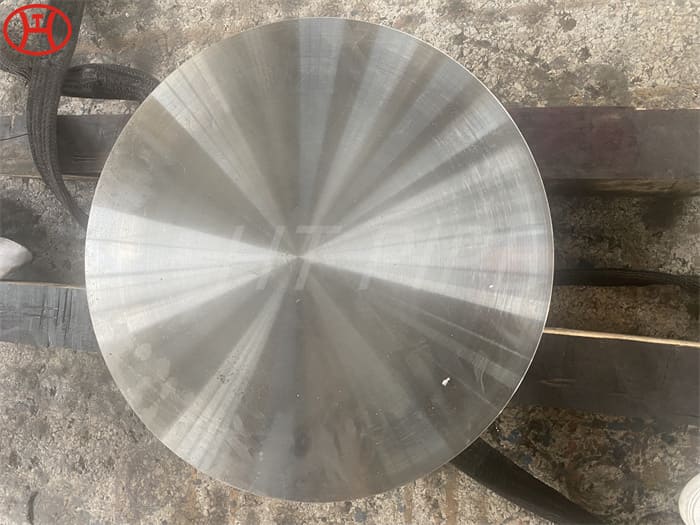
Because of its versatility, and because it is a standard engineering material for applications requiring corrosion and heat resistance, many different critical industries use Nickel Alloy 600 in their applications.
Alloy 600 is non-magnetic, has excellent mechanical properties and a combination of high strength and good machinability, and is easy to weld. Inconel 600 has the cold forming properties typically associated with chrome-nickel stainless steels.
Inconel ? 600 is a member of the Inconel family of superalloys. A standard engineering material, this versatile nickel-chromium alloy has high corrosion and heat resistance.
Alloy 600 also has excellent mechanical properties with high strength and good machinability.
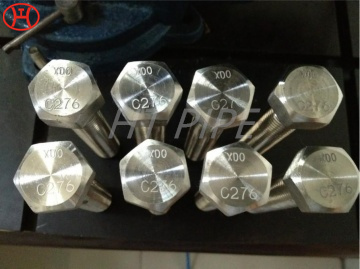
Alloy C276 is a Ni-Cr-Mo alloy containing W and very low carbon and Si content.
Hastelloy C276 material is designed with good mechanical properties. They have a minimum tensile strength of 601Mpa and a minimum yield strength of 204Mpa. This material makes the alloy easy to machine and elongate.
Hastelloy C276 has excellent resistance to pitting, oxidation and stress corrosion cracking environments. Hastelloy is an alloy mainly composed of nickel, molybdenum and chromium, which is known for its high corrosion resistance. Its ductility, flexibility, durability, and other properties make it one of the most popular alloys for industry and household use.
Alloy C-276 prevents the formation of grain boundary precipitates in the weld heat affected zone, making it useful in most welding conditions for chemical processes.
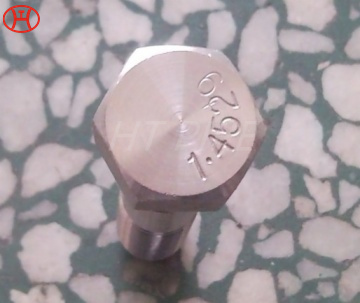
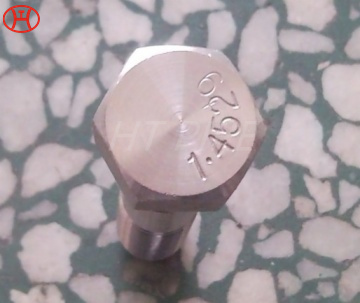
Stainless steel 1.4529 HCR is characterized by a high resistance to localized corrosion phenomena such as crevice corrosion, pitting corrosion or chlorine-induced stress corrosion cracking. It also exhibits excellent mechanical properties and can be used over a wide temperature range. It has excellent elasticity and abrasion resistance in contact with sulfuric or phosphoric acid, or chlorides and salts.
To make the structure and composition of stainless steel castings uniform, which is especially important for raw materials, because the casting temperature and cooling rate are not the same, resulting in inconsistent microstructure. With high temperatures, the atomic activity intensifies and the ¦Ò phase dissolves, and its chemical composition tends to be uniform. A uniform single-phase structure is obtained after cooling quickly .
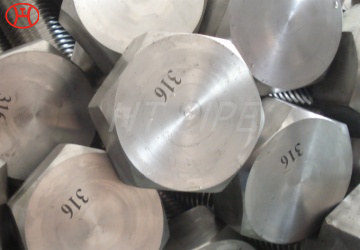
Grade 316 is the standard molybdenum-containing grade, second only to 304 in importance in austenitic stainless steels. Compared to 304, molybdenum imparts better overall corrosion resistance to 316, especially higher resistance to pitting and crevice corrosion in chloride environments.
To recover the inherent corrosion resistance of stainless steel castings. The corrosion resistance of stainless steel decreases after investment casting. The corrosion resistance of stainless steel castings recovered to the optimum state after solution treatment.
Duplex 2507 is a super duplex stainless steel containing 25% chromium, 4% molybdenum and 7% nickel. This alloy is designed for applications requiring excellent strength and corrosion resistance.
The solution annealing treatment is required prior age hardening / precipitation hardening. The single phase microstructure created during solution annealing is required prior to age hardening, such that only the precipitates formed during age hardening will be present in the final product. The composition, size, and quantities of those precipitates formed during aging will determine the final product’s hardness, strength, and mechanical properties after aging. It is critical that the structure be properly solution treated prior to aging in order to meet all of these requirements.
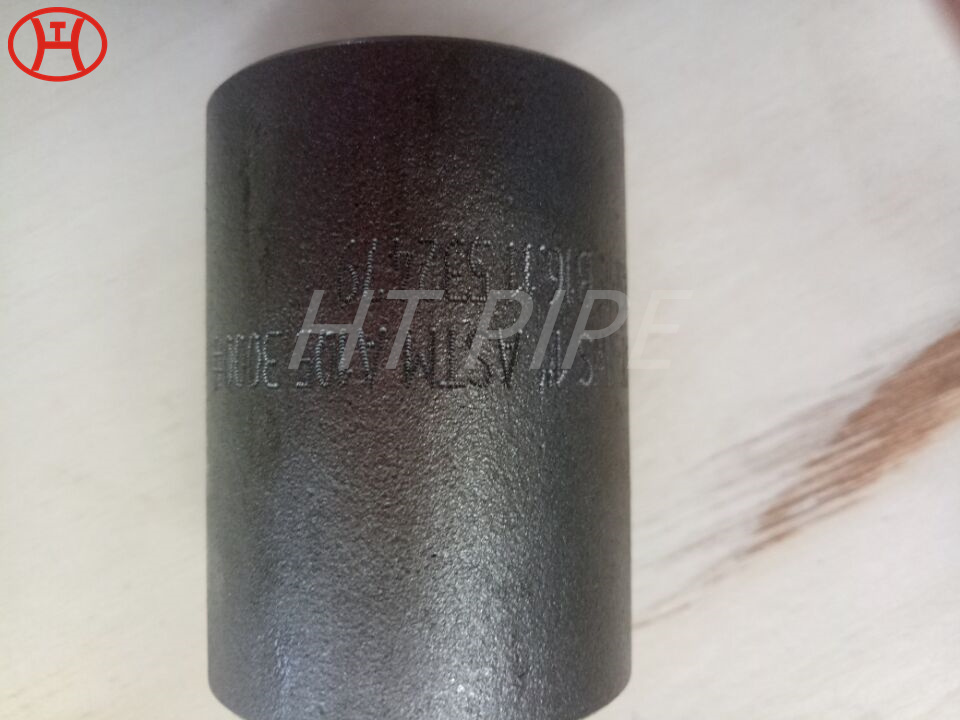
Carbon steel is a special type of steel that, as the name suggests, has a higher carbon content than other types of steel. Most types of steel have relatively low carbon content, around 0.05% to 0.3%. In comparison, carbon steel has a carbon content of up to 2.5%. Twenty and a half percent carbon may sound insignificant, but it brings several attractive benefits not found elsewhere.
2.4819 has very good resistance to pitting, crevice corrosion and stress corrosion cracking, C276 is worth mentioning for its excellent resistance to aggressive media under oxidizing and reducing conditions.
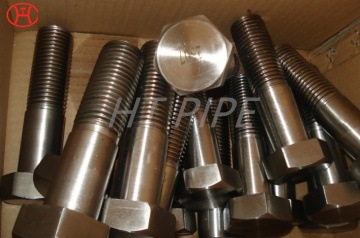
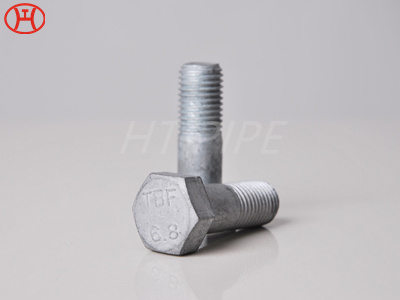
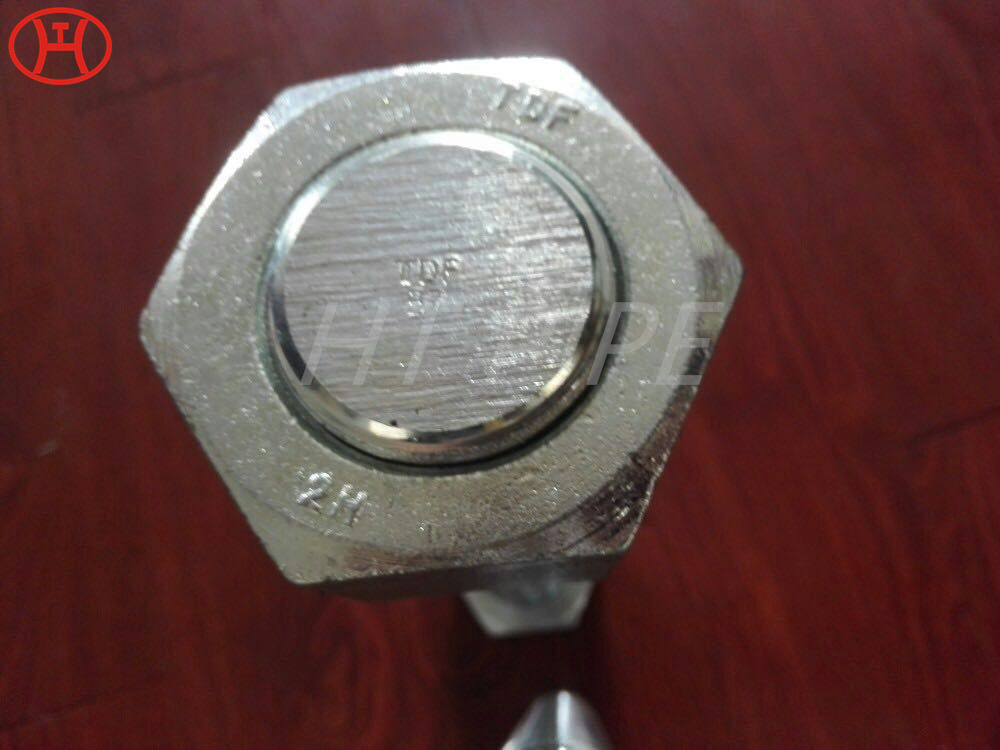
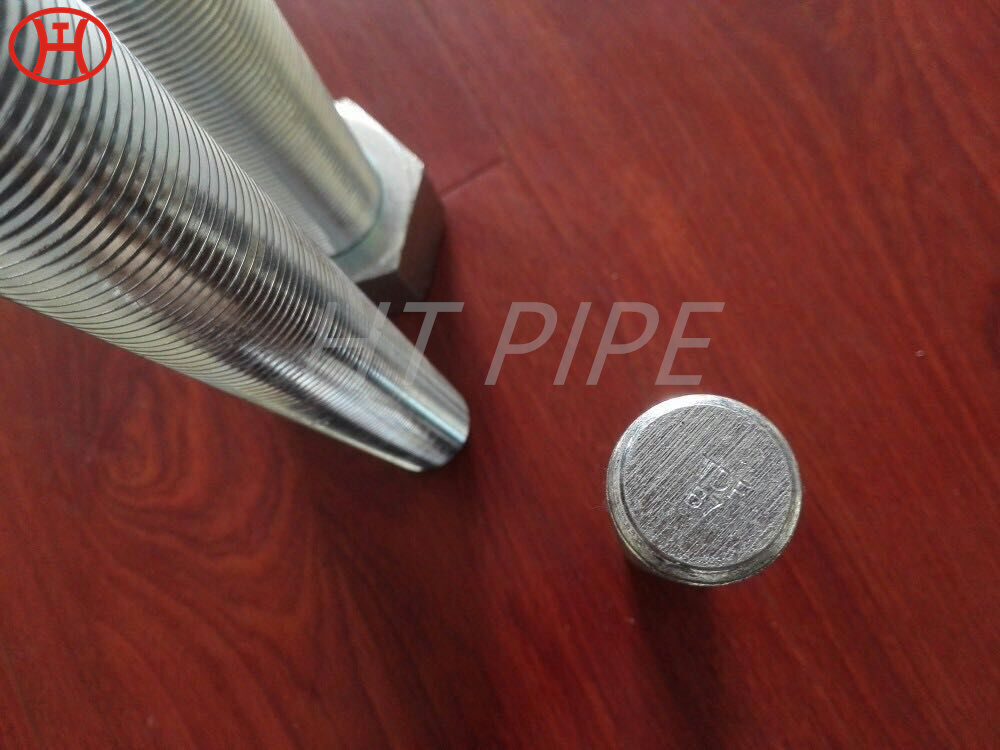
ASTM A193 Grade B7 specification covers the requirements for high strength alloy steel bolting materials for high temperature or high pressure service and other special purpose applications. It is a standard specification that defines typical chemical composition, mechanical properties, hardness requirements, preferential heat treatment, product marking, certification, and other requirements for bolted connections used in pressure vessel service, valves, flanges, and fittings. ASTM A193 defines SI (metric) and inch-pound units.
ASTM A193 B7 bolts are manufactured to meet numerous specifications and material design properties. More specifically, B7 alloy steel is a high temperature grade of A-193. B7 steel is also a chromium molybdenum steel with a minimum tensile strength of 125ksi.
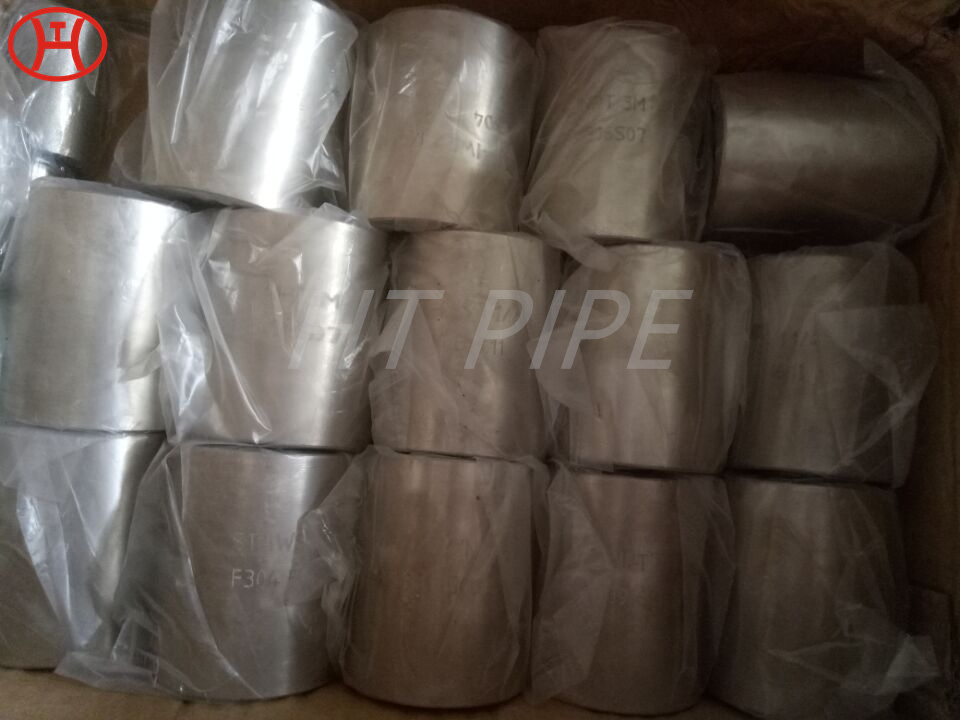
Stainless Steel 316 is a molybdenum austenitic alloy that is highly resistant to corrosive and chloride environments. Typically, this grade of stainless steel is used in exhaust manifolds, heat exchangers, jet engines and many other applications.
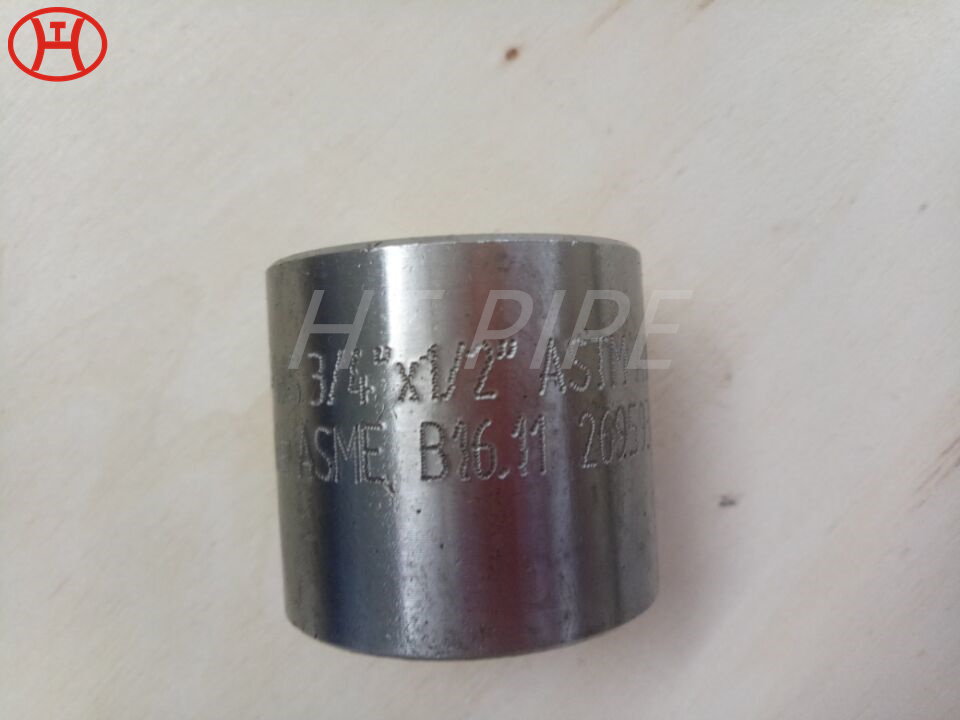
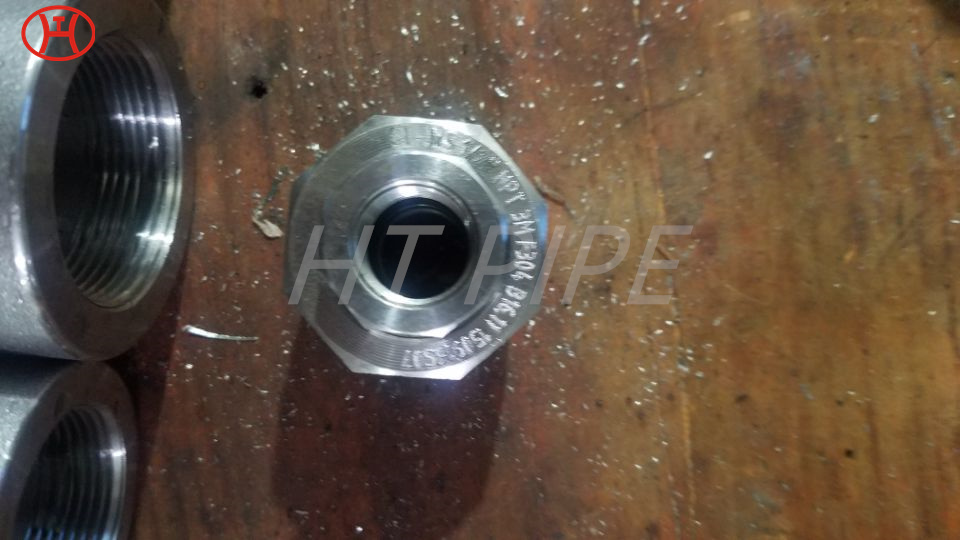
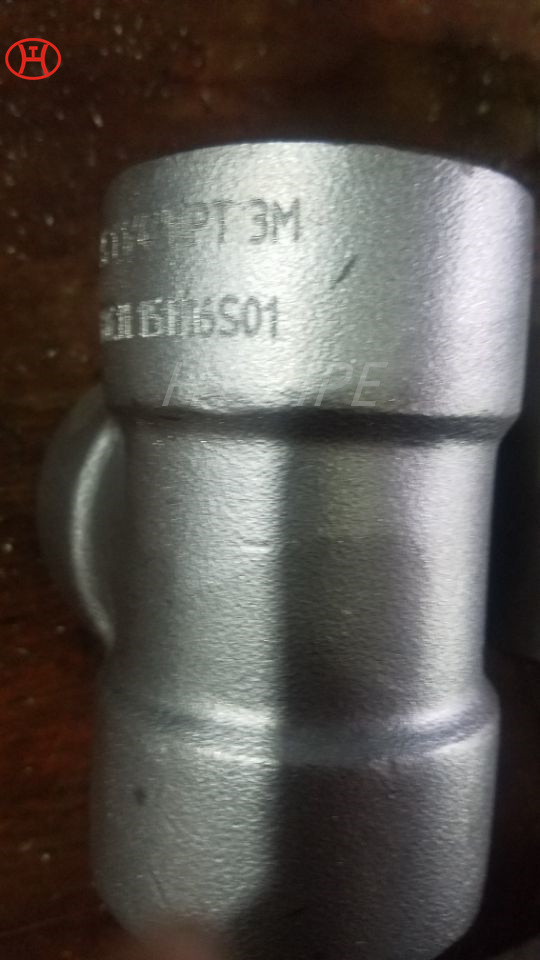
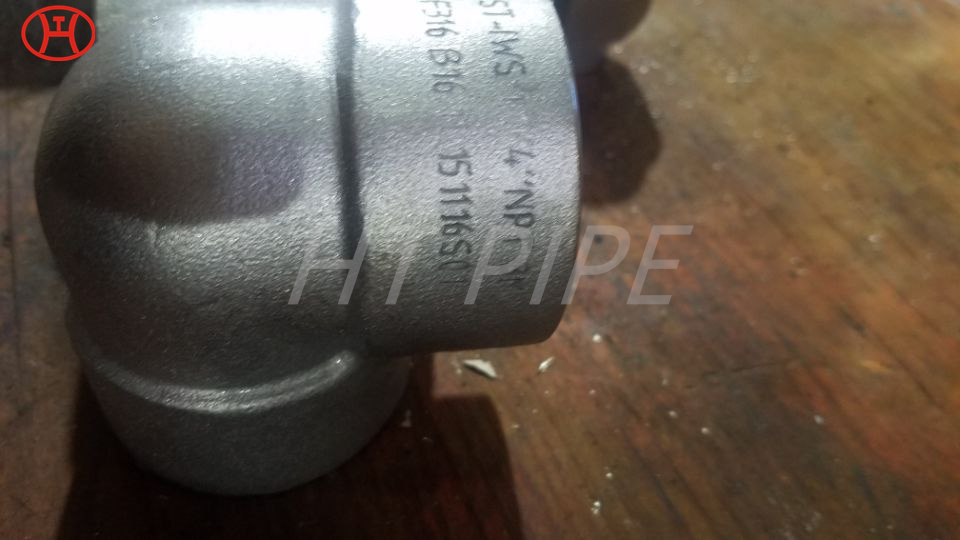
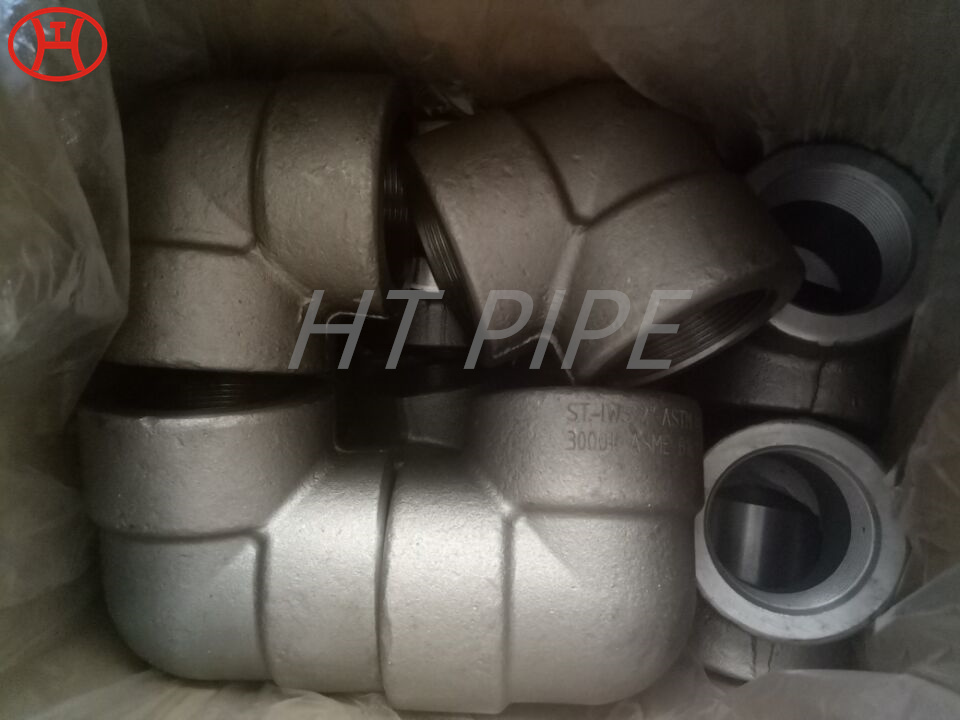
SS 316H Forged Tee is a short pipe with a transverse connection at right angles to the pipe. Mostly used to connect multiple pipes to one pipe with two outlets. Usually, they contain an entry. The SS 316 Forged Cross is used to combine or distribute flow by connecting pipes at cross joints and splitting the flow from each pipe.
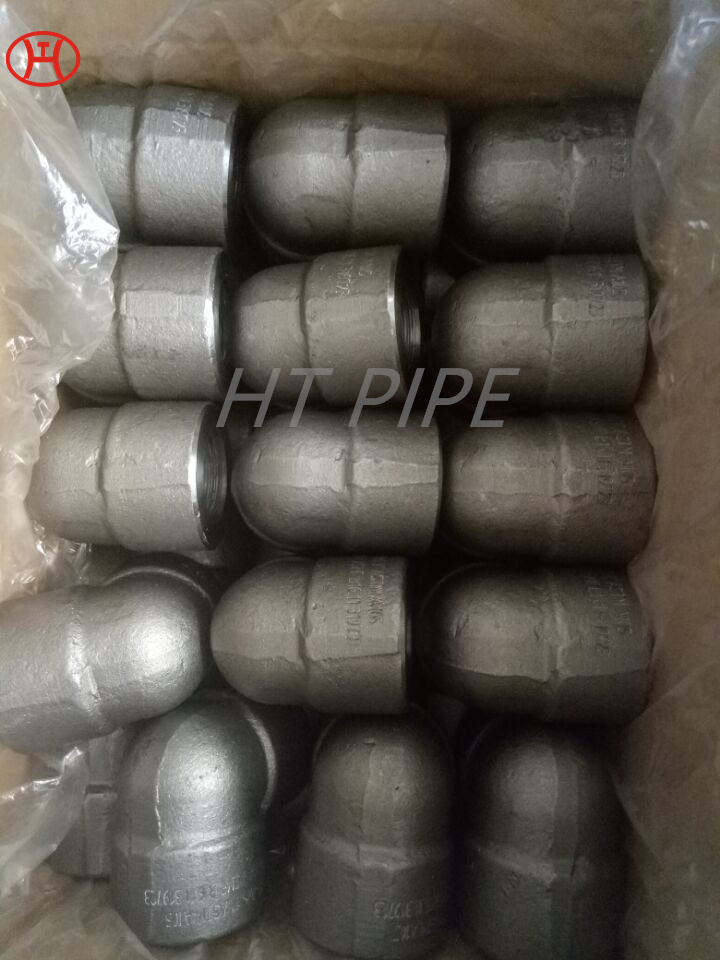
SS 316 forged pipe fittings are used to bend flow and connect two pipes to each other at different angles. They must be designed in such a way that they do not cause cavitation and excessive pressure loss.
Annealing is a heat treatment process which alters the microstructure of a material to change its mechanical or electrical properties. Typically, in steels, annealing is used to reduce hardness, increase ductility and help eliminate internal stresses.
Annealing is a heat treatment process mainly used to increase the ductility and reduce the hardness of the material. This change in hardness and ductility is the result of the reduction of dislocations in the crystal structure of the annealed material. Annealing is usually done after the material has undergone a hardening or cold working process to prevent its brittle failure or to make it easier to handle later.
Annealing is a specific process of heat treatment that alters the properties of metal. While there are many different types of heat treatment, annealing is popular because it increases ductability and reduces hardness.
Heat treatment services for stainless steel and metal alloys Solution annealing (also referred to as solution treating) is a common heat-treatment process for many different families of metals. Stainless steels, aluminum alloys, nickel-based superalloys, titanium alloys, and some copper-based alloys all may require solution annealing.
Solution heat treatment and annealing are common methods for heat treatment of non-ferrous metals. In my last article, I looked at the heat treatment process for ferrous metals like steel. Today you will learn about the following heat treatment processes, including solution heat treatment and annealing. You will also learn about precipitation hardening, nitriding, cold working, decarburization.
The austenitic stainless steel 6Mo was developed on the basis of alloy 904l/1.4539. However, the molybdenum content at 6Mo is increased to 6.5%. 6Mo has excellent general corrosion resistance and improved pitting and crevice corrosion resistance. Resistance to stress corrosion cracking is also improved. It is often referred to as super austenitic stainless steel.
Solution treatment is the most common heat treatment method after stainless steel casting process. The carbide phase is completely or substantially dissolved after the austenitic stainless steel is heated to about 1100 ¡ãC .
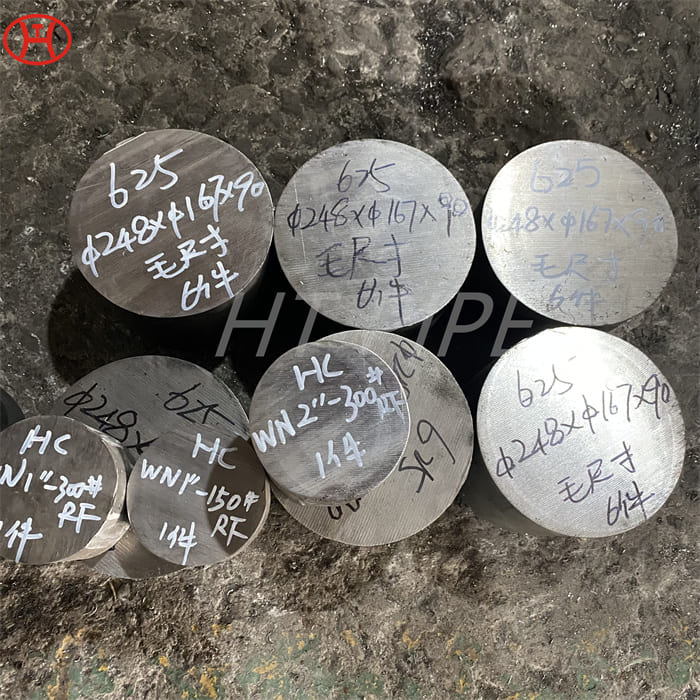
Nickel alloy Inconel 625 is commonly used in propeller blades, propulsion motors, submersible accessories, marine instruments and many other applications.
Alloy 625 (UNS N06625) can be used in round bar, flat bar, extruded section, tube, tube, plate, sheet, strip, plate, hexagon, forging, extruded section and wire. View stock listings, sheet stock listings or contact sales for more availability.
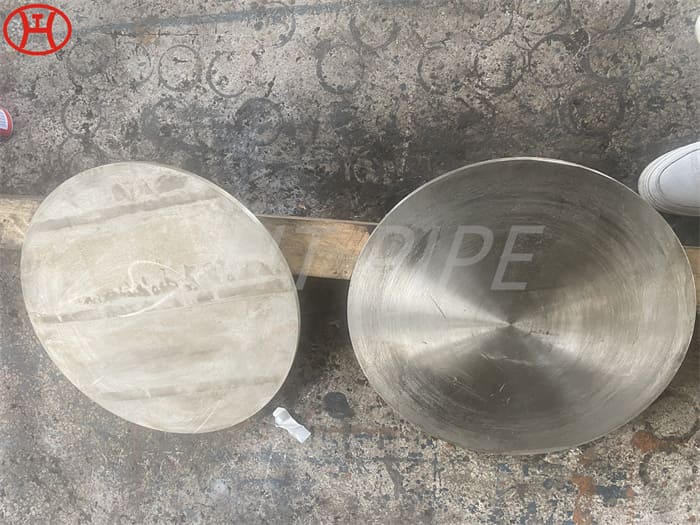
Inconel 625 bar is a heat resistant nickel based superalloy. The high strength of these bars makes them a difficult prospect for machines. Bars of this grade have a machinability rating of 17% and a hardness of 29 HRC.