Inconel 625 also commonly goes by the names: Haynes 625, Altemp 625, Nickelvac 625, and Nicrofer 6020.
The unique combination of its components makes Inconel 625 highly resistant to corrosive substances.
The alloy matrix is strengthened by the interaction of niobium with molybdenum that offers high strength without the need for precipitation-hardening treatment.
The tensile strength of this superalloy is 690 MPa, while its yield strength measures 275 MPa.
This superalloy is composed mainly of nickel (58% min.) followed by chromium, and molybdenum, niobium, iron, tantalum, cobalt, and trace amounts of manganese, silicon, aluminium, and titanium.
Upon exposure to oxidising agents, Inconel 625 is protected naturally by its nickel-chromium matrix.
The strength of Inconel 625 lies not only in its nickel-chromium base but also the hardening mechanism of niobium and molybdenum.
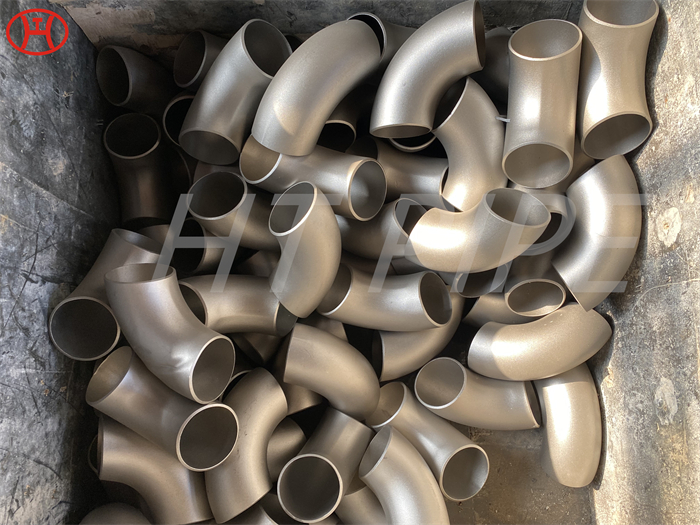
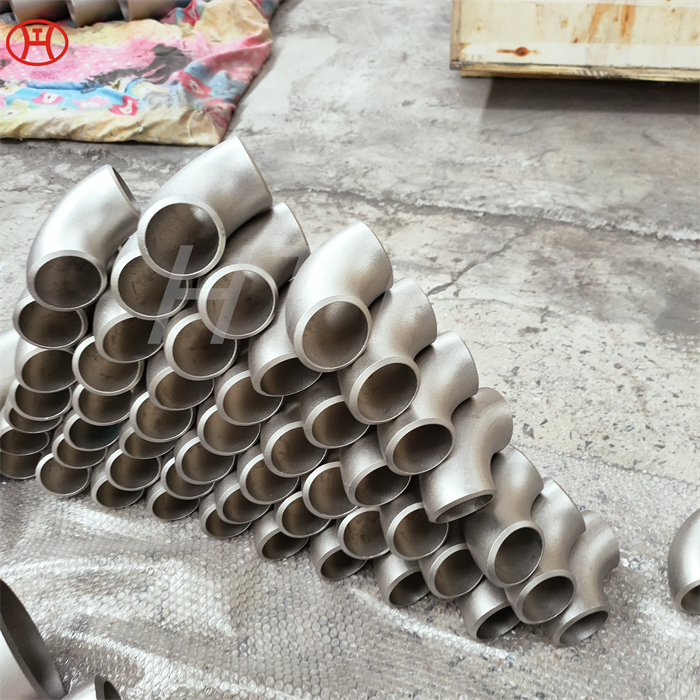
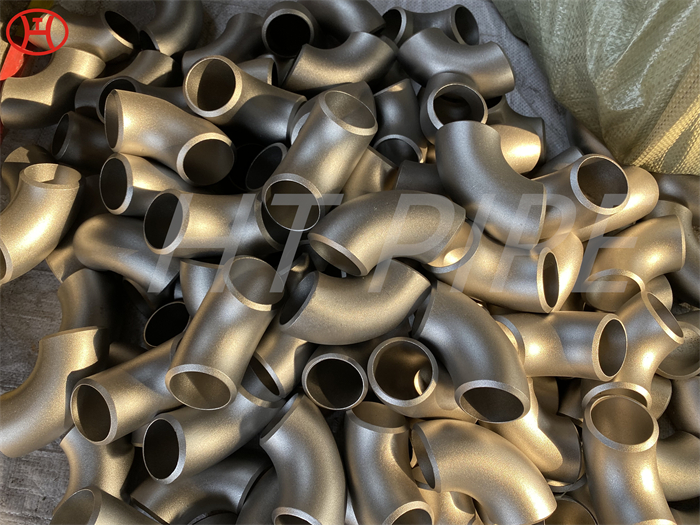
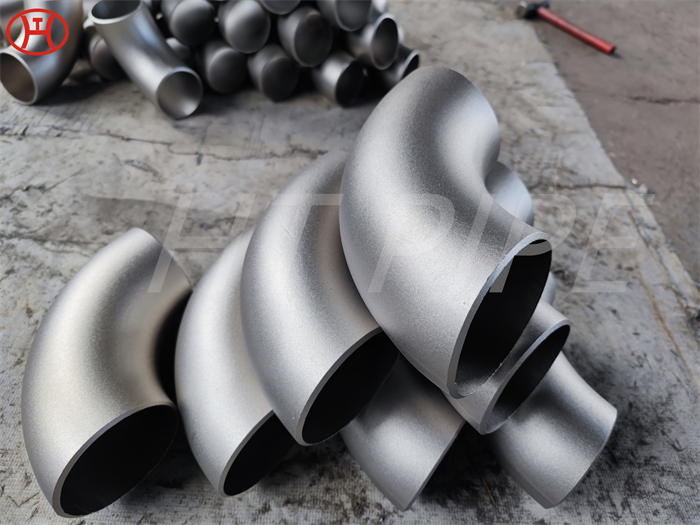
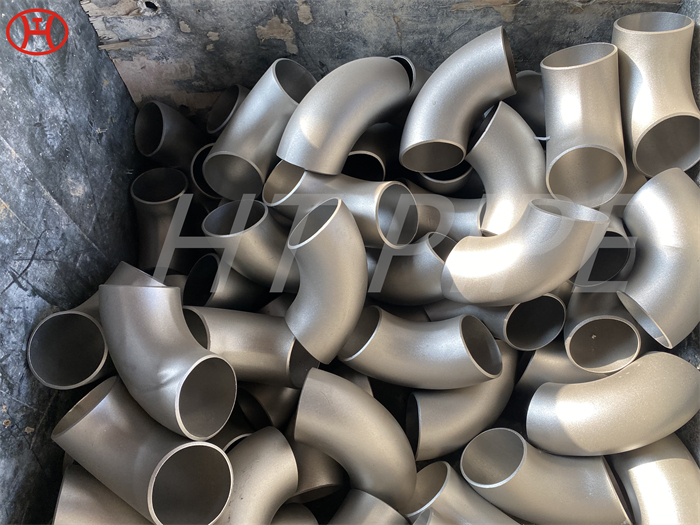
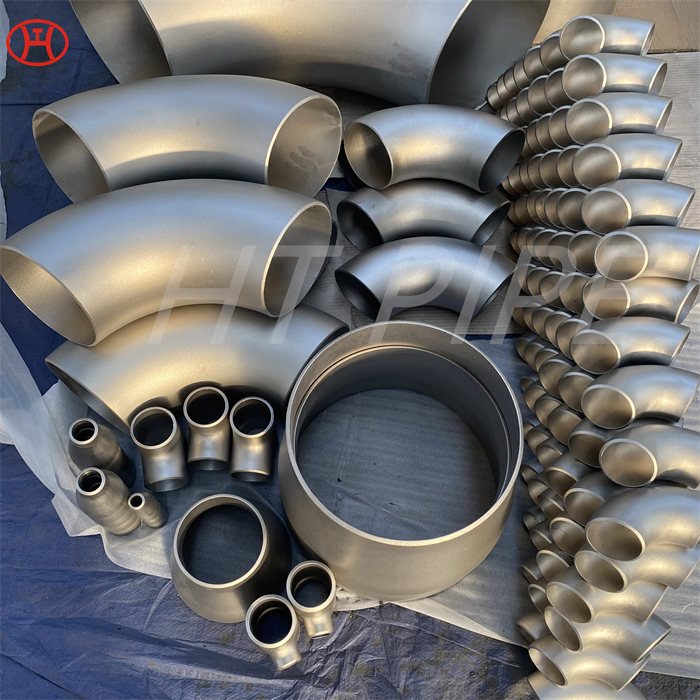
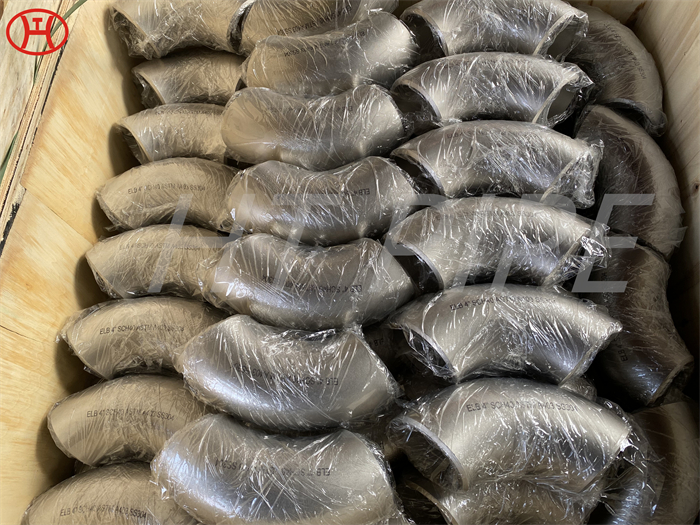
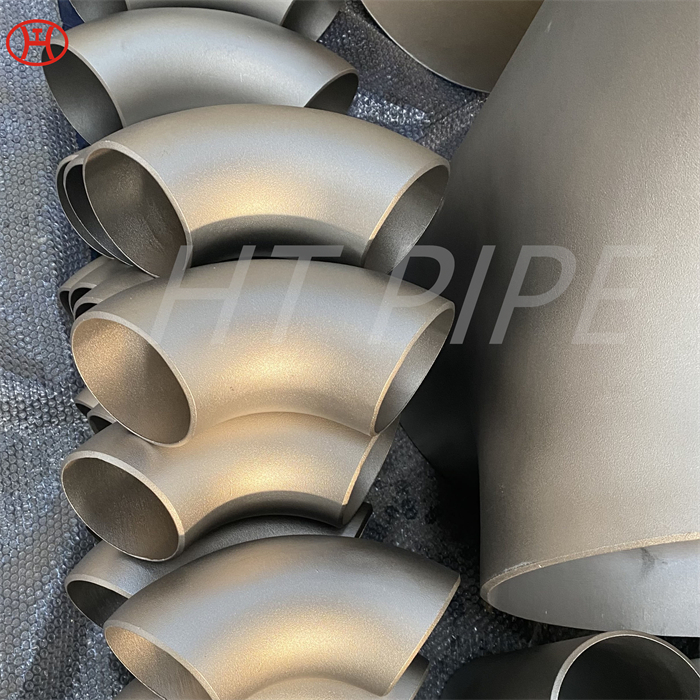
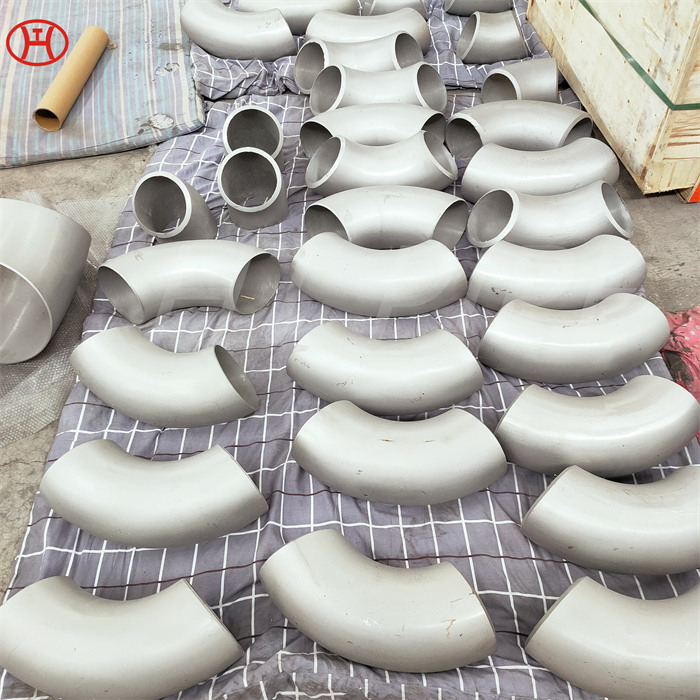
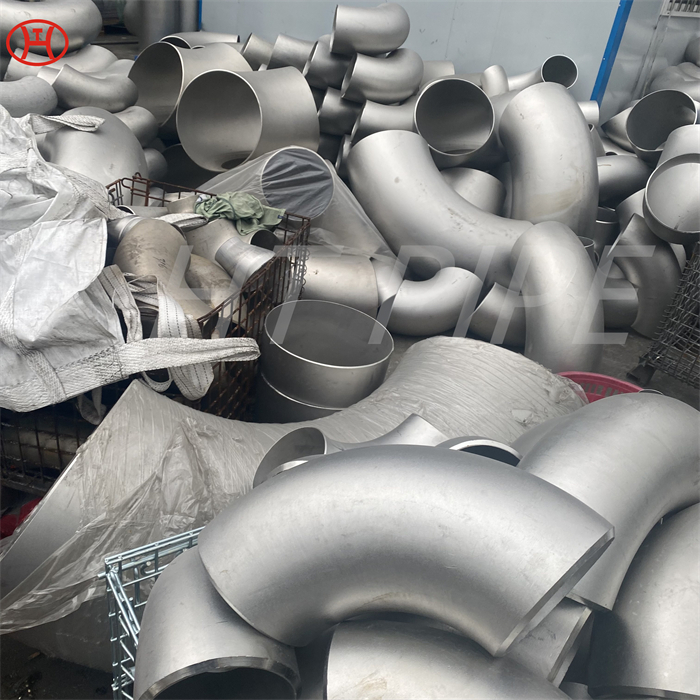
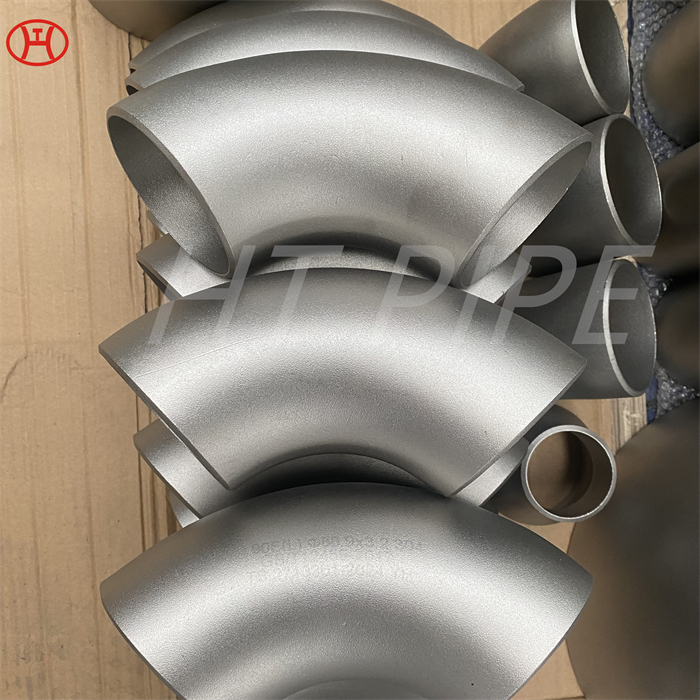
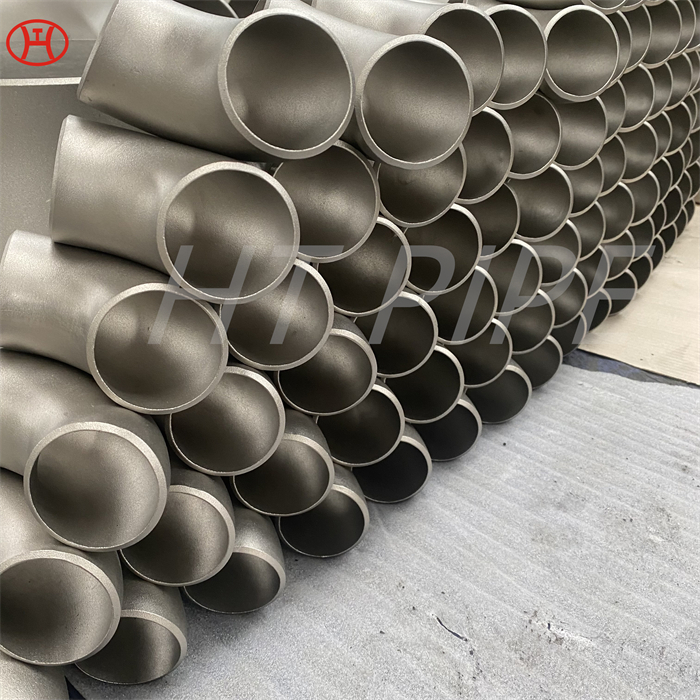
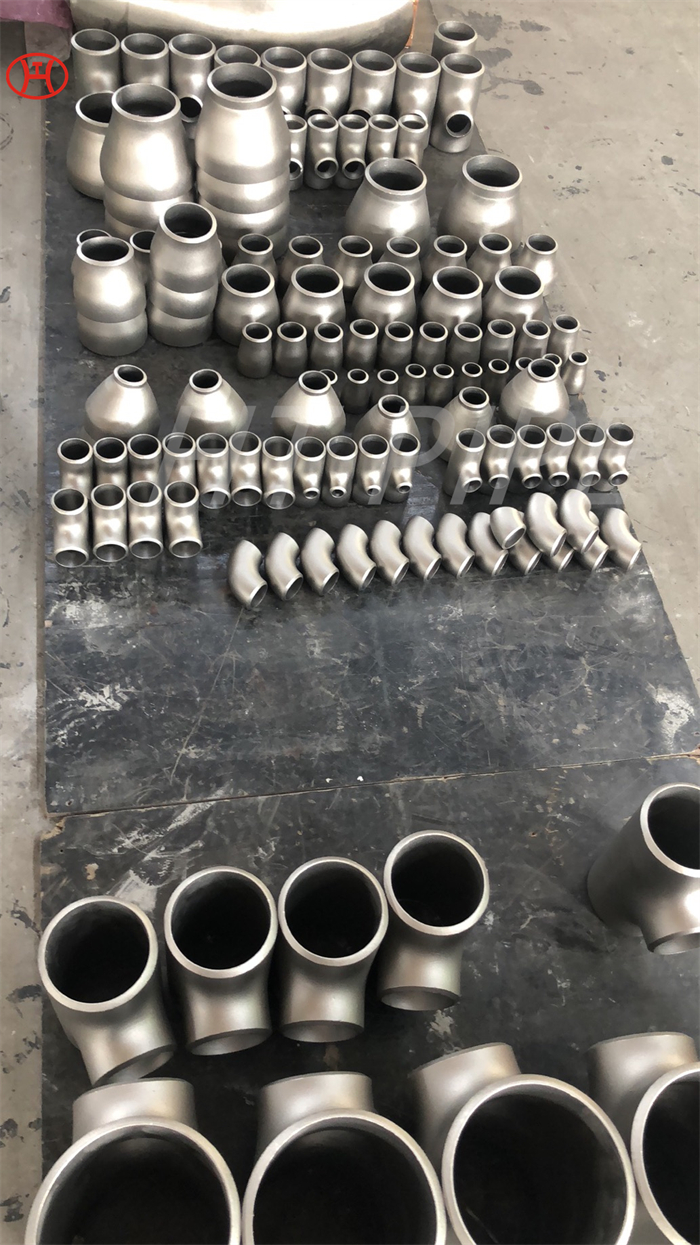
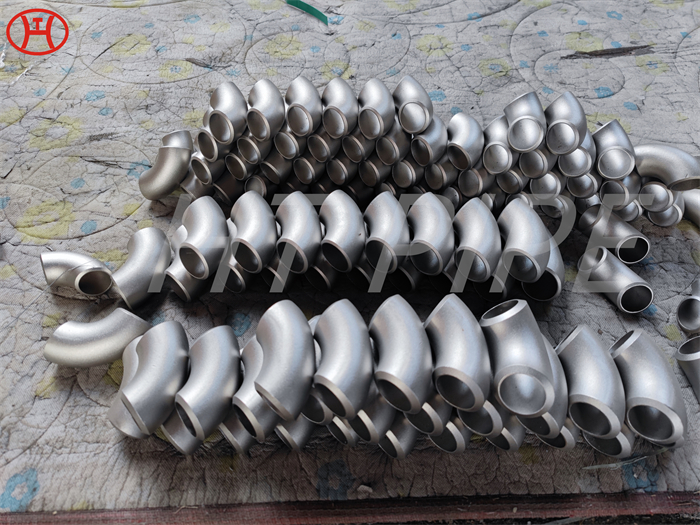
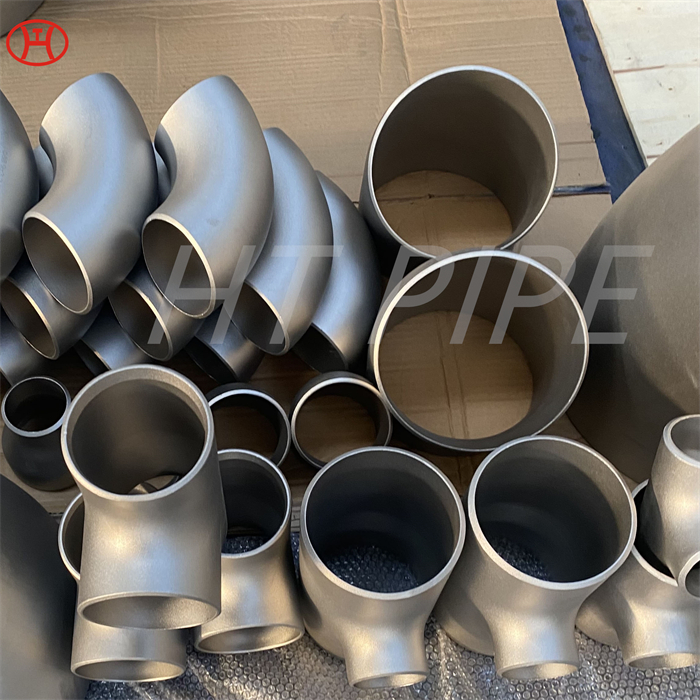
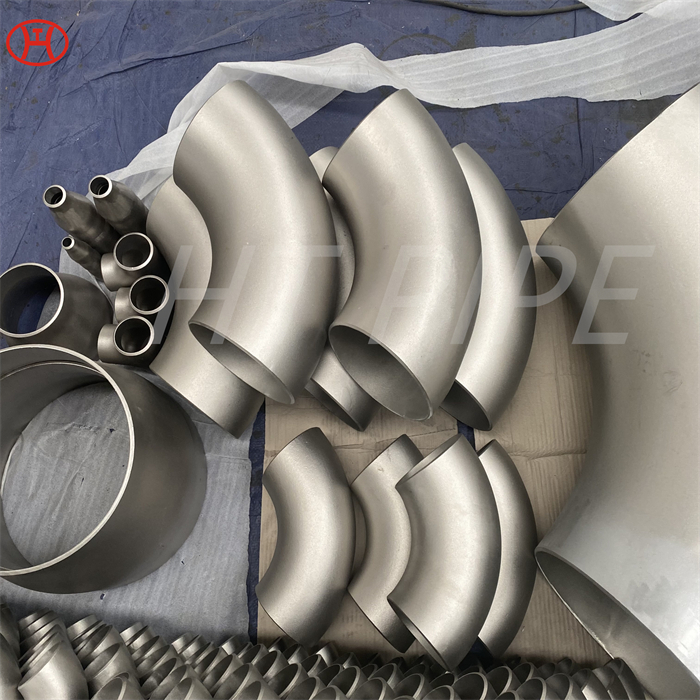
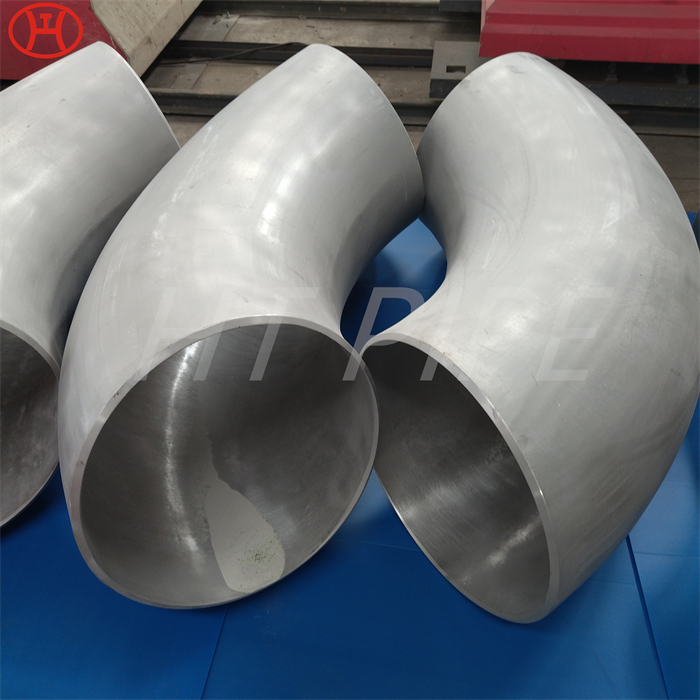
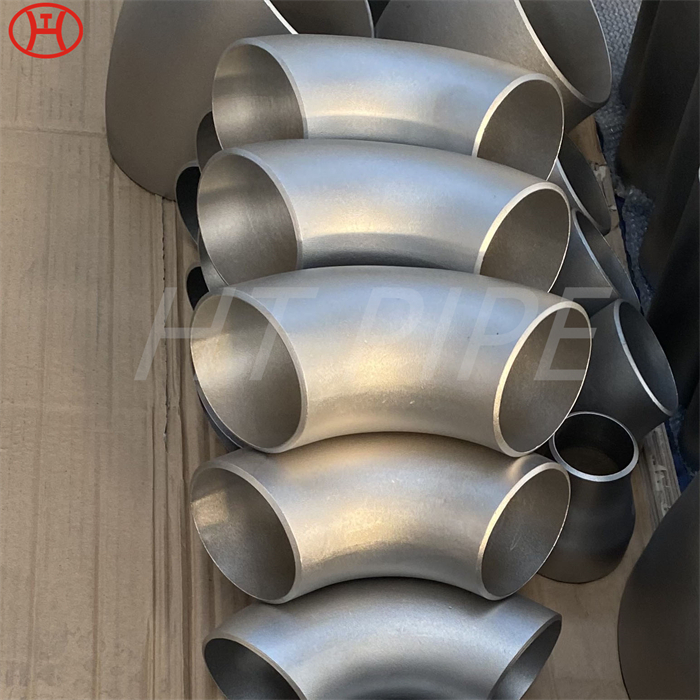
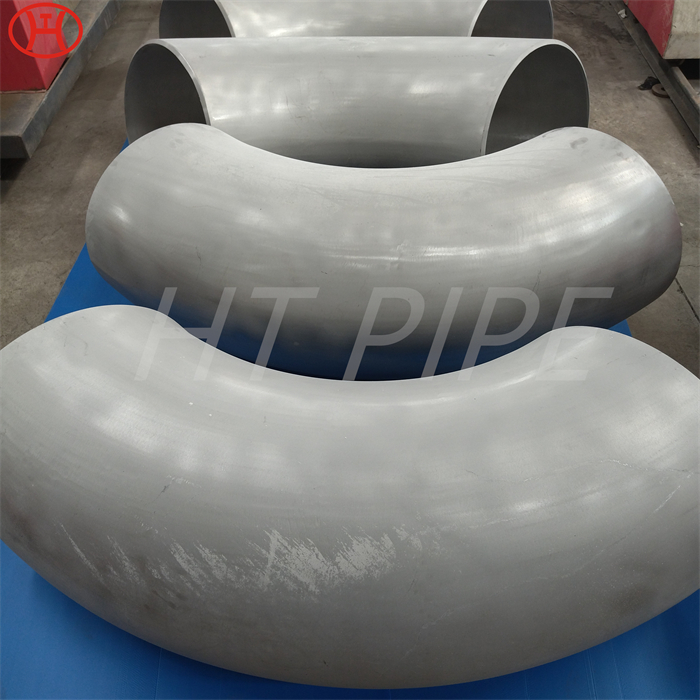
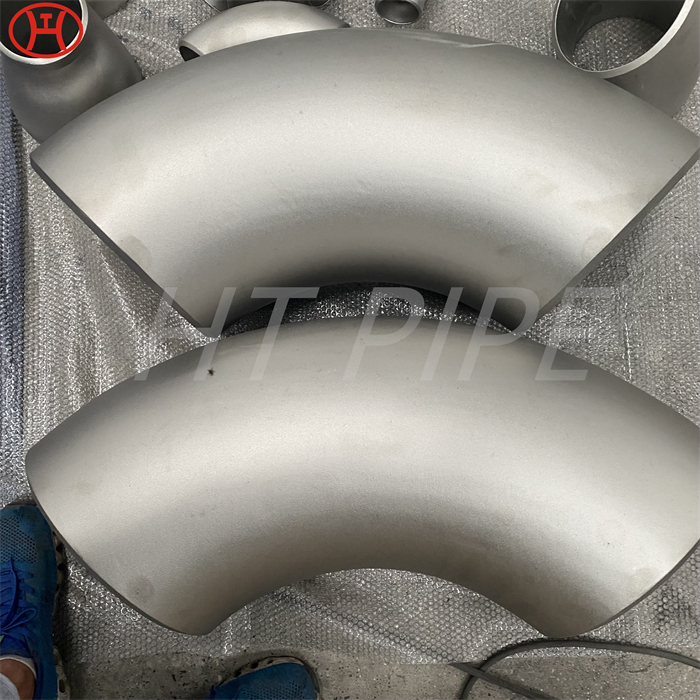
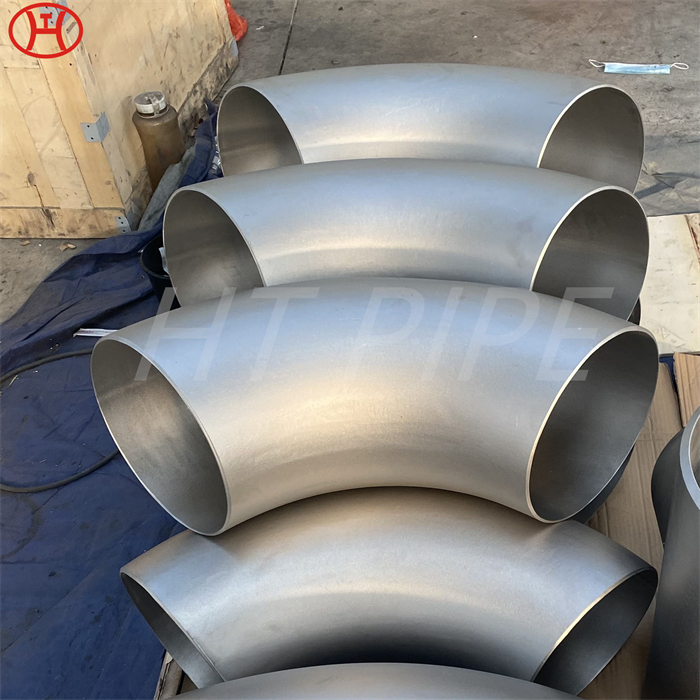
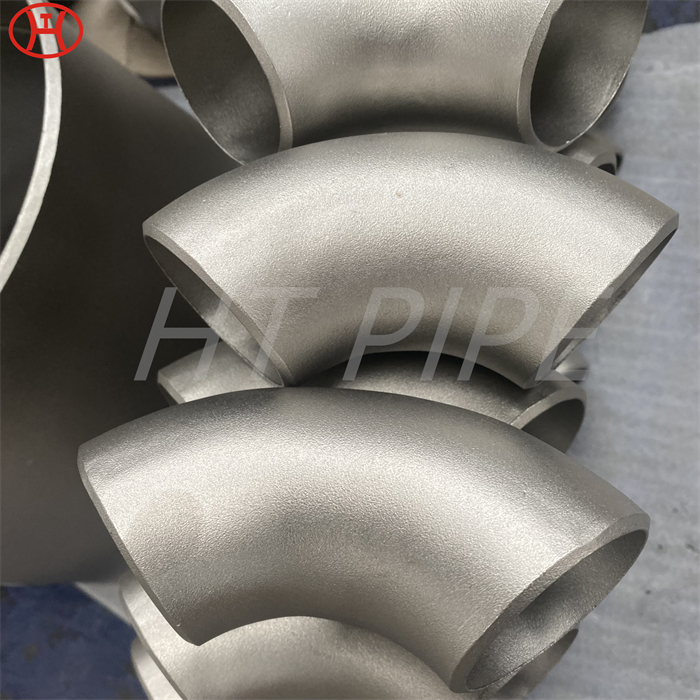
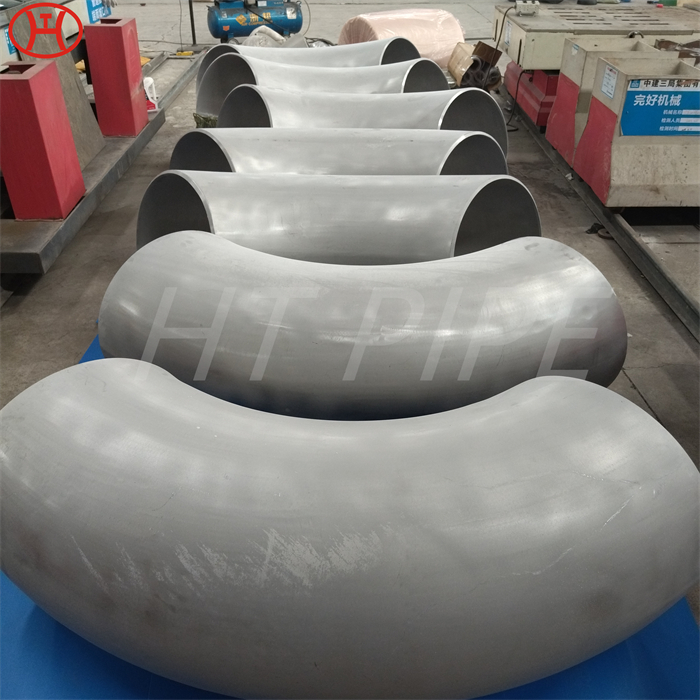
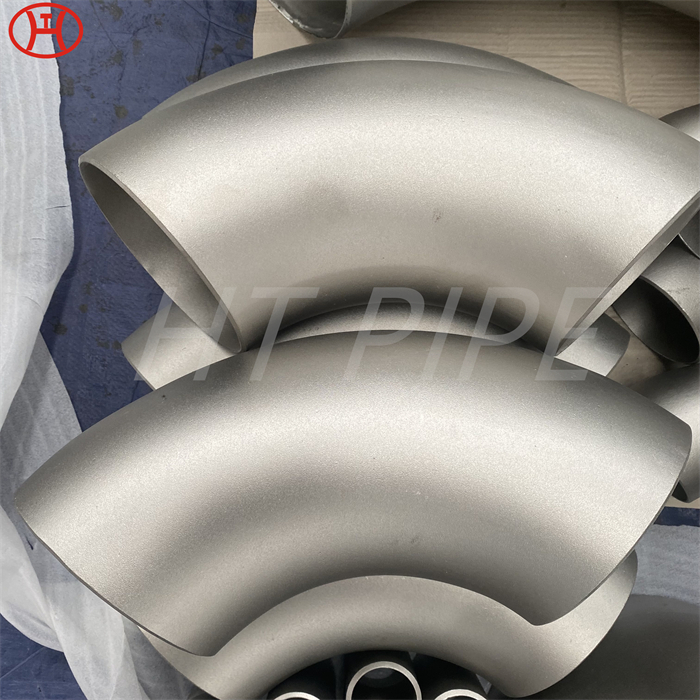
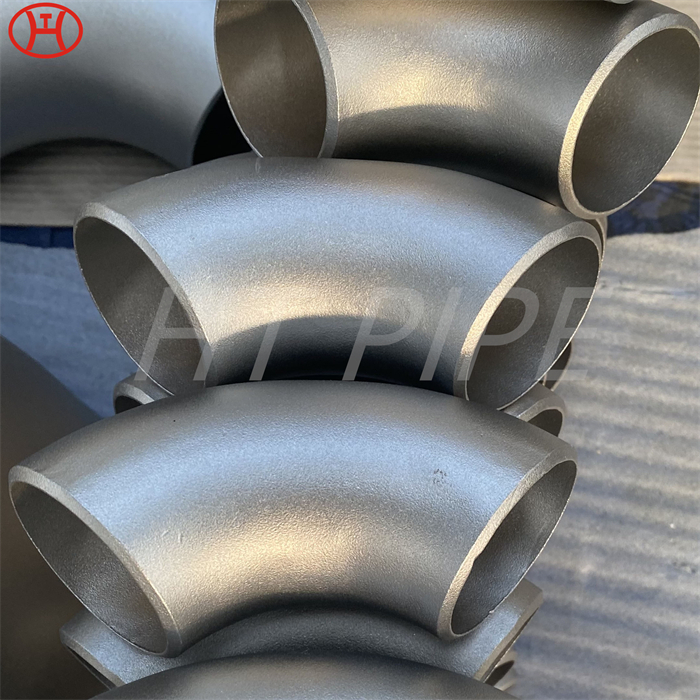
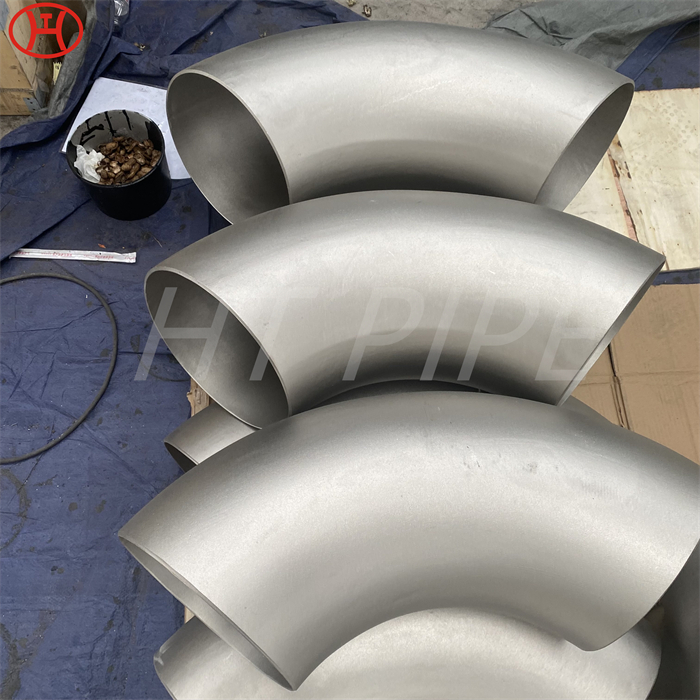
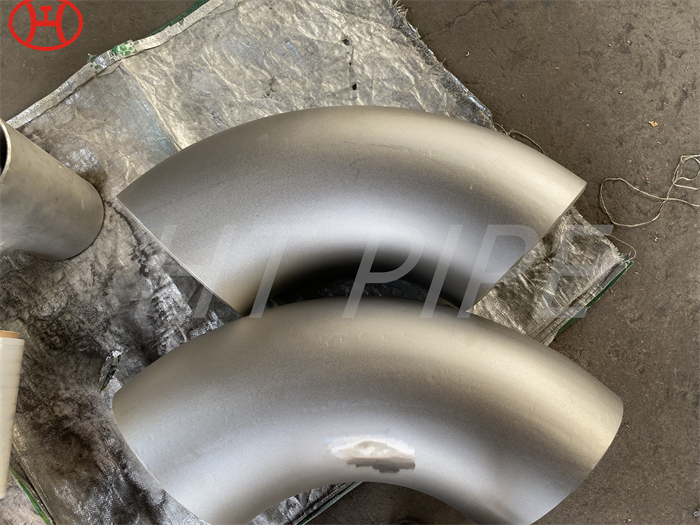
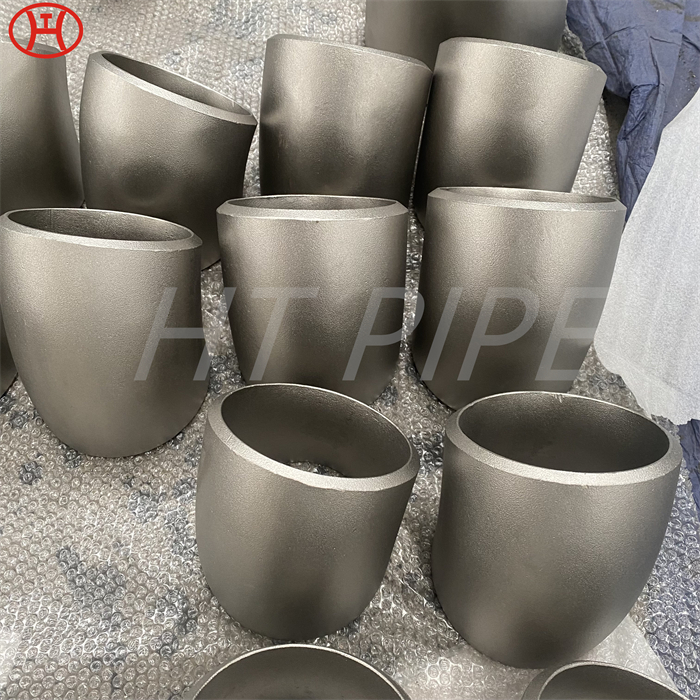
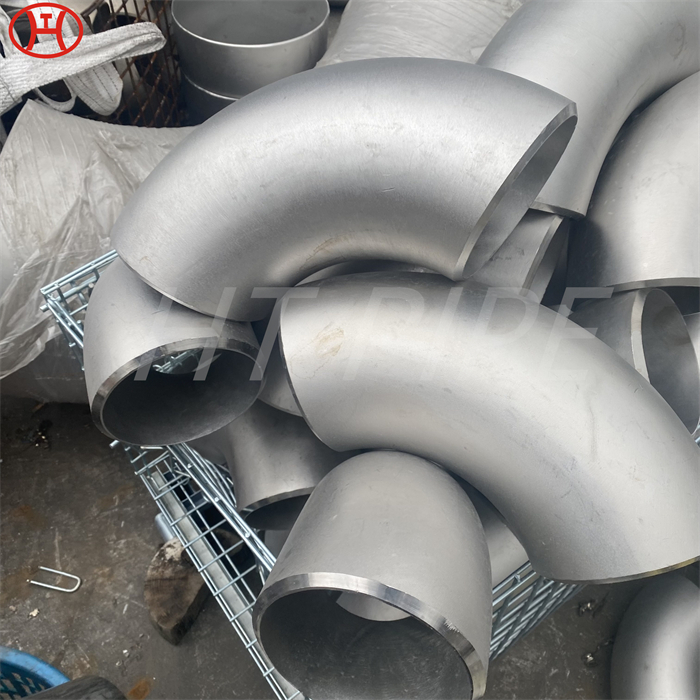
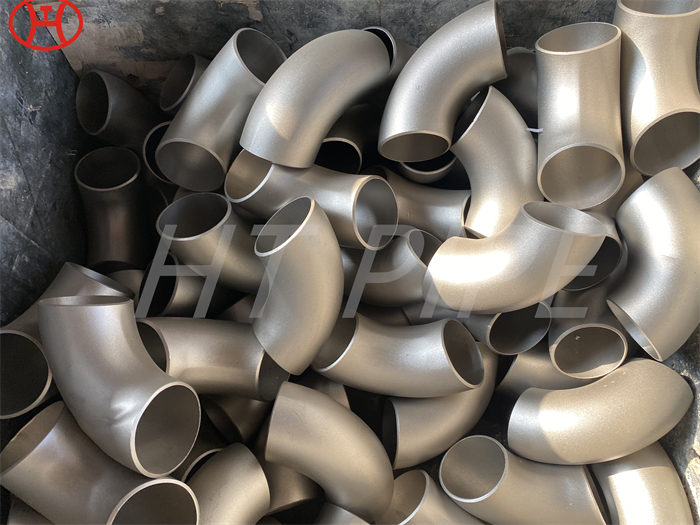
The high creep resistance and yield strength of Inconel 625 elbow make this superalloy a good choice for tubes, piping, and plant equipment that require welding.
At high temperatures in the presence of oxidising agents, the titanium and niobium compositions of the oxide film on Inconel 625 increase drastically to form a natural protective layer in the material.
Its strength as well as its resistance to corrosion and stress make Inconel 625 elbow a suitable component of nuclear reactors, particularly in the control rod and reactor core.
Inconel 625 elbow has also found its way into the aircraft industry, particularly for exhaust equipment, fuel lines, heat exchanger casings, and rocket components.
Owing to its high corrosion resistance– especially pitting and crevice resistance, Inconel 625 is an ideal for high saline, underwater applications.
Nuclear systems also generally involve high temperatures beyond 650¡ãC, in which the strength of Inconel 625 elbow can withstand.
Superalloy 625 elbow works excellently under high saline seawater, and more so in milder environments such as fresh water and standard atmospheric conditions.
A standard AMS 5666 or UNS N06625 variant of Inconel 625 may contain 58% nickel, 22% chromium, and 3.5% niobium.
Inconel 625 elbow works well even in extreme temperatures under high stress.
The alloy also has excellent mechanical properties and presents the desirable combination of high strength and good workability.
Its high nickel content, a minimum of Ni 72%, combined with its chromium content, provides users of Nickel Alloy 600 a number of benefits including: Good oxidation resistance at high temperatures, Corrosion resistance to both organic and inorganic compounds and Resistance to chloride-ion stress corrosion cracking.
INCONEL Alloy 600 (UNS N06600 W.Nr. 2.4816) is a standard engineering material for applications which require resistance to corrosion and heat.
From the perspective of composition, the high nickel content of INCONEL 600 alloy makes the alloy resistant to corrosion of many organic and inorganic compounds, and makes it almost immune to chloride ion stress corrosion cracking; chromium imparts resistance to sulfur compounds, and in Provides anti-oxidation conditions in high temperature or corrosive solutions.
Nickel Alloy 600, also sold under the brand name Inconel 600. It is a unique nickel-chromium alloy that is known for its oxidation resistance at higher temperatures.
Nickel Alloy 600 works well with most alkaline solutions and sulfur compounds and also provides lower rate of attack from chlorine or hydrogen chloride.
Inconel Alloy 600 is designated as UNS N06600 and Werkstoff Number 2.4816.
Alloy 600 is an superior choice for Nuclear reactor vessels and heat exchanger tubing, Chemical processing equipment, Heat treat furnace components and fixtures, Gas turbine components including jet engines and Electronic parts.
The versatility of INCONEL alloy 600 has led to its use in a variety of applications involving temperatures from cryogenic to above 2000¡ãF (1095¡ãC).
Nickel alloys are used in applications involving elevated temperatures, corrosion , or both. Chemical processing equipment relies on the corrosion performance over a wide range of environments.
The high nickel content gives the alloy resistance to corrosion by many organic and inorganic compounds and also makes it virtually immune to chloride-ion stress-corrosion cracking.
Nickel Alloy 600 is a solid solution of its elements and cannot be strengthened by heat treatment. Cold working will result in increased strength. Heat treatment can remove any undesirable effects of cold work.
In oxidizing conditions, INCONEL 600 has better corrosion resistance than Alloy 200 and Alloy 201.
Controlled chemical composition limits are applied in the nuclear industry to eliminate the risk of stress corrosion cracking by high purity water containing chloride ions.