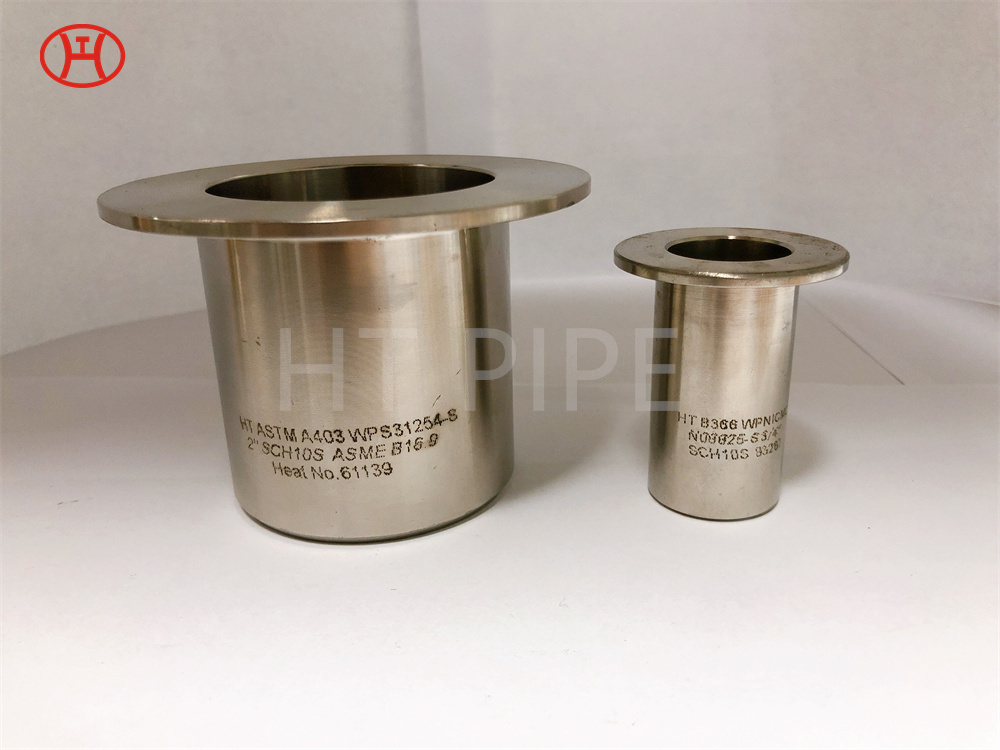
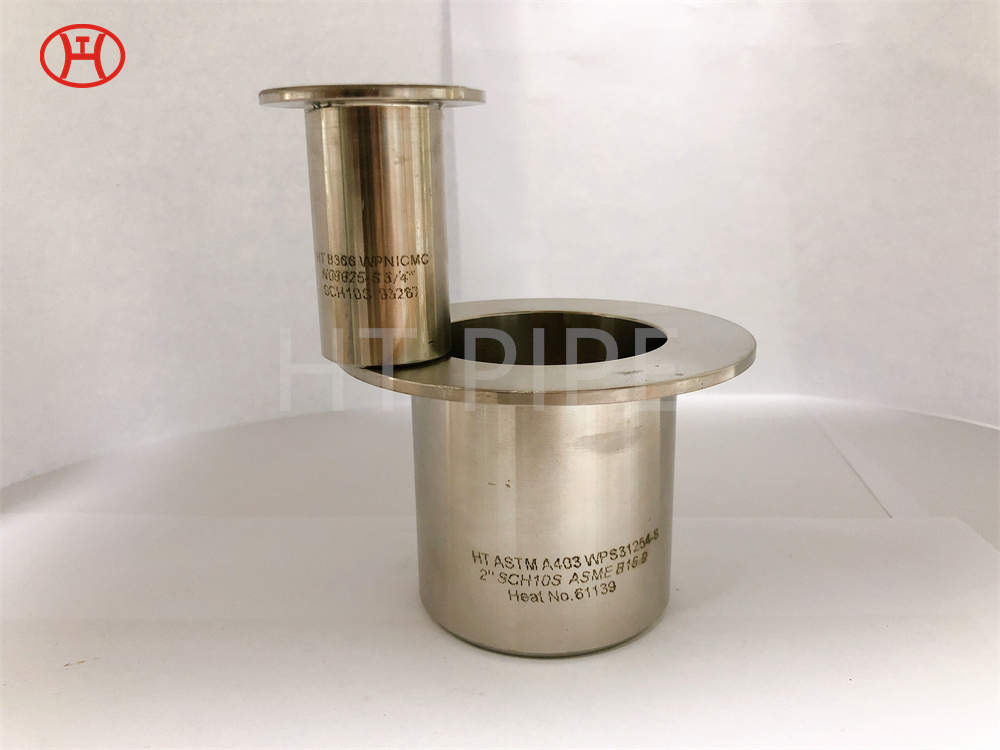
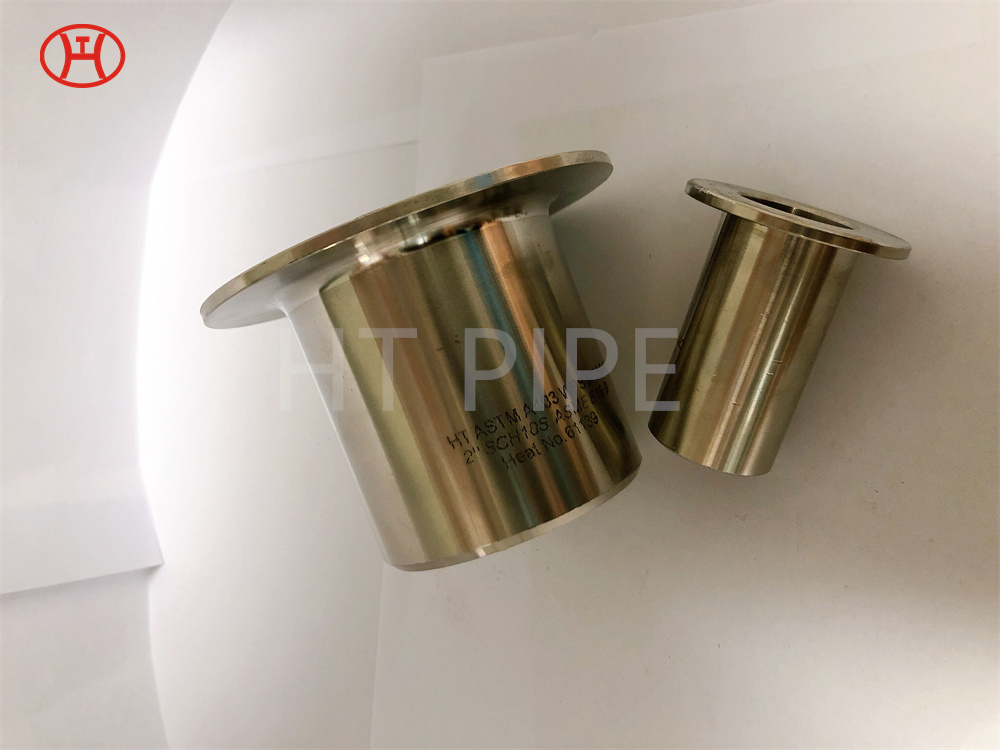
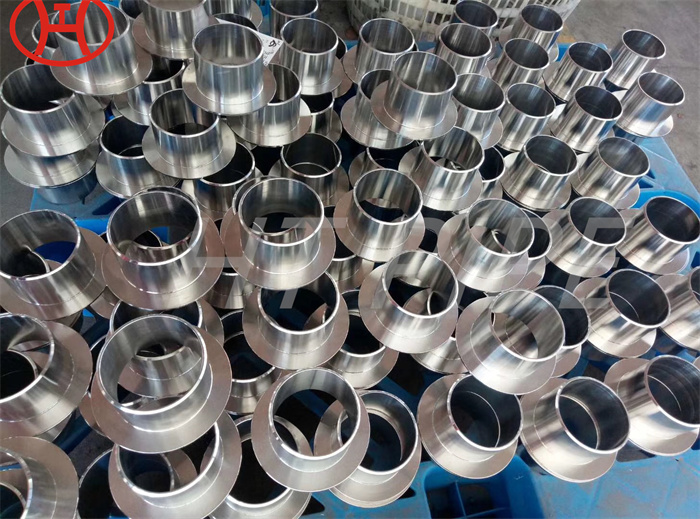
Stainless Steel A403 WPS31254 contains higher chromium and low carbon content.Size : ?¡±NB to 48¡åNB in Sch 10s, 40s, 80s, 160s, XXS.
Type : Seamless / Welded.This steel type contains as low as 0.03% of carbon content and thus reduces its susceptibility to intergranular corrosion.
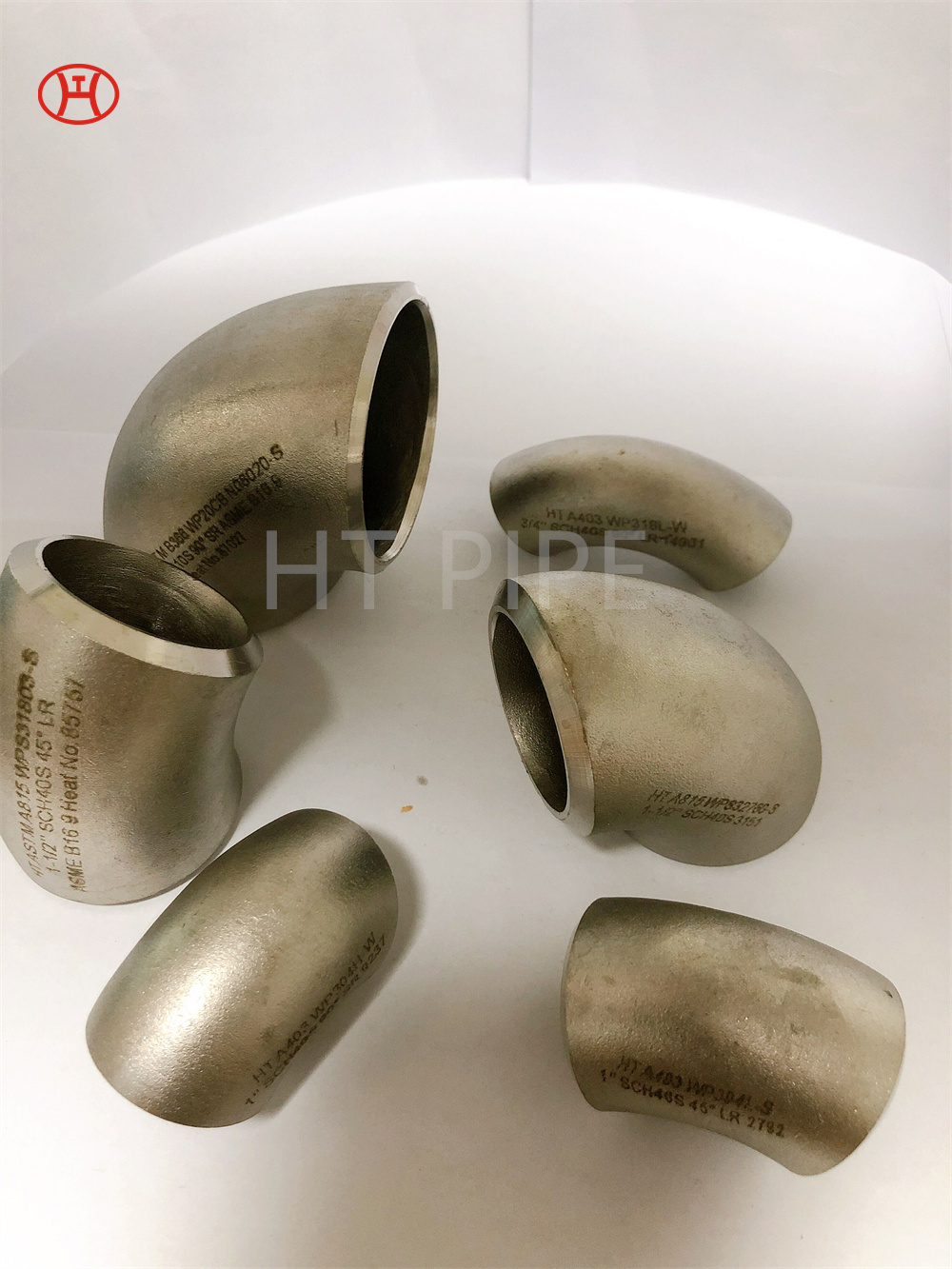
ASTM A403 WP304H pipe fittings mean the pipe fittings which material is wrought austenitic stainless and grade is ASTM A403 WP304H.The material is additionally utilized all through the control era industry.
This kind of steel can be continuously exposed to temperatures of about 1500¡ãF without appreciable scaling.Schedules :Sch.40 to Sch.XXs
A403 316L Stainless Steel covers the standard for wrought austenitic stainless steel fittings for pressure piping applications.Compared to grade 316, the pitting resistance properties of ASME B16.9 SS 316L Fitting is much higher.
It is applicable in various applications like car headers, machinery parts, screws and also food handling equipment. Hot / Cold / Fabricate / Seamless / Welded / Induction
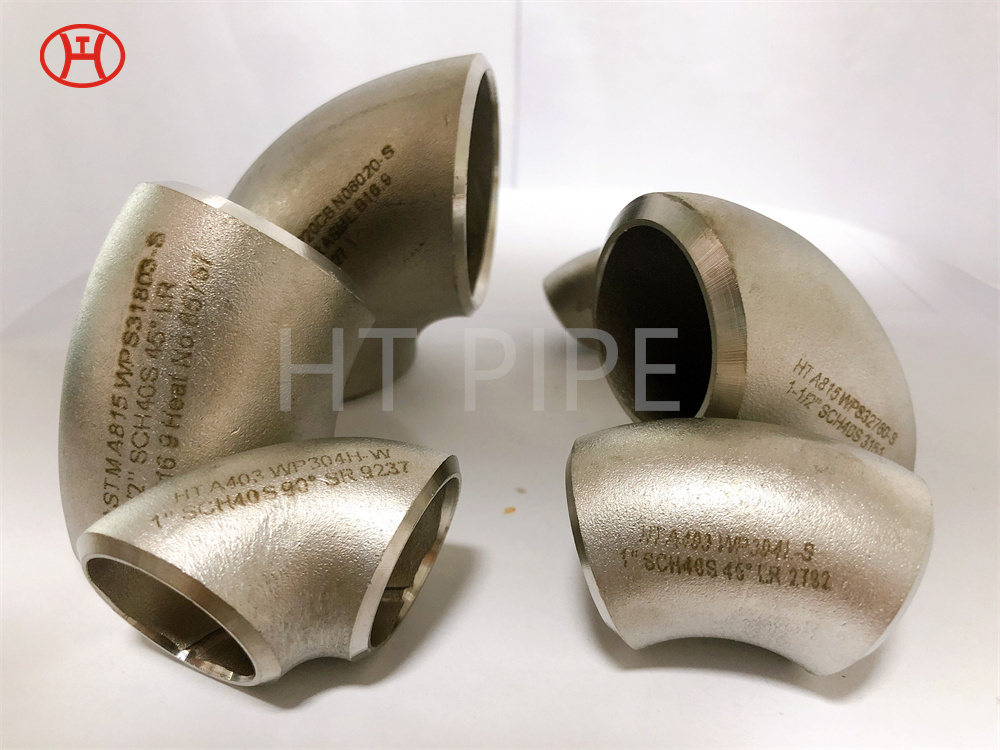
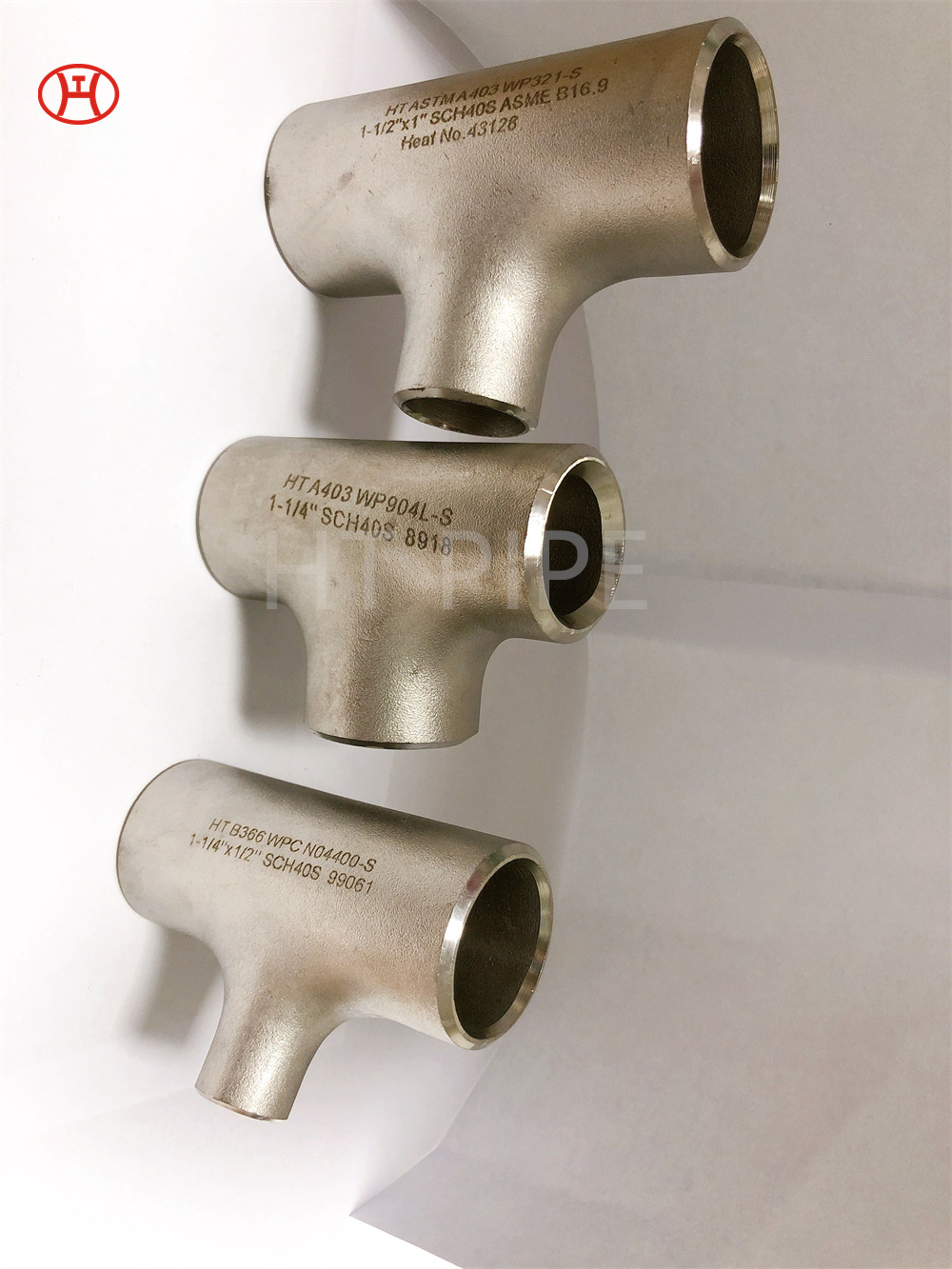
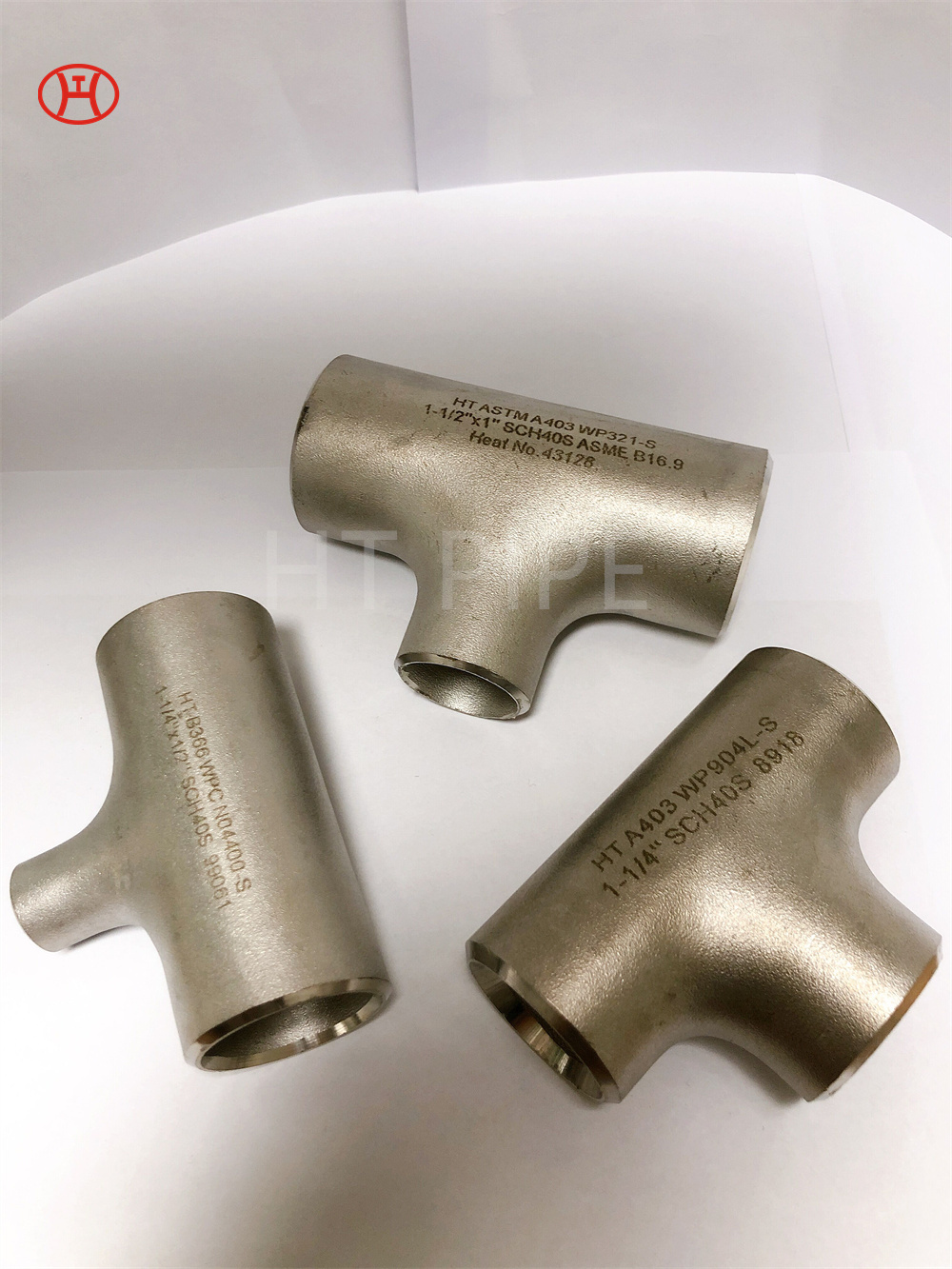
Our offered SS 904L Buttweld Elbow contains a low carbon austenitic nickel-chromium stainless steel with additions of molybdenum and copper.The Stainless Steel 904L Pipe Fittings are mainly used in the chemical industries, utility scrubber assemblies, etc.
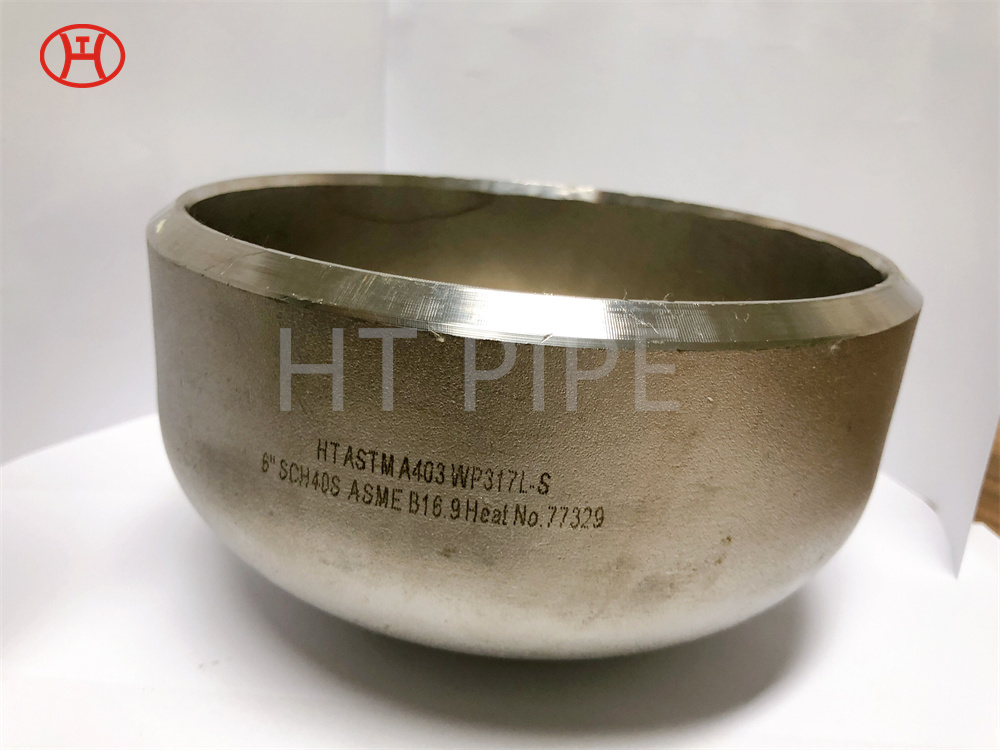
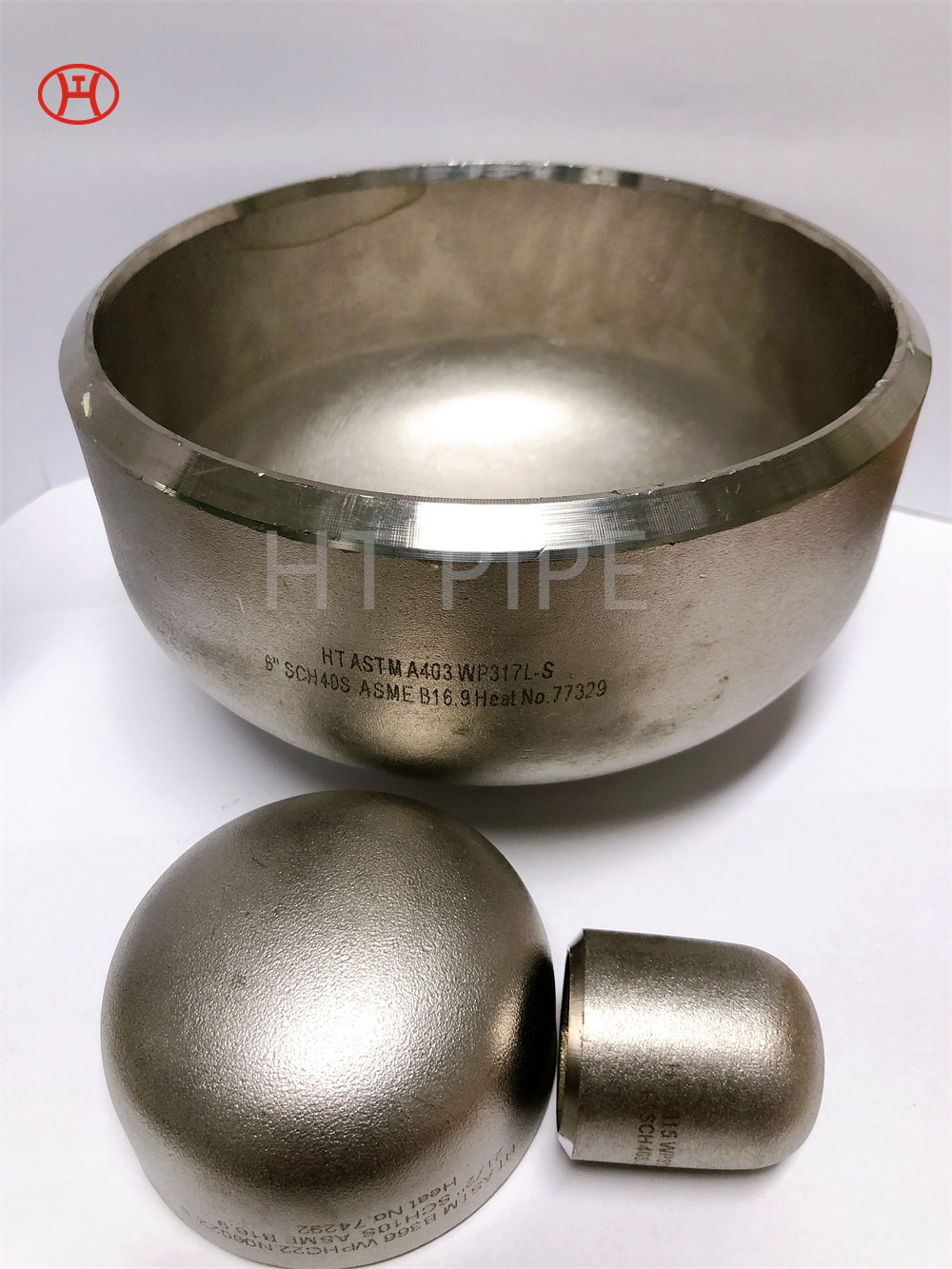
ASTM A403 WP317L covers the standard for wrought austenitic stainless steel fittings for pressure piping applications. R=1D, 2D, 3D, 5D, 6D, 8D, 10D or Custom
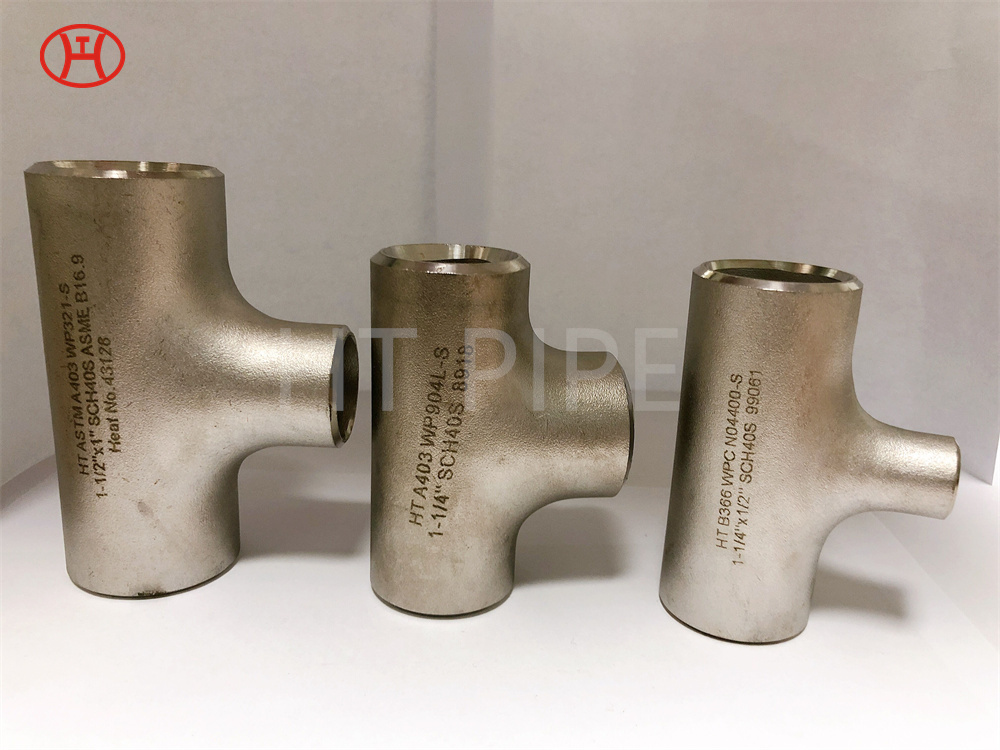
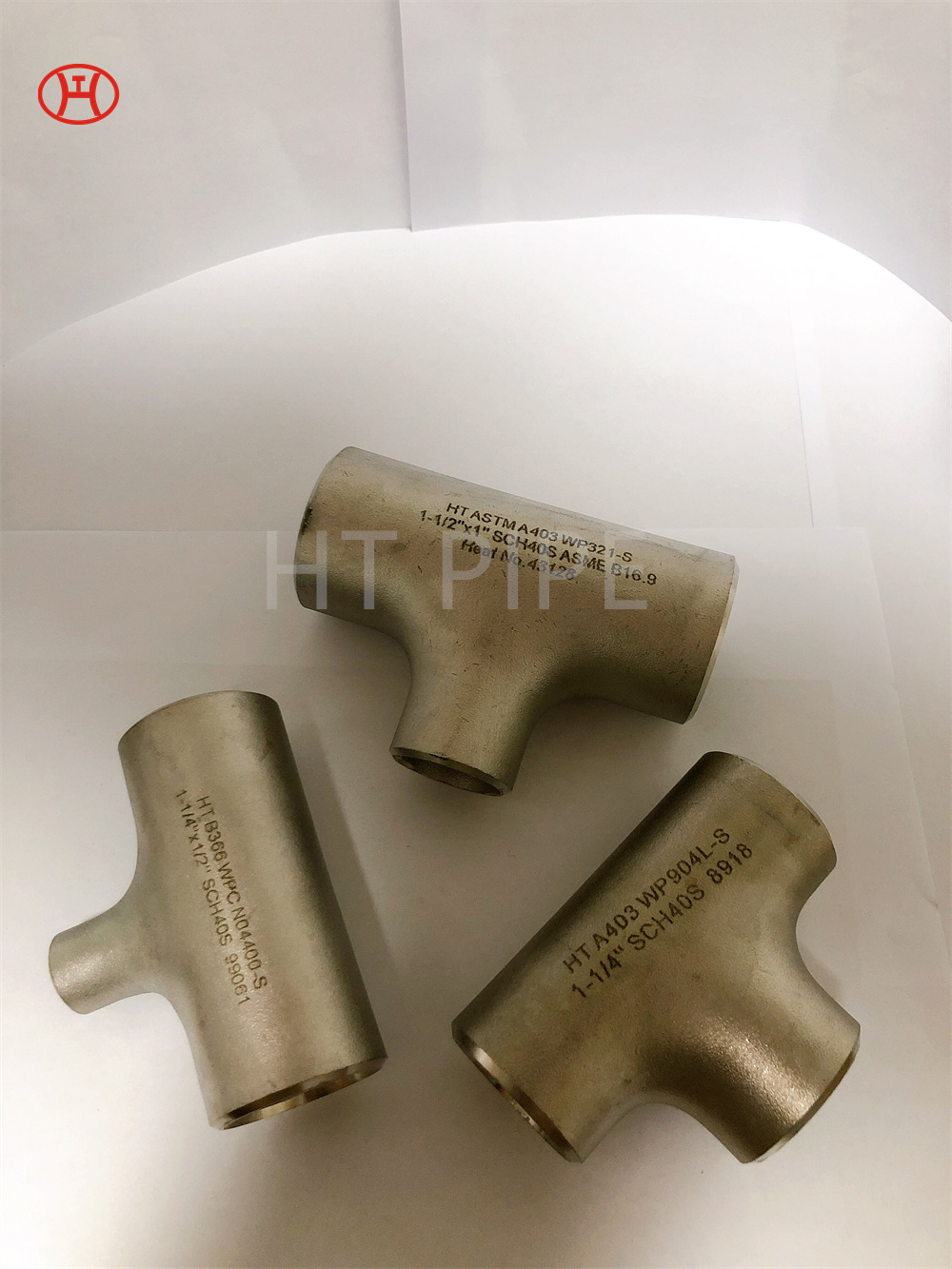
Stainless Steel B366 WP904L contains higher chromium and low carbon content.Our SS 904L Elbow have resistance to atmospheric corrosion and serve general purposes like sealing pipe ends and preventing any contamination to the internal fluids.
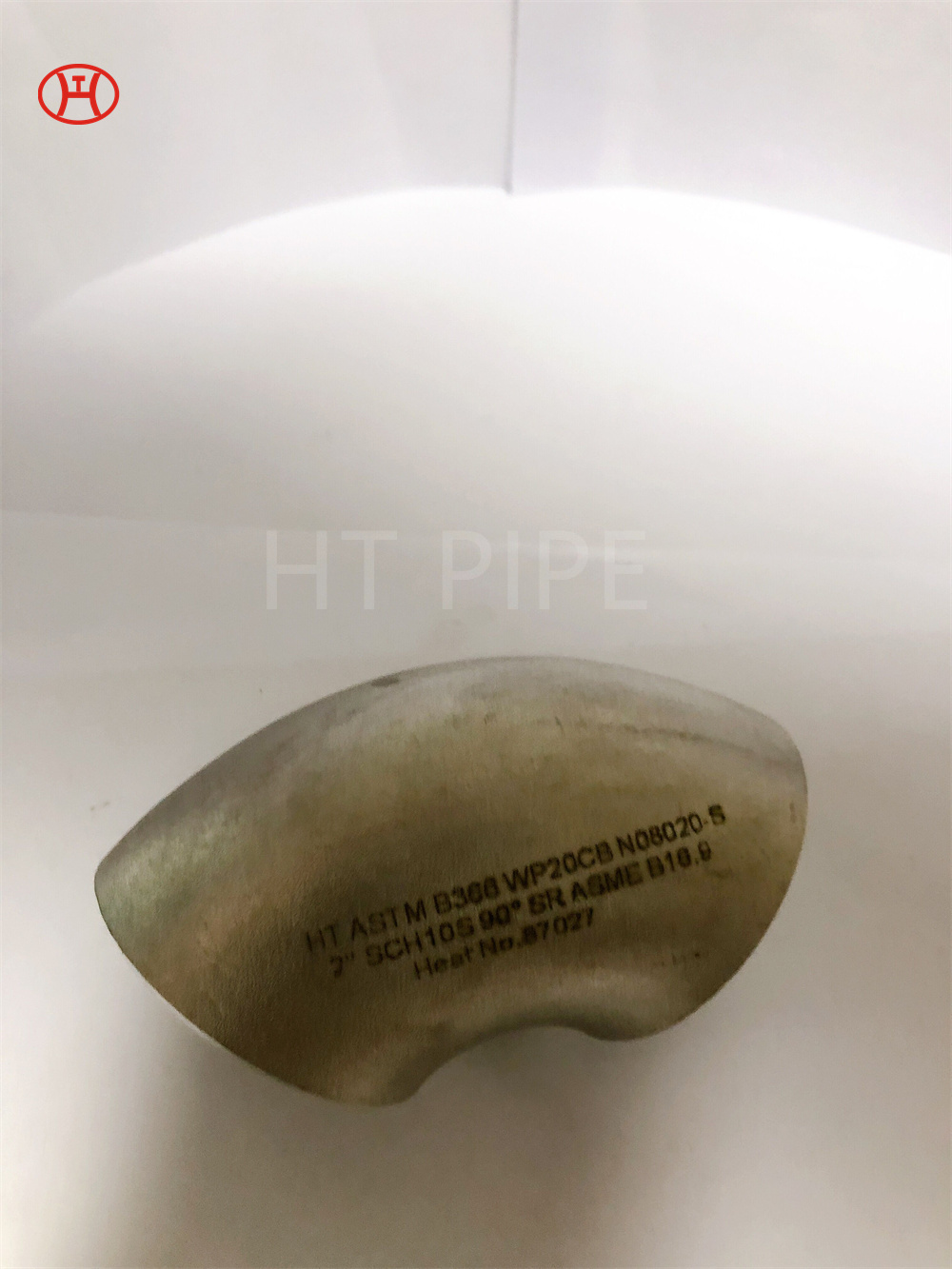
Nickel alloy 20 is a low-carbon, niobium-stabilized austenitic nickel/iron/chromium alloy with additions of molybdenum and copper. ASTM B366 specification covers Inconel, Monel, Hastelloy and Nickel Alloy Pipe Fittings used in acidic and sea water.
The Stainless Steel 904L Pipe Fittings were designed with the intention of being used between moderate to high corrosion resistance across a wide range of processing industries.
The accumulation of copper to the grade 904L alloys makes it resistant to corrosion, especially phosphoric, acidic, and sulphuric acid.It Is A Kind Of Corrosion And Heat Resistant Steel.
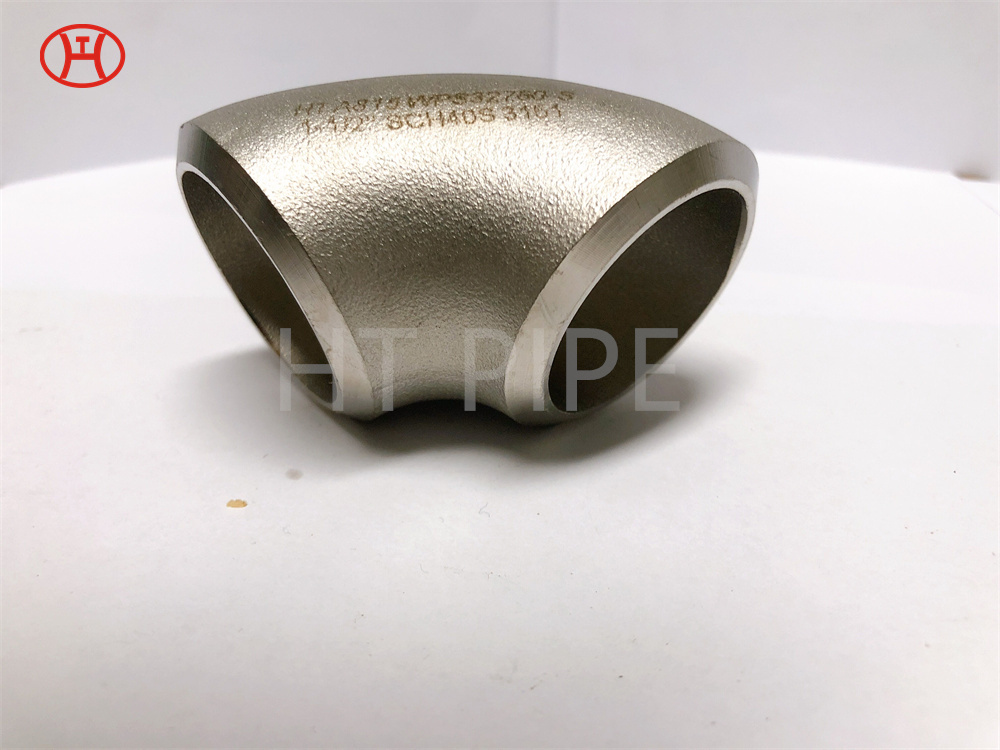
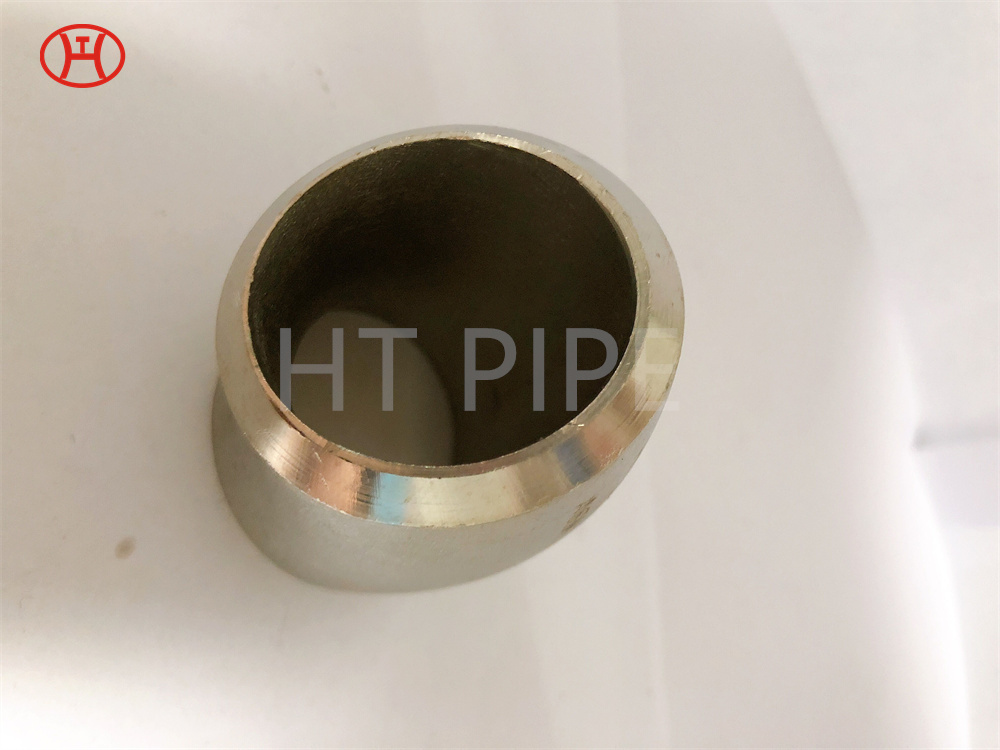
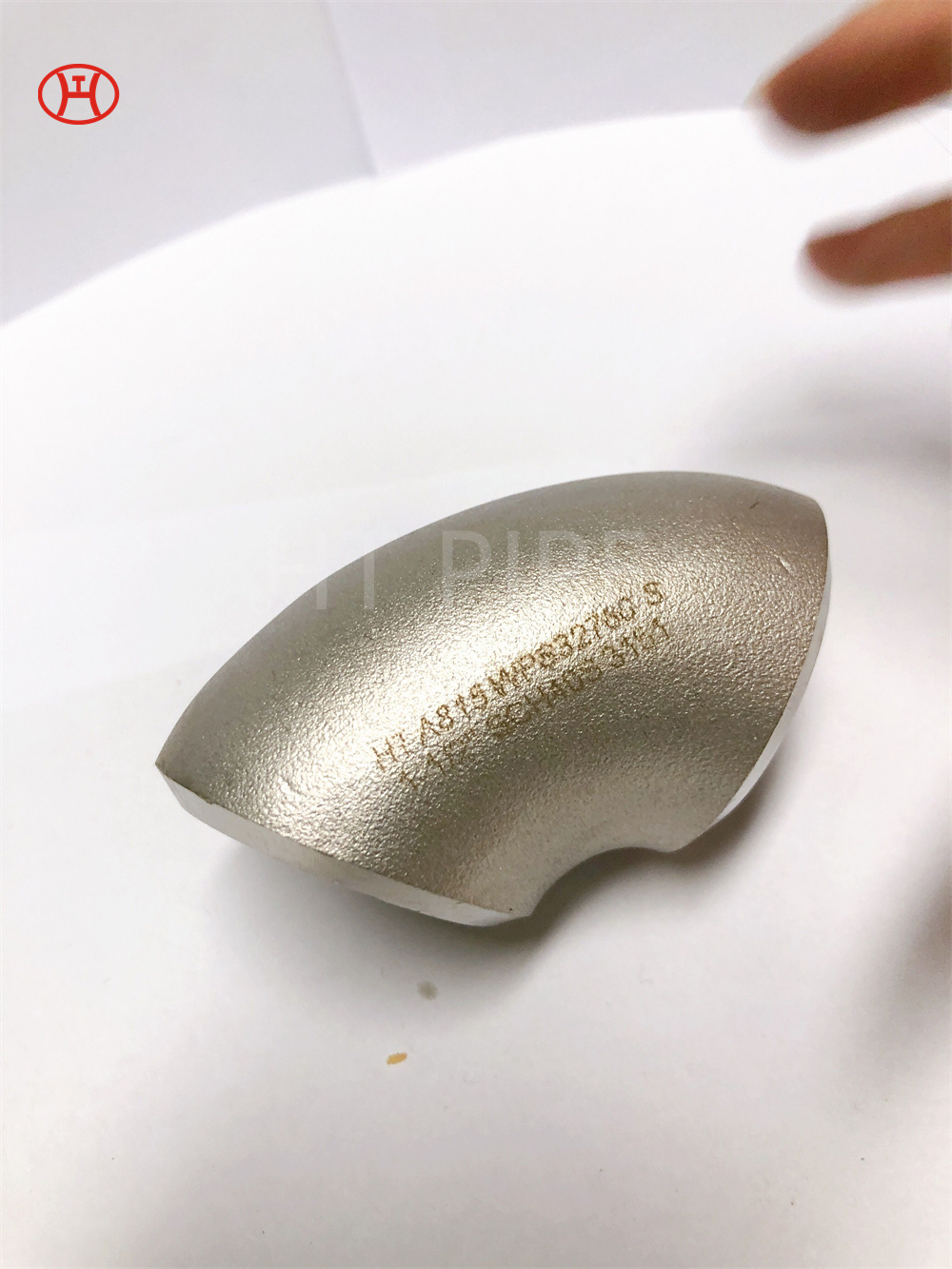
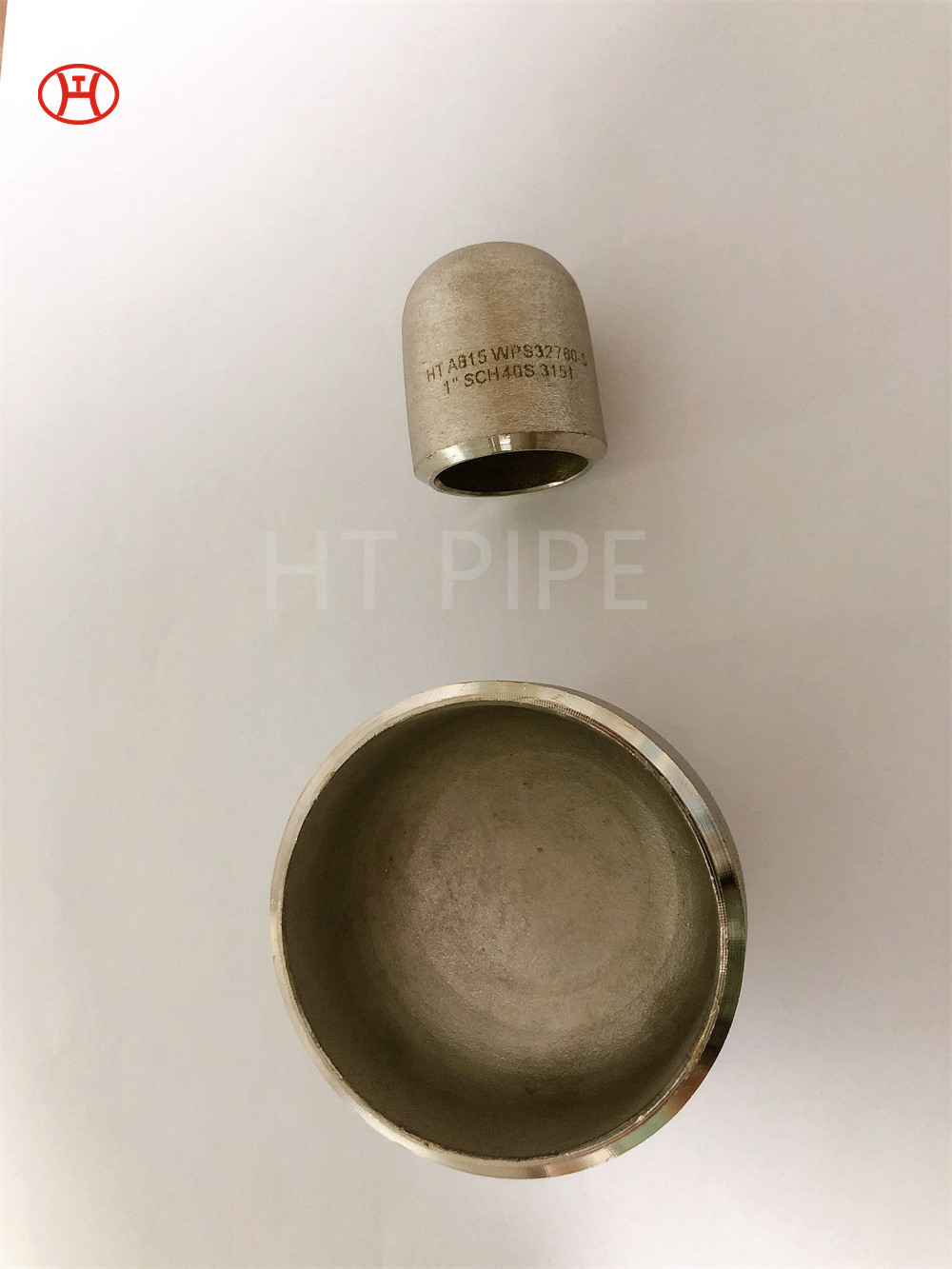
ASTM A815 UNS S32760 capis available at our company on a large-scale. The UNS S32760 standard of pipe fittings is considered one of the best in the industry due to its mechanical properties.
ASTM A815 UNS S32760 fittings is the one where the strength is excellent and the corrosion resistance is excellent.The material for fittings shall consist of forgings, bars, plates, or seamless or welded tubular products.
ASTM A815 specification covers two general classes, WP and CR, of wrought ferritic, ferritic/austenitic, and martensitic stainless steel fittings of seamless and welded construction.
Seamless Butt Weld Fittings: 1/2¡å ¨C 10¡å, Welded Butt Weld Fittings: 1/2¡å ¨C 48¡å
Stainless steel grade 317L is a low carbon version of grade 317 stainless steel.Our Stainless Steel 317/317L Pipe Elbow are available in several end types, like threads, bevelled ends, bended, seamless, etc. and in different diameters and thicknesses.
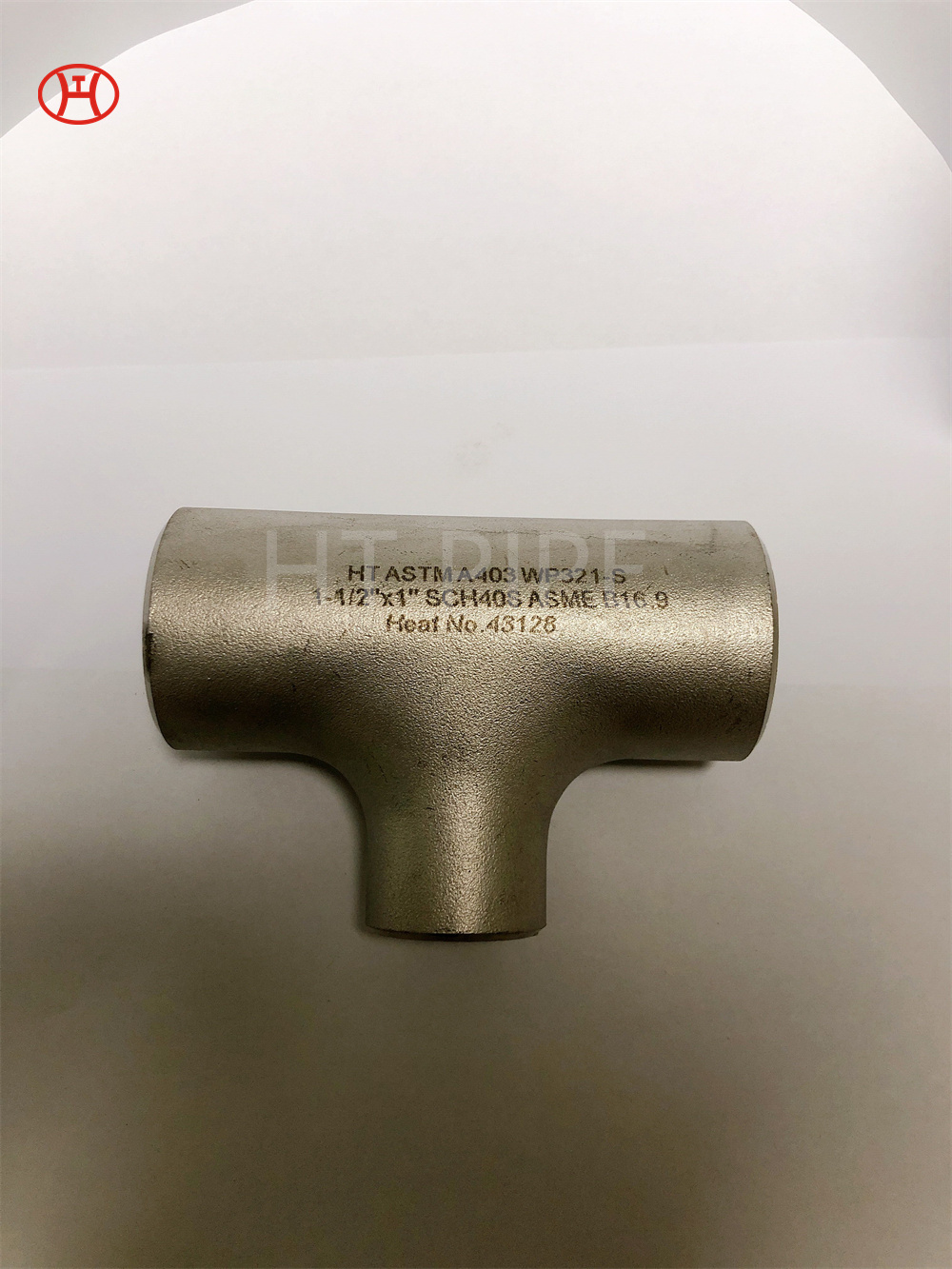
ASTM A403 WP321 pipe fittings mean the pipe fitting which material is Wrought Austenitic Stainless,they are used for the pressure piping systems of moderate and high temperature services.
Hastelloy B-3 is a nickel-molybdenum alloy with excellent resistance to pitting, corrosion and stress corrosion cracking and better thermal stability than alloy B-2. In addition, this nickel-steel alloy is highly resistant to knife-line and heat-affected zone attacks.
Type 304 stainless steel is an austenitic grade that can be drawn very deep. This characteristic has resulted in 304 being the primary grade used in applications such as sinks and pans.
For applications requiring higher resistance to stress rupture and creep, especially above 1500¡ãF (816¡ãC), use INCOLOY Alloys 800H and 800HT.
304 has good oxidation resistance in intermittent duty up to 870¡ãC and continuous duty up to 925¡ãC. However, continuous use at 425-860¡ãC is not recommended. In this case, 304L is recommended because of its resistance to carbide precipitation.
UNS N10665 or W.Nr. 2.4617, Hastelloy B2 (also known as “Alloy B2”), is a solid solution reinforced Ni Mori with low additions of carbon, silicon and iron. It can be used to reduce chemical environment and chemical processing industry. However, Hastelloy B2 should not be used in temperatures from 1000¡ãF to 1600¡ãF and should not be used in oxidizing media.
All stainless steel fabrication can only be done using tools designed for stainless steel materials. Tools and work surfaces must be thoroughly cleaned before use. These precautions are necessary to avoid cross-contamination of stainless steel with easily corroded metals that may discolor the surface of processed products.
HASTELLOY X is a wrought nickel-based alloy with excellent high temperature strength and oxidation resistance. All product forms are excellent in forming and welding. Although HASTELLOY X is primarily known for its heat and oxidation resistance, it also has good resistance to chloride stress corrosion cracking and good carburization, as well as excellent resistance to reducing or carburizing atmospheres. Alloy X is one of the most widely used nickel-based superalloys for gas turbine engine components.
AL-6XN is a low carbon, nitrogen containing super austenitic stainless steel. The alloy is designed to be a seawater resistant material and has been found to resist a wide range of corrosive environments. Due to the alloy’s corrosion resistance and high strength, AL-6XN is a better choice than traditional duplex stainless alloys and more cost-effective nickel-based alloys.
Grade 304 stainless steel is generally considered the most common austenitic stainless steel. It contains a high nickel content, typically between 8 and 10.5 weight percent, and a substantial amount of chromium around 18 to 20 weight percent. Other major alloying elements include manganese, silicon and carbon. The rest of the chemical composition is mainly iron.
Type 304 is the most popular stainless steel and is a natural choice for its corrosion resistance. It resists rusting in many different environments, but is primarily attacked by chlorides.
There are many different types of 316 stainless steel. Some common types are the L, F, N, and H variants. Each is slightly different and each serves a different purpose. “L” means 316L steel has less carbon than 316.
Incoloy Alloy 800 is widely used in equipment that must have high strength and resistance to oxidation, carburization and other harmful effects of high temperature exposure. For services requiring optimum creep and rupture properties, use Incoloy 800H or 800 HT. The high content of nickel and chromium in the alloy also provides good corrosion resistance.