Home » Steel Pipe Fittings » Butt Weld Pipe Fittings » Hastelloy B2 pipe bend with high contents of molybdenum and chromium

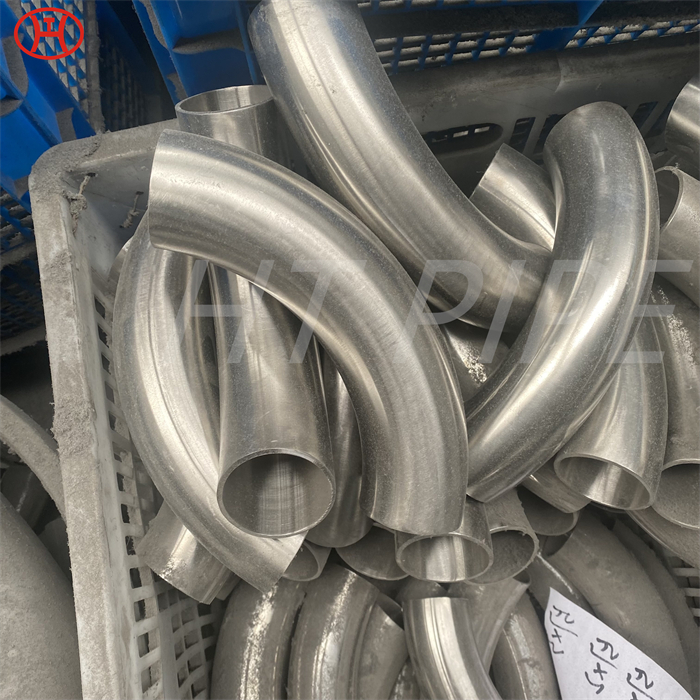
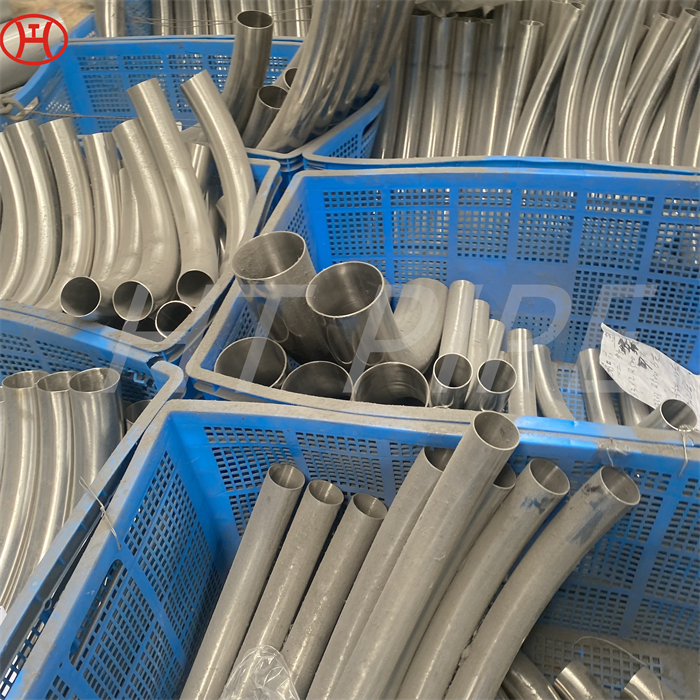
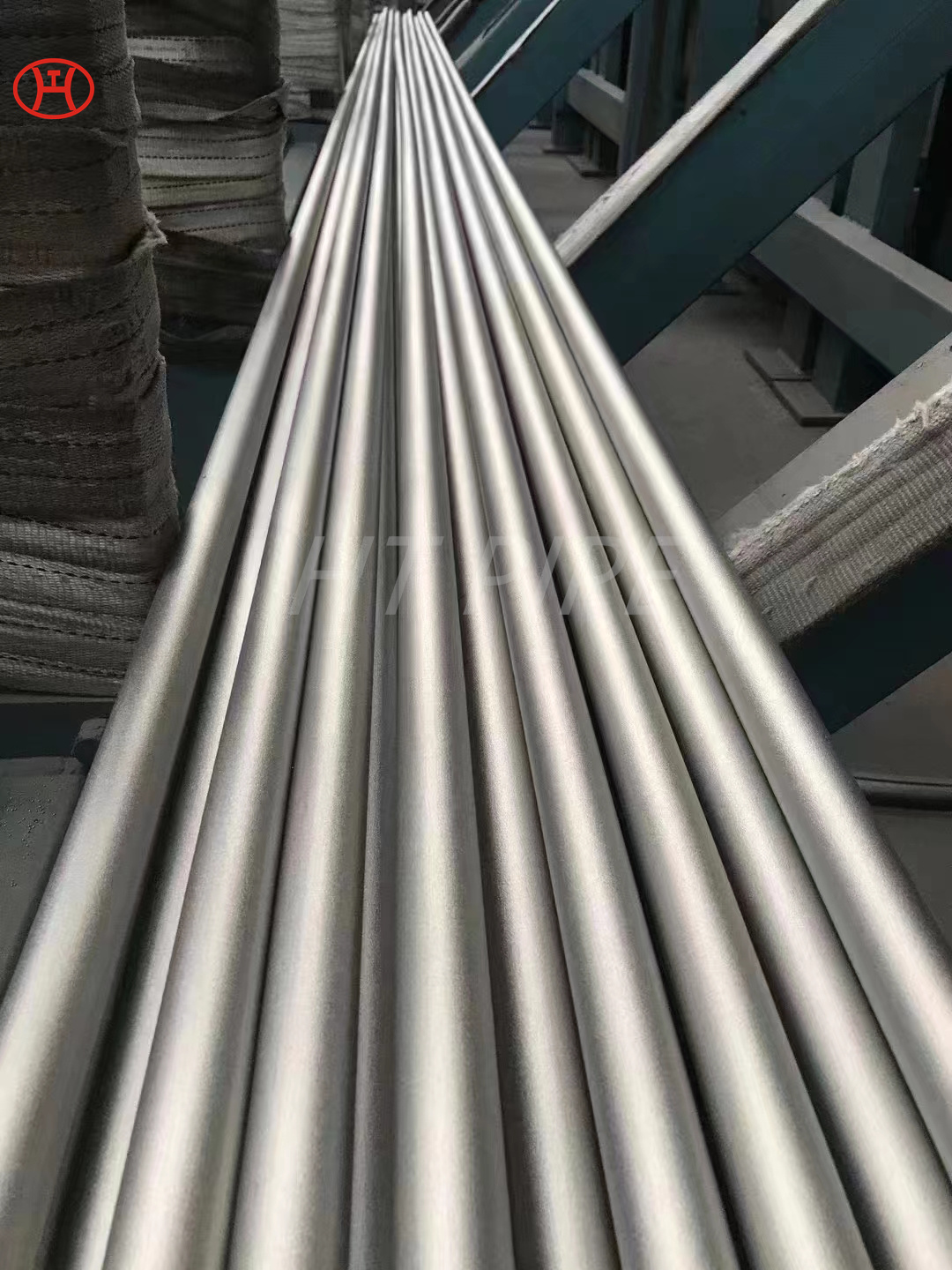
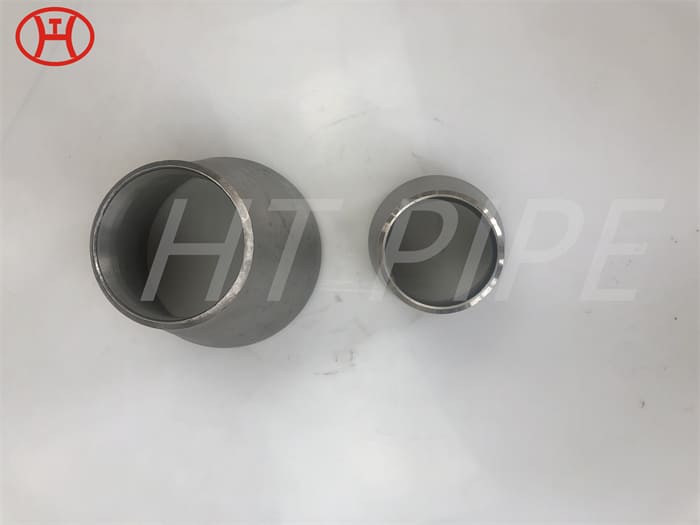
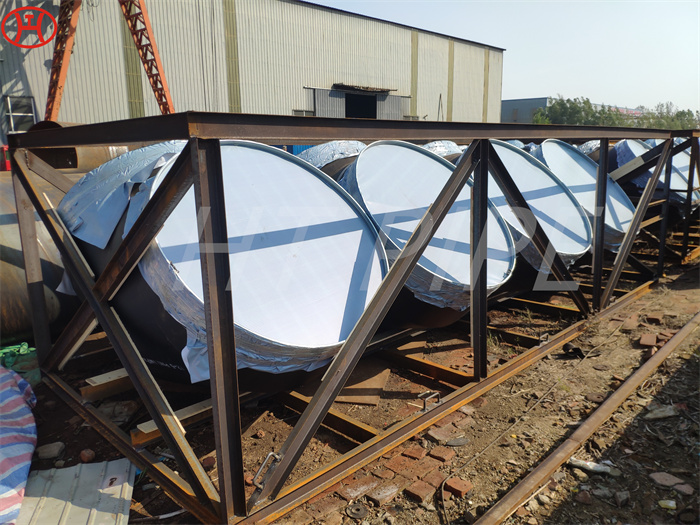
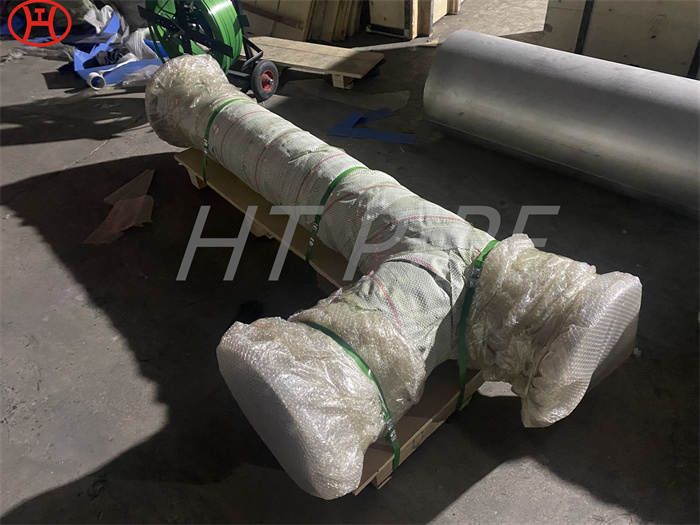
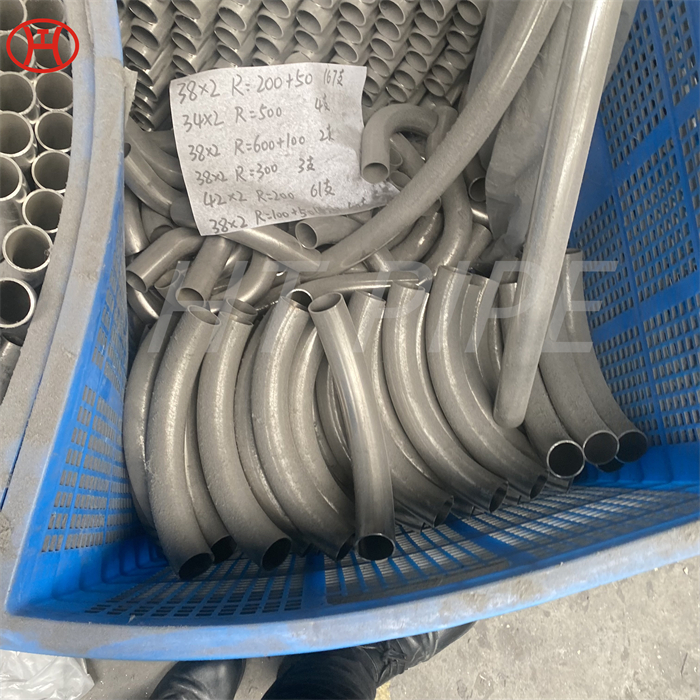
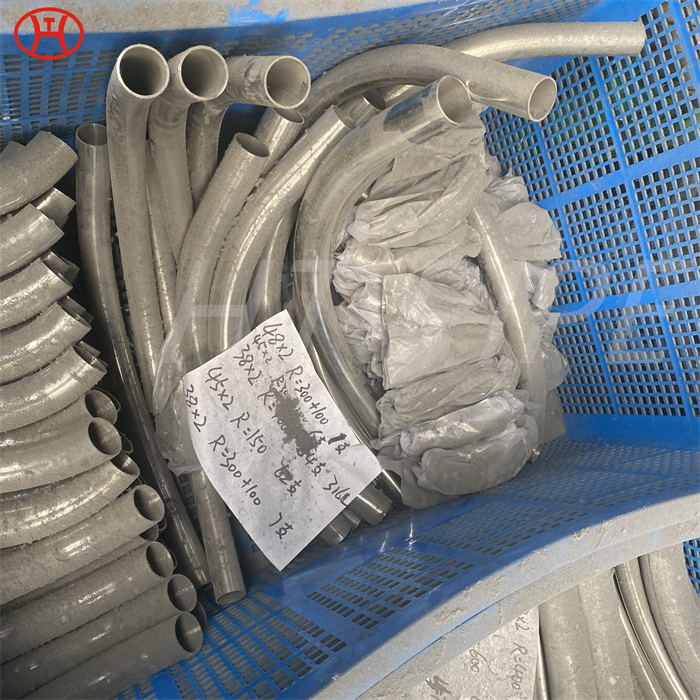
Hastelloy B2 pipe bend with high contents of molybdenum and chromium

Alloy B2 also has excellent resistance to pitting and stress corrosion cracking.

Rated 4.5/5 based on 354 customer reviews
Share:
Content

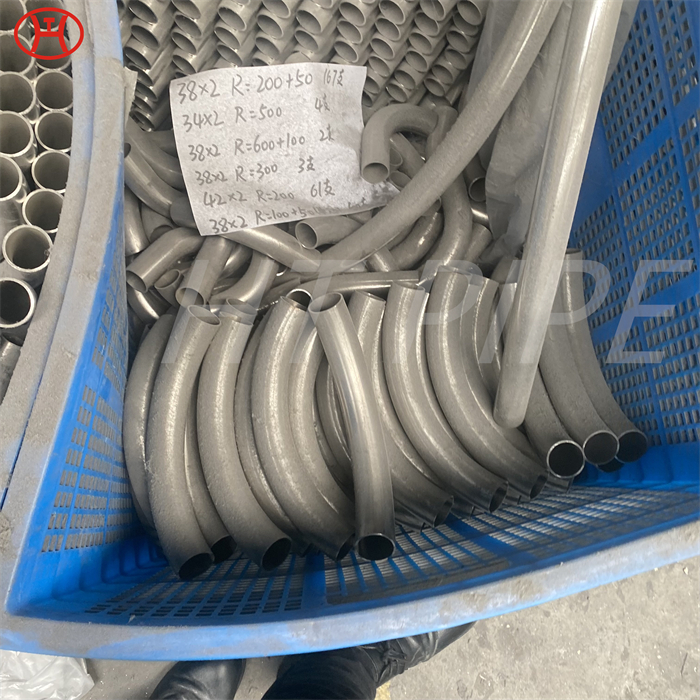
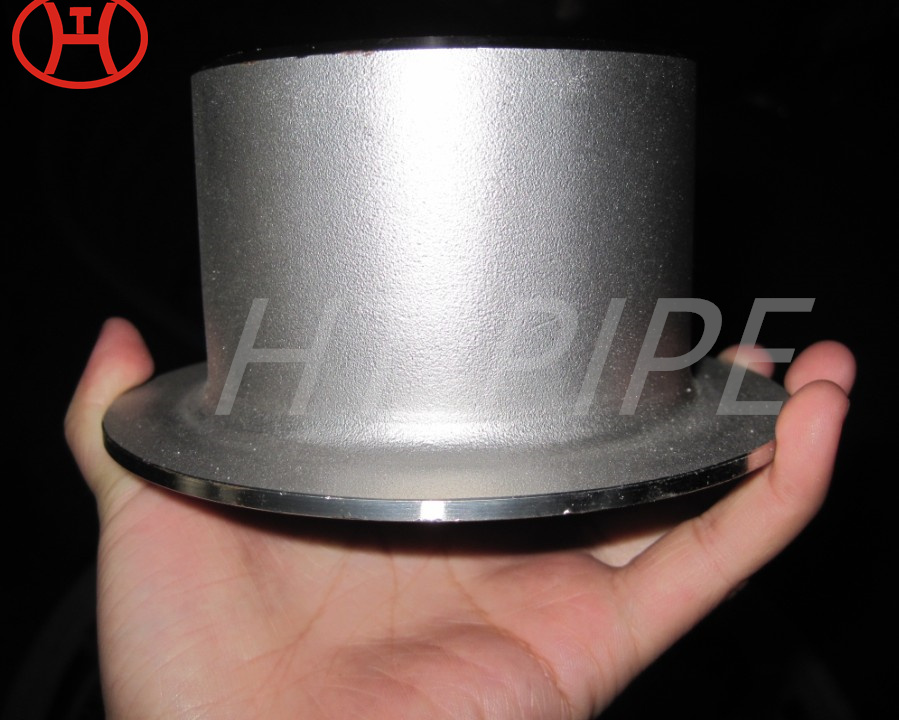
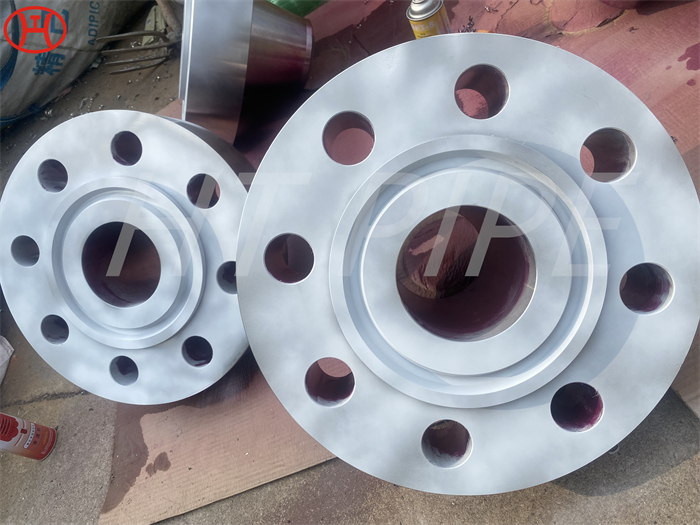
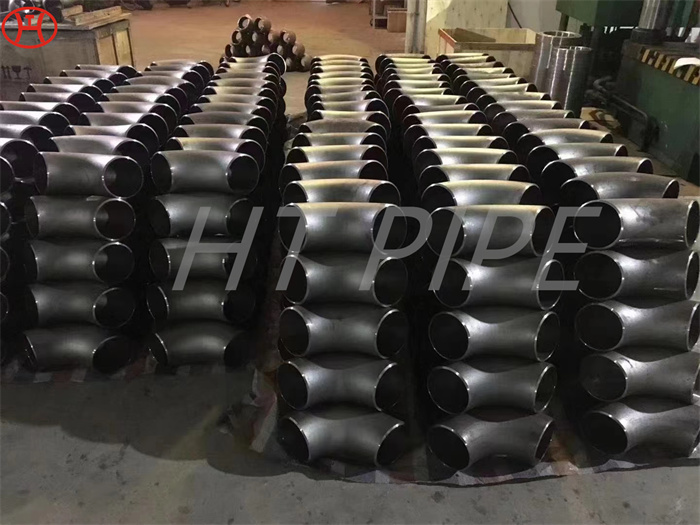
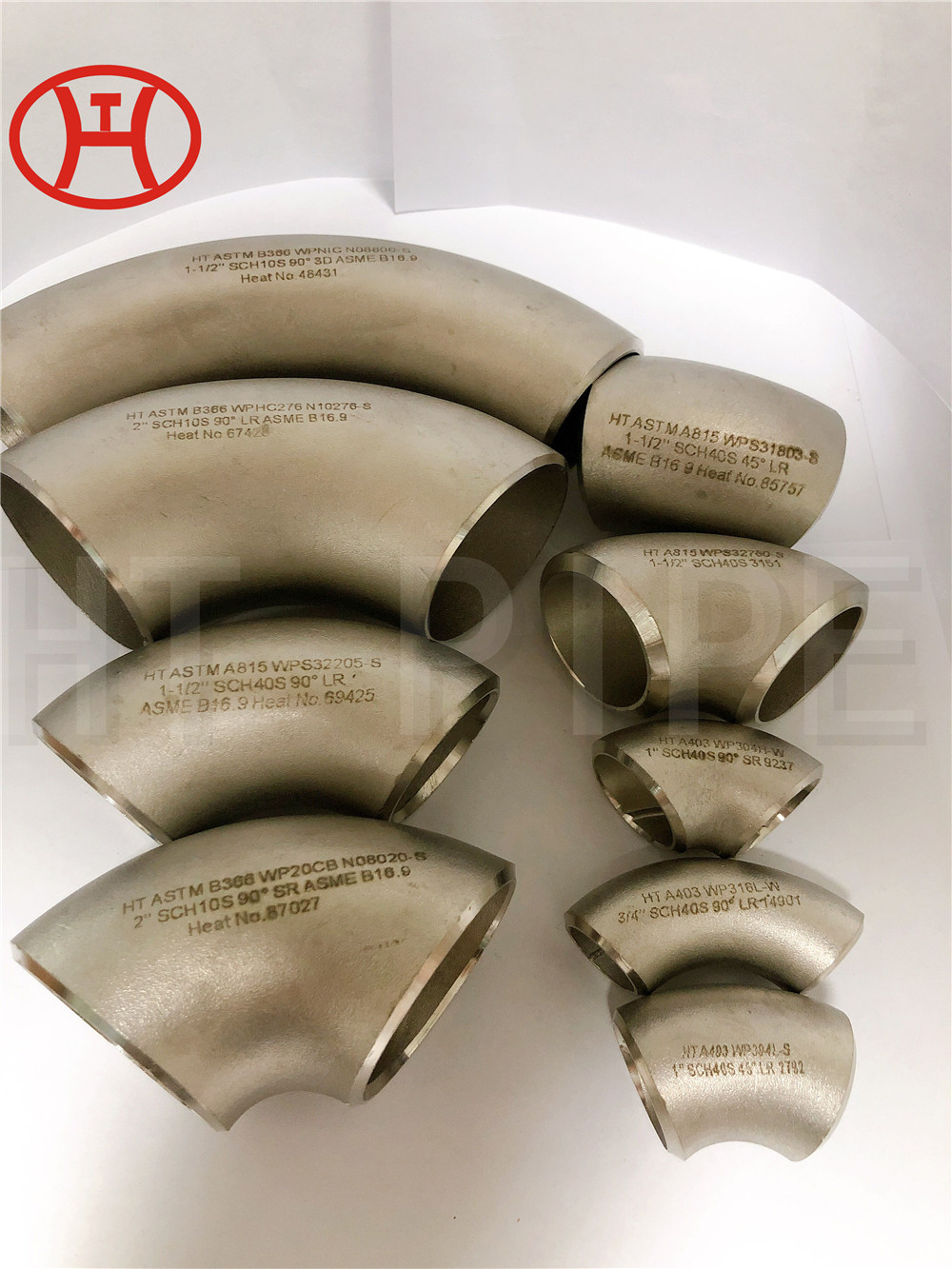
Hastelloy B2 pipe bends are also available in variable types, forms, shapes, grades, length, diameter, etc. the manufacturing of these pipes are usually done according to industrial/national/ international standards. Thus, customers accept to use it in their industries. The alloy work hardens rapidly. Machines should be rigid and powerful, and the tool and workpiece should be held rigid. Tools should be maintained sharp at all times. This alloy may be welded by the gas-metal-arc, gas-tungsten-arc and shielded-metal-arc processes. Parts may normally be used in the as-welded condition, but a post-weld anneal will result in optimum corrosion resistance. Hastelloy is well recognized for its ultimate strength so as to provide extra hardening and finish surface hardening process is done. The improved corrosion resistance is the important feature that last longs at corrosive media. Even these are protected with SATIN and bright black polish that avoids the reduction or rusting in untreated parts.
Inquiry


    More Hastelloy

    Steel Plate are often used for structural and construction applications, pressure vessels, marine and offshord equipment, and military applications. The grade, elements and parameters of a steel plate are also important in how it is used.
    Steel plates are classified by thickness: thin plate, medium plate, thick plate and extra-thick plate.
    Thin steel plates are steel plates with a thickness between 0.2-4mm produced by hot rolling or cold rolling, and thick steel plates are those with a thickness of more than 4mm
    The general name of the good board.
    Thin steel plate refers to a steel plate with a thickness of not more than 3 mm. The commonly used thin steel plate thickness is 0.5-2MM, which is divided into sheet and coil supply. Thin
    The steel plates are generally B-type steels, cold-rolled or hot-rolled steel plates with steel grades B0-B3. Requirements for thin steel plates: smooth, smooth surface, thick
    The degree of uniformity, allowing a tight iron oxide film, must not have cracks, scarring and other defects. The process is divided into hot rolled sheet steel and cold rolled sheet
    plate. Mainly used in Changlin Dongfeng fans, automobiles, electrical equipment, vehicles, agricultural machinery, containers, steel furniture, etc.
    Thick steel plates refer to steel plates with a thickness greater than millimeters. Thick steel plate is divided into extra-thick steel plate and medium-thick steel plate.
    Medium and heavy steel plates refer to steel plates with a thickness greater than 3 mm and less than 50 mm. Medium and thick steel plates are mainly used in shipbuilding, boilers, bridges
    Armor and high-pressure vessel shells, etc.
    Extra-thick steel plate refers to a steel plate with a thickness of not less than 50 mm. Extra-thick steel plates are mainly used in shipbuilding, boilers, bridges and high-pressure vessel shells
    blog.