Home » Forged Flanges » Hastelloy B2 Nippo Flanges ASTM B564 Hastelloy B2 Threaded Flanges

Hastelloy B2 Nippo Flanges ASTM B564 Hastelloy B2 Threaded Flanges

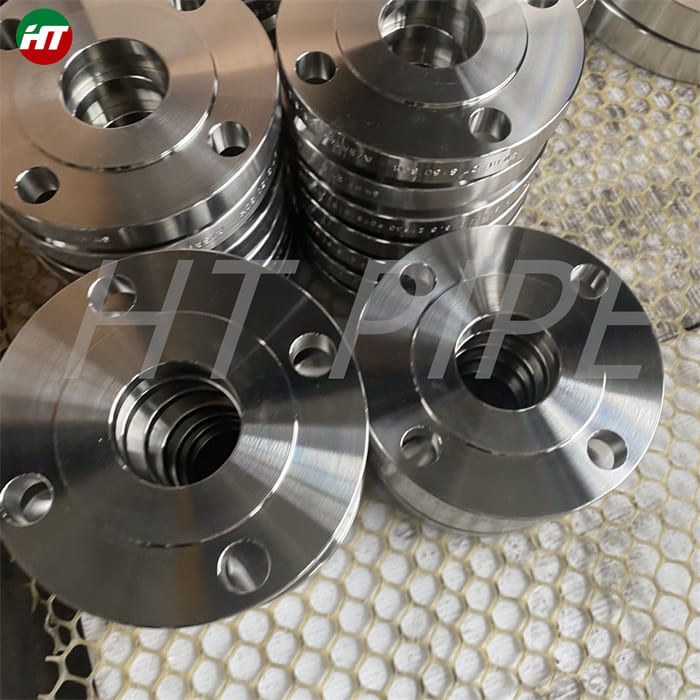
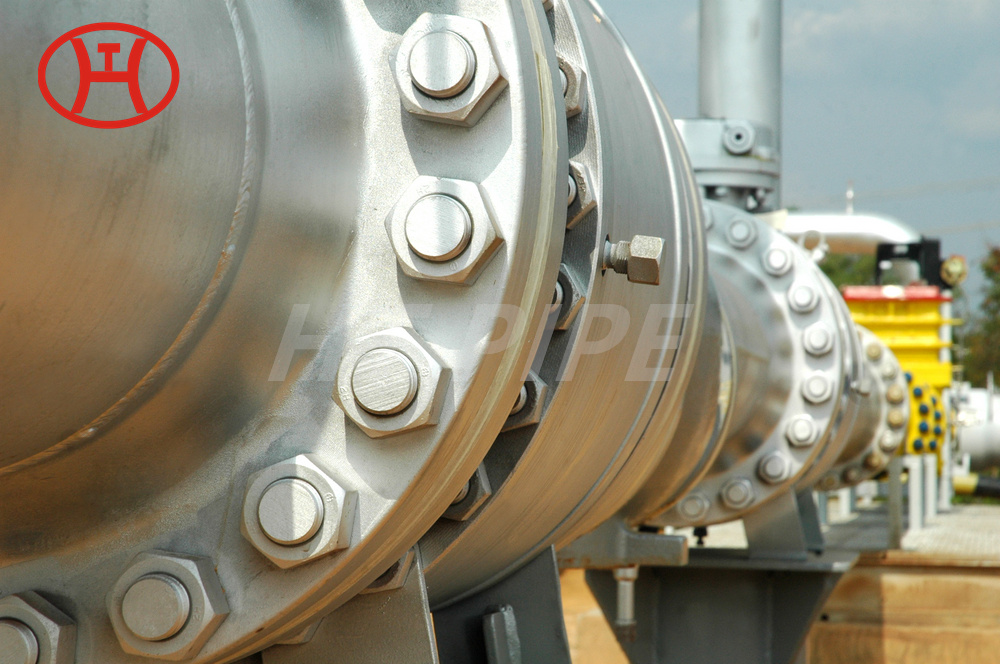
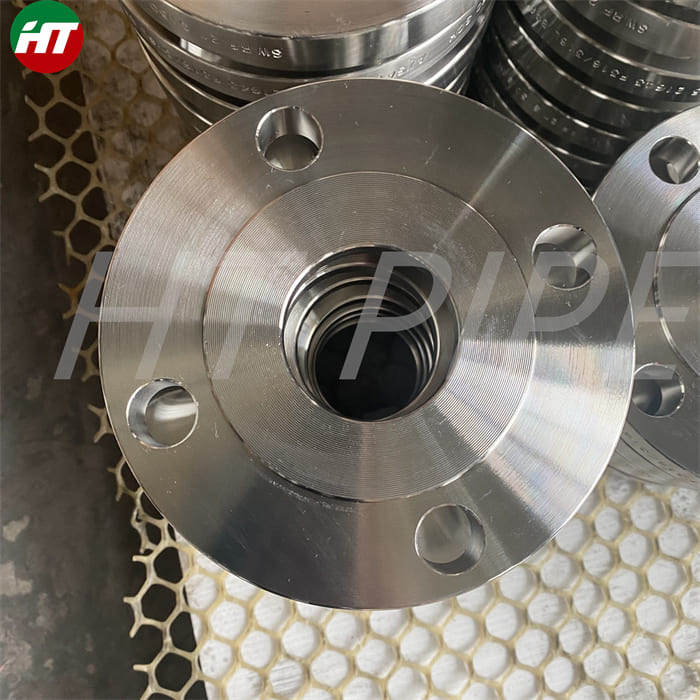
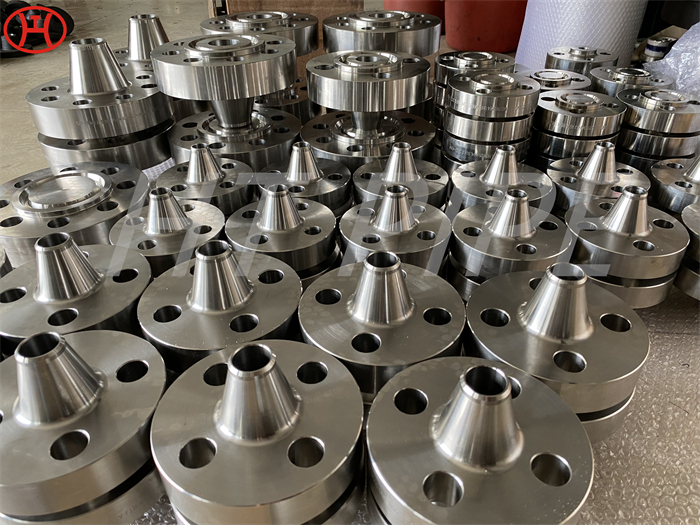
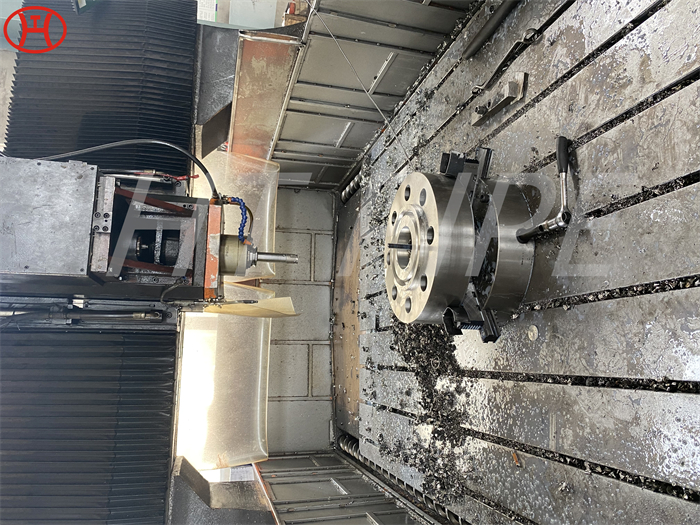
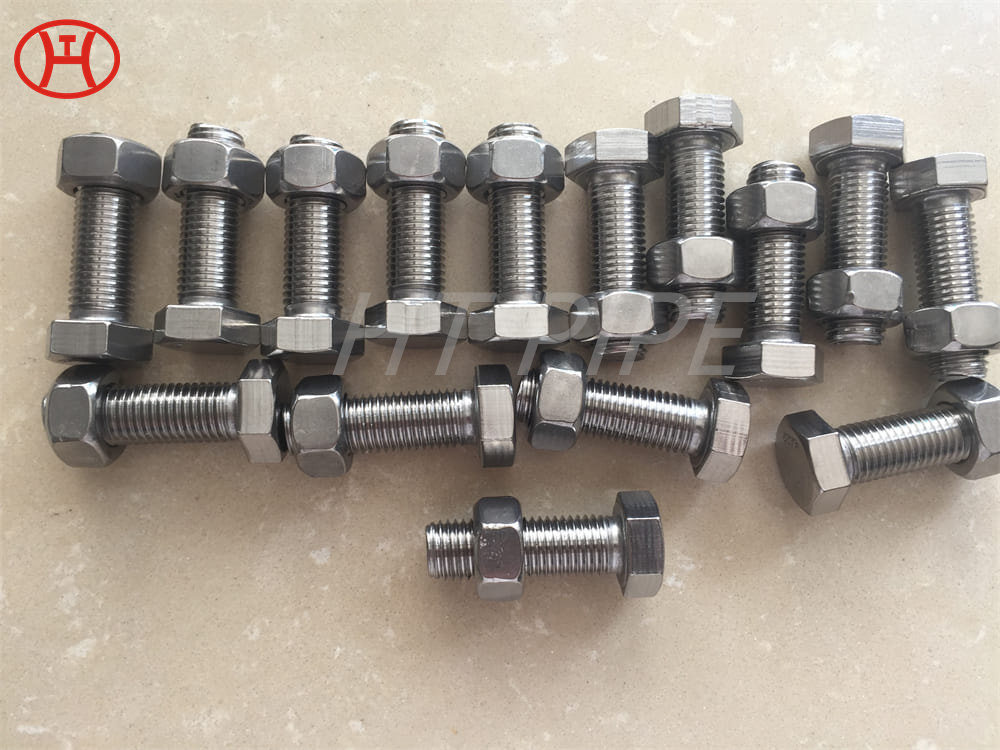
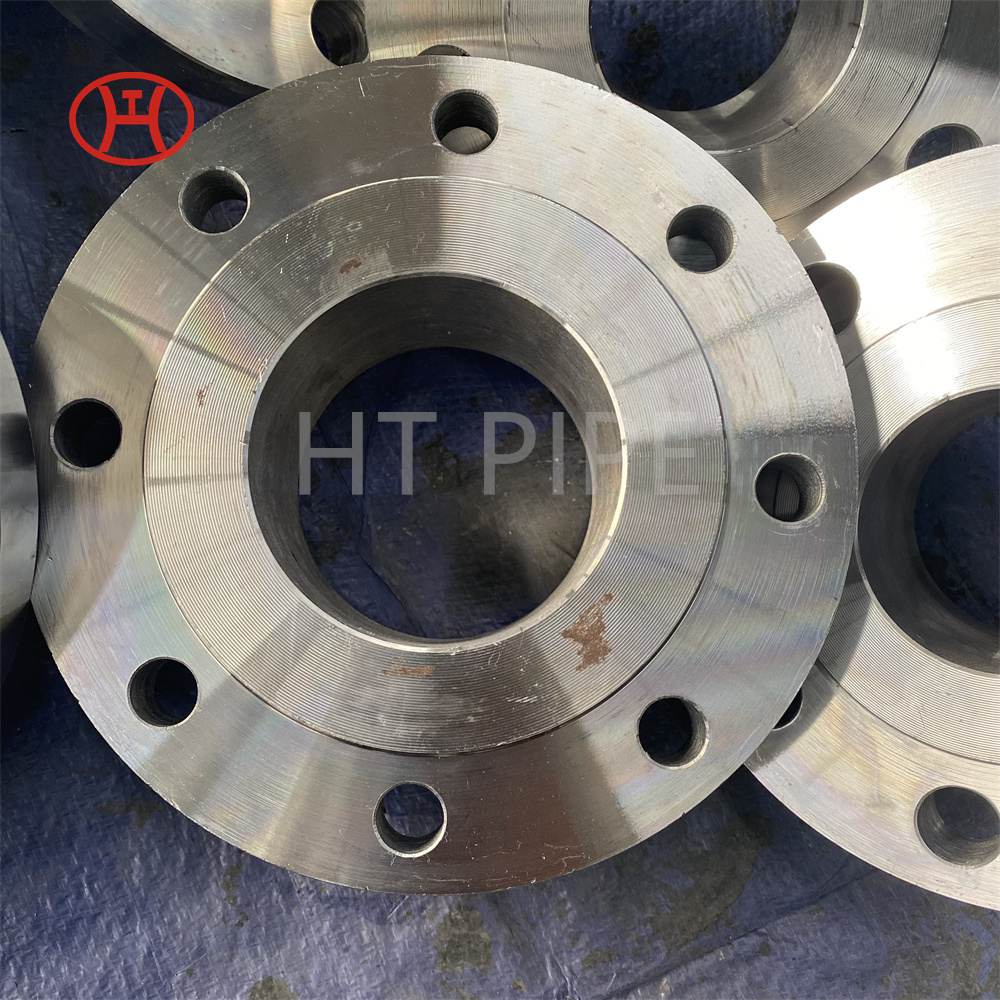
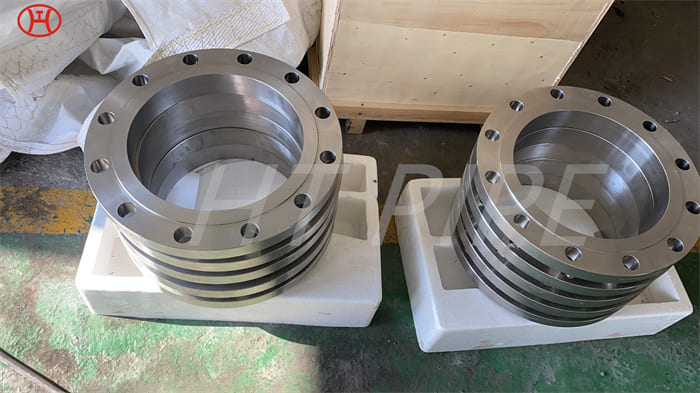
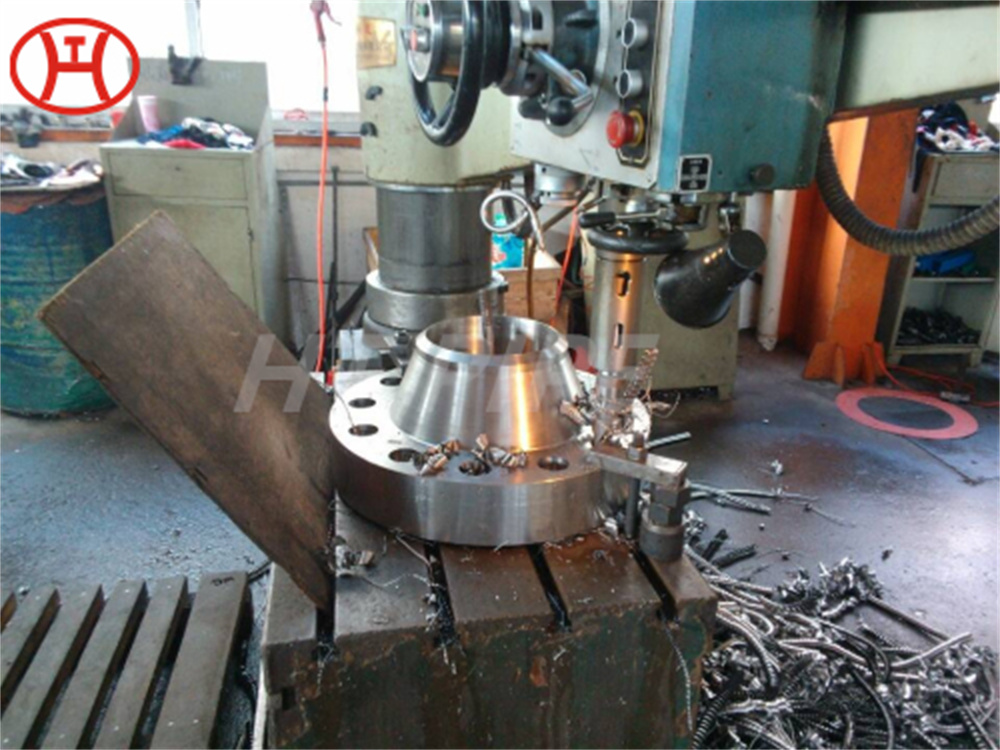
The flanges are produced through different techniques as the ASTM B564 Hastelloy B2 Threaded Flanges, screwed flanges, forged flanges and plate flanges. The threaded flanges are used with threaded pipes and the female threaded flanges connect to the male threaded pipe ends.

Rated 4.5/5 based on 357 customer reviews
Share:
Content

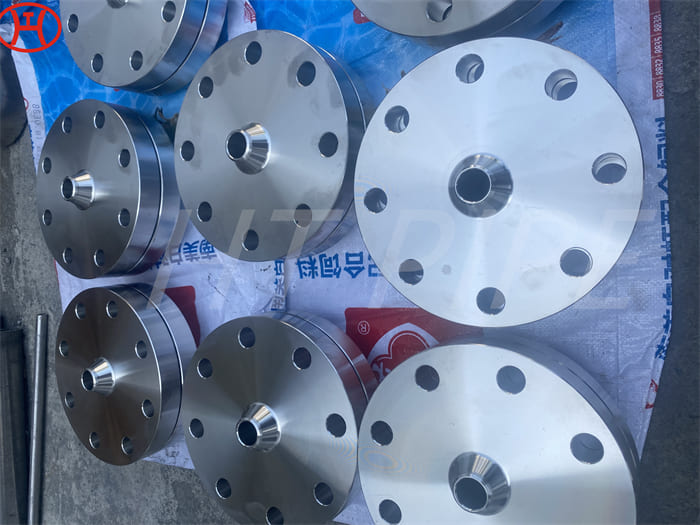
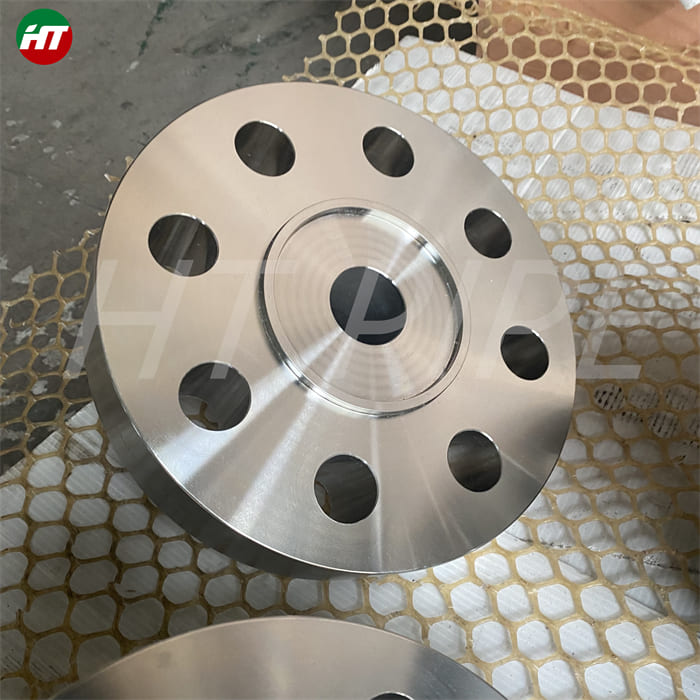
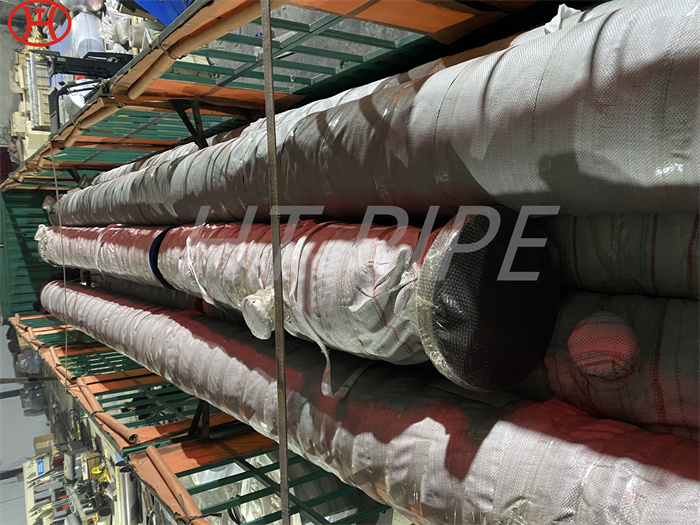
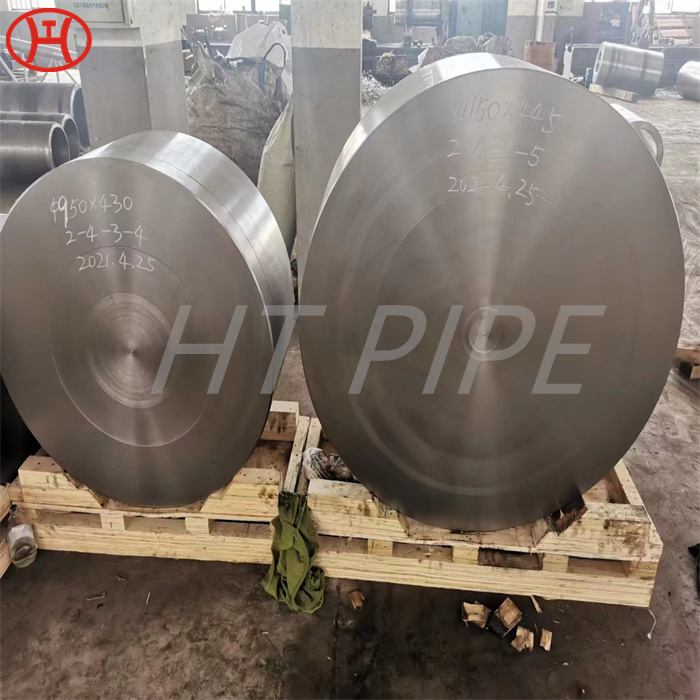
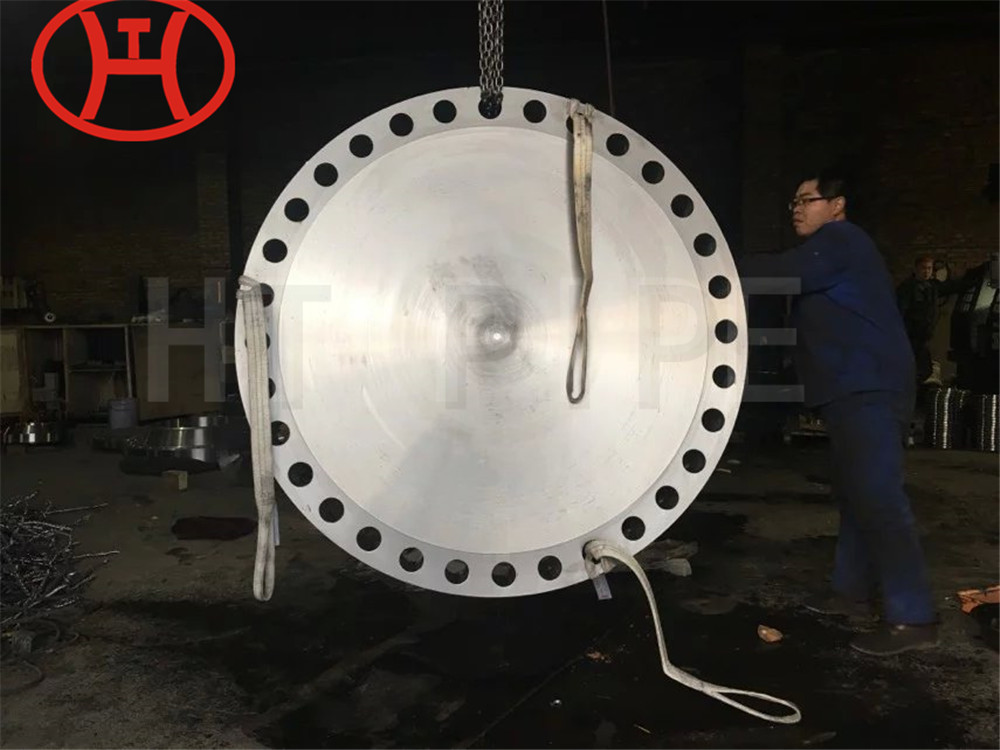
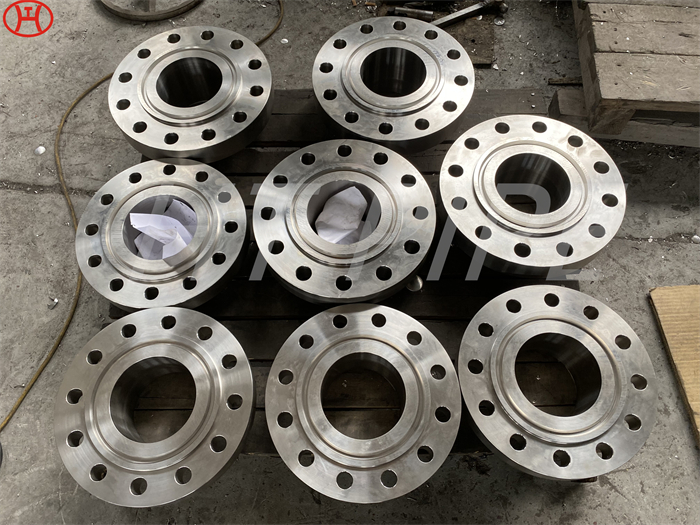
Hastelloy Flanges supplied by HT PIPE is a high quality Hastelloy B2 Flanges with ASTM B564 UNS N10665 available in all sizes and forms Hastelloy B2 Slip On Flanges, Hastelloy B2 Socket Weld Flanges, Hastelloy B2 Weld Neck Flanges, Hastelloy B2 Blind Flanges, Hastelloy B2 Threaded Flanges, Hastelloy B2 Lap Joint Flanges and so on. Hastelloy B2 Flanges is also referred as UNS N10665. We offer these flanges with resistance to Pitting, Heat, Crevice, Corrosion, Cracking and good Metallurgical stability. Hastelloy B2 Flanges are widely used in applications like Marine seawater, Waste treatment, Pollution control, Paper & pulp production, Chemical processing etc. This nickel based Alloy B2 RTJ Flange could be used in an as-welded condition as it hinders the formation of grain-boundary carbide precipitates that could occur while welding in the heat-affected weld area. Hastelloy B2/ B3 Flanges also offers excellent resistance to localized attack, for instance, pitting, corrosion, and stress related corrosion cracking as well.
Inquiry


    More Hastelloy

    Steel Plate are often used for structural and construction applications, pressure vessels, marine and offshord equipment, and military applications. The grade, elements and parameters of a steel plate are also important in how it is used.
    Steel plates are classified by thickness: thin plate, medium plate, thick plate and extra-thick plate.
    Thin steel plates are steel plates with a thickness between 0.2-4mm produced by hot rolling or cold rolling, and thick steel plates are those with a thickness of more than 4mm
    The general name of the good board.
    Thin steel plate refers to a steel plate with a thickness of not more than 3 mm. The commonly used thin steel plate thickness is 0.5-2MM, which is divided into sheet and coil supply. Thin
    The steel plates are generally B-type steels, cold-rolled or hot-rolled steel plates with steel grades B0-B3. Requirements for thin steel plates: smooth, smooth surface, thick
    The degree of uniformity, allowing a tight iron oxide film, must not have cracks, scarring and other defects. The process is divided into hot rolled sheet steel and cold rolled sheet
    plate. Mainly used in Changlin Dongfeng fans, automobiles, electrical equipment, vehicles, agricultural machinery, containers, steel furniture, etc.
    Thick steel plates refer to steel plates with a thickness greater than millimeters. Thick steel plate is divided into extra-thick steel plate and medium-thick steel plate.
    Medium and heavy steel plates refer to steel plates with a thickness greater than 3 mm and less than 50 mm. Medium and thick steel plates are mainly used in shipbuilding, boilers, bridges
    Armor and high-pressure vessel shells, etc.
    Extra-thick steel plate refers to a steel plate with a thickness of not less than 50 mm. Extra-thick steel plates are mainly used in shipbuilding, boilers, bridges and high-pressure vessel shells
    blog.

    Steel Plate are often used for structural and construction applications, pressure vessels, marine and offshord equipment, and military applications. The grade, elements and parameters of a steel plate are also important in how it is used.
    Steel plates are classified by thickness: thin plate, medium plate, thick plate and extra-thick plate.
    Thin steel plates are steel plates with a thickness between 0.2-4mm produced by hot rolling or cold rolling, and thick steel plates are those with a thickness of more than 4mm
    The general name of the good board.
    Thin steel plate refers to a steel plate with a thickness of not more than 3 mm. The commonly used thin steel plate thickness is 0.5-2MM, which is divided into sheet and coil supply. Thin
    The steel plates are generally B-type steels, cold-rolled or hot-rolled steel plates with steel grades B0-B3. Requirements for thin steel plates: smooth, smooth surface, thick
    The degree of uniformity, allowing a tight iron oxide film, must not have cracks, scarring and other defects. The process is divided into hot rolled sheet steel and cold rolled sheet
    plate. Mainly used in Changlin Dongfeng fans, automobiles, electrical equipment, vehicles, agricultural machinery, containers, steel furniture, etc.
    Thick steel plates refer to steel plates with a thickness greater than millimeters. Thick steel plate is divided into extra-thick steel plate and medium-thick steel plate.
    Medium and heavy steel plates refer to steel plates with a thickness greater than 3 mm and less than 50 mm. Medium and thick steel plates are mainly used in shipbuilding, boilers, bridges
    Armor and high-pressure vessel shells, etc.
    Extra-thick steel plate refers to a steel plate with a thickness of not less than 50 mm. Extra-thick steel plates are mainly used in shipbuilding, boilers, bridges and high-pressure vessel shells
    blog.