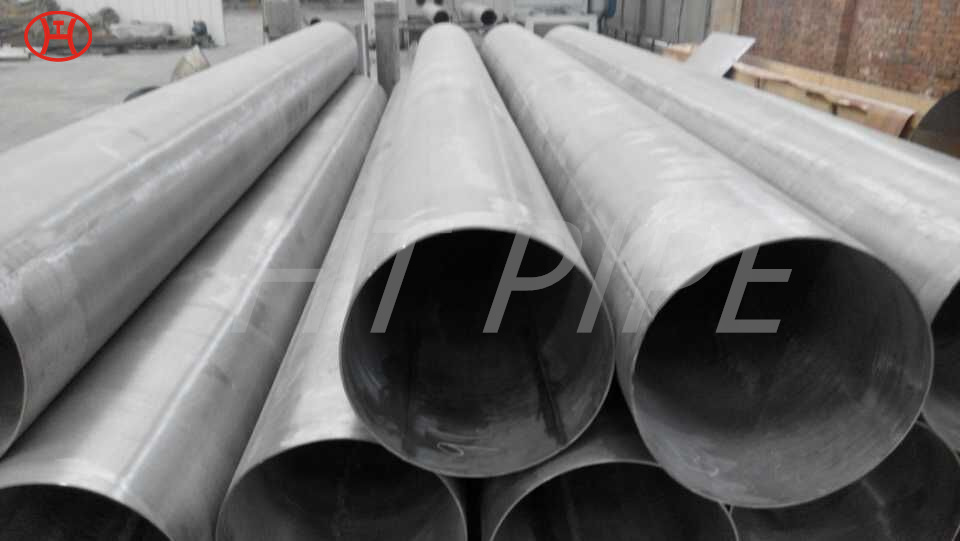
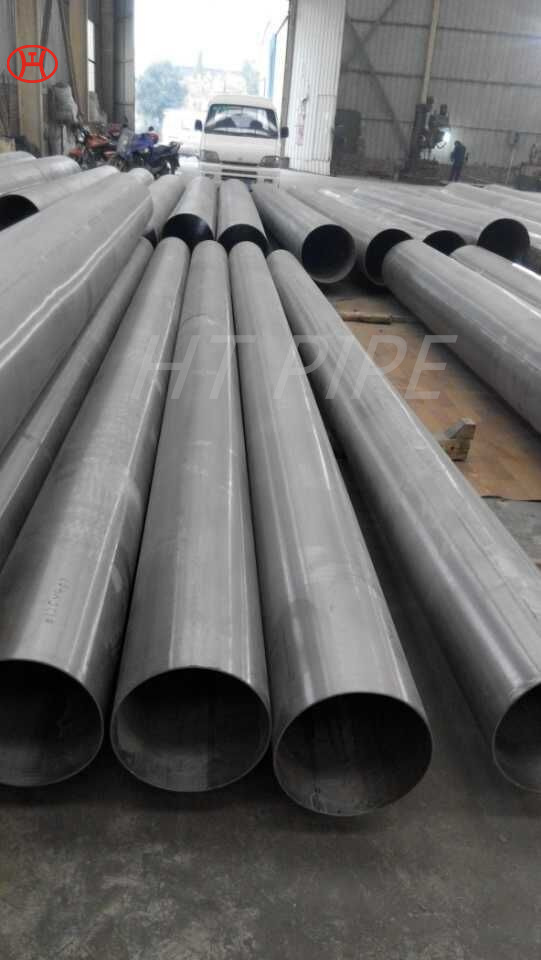
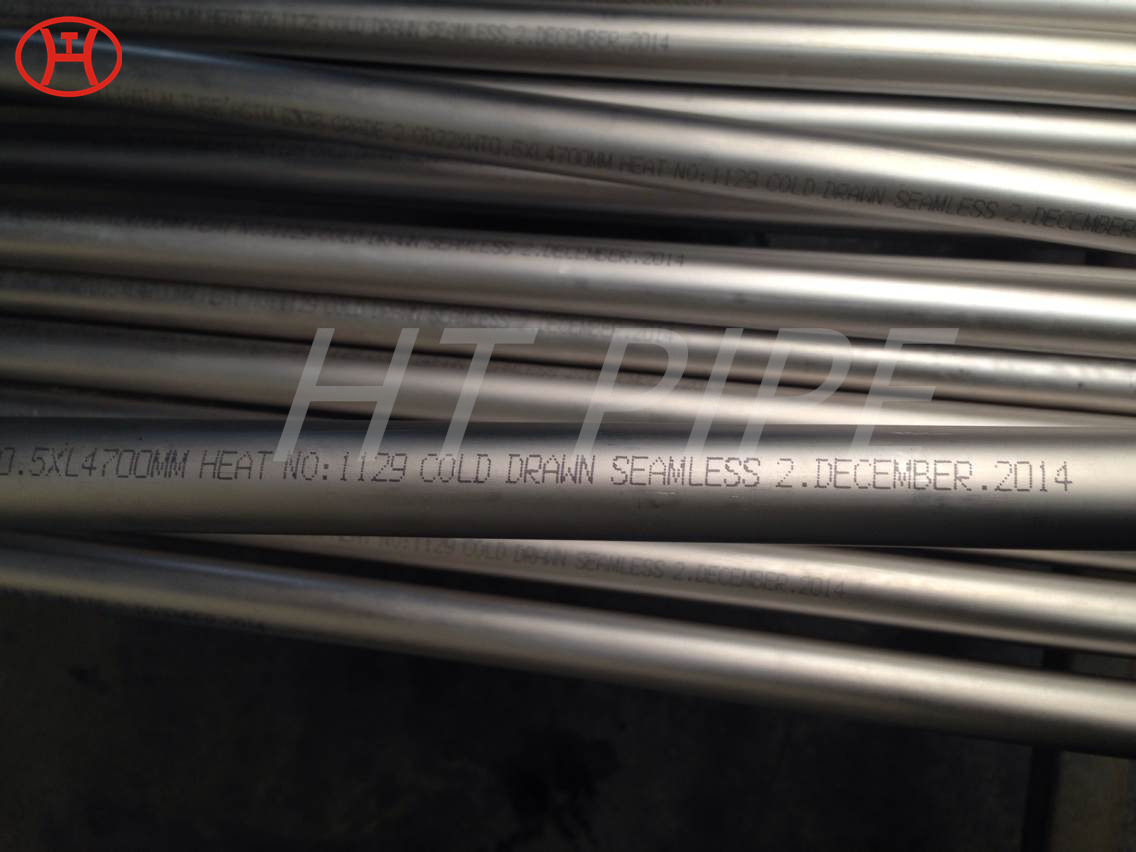
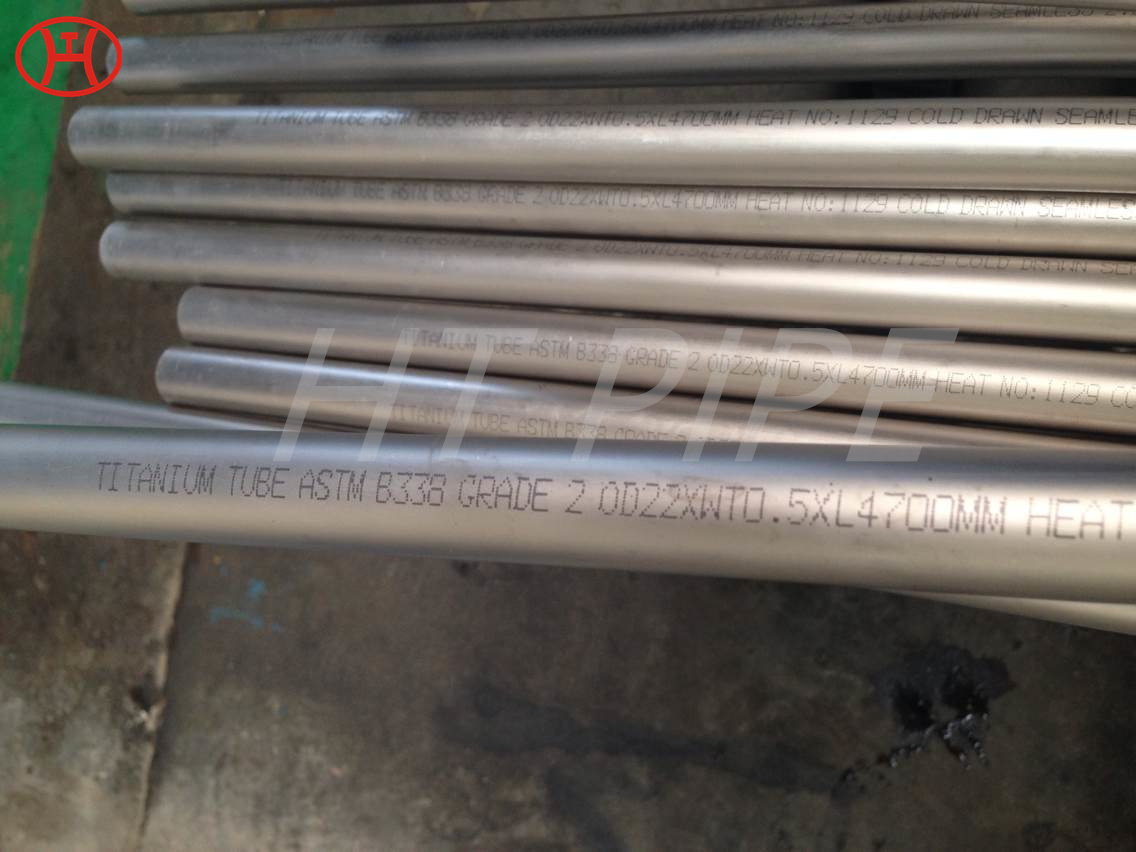
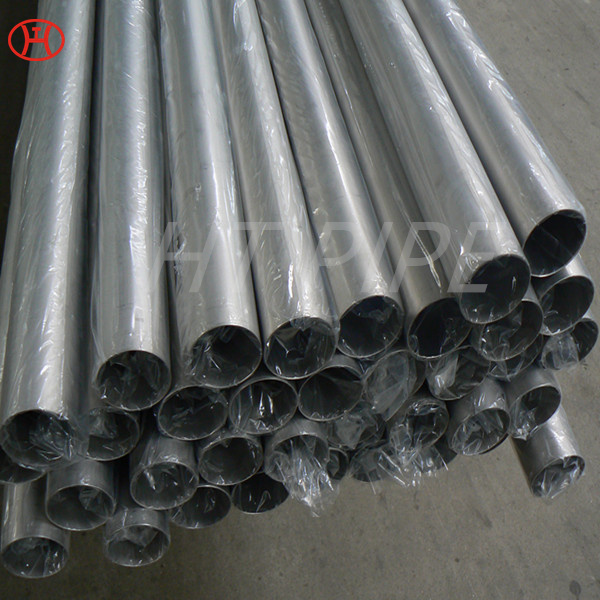
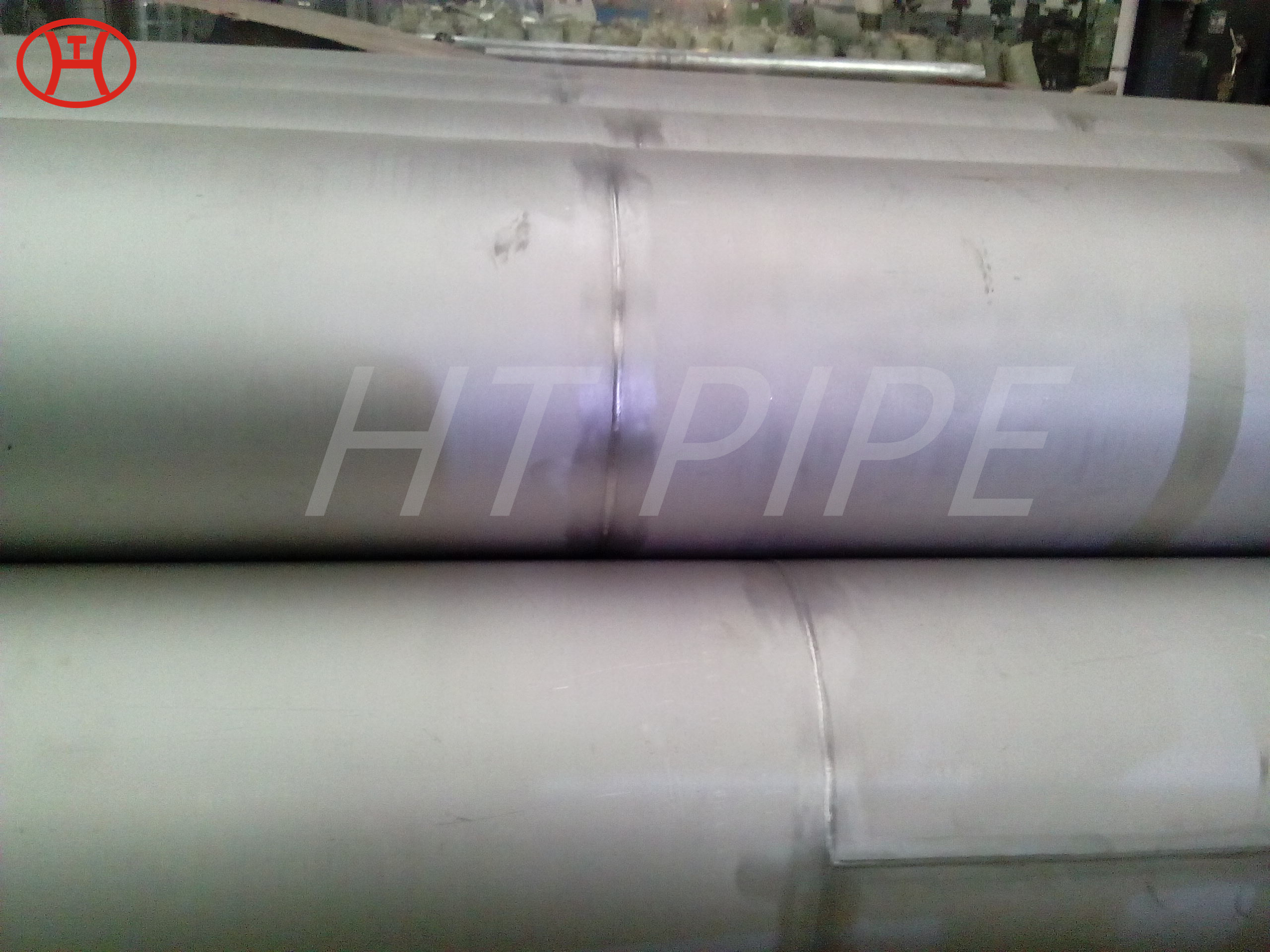
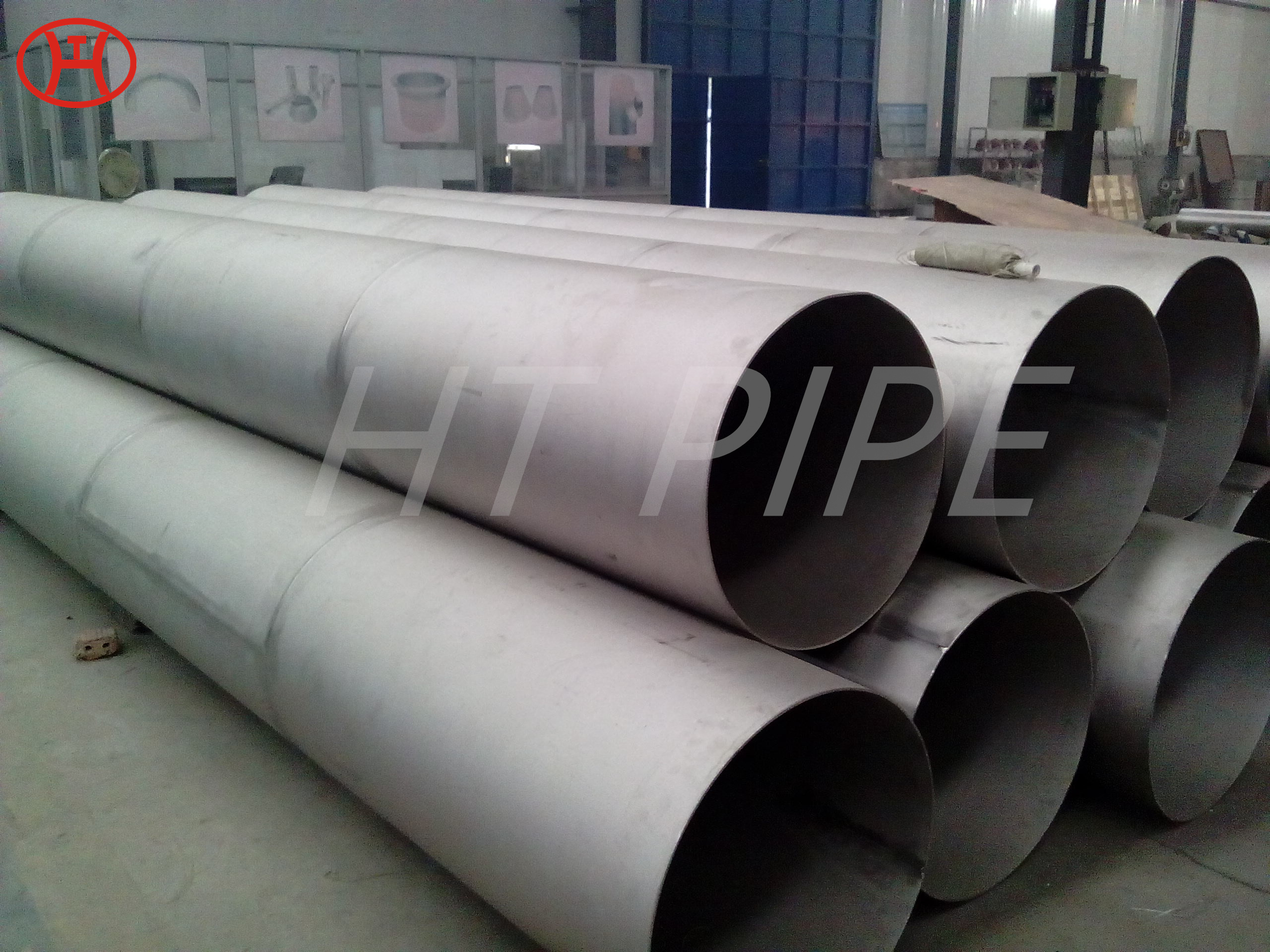
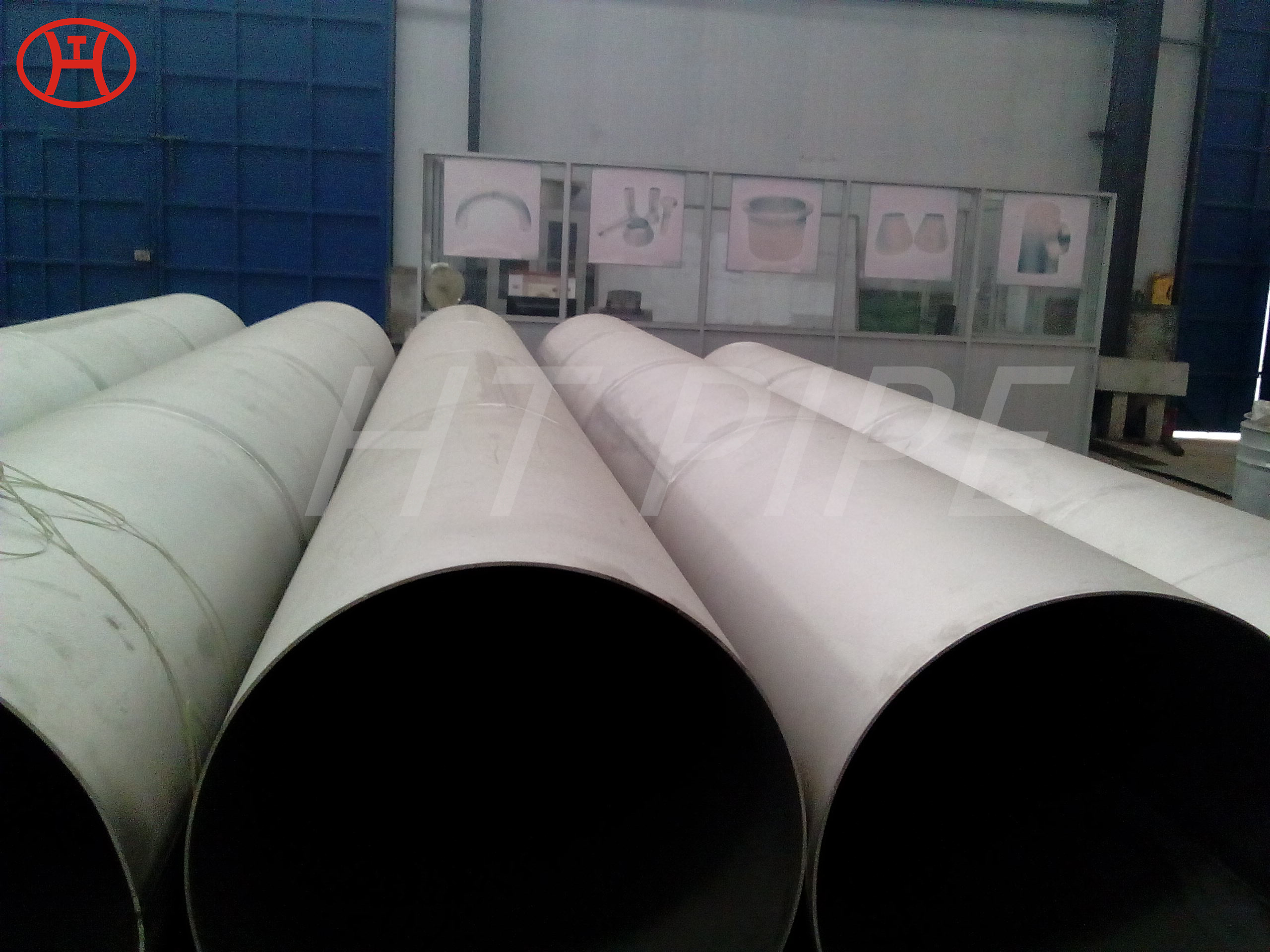
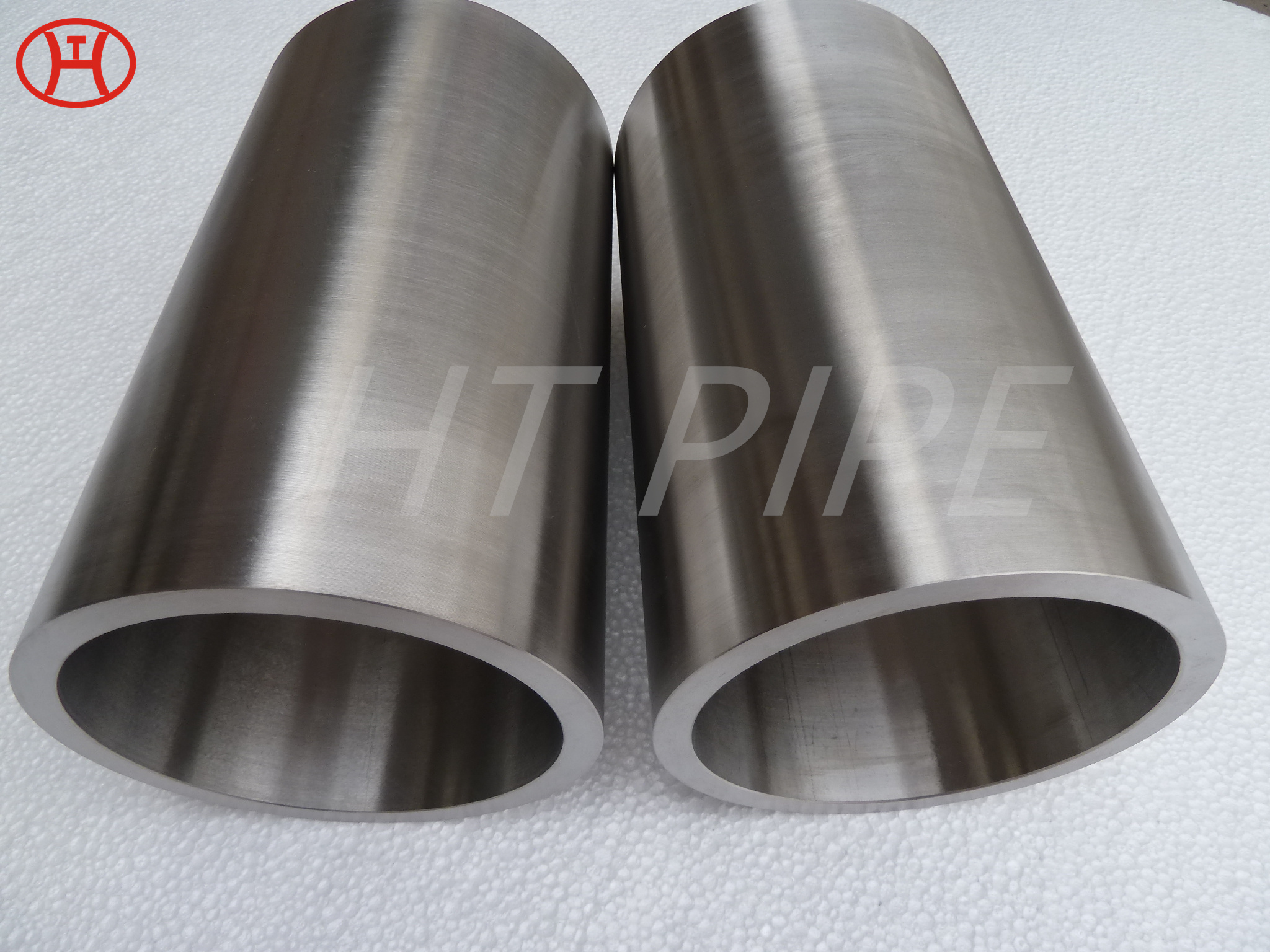
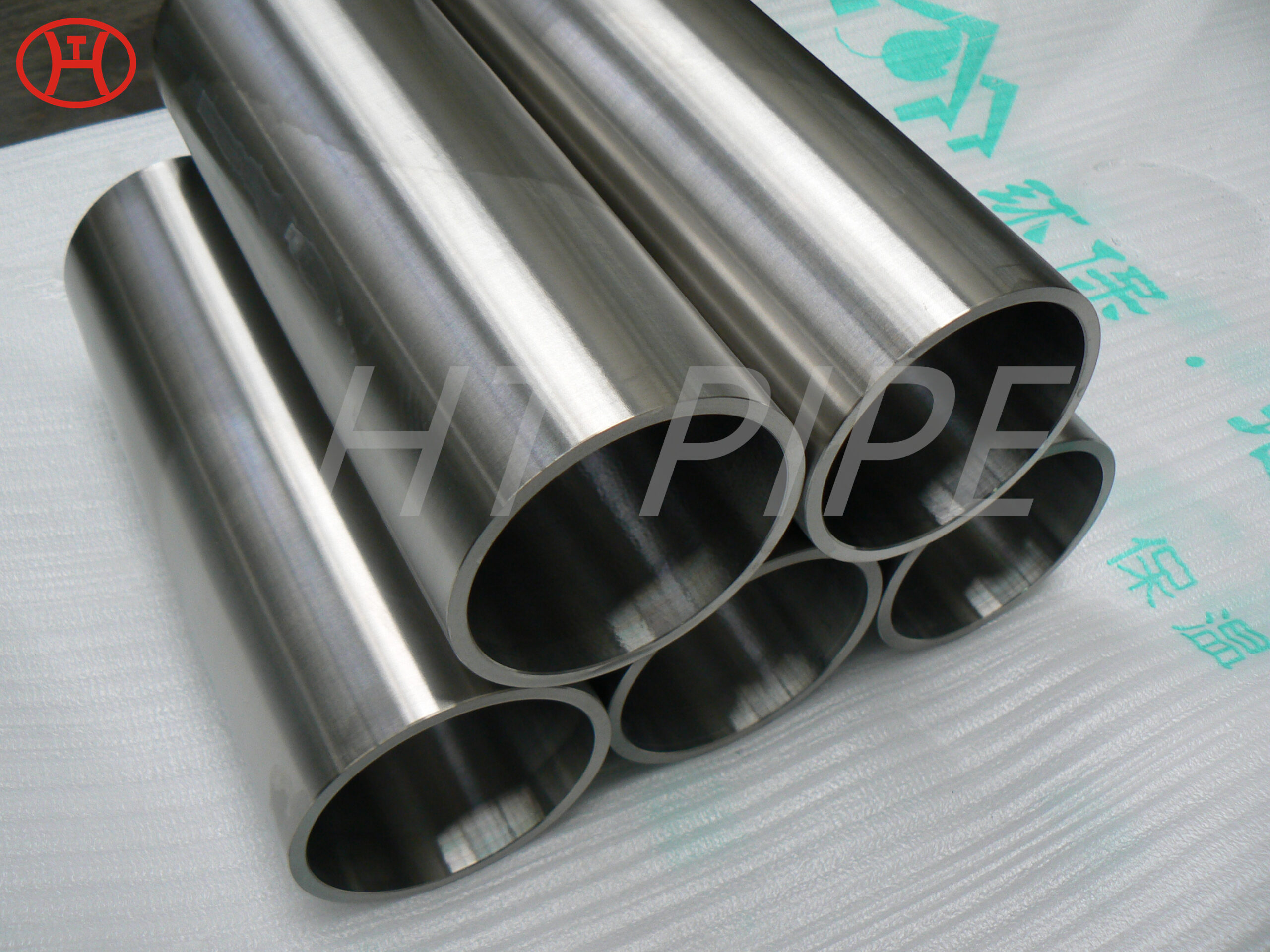
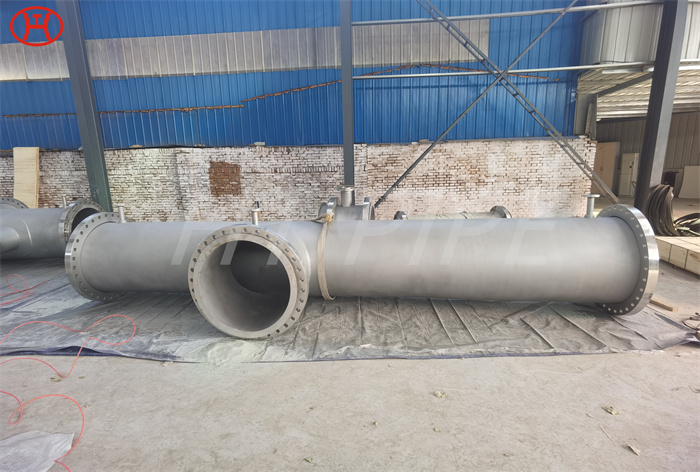
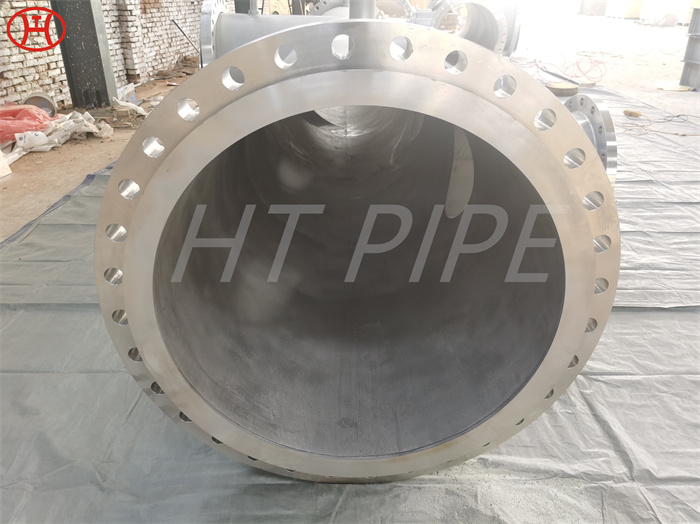
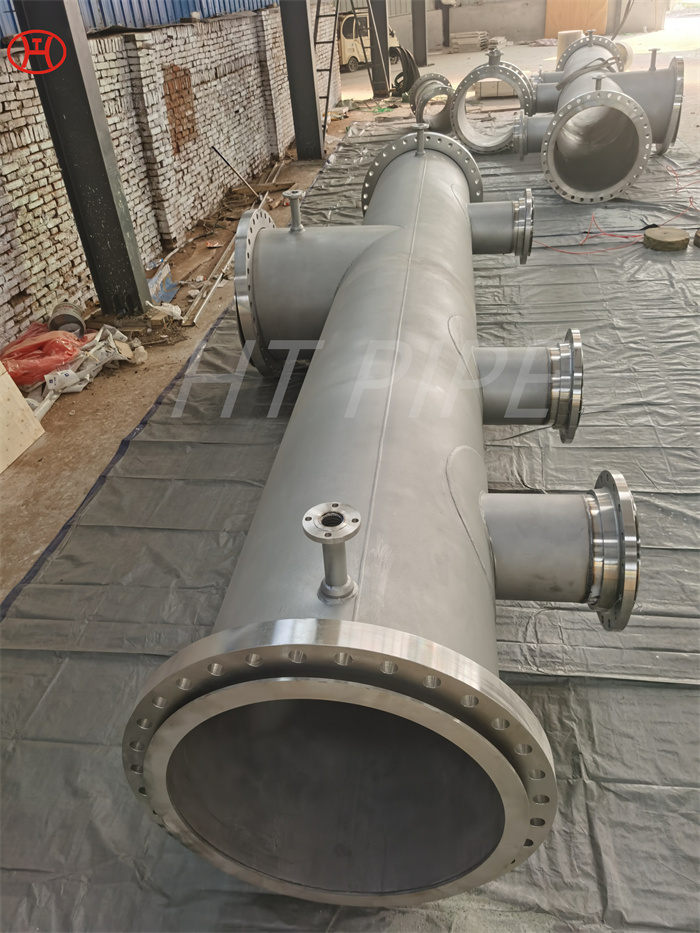
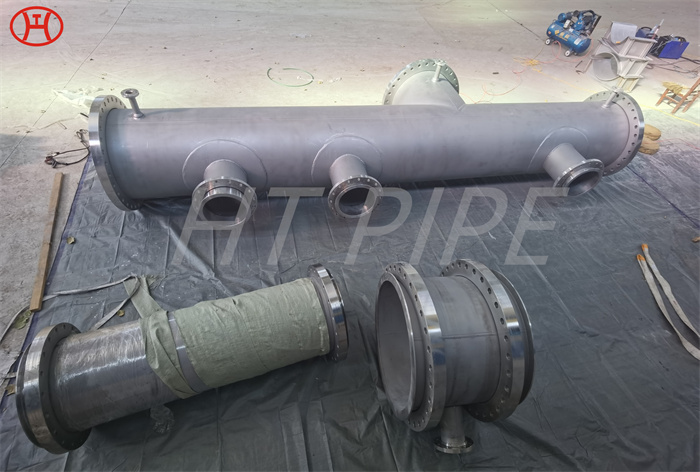
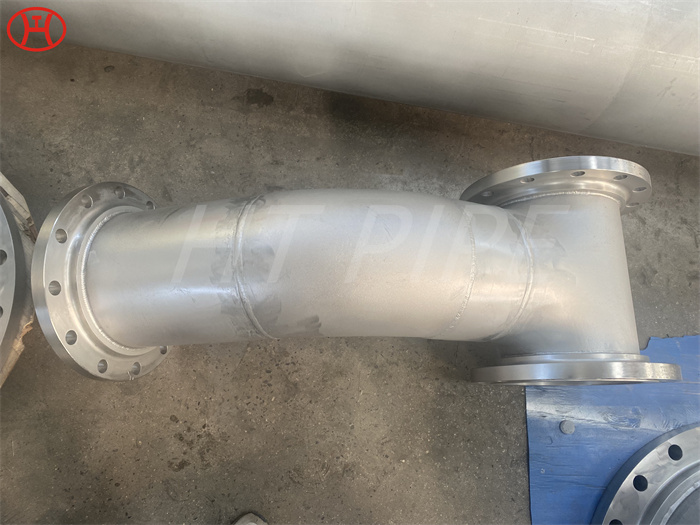
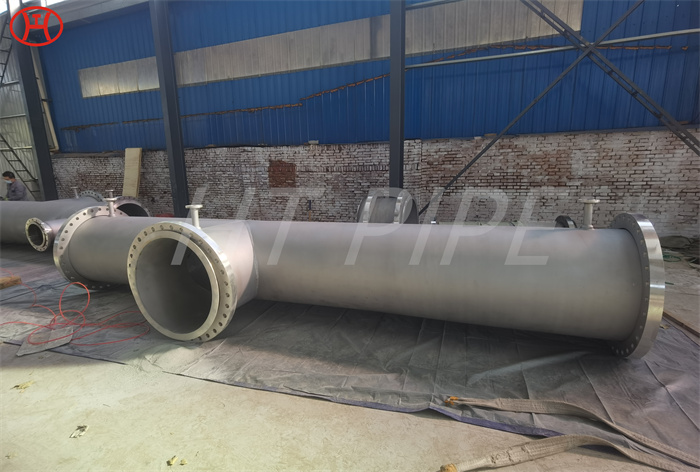
Titanium Welded Pipe?has a very high melting point which is even greater than 1650 degrees Centigrade or 3000 degrees Fahrenheit.
Typical applications are corrosion resistant products in the chemical industry, marine, automotive and aircraft construction, where maximum formability and durability is required.
Titanium ScCH 40 Pipe has the chemical symbol Ti & also known as Ti Clad Pipes. Titanium Brushed Pipe is paramagnetic alloy.
Titanium is renowned for its strength, low density in comparison with steel and its corrosion resistance. The qualities make it a popular choice in a range of industries.
Titanium ERW Pipe is costly as compared to Aluminium.
Pure Seamless Titanium Pipe has double the strength of aluminium &?Titanium ASTM B338 Pipe?is about 60% denser than aluminium.
Titanium Square Pipe is a silvered colored metal with high strength and low density.
ASME SB338 Titanium Round Pipe are strong and lightweight making them ideal for aerospace, automotive, military and industrial applications.
Pure Titanium SB338 Steel Pipe is strong and corrosive resistant.
Titanium NCF Tube is a silvered colored metal with high strength and low density.
Titanium Micro Tube?are lightweight and strong making them ideal for aerospace, automotive, military and industrial applications.
ASTM B338 Titanium boiler tube is considered to be one of the most strongest metals.
Pure Titanium condenser tube is corrosive resistant and strong.
We are specialist in?Titanium Coil Tubing?& we also maintain stock of Small Diameter Titanium Tube & Large Diameter Titanium Tube,?Titanium Boiler Tube?in various size range & diameter with ASTM/ ASME specifications.
One exception, however, are strongly oxidizing acids such as nitric acid. Alloys that contain molybdenum generally do not perform as well in these environments.?
Alloy 317L has excellent corrosion resistance in a wide range of chemicals. It resists attack in sulfuric acid, acidic chlorine and phosphoric acid.
With the addition of nitrogen as a strengthening agent, the alloy can be dual certified as Alloy 317 (UNS S31700).
Alloy 317L is non-magnetic in the annealed condition.
It cannot be hardened by heat treatment;?however?the material will harden due to cold working.
Alloy 317L can be easily welded and processed by standard shop fabrication practices.?
The higher molybdenum content of Alloy 317L assures superior general and localized corrosion resistance in most media when compared with 304/304L and 316/316L stainless steels.
Environments that don¡¯t attack 304/304L stainless steel will normally not corrode 317L.
For certain applications, grade 254 SMO has been reported to be a cost-effective substitute for high nickel and titanium alloys.
It is known to possess excellent workability as well.
Alloy 254 SMO is a high end, molybdenum and nitrogen alloyed super austenitic stainless steel with low carbon content.
It has high nickel (24%), molybdenum (6.3%), nitrogen and chromium contents that give it excellent resistance to chloride stress corrosion cracking, chloride pitting, and exceptional general corrosion resistance.
AL6XN is primarily used for its improved pitting and crevice corrosion resistance in chlorides. It is a formable and weldable stainless steel.
AL6XN has greater tensile strength than common austentitic stainlesses, while retaining high ductility and impact strength.
It was developed for enhanced creep resistance and for higher strength at temperatures above 1000¡ãF (537¡ãC).
Chromium, molybdenum, nickel and nitrogen all contribute to overall resistance to corrosion by various media