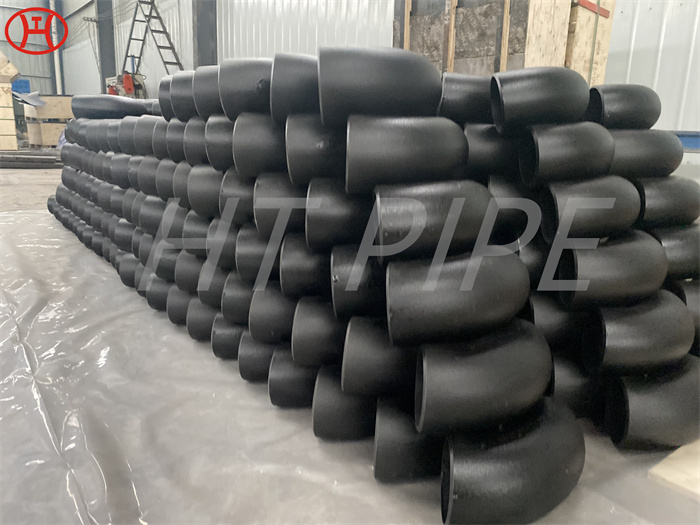
Home » Materials » TItanium tubing Titanium Welded tubes
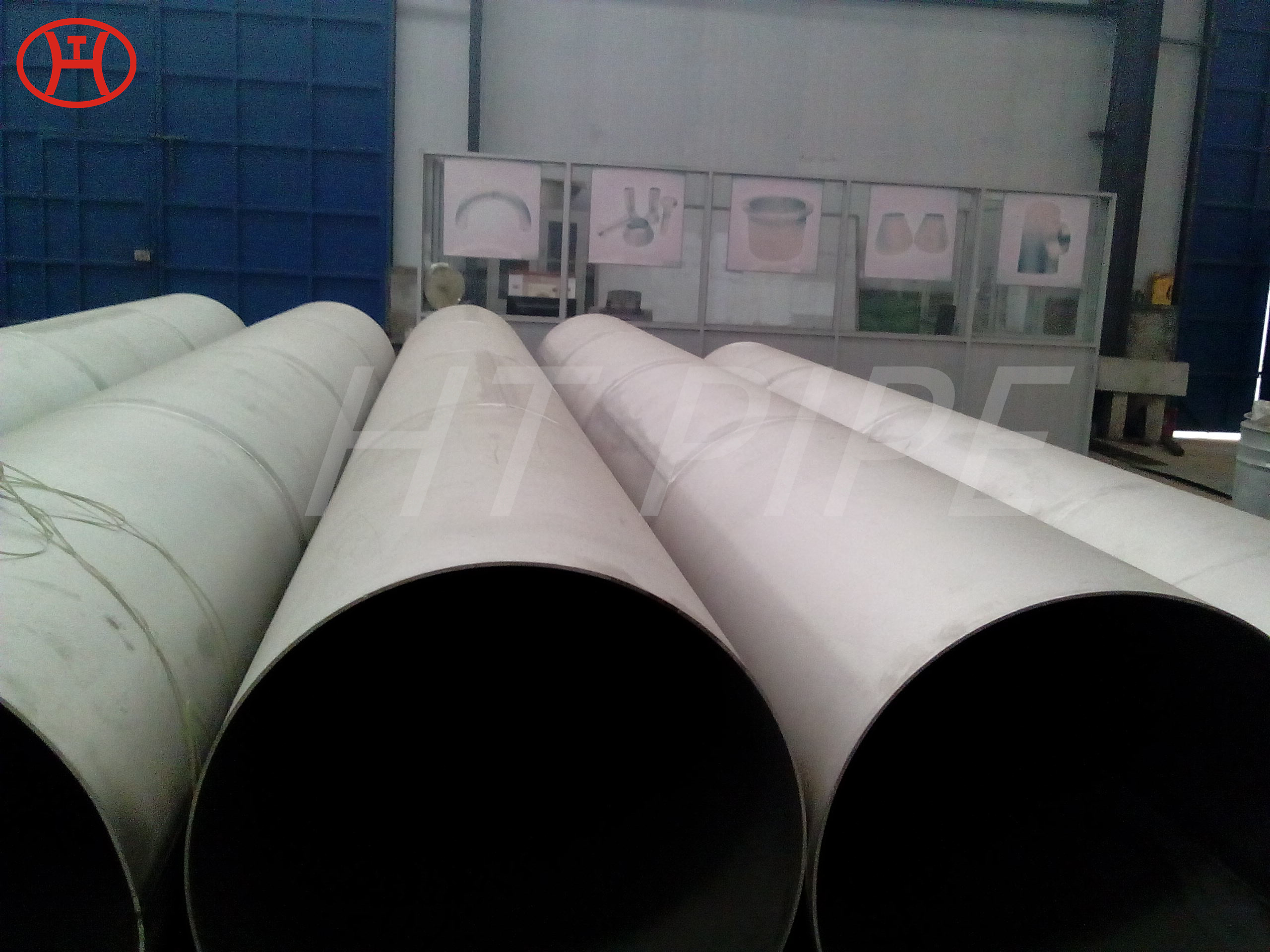
TItanium tubing Titanium Welded tubes

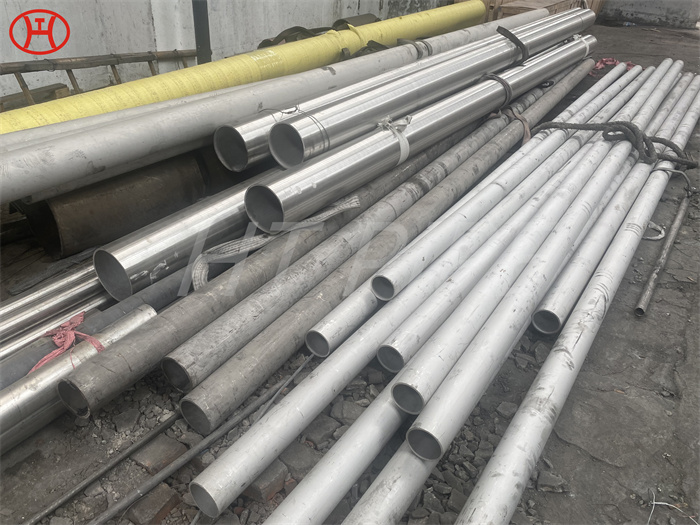
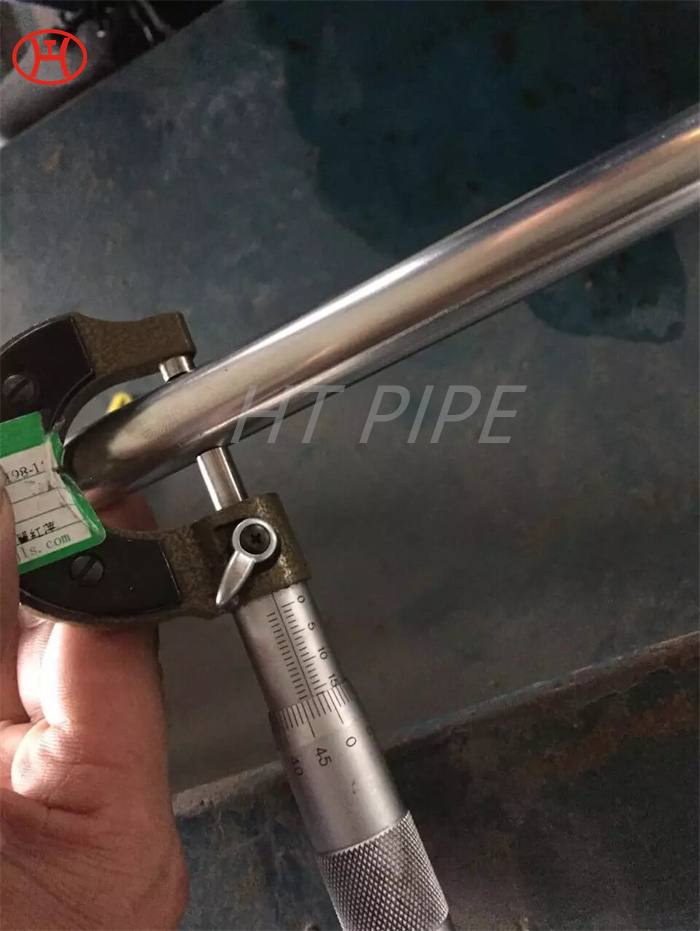
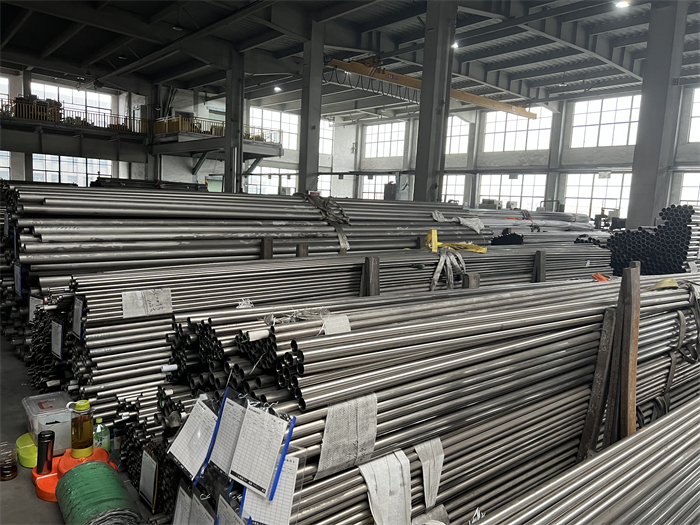
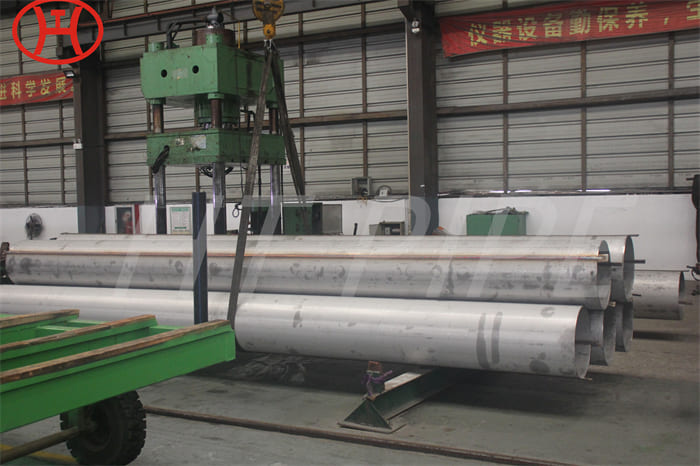
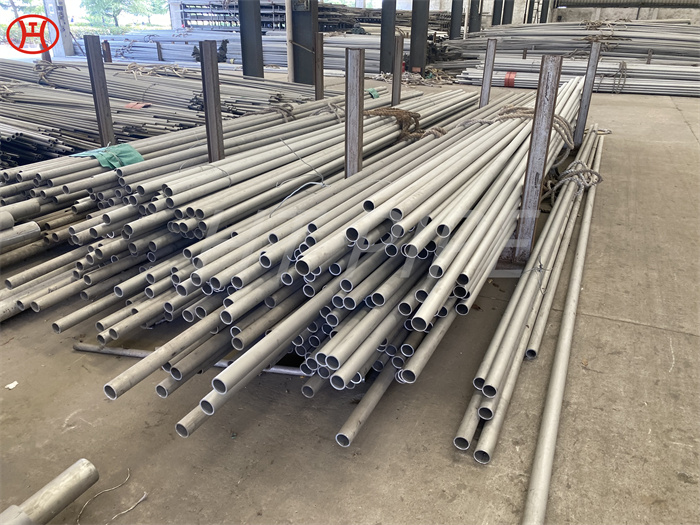
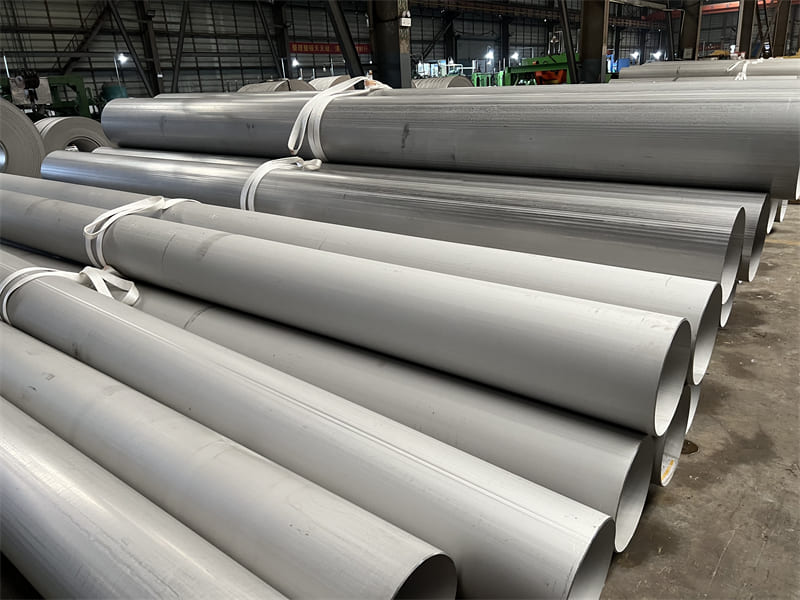
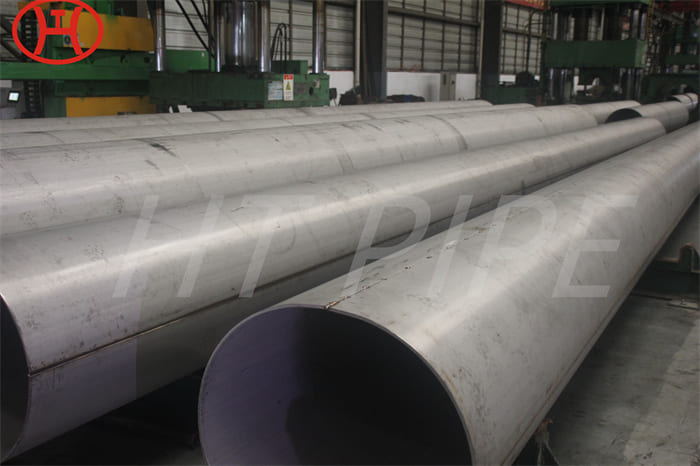
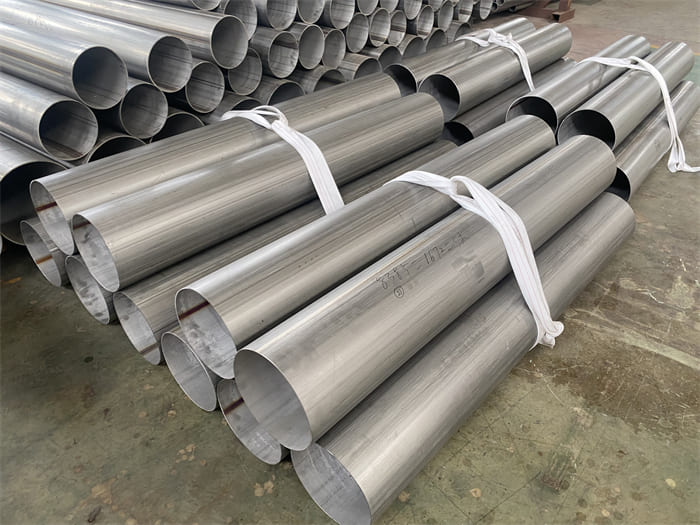
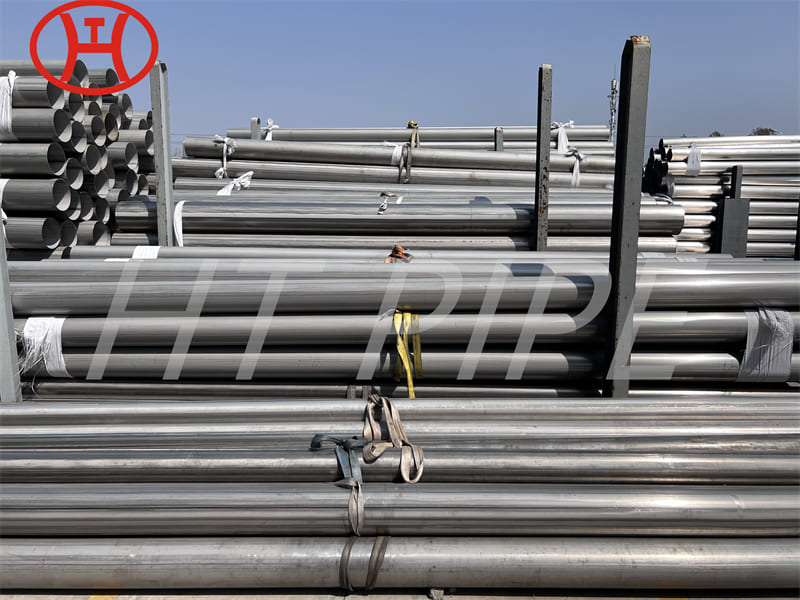
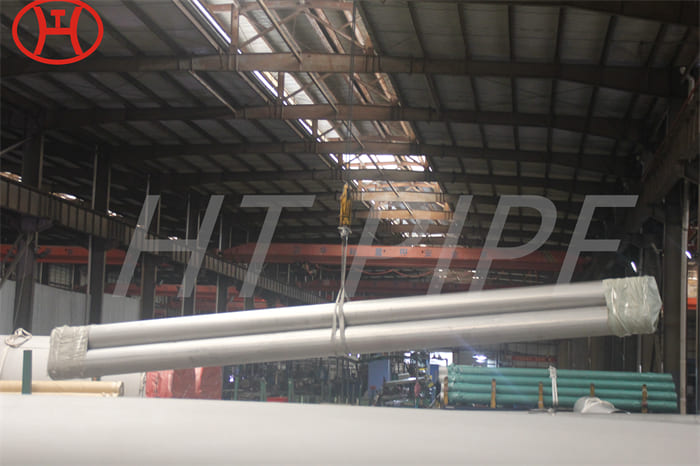
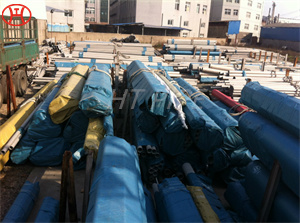
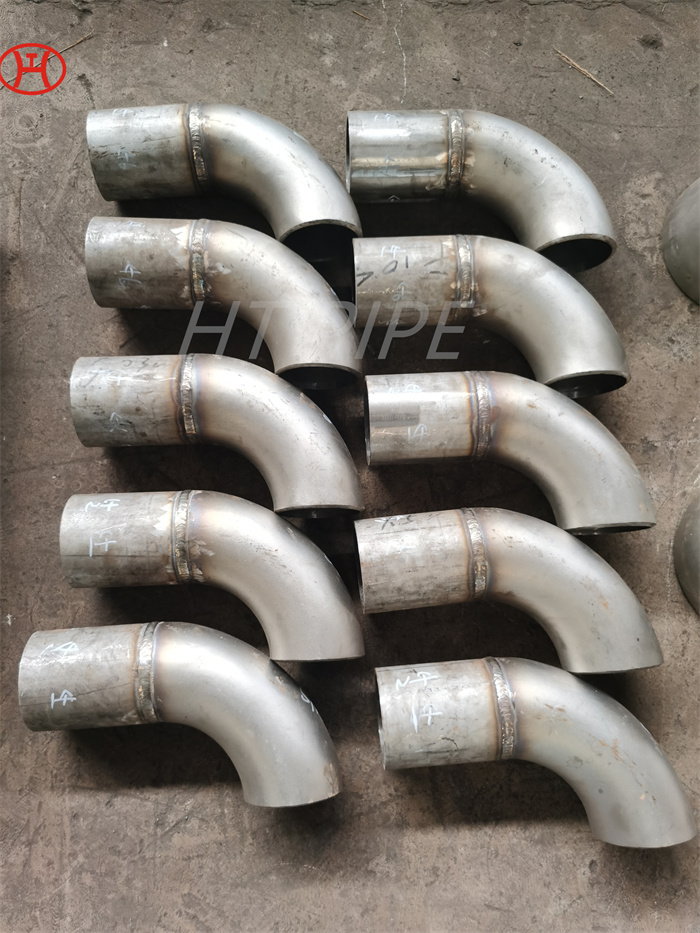
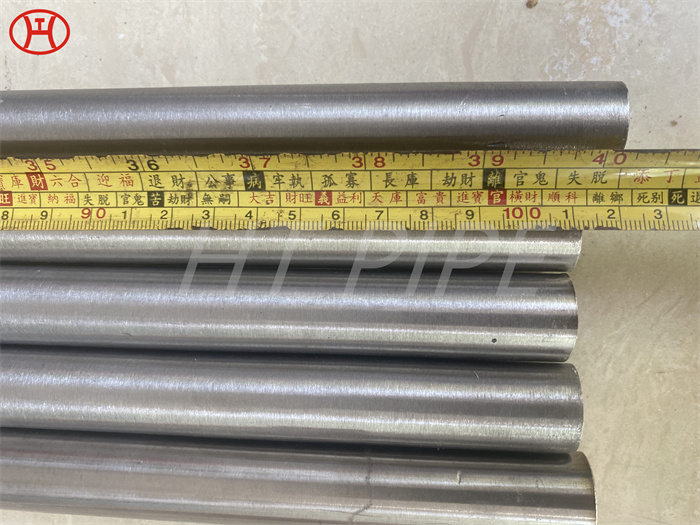
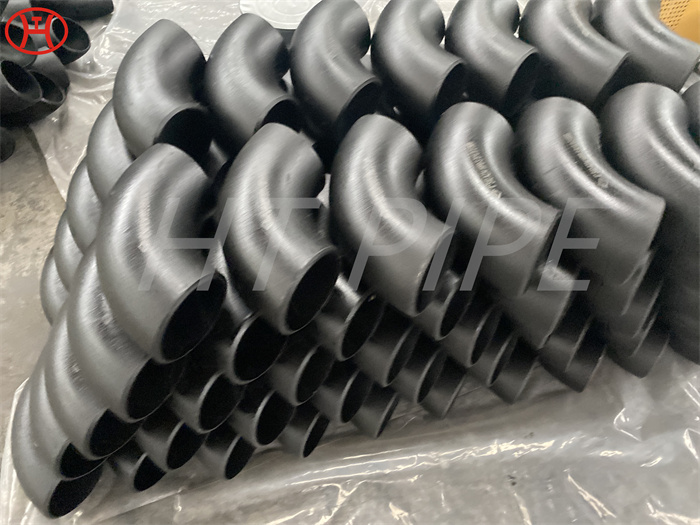
ASTM B338 Titanium boiler tube is considered to be one of the most strongest metals.

Rated 4.6/5 based on 260 customer reviews
Share:
Content

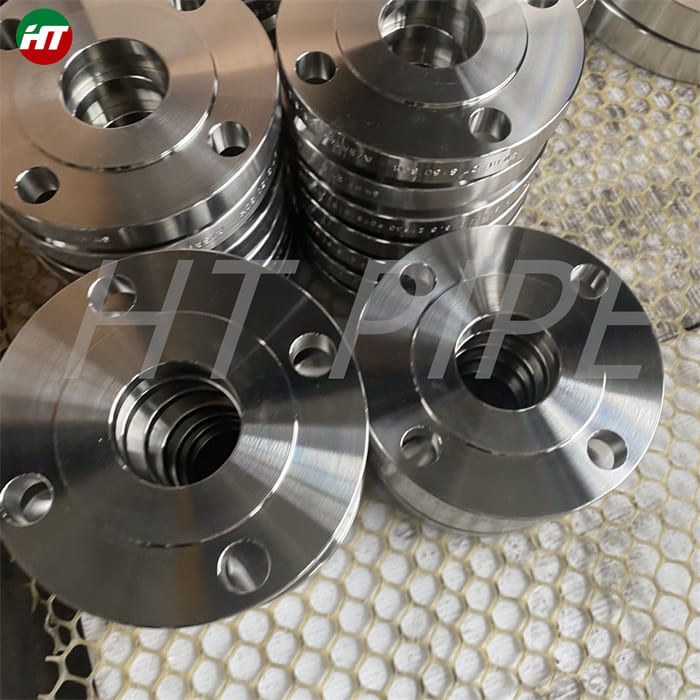
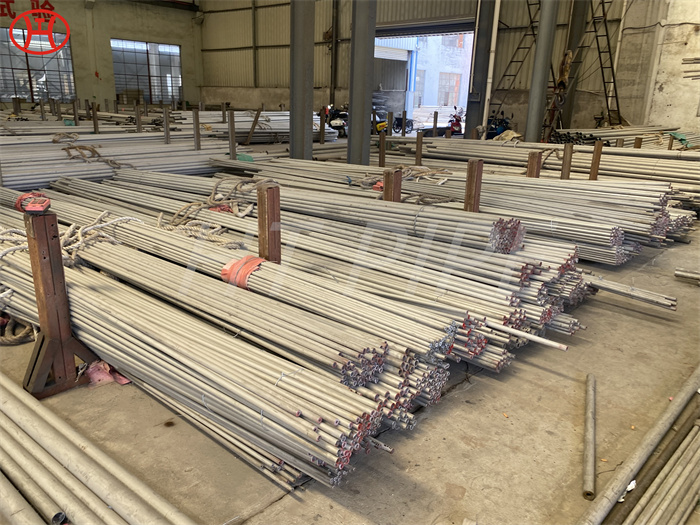
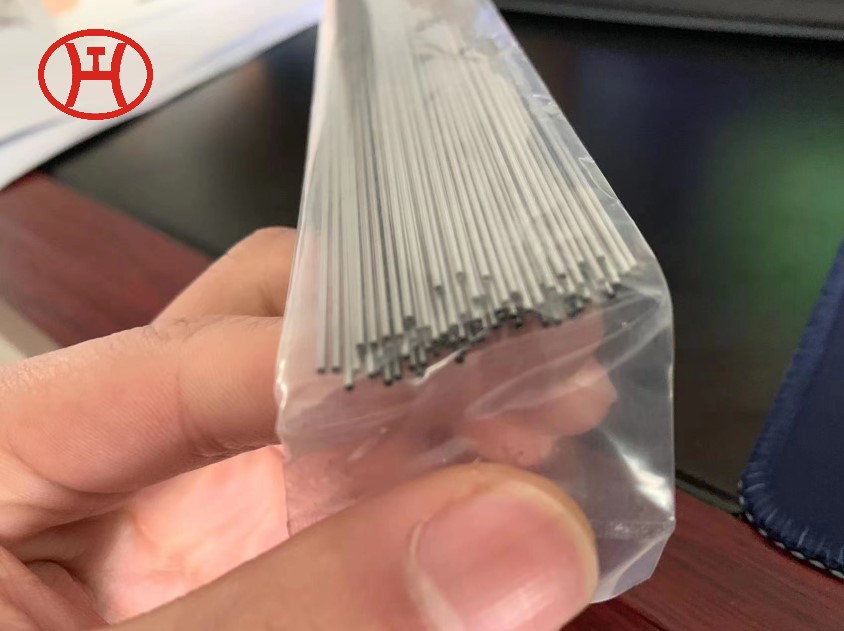
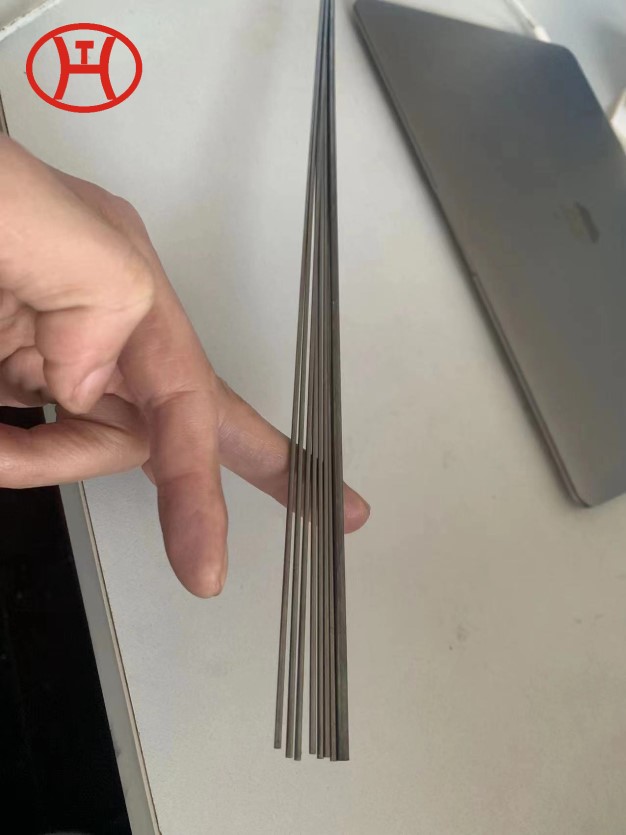
It is common in these environments due to its corrosion resistance and high strength-to-weight ratio. The reduced corrosion allowance results in thinner walls, so Sch 10 is the most common thickness we offer. Titanium is about 60% denser than steel or nickel-based alloys and can significantly reduce the weight of aerospace structures. Seamless tubing can be used in precision applications such as equipment and instrumentation. Pipes come in different sizes according to ASTM, ASME and API standards. Of all the grades of titanium, grade 5 is the most commonly used.

Inquiry


    More Materials
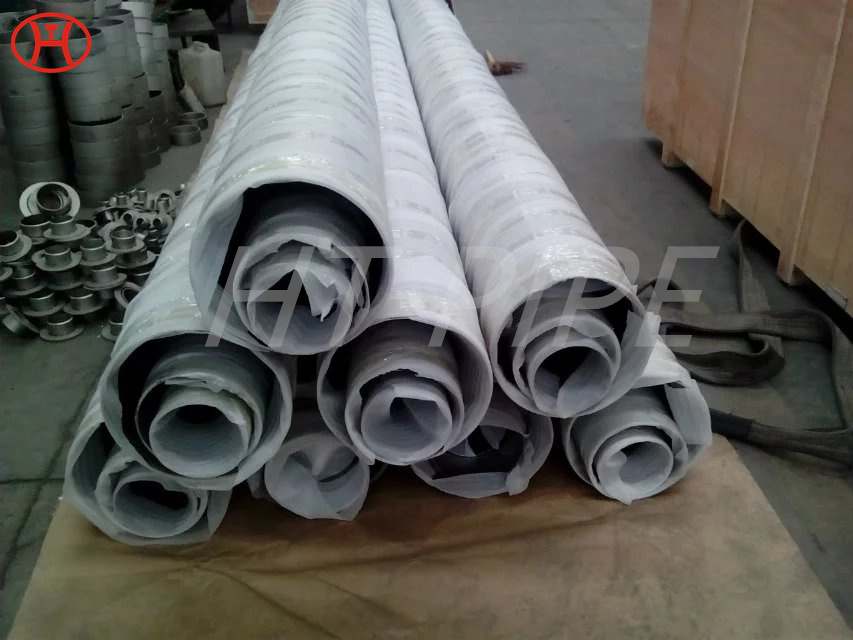
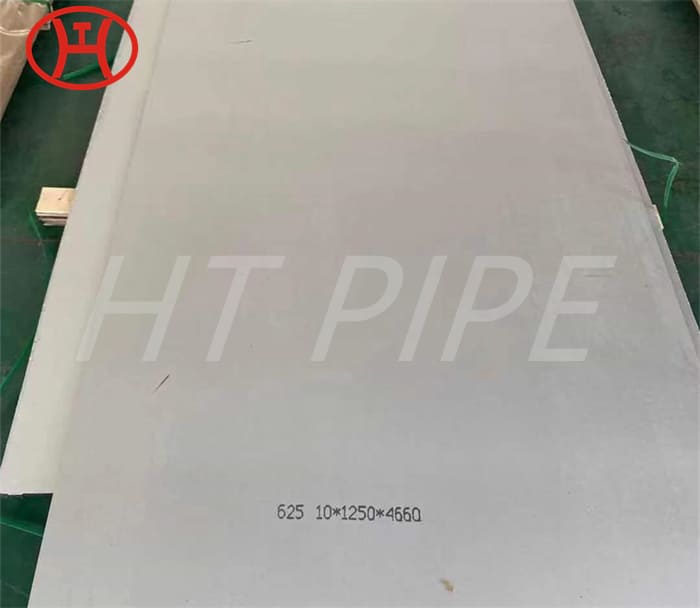
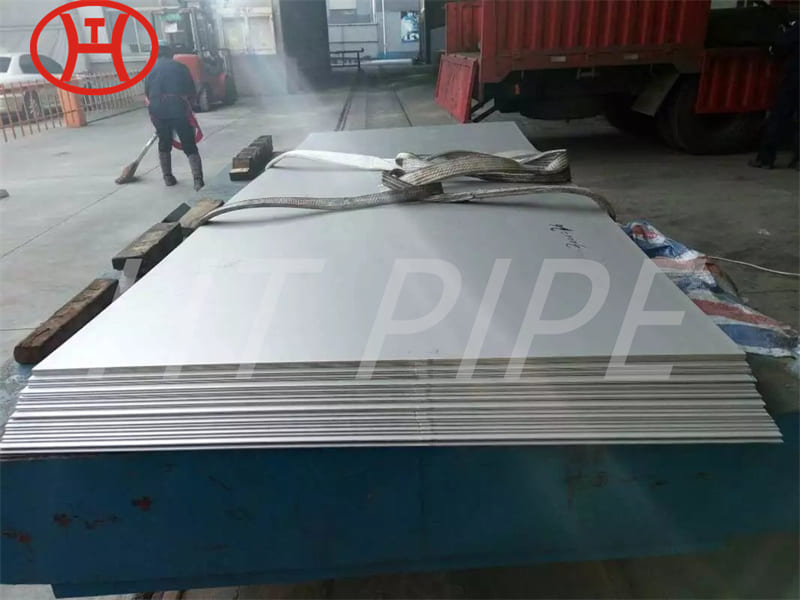
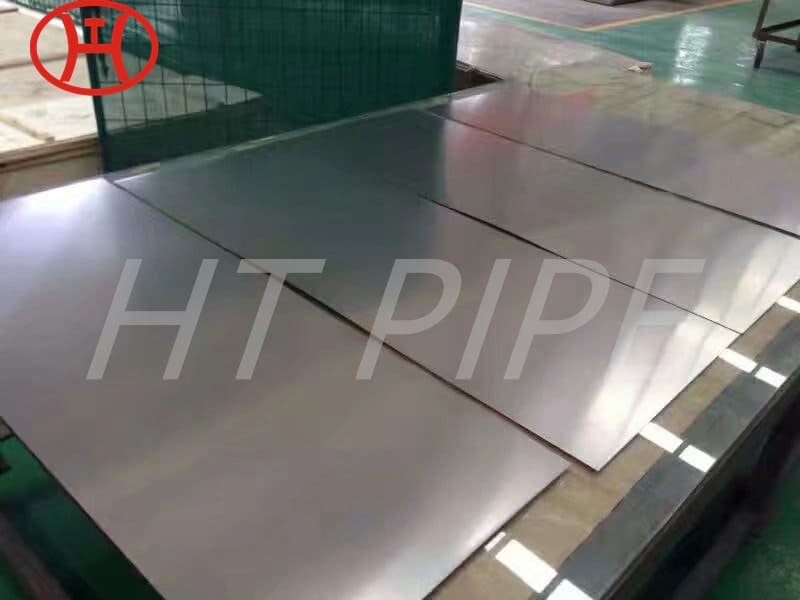
    Steel Plate are often used for structural and construction applications, pressure vessels, marine and offshord equipment, and military applications. The grade, elements and parameters of a steel plate are also important in how it is used.
    Steel plates are classified by thickness: thin plate, medium plate, thick plate and extra-thick plate.
    Thin steel plates are steel plates with a thickness between 0.2-4mm produced by hot rolling or cold rolling, and thick steel plates are those with a thickness of more than 4mm
    The general name of the good board.
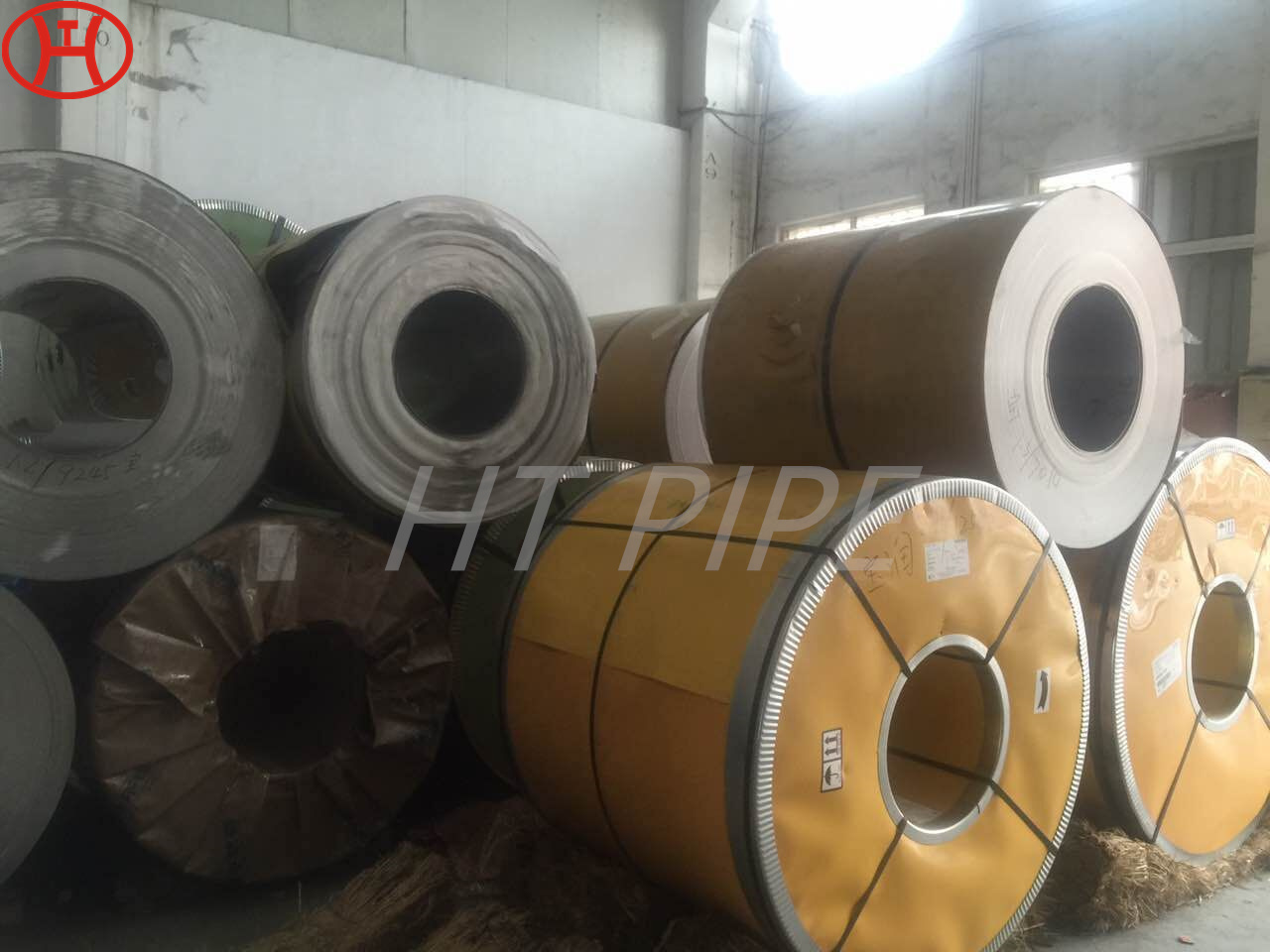
    Thin steel plate refers to a steel plate with a thickness of not more than 3 mm. The commonly used thin steel plate thickness is 0.5-2MM, which is divided into sheet and coil supply. Thin
    The steel plates are generally B-type steels, cold-rolled or hot-rolled steel plates with steel grades B0-B3. Requirements for thin steel plates: smooth, smooth surface, thick
    The degree of uniformity, allowing a tight iron oxide film, must not have cracks, scarring and other defects. The process is divided into hot rolled sheet steel and cold rolled sheet
    plate. Mainly used in Changlin Dongfeng fans, automobiles, electrical equipment, vehicles, agricultural machinery, containers, steel furniture, etc.
    Thick steel plates refer to steel plates with a thickness greater than millimeters. Thick steel plate is divided into extra-thick steel plate and medium-thick steel plate.
    Medium and heavy steel plates refer to steel plates with a thickness greater than 3 mm and less than 50 mm. Medium and thick steel plates are mainly used in shipbuilding, boilers, bridges
    Armor and high-pressure vessel shells, etc.
    Extra-thick steel plate refers to a steel plate with a thickness of not less than 50 mm. Extra-thick steel plates are mainly used in shipbuilding, boilers, bridges and high-pressure vessel shells
    blog.