The yield strength is also higher, allowing component designers to reduce section size for load-bearing applications.
ASTM A182 Grade F51 is the standard duplex stainless steel and is also called ¡°duplex 2205¡± or ¡°alloy 2205¡±.
It reaches the phase balance of austenite and ferrite in roughly same volume fraction.
The duplex structure results in improved stress-corrosion cracking resistance, compared with the austenitic stainless steels, and improved toughness and ductility, compared with the ferritic stainless steels.
Duplex stainless is a mixed microstructure of austenitic and ferrite (50/50) which has improved strength over ferritic and austenitic steel grades with similar corrosion resistance qualities.
It is extensively used in heavy gauge welded components (over about 6mm). There is commonly no appreciable price difference between 316 and 316L stainless steel.
The austenitic structure also gives these grades excellent toughness, even down to cryogenic temperatures.
Compared to chromium-nickel austenitic stainless steels, 316L stainless steel offers higher creep, stress to rupture and tensile strength at elevated temperatures.
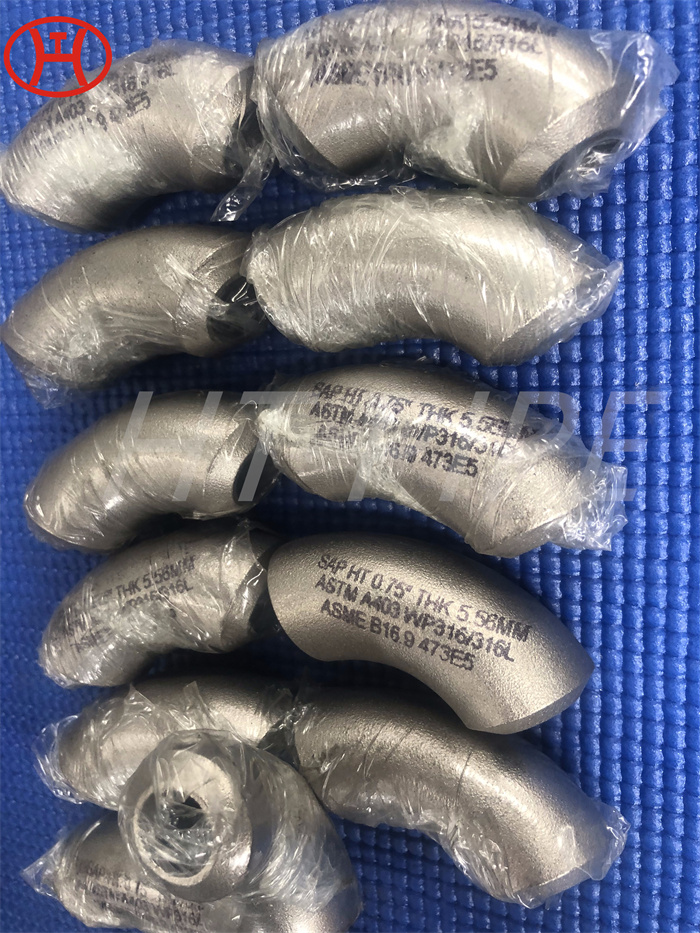
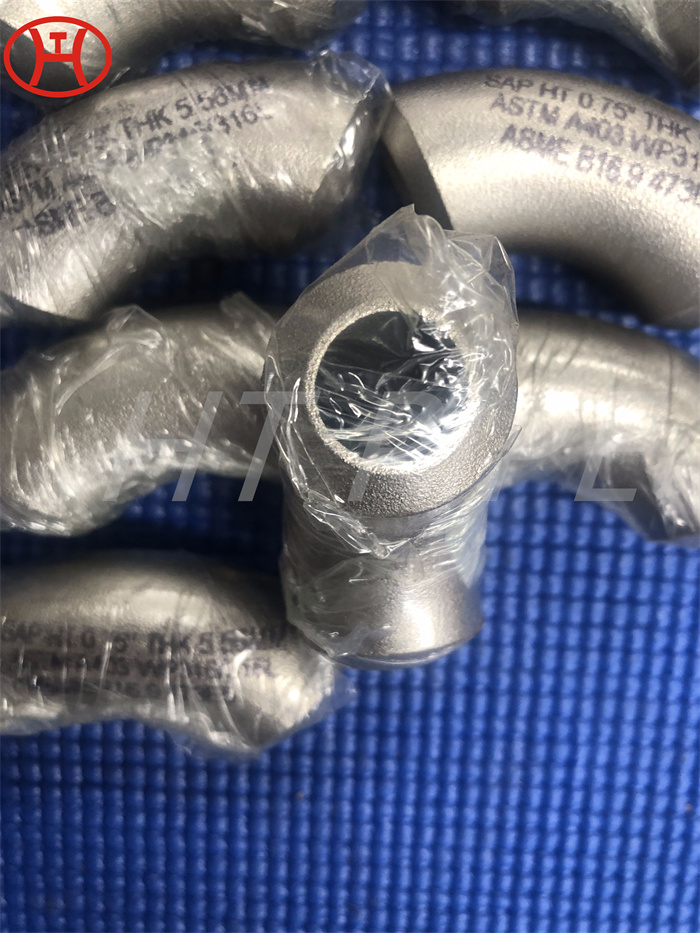
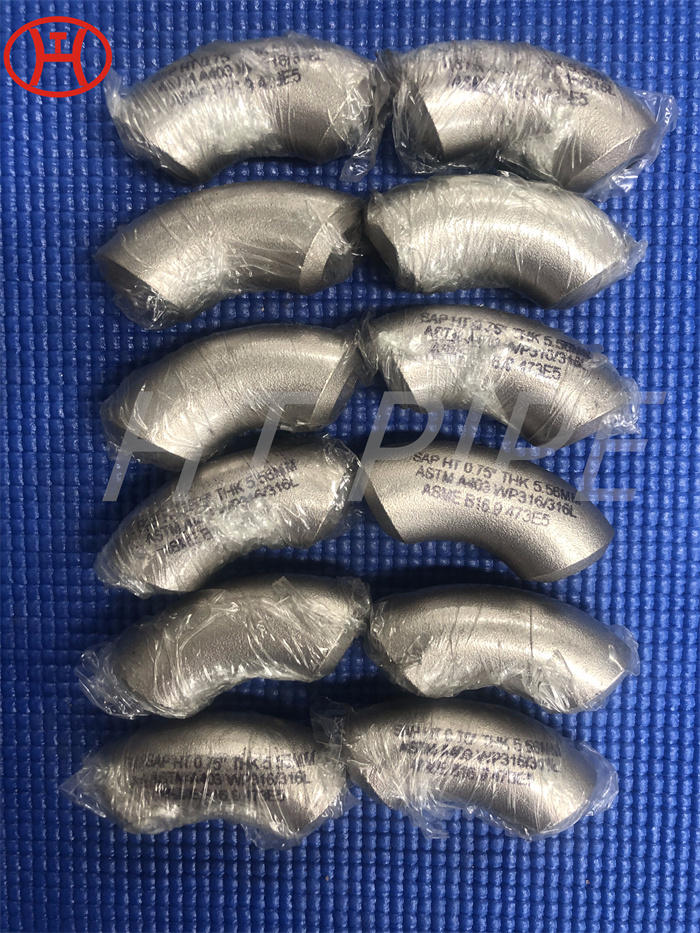
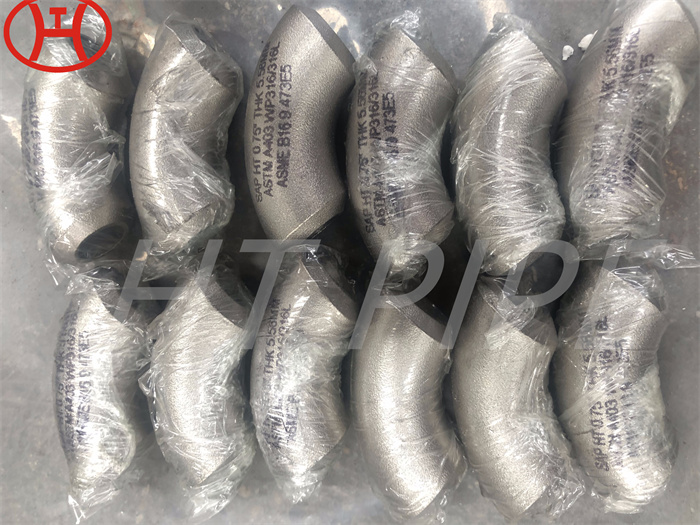
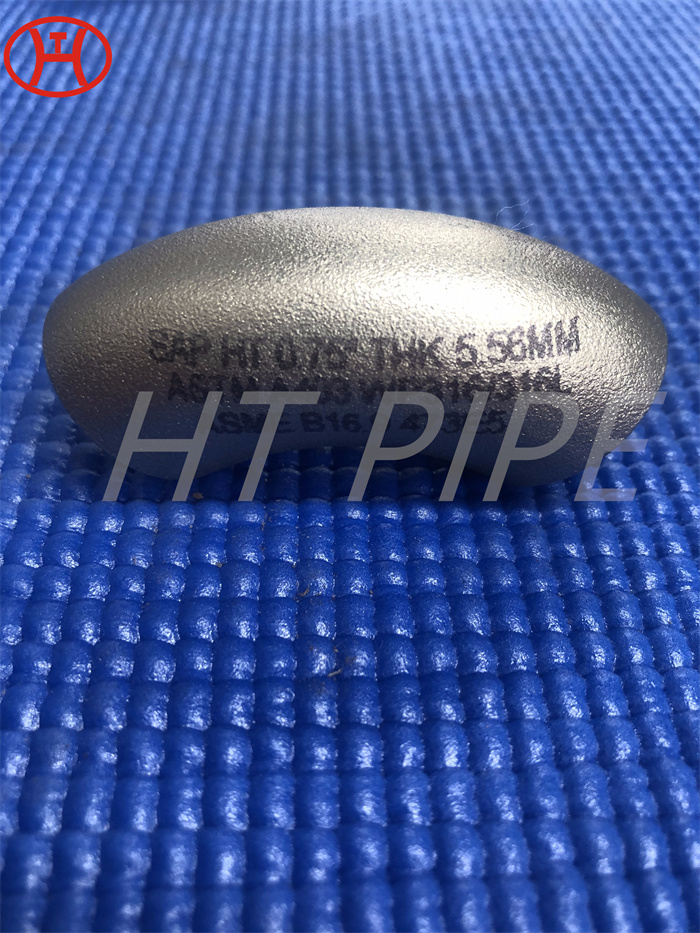
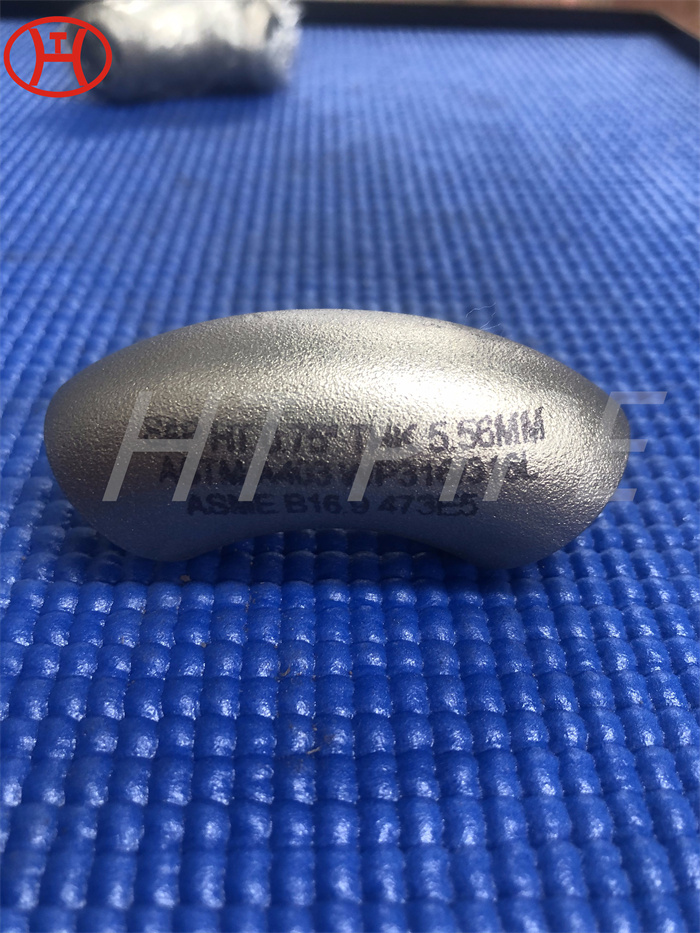
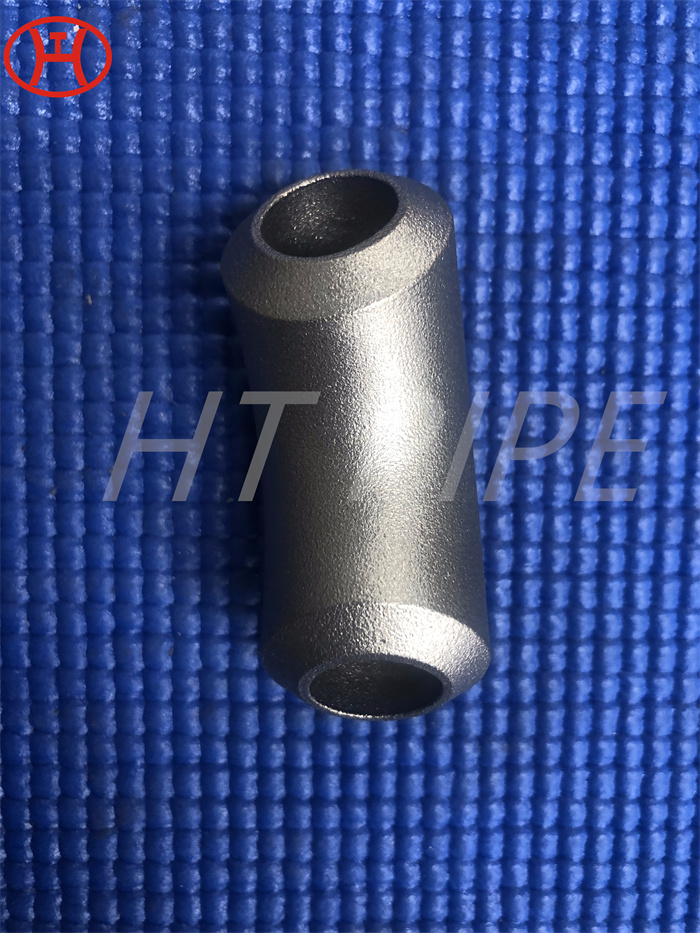
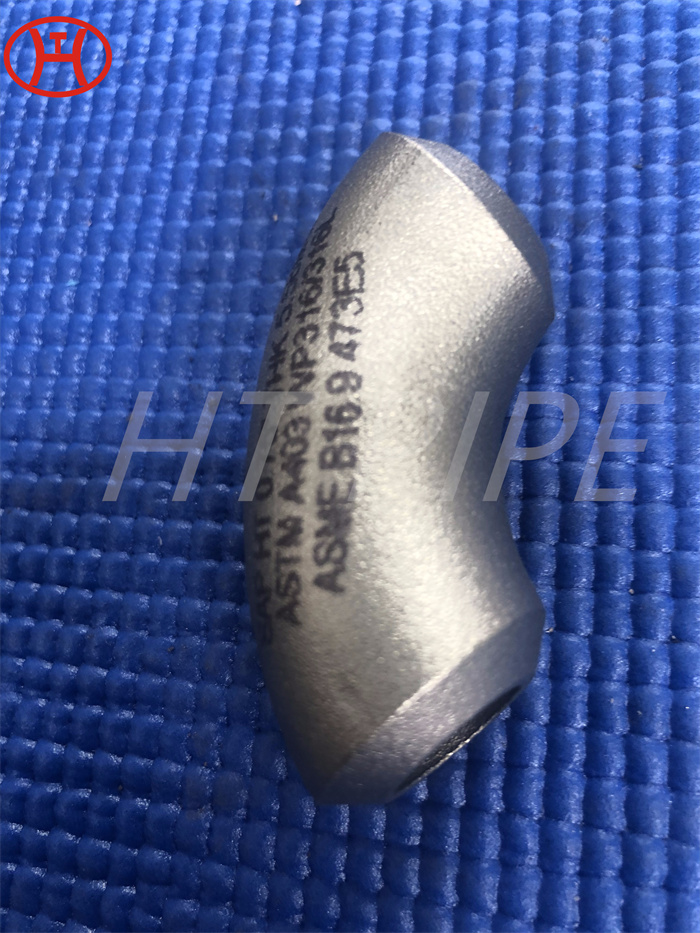
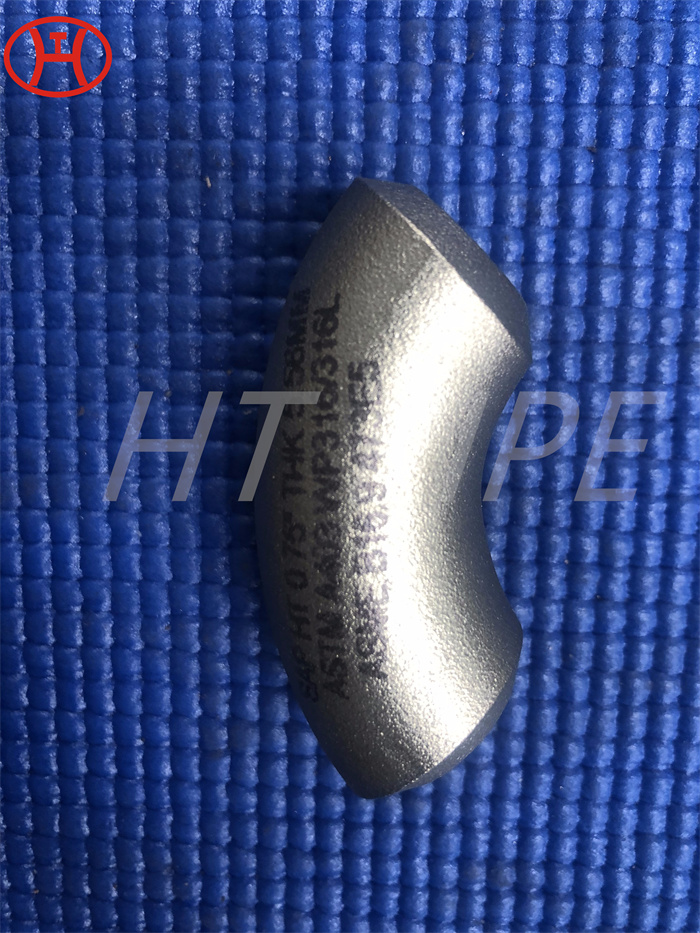
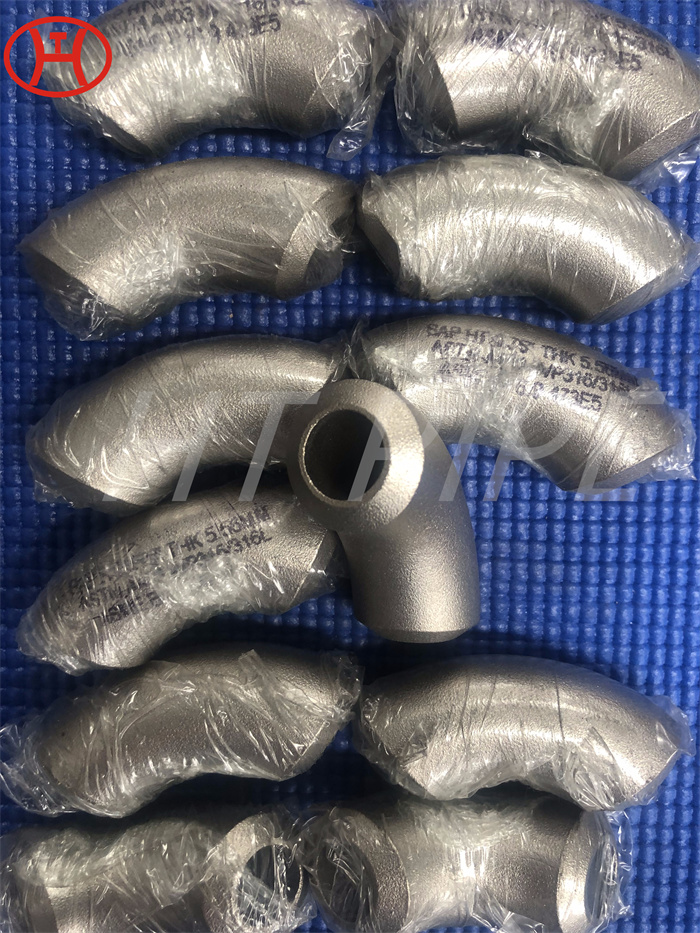
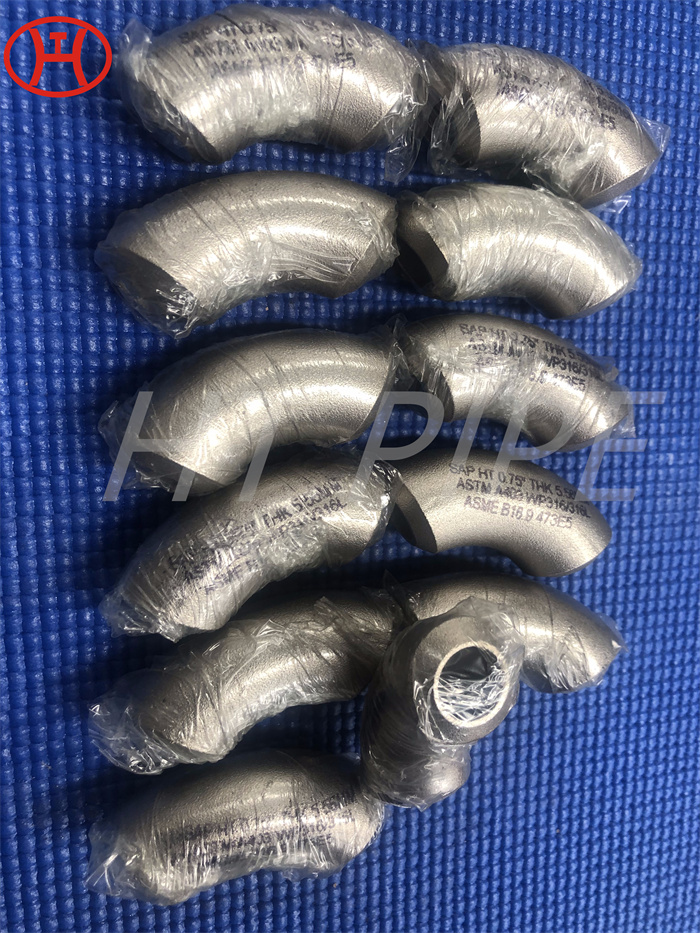
Type 316L stainless steel in a molybdenum bearing austenitic.
It is more resistant to general corrosion and pitting than conventional nickel chromium stainless steels such as 302-304.
316L stainless steel possesses less carbon and molybdenum than typical 316 steel, which gives the two alloys different characteristics.
Stainless steel is also composed of at least 10.5% chromium, a metallic element that gives the metal its finish and superior corrosion resistance.
Stainless steel is ideal for long-term applications that will face the elements, moisture, and potentially corrosive chemicals.
It¡¯s also ideal for sensitive industries such as food preparation and pharmaceuticals, as the risk of contamination is much lower.
316L has a lower proportion of carbon in its composition.
To qualify as 316L stainless steel, the amount of carbon cannot exceed 0.03%. This decreases the risk of carbon precipitation, making it a better option for welding to ensure maximum corrosion resistance.
316L is the superior choice for high corrosion and high temperature applications. Since 316L contains less carbon than 316, it has better intergranular corrosion resistance, meaning its welds won¡¯t decay, unlike with 316 stainless steel.
Although 316L contains less carbon, 316 and 316L stainless steels cost approximately the same.
316L steel is more susceptible to gaining some degree of magnetism.
316L is popular for pharmaceutical and photography equipment because it can withstand welding and corrosive chemicals.
Grade 316L, the low carbon version of 316 and is immune from sensitization (grain boundary carbide precipitation).
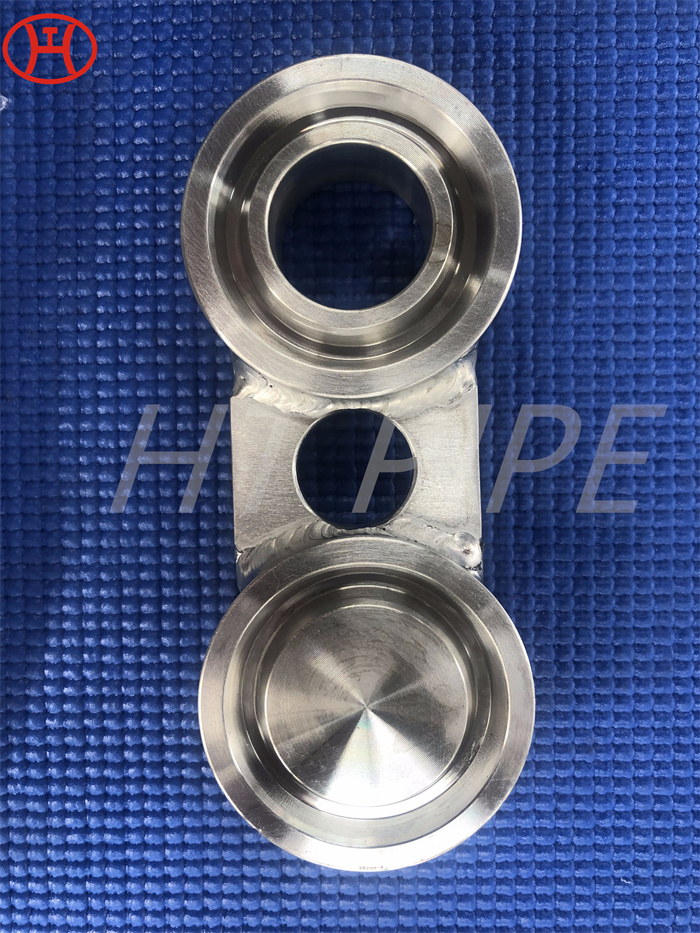
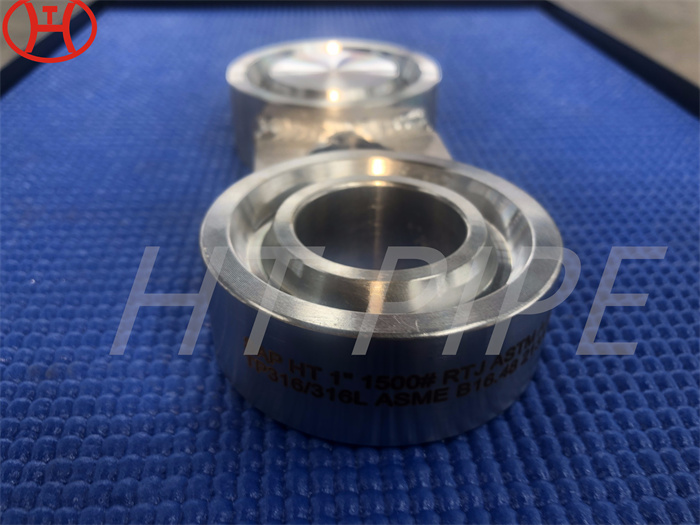
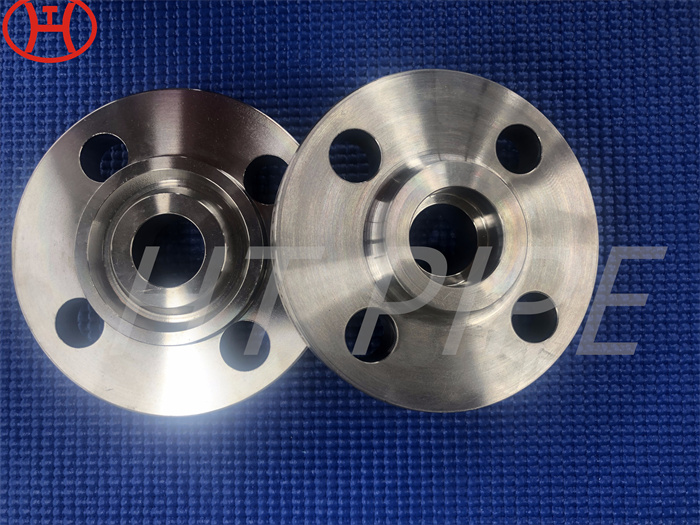
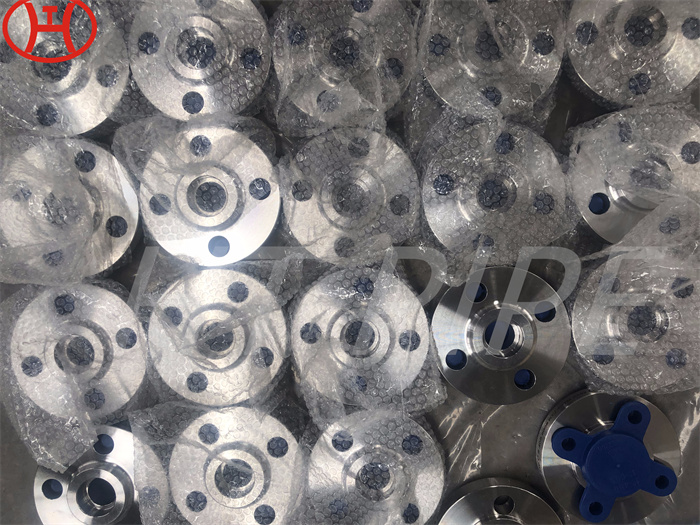
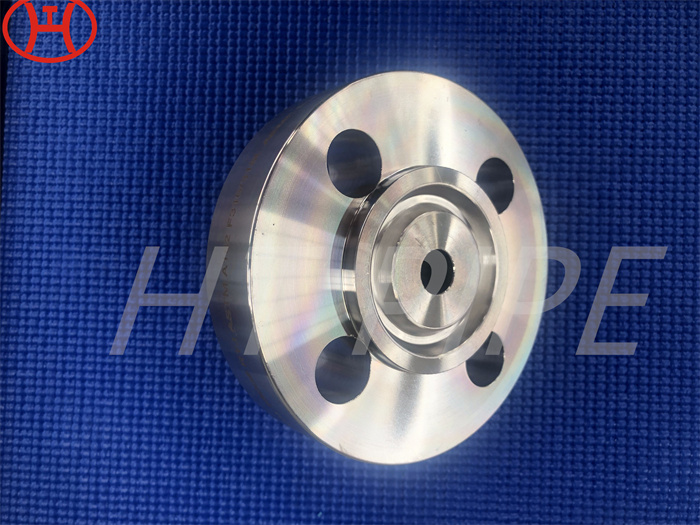
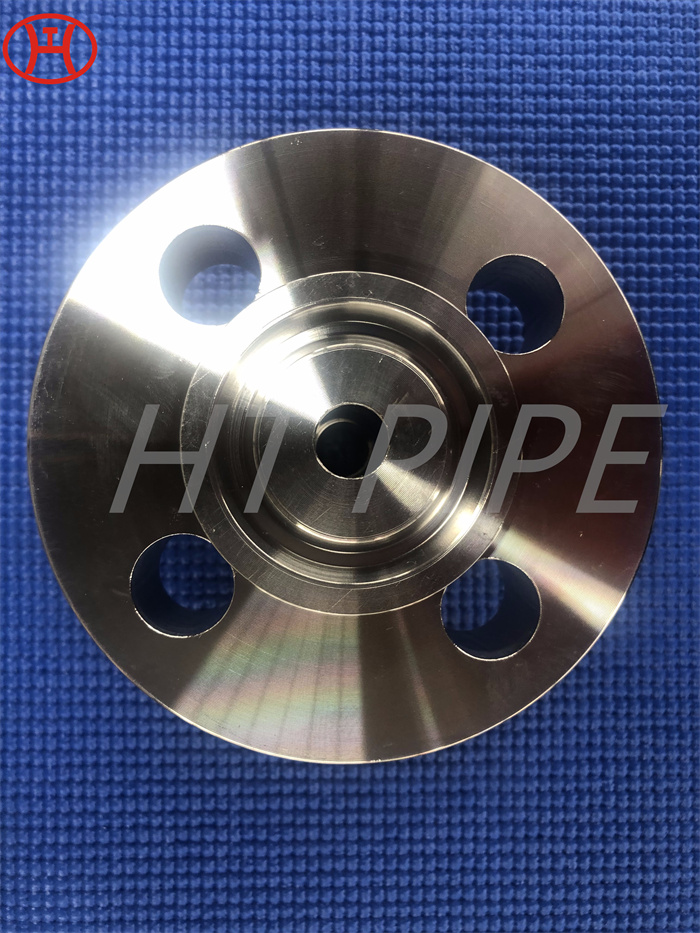
We are a manufacturer, supplier and exporter of Plate Flanges, which are accepted by major industries as a cost-efficient alternative to other types of flanges whose cost increases due to its expensive production pattern.
We supply these ANSI B16.5 Plate Flanges to the irrigation industry.
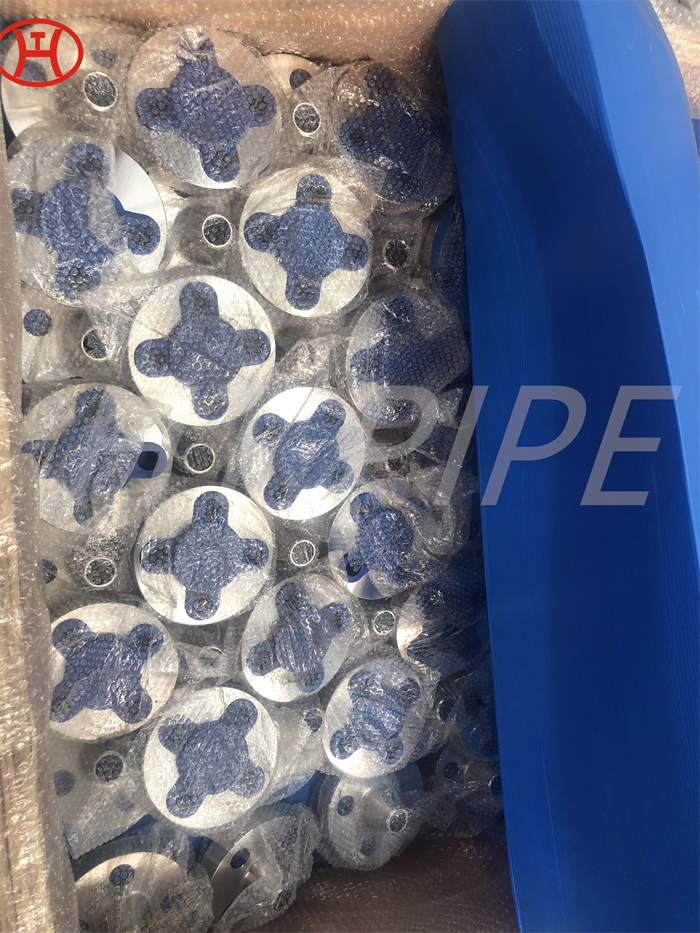
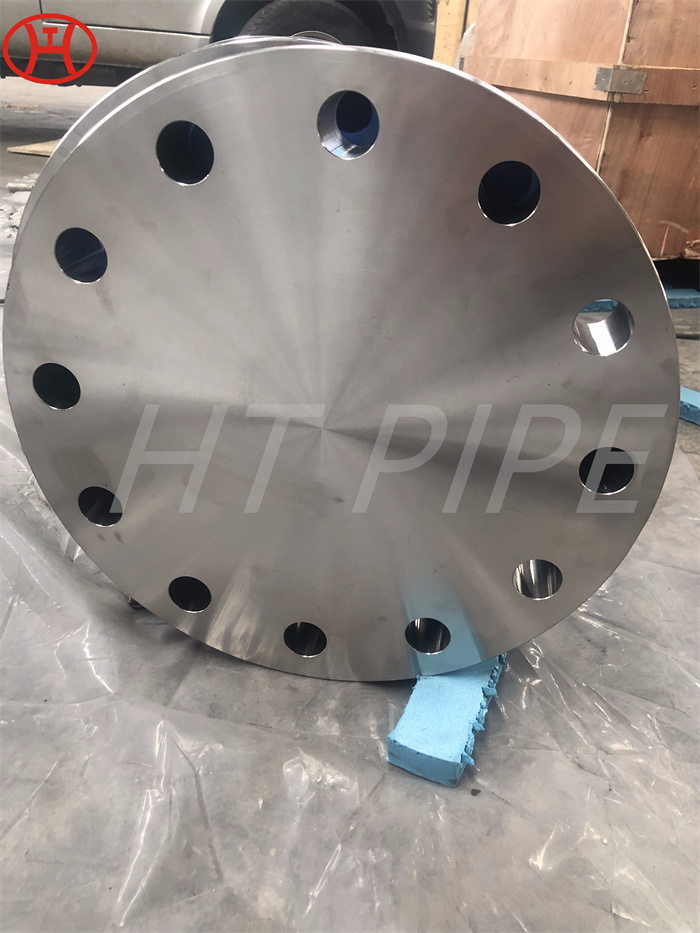
Blind flanges have the face thickness of a flange, a matching face type, and similar bolting pattern.
Blind flanges can also be used to seal a nozzle opening on a pressure vessel.
A blind flange is a solid flange as shown below. The purpose of these is to block off a section of pipe or a nozzle on a vessel that is not used.
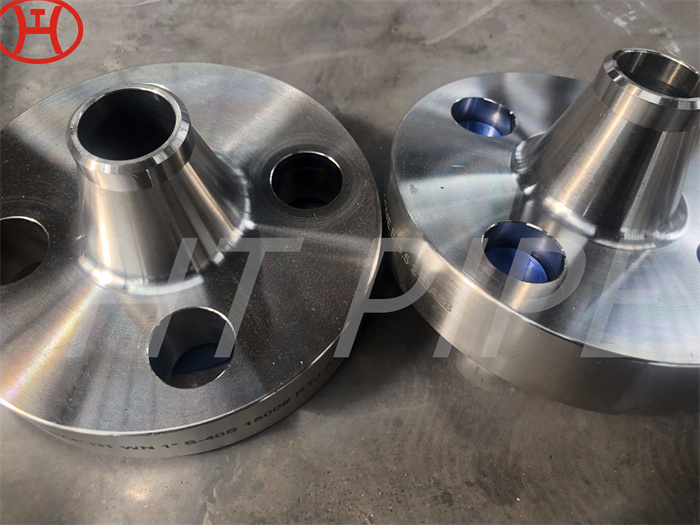
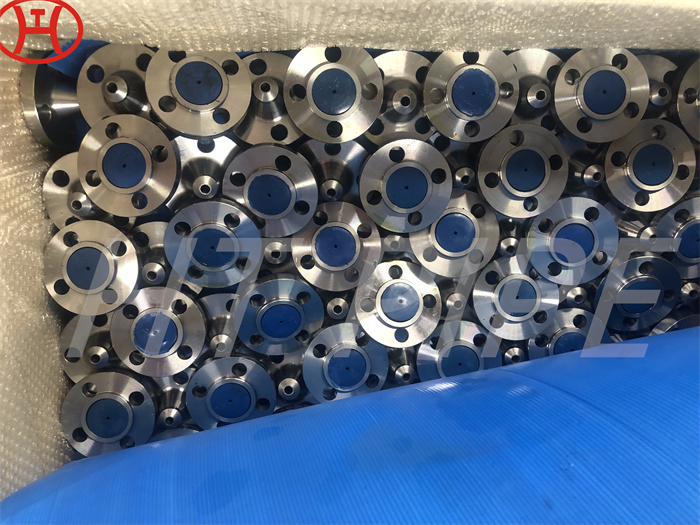
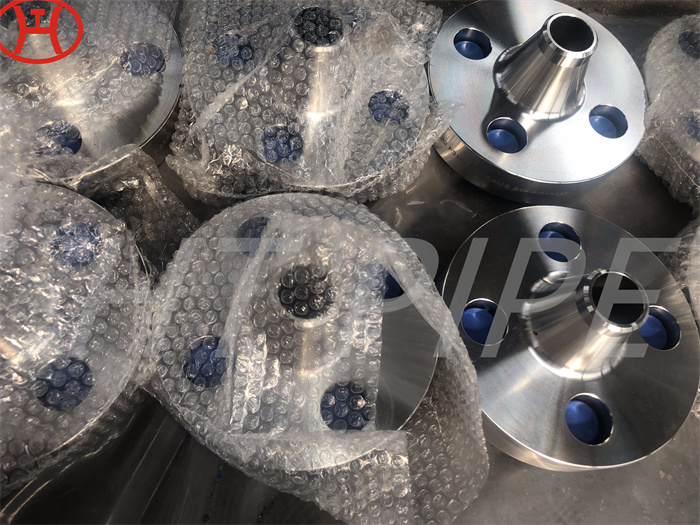
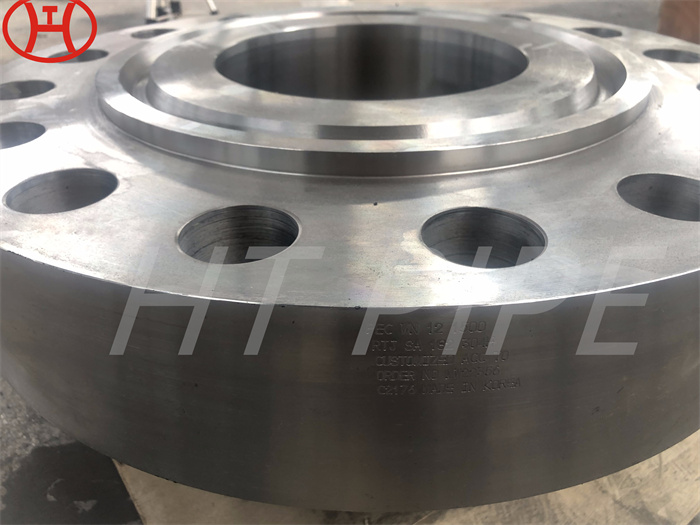
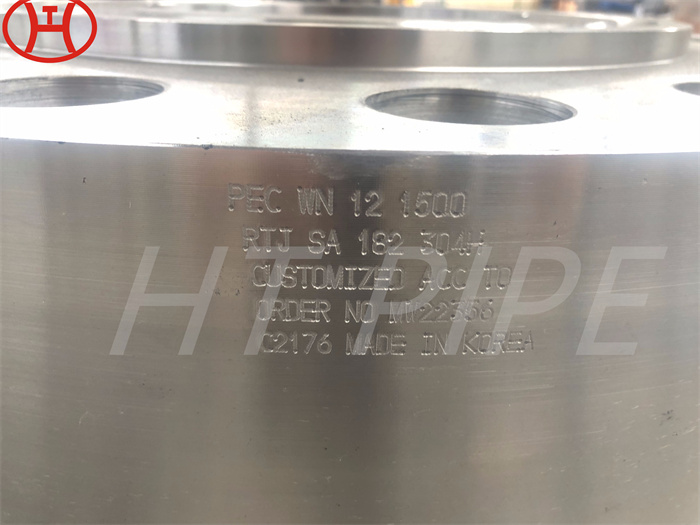
A weld neck flange, also called a tapered hub flange or high-hub flange, is a kind of flange that can relocate stress to the pipes, ensuring a decrease in high-stress concentration at the bottom of the flange.
The weld neck flange comprises of a round fitting that extends beyond the rim of the circumference. These flanges, typically manufactured from forging, are actually welded to pipes.
The rim has numerous holes drilled into it that enables the flanged to be attached to a bolted flange. This design is far better because of the structural valve.