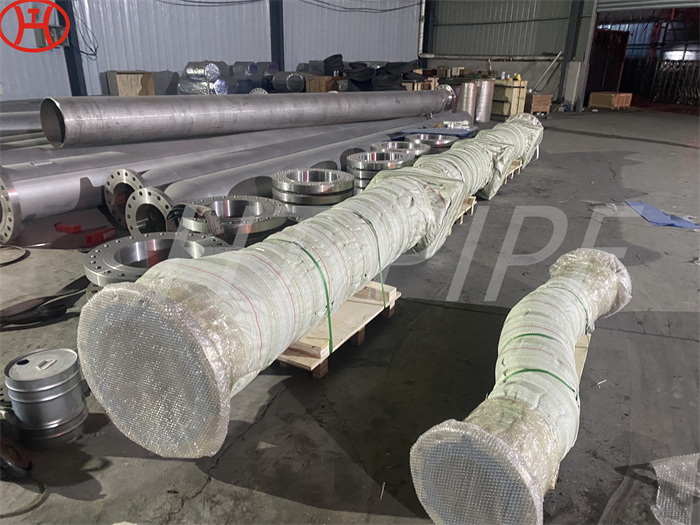
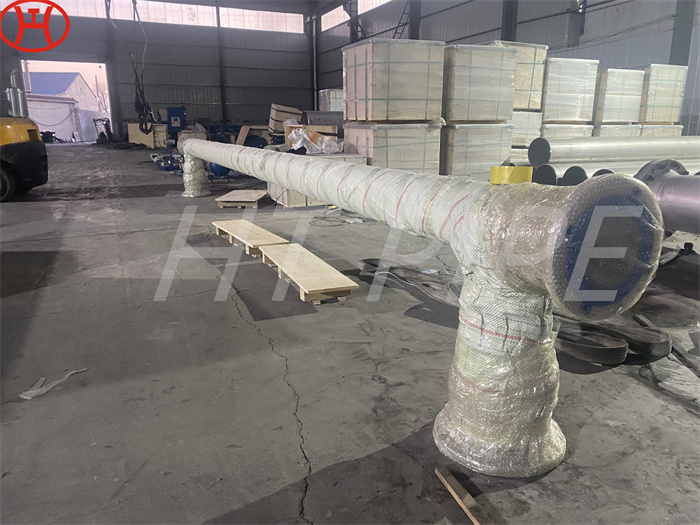
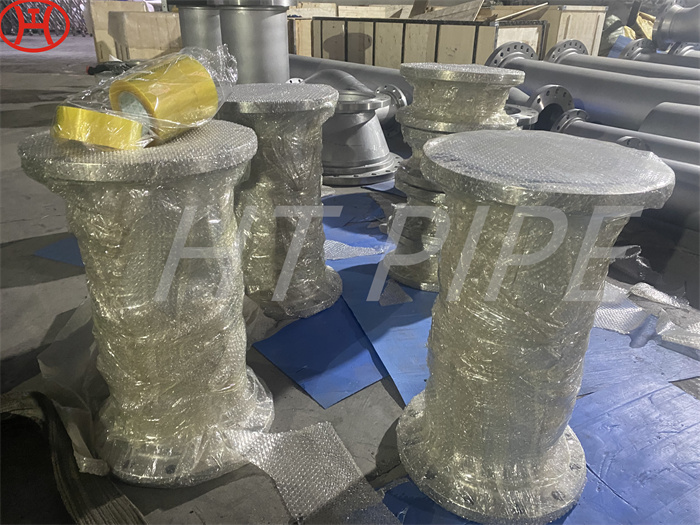
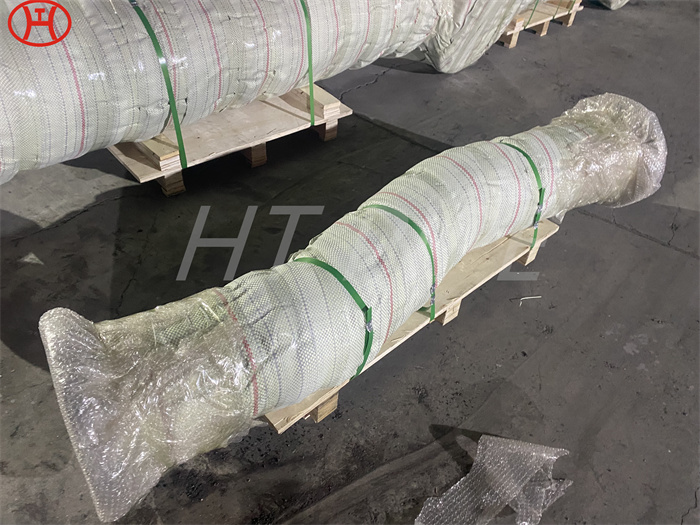
Roller hearths and radiant tubes, in carbon nitriding processes especially.
Inconel 600 exhibits cold forming characteristics normally associated with chromium-nickel stainless steels.
Typical corrosion applications include titanium dioxide production (chloride route), perchlorethylene syntheses, vinyl chloride monomer (VCM), and magnesium chloride.
Alloy 600 is used in chemical and food processing, heat treating, phenol condensers, soap manufacture, vegetable and fatty acid vessels and many more.
Resistant to a wide range of corrosive media. The chromium content gives better resistance than Alloy 200 and 201 under oxidizing conditions, at the same time the high nickel gives good resistance to reducing conditions.
Virtually immune to chlorine ion stress corrosion cracking. Demonstrates adequate resistance to organic acids such as acetic, formic and stearic. Excellent resistance to high purity water used in primary and secondary circuits of pressurized nuclear reactors.
Little or no attack occurs at room and elevated temperatures in dry gases, such as chlorine or hydrogen chloride. At temperatures up to 550C in these media, this alloy has been shown to be one of the most resistant of the common alloys.
At elevated temperatures the annealed and solution annealed alloy shows good resistance to scaling and has high strength.
The alloy also resists ammonia bearing atmospheres, as well as nitrogen and carburizing gases.
Under alternating oxidizing and reducing conditions the alloy may suffer from selectiveo xidation.
Thermocouple sheaths. Ethylene dichloride (EDC) cracking tubes.
Light gauge steel framing is an integral part of modular construction as it is strong, lightweight, durable, accurate, free from long-term movement and is well proven in a wide range of applications.
A Pre-engineered steel is basically a that is made up of steel.
Just as the name ¡°Pre-engineered¡± suggests, these s are engineered at a factory and are assembled at site.
Built-up sections are produced at the factory and is then transported to the original site and assembled. This concept is generally used to build Metro stations, industrial units, warehouses, etc.
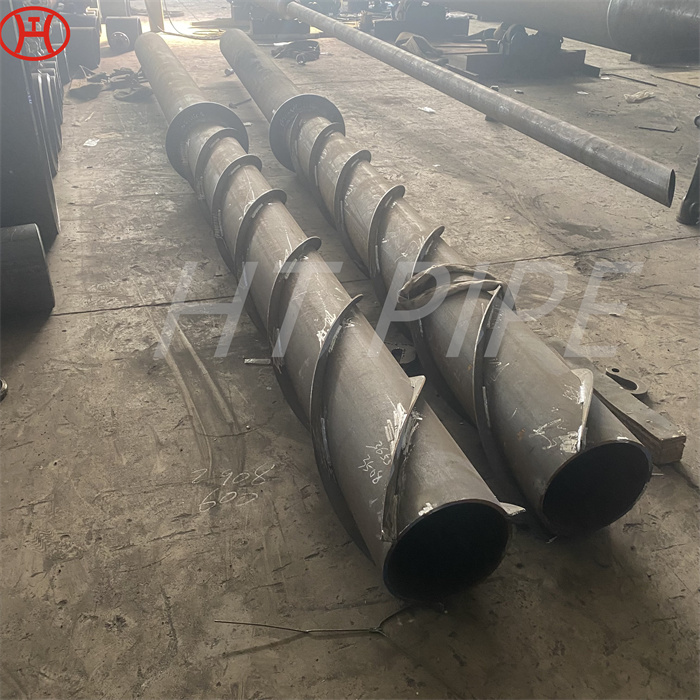
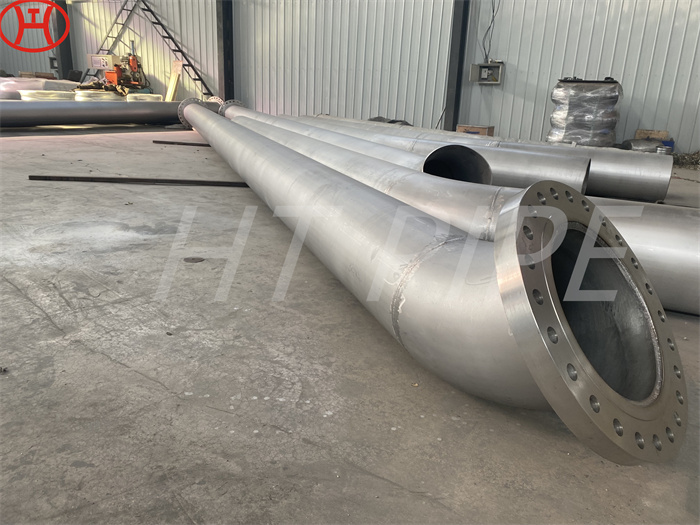
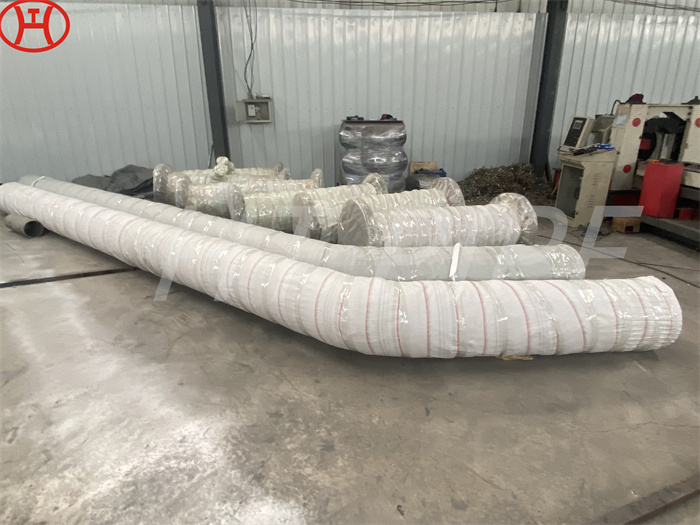
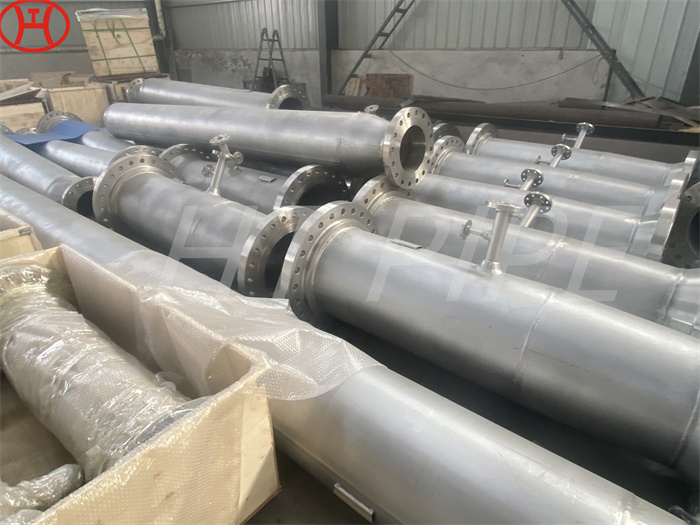
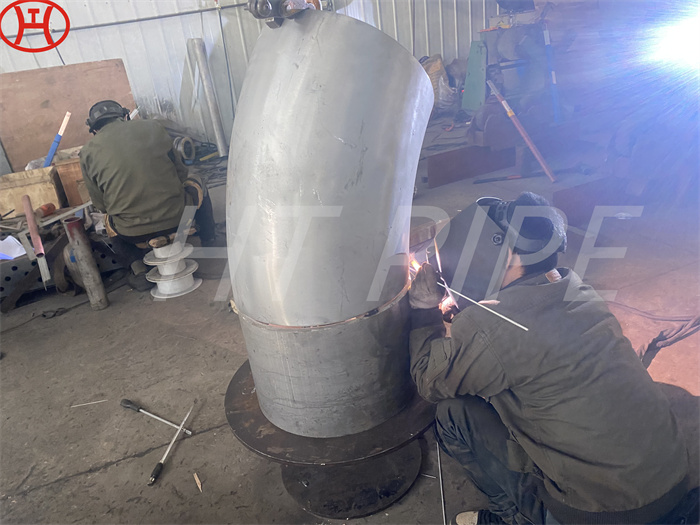
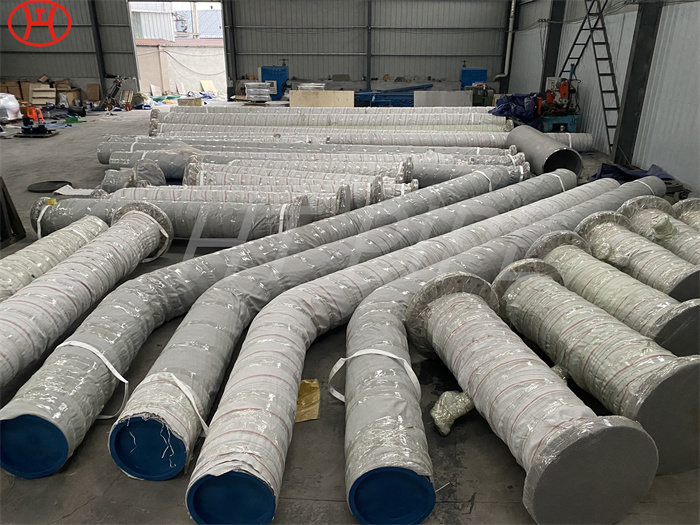
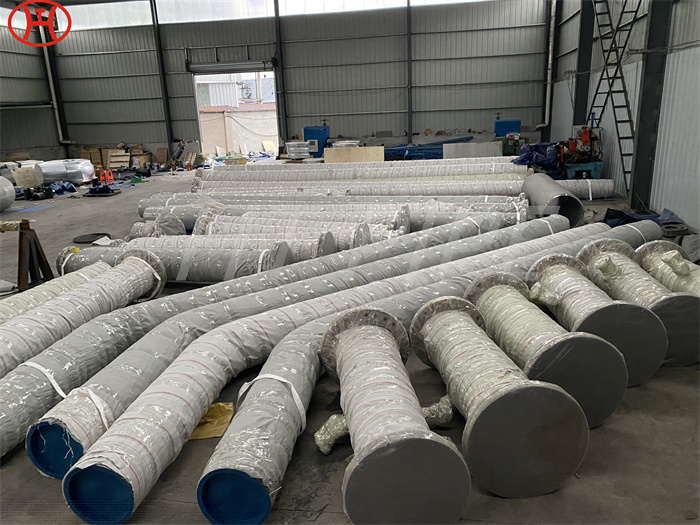
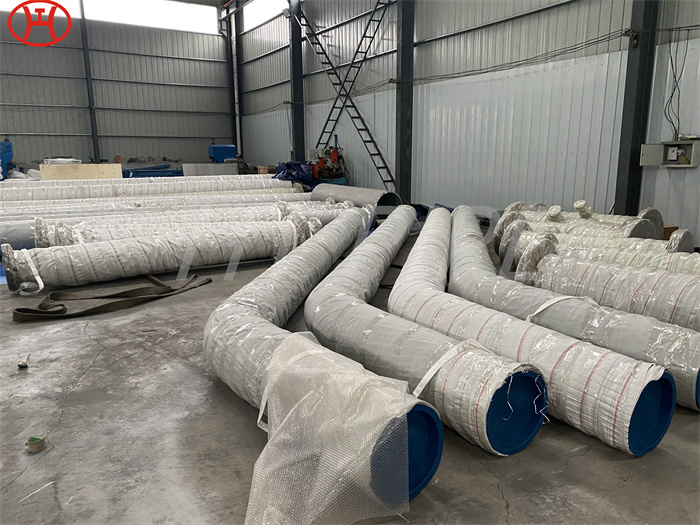
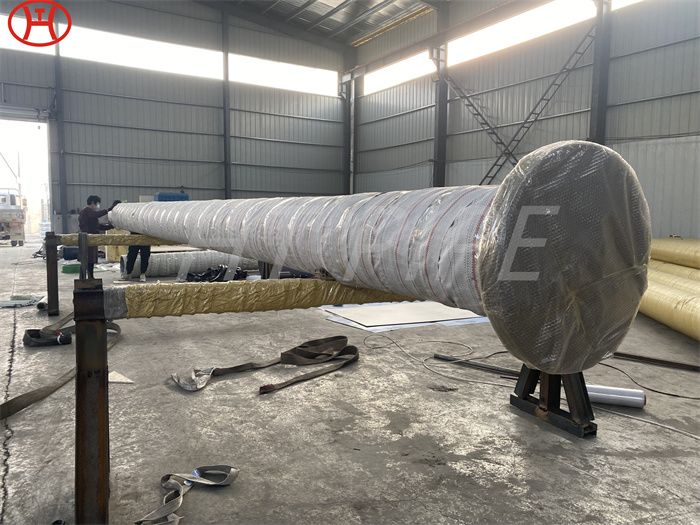
Prefabricated steel s as the name itself sounds, is made of pre engineered steel. Fabrication is done in controlled environment inside the factory and then sent to client location for assembly.
Hastelloy B3 is a nickel-molybdenum alloy with profound resistance to stree-corrosion cracking, pitting, corrosion and thermal stability greater to that of alloy B2.
This nickel steel alloy has good resistance to heat affected and knife-line zone attack. This alloy also bears the brunt of formic, sulfuric, phosphoric, acetic acids and various other non-oxidizing media.
Hastelloy B3 suppliers and Hastelloy B3 manufacturers can be reached out to all over the country.
They have good creep and oxidation resistance. Strengthening of super alloys is performed by solid-solution hardening, work hardening, and precipitation hardening methods.
A nickel alloy of this type also has great resistance to hydrochloric acid at different concentrations and temperatures.
Hastelloy B3’s distinguishing characteristic is its ability to maintain good ductility while transient exposure to intermediate temperatures.
Exposures like this are regularly experienced during heat treatments that are linked with fabrication.
Prefabricated steel s take advantage of offsite prefabrication to improve the speed or erection and cost predictability of the solution.
Prefabrication is the practice of assembling components of a structure in a workshop or other assembly facility before transporting to site for erection.
Prefabrication can be of many different types and undertaken at many different scales, from fabrication of small components and sub-assemblies through to large welded and bolted assemblies requiring significant logistical challenge to transport to site
The use of modular construction is directly influenced by the client¡¯s requirements for speed of construction, quality, added benefits of economy of scale, as well as single-point procurement.
ncoloy 800H Forgings have good strength and excellent resistance to oxidation, sulfidation and carburization at elevated temperatures.
Incoloy 800H Forgings are components manufactured from chromium nickel alloy with additions of aluminium, titanium and high carbon content.
Incoloy 800H is an iron-nickel-chromium alloy having the same basic composition as Incoloy 800, with significantly higher creep-rupture strength.