The 800H modification was to control carbon (0.05 to 0.10%) and grain size to (>ASTM 5) to optimize stress rupture properties.
800H, AT (Incoloy 800) is an austenitic heat resistant alloy designed for high temperature structural applications.
The strength of 800H is achieved by controlled levels of carbon, aluminum and titanium along with a 2100¡ãF minimum anneal to achieve a grain size of ASTM 5 or coarser.
800H is commonly welded using RA82 (ERNiCr-3) bare wire for applications under 1450¡ãF.
RA330-04 (N08334) bare wire offers a closer match of thermal expansion coefficient, and somewhat higher strength.
For maximum strength alloy 617 (ERNiCrCoMo-1) bare wire or 117 (ENiCrCoMo-1) covered electrodes are suggested.
To avoid possible stress relaxation grain boundary cracking of N08811 in applications above 1000¡ãF the welded fabrication may be heated 1650¡ãF for about one hour per inch of thickness or 30 minutes minimum then air cooled.
Incoloy 800H is a solution heat treated, carbon controlled version of its parent Alloy 800.
The point to note with the higher carbon version of the Incoloy 800H that the modified alloy comes with improved elevated temperature properties.
The Nickel Alloy 800H is known for its excellent cold forming characteristics.
NAS 800H (NCF 800H, UNS N08810)/NAS 800T (UNS N08811) are nickel-iron-chromium alloys that provide high strength and excellent resistance to oxidation and carburization at high temperatures
High creep strength is attained through control over crystal grains¡ªvia high temperature heat treatment, together with fine control over carbon, titanium, and aluminum content.
ncoloy 800H Forgings have good strength and excellent resistance to oxidation, sulfidation and carburization at elevated temperatures.
Hastelloy offer very good resistance to strong reducing and moderately oxidizing corrosive acids, as well excellent stress corrosion cracking resistance and resistance to localized attack.
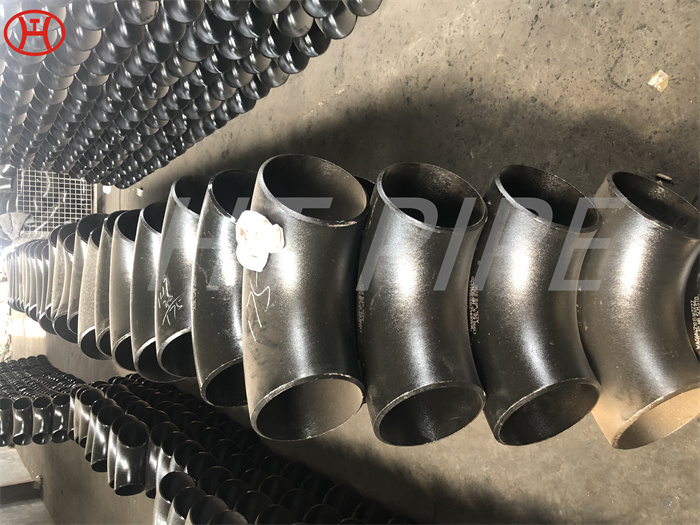
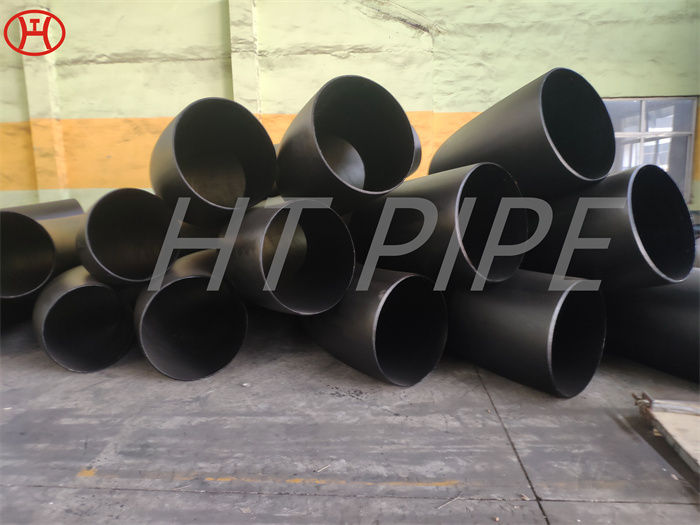
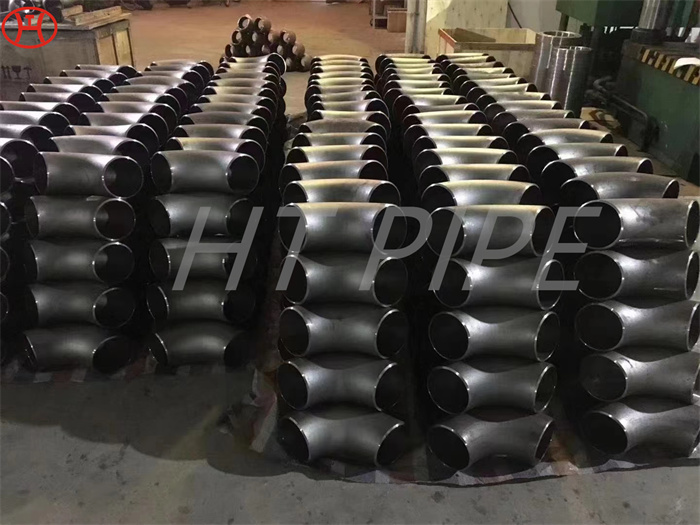
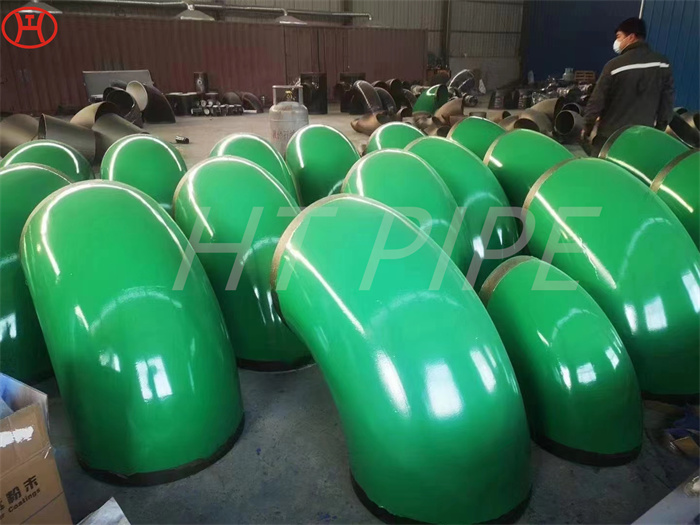
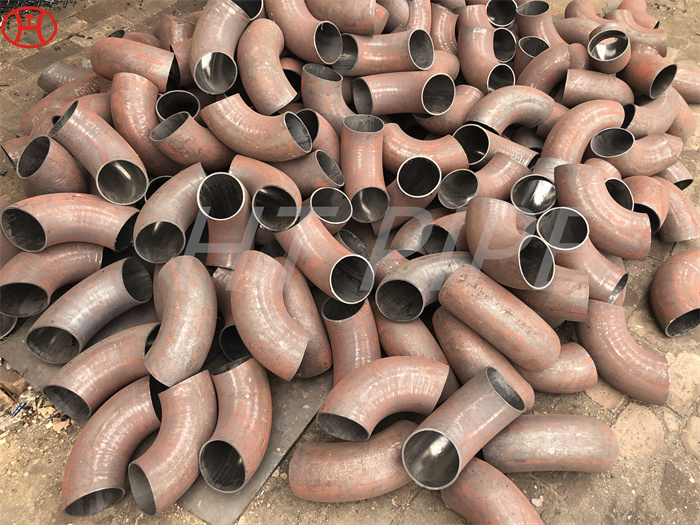
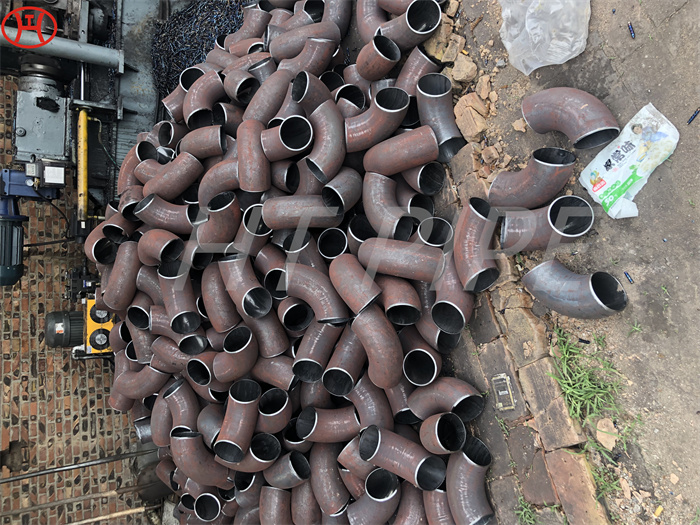
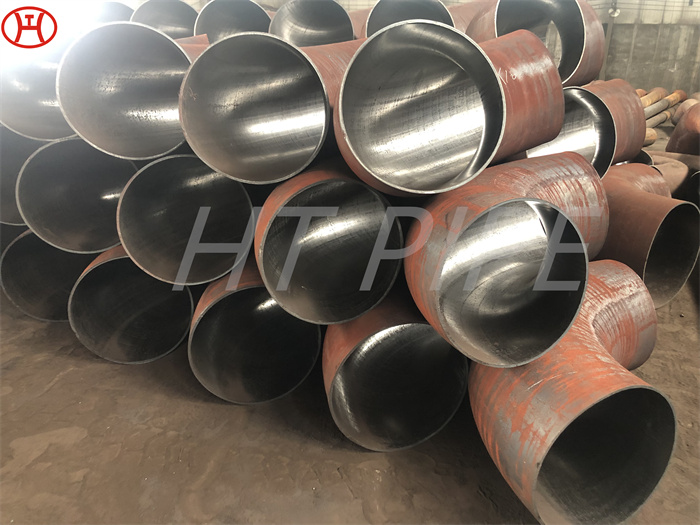
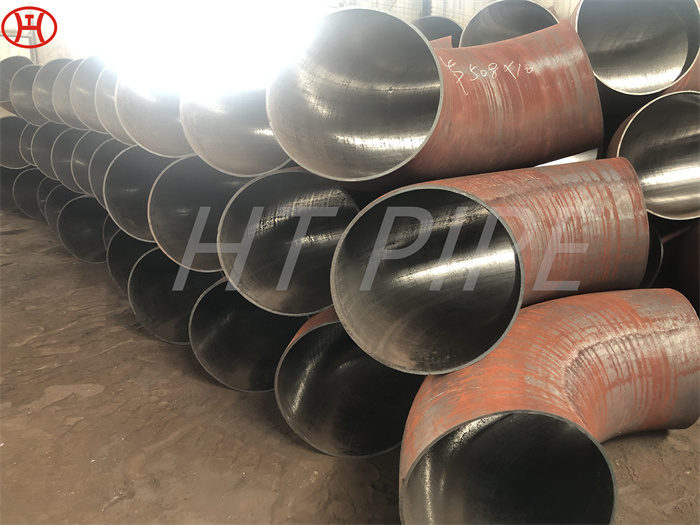
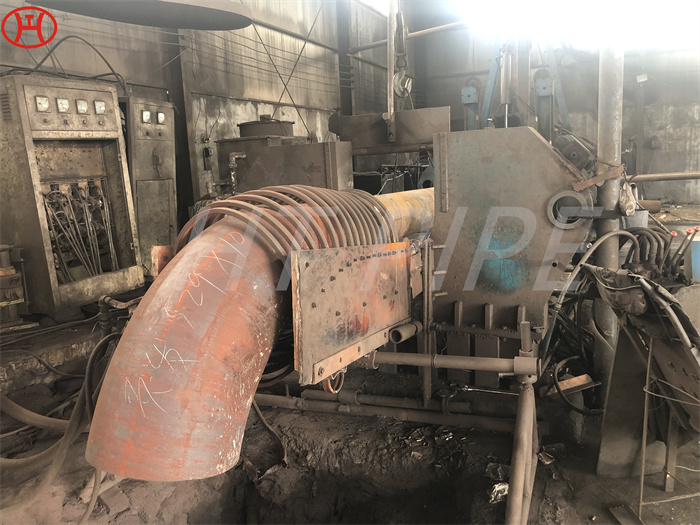
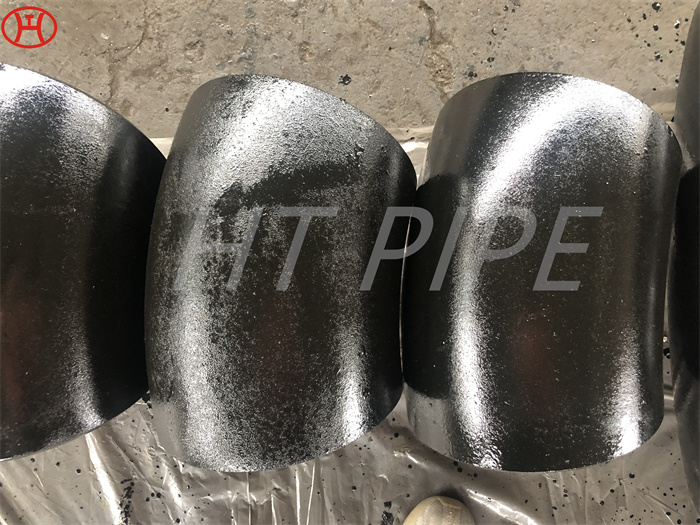
C276 Elbow has excellent corrosion resistance to a wide range of concentrated hot acids and reducing environments and can be easily used in hot sulfuric and hydrochloric applications.
Hastelloy’s resistance to sulfuric acid makes it a common choice for protection from hydrogen sulfide (H2S), more commonly known as?sour gas.
Hastelloy C276 is one of the few grades resistant to wet chloride gas and chlorine dioxide.
C276 is suitable for off-shore applications where hydrogen-sulphide stress corrosion cracking resistance is essential.
Alloy C276 is increasingly used in aggressive or corrosive environments where other alloys fail.
Hastelloy C-276 has a higher molybdenum content.
Hastelloy C-276 alloy excellent resistance to a wide variety of chemical process environments, including strong oxidizers such as ferric and cupric chlorides, and hot contaminated media (organic and inorganic).
Hastelloy C-276 alloy excellent resistance to a wide variety of chemical process environments such as chlorine, formic and acetic acids, acetic anhydride, and seawater and brine solutions.
It is used in flue gas desulfurizations systems because of its excellent resistance to sulfur compounds and chloride ions encountered in most scrubbers. C-276 alloy has excellent resistance to pitting and to stress- corrosion cracking.
It is also one of the few materials that withstands the corrosive effects of wet chlorine gas, hypochlorite, and chlorine dioxide.
Hastelloy C-276 alloy can be forged, hot-upset, and impact extruded. Although the alloy tends to work-harden, it can be successfully deep-drawn, spun, press formed or punched.
All of the common methods of welding can be used to weld Hastelloy C-276 alloy, although the oxyacetylene process is not recommended. Special precautions should be taken to avoid excessive heat input.
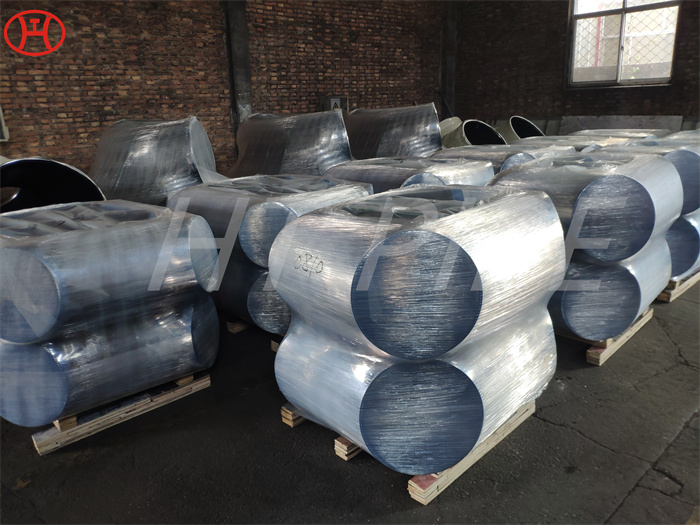
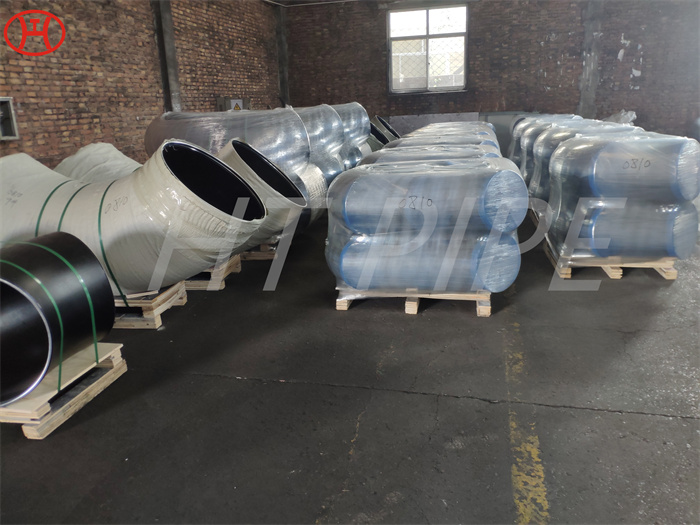
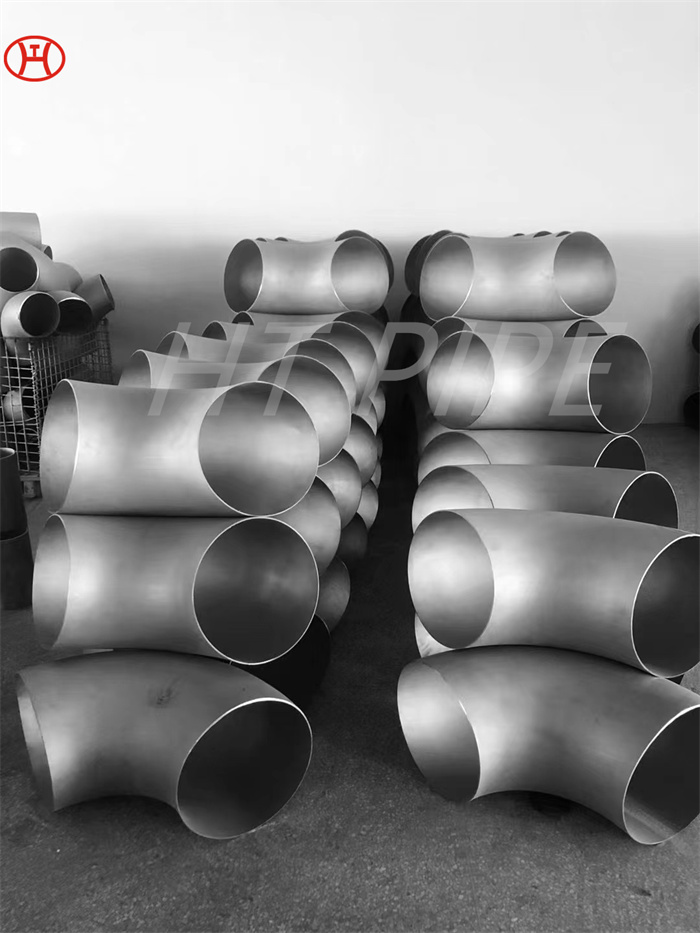
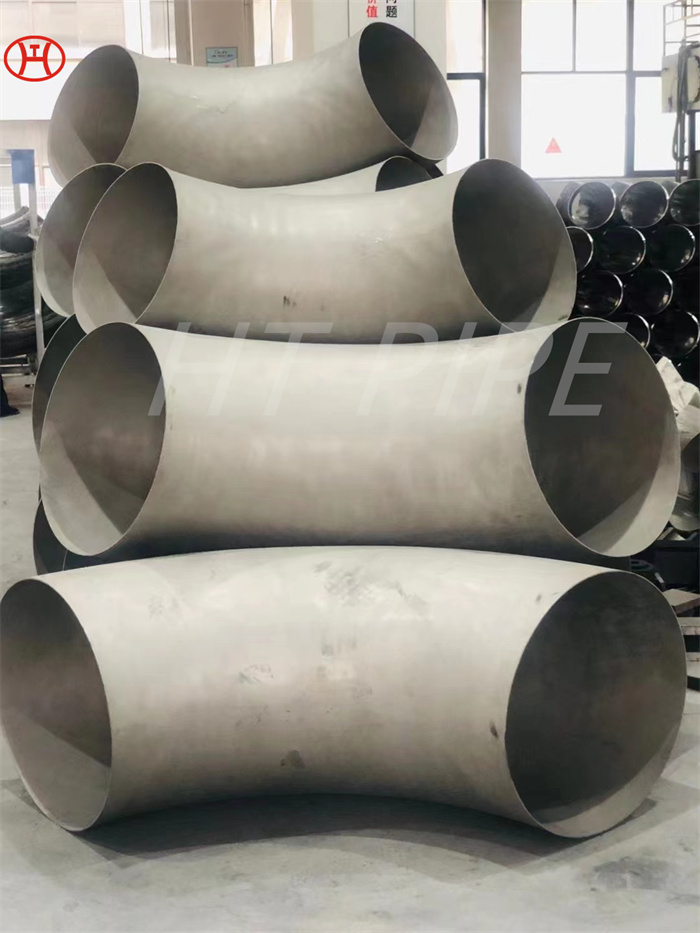
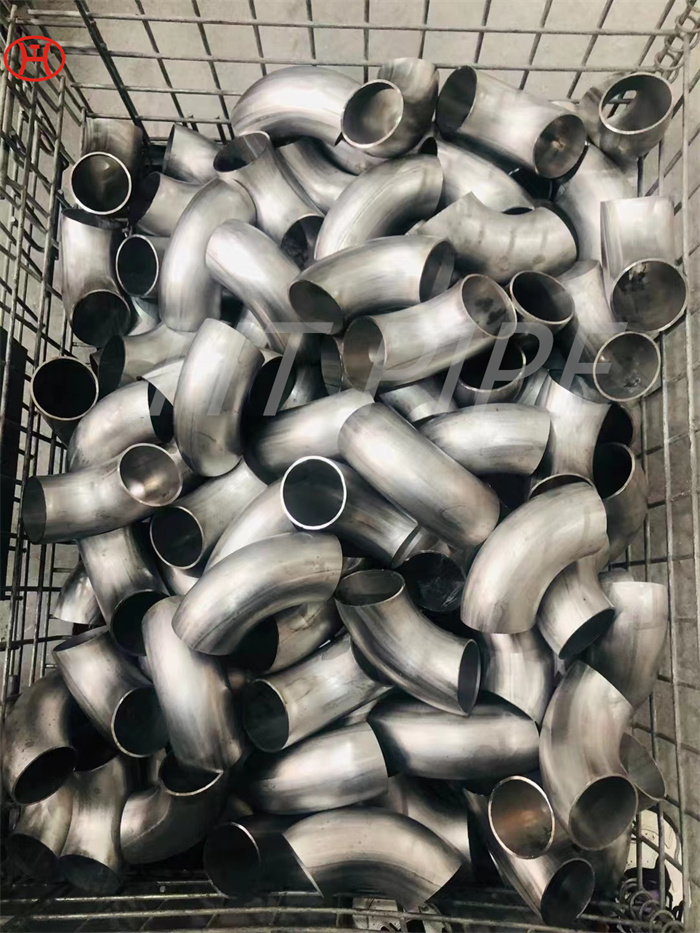
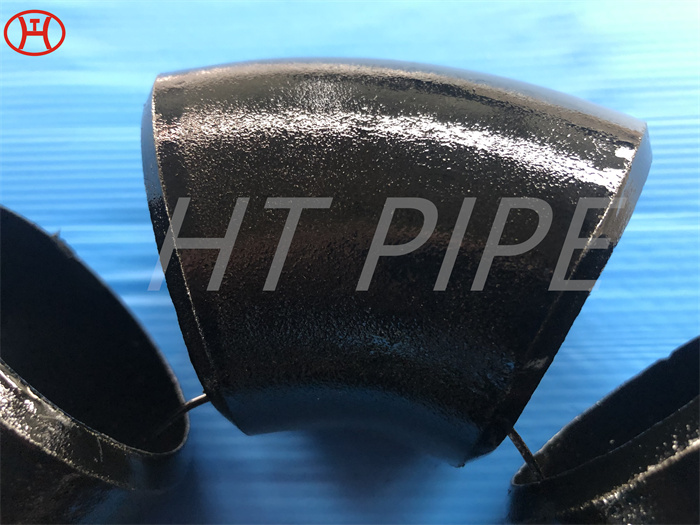
Hastelloy C-276 is available in the form of plate, sheet, strip, billet, bar, wire, covered electrodes, pipe, tubing, pipe fittings, flanges, fittings.
C-276 alloy is normally solution heat-treated at 2050¡ãF (1121¡ãC) and rapid quenched. If possible, parts which have been hot-formed should be solution heat-treated prior to final fabrication or installation.
Hastelloy C276 alloy, UNS N10276, 2.4819, is the most widely used and versatile corrosion resistant nickel alloy.
These alloys are widely used in chemical processing, pollution control, evaporator, nuclear reactors, marine industries, and so on.