They have a minimum tensile strength of 120Ksi and minimum yield strength of 60ksi.
Apart from this, they can be easily elongated by 30% and still possess excellent workability.
These alloys are widely used in chemical processing, pollution control, evaporator, nuclear reactors, marine industries, and so on.
The Inconel Alloy 625 is immune against chloride stress cracking.
These alloys can suffice in high pressures and extreme temperatures.
They can be either cold or hot rolled in different shapes to suit various applications.
INCONEL nickel-chromium alloy 625 (UNS N06625/W.Nr. 2.4856) is used for its high strength, excellent fabricability (including joining), and outstanding corrosion resistance.
Alloy 625 (UNS N06625) is a nickel-chromium-molybdenum alloy with an addition of niobium.
The alloy resists a wide range of corrosive environments and has a good resistance to pitting and crevice corrosion. IN625 has good corrosion resistance in various corrosive environments.
Inconel is a superalloy made with high concentrations of nickel, chromium, and molybdenum.
The Inconel 625 is highly resistant against corrosion and oxidations mediums in various environments.
These alloys possess superior ductility and excellent formability.
They can be welded easily and resist post-weld carburization or graining.
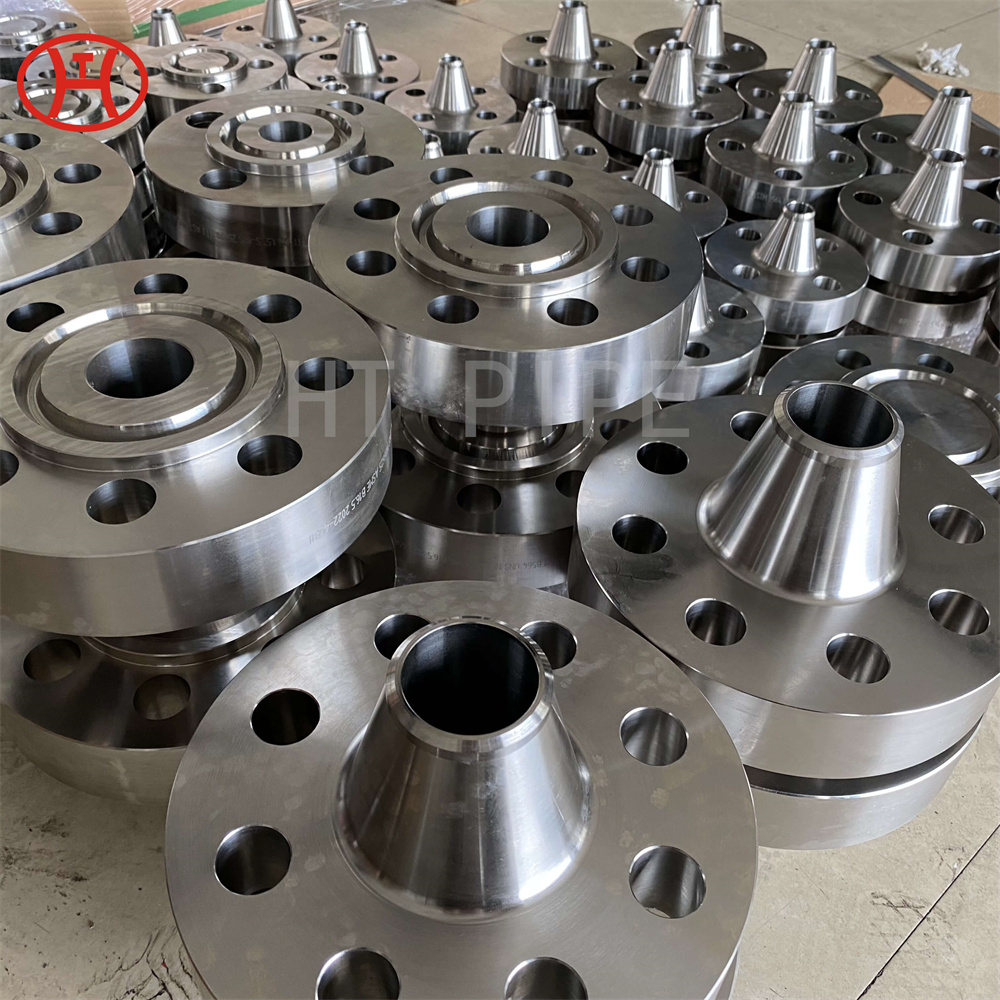
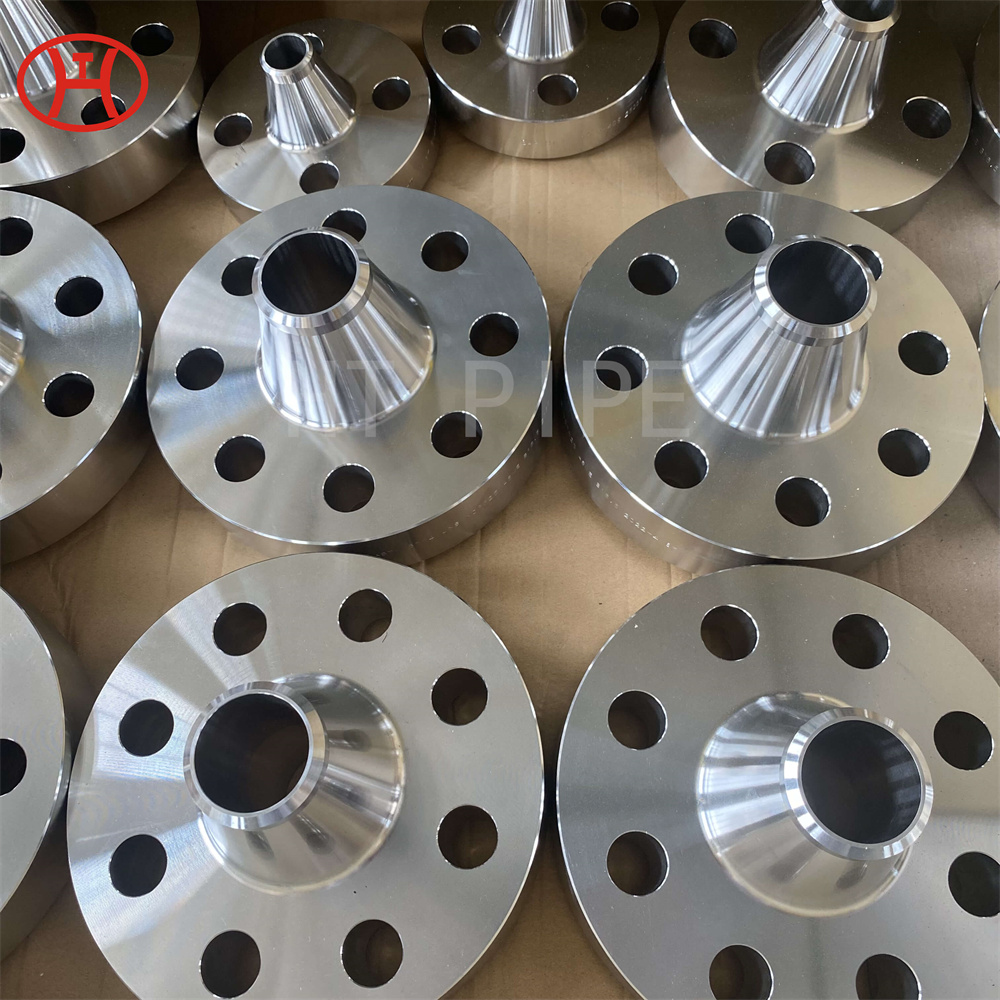
The function of stainless steel flange is actually to connect the pipe end with the pipe end. There are flange eyelets on the flange edge, and the stainless steel bolts make the two flanges to be matched tightly. When connecting, gaskets, PTFE gaskets, metal gaskets, silicon gaskets, etc. are required between flanges for sealing.
For stainless steel flange, appropriate stability elements such as Ti, Nb and Mo are added to improve corrosion resistance and weldability. The weldability is better than that of chrome stainless steel flange.
The flanges are sealed with gaskets. Flanges are threaded (threaded) and welded. For stainless steel flange, appropriate stability elements such as Ti, Nb and Mo are added to improve corrosion resistance and weldability. The weldability is better than that of chrome stainless steel flange.
Stainless steel flange pipe fittings and butt welding flange electrodes have good corrosion resistance and oxidation resistance, and are widely used in chemical, fertilizer, petroleum and medical machinery manufacturing.
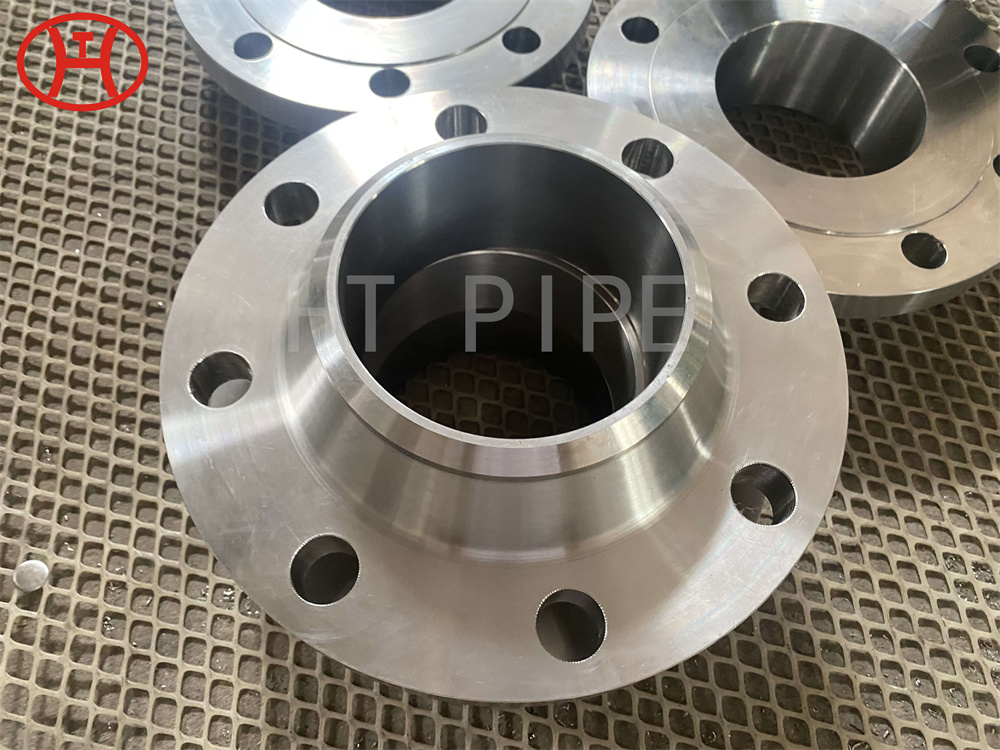
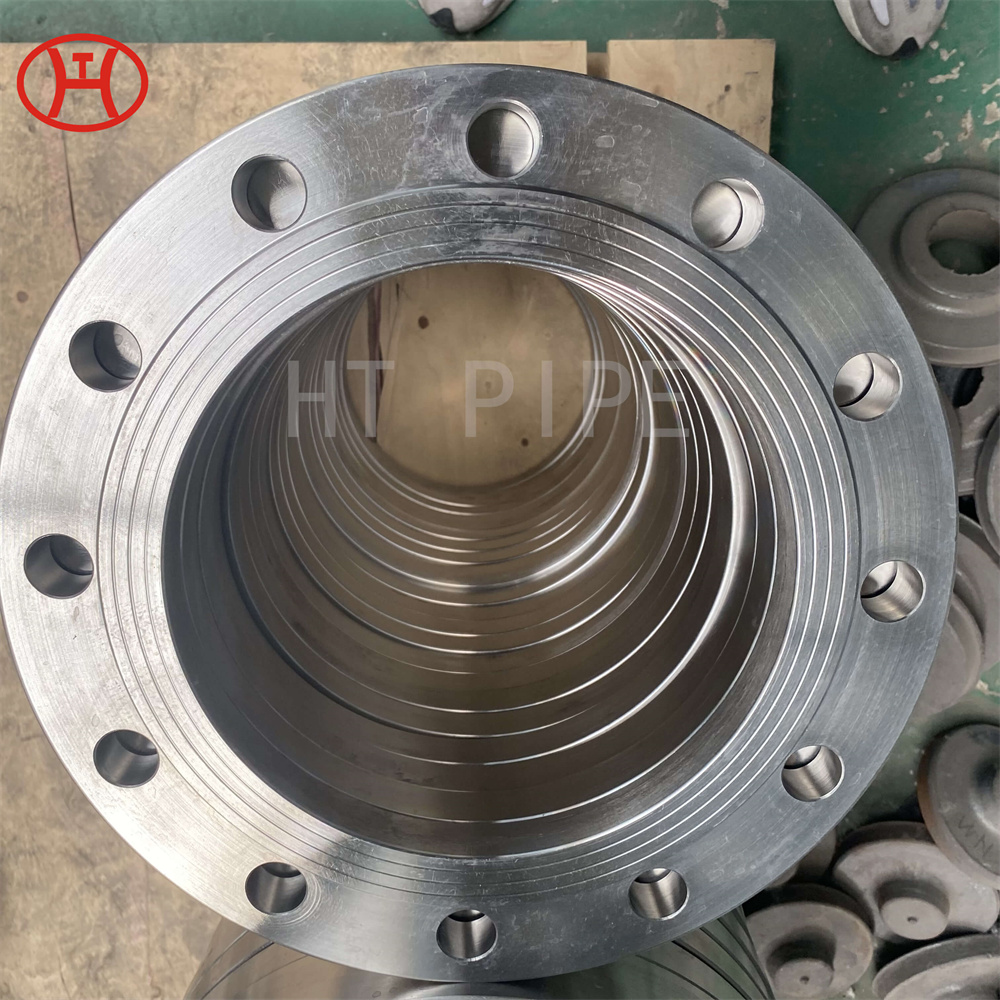
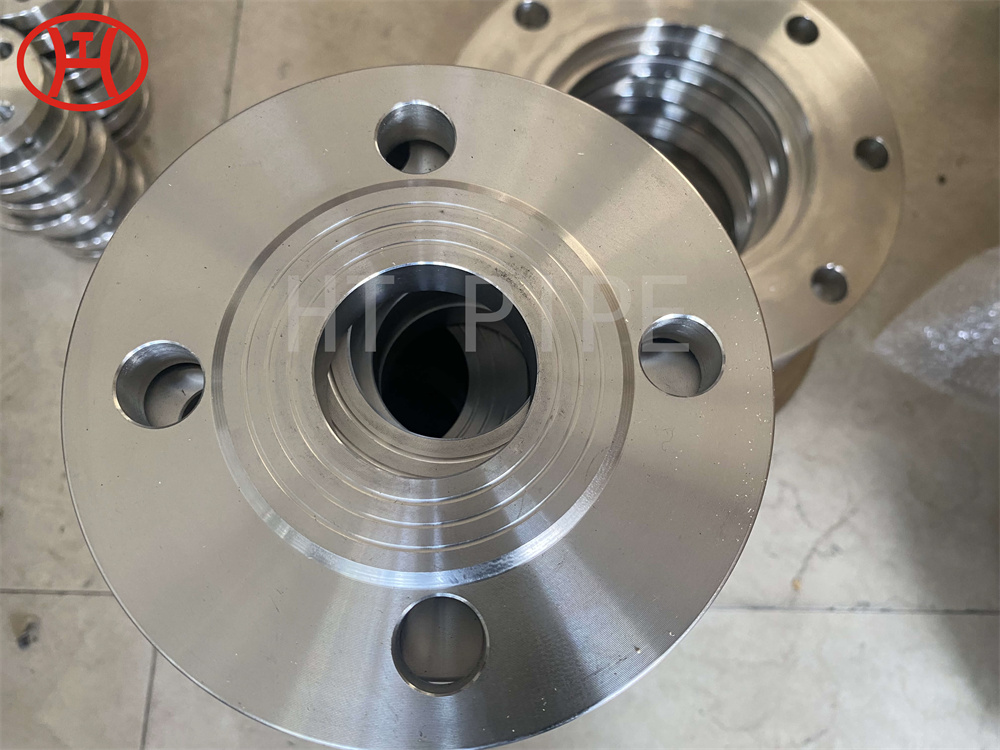
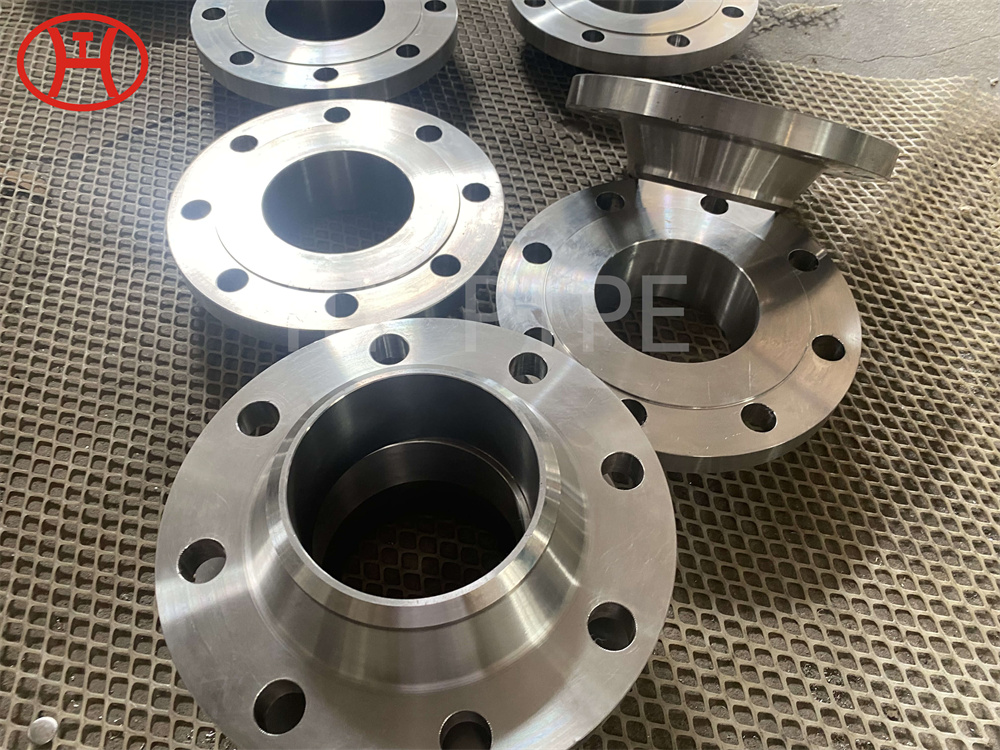
Stainless steel flange refers to a kind of flange connected with vessel or pipe by fillet weld. Flange rings are available with or without neck. Compared with the neck butt welding flange, the flat welding flange has simple structure and low material consumption.
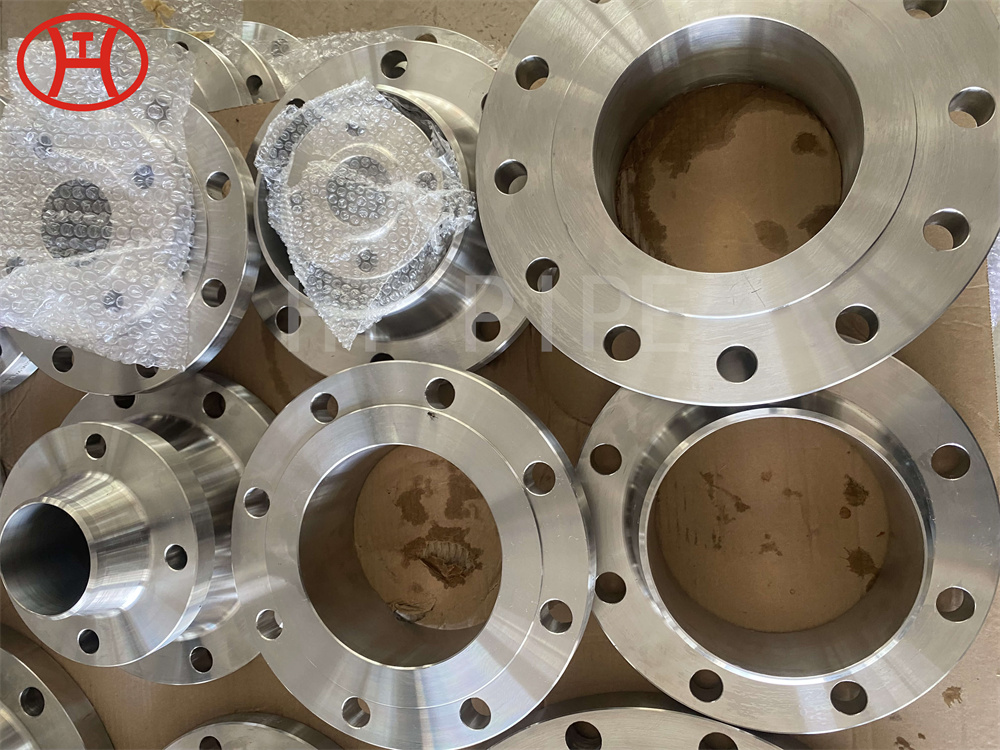
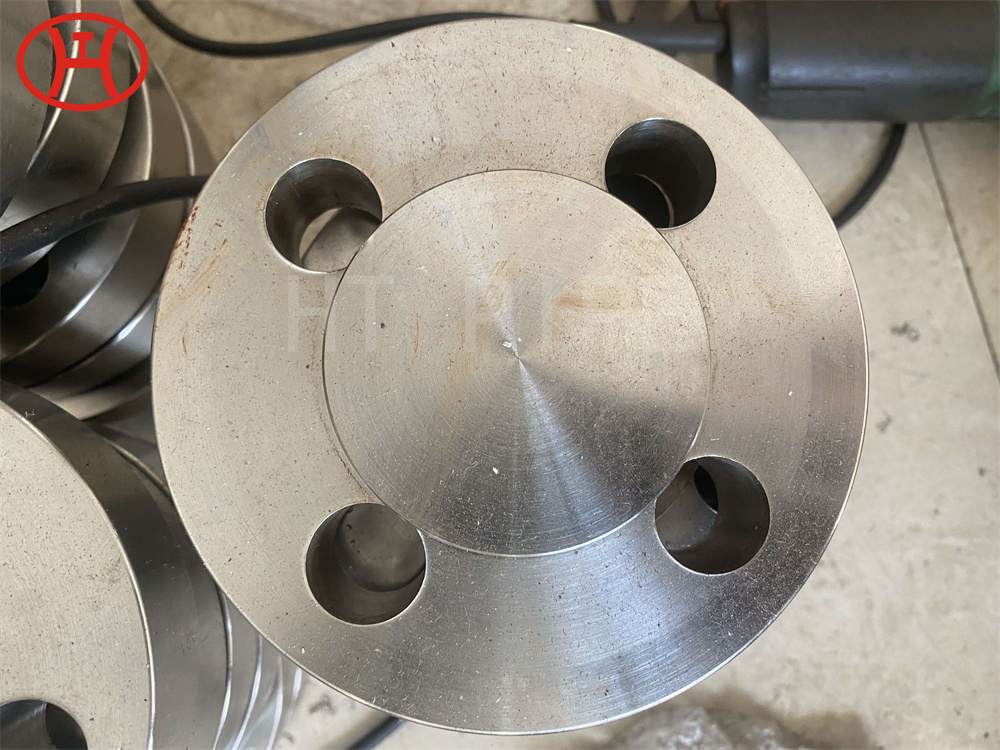
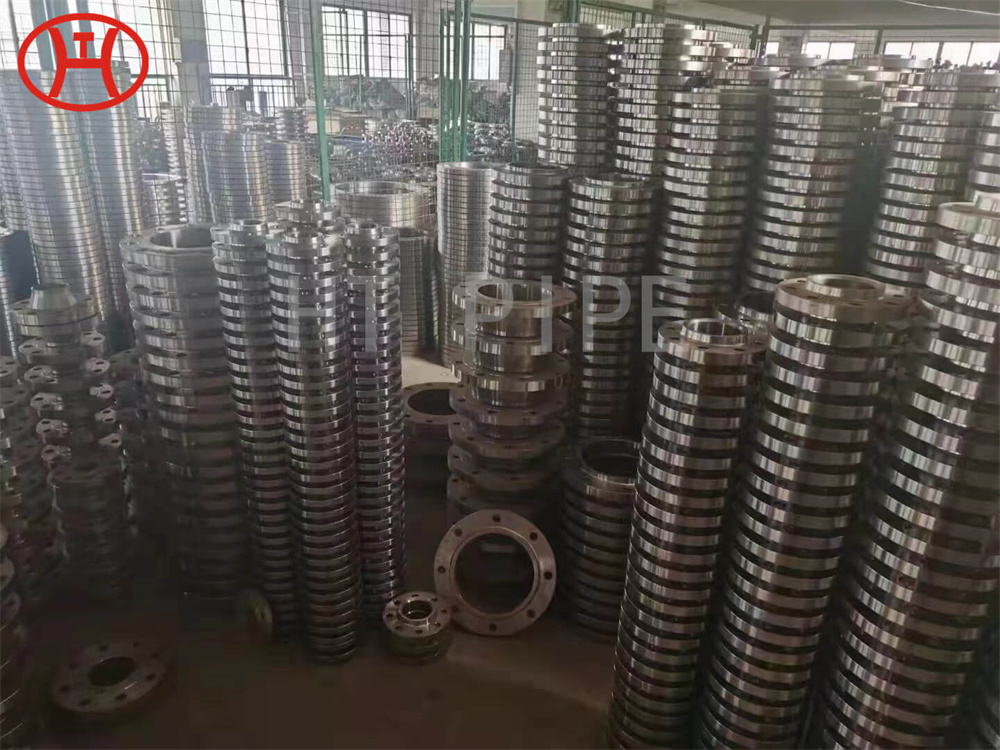
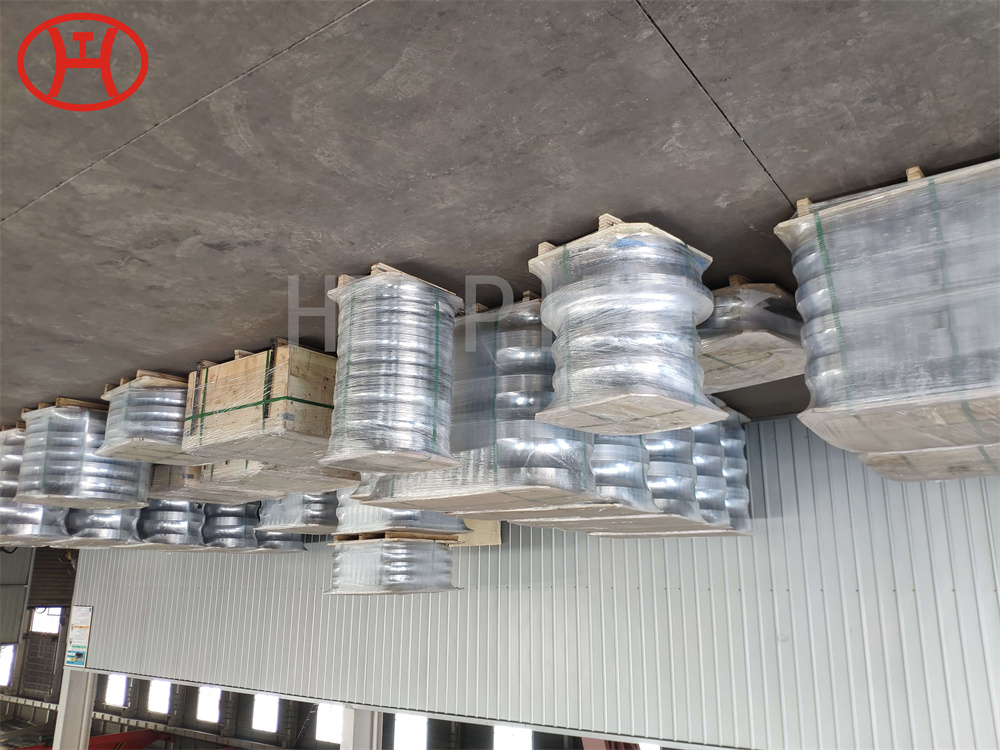
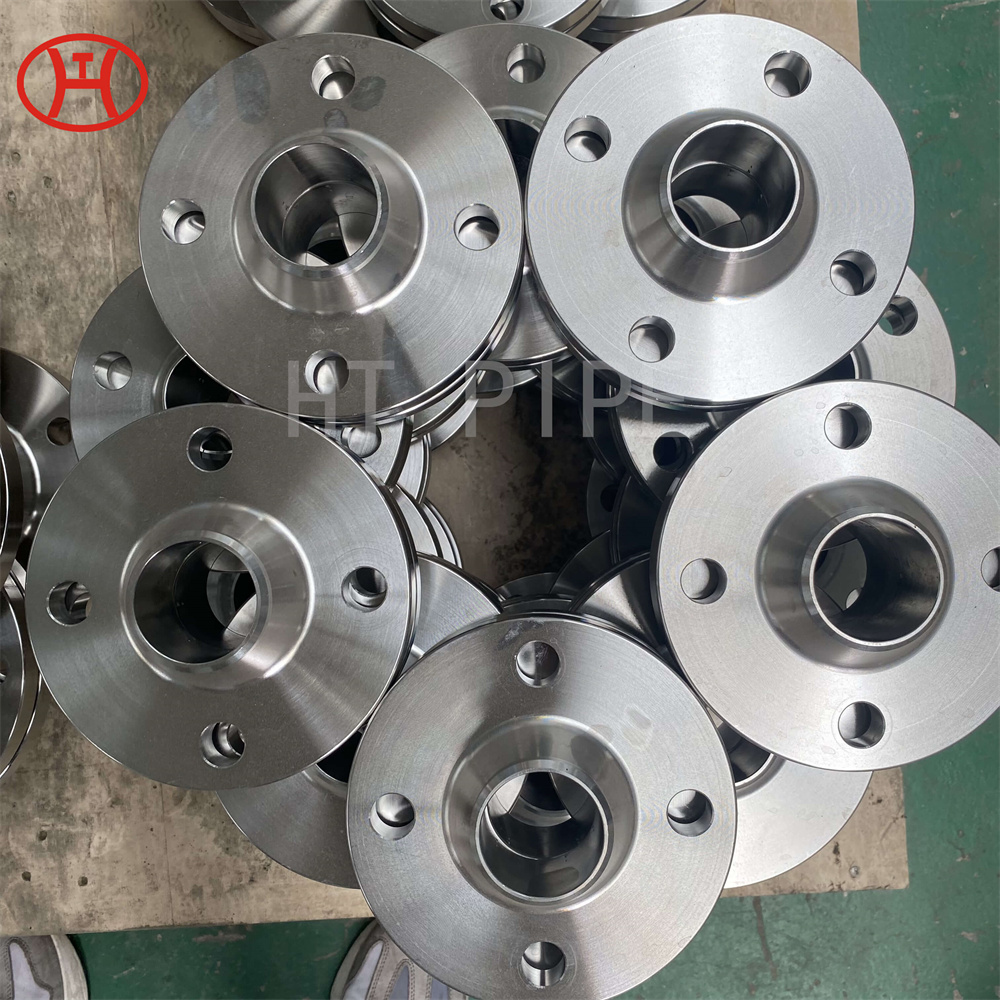
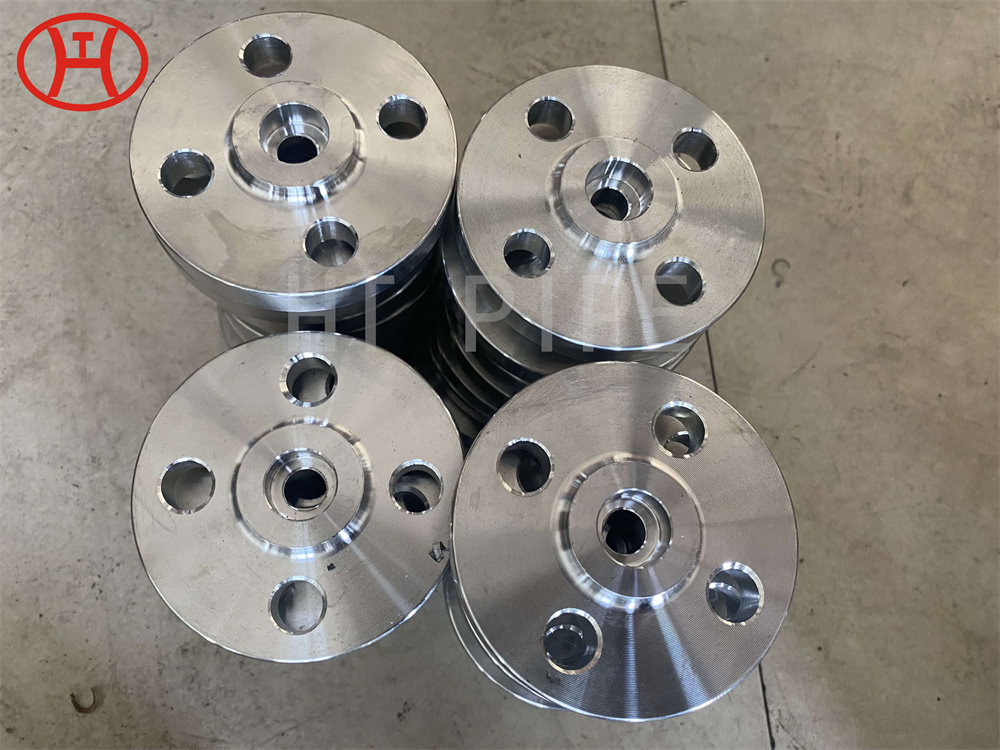
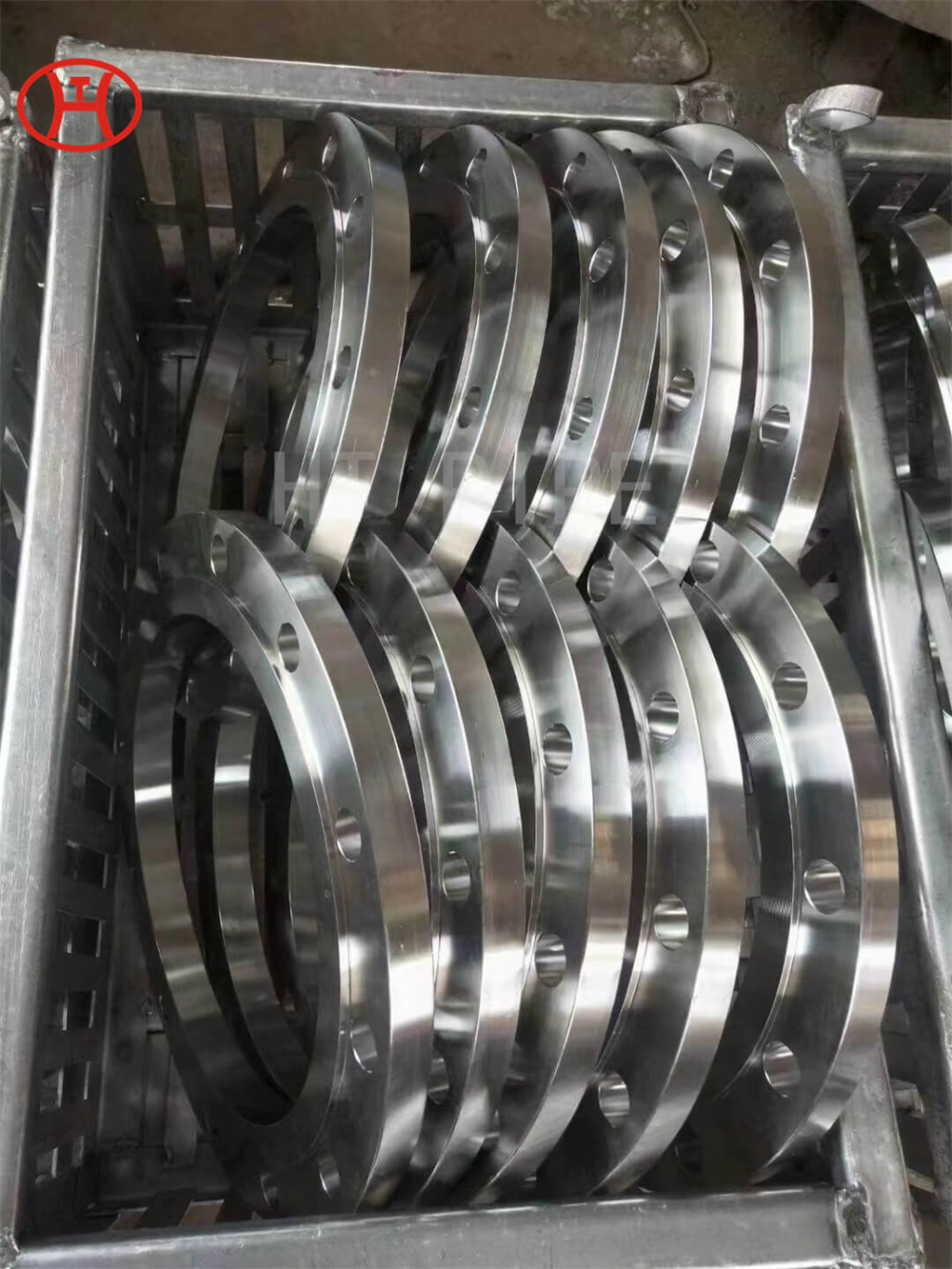
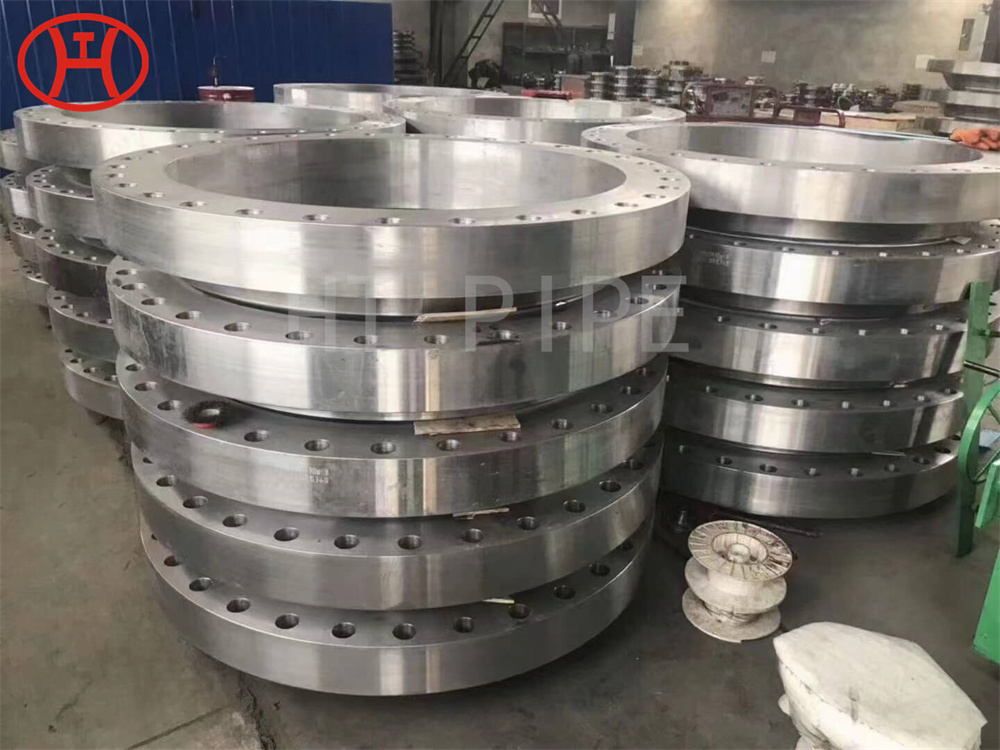
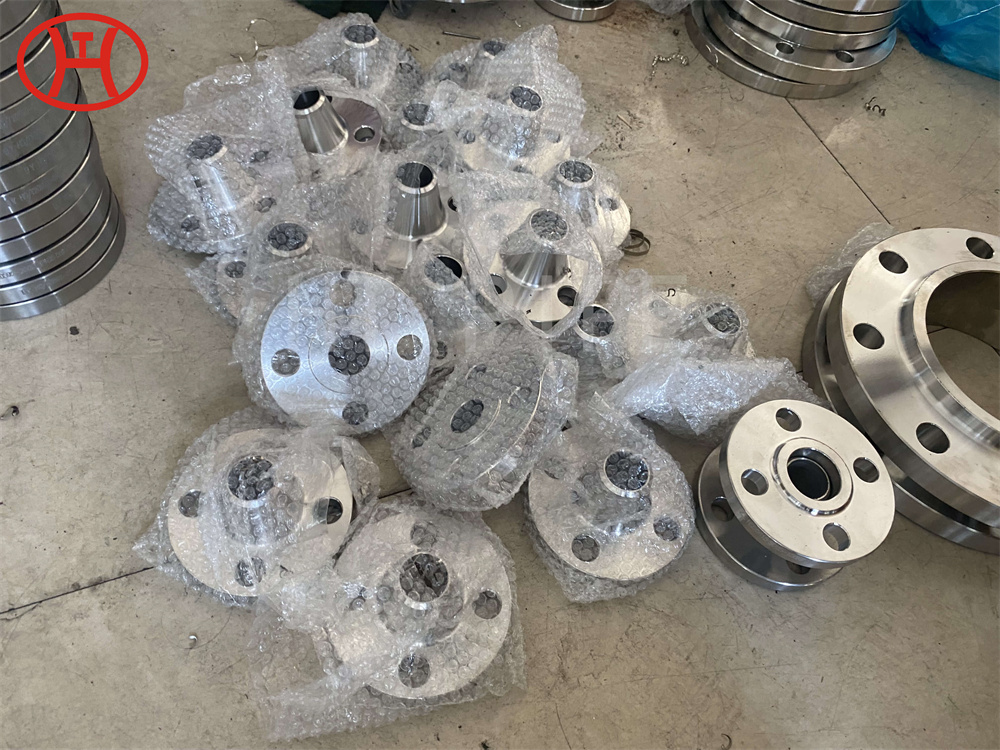
Flange, also known as flange plate or flange, is a part of connecting pipeline with pipeline and valve, which is connected with the end of pipeline. Flanges have holes. Flanges and flanges are tightly connected by bolts and sealed by gaskets.
Stainless steel flange not only saves space and weight, but also ensures that the joint will not leak and has good sealing performance. The compact flange size is reduced because the diameter of the seal is reduced, which will reduce the section of the sealing surface.
Flanges have holes. Flanges and flanges are tightly connected by bolts and sealed by gaskets. Stainless steel is widely used in petroleum, chemical, nuclear power, food manufacturing, construction, shipbuilding, paper making, medicine and other industries.
Stainless steel flange is a relatively high-quality flange product, which reduces the mass and space and plays an important role in industrial use.
Flanges are used for long-term pipelines. The so-called stainless steel flange uses the flange as the interface between two sections of the pipe connection, rather than directly connecting the pipe.
Stainless steel flange is a kind of general steel material, which is widely used in equipment and parts with good comprehensive performance requirements (corrosion resistance and molding).
Stainless steel flange belongs to steel pipe flange, which is widely used in the installation and connection of water supply pipeline and facilities and equipment.
304 stainless steel flange is the most widely used chromium nickel stainless steel. It has good corrosion resistance, heat resistance, low temperature strength and mechanical property. It is resistant to corrosion in the atmosphere.
Basic features of stainless steel flange: it is composed of basic parameters, such as anchor bolt hole, raised face, connecting nozzle, core distance of anchor bolt hole, flange diameter, nominal size, nominal pressure, etc.
The stainless steel water supply pipe flange has all the properties of stainless steel materials, one of which is the strong corrosion resistance, which can permanently maintain the integrity of the design.
Stainless steel flanges have good metal properties and corrosion resistance, and are commonly used for the installation and connection of stainless steel water pipes, high-pressure pipes and anti-corrosion pressure pipes.
Stainless steel water pipe flange, also known as stainless steel acid resistant flange, has a smooth surface and is not easy to be oxidized by air.