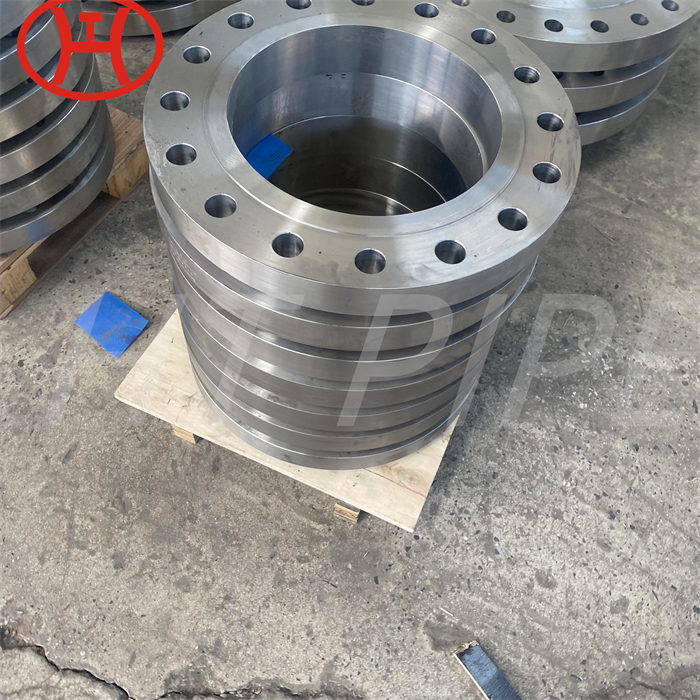
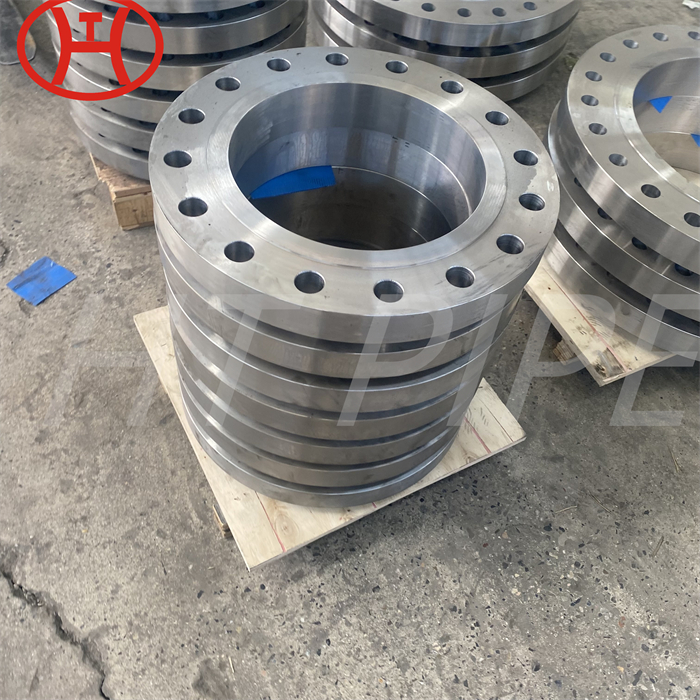
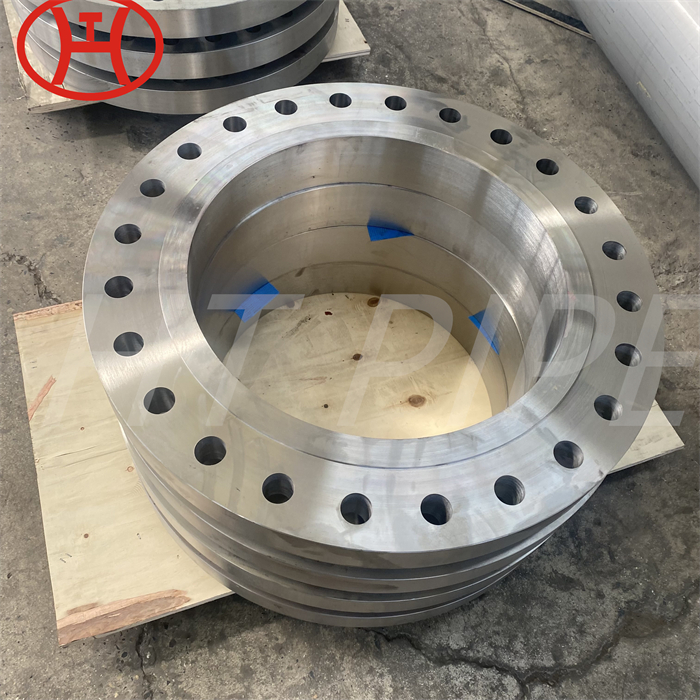
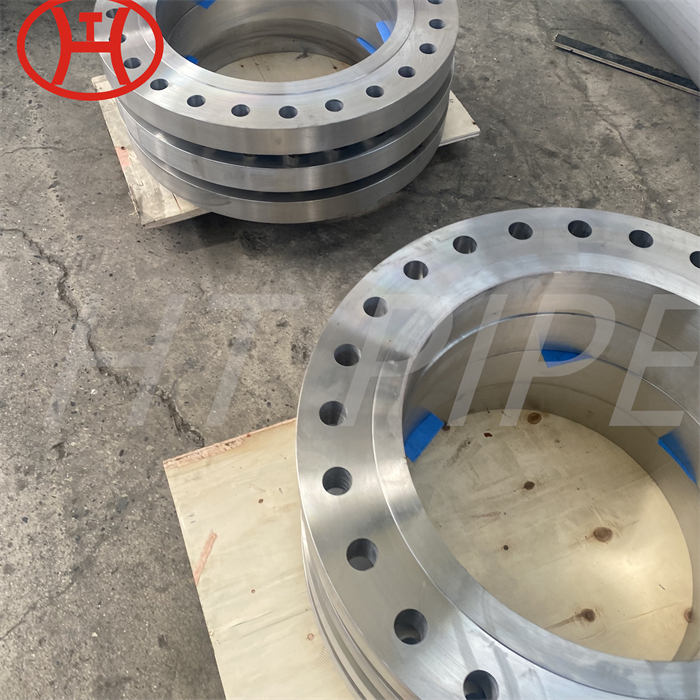
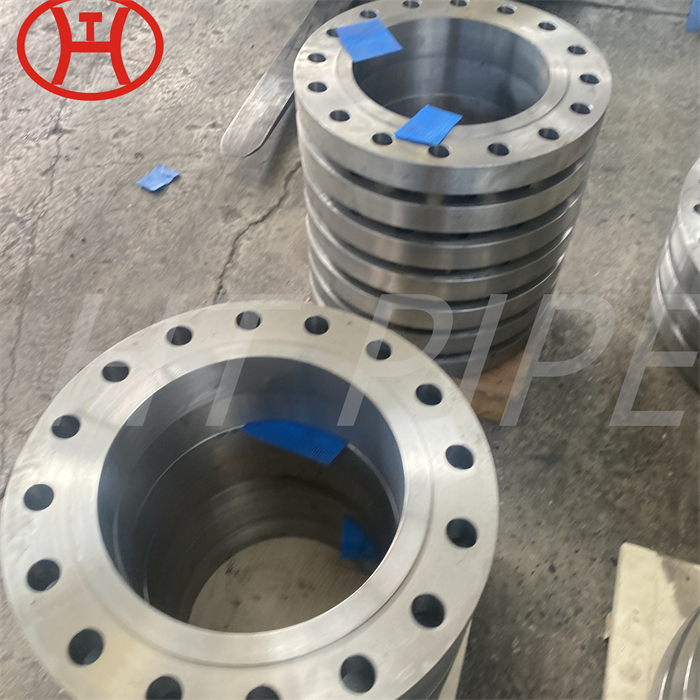
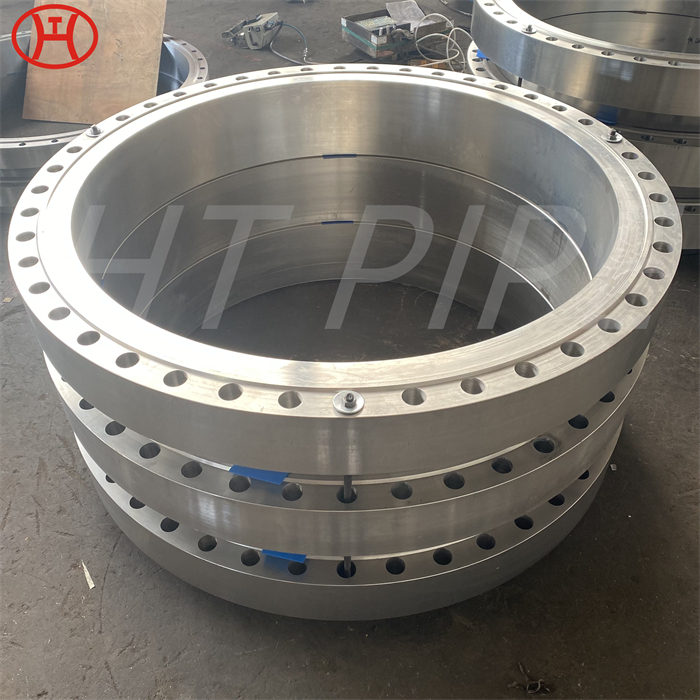
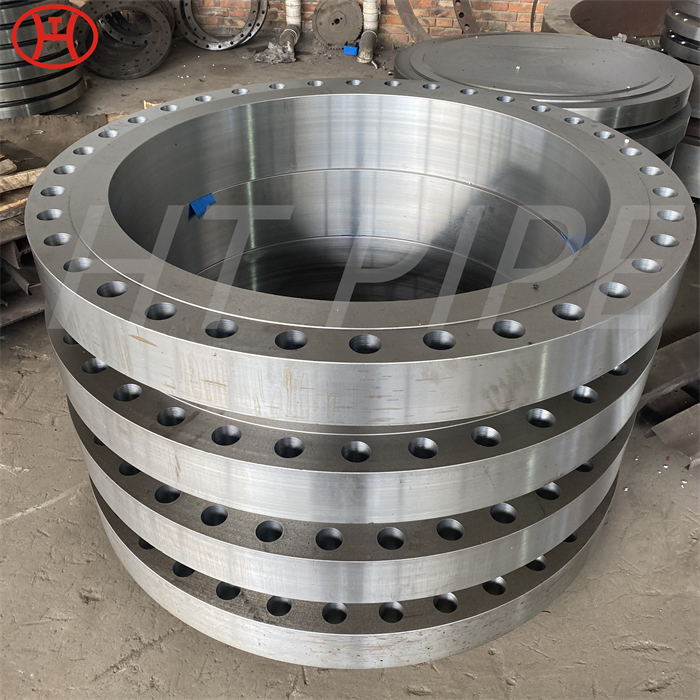
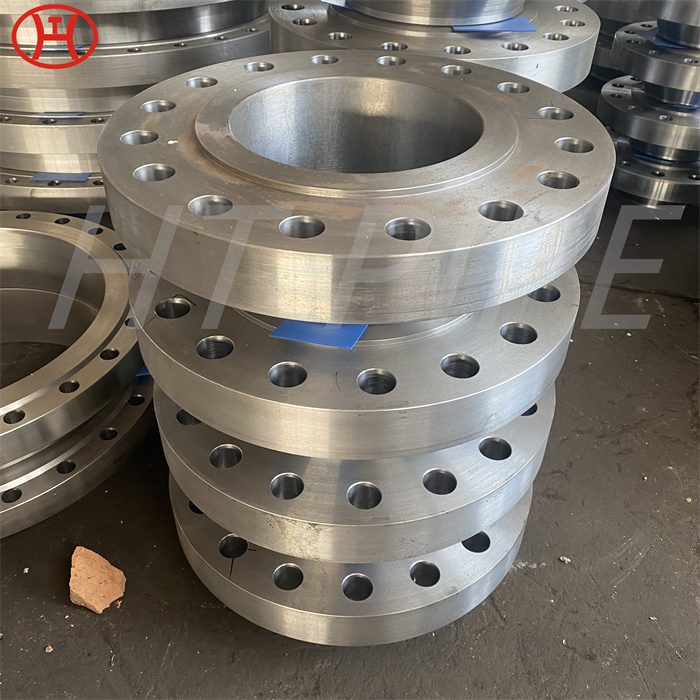
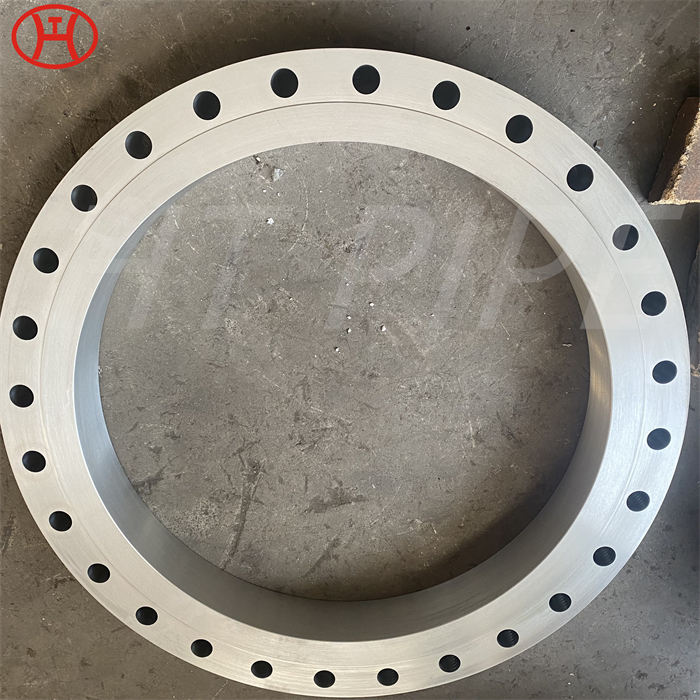
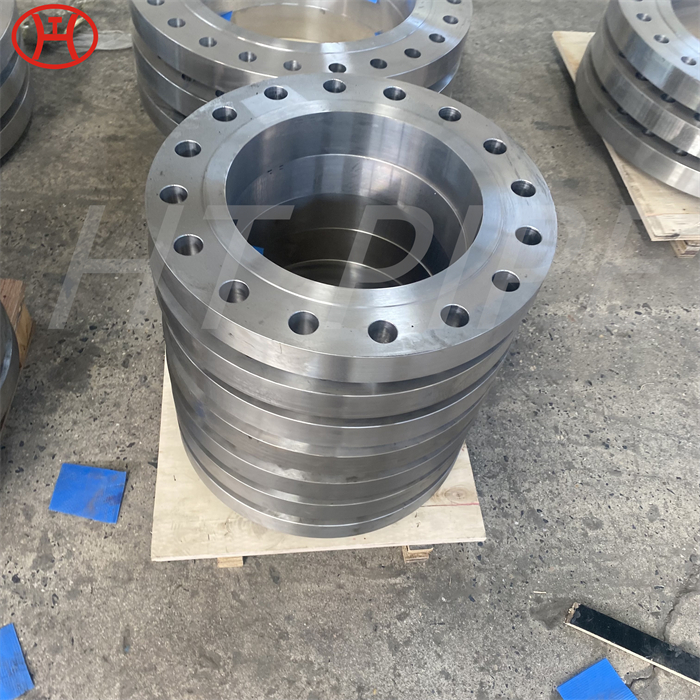
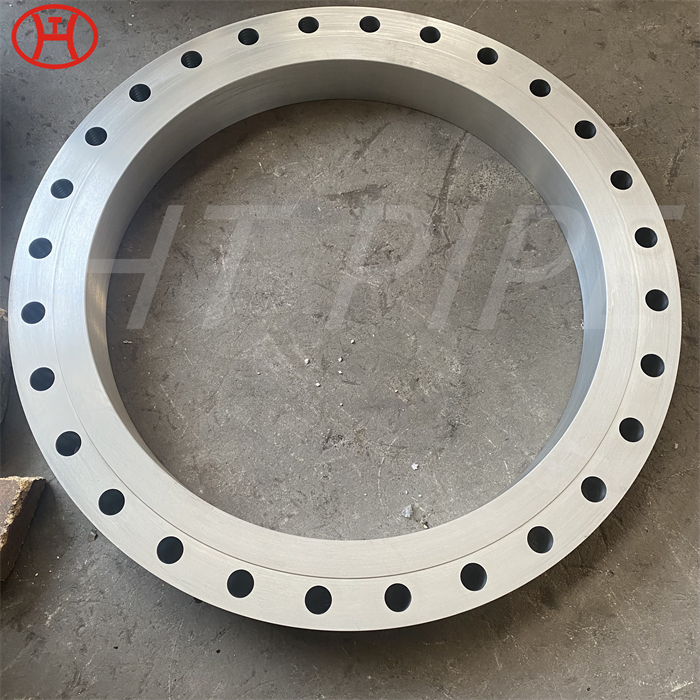
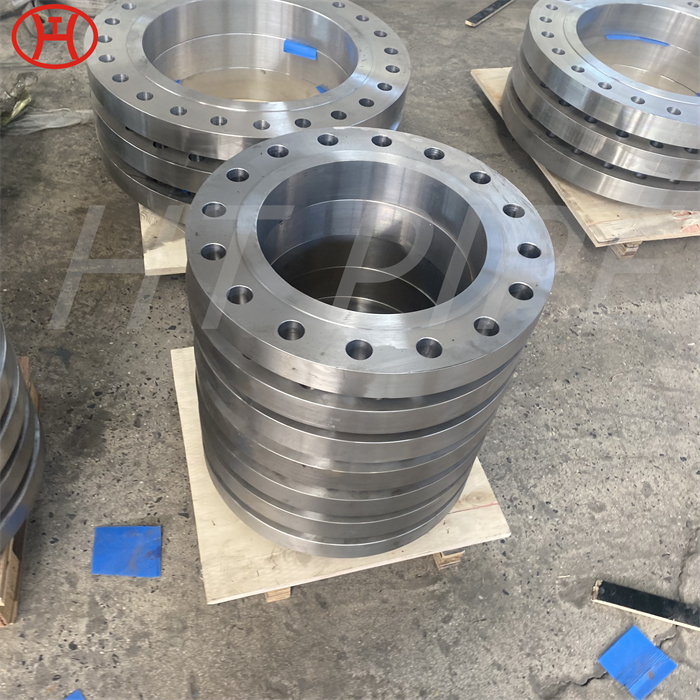
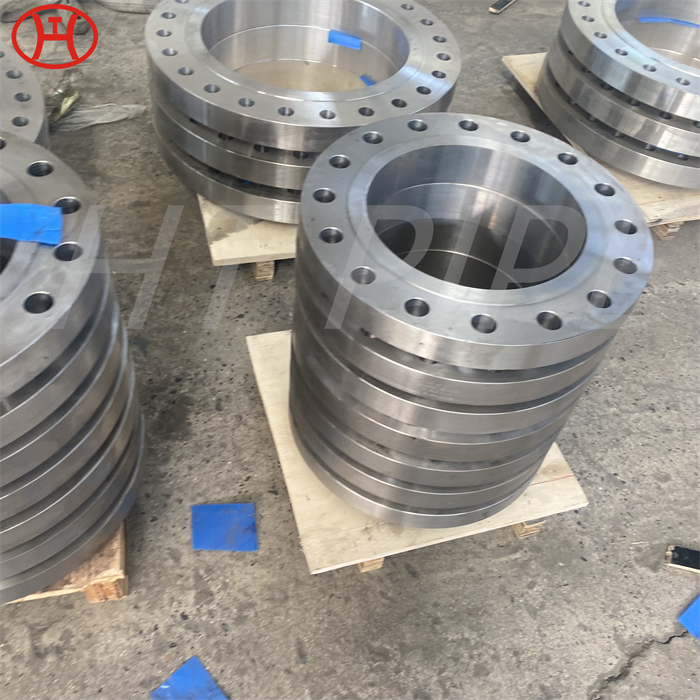
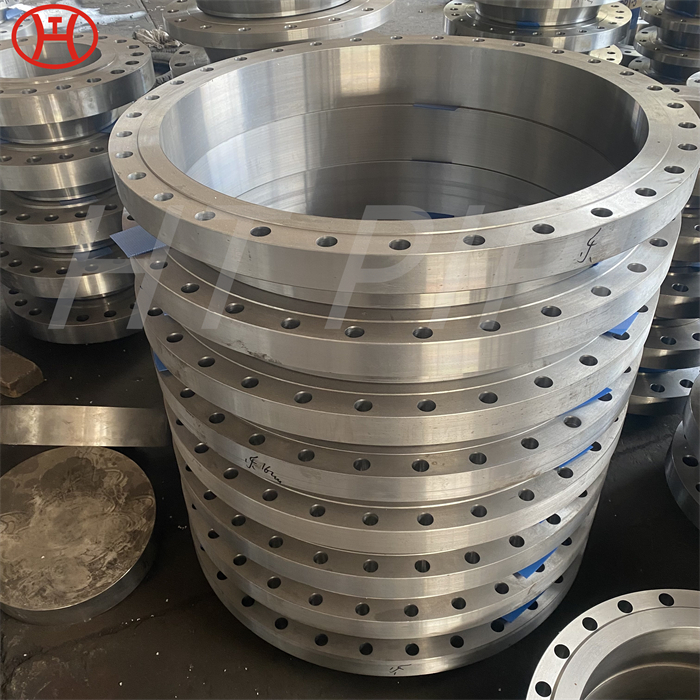
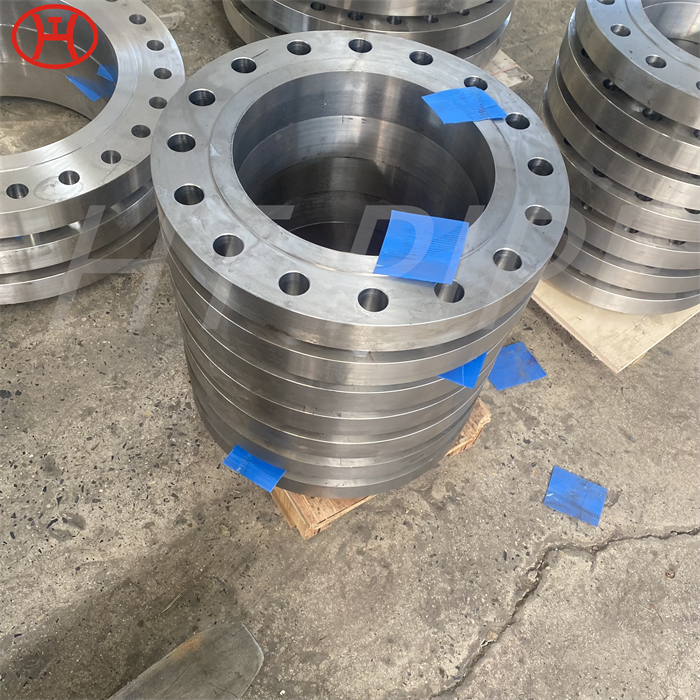
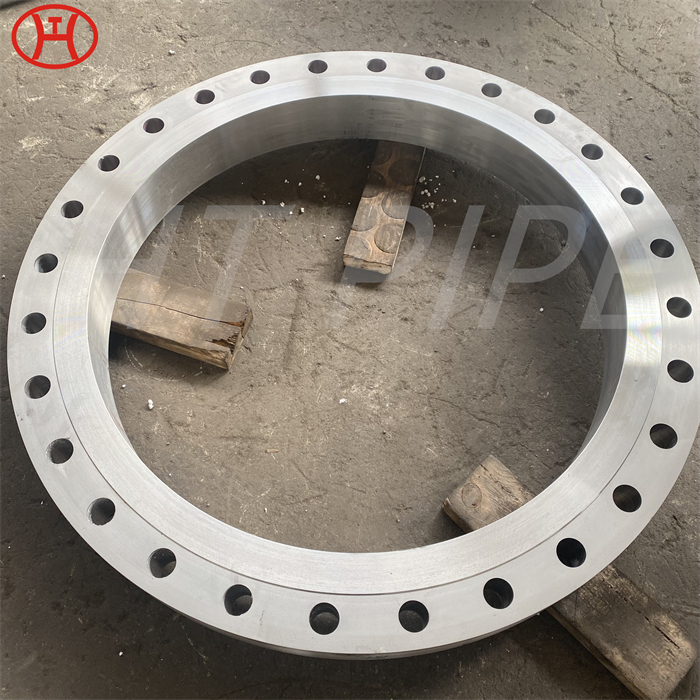
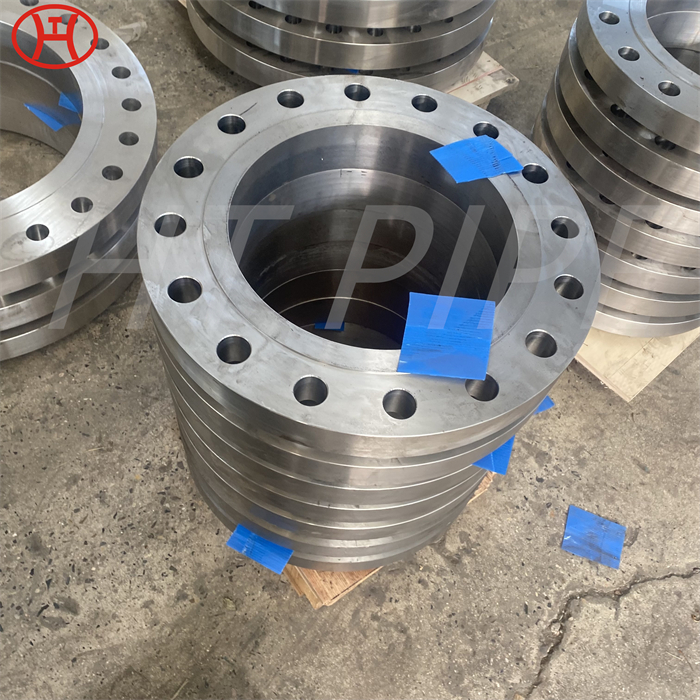
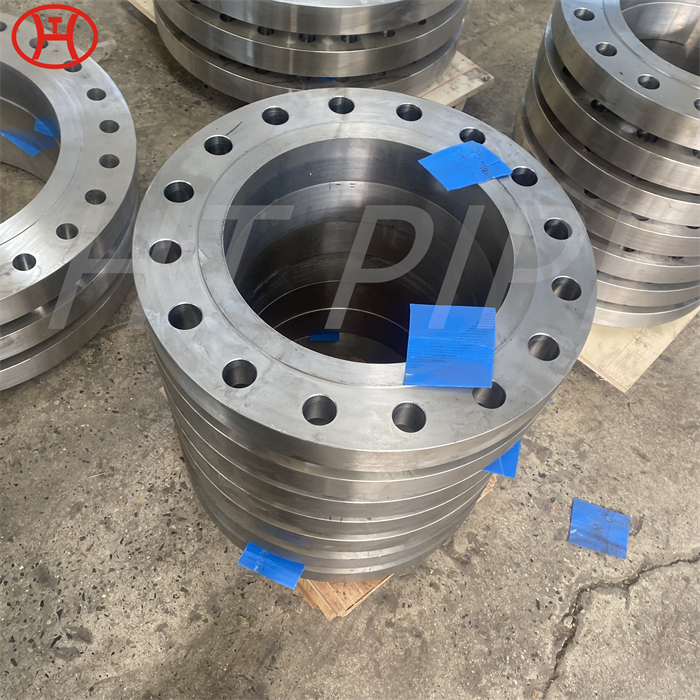
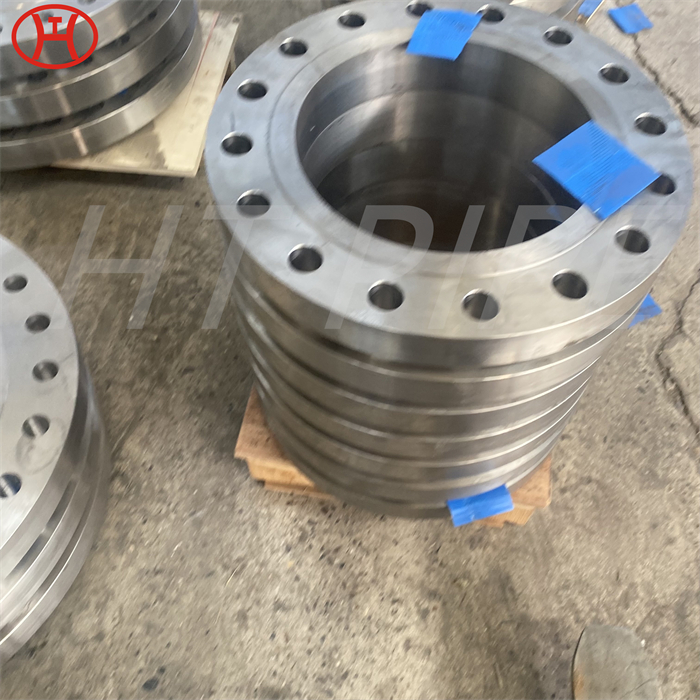
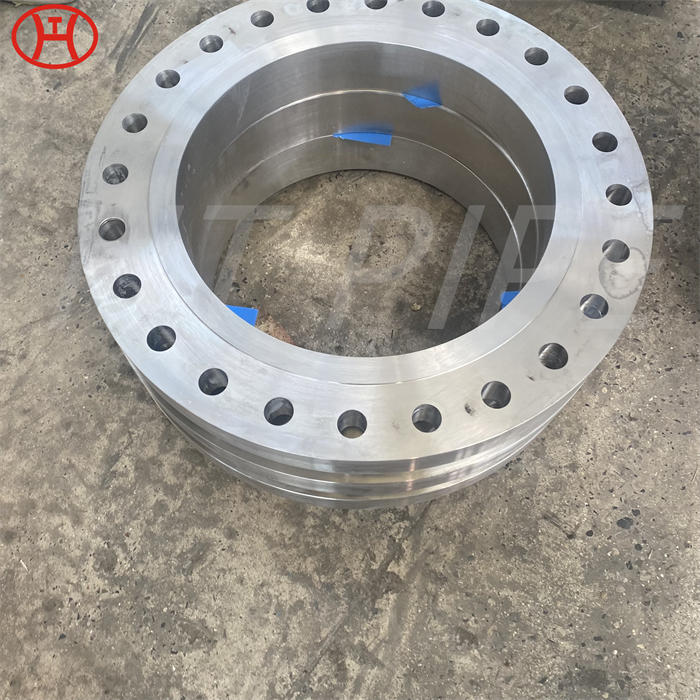
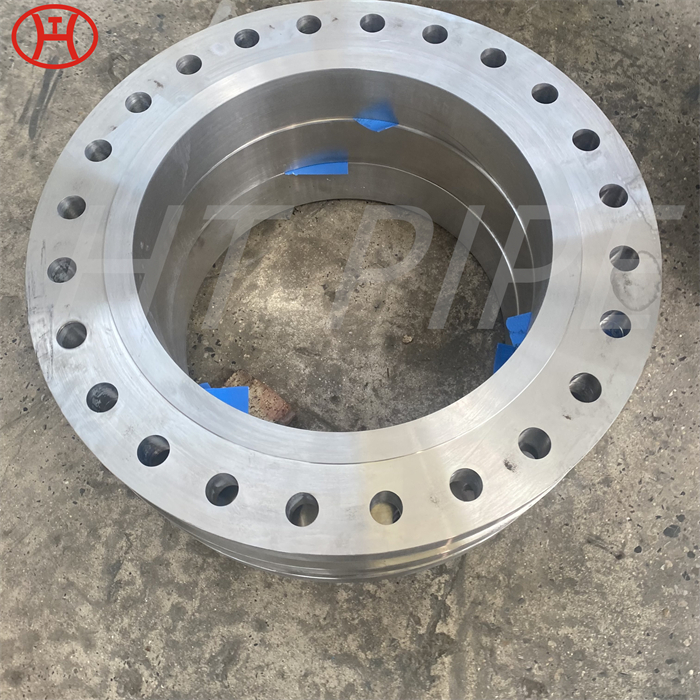
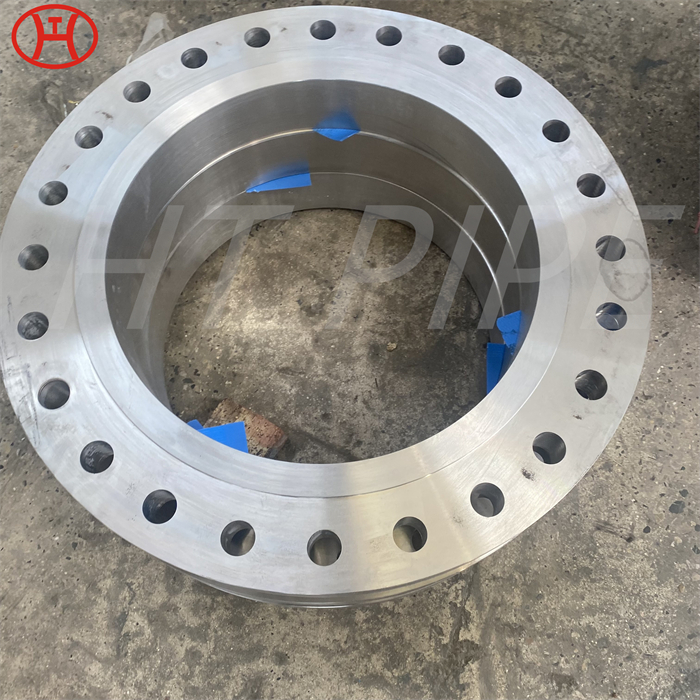
ASTM A182 is the Standard Specification for Forged Stainless Steel Pipe Flanges and Stainless Steel Forged Fittings.
The material has 19% chromium, 17% nickel, 6% molybdenum with carbon, manganese, silicon, copper, sulfur and sulfur in it.
ASTM 182 is use in pressure systems, Included are flanges, fittings and similar parts to specified dimensions or to dimensional standards, such as the ASME specifications.
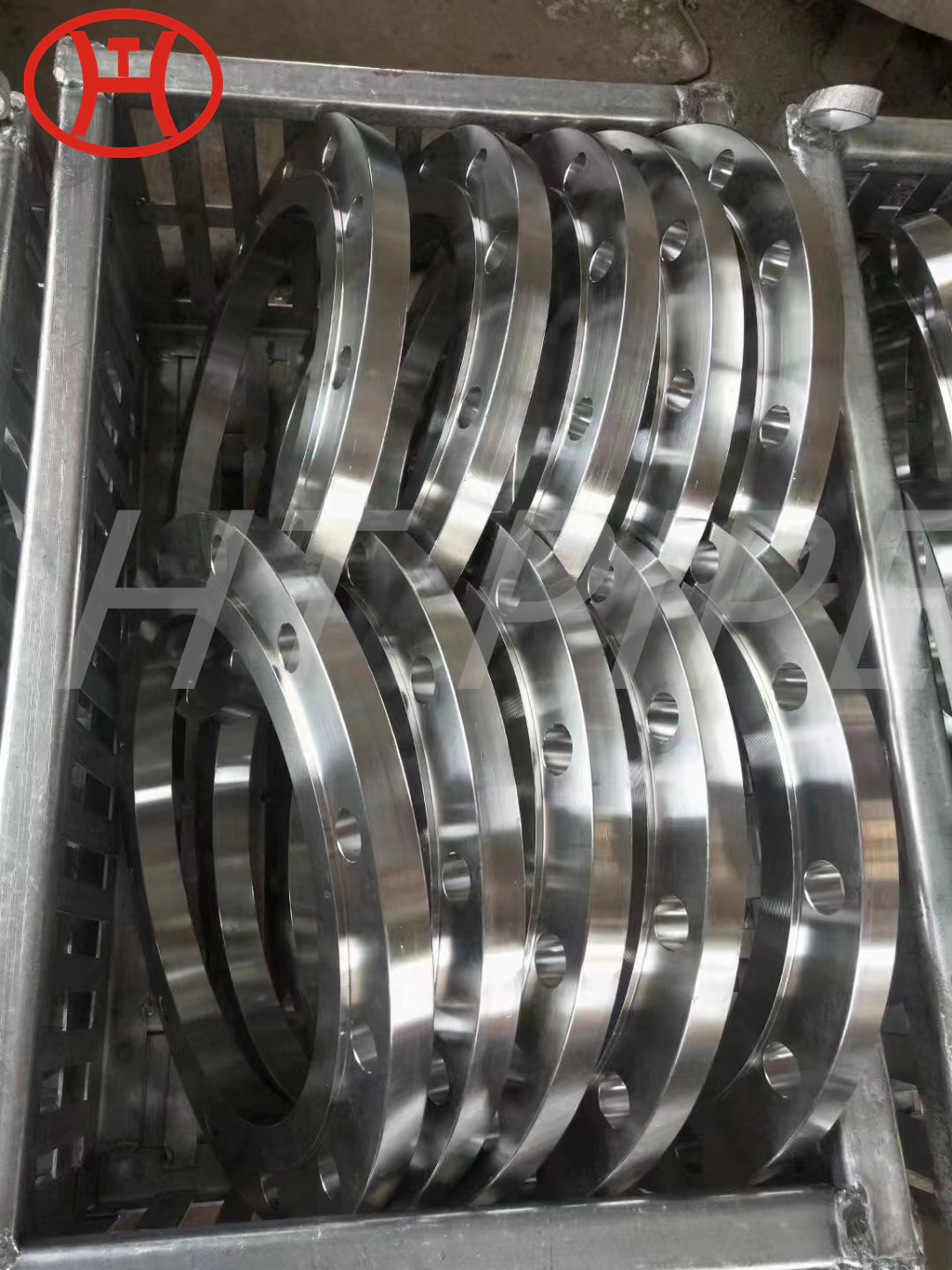
The different types of flanges such as the 254 SMO Slip on Flange have good corrosion resistance due to the composition. The flanges are also stronger than the ordinary stainless steel flanges with 650MPa minimum tensile strength, 300MPa minimum yield strength and 35% elongation rate.
SMO 254 Flange is Material to F44 Super Austenitic Stainless Steel is described as a 6% Mo Flanges super austenitic stainless.
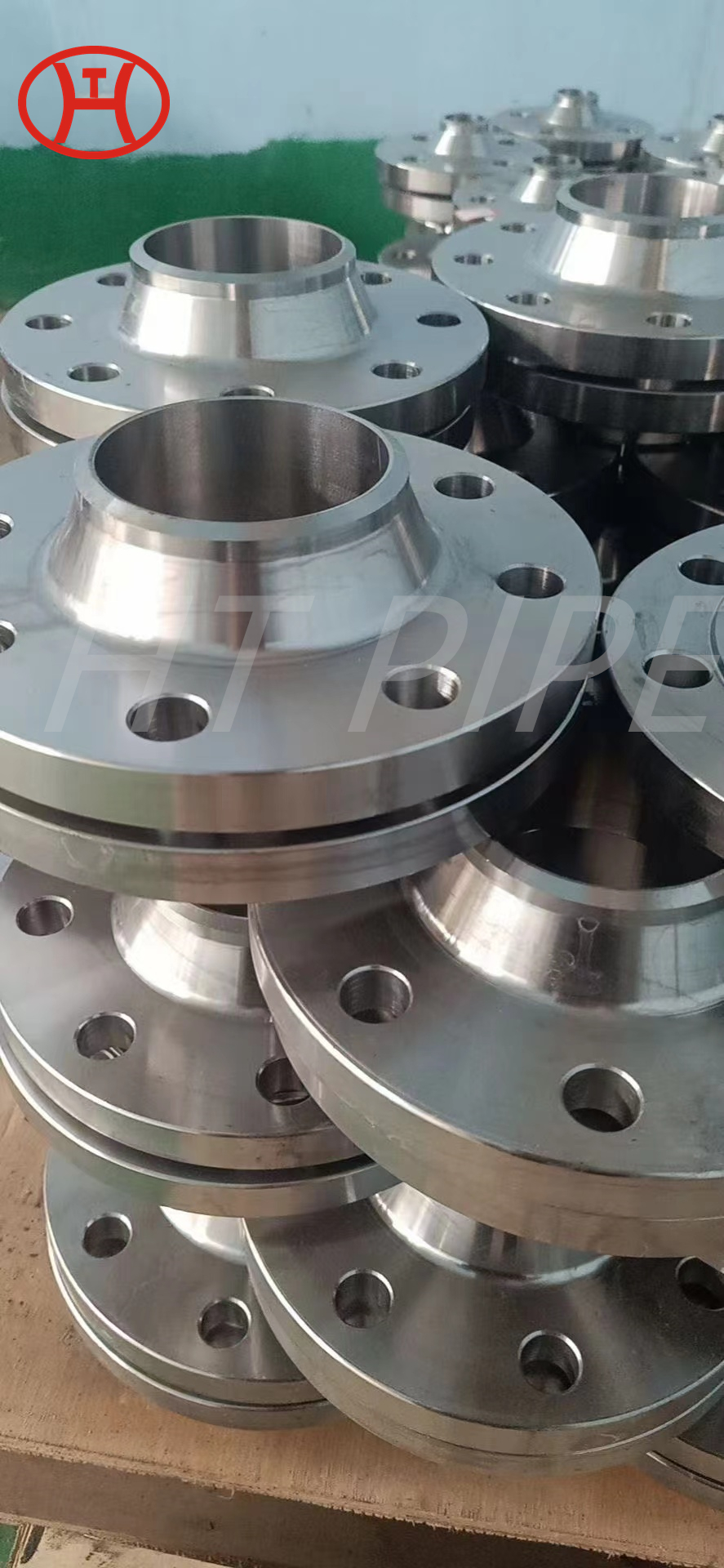
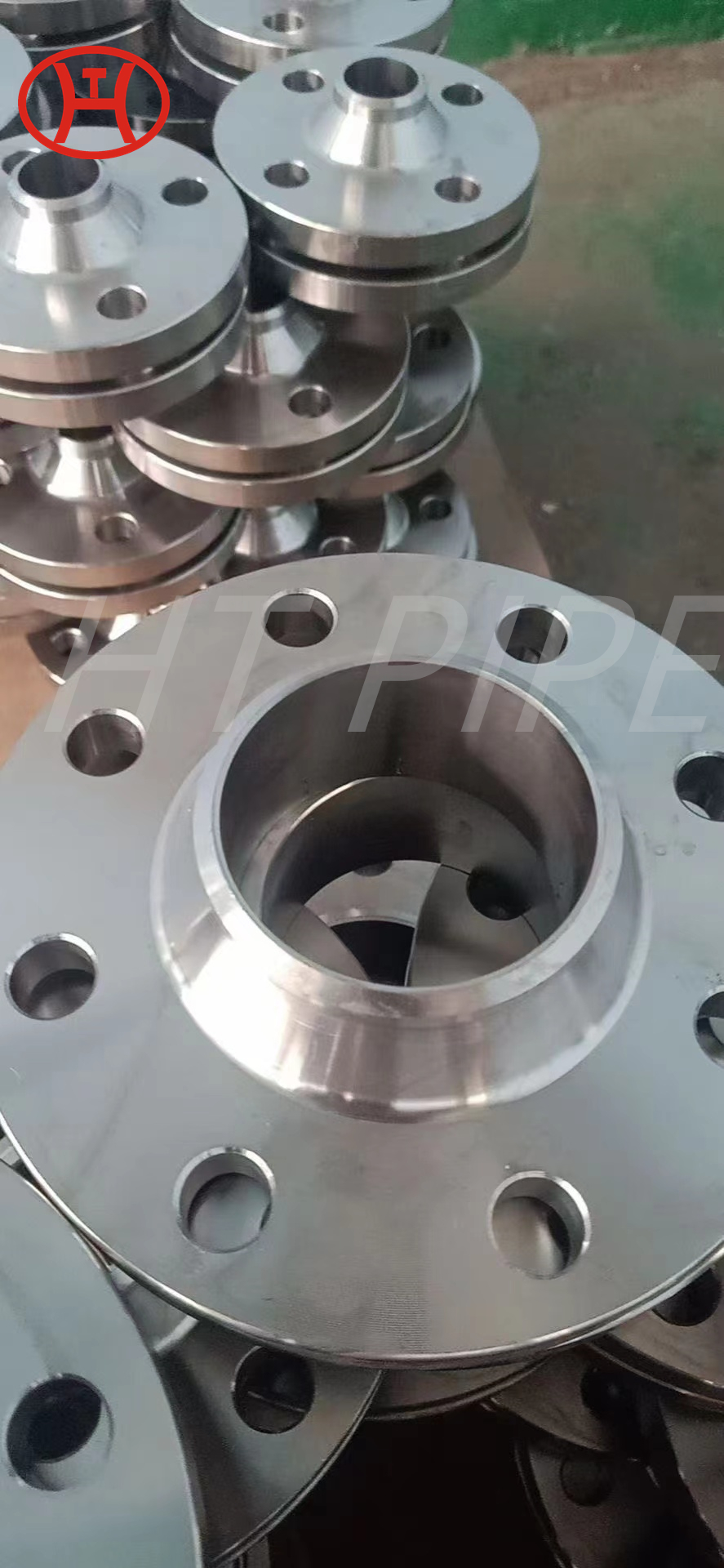
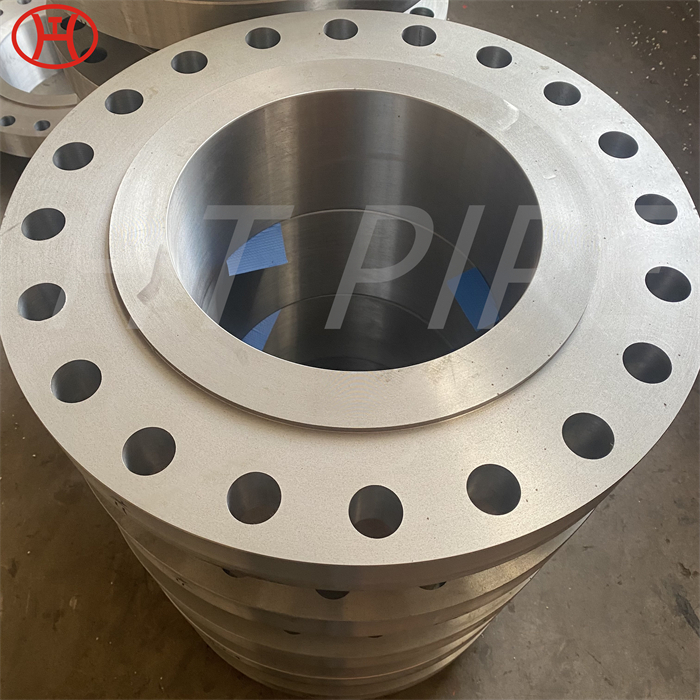
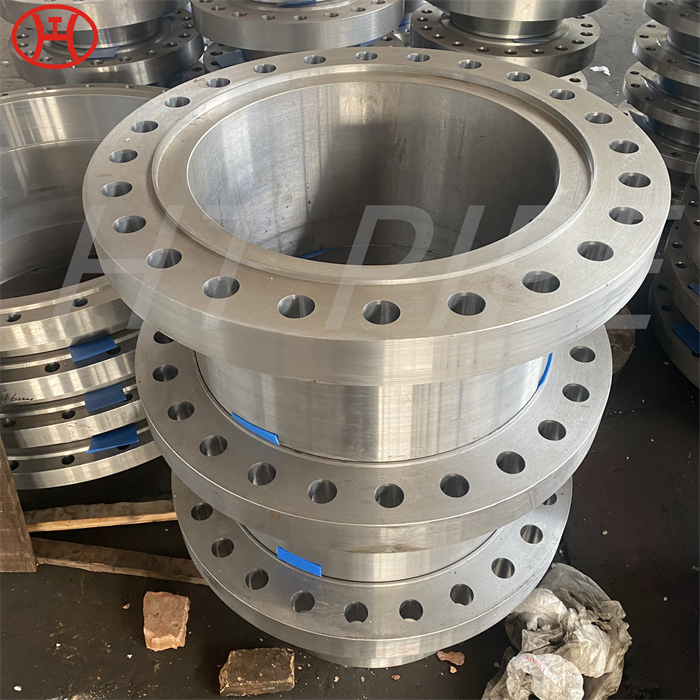
The UNS S31254 Weld Neck Flange is preferred in welding applications. These flanges can hold the pipe in place during welding. The material has up to 1390 degrees Celsius melting point so that it could be used in high temperature and high pressure applications such as power generation, heat exchangers, boiler and petrochemical industrial applications.
SMO 254 Flanges is readily available for applications in the industrial, architectural, and transportation fields.
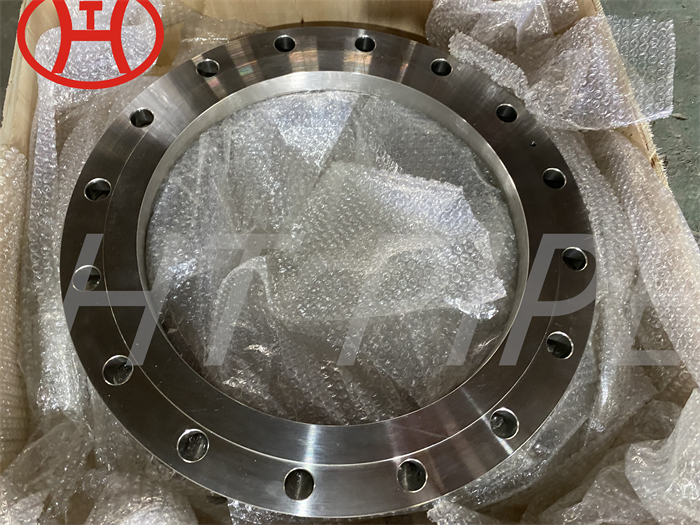
Duplex Steel UNS S31254 Slip On Raised Flanges combines moderate mechanical strength (typically over 300 MPa yield strength) and high ductility with excellent corrosion resistance in seawater and a variety of industrial environments.
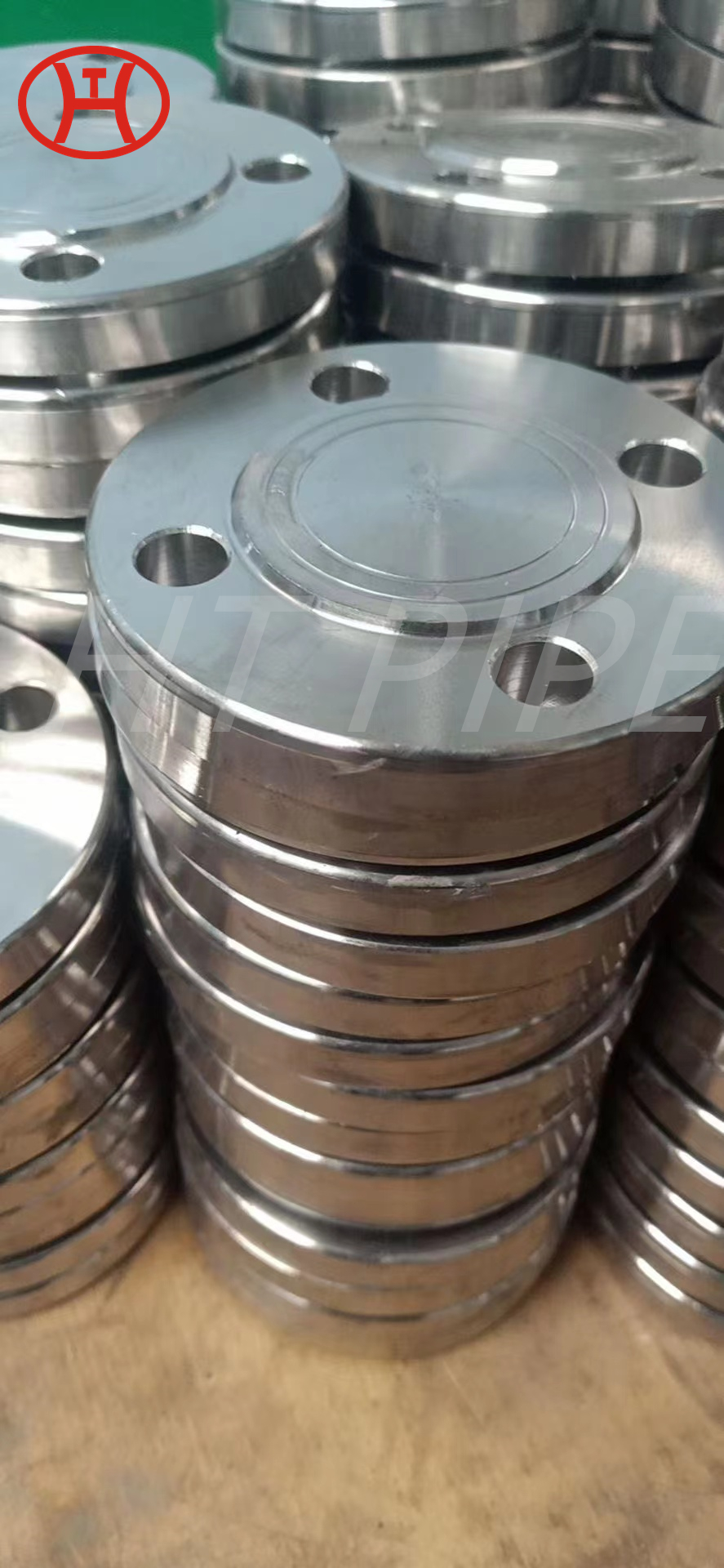
The SMO 254 Spectacle Blind Flange Also- Resists Crushing In High Machine Fittings. Additionally, The 6mo Flanges Properties Includes Corrosion Resistance, Which Is Useful For Services In Corrosive Media Containing Environments.
Alloy 254 SMO or the Astm A182 F44 Material is a very high end, molybdenum and nitrogen alloyed super austenitic stainless steel. This alloy has a very low content of carbon.
The 6mo Plate Flange displays outstanding resistance to crevice corrosion stress cracking, pitting, as well as corrosion fatigue uniform corrosion.
AL-6XN alloy (UNS N08367) is a low carbon, high purity, nitrogen-bearing ¡°super-austenitic¡± stainless alloy. The AL-6XN alloy was designed to be a seawater resistant material and has since been demonstrated to be resistant to a broad range of very corrosive environments.
The high strength and corrosion resistance of the AL6XN alloy make it a better choice than the conventional duplex stainless steels and a cost effective alternative to more expensive nickel-base alloys where excellent formability, weldability, strength and corrosion resistance are essential.
AL6XN is a superaustenitic stainless steel with outstanding resistance to chloride pitting, crevice corrosion and stress corrosion cracking. AL6XN is a 6 moly alloy that was developed for and is used in highly aggressive environments.
AL-6XN (UNS N08367) is a 6% molybdenum, low carbon, nitrogen-bearing super-austenitic stainless alloy. The alloy was originally designed for seawater applications. AL-6XN? has also been successfully used in a broad range of very corrosive environments including the rapidly developing biopharm markets.
The high strength and corrosion resistance of the AL-6XN alloy make it a better choice than the conventional duplex stainless steels and a cost effective alternative to more expensive nickel-base alloys where excellent formability, weldability, strength and corrosion resistance are essential.
AL-6XN (UNS N08367) provides a stable and reliable value that enables the owner to establish an accurate return on investment.
AL6XN alloy (UNS N08367) is a low carbon, high purity, nitrogen-bearing “super-austenitic” stainless alloy.
AL-6XN alloy is identified by the Unified Numbering System (UNS) designation of N08367.
The AL-6XN alloy was designed to be a seawater resistant material and has since been demonstrated to be resistant to a broadrange of very corrosive environments.
It is an austenitic stainless steel alloy with high nickel (24%), chromium (22%), molybdenum (6%), and nitrogen (0.18%) content and is commonly known as superaustenitic stainless steel (alloys such as 254 SMO (UNS?S31254) and 904L (UNS?N08904) also fall under the superaustenitic designation) while 2205 (UNS S32305/ S31803) and 2507 (UNS S32750) are duplex and super duplex stainless steel, respectively.
The high strength and corrosion resistance of the AL-6XN alloy make it a better choice than the conventional duplex stainless steels and a cost effective alternative to more expensive nickel-base alloys in applications where excellent formability, weldability, strength and corrosion resistance are essential.
AL-6XN is widely used because it is a 6% moly superaustenitic alloy providing strong resistance to chlorides found in ketchup, barbecue sauce, sports drinks, buffer solutions, and active pharmaceutical ingredients that commonly cause localized corrosion.
It is also a cost-effective alternative to less expensive alloys, such as Type 316, that do not have the strength or corrosion resistance required to minimize life cycle costs in certain applications.
AL-6XN is an upgrade to 300 series alloys such as 316L/1.4435 and 304 when high concentration of chlorides, high temperature, acidic pH levels, and time of contact are introduced to the process.
Super Alloys provide a good return on investment by reducing product loss and maintenance time repairing and replacing corroded parts.
AL-6XN alloy is very attractive to many industries, because it is resistant to a broad range of corrosive environments and provides a high return on investment. The biggest advantage is CSI’s availability and large stock to address your high corrosion resistance requirements.
AL-6XN alloy has a long history in food, beverage, dairy, personal and home care, and biotech and pharmaceutical applications.
AL-6XN alloy is an excellent choice in instances where 316L/1.4435 and 304 stainless steels do not meet corrosion-resistant standards.
AL-6XN alloy is easy to weld using similar parameters as Type 316L stainless steel, including travel speed (IPM) and weld current. It is common to use a weld insert ring for additional alloying when orbital or manual welding in the field.