Home » Forged Flanges » N08367 Stainless Steel Plate Flange Stainless Steel Alloy AL6XN Threaded Flanges
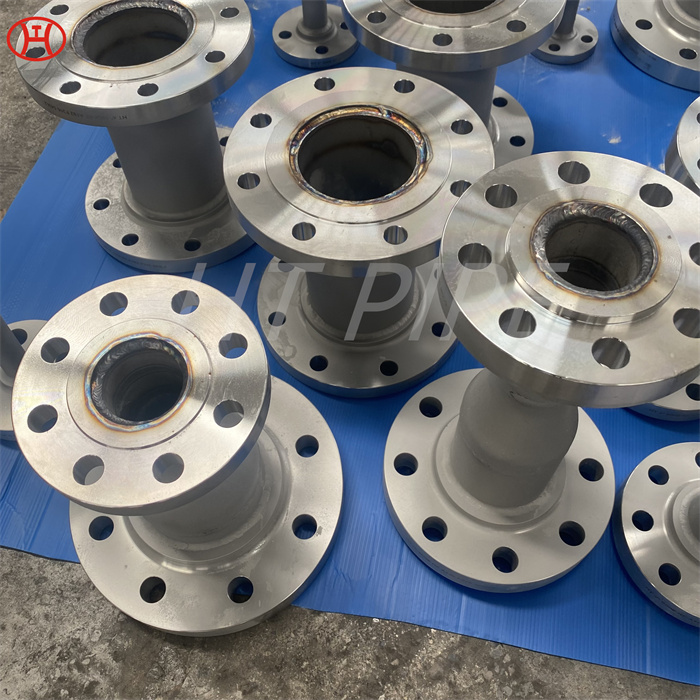
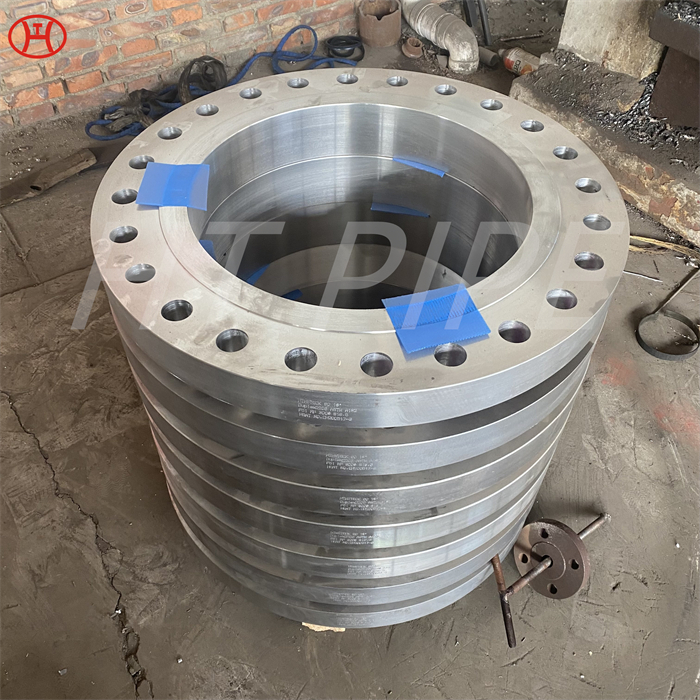
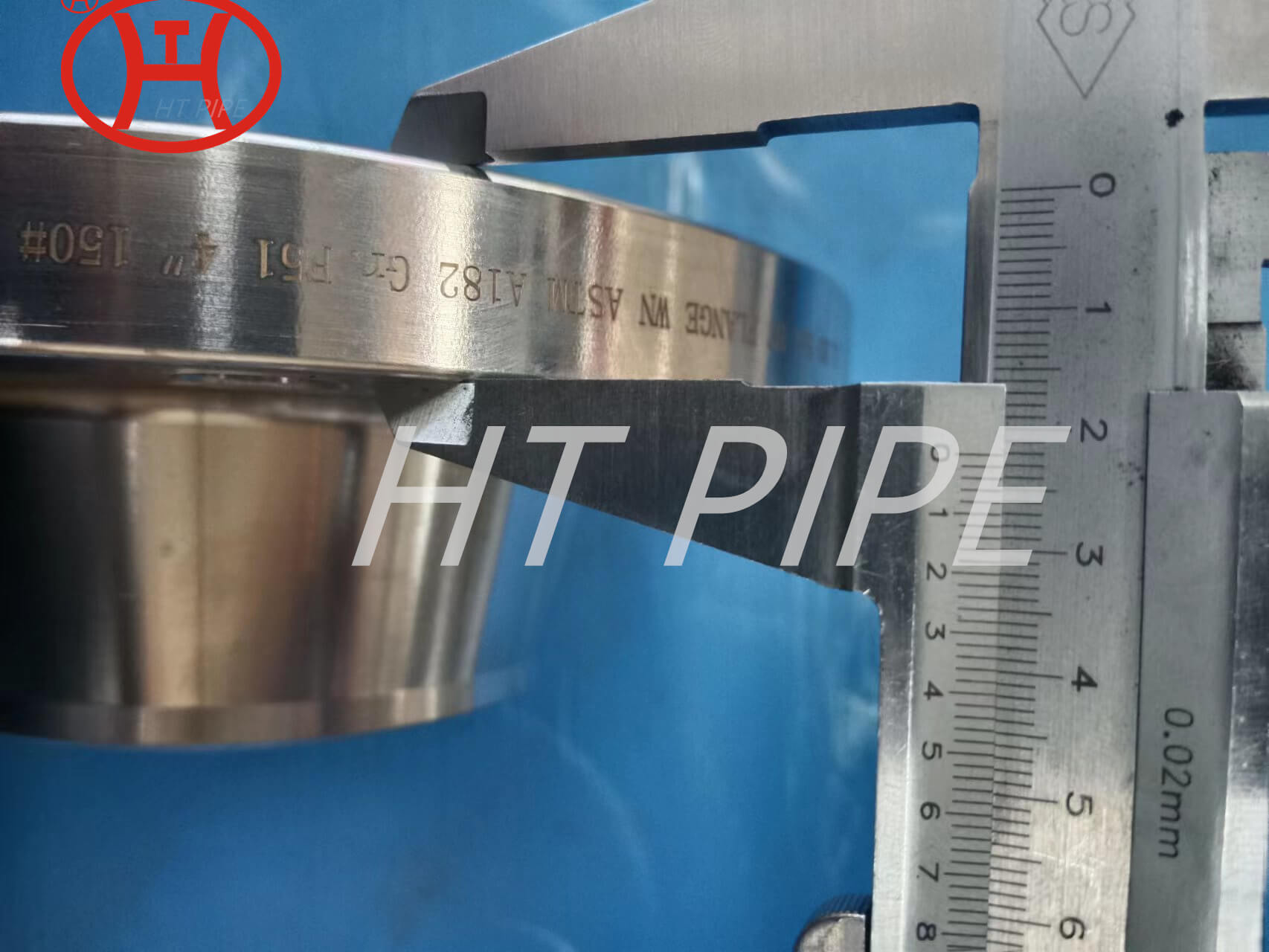
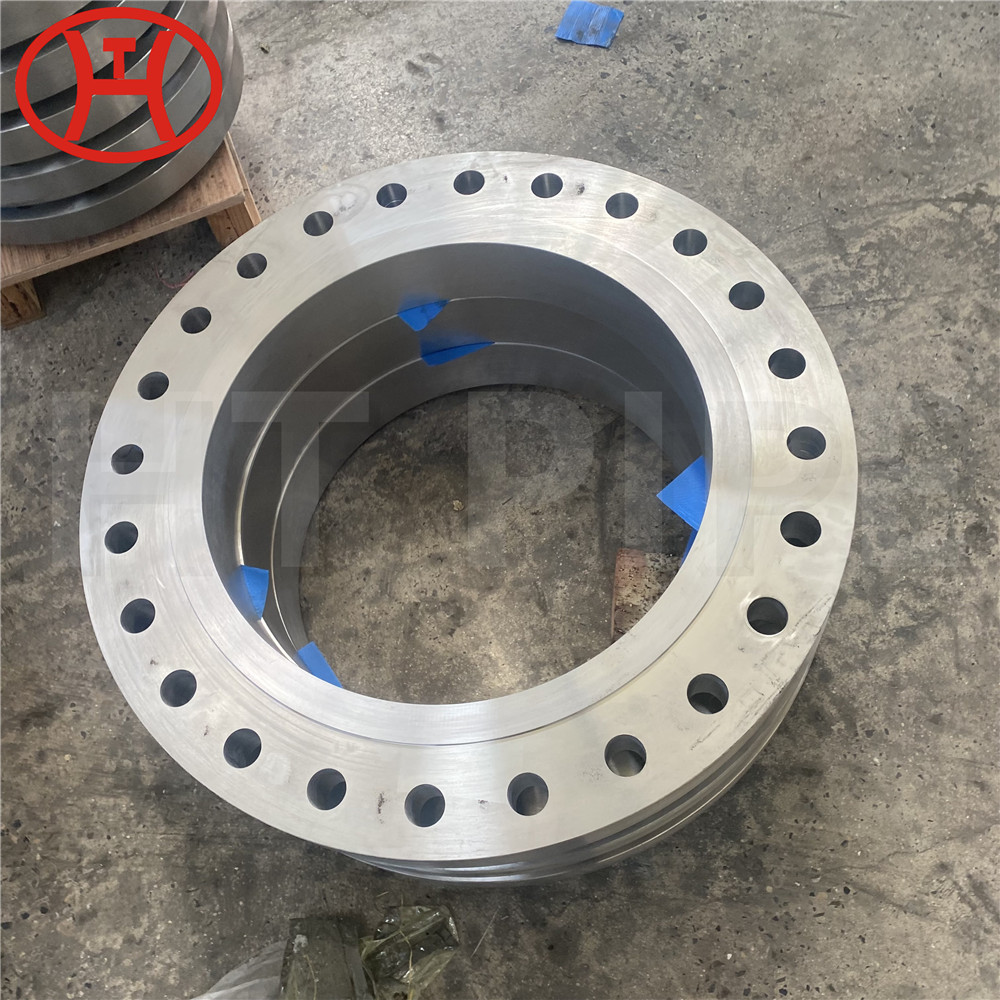
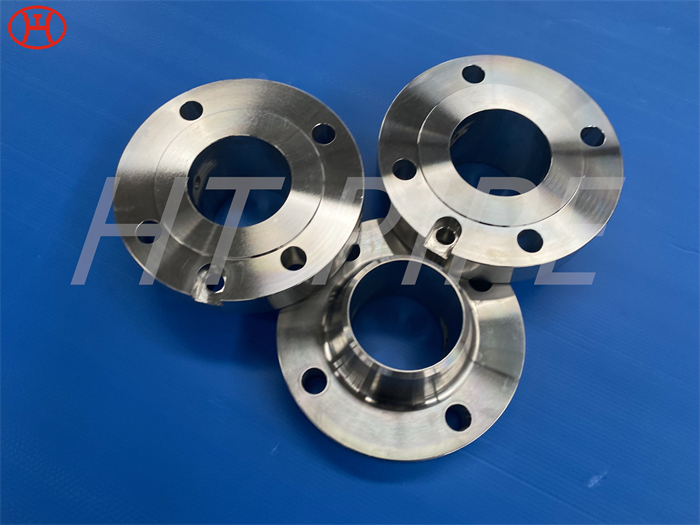
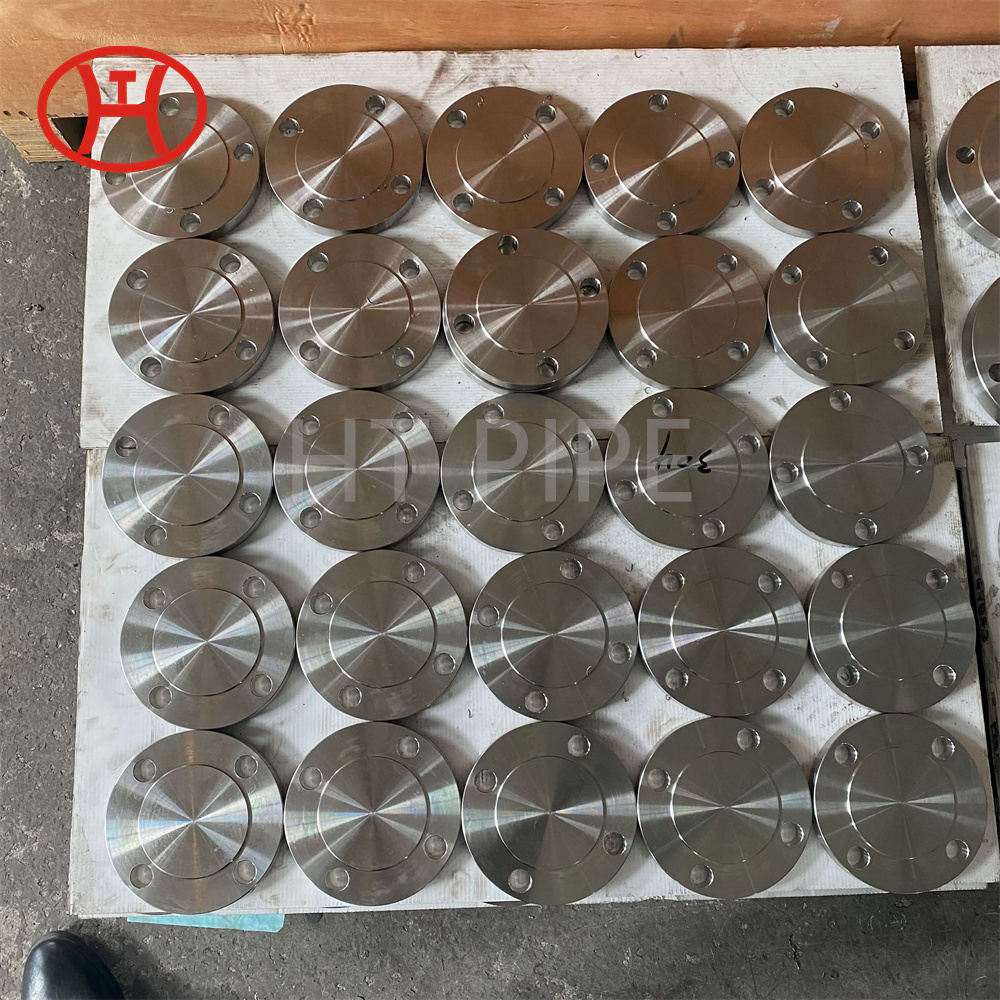
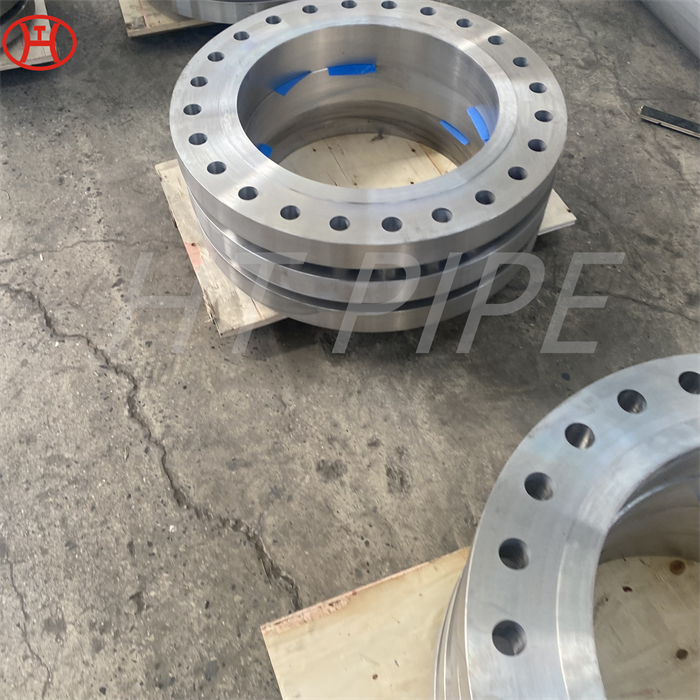
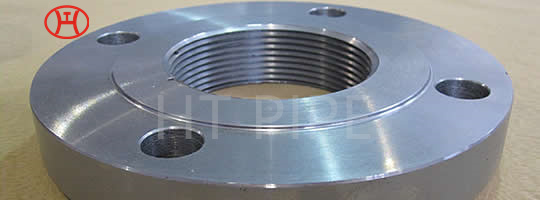
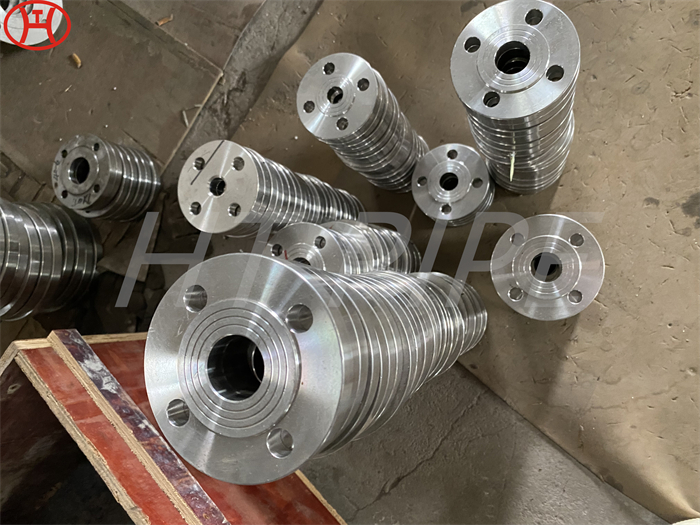
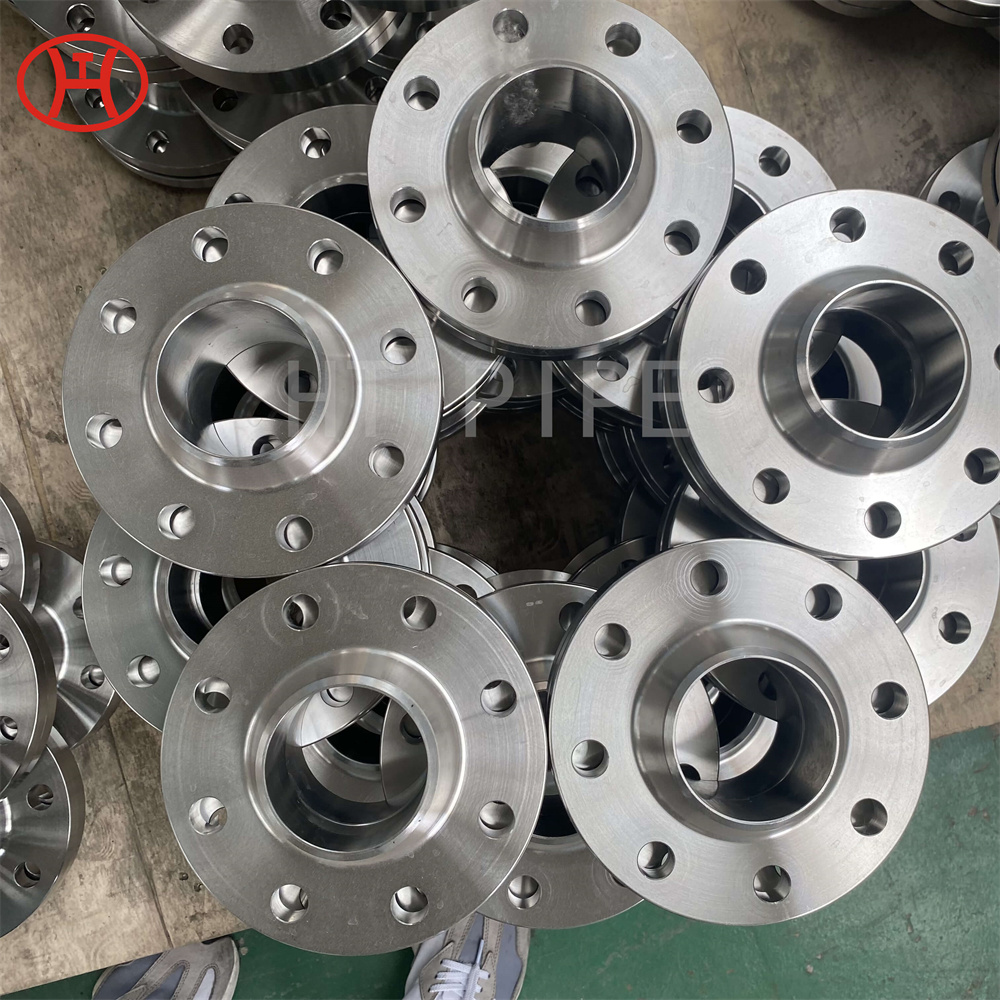
N08367 Stainless Steel Plate Flange Stainless Steel Alloy AL6XN Threaded Flanges

N08367 Stainless Steel Plate Flange Stainless Steel Alloy AL6XN Threaded Flanges

AL-6XN alloy (UNS N08367) is a low carbon, high purity, nitrogen-bearing ¡°super-austenitic¡± stainless alloy. The AL-6XN alloy was designed to be a seawater resistant material and has since been demonstrated to be resistant to a broad range of very corrosive environments.

Rated 4.7/5 based on 480 customer reviews
Share:
Content

The AL-6XN Stainless Steel Flanges are made of a superaustenitic stainless steel which was designed by HT PIPE. It bestows far greater resistance to chloride pitting, crevice corrosion and stress corrosion cracking than exhibited by the standard 300 series stainless steels, and is less costly than the traditional nickel-base corrosion resistant alloys. Its UNS Designation of the AL-6XN alloy is N08367. The ¡°superalloy¡± is resistant to attack by corrosive food and beverage products such as: sports drinks, ketchups, soy and barbecue sauces, and salsas. The high nickel (24%) and molybdenum (6.3%) contents of the AL-6XN Stainless Steel Flange give it great resistance to chloride stress-corrosion cracking. The molybdenum confers resistance to chloride pitting. In addition, the nitrogen content of AL-6XN alloy serves to further increase pitting resistance and also gives it higher strength than typical 300 series austenitic stainless steels, and thereby often allows it to be used in thinner sections. AL-7XN¡¯s high levels of chromium, molybdenum and nitrogen serve to produce exceptional corrosion resistance for this formable and weldable stainless alloy.
Inquiry


    More Stainless steel

    Steel Plate are often used for structural and construction applications, pressure vessels, marine and offshord equipment, and military applications. The grade, elements and parameters of a steel plate are also important in how it is used.
    Steel plates are classified by thickness: thin plate, medium plate, thick plate and extra-thick plate.
    Thin steel plates are steel plates with a thickness between 0.2-4mm produced by hot rolling or cold rolling, and thick steel plates are those with a thickness of more than 4mm
    The general name of the good board.
    Thin steel plate refers to a steel plate with a thickness of not more than 3 mm. The commonly used thin steel plate thickness is 0.5-2MM, which is divided into sheet and coil supply. Thin
    The steel plates are generally B-type steels, cold-rolled or hot-rolled steel plates with steel grades B0-B3. Requirements for thin steel plates: smooth, smooth surface, thick
    The degree of uniformity, allowing a tight iron oxide film, must not have cracks, scarring and other defects. The process is divided into hot rolled sheet steel and cold rolled sheet
    plate. Mainly used in Changlin Dongfeng fans, automobiles, electrical equipment, vehicles, agricultural machinery, containers, steel furniture, etc.
    Thick steel plates refer to steel plates with a thickness greater than millimeters. Thick steel plate is divided into extra-thick steel plate and medium-thick steel plate.
    Medium and heavy steel plates refer to steel plates with a thickness greater than 3 mm and less than 50 mm. Medium and thick steel plates are mainly used in shipbuilding, boilers, bridges
    Armor and high-pressure vessel shells, etc.
    Extra-thick steel plate refers to a steel plate with a thickness of not less than 50 mm. Extra-thick steel plates are mainly used in shipbuilding, boilers, bridges and high-pressure vessel shells
    blog.