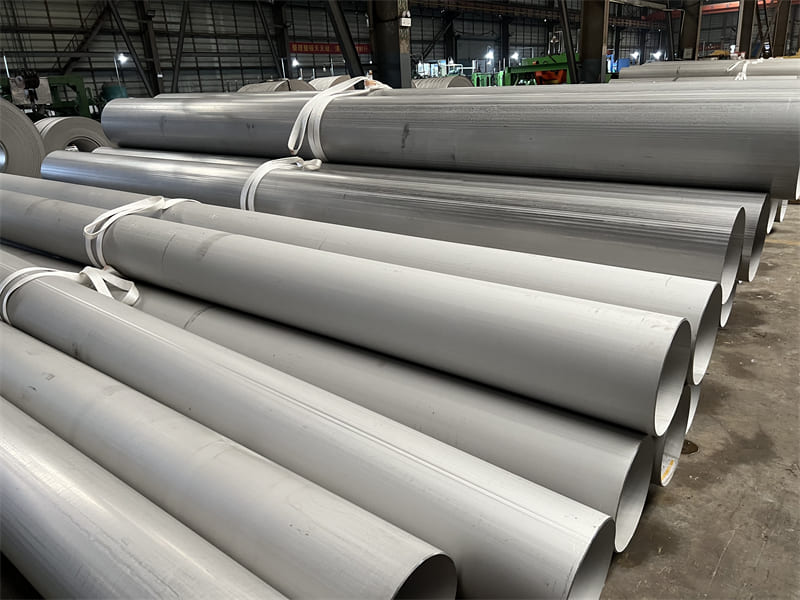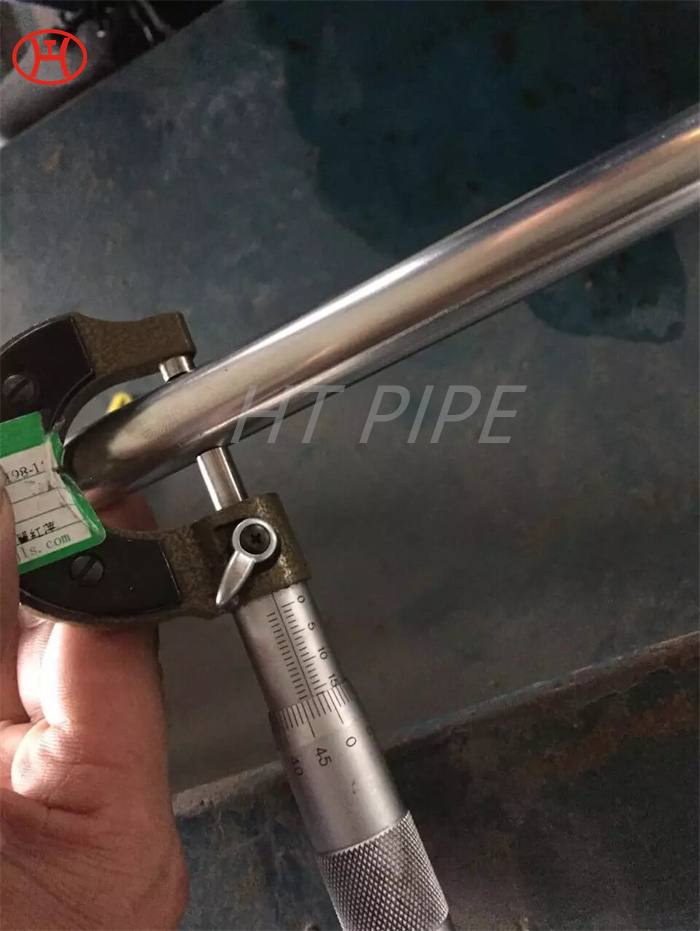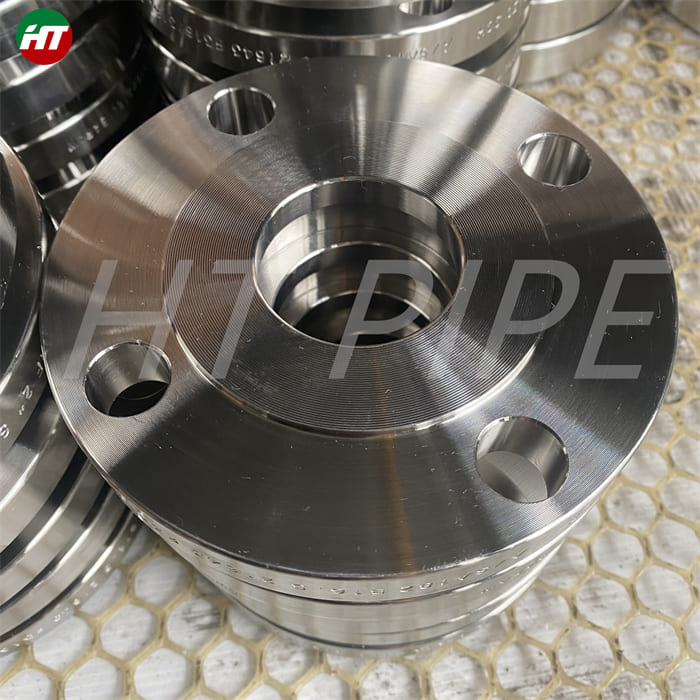
Product Description: 316L plate
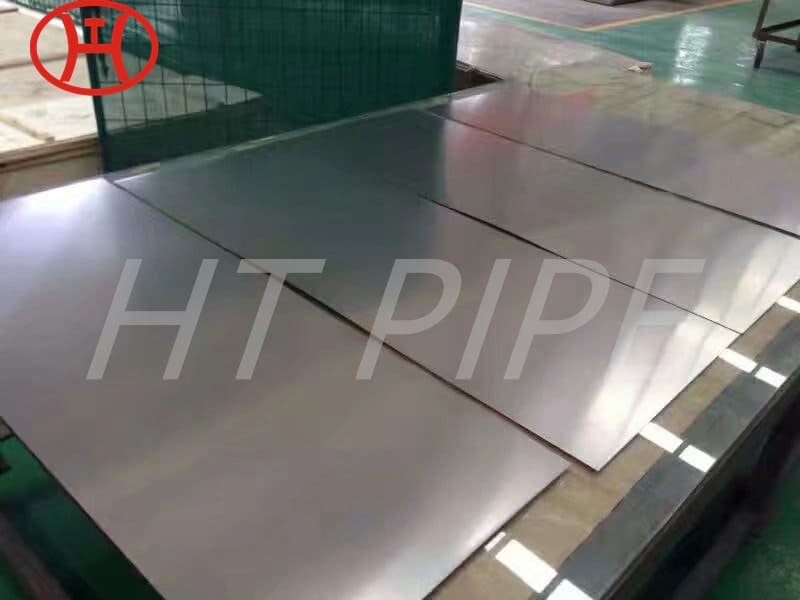
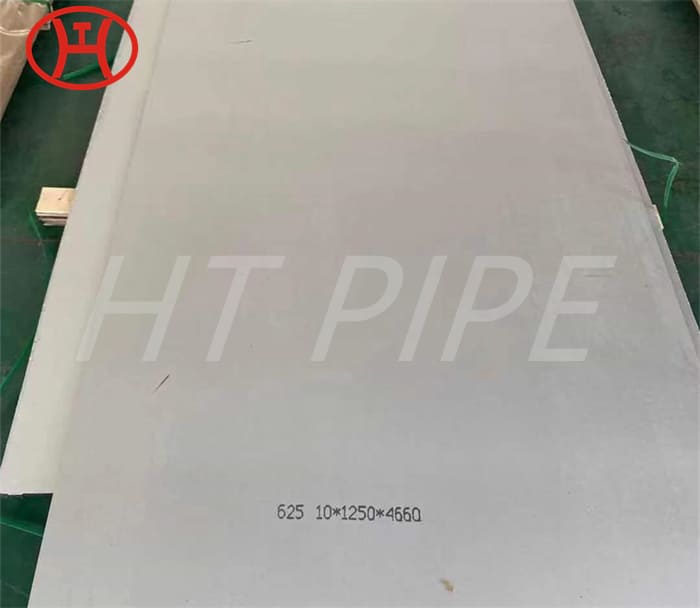
Alloys 316 (UNS S31600) and 316L (UNS S31603) are molybdenum-containing austenitic stainless steels that are more resistant to general corrosion and pitting/crevice corrosion than conventional chromium-nickel austenitic stainless steels such as alloy 304. At the same time, 316L plate is the standard molybdenum grade stainless steel plate. Molybdenum gives 316 stainless steel better overall corrosion resistance than 304 grade stainless steel. 316L plate has particularly high resistance to pitting and crevice corrosion in chloride environments.
In ASTM A240, type 316 and 316L is a chromium nickel austenitic steel, Element molybdenum addition can enhances corrosion resistance of stainless steel, which is the main factor that 316/316l is more corrosion resistant than 304/304l. When 316L steel of low carbon content is only a little higher than 316 steel on strength level. So sometimes grade 316l is almost the same as 316 grade. Another difference, 316L plate can be used for weld treatment as it contains lower carbon.
316 stainless steel plate has excellent forming and welding characteristics. In addition, stainless steel types 1.4401 and 1.4404 are also known as grades 316 and 316L, respectively. Grade 316 is the second most commercially important austenitic grade after 304. 316 stainless steel has molybdenum added to make it more resistant to corrosion. This is especially true for pitting and crevice corrosion in chloride environments. 316L is a low carbon version of 316 stainless steel and is not affected by grain boundary carbide precipitation (sensitization).
316/316L steel has outstanding corrosion resistant properties, whether it is atmospheric or oxidizing environment, even for marine atmosphere, it shows excellent corrosion resistance in welded state. Normally 316/316l steel shows no magnetic in annealed condition, cold drawn or cold rolling process may make it with little magnetic, and it can be fixed with further processing.
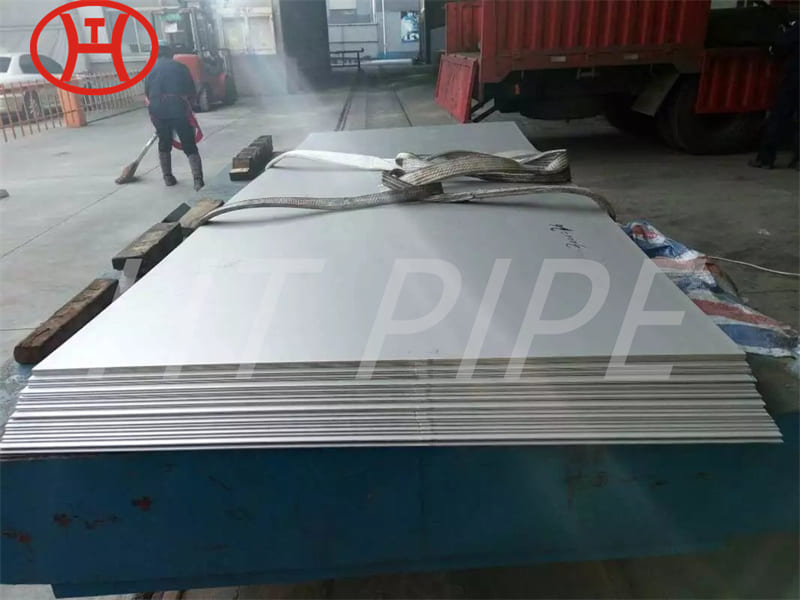
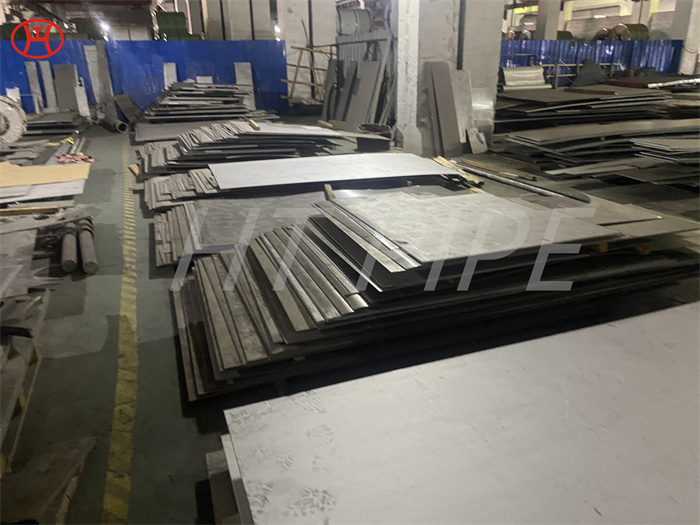
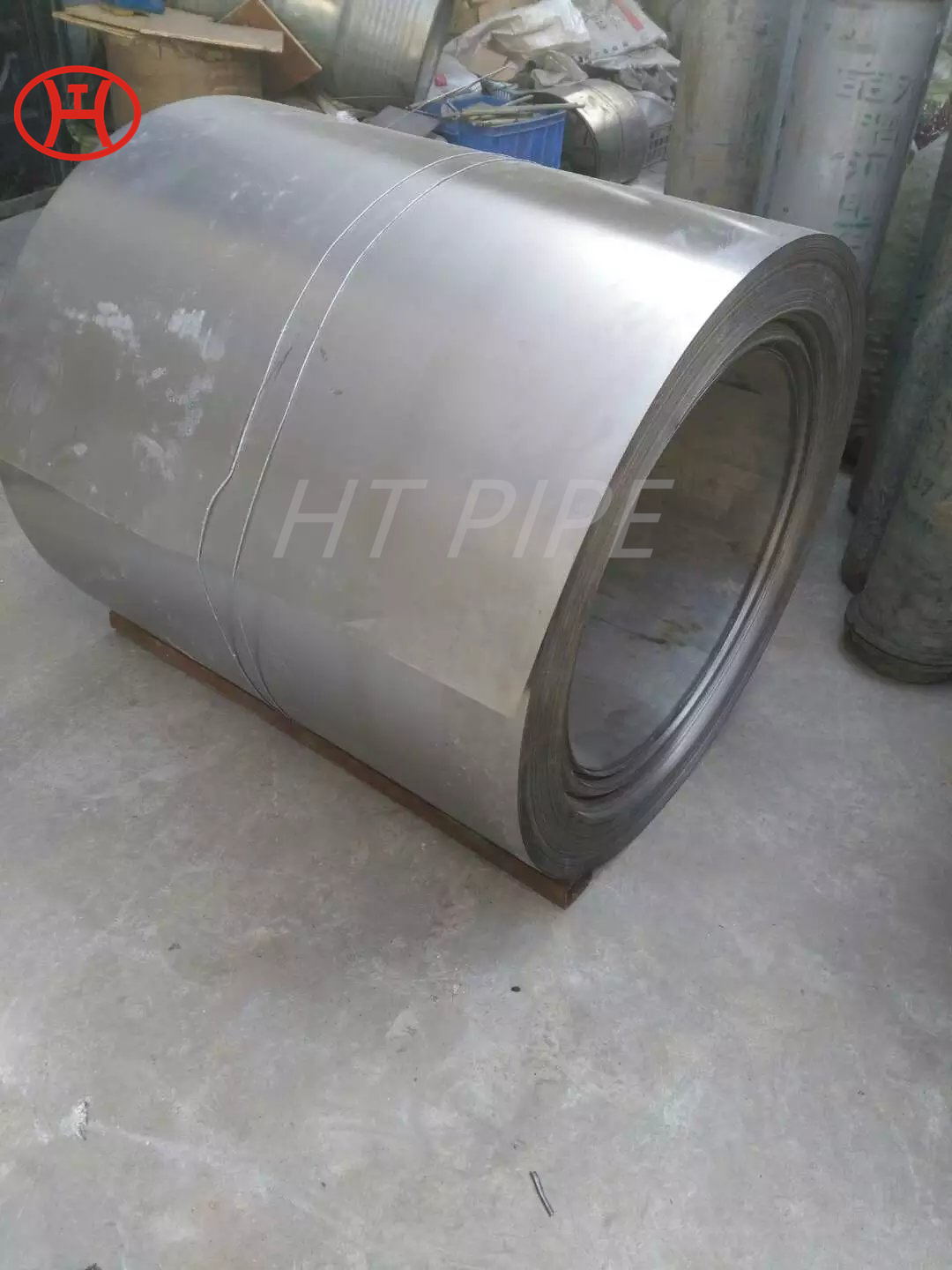
Type Plate, Sheet,Strip Coil
Length 0~12m or as per your requirements
Width 0~2500mm or as per your requirements
Thickness 0.3~1200mm or as per your requirements
Process Hot/Cold Rolled
Surface No.1 No.2D No.2B BA No.3 No.4 No.6 No.7
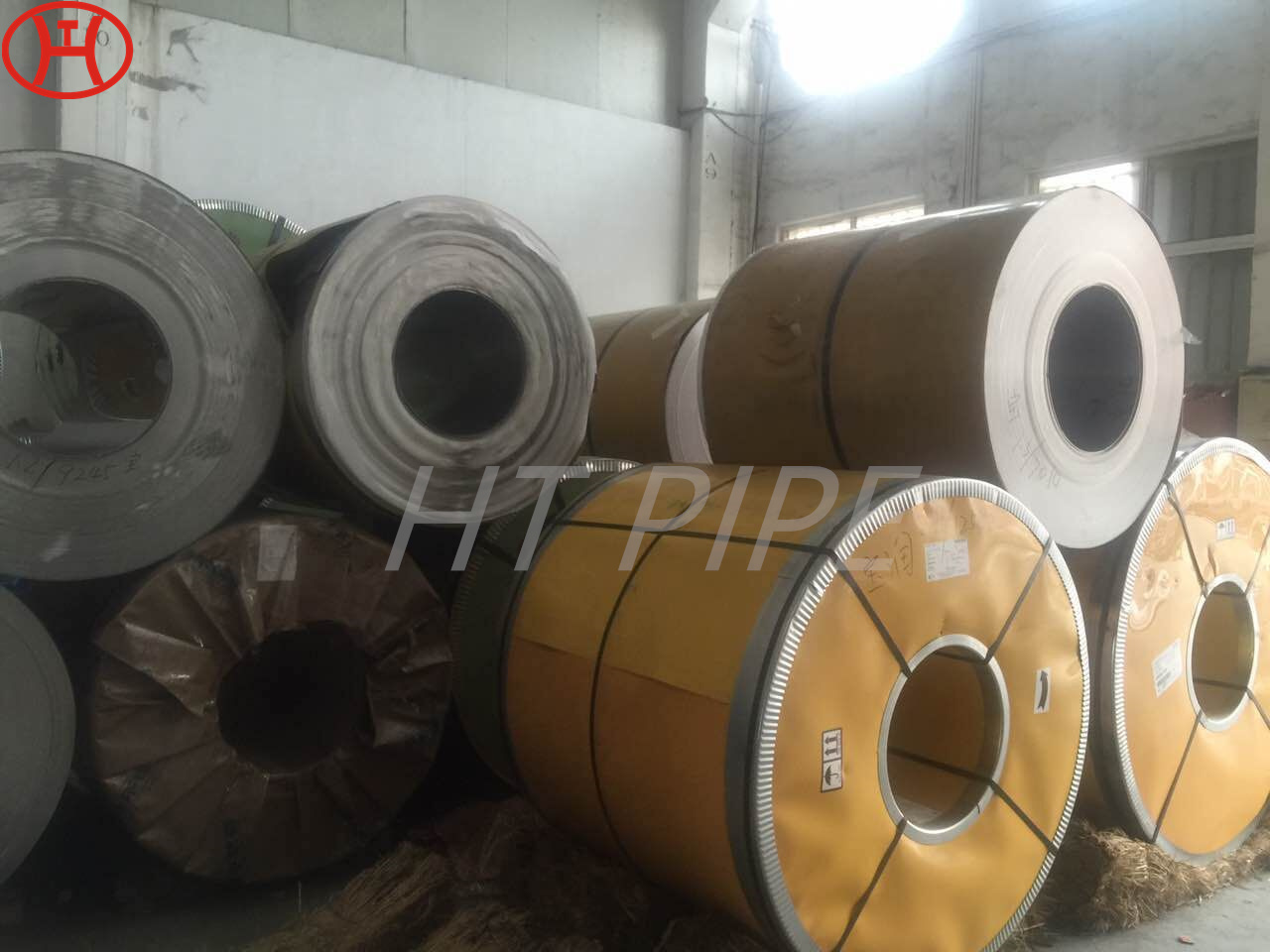
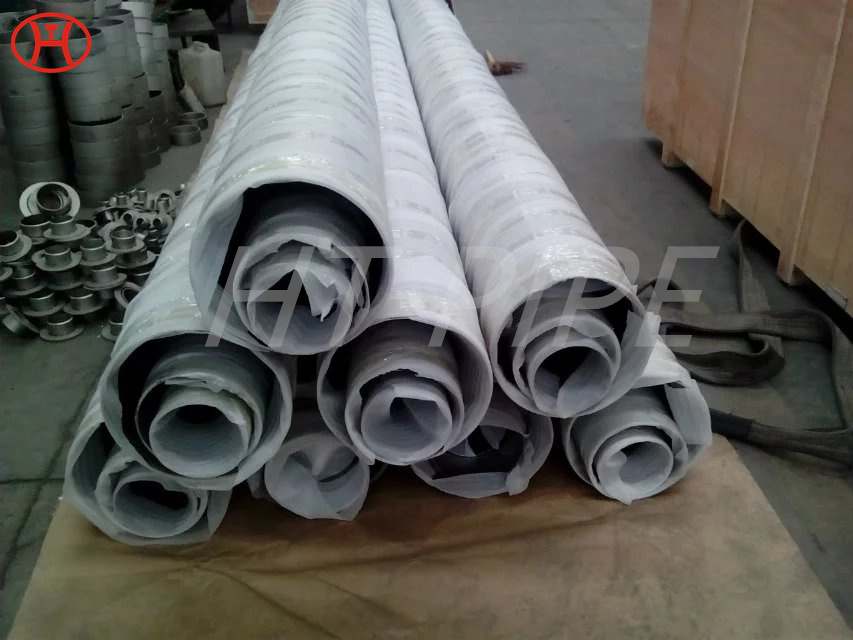
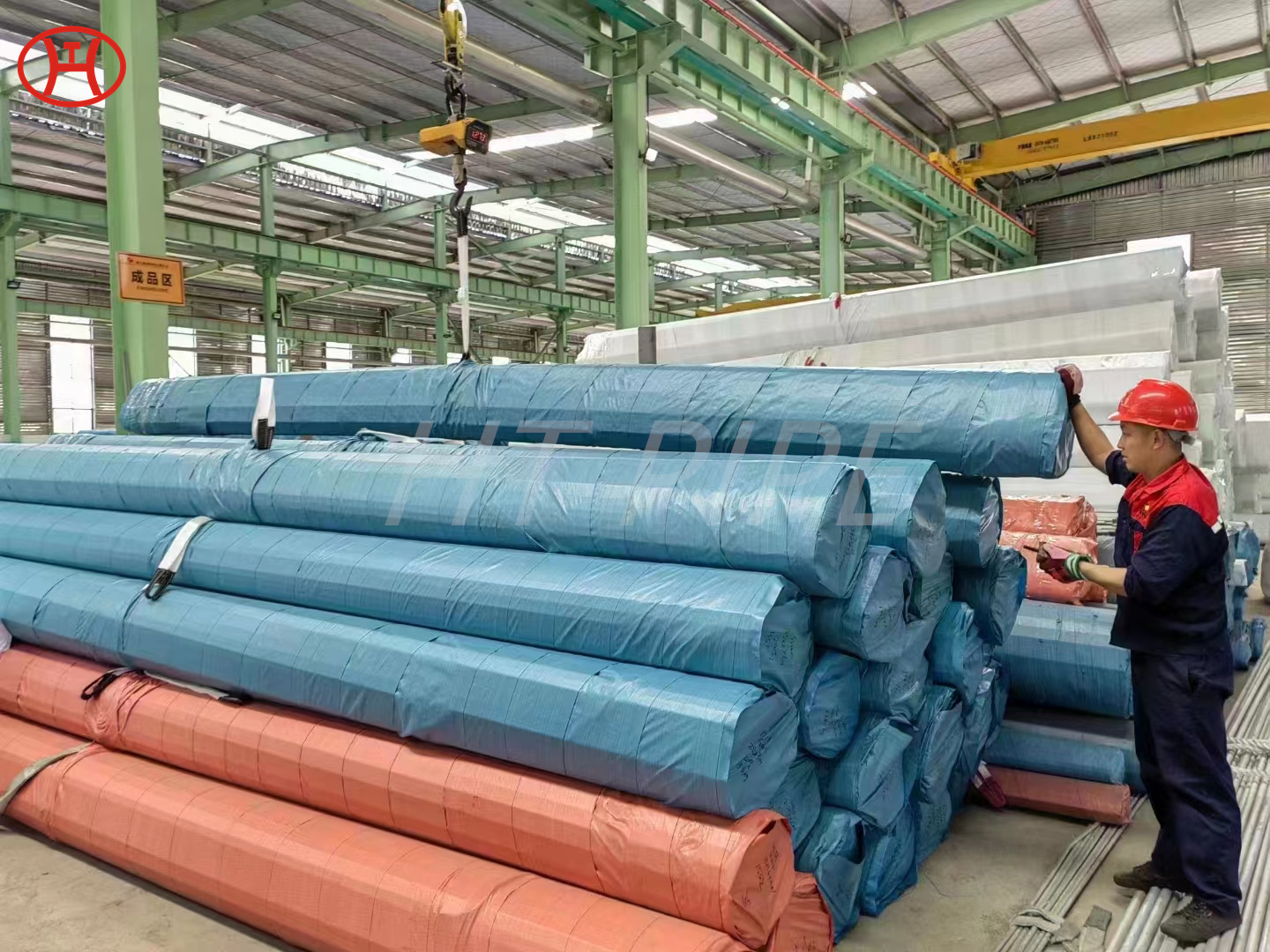
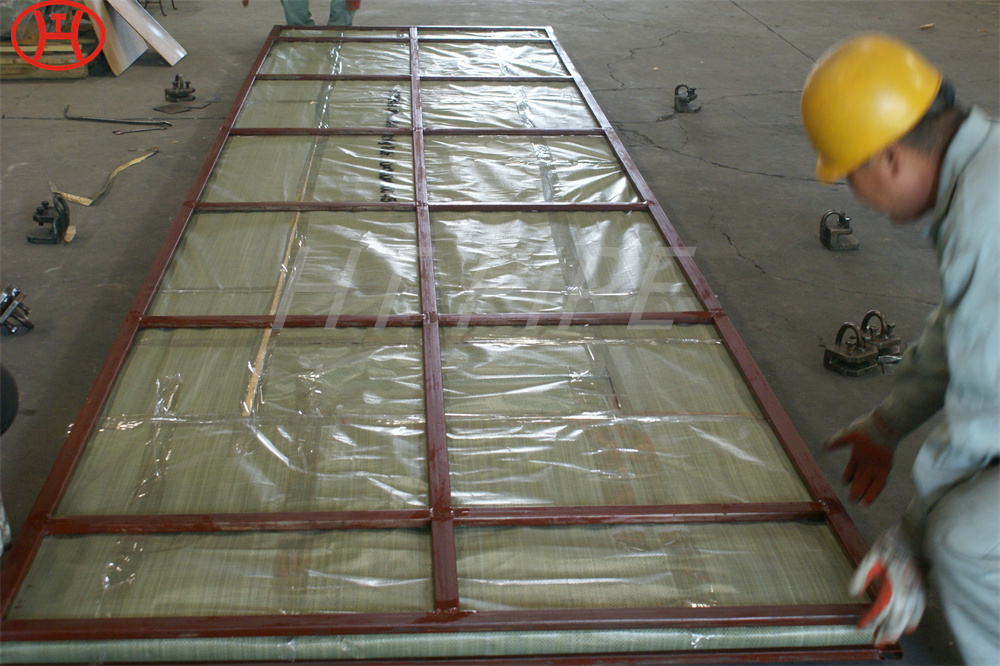
Packing Steel Frame, waterproof paper, wooden pallet, wooden case or as per the customers’ request.
Material Stainless Steel ASTM A240 304/316L/316Ti/317L/310S/410
S31803/S32750/S32760/N08904L/S31524/S31050
UNS N08367/N08926/N08800/N08815