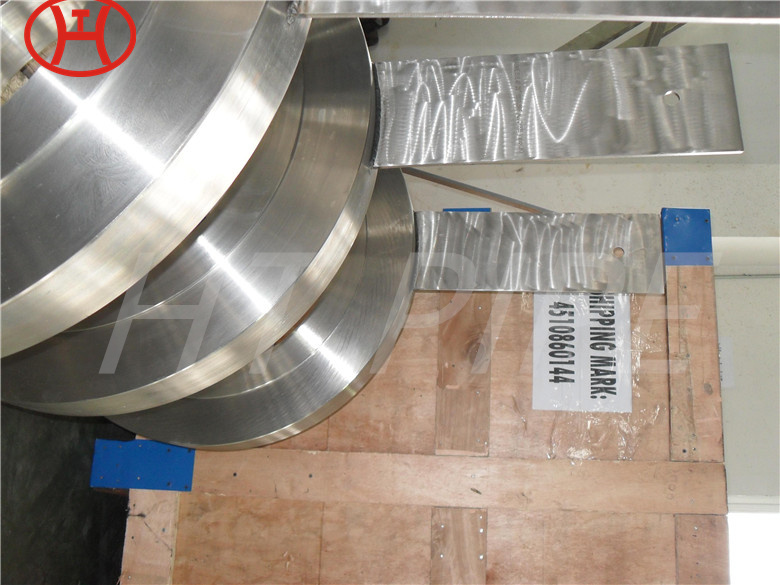
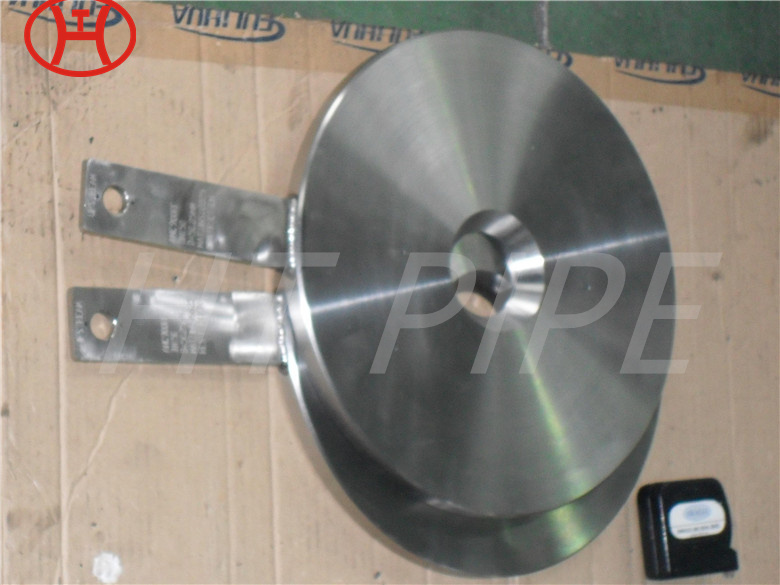
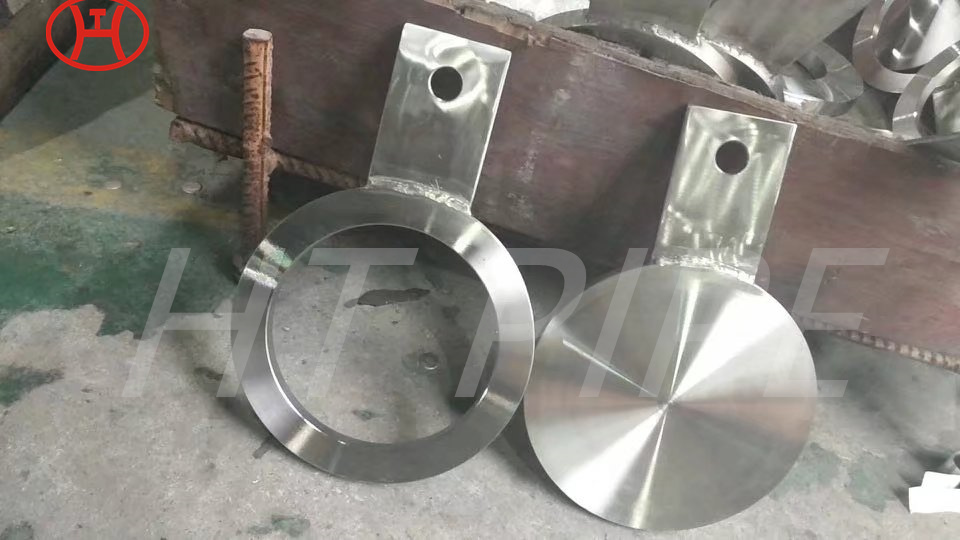
Inconel 825 Flanges?also resist localized attack and avoid pitting and crevice corrosion.
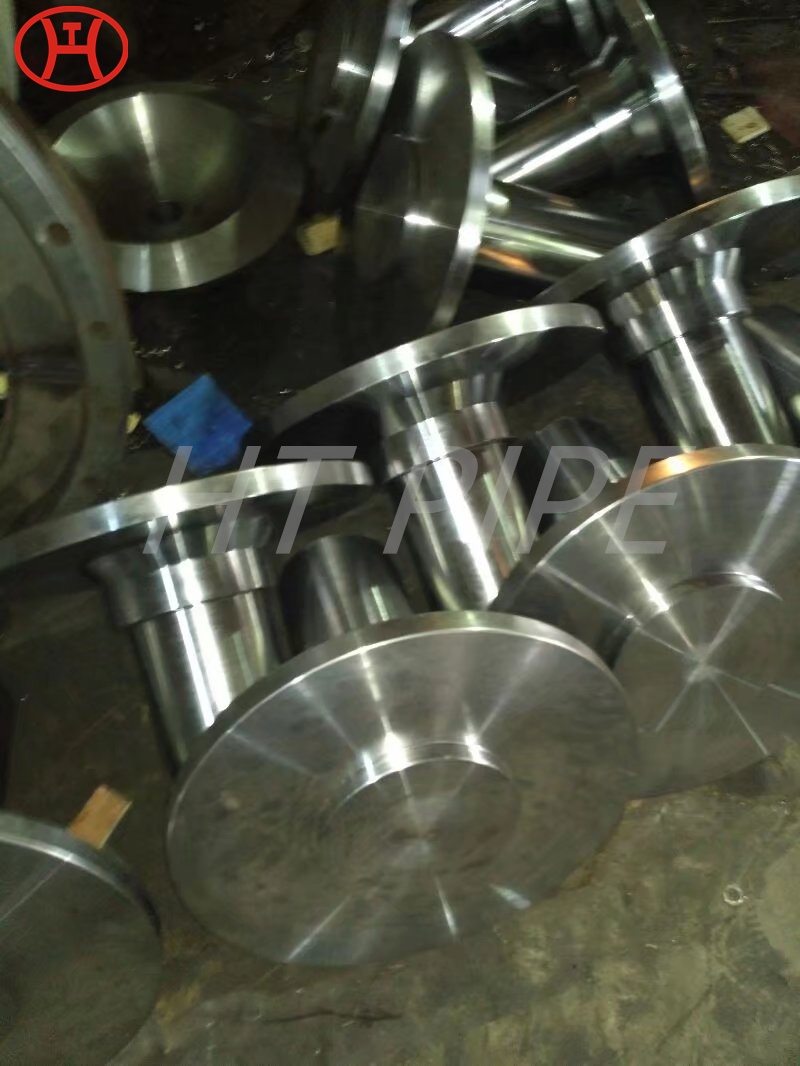
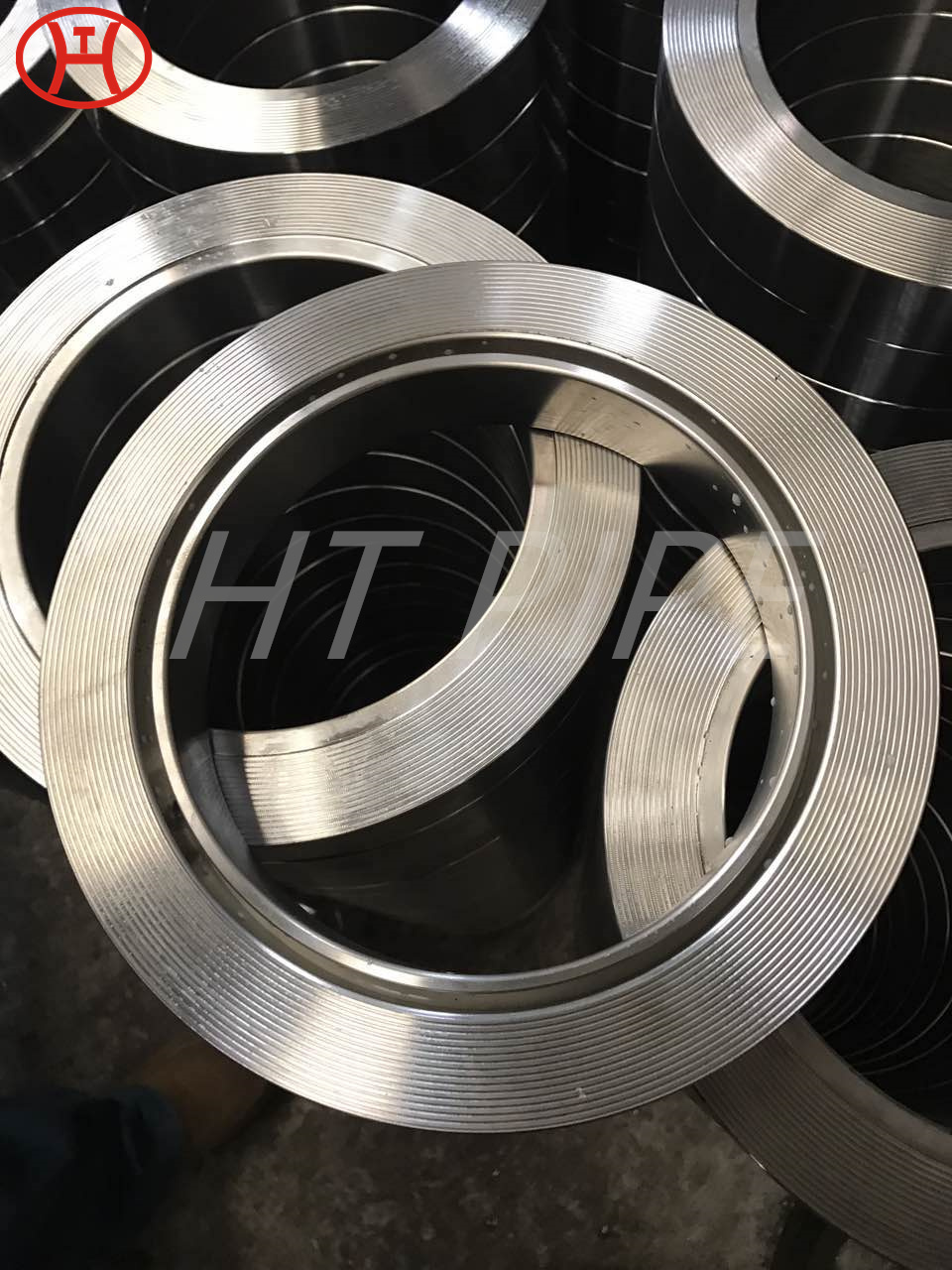
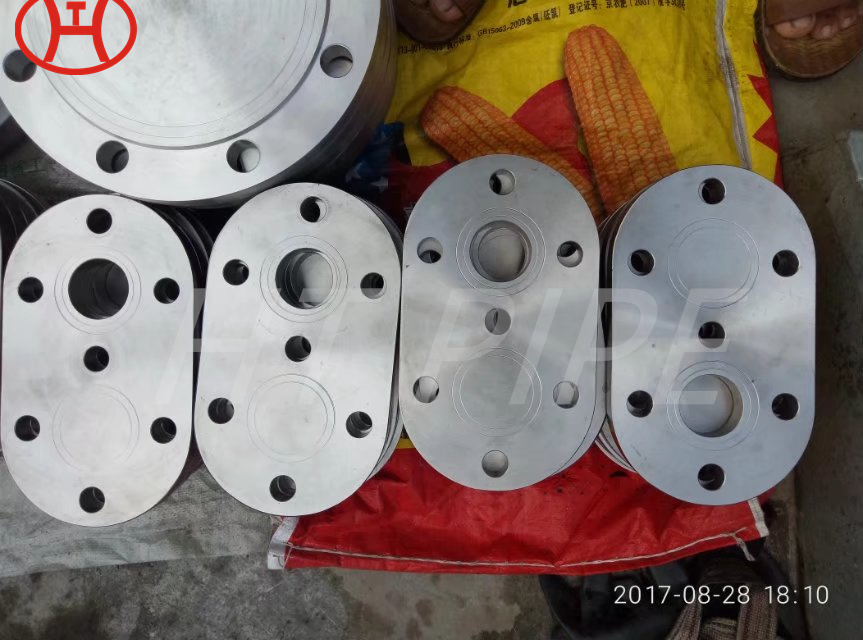
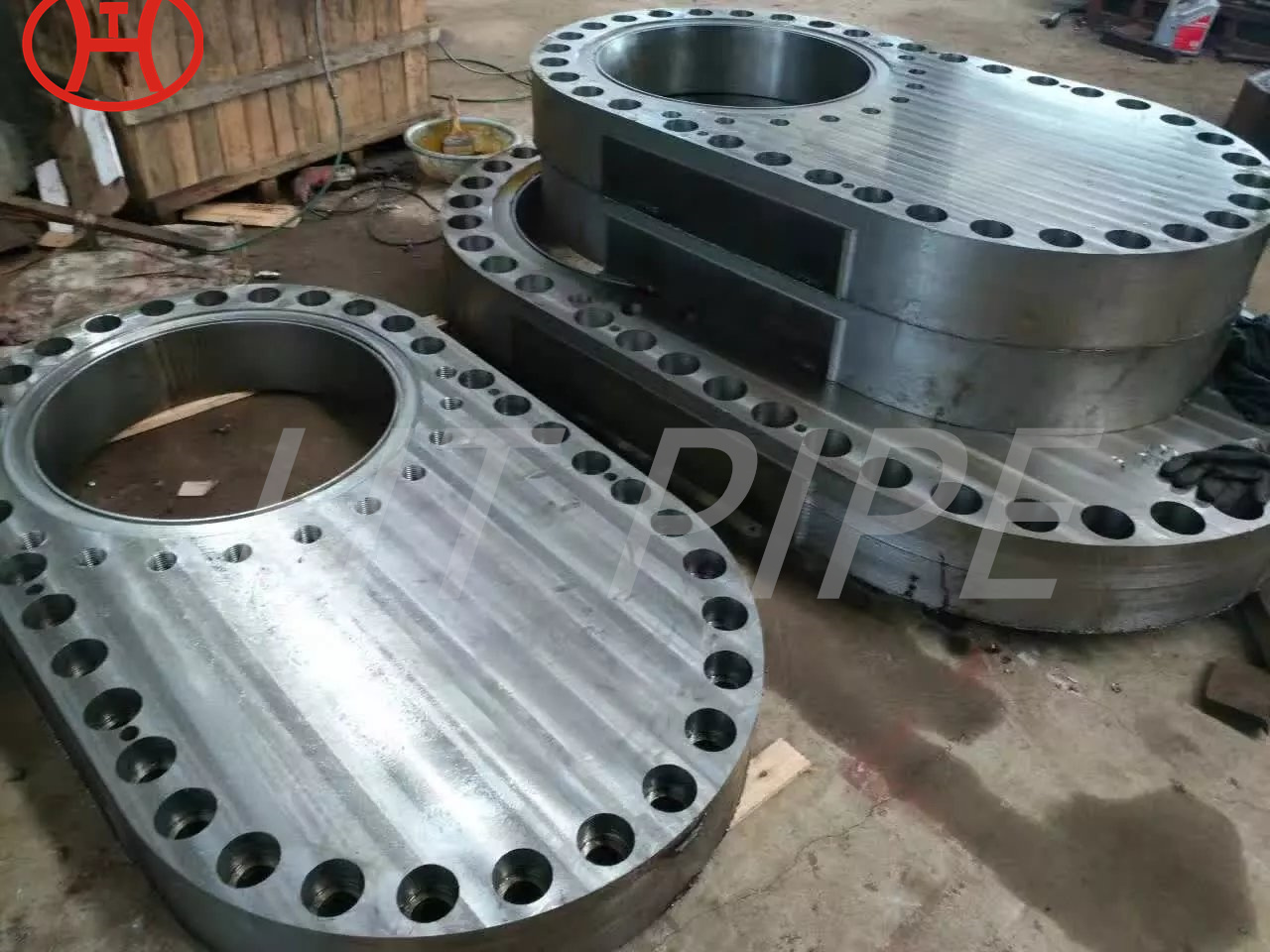
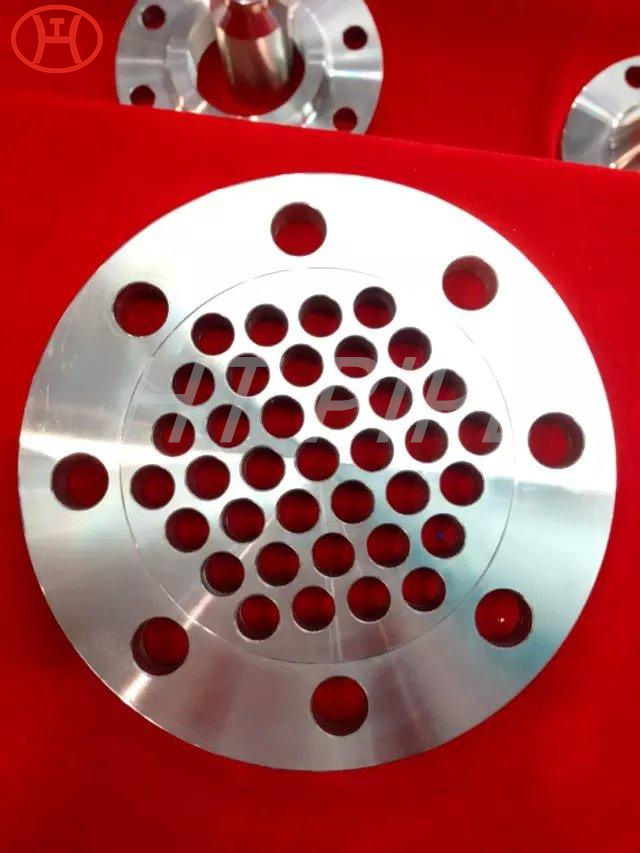
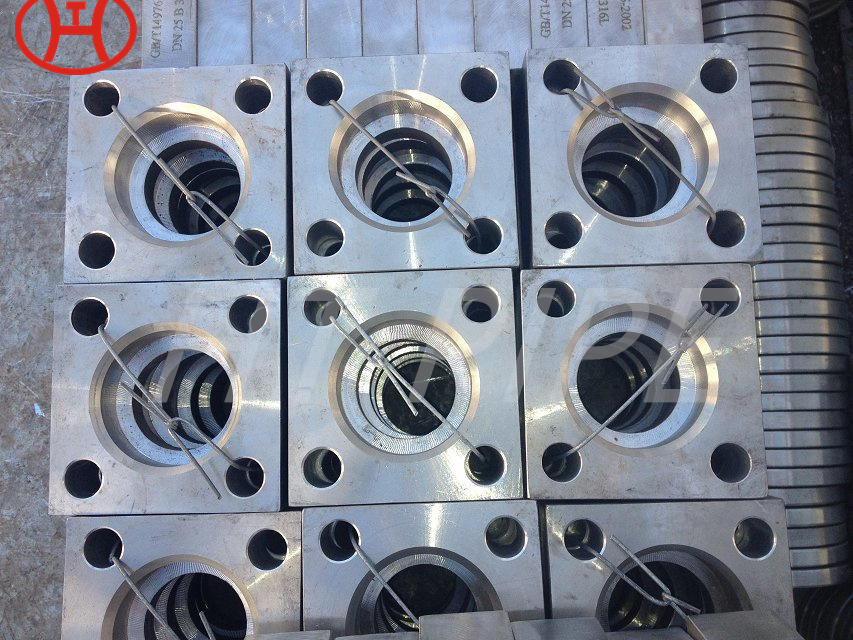
Flanges are used to connect 2 pipes or tubes. They are made up of different materials depending upon the end use.
B564 UNS N08825?has copper present in it which makes it immune to brine and seawater.
They are fabricated to improve their resistance to corrosion and are clean to weld. They are resistant to chloride pitting and sensitization.
They are also resistant to sulfuric and phosphoric acid.
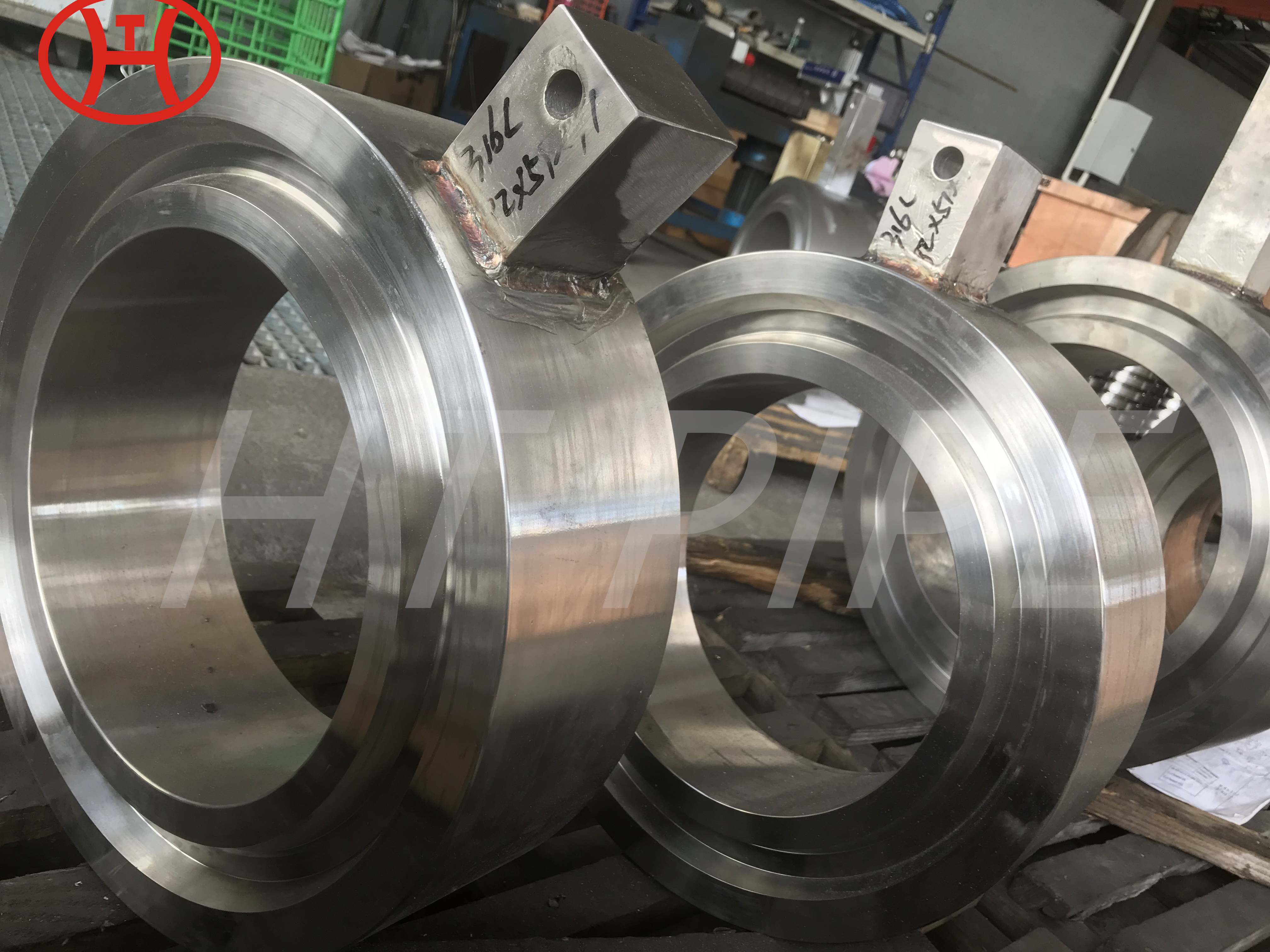
SS 316/ 316L flanges are available in many types such as butt weld, socket, blind hole, socket weld, lap, thread and reducer.
ASTM B564 UNS N08825?offers good mechanical properties at room temperature as well as at high temperatures.
The presence of titanium prevents sensitization at the grain boundary.?
ASME B16.5 flanges are available in sizes 1/2″ to 24″ in classes 150, 300, 400, 600, 900, 1500, 2500.
SS 316/316L flanges can be fabricated from ASTM A182 F316 or F316L forgings, ASTM A351 CF8M or CF3M castings, and ASTM A240 316 or 316L plates per ASME B16.5 and ASME B16.47.
In environments that are corrosive enough to cause intergranular corrosion in welds and heat affected zones, these should use stainless steel UNS S31600/S31603 blind flanges due to its low carbon content.
They can be used in pressure vessels with a wall temperature of 800 degrees F. They also offer good resistance to stress corrosion cracking.
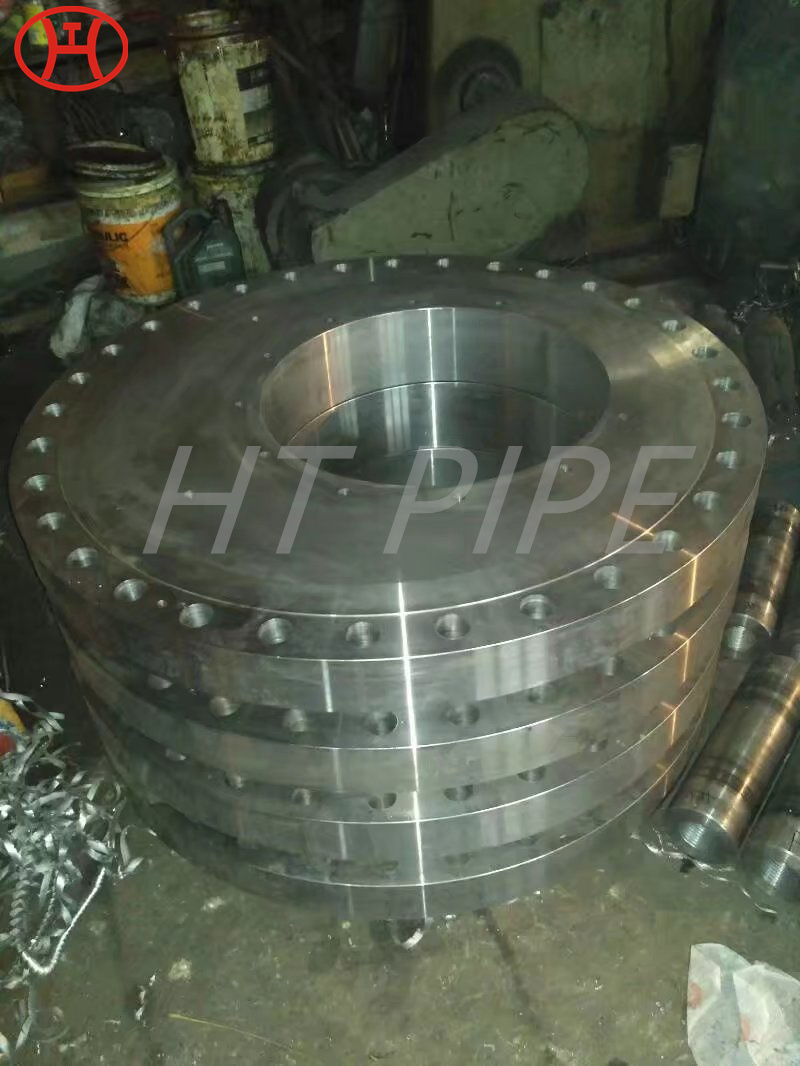
ASME B16.47 Series A flanges are available in sizes 26″ to 60″ in 150, 300, 400, 600, 900 classes; while ASME B16.47 Series B flanges are available in 75, 150, 300, 400, 26″ to 60 sizes in 600, 900 grades.
They can also resist aqueous corrosion and hence can be used in marine applications.
The flanges produced by us are said to be sturdy and leakproof.
These stainless steel 316L threaded flanges perform well in fresh water service even with high chloride levels.
Stainless steel 316/ 316L flanges can be made by hot forging or casting. Blind or sliding plate flanges without hubs can be machined directly from the plate. Flanges should be solution treated at not less than 1900¡ãF [1040¡ãC] and then quenched in cold water or other rapid cooling method.
In most cases, the corrosion resistance of our stainless steel 316 butt weld flanges is about the same in most corrosive environments.
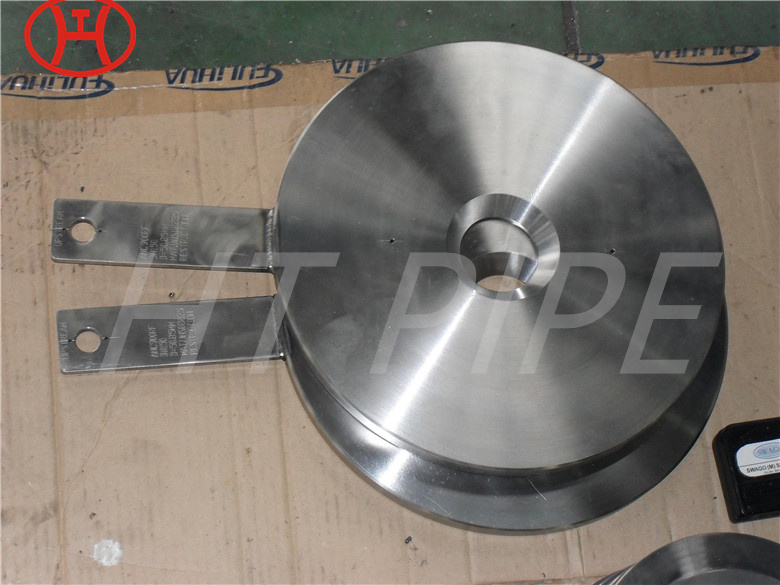
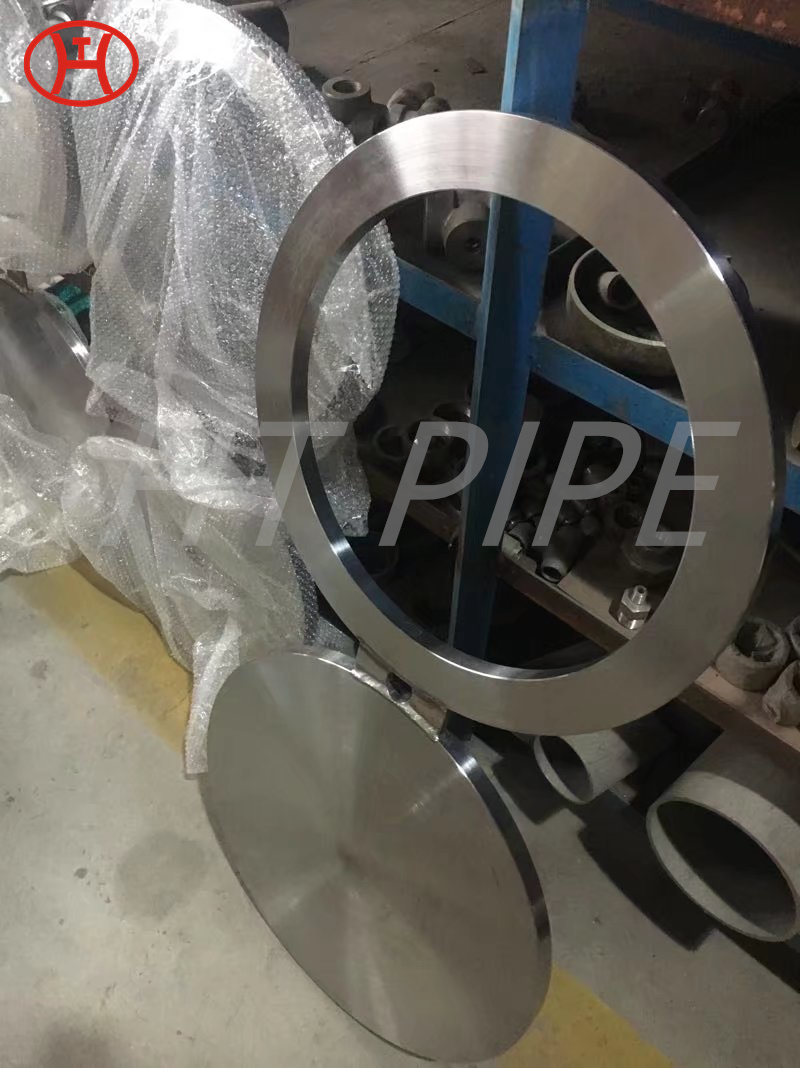
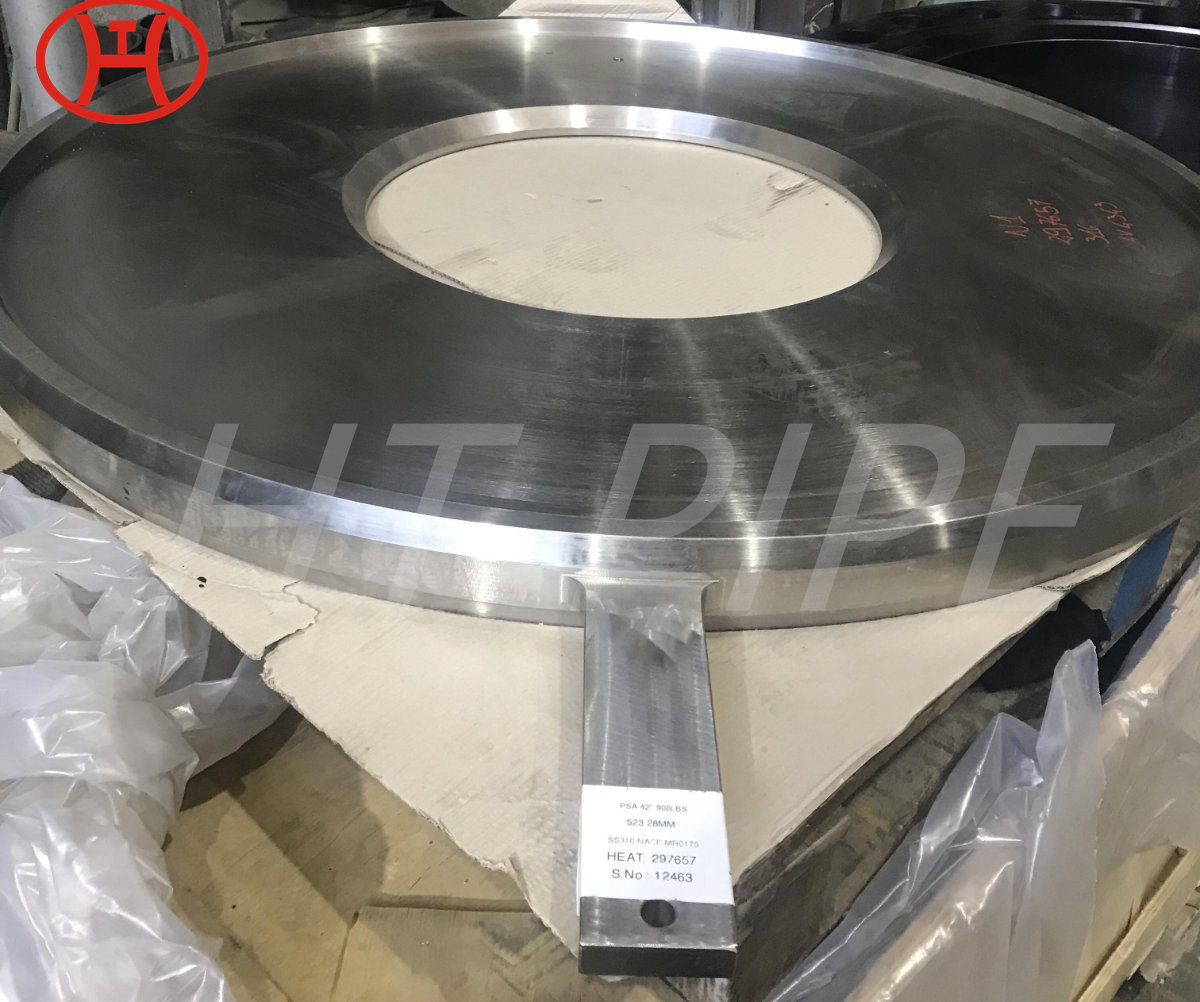
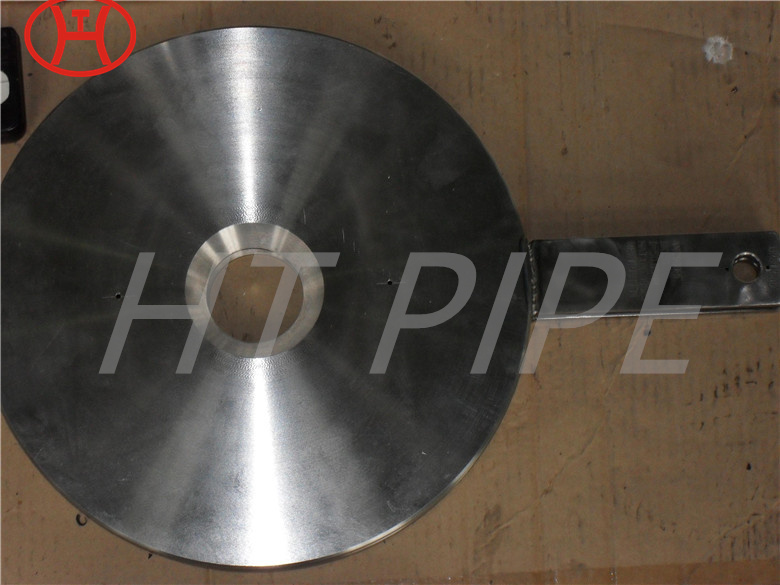
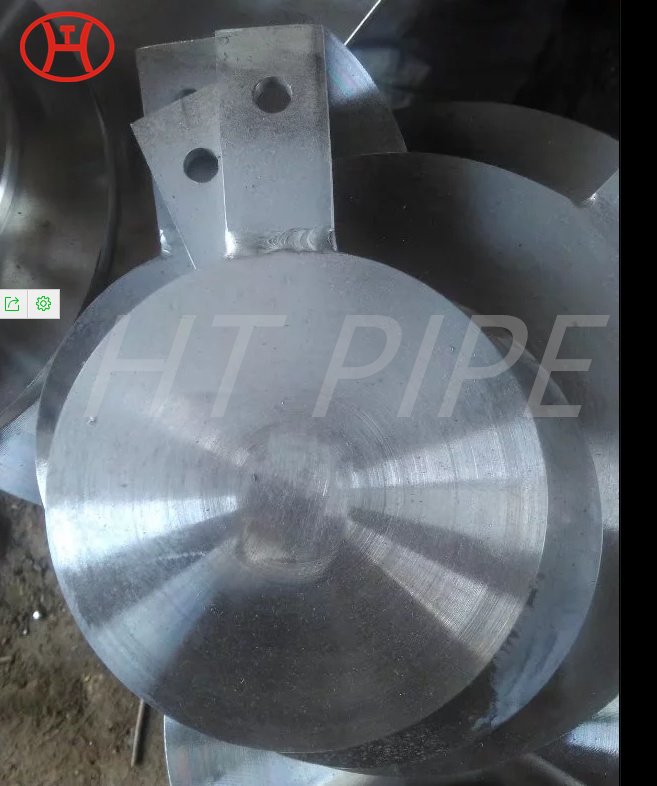
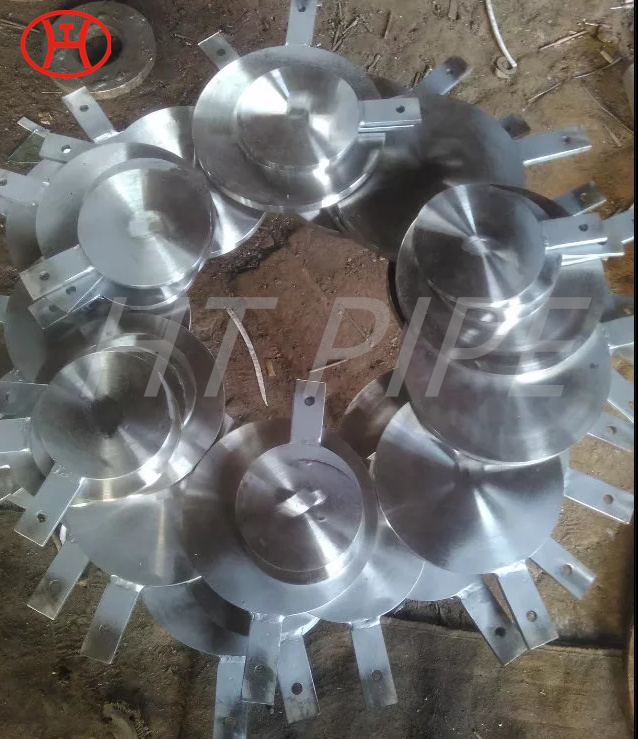
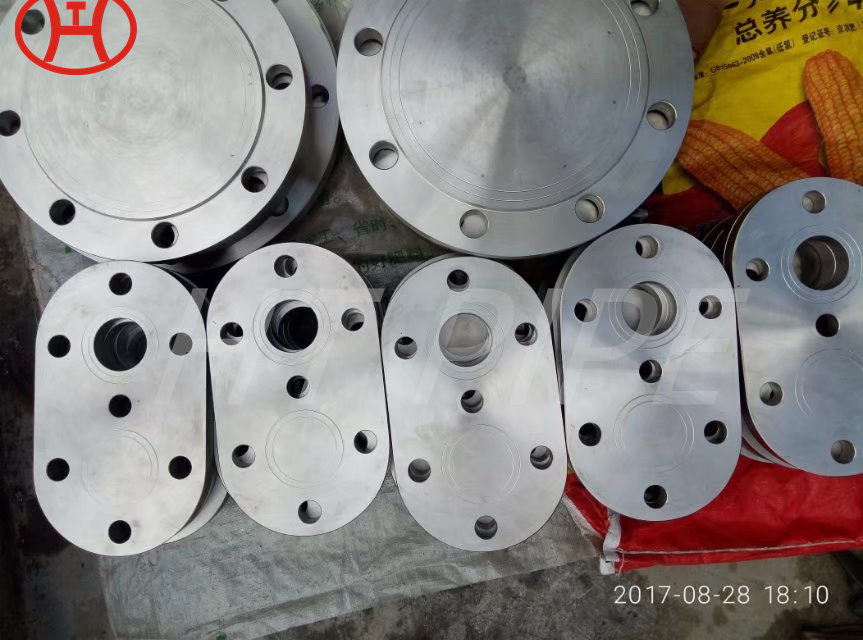
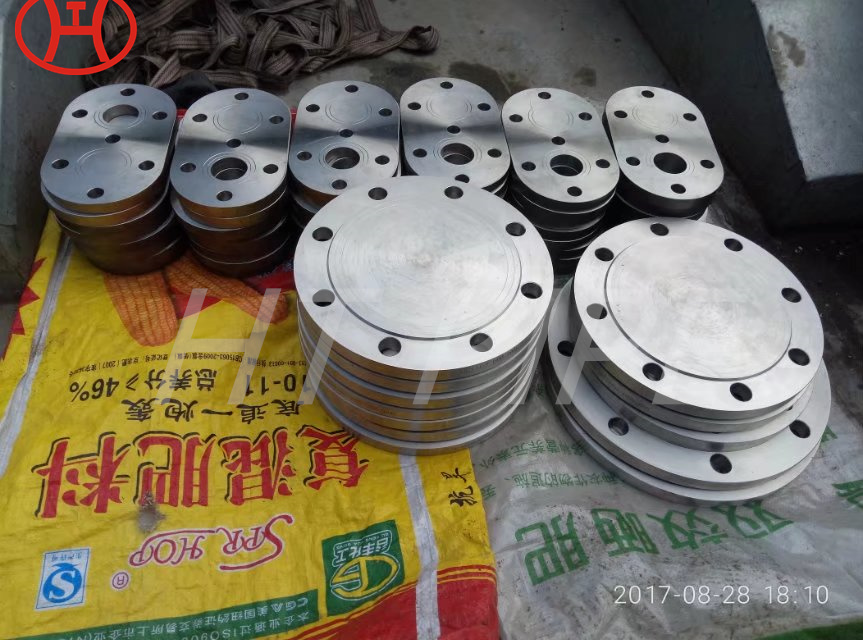
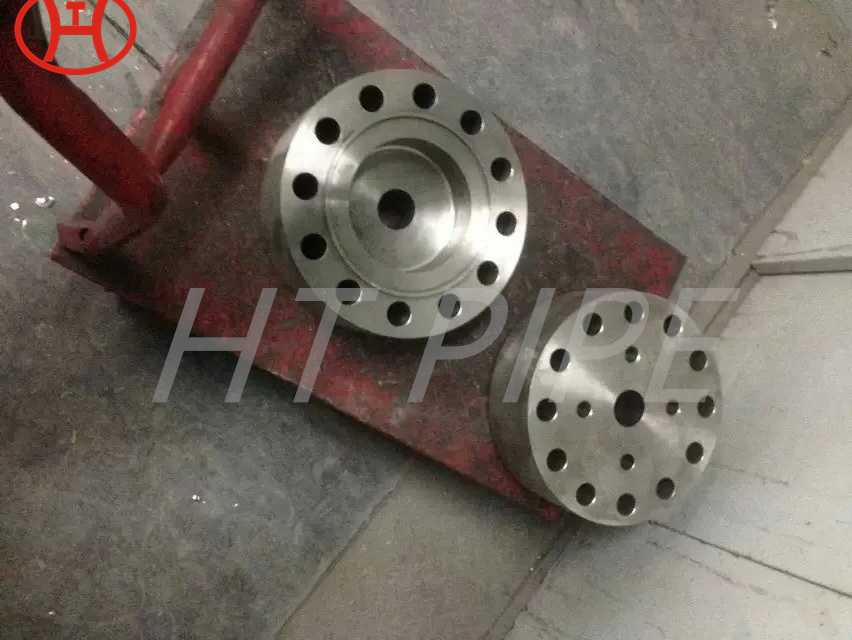
ASTM A182 Gr F1 Blind Flange is a solid disc used to block a pipe or create a stop. It is similar to an ordinary flange, with mounting holes around it, and the sealing ring is machined into a mating surface.
Whether manufactured to ANSI, ASME or custom standards, flanges are critical to manufacturing, utility and industrial applications around the world.
We can supply chrome molybdenum alloy flanges sorted by alloy grade, size and pressure.
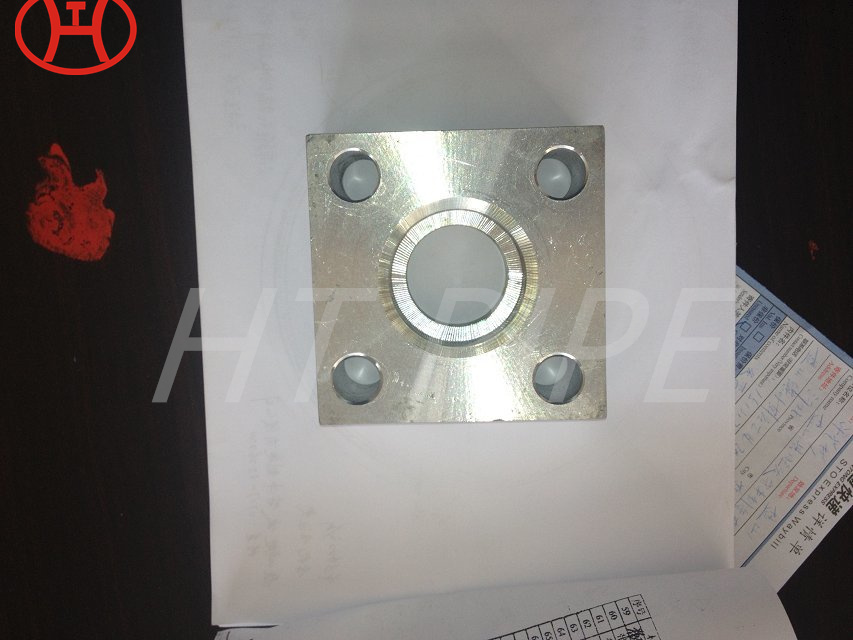
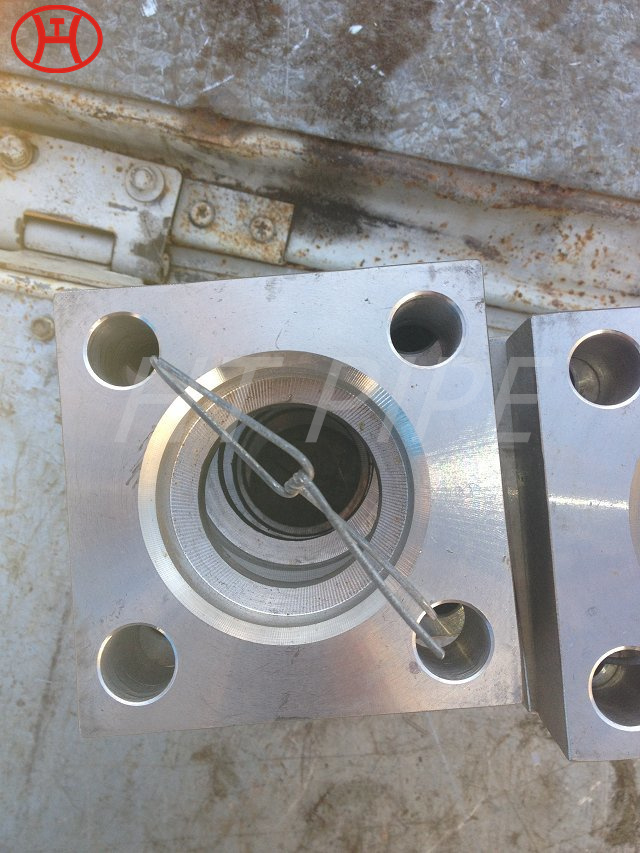
A182 Class F1 Socket Weld Flanges were originally developed for small high pressure pipelines. They have the same static strength as slip-on flanges, but have 50% higher fatigue strength than double-welded slip-on flanges.
After hot working, forgings should be cooled to a temperature below 1000¡ãF (538¡ãC) prior to heat treatment in accordance with ASTM A182. Low alloy steels and ferritic and martensitic stainless steels shall be heat treated in accordance with ASTM A182.
SA 182 Gr F1 Slip on Flanges also known as SO flanges. This is a flange that slides over the pipe and has an internal design that is slightly larger than the pipe.
ASTM A182 Stainless Steel Flanges are manufactured per ASME B16.5 150#, 300#, 600#, 900#, 1500#, 2500#.
Shaped flanges made by die forging or precision (lost wax) casting, depending on the mechanical properties of the flange, die forged flanges have higher strength than cast flanges. Precision profiled flanges manufactured by forging or casting require a model (tool).
Chrome molybdenum flanges provide higher levels of chromium and molybdenum. The added chromium helps improve the hardenability and corrosion resistance of the steel, while the added molybdenum helps to enhance its toughness and corrosion resistance.
ASTM A182 GR F5 flanges fall under the ASTM A182 specification.
Chromium-molybdenum alloy flanges connect pipes, valves, pumps and other equipment to form a piping system. They are ideal for applications that convey corrosive or high temperature fluids or gases.
SA182 F1 forged flanges are used as connecting parts to create piping networks for cylinders, valves, pumps and other equipment. Combine two different parts of the machine. To make the structure stronger, it should be an attachment to the frame.