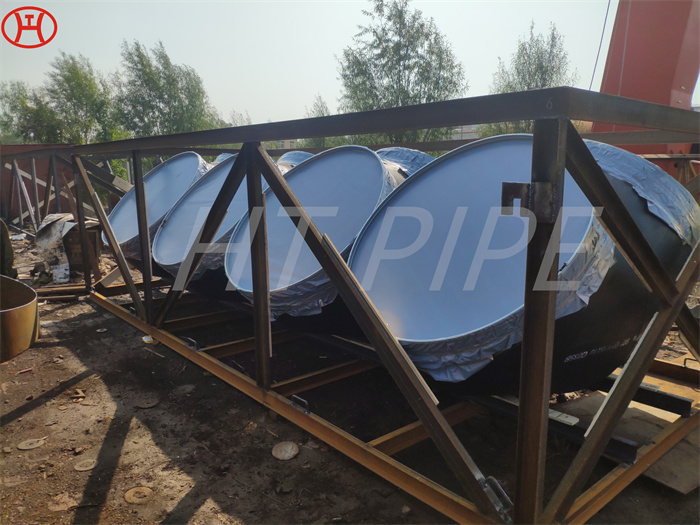
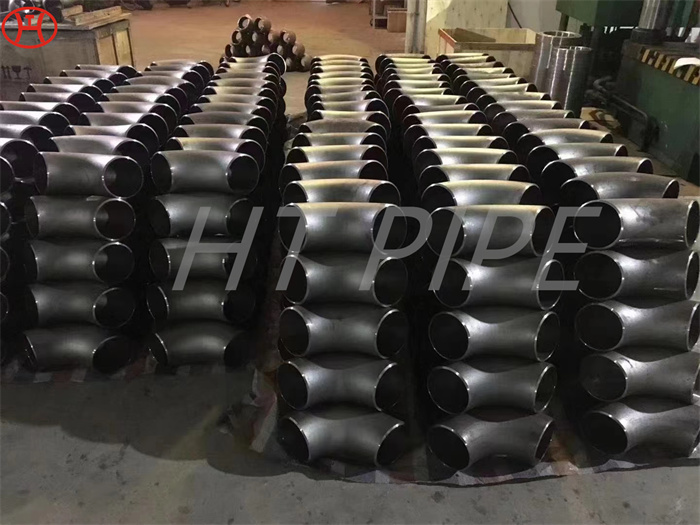
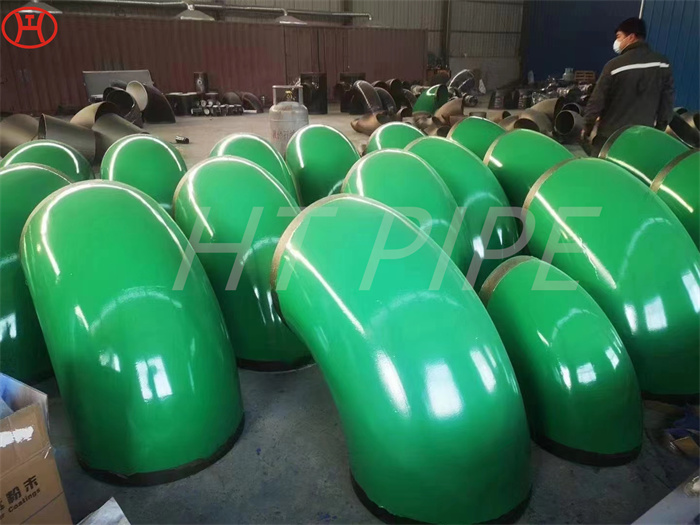
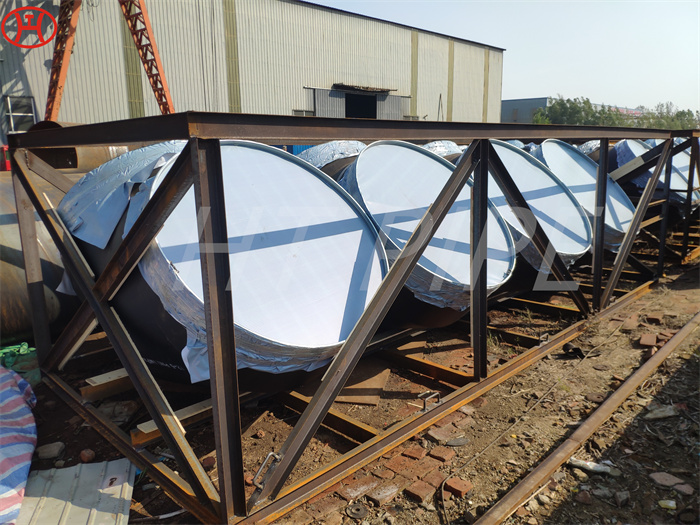
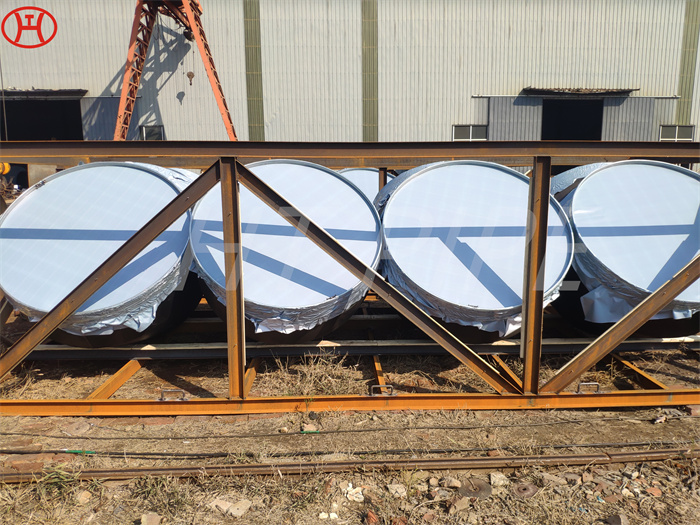
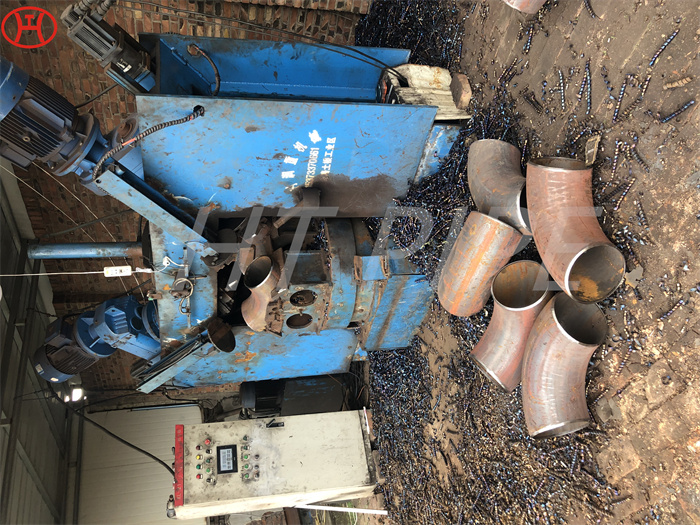
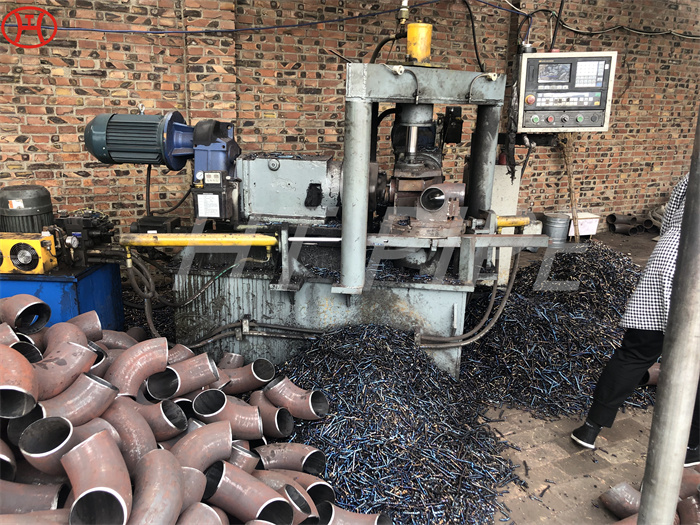
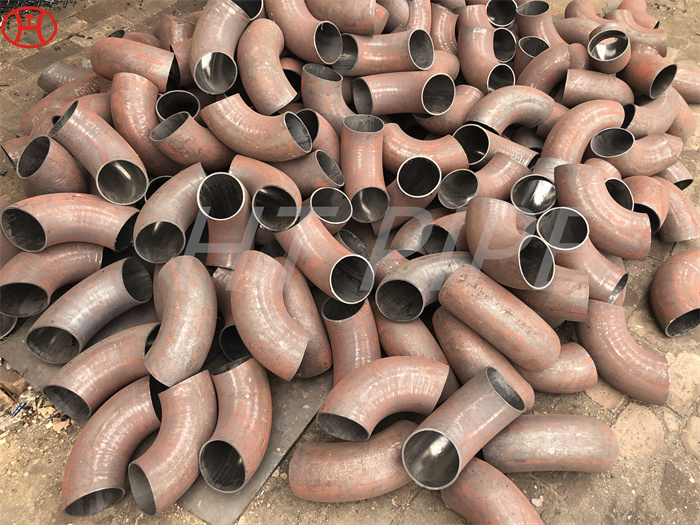
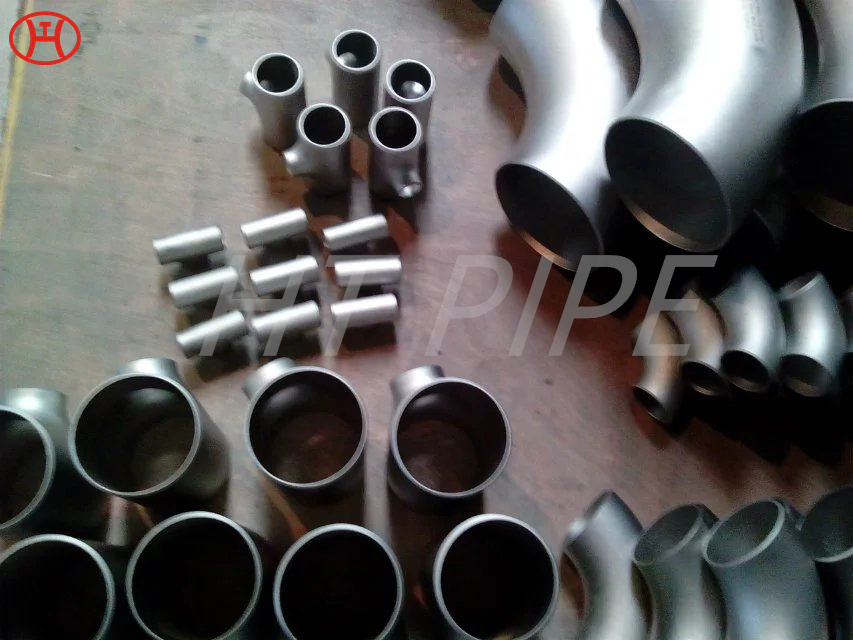
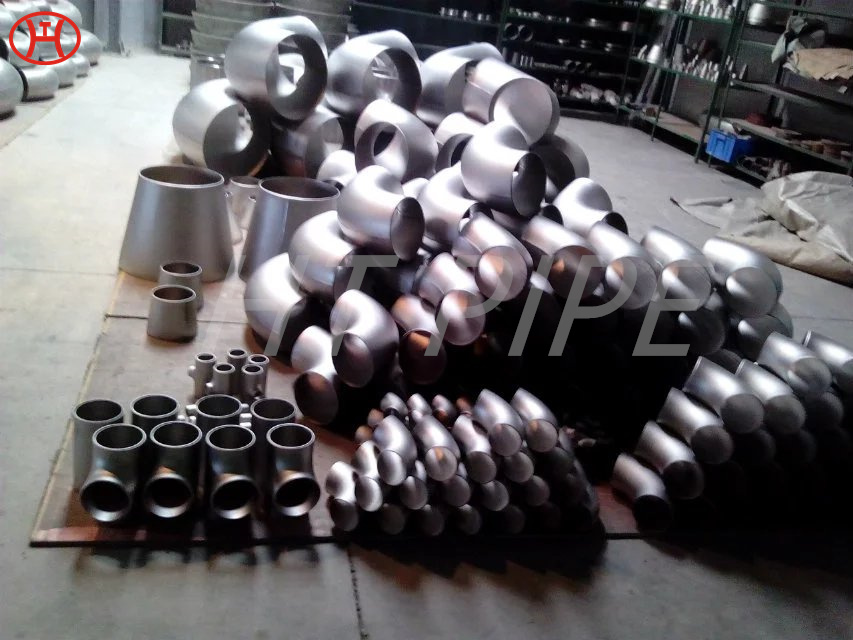
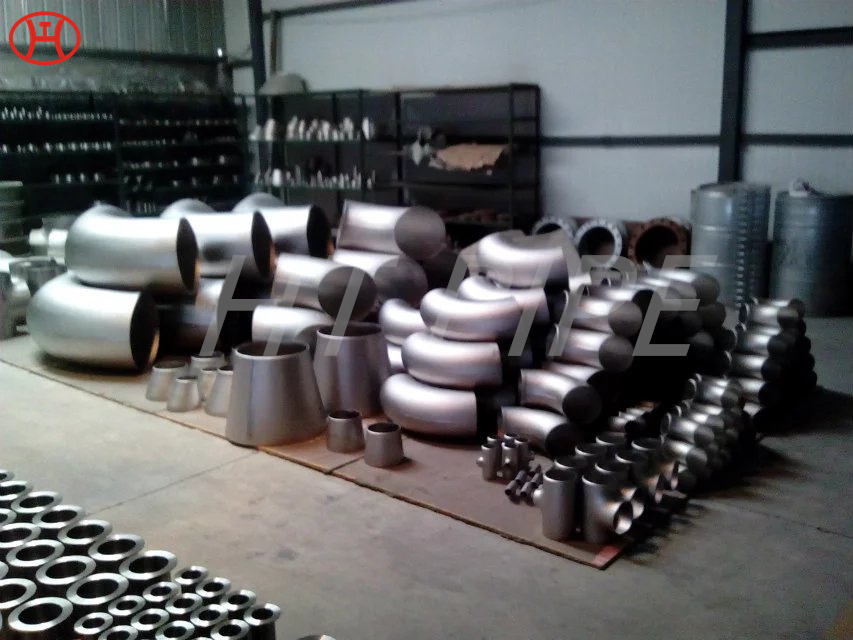
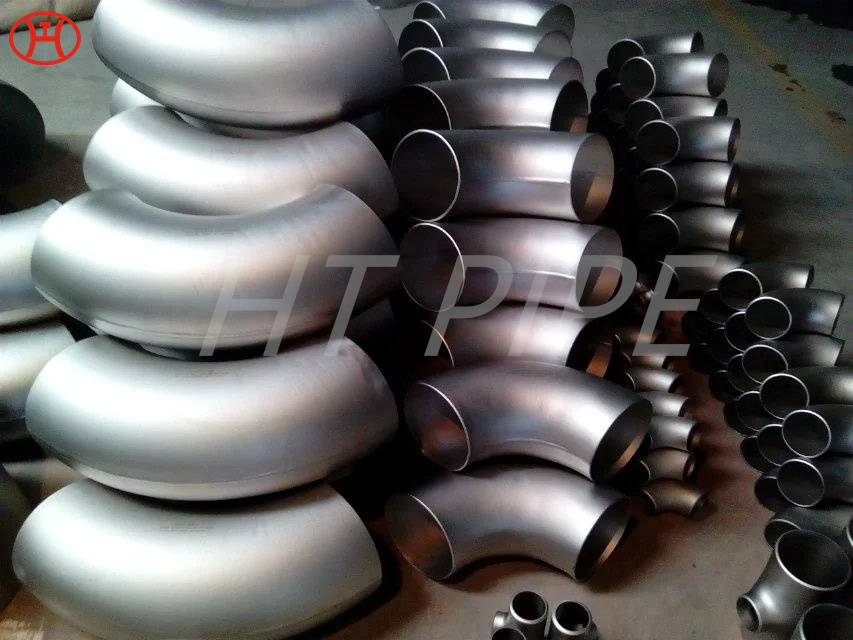
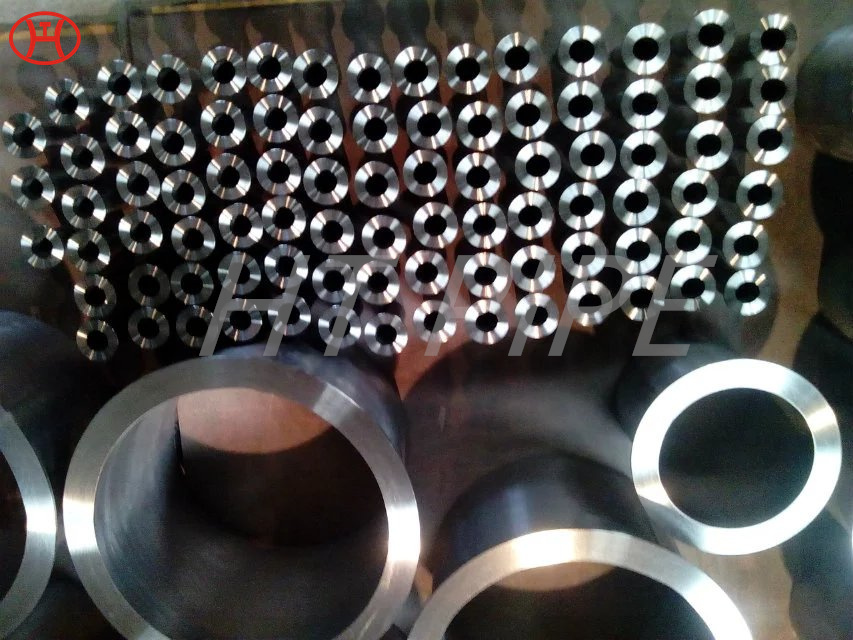
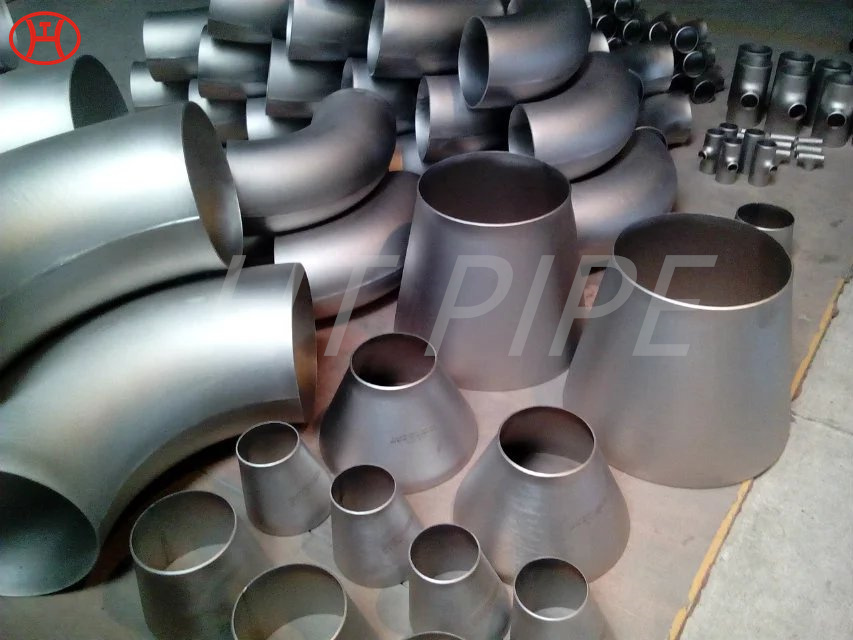
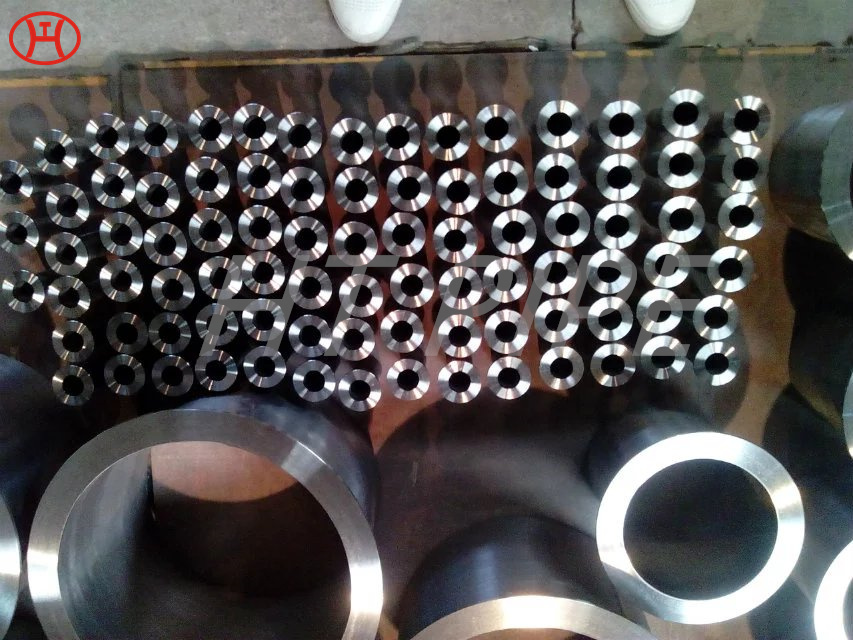
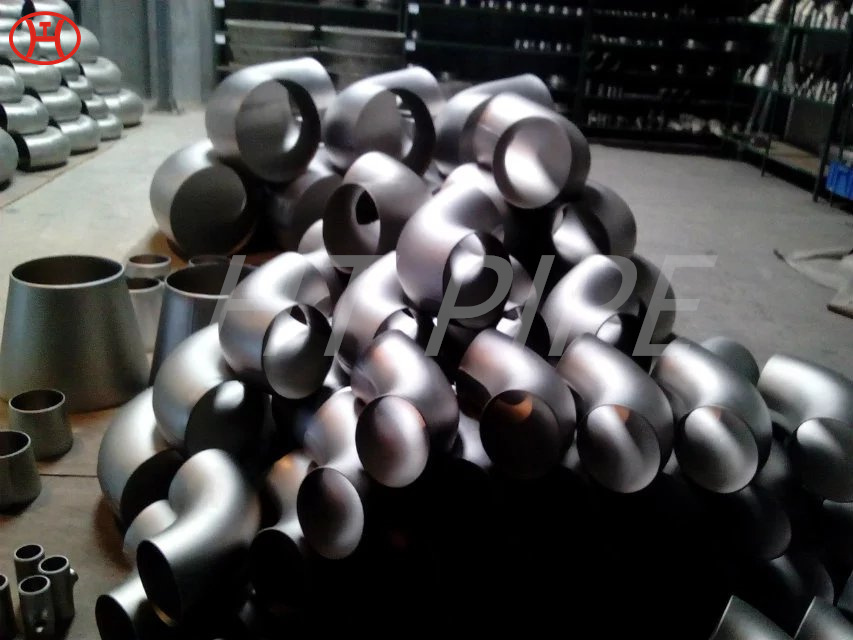
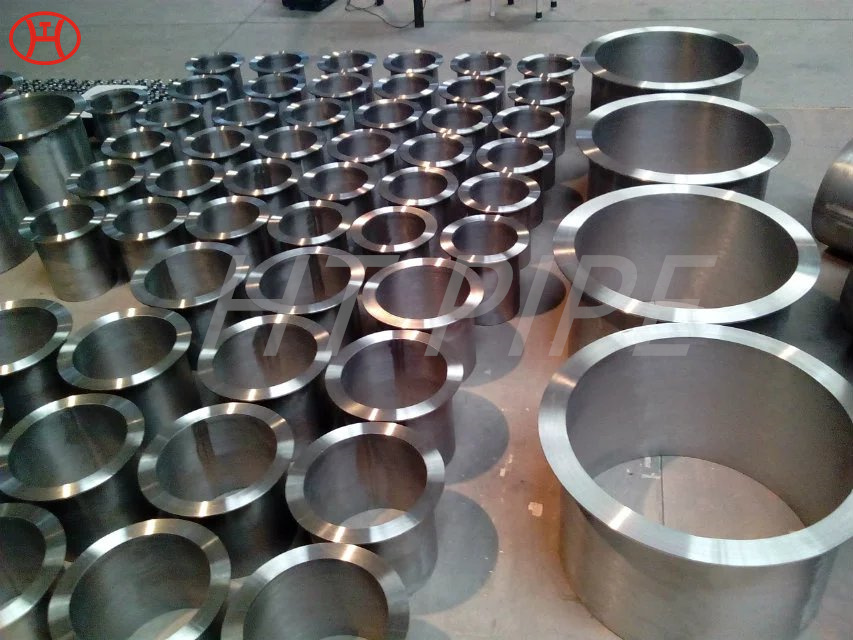
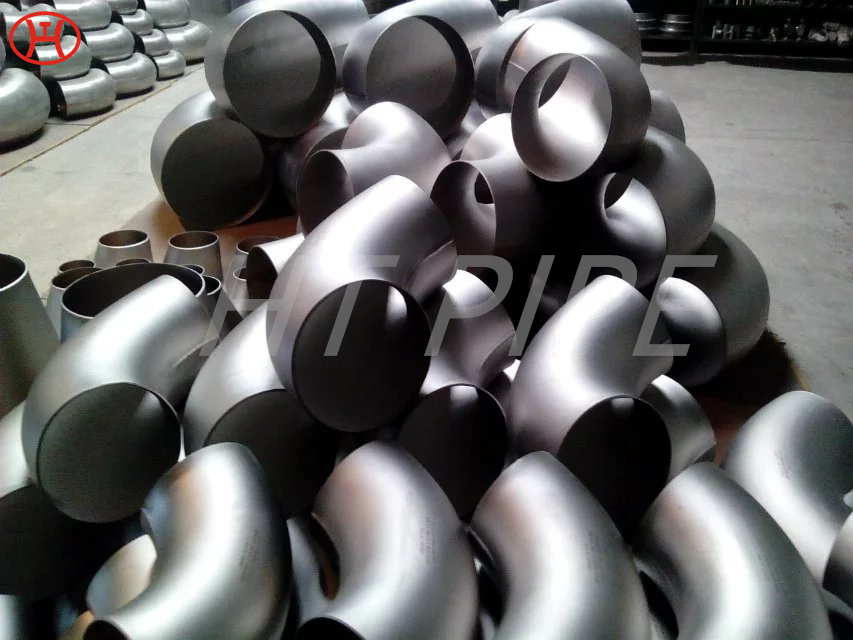
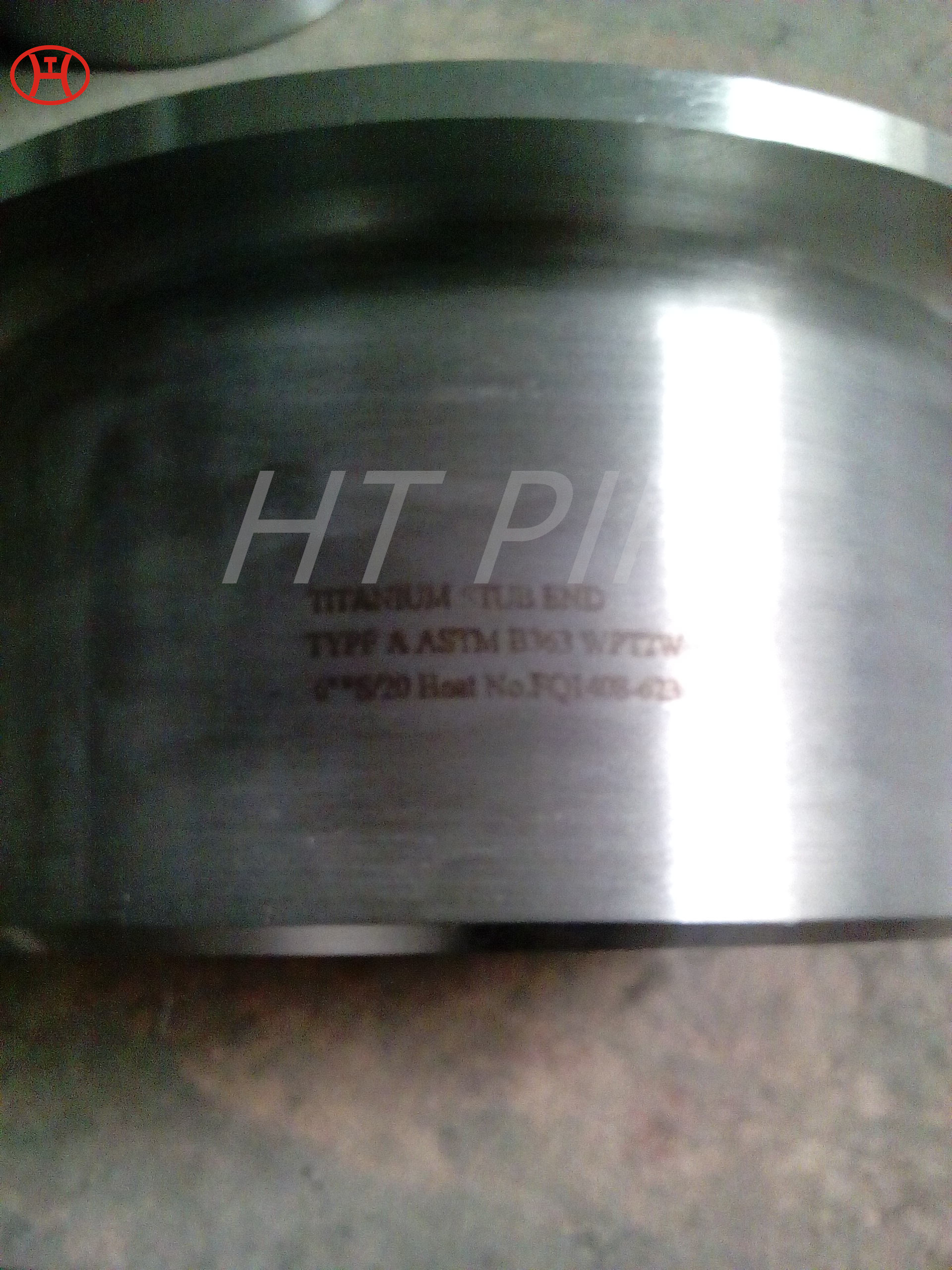
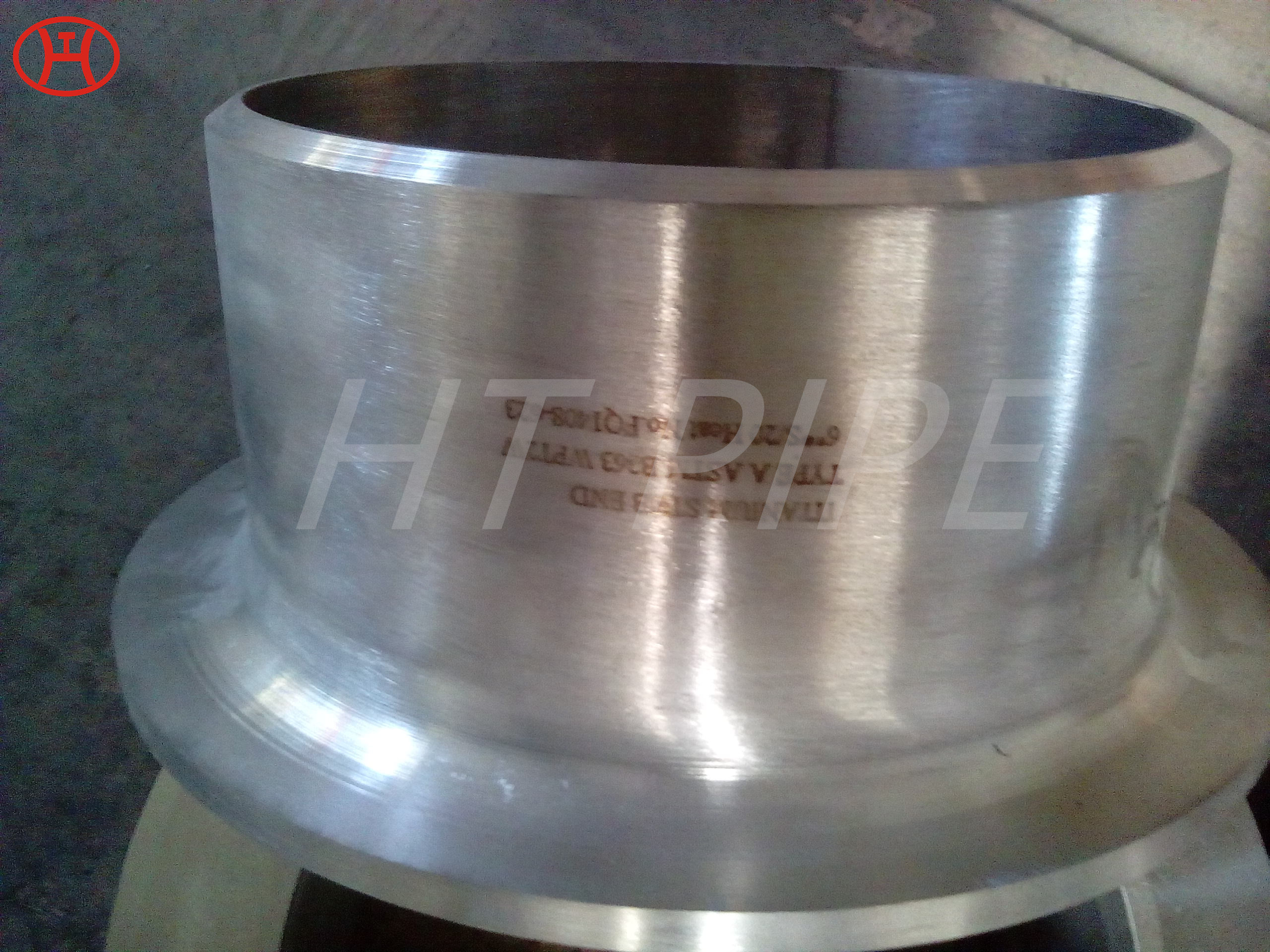
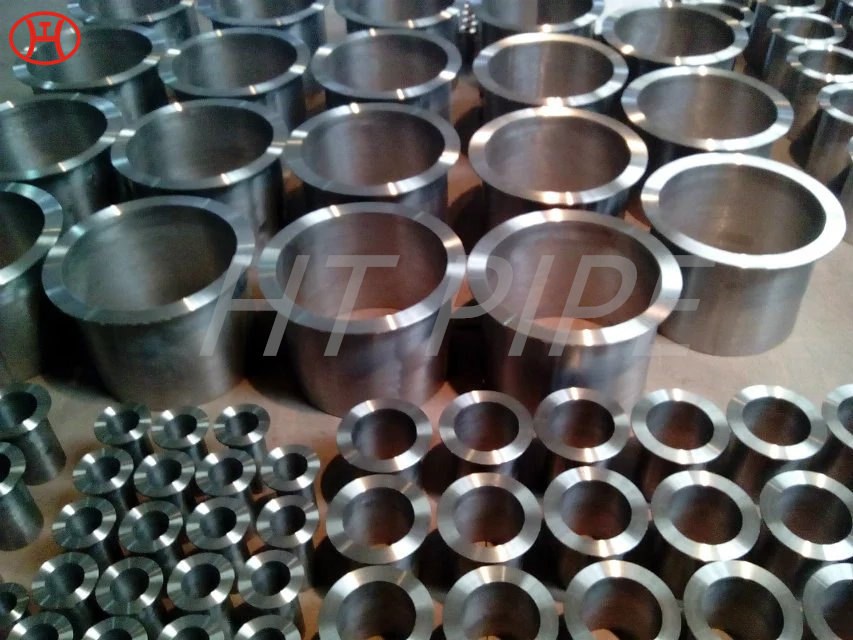
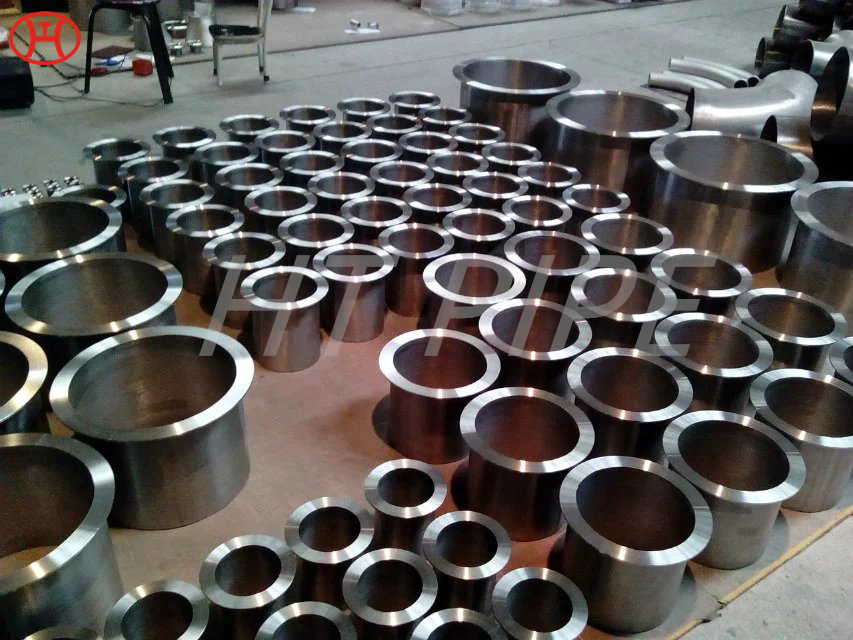
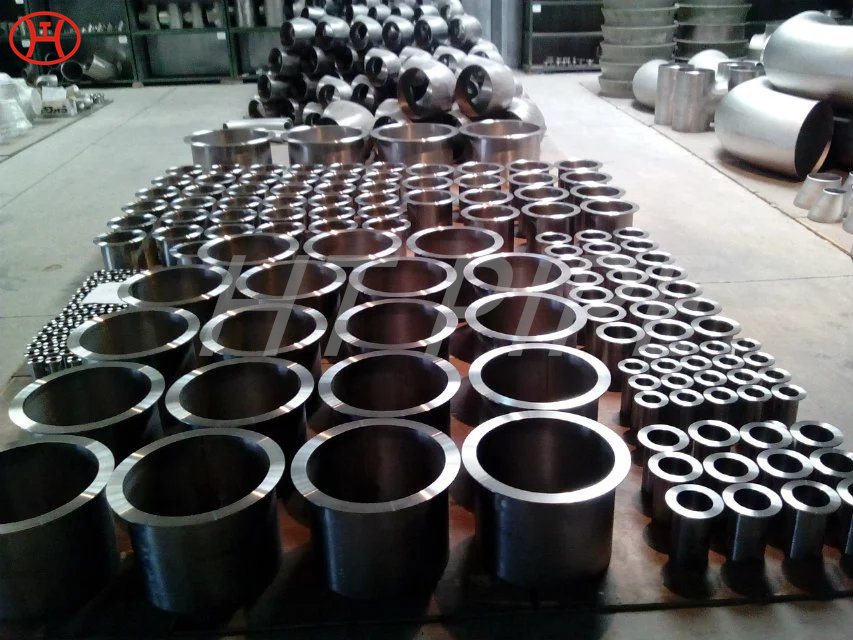
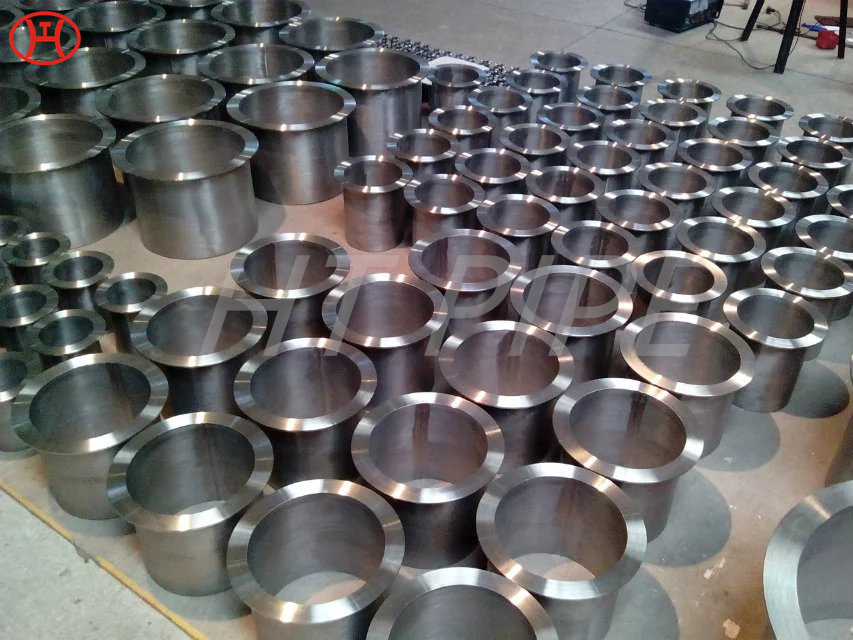
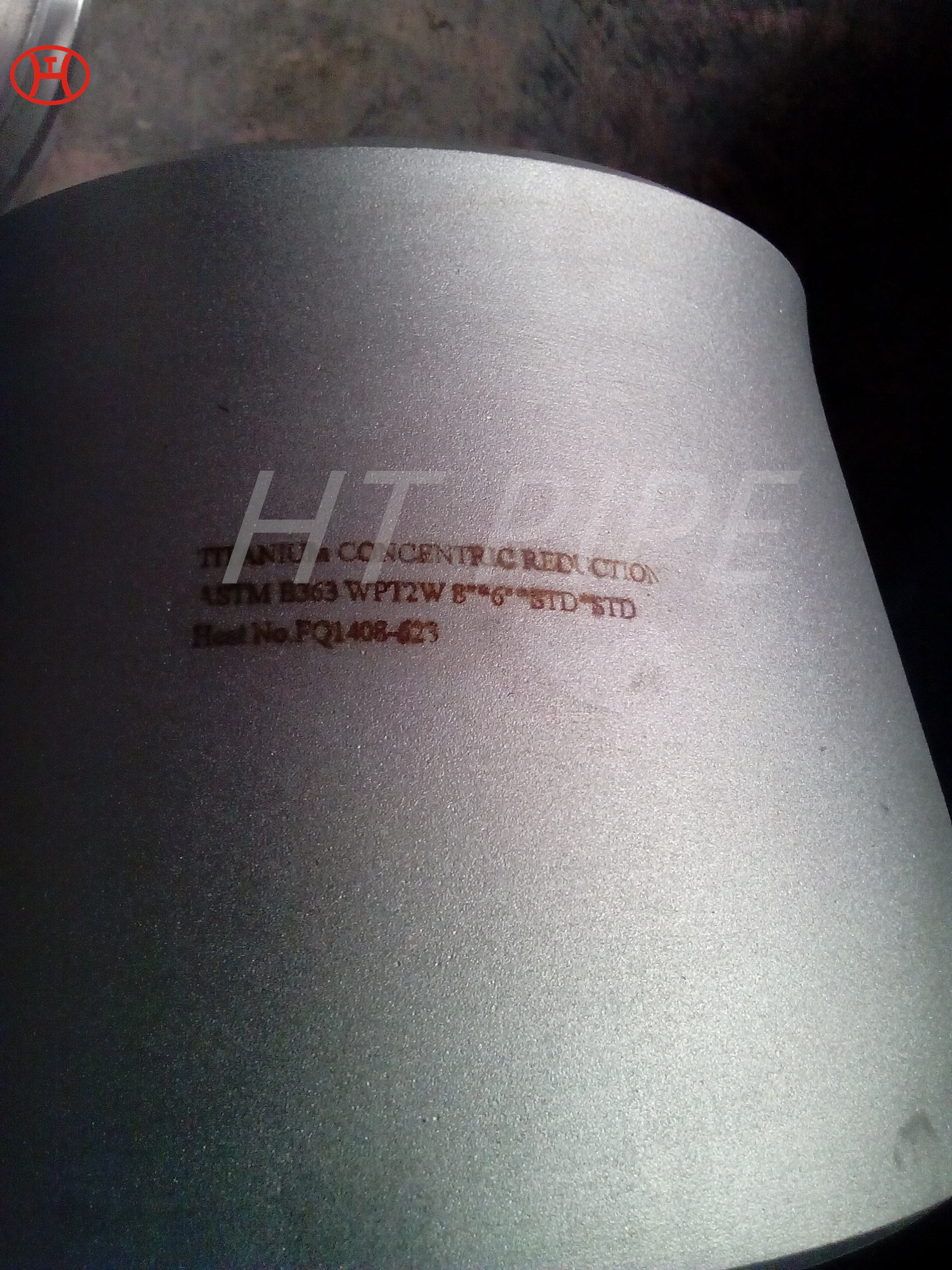
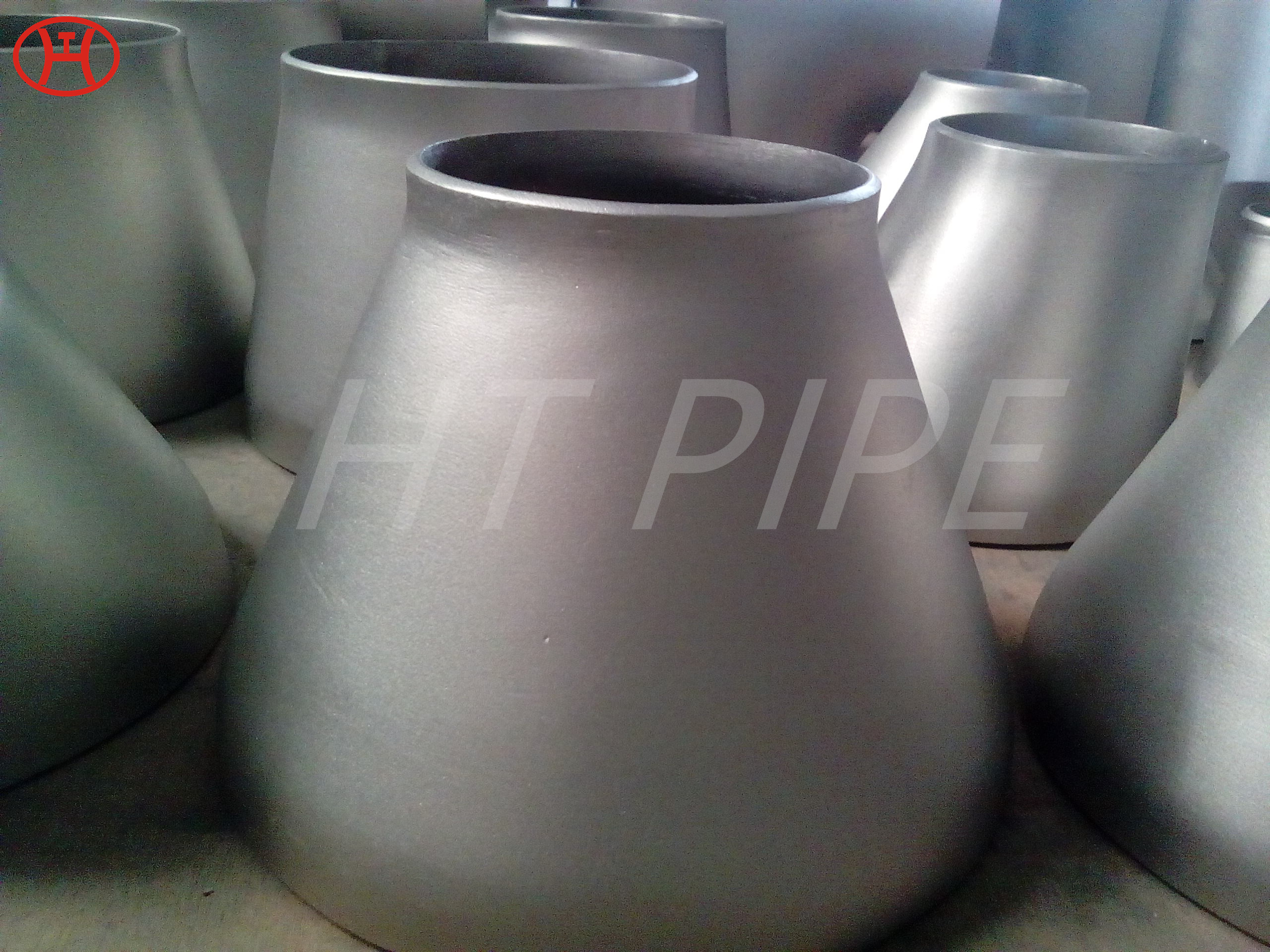
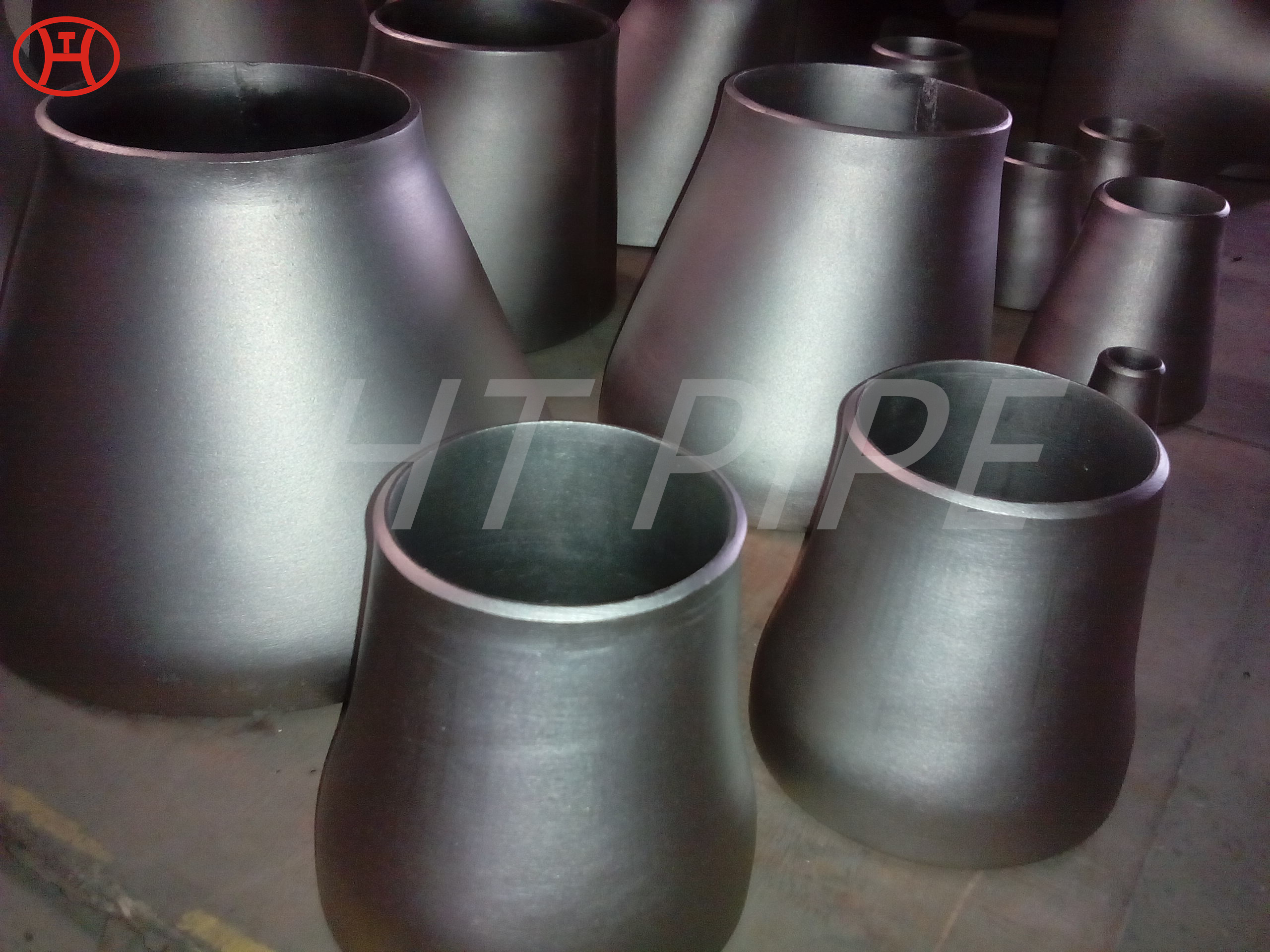
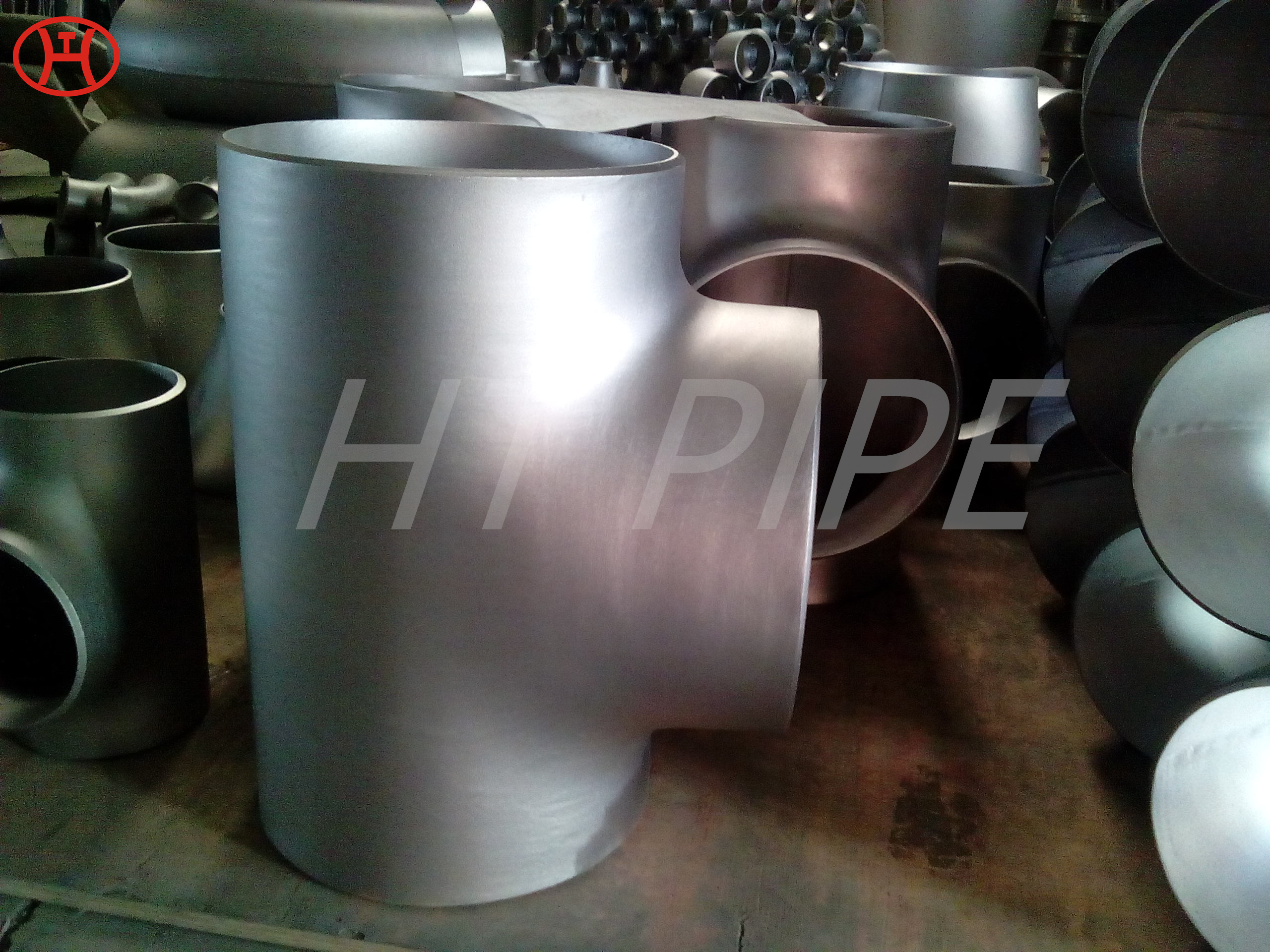
Hastelloy C-276 is available in the form of plate, sheet, strip, billet, bar, wire, covered electrodes, pipe, tubing, pipe fittings, flanges, fittings.
C-276 alloy is normally solution heat-treated at 2050¡ãF (1121¡ãC) and rapid quenched. If possible, parts which have been hot-formed should be solution heat-treated prior to final fabrication or installation.
Hastelloy C276 alloy, UNS N10276, 2.4819, is the most widely used and versatile corrosion resistant nickel alloy.
Hastelloy offer very good resistance to strong reducing and moderately oxidizing corrosive acids, as well excellent stress corrosion cracking resistance and resistance to localized attack.
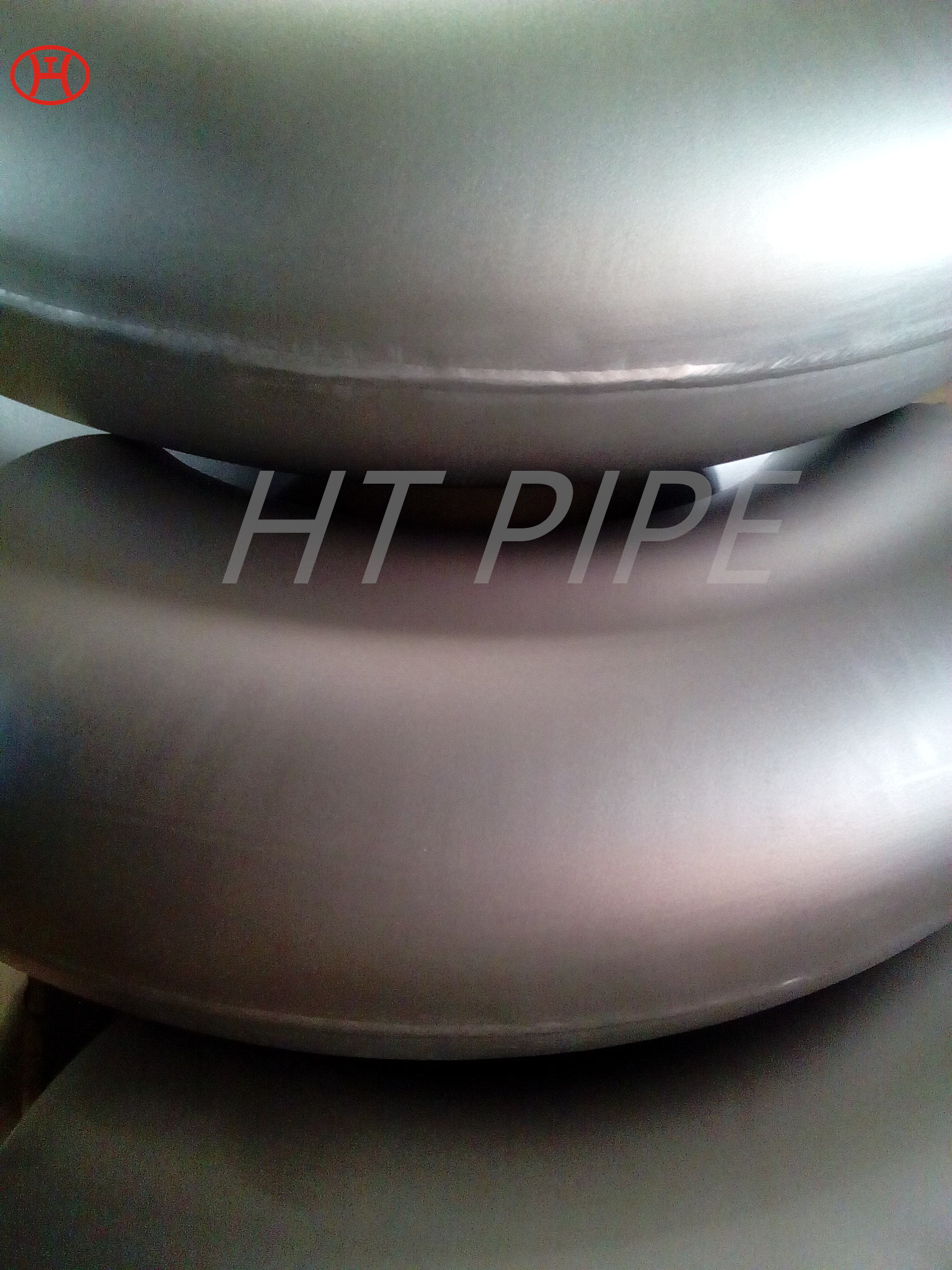
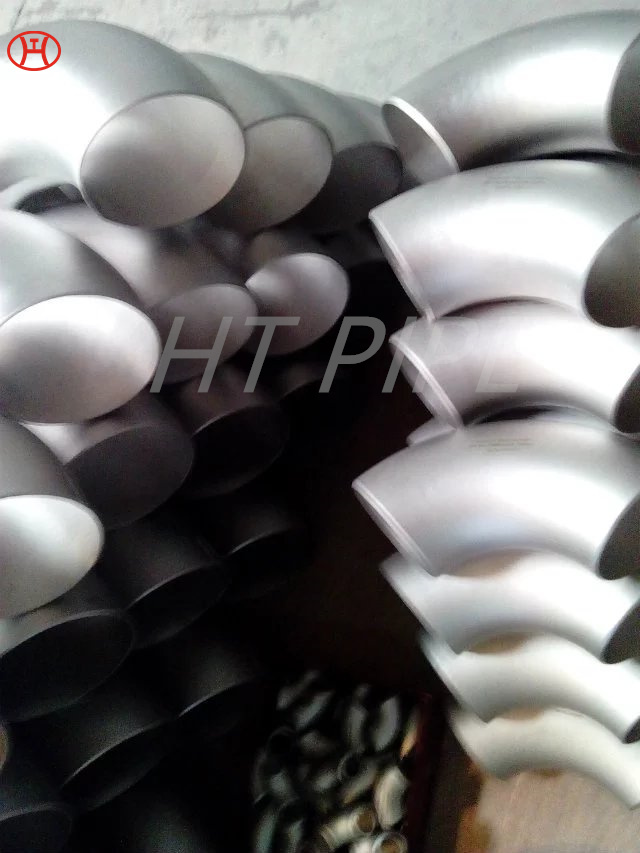
C276 Elbow has excellent corrosion resistance to a wide range of concentrated hot acids and reducing environments and can be easily used in hot sulfuric and hydrochloric applications.
Hastelloy’s resistance to sulfuric acid makes it a common choice for protection from hydrogen sulfide (H2S), more commonly known as?sour gas.
Hastelloy C276 is one of the few grades resistant to wet chloride gas and chlorine dioxide.
C276 is suitable for off-shore applications where hydrogen-sulphide stress corrosion cracking resistance is essential.
Thermodynamically, titanium is a very reactive metal due to its negative redox potential, and it burns in the atmosphere at a temperature lower than its melting point. It can react with chlorine at 550 ?C and can also combine with other halogen gases although it absorbs hydrogen.
The melting of titanium can only occur in a chemically inert atmosphere such as a vacuum.
Titanium’s thermodynamic properties do not allow it to melt in normal conditions, because it becomes more reactive at elevated temperatures and can catch fire if the oxygen molecules are present in its environment.
Titanium is a transition metal that also exhibits similarities in its chemical behavior, especially in lower oxidation states, to that of chrome and vanadium.
When titanium is mixed with other metals, the alloys can reach a tensile strength of more than 1,400 MPa, which makes 200,000 psi.
However, titanium can lose its strength at temperatures greater than 430?C because it is not as hard as high grades of steel.
Titanium is a dimorphic element with a hexagonal form that slowly converts into a body-centered cube at an elevated temperature of 880 ?C.
This happens because the specific heat starts to increase dramatically as the transition temperature of 880 ?C is reached.
The chemical behavior of titanium metal has remarkable similarities with zirconium and silica.
Titanium, zirconium, and silica all belong to the first transition group in the periodic table.
Titanium resides in group 4 (IVB) of the periodic table, which means it is in the middle.
Titanium is a lustrous grey metal with low corrosion rates and high strength; it is used in a variety of applications.
The arrangement of elements in the periodic chart shows how the elements are related to one another chemically. As it is in the middle of the table, we know titanium exhibits properties between those of metals and non-metals.
Titanium was discovered in 1791 by the English chemist and mineralogist William Gregor. He thought it was a compound. Later, it was named after the Titan of Greek mythology by the German chemist Martin Heinrich Klapros.
Titanium rapidly starts to react with oxygen molecules at around 1,200 ?C, and it can exhibit the same behavior at a reduced temperature of 610 ?C when the oxygen is in pure form.
Titanium is also a ductile metal, especially in an oxygen-free environment.
Titanium behaves as an inert element in the presence of oxygen and water, which means it does not react with oxygen and water at ambient temperature conditions.
Its glossy off-white appearance also makes it useful for metal coating or display.
This protective layer enables titanium to become an excellent corrosion-resistant element¡ªalmost as effective as platinum. This property makes it resistant to even strong liquids such as sulfuric acid, moist chlorine gas, chloride solutions, hydrochloric acid, and most organic acids.

Titanium has rather low thermal and electrical conductivity compared to other metals, although it exhibits superconducting properties when cooled below the 0.49 K temperature (its critical temperature).
Pure titanium is almost 99.2% pure and is a lustrous metal with low density and high corrosion resistance.
It is even resistant to strong liquids such as sulfuric acid, wet chlorine gas, chloride solutions, hydrochloric acid and most organic acids. However, it can burn in air and is the only element that will burn in the presence of nitrogen.