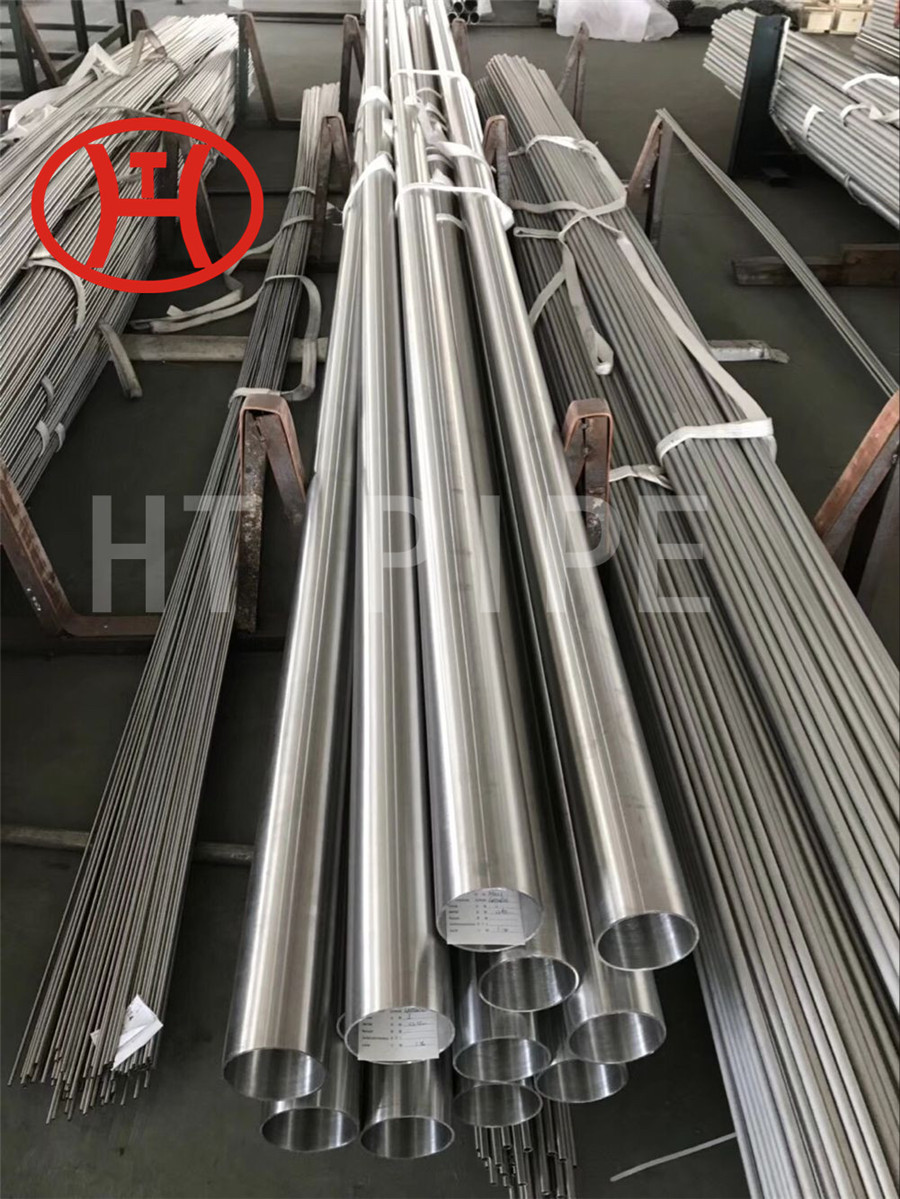
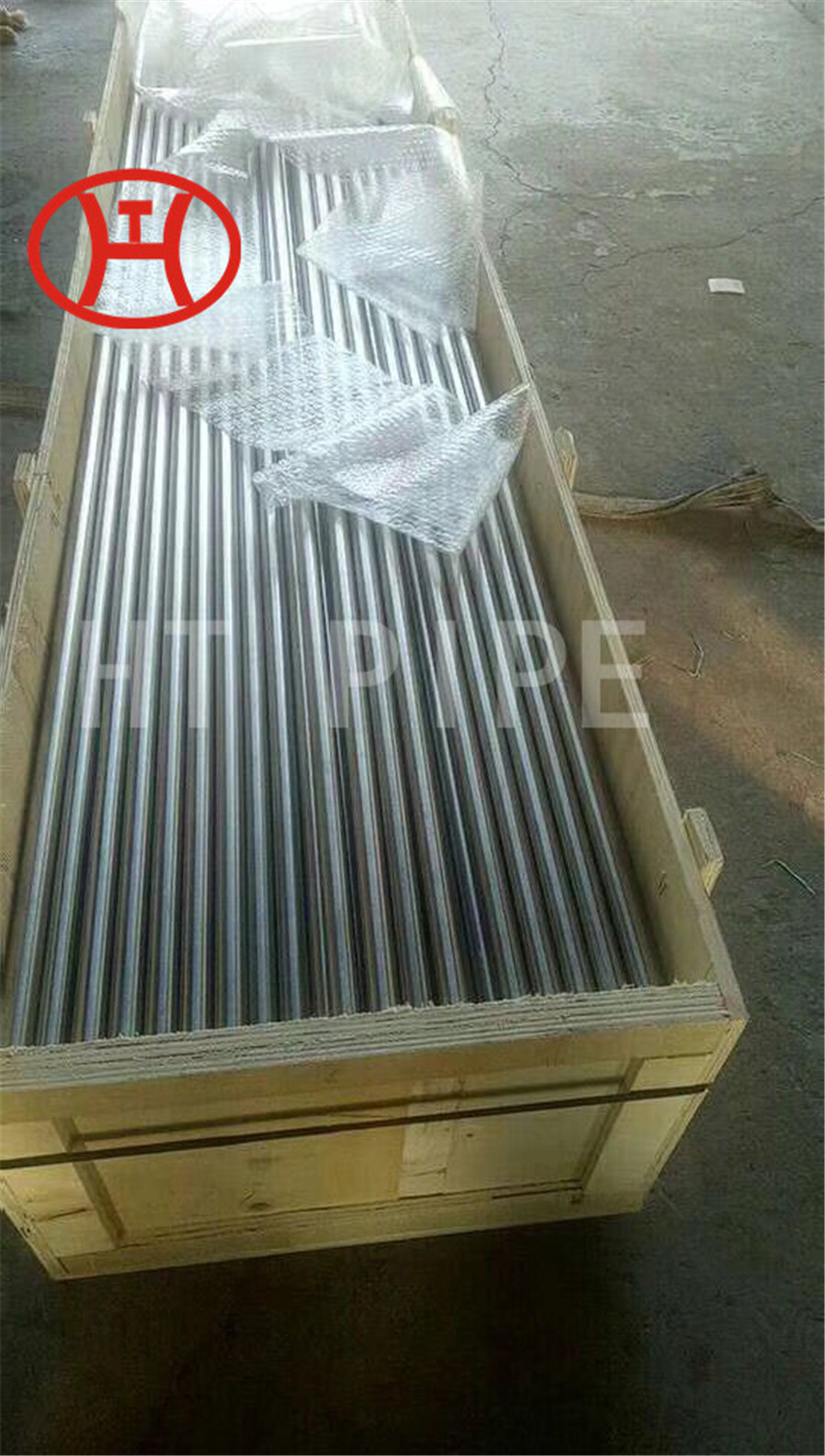
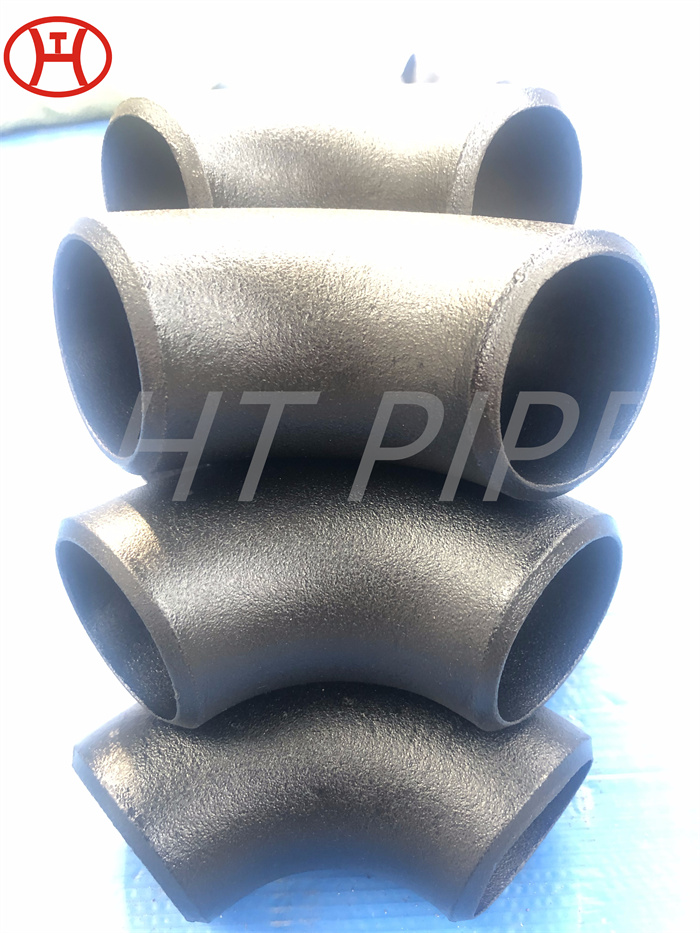
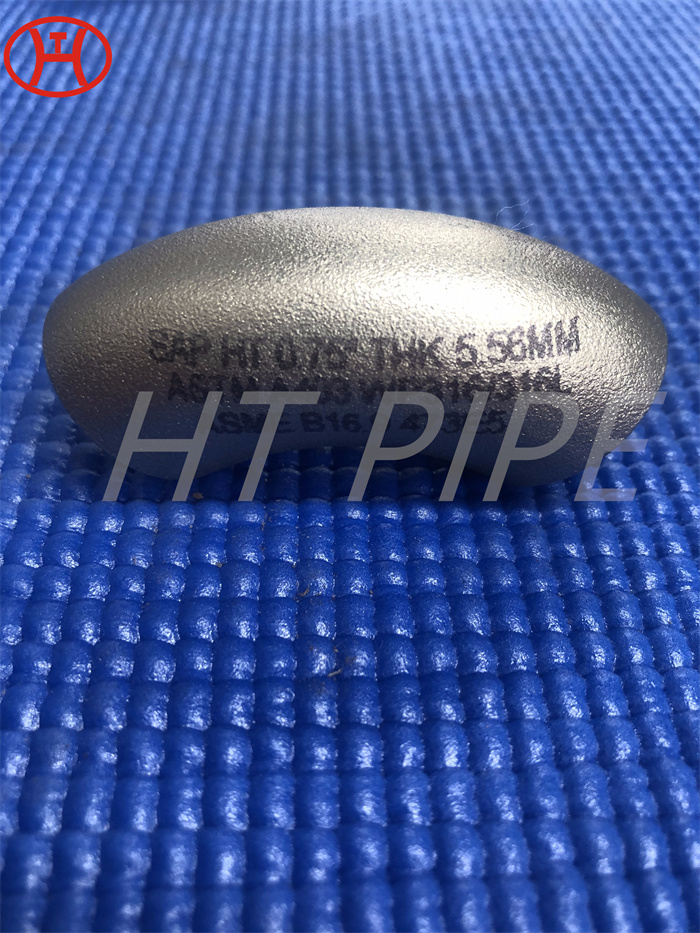
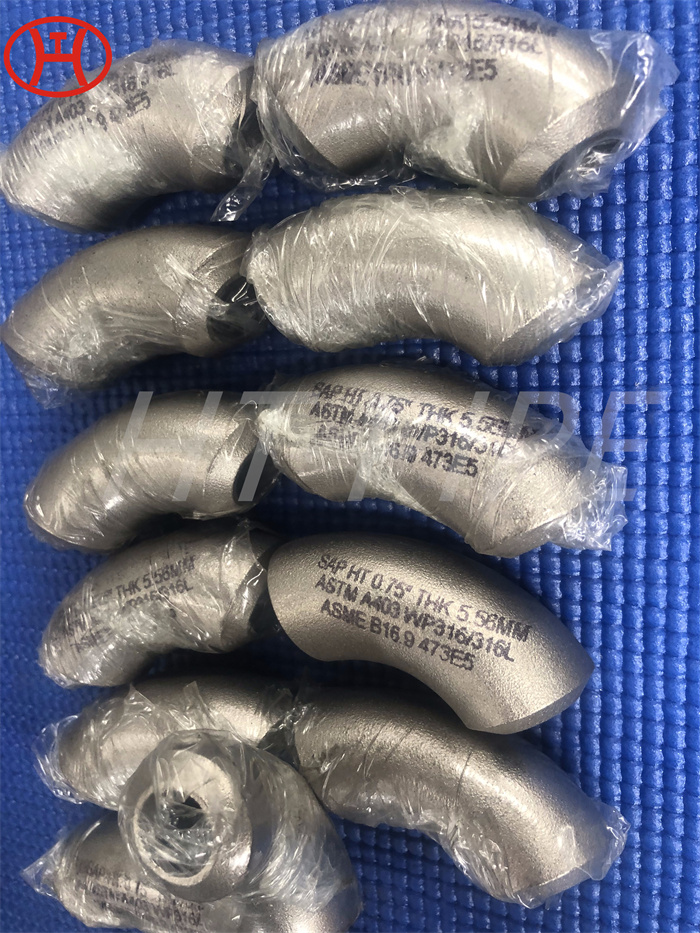
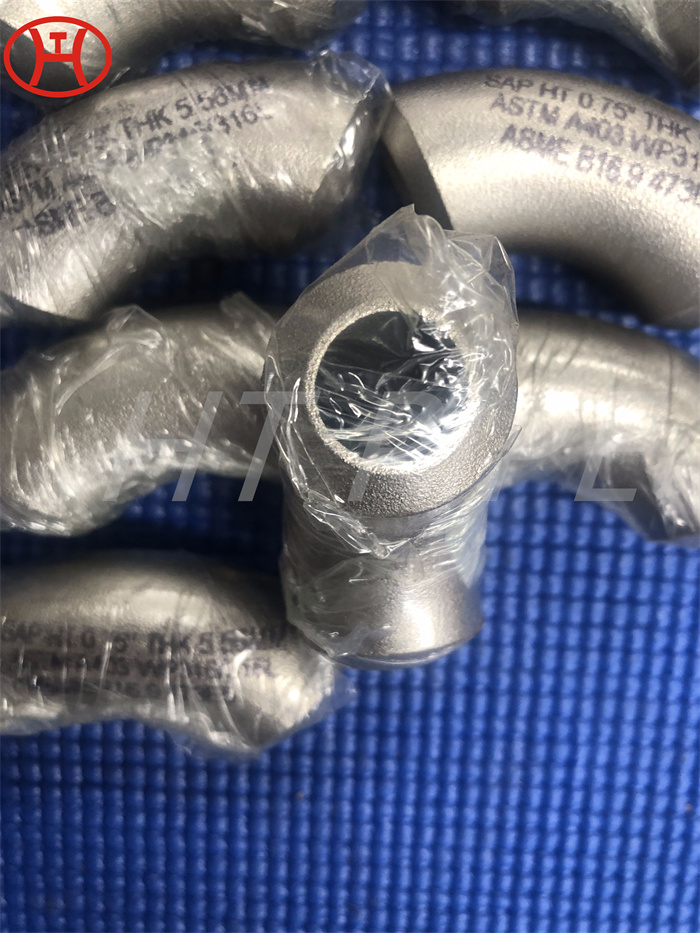
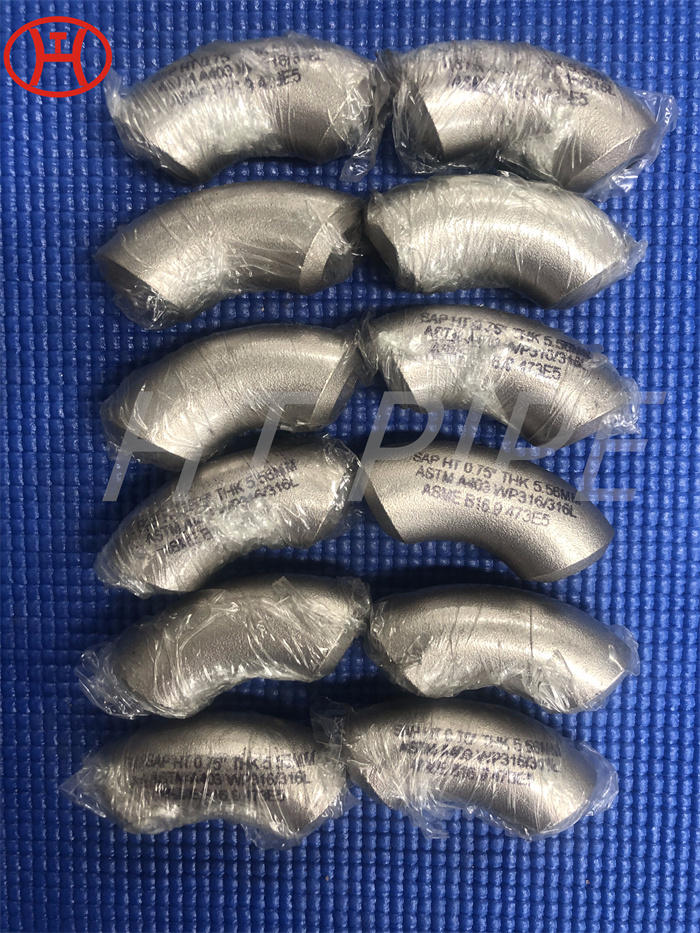
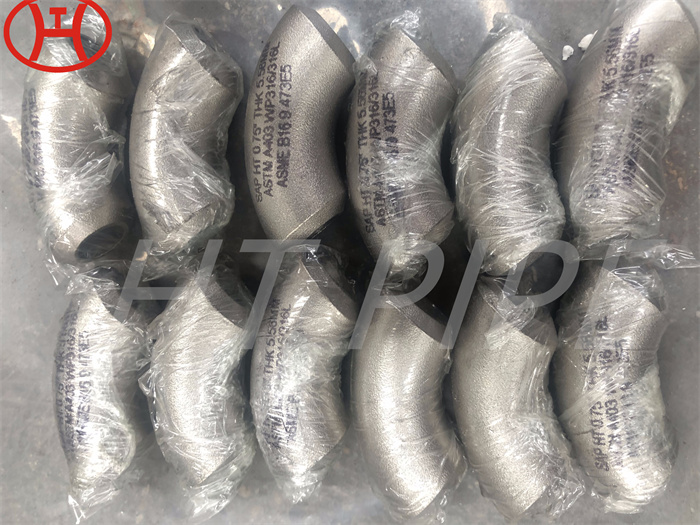
Stainless steel is an alloy of iron that is resistant to rusting. It contains at least 11% chromium and may contain elements such as carbon, other nonmetals and metals to obtain other desired properties. Stainless steel’s resistance to corrosion results from the chromium, which forms a passive film that can protect the material and self-heal in the presence of oxygen.
Type 316L stainless steel in a molybdenum bearing austenitic.
It is more resistant to general corrosion and pitting than conventional nickel chromium stainless steels such as 302-304.
316L stainless steel possesses less carbon and molybdenum than typical 316 steel, which gives the two alloys different characteristics.
Stainless steel is also composed of at least 10.5% chromium, a metallic element that gives the metal its finish and superior corrosion resistance.
Stainless steel is ideal for long-term applications that will face the elements, moisture, and potentially corrosive chemicals.
It¡¯s also ideal for sensitive industries such as food preparation and pharmaceuticals, as the risk of contamination is much lower.
316L has a lower proportion of carbon in its composition.
To qualify as 316L stainless steel, the amount of carbon cannot exceed 0.03%. This decreases the risk of carbon precipitation, making it a better option for welding to ensure maximum corrosion resistance.
316L is the superior choice for high corrosion and high temperature applications. Since 316L contains less carbon than 316, it has better intergranular corrosion resistance, meaning its welds won¡¯t decay, unlike with 316 stainless steel.
Although 316L contains less carbon, 316 and 316L stainless steels cost approximately the same.
316L steel is more susceptible to gaining some degree of magnetism.
316L is popular for pharmaceutical and photography equipment because it can withstand welding and corrosive chemicals.
Grade 316L, the low carbon version of 316 and is immune from sensitization (grain boundary carbide precipitation).
It is extensively used in heavy gauge welded components (over about 6mm). There is commonly no appreciable price difference between 316 and 316L stainless steel.
The austenitic structure also gives these grades excellent toughness, even down to cryogenic temperatures.
Compared to chromium-nickel austenitic stainless steels, 316L stainless steel offers higher creep, stress to rupture and tensile strength at elevated temperatures.
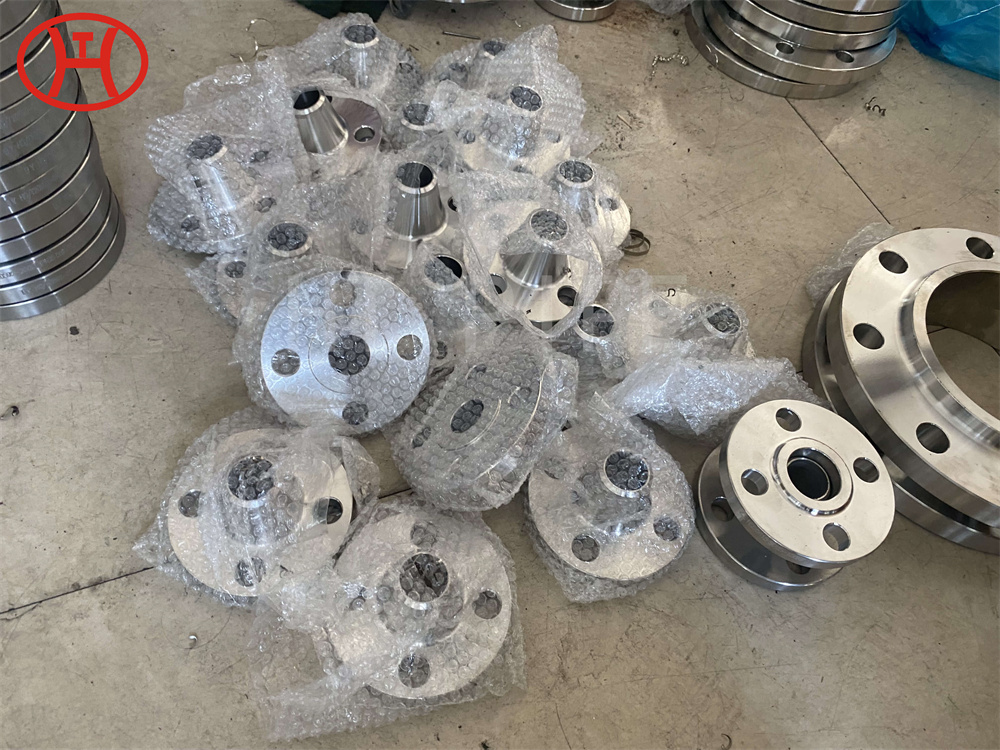
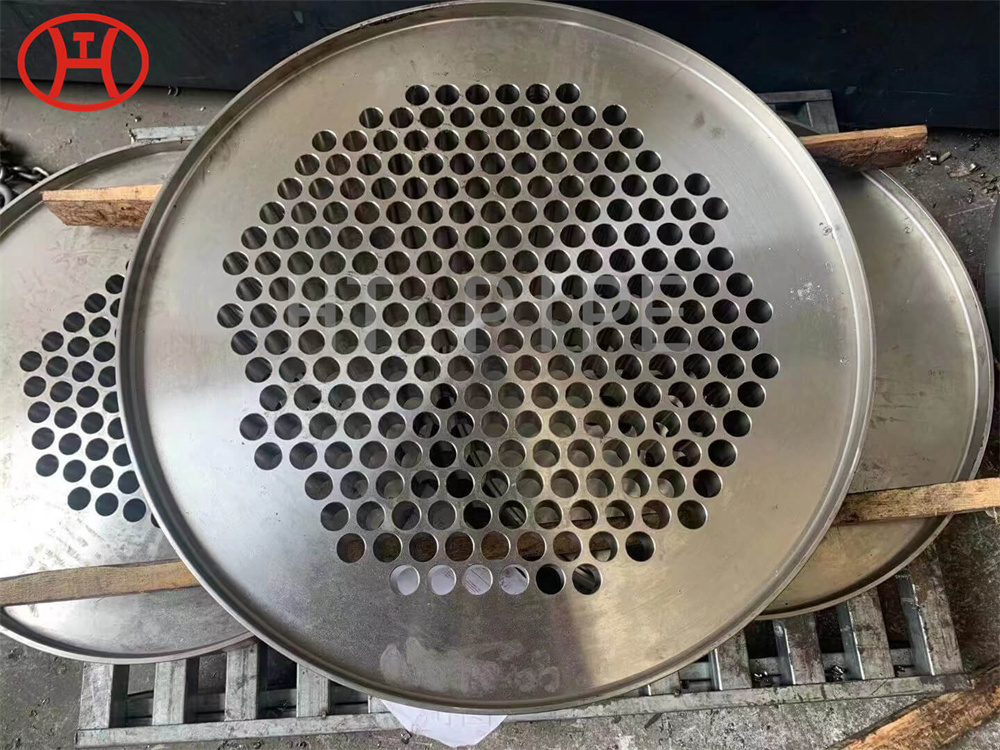
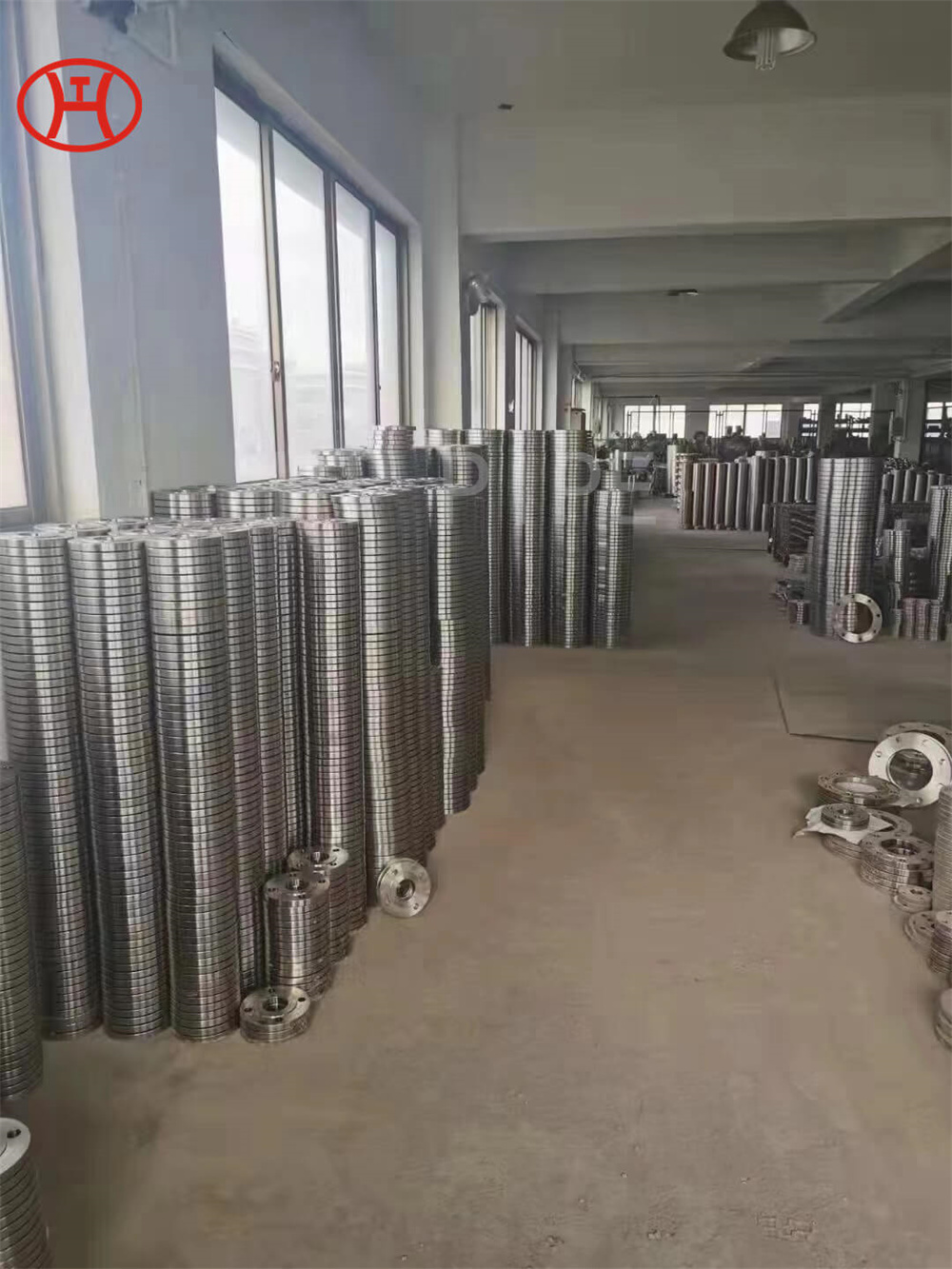
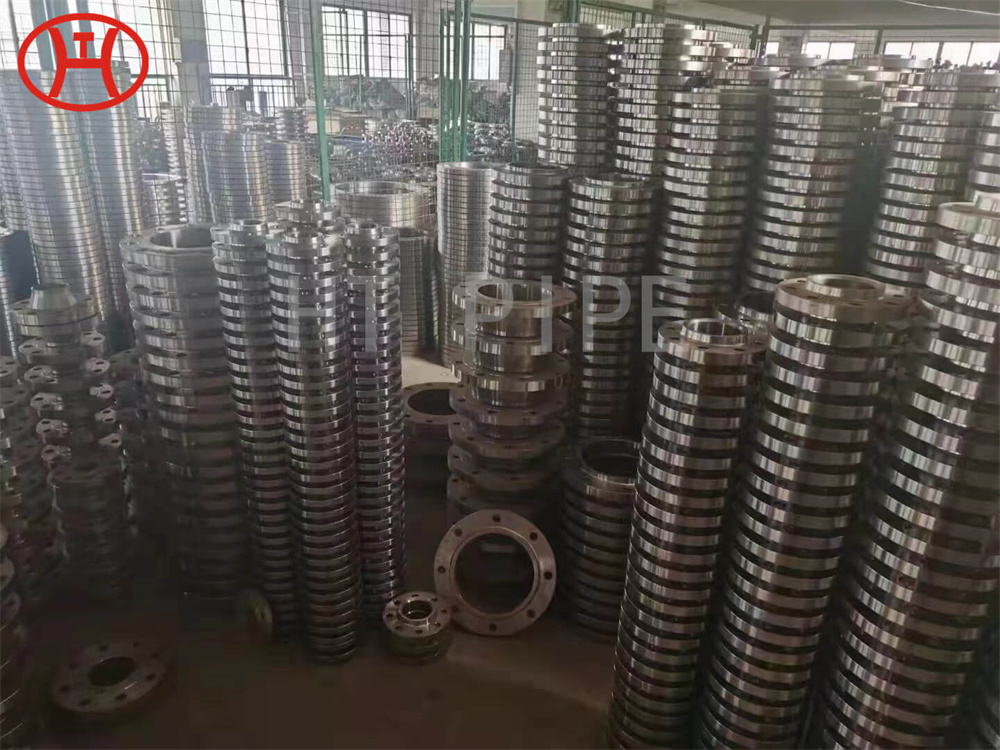
Flanges are used for long-term pipelines. The so-called stainless steel flange uses the flange as the interface between two sections of the pipe connection, rather than directly connecting the pipe.
Stainless steel flange is a kind of general steel material, which is widely used in equipment and parts with good comprehensive performance requirements (corrosion resistance and molding).
Stainless steel flange belongs to steel pipe flange, which is widely used in the installation and connection of water supply pipeline and facilities and equipment.
304 stainless steel flange is the most widely used chromium nickel stainless steel. It has good corrosion resistance, heat resistance, low temperature strength and mechanical property. It is resistant to corrosion in the atmosphere.
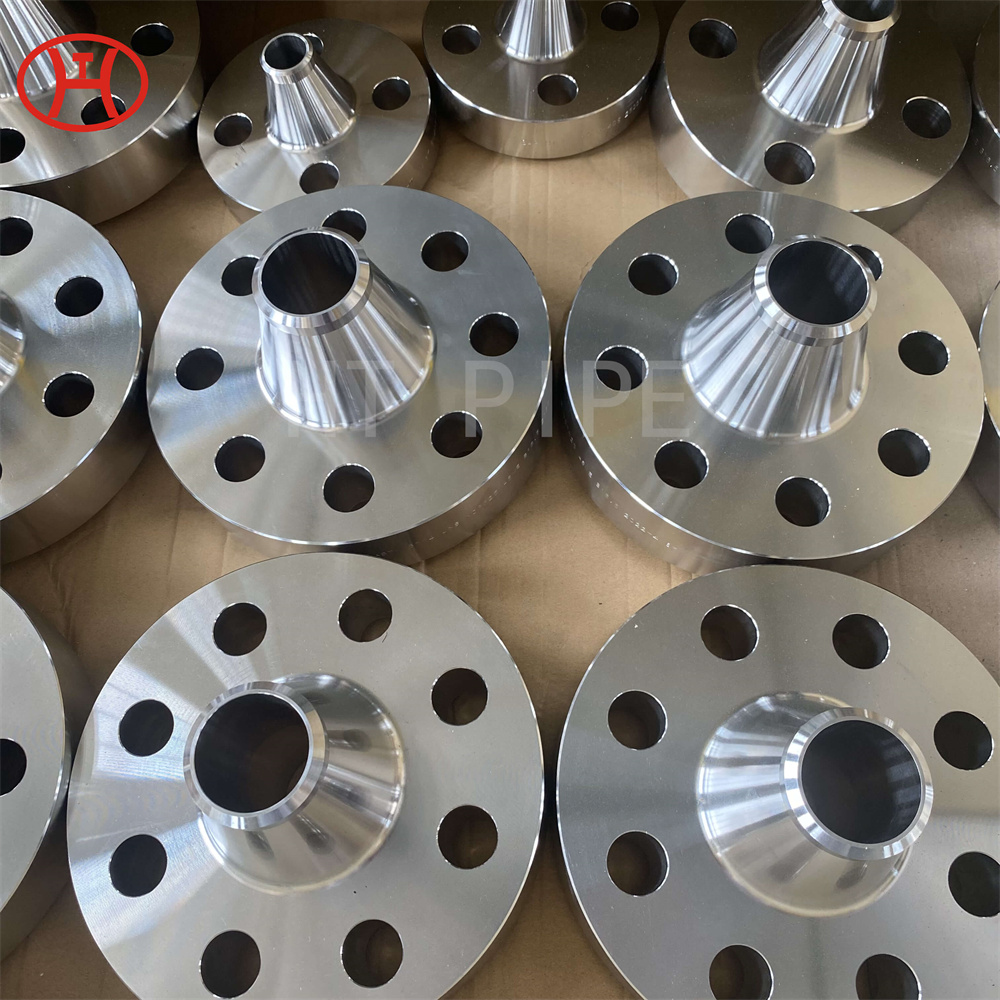
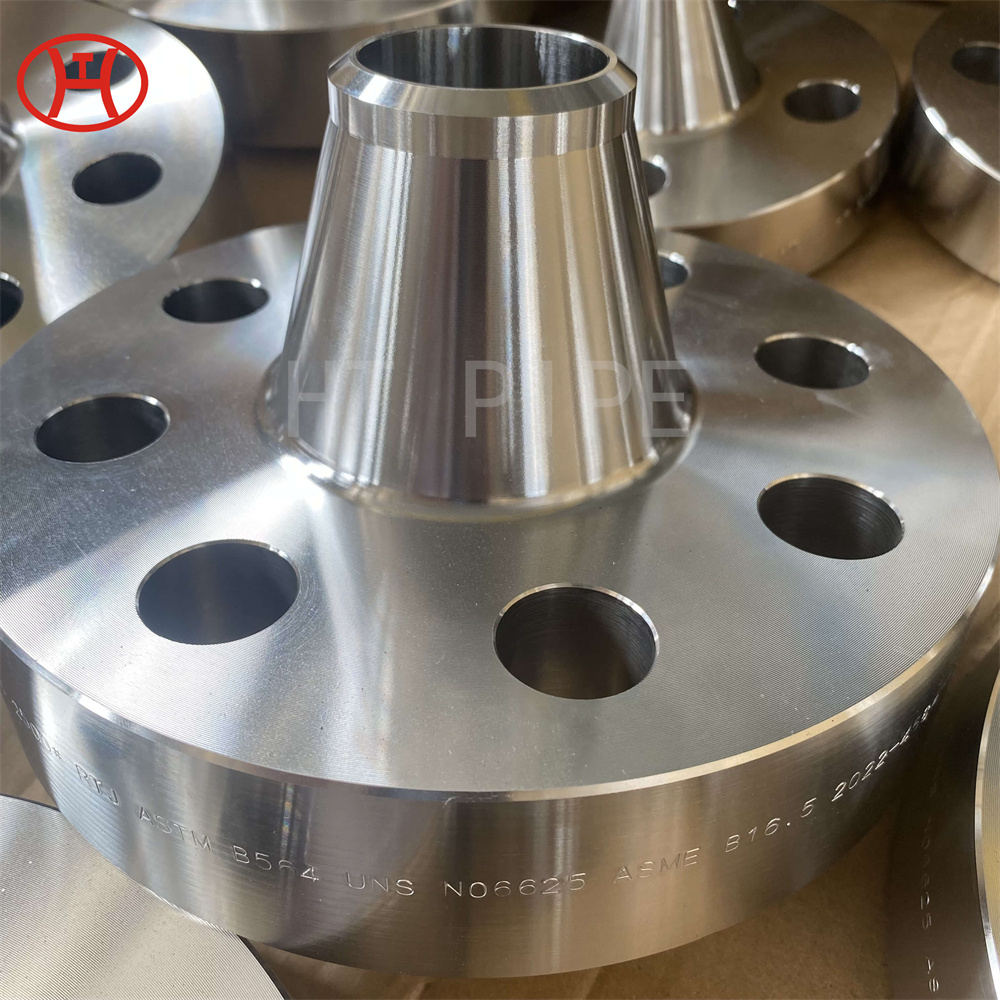
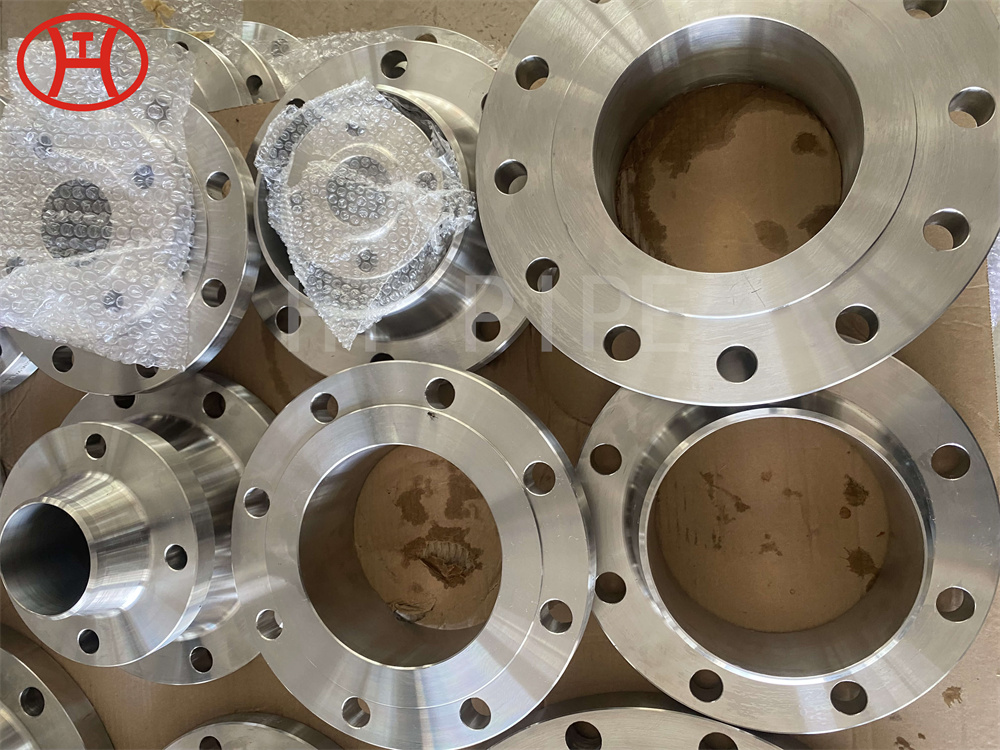
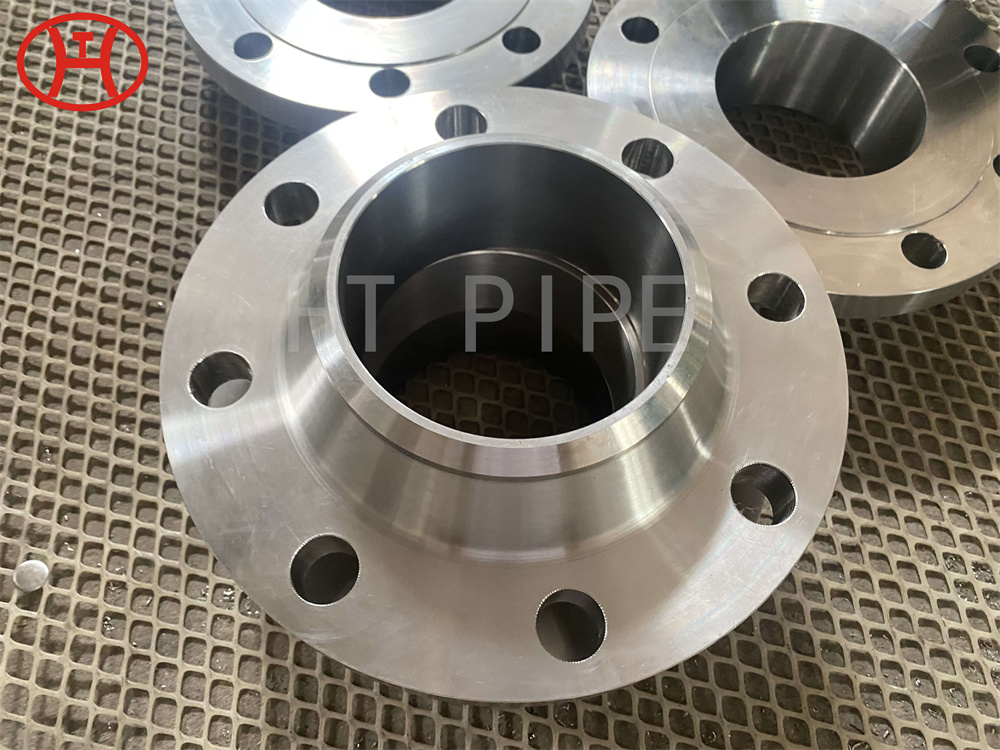
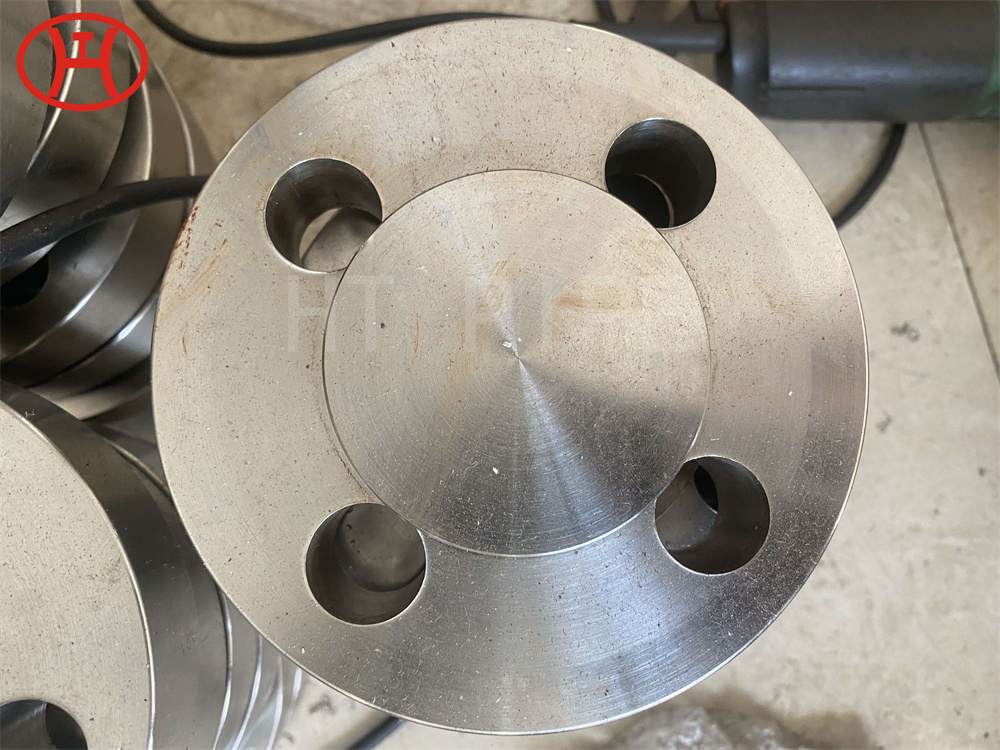
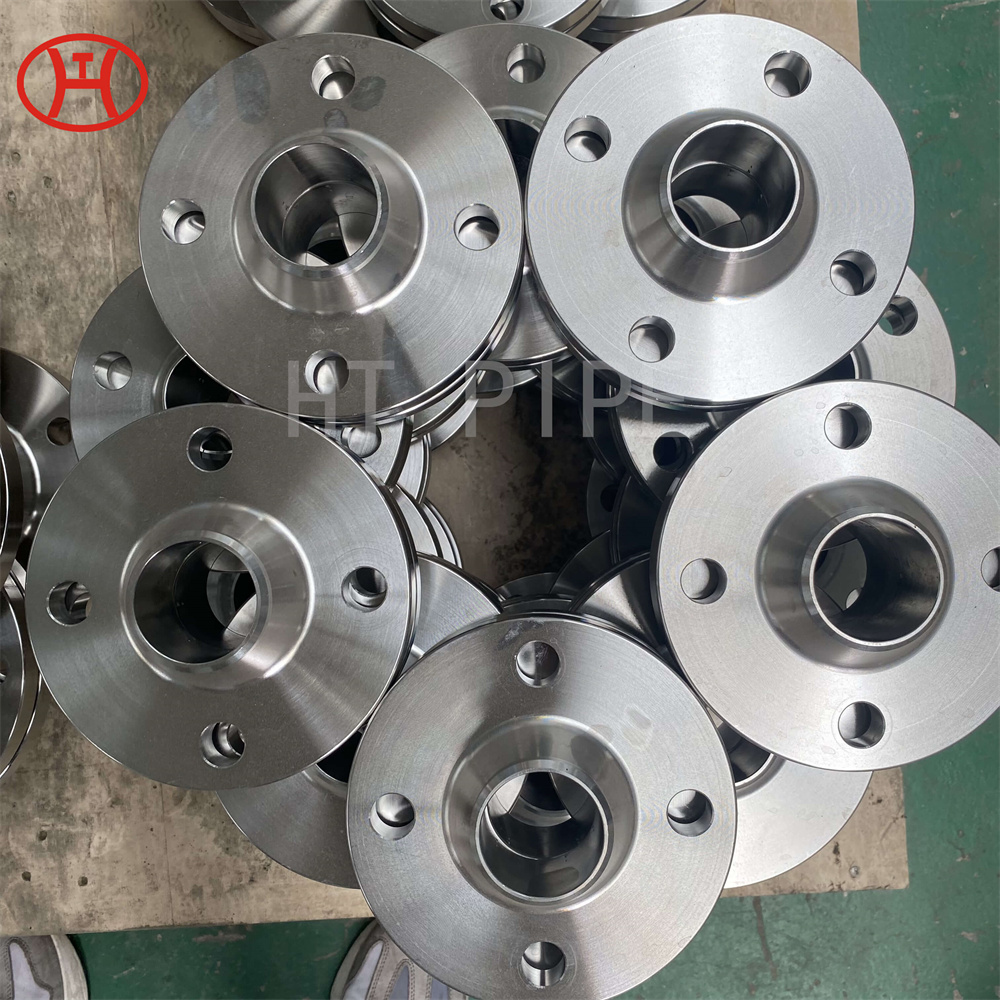
Basic features of stainless steel flange: it is composed of basic parameters, such as anchor bolt hole, raised face, connecting nozzle, core distance of anchor bolt hole, flange diameter, nominal size, nominal pressure, etc.
The stainless steel water supply pipe flange has all the properties of stainless steel materials, one of which is the strong corrosion resistance, which can permanently maintain the integrity of the design.
Stainless steel flanges have good metal properties and corrosion resistance, and are commonly used for the installation and connection of stainless steel water pipes, high-pressure pipes and anti-corrosion pressure pipes.
Stainless steel water pipe flange, also known as stainless steel acid resistant flange, has a smooth surface and is not easy to be oxidized by air.
Stainless steel flange has good metal performance and corrosion resistance. All metals react with oxygen in the atmosphere to form an oxide film on the surface.
Stainless steel flange has good performance and scientific materials. General metal materials react with air in a humid environment, changing the original metal properties.
The thermal expansion coefficient of stainless steel flange is the same as that of brass, 1.5 times that of ordinary steel pipe. However, compared with brass, stainless steel flanged pipe has the characteristics of slow expansion and cold contraction.
The function of stainless steel flange is actually to connect the pipe end with the pipe end. There are flange eyelets on the flange edge, and the stainless steel bolts make the two flanges to be matched tightly. When connecting, gaskets, PTFE gaskets, metal gaskets, silicon gaskets, etc. are required between flanges for sealing.