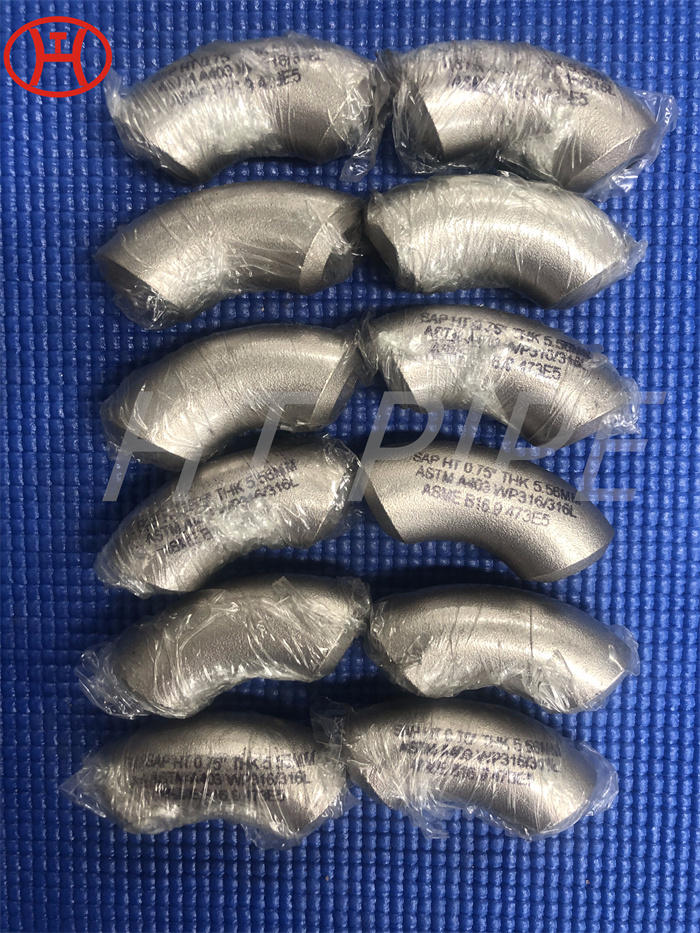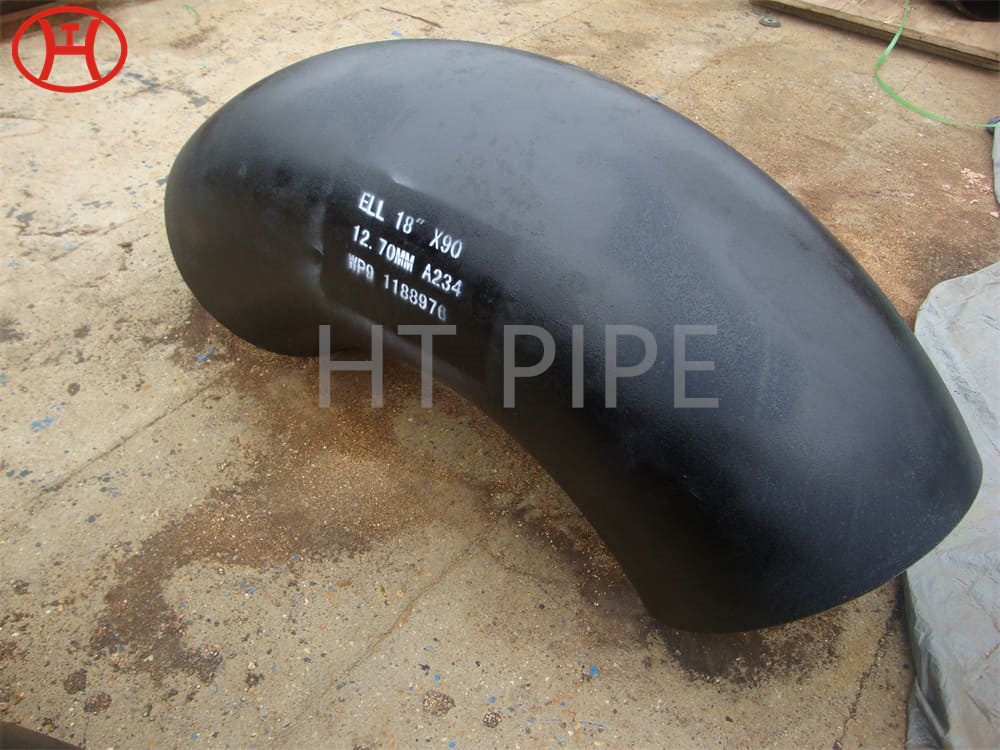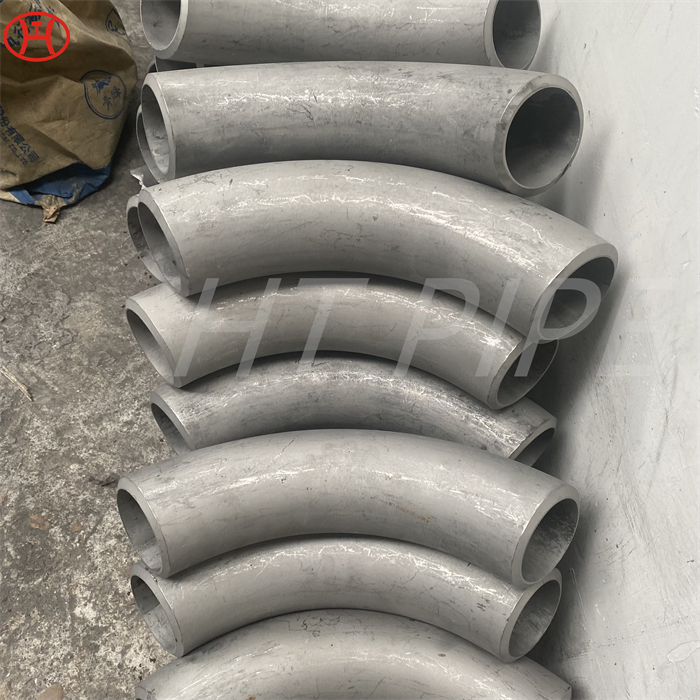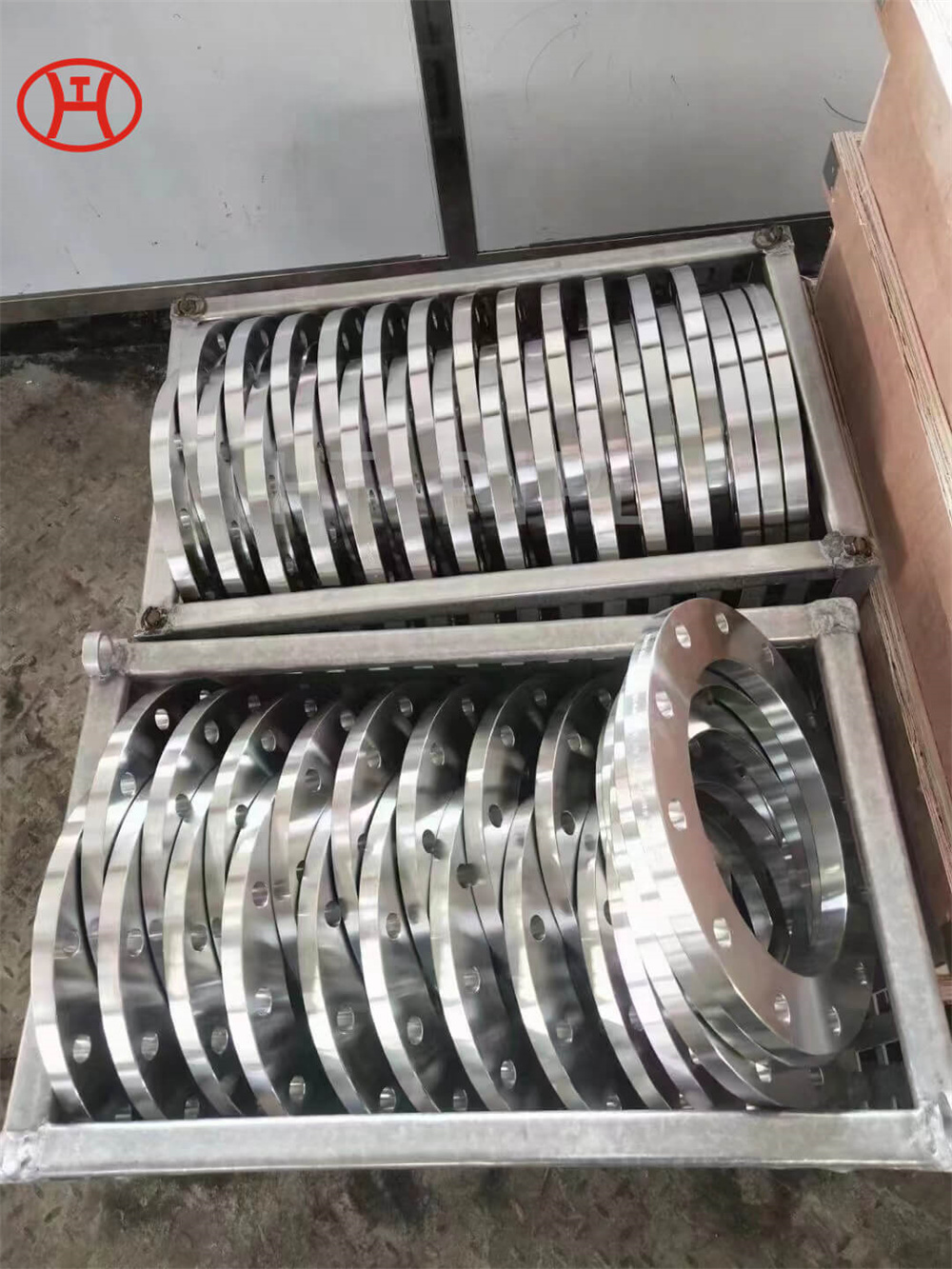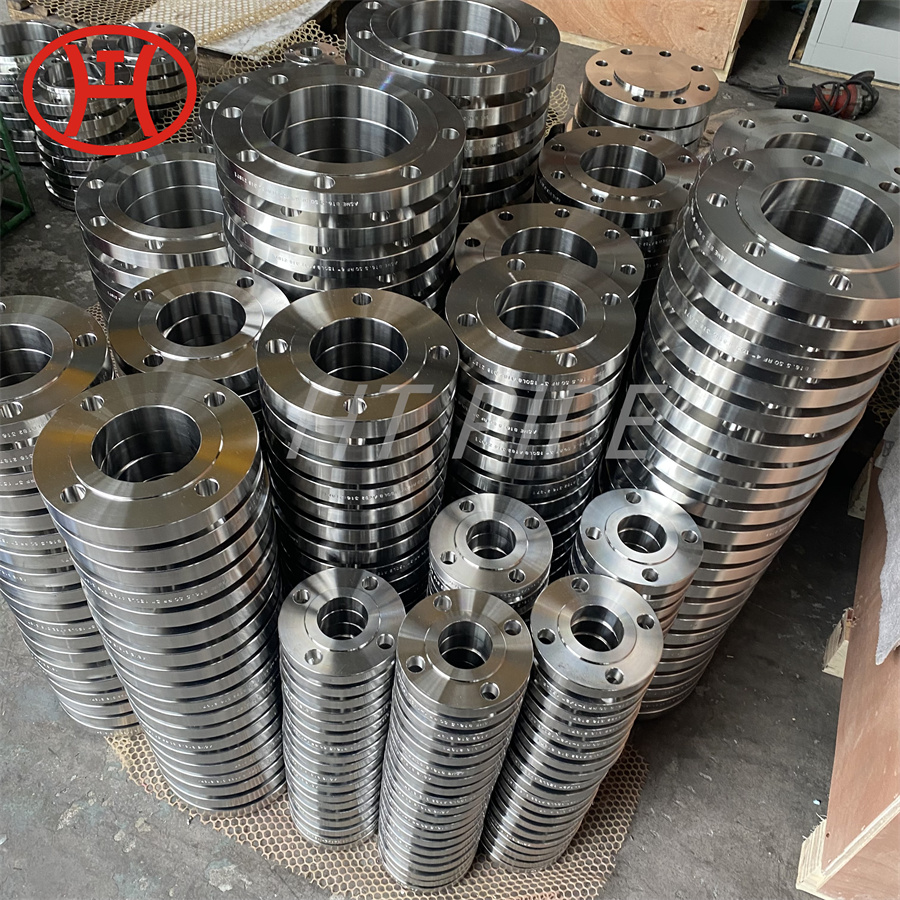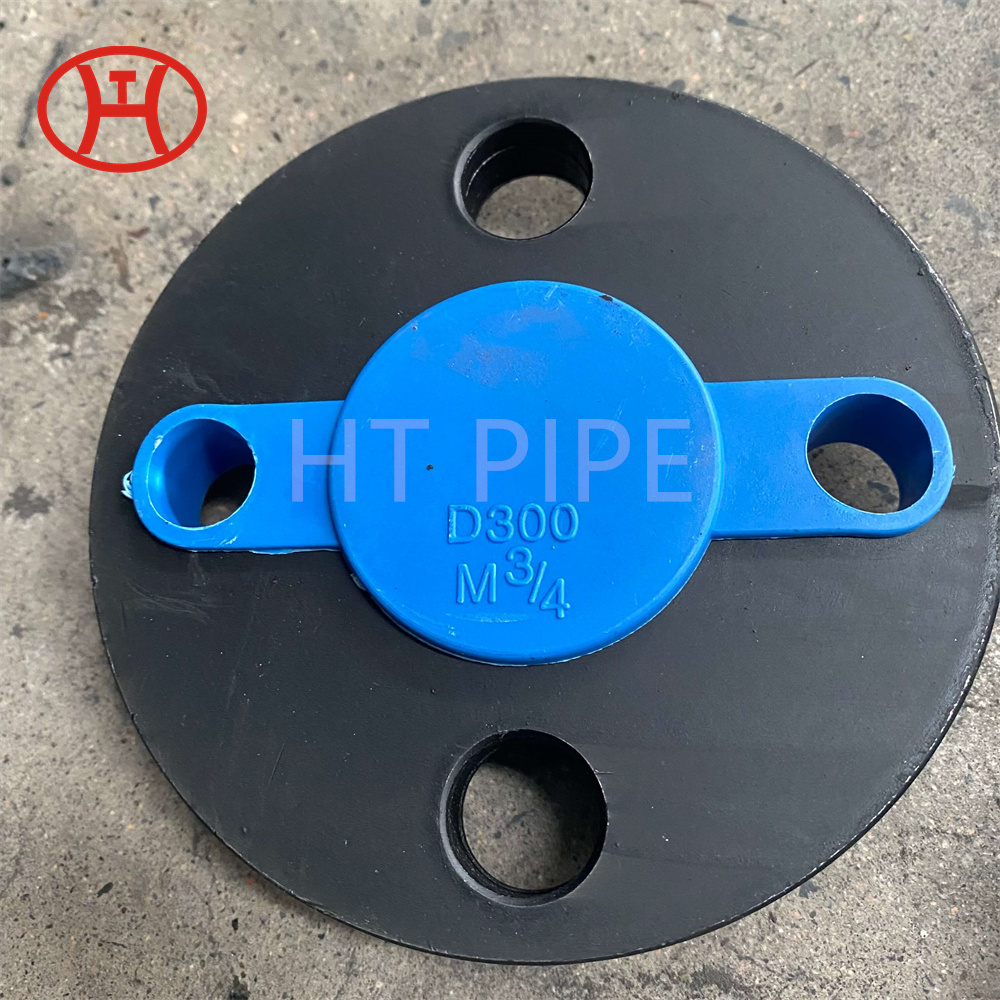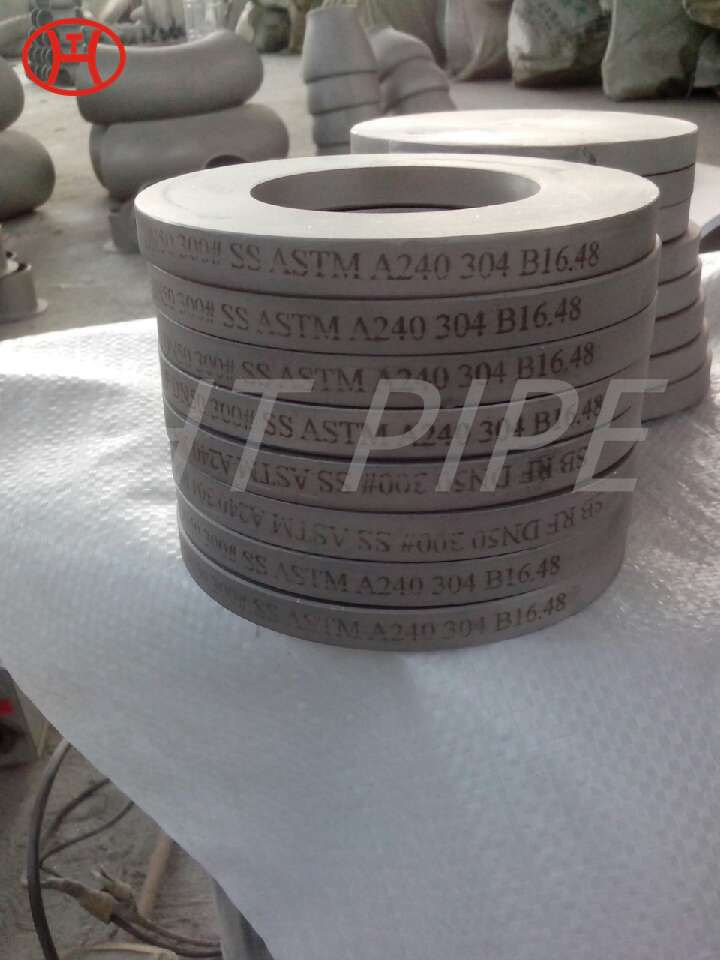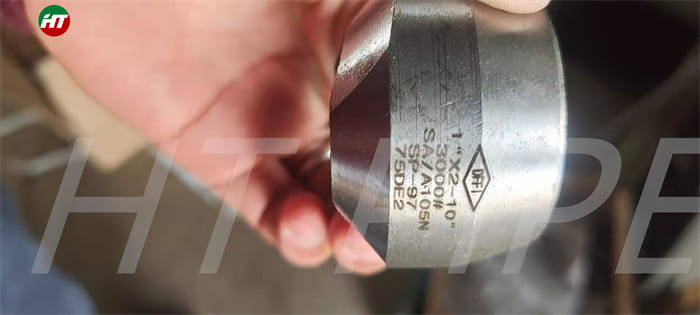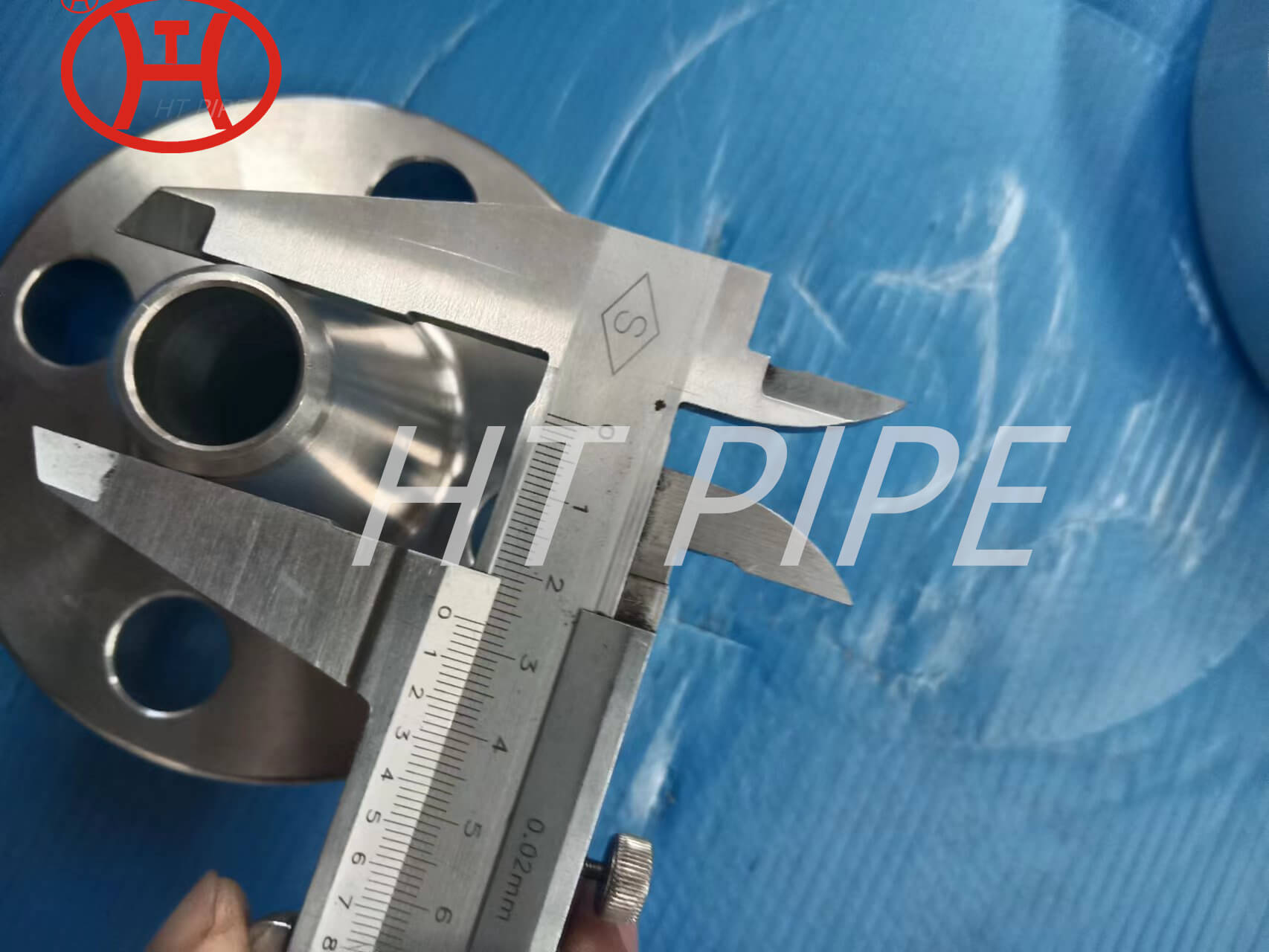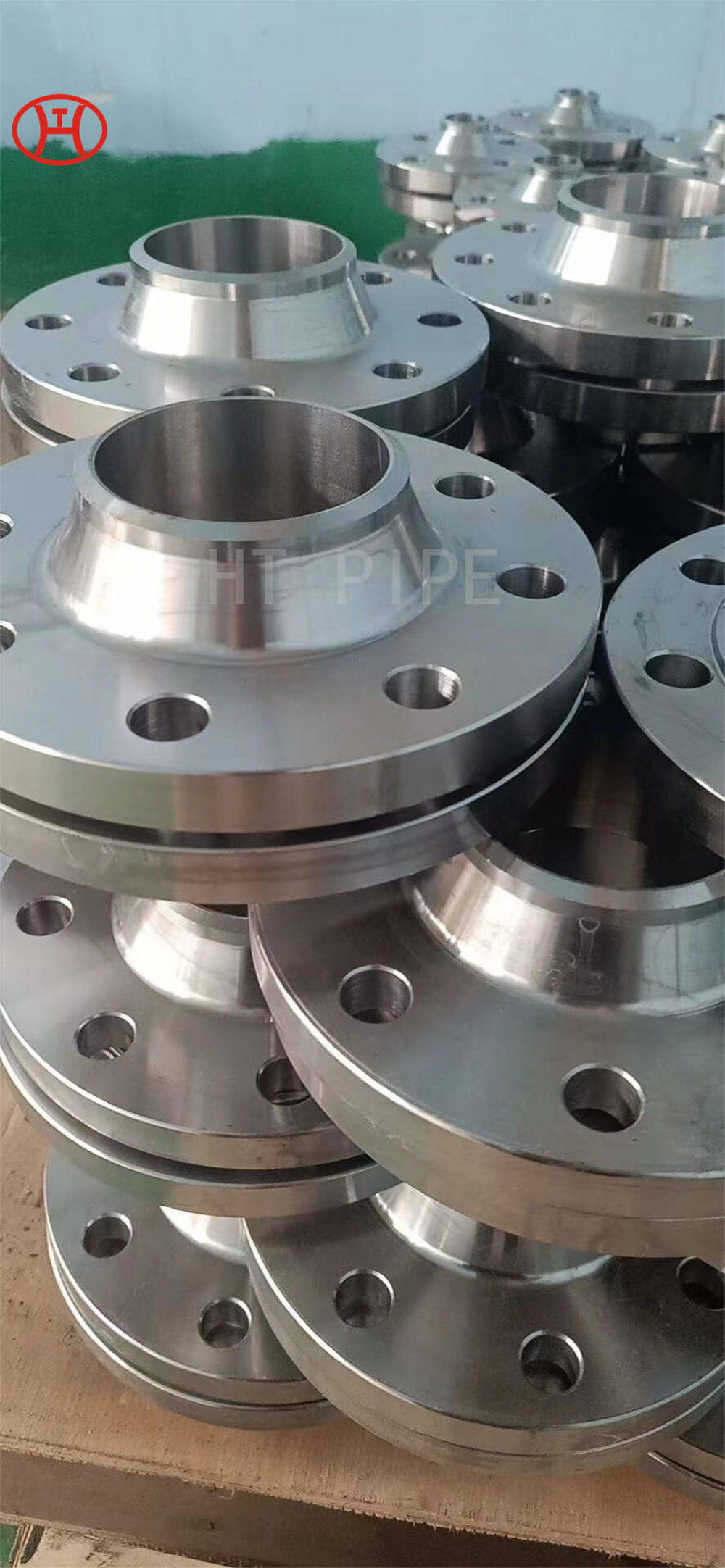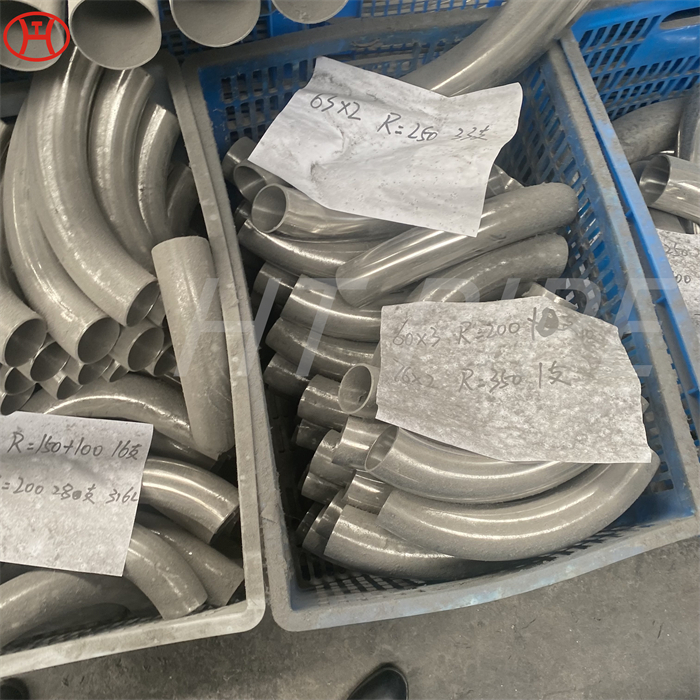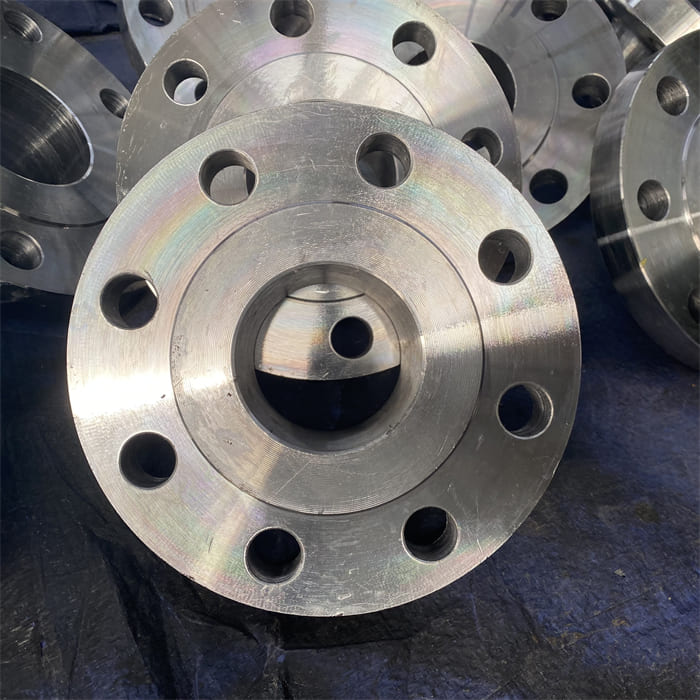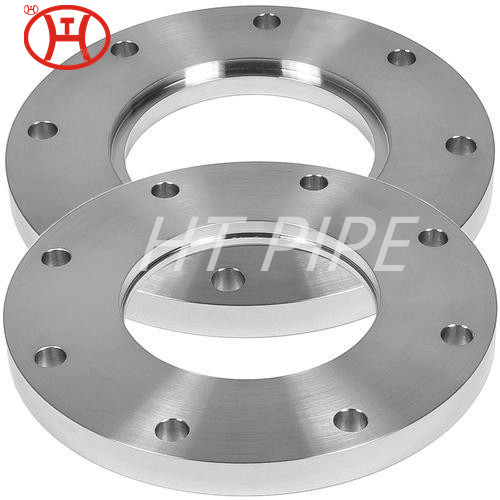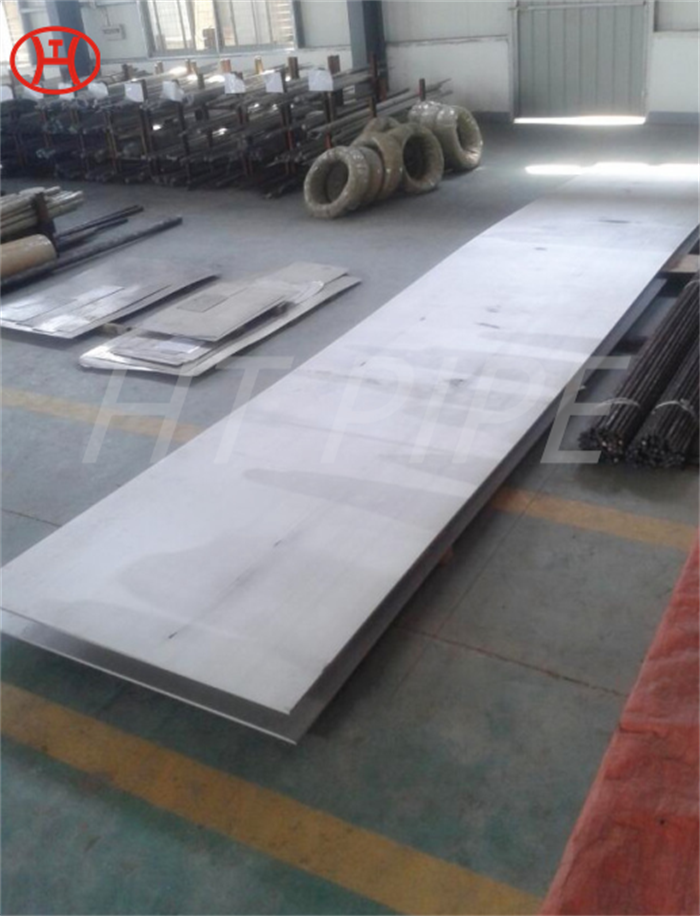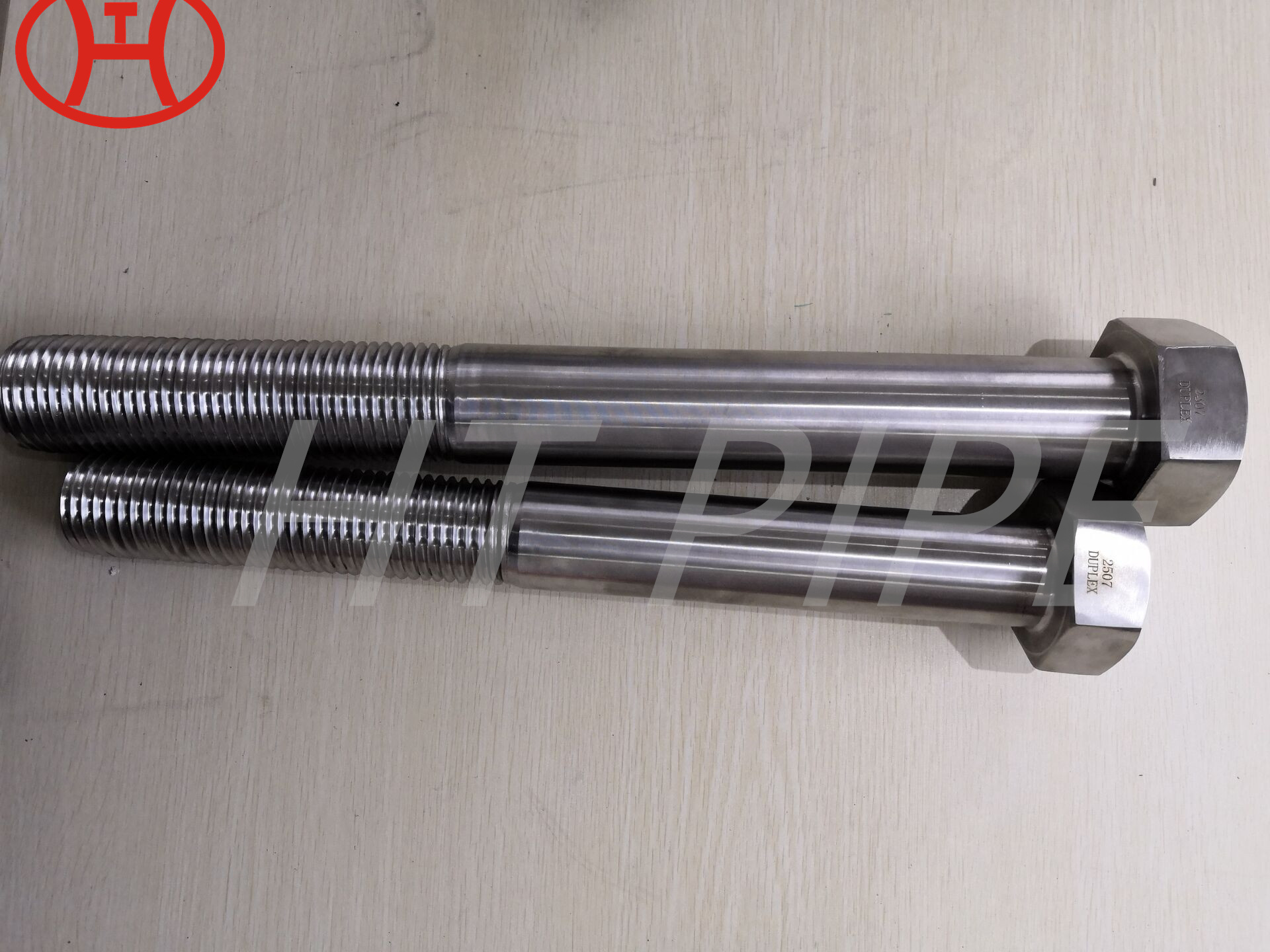
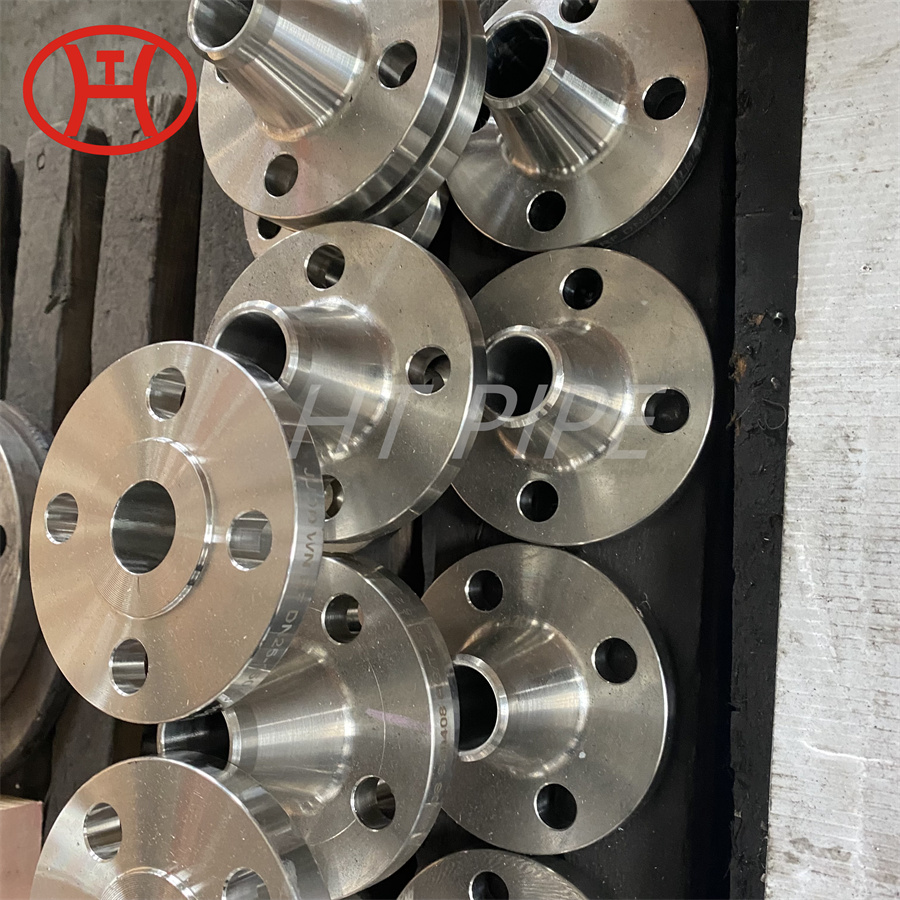
stainless steel flange SA182 flange F316L flange WN flange in stock 600lbs in stock
Steel flanges provide an easy access for cleaning, inspection or modification. They usually come in round shapes but they can also come in square and rectangular forms. The flanges are joined to each other by bolting and joined to the piping system by welding or threading and are designed to the specific pressure ratings; 150lb, 300lb, 400lb, 600lb, 900lb, 1500lb and 2500lb.
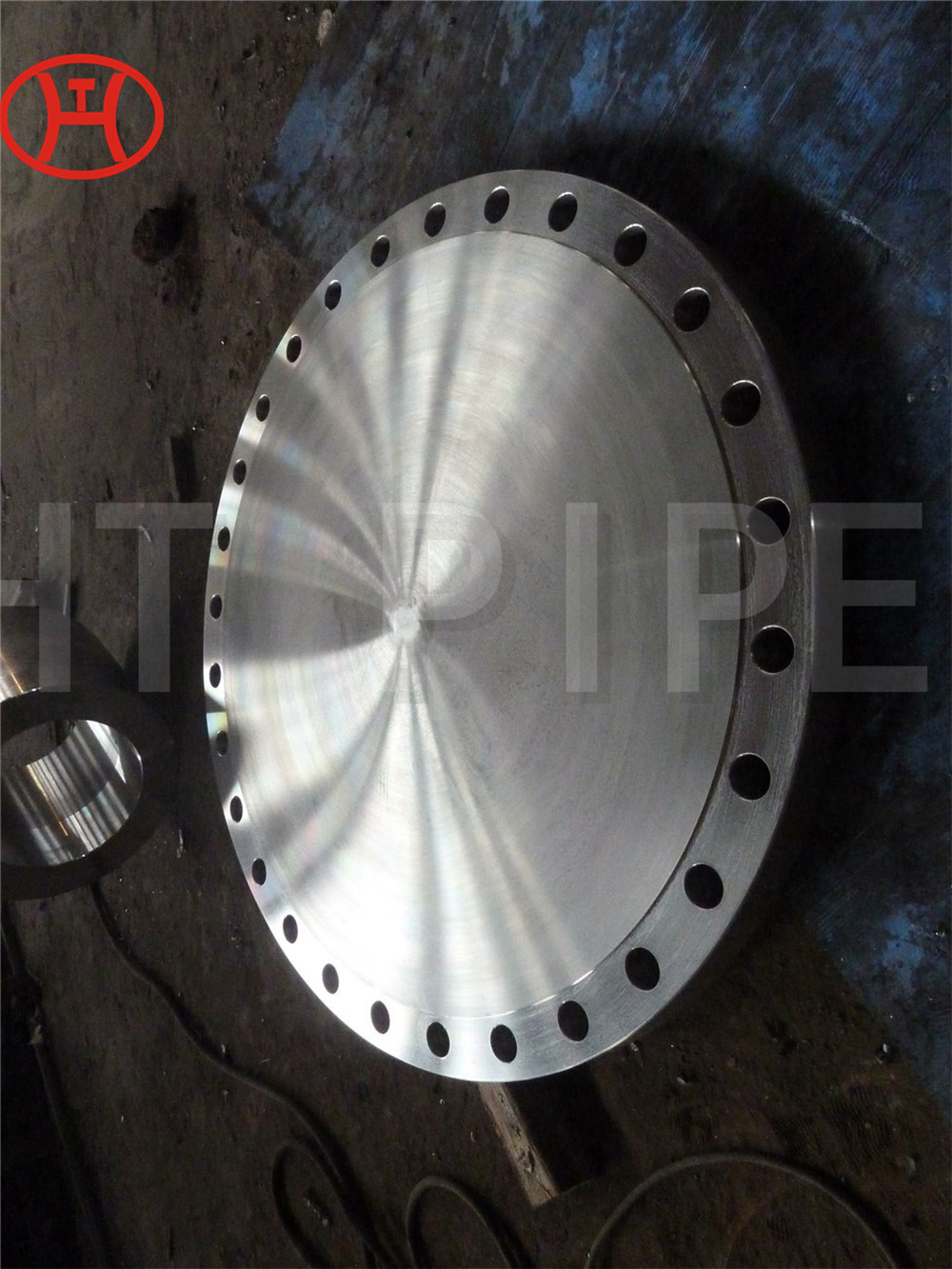
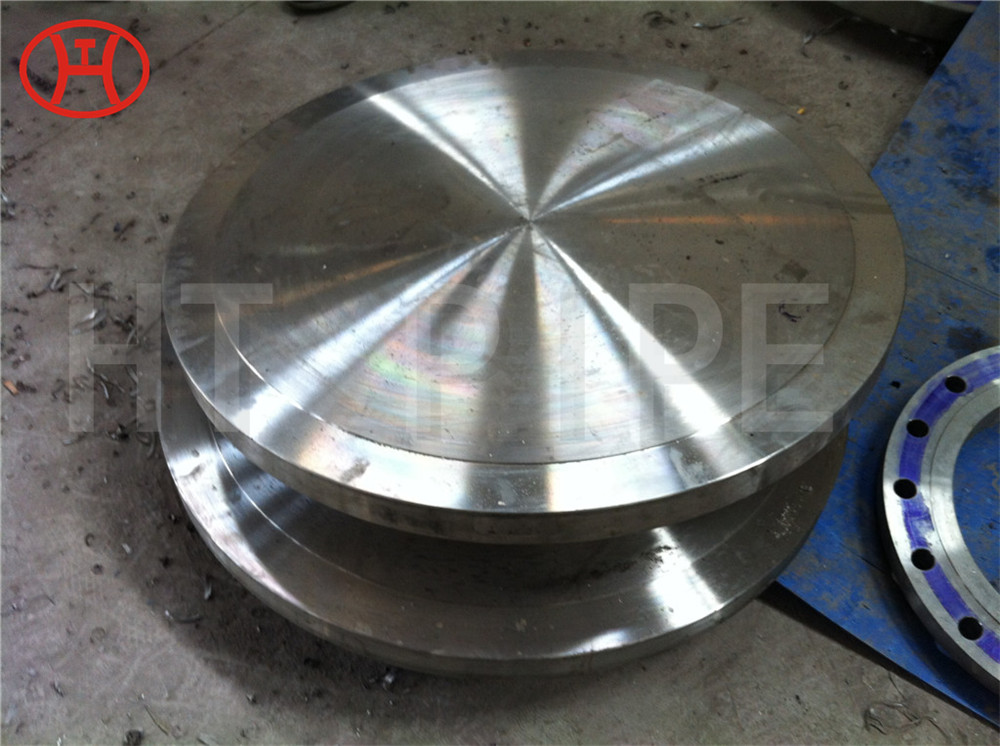
A flange can be a plate for covering or closing the end of a pipe. This is called a blind flange. Thus, flanges are considered to be internal components which are used to support mechanical parts.
? ASTM A182 F304/304L, 316/316L, 321, 347, 348 (stainless steel flanges), 904/904L
? ASTM A182 F51 (duplex flanges)/F53-F55 (superduplex flanges)
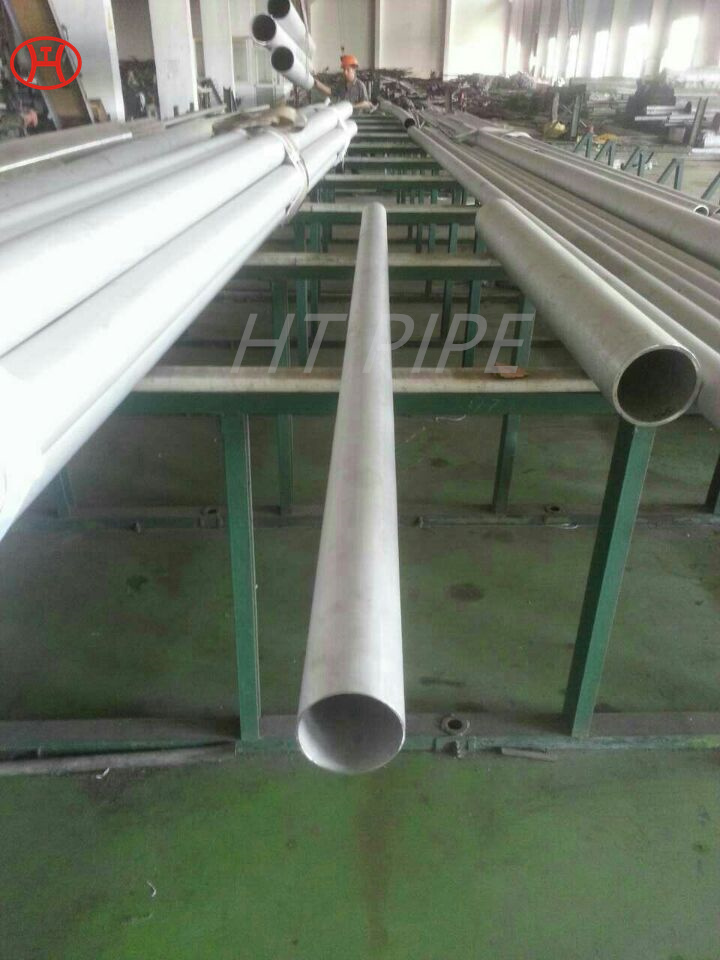
Stainless steel piping systems can be joined by butt welding and, in the heavier 40S and 80S schedules, with threaded connections.
304/304L ¨C DUAL GRADE
This is the most common grade of stainless steel. 18% Cr, 8% Ni, nonmagnetic. We provide dual grade material that has the weldability that low carbon content improves as well as the higher rating of straight 304. Do note that in high temperature applications (over 800degF), 304H would be recommended.
316/316/L ¨C DUAL GRADE
This is the most common grade of stainless steel after 304/L, though due to certain industry demands, 316/L may more readily available. 18% Cr, a minimum of 10% Ni, with Molybdenum added, 316 provides superior corrosion resistance compared to 304. We provide dual grade material that has the weldability that low carbon content improves as well as the higher rating of straight 316. Do note that in high temperature applications (over 800degF), 316H would be recommended.
304H ¨C UNS S30409
A high carbon variant of the most commonly used and extremely versatile stainless steel in the flange industry. 304H is an austenitic chromium stainless which contains a carbon content range of .04 ¨C .10 to help with heat resistance for high temperature applications. It also carries all the general attributes and service properties of regular grade 304 stainless steel.
316H ¨C UNS S31609
Similar in approach to 304H, grade 316H is a high carbon variant of regular grade 316 stainless steel, which contains a small percentage of molybdenum for use in marine grade applications. This austenitic grade of stainless utilizes a higher carbon content for use in higher temperature service, much like its cousin grade 304H. Though it is less commonly used, it is still commercially available.
317/L ¨C UNS S31700 / UNS S31703
310/310S ¨C UNS S31000 / UNS S31008
321/321H ¨C UNS S32100 / UNS S32109
347/347H ¨C UNS S34700 / UNS S34709
CHROME & DUPLEX