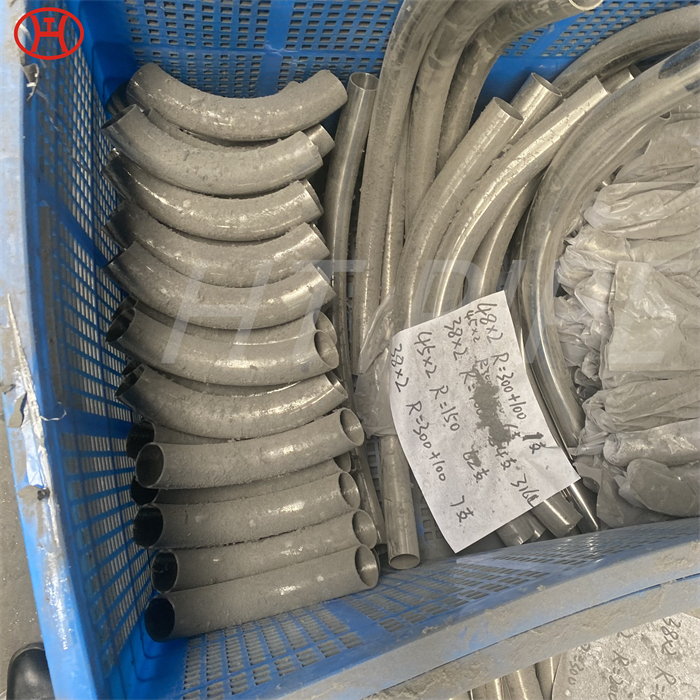
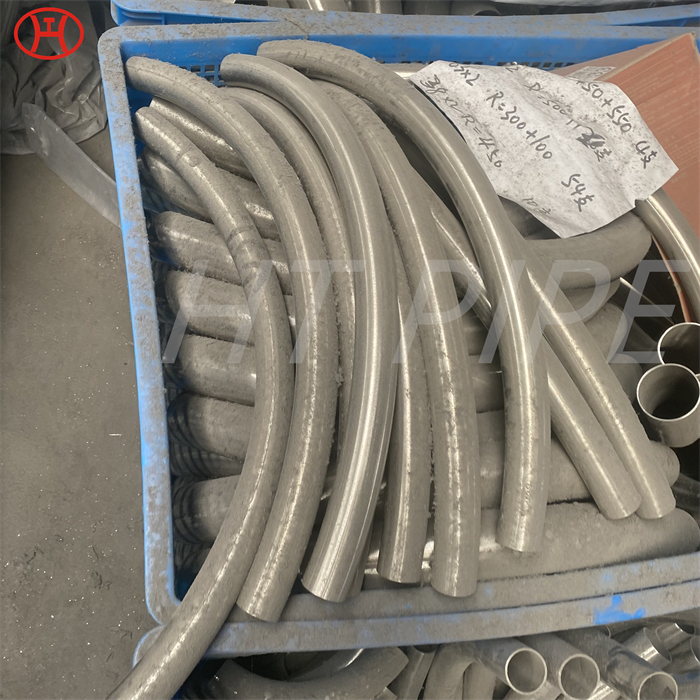
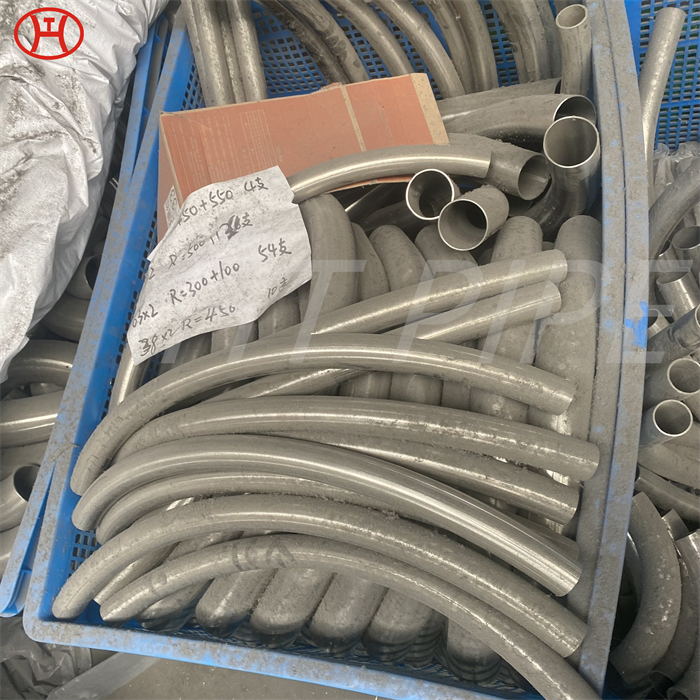
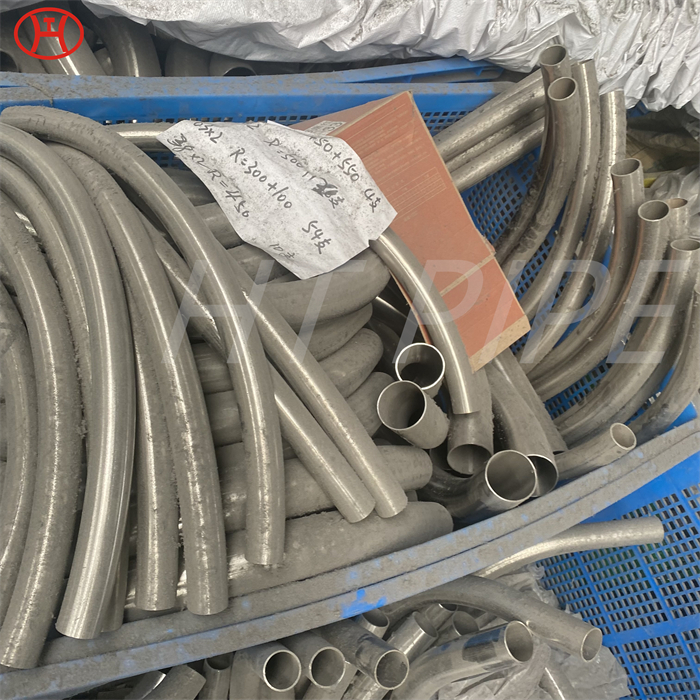
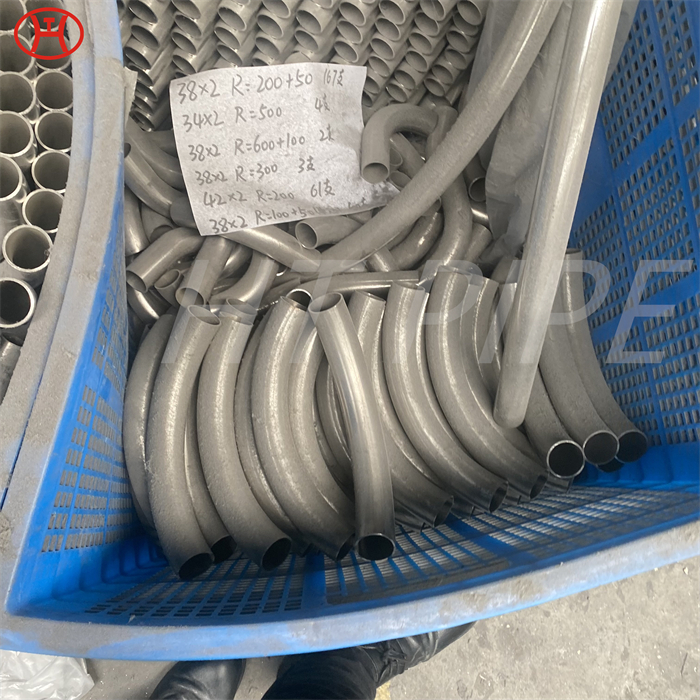
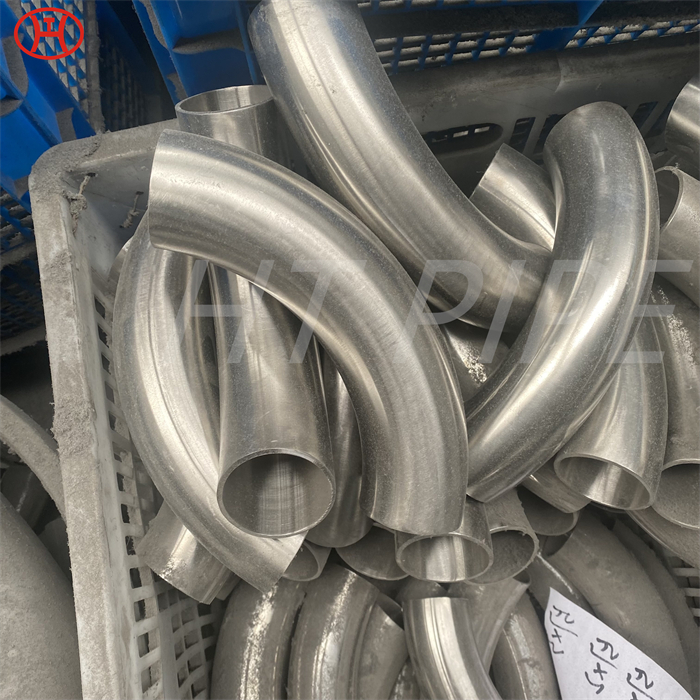
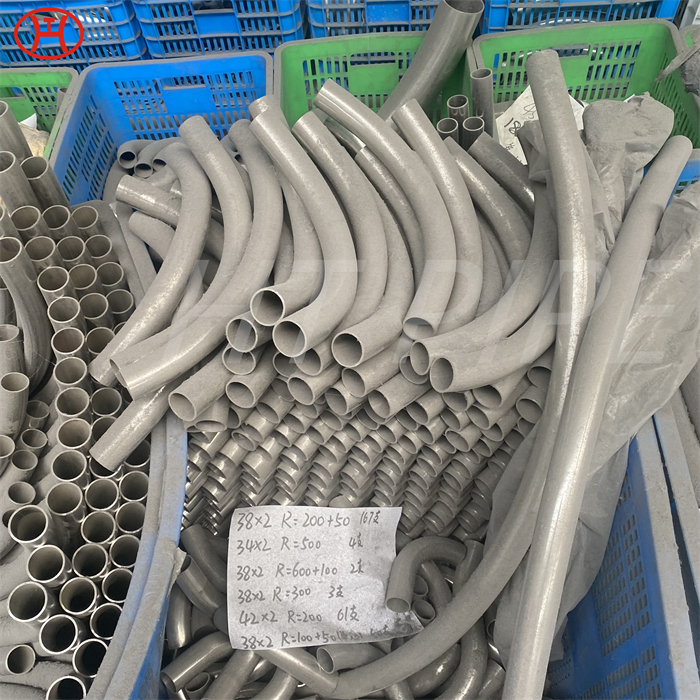
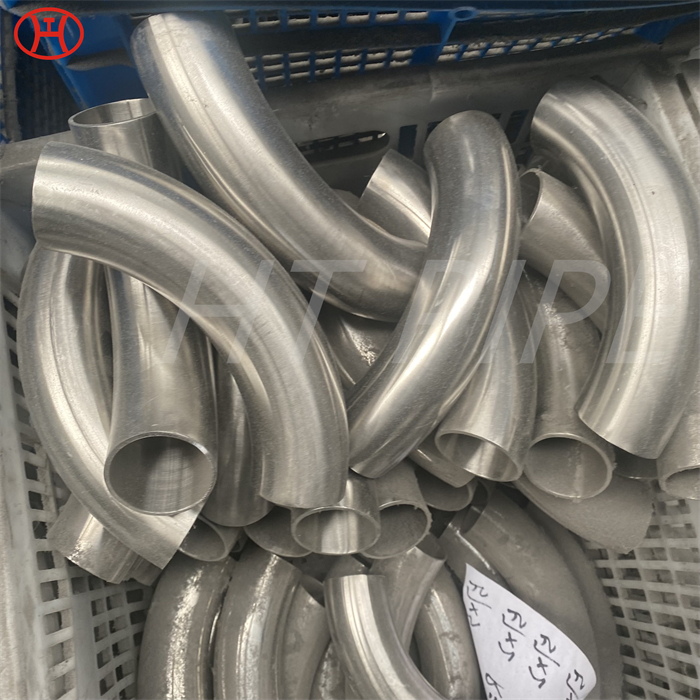
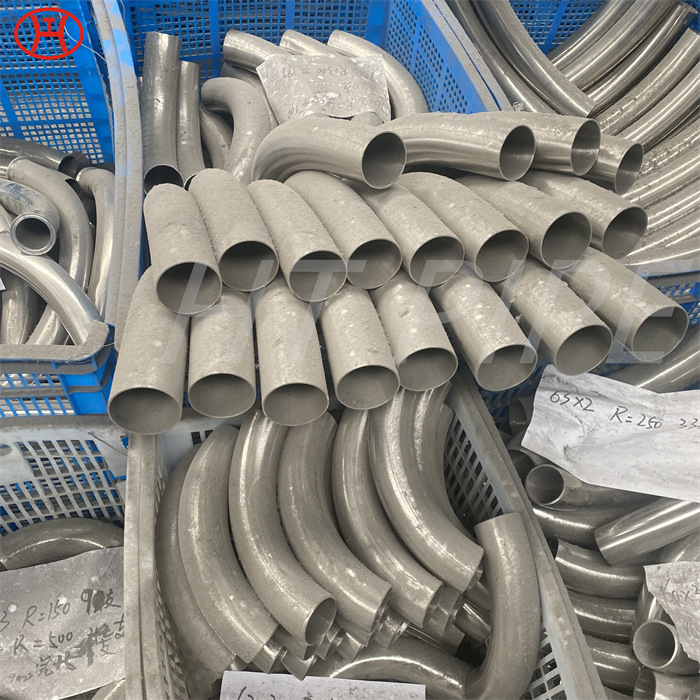
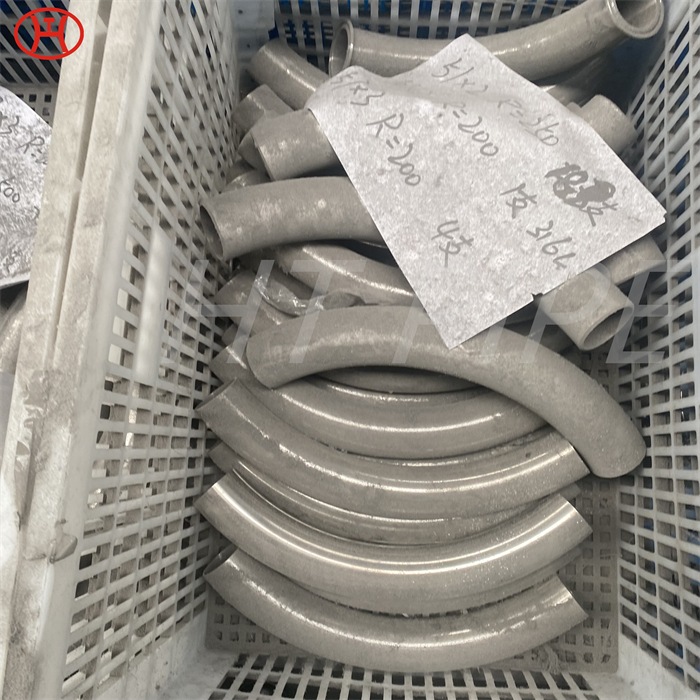
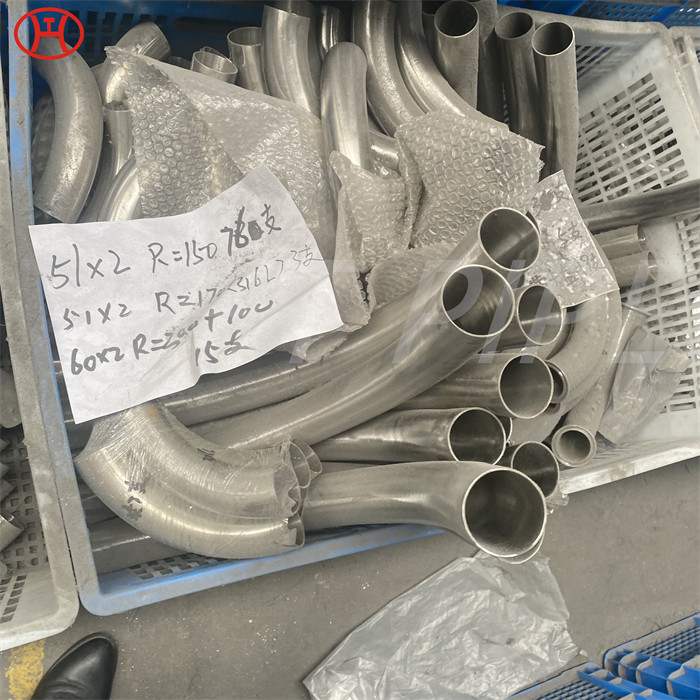
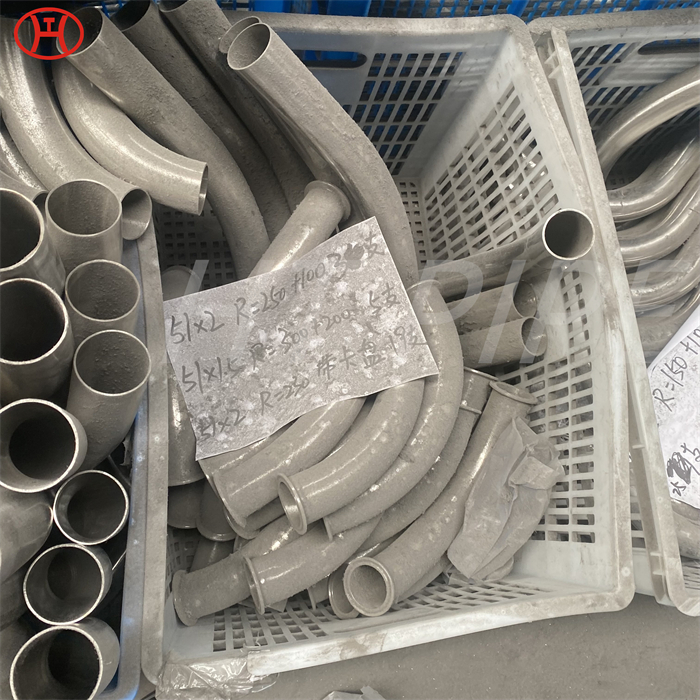
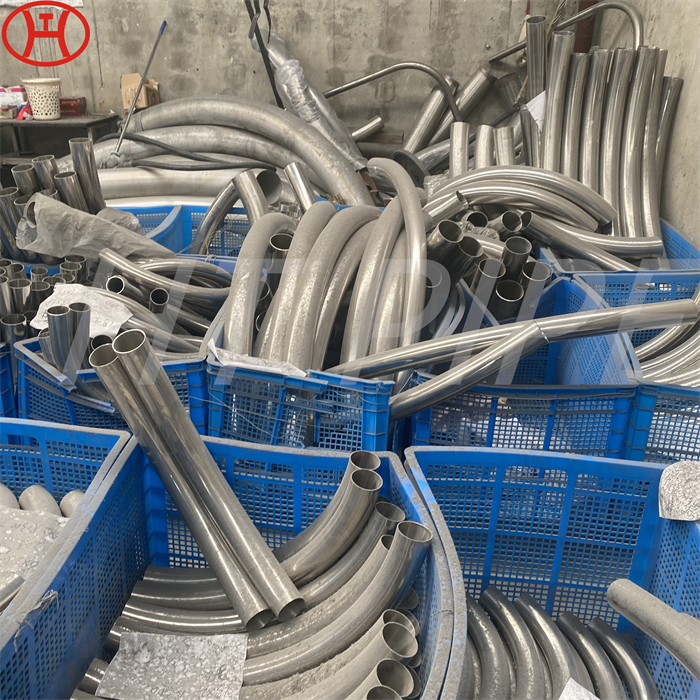
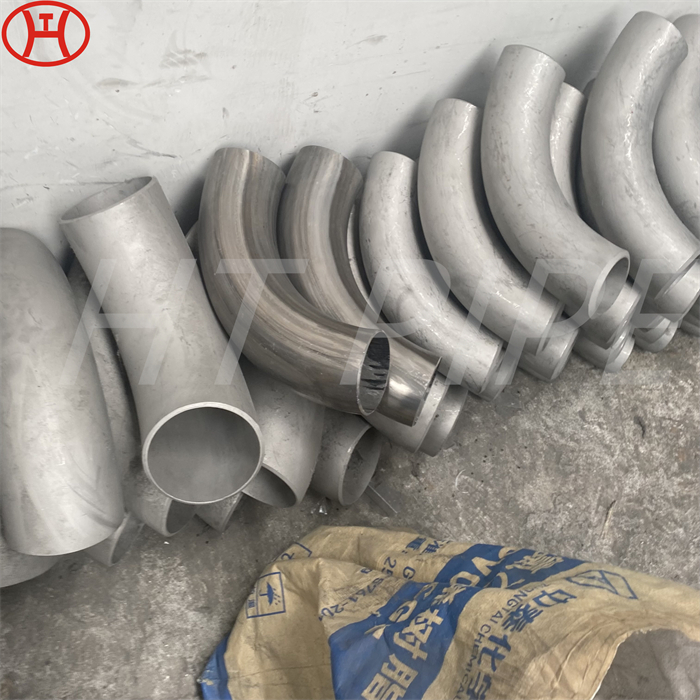
Alloy C22 is a nickel-chromium-molybdenum solid solution strengthened super-alloy with a nominal chemical composition of 56% nickel, 22% chromium, and 13% molybdenum, with additions of iron, tungsten, and cobalt.
It is commonly referred to by the tradename Hastelloy C22 and the universal designation UNS N06022. C22 has excellent corrosion and oxidation resistance, great mechanical properties over a wide range of temperatures, and good fabrication properties.
Alloy C22 is one of the most corrosion-resistant alloys available, even outperforming C276 and 625. It is resistant to almost all reducing and oxidizing environments, including strong oxidizers, seawater, and organic acids.
C22 has excellent resistance to chloride-induced localized corrosion, including pitting, crevice corrosion, and stress corrosion cracking.
This nickel steel alloy can be used in the as-welded condition because it resists the formation of grain-boundary carbide precipitates in the weld heat-affected zone.
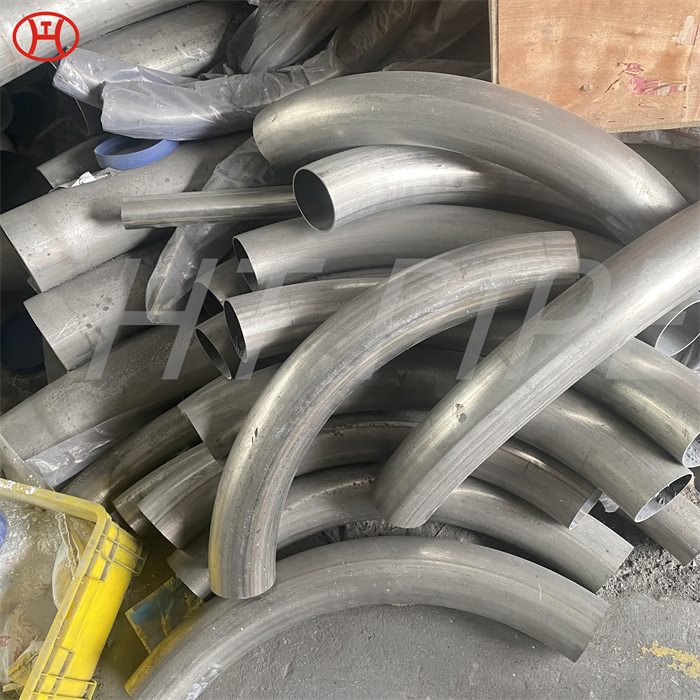
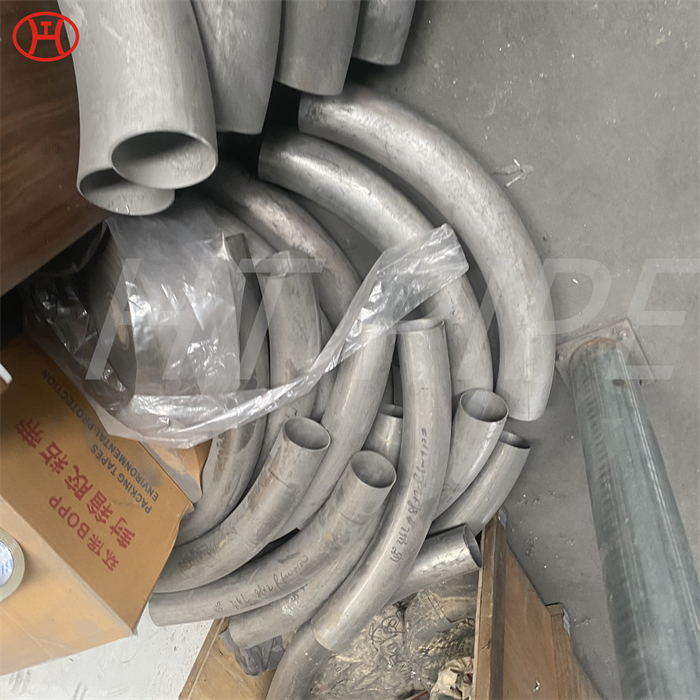
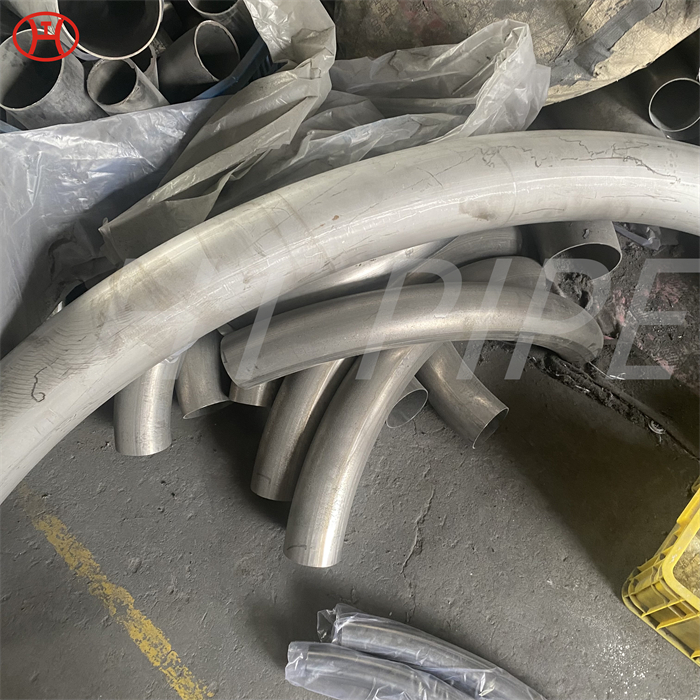
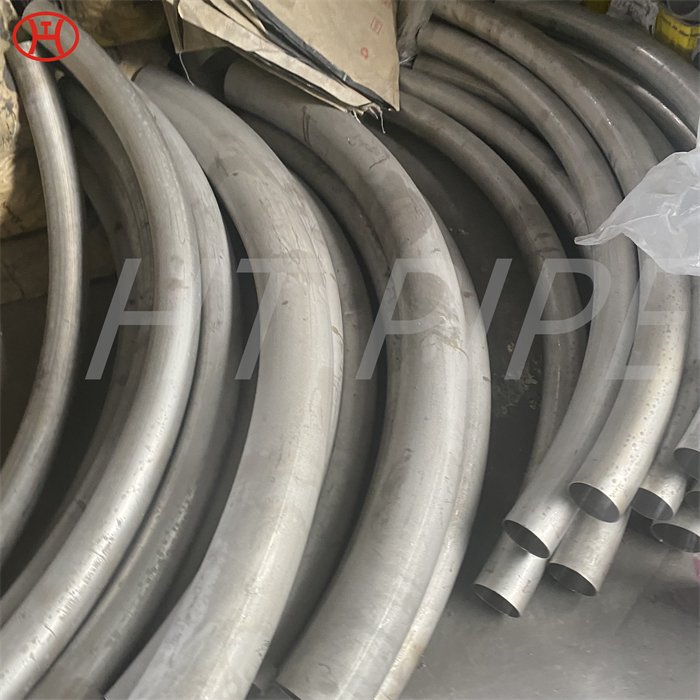
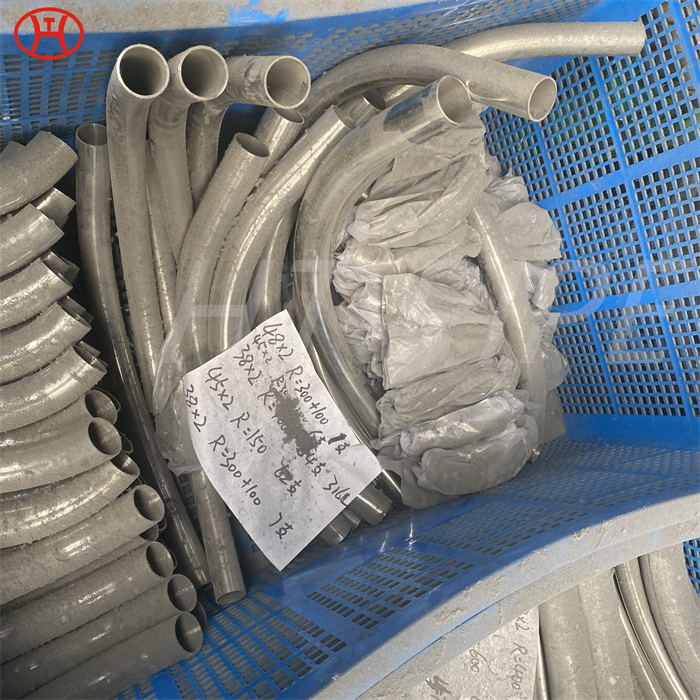
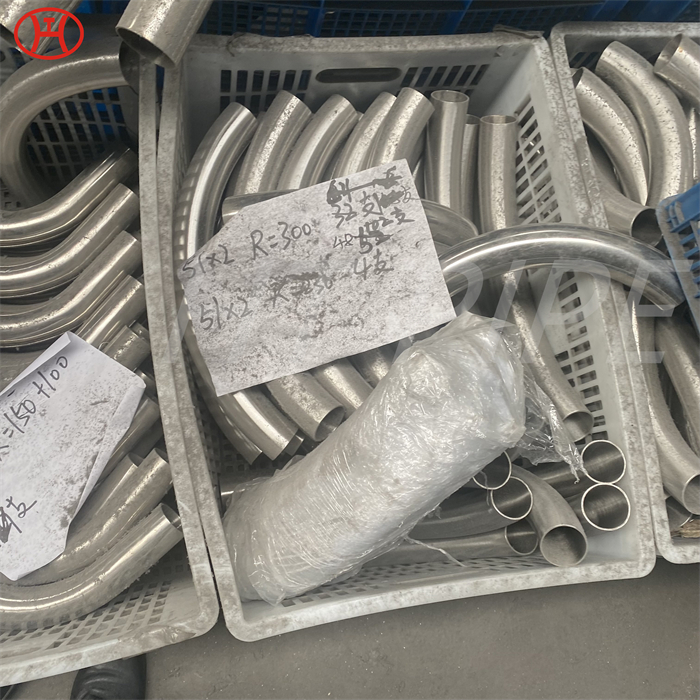
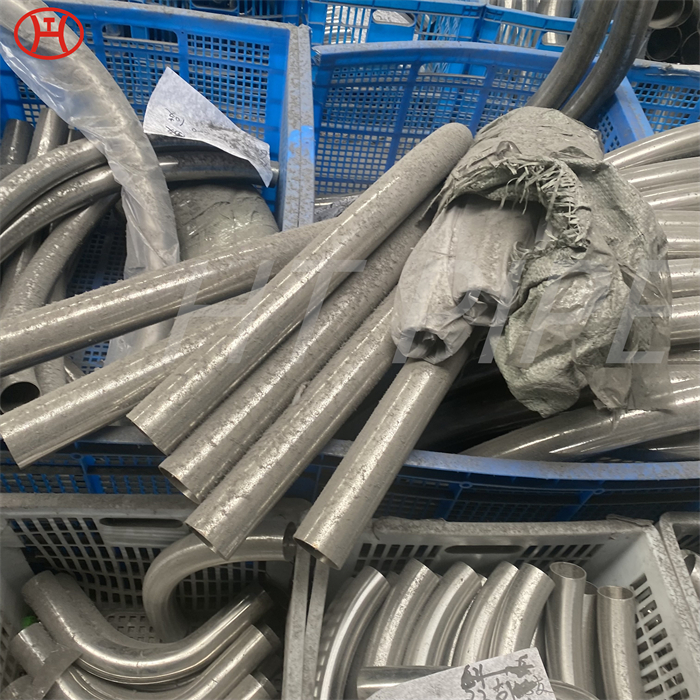
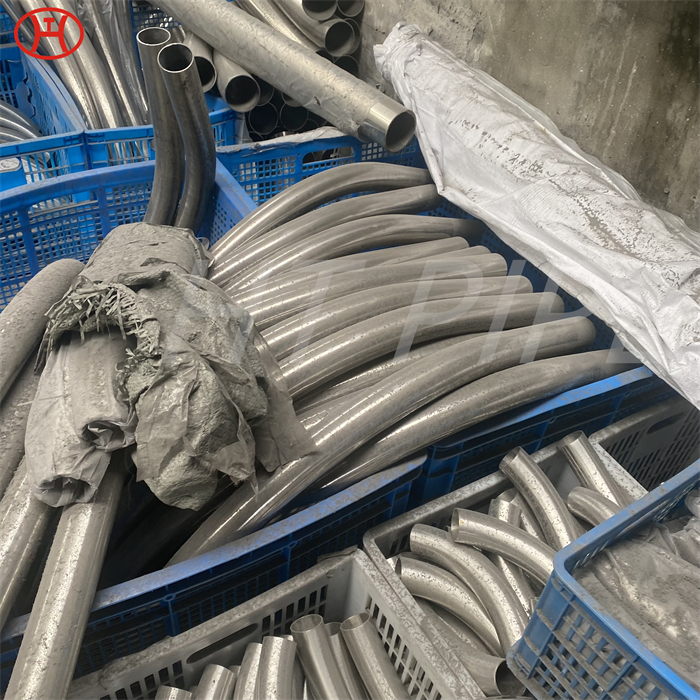
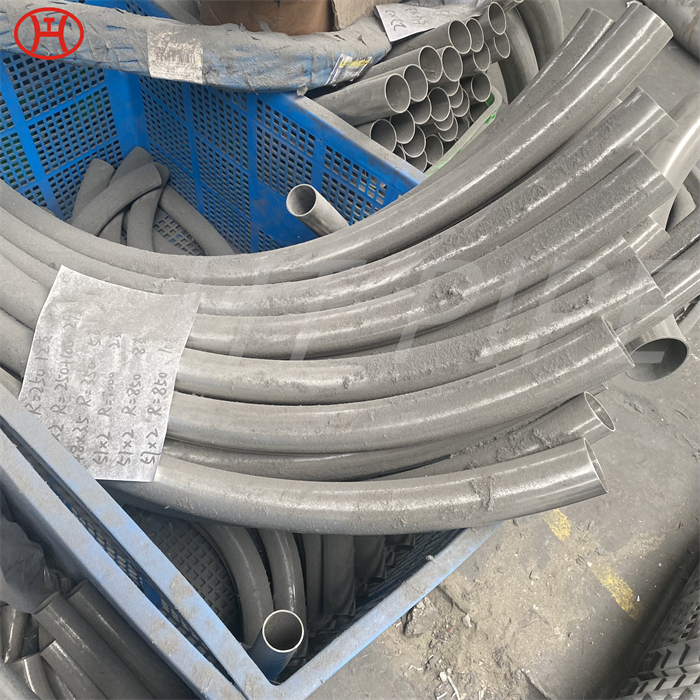
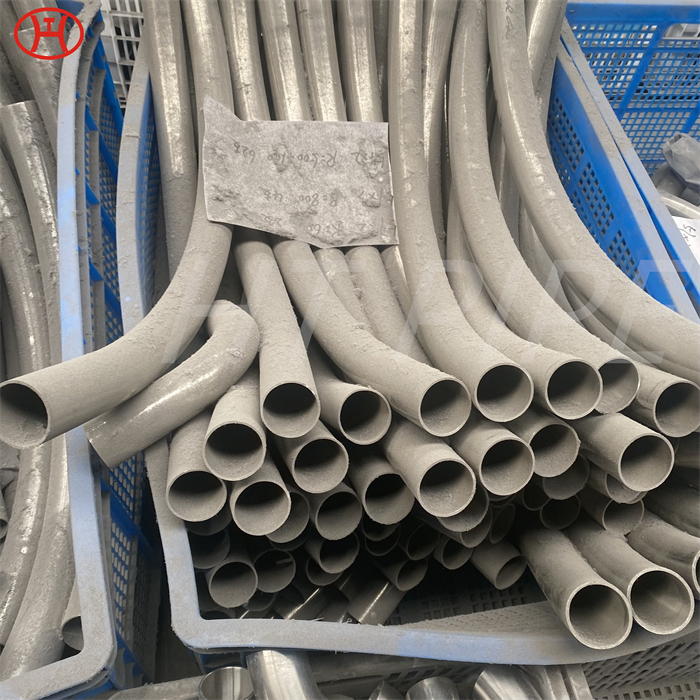
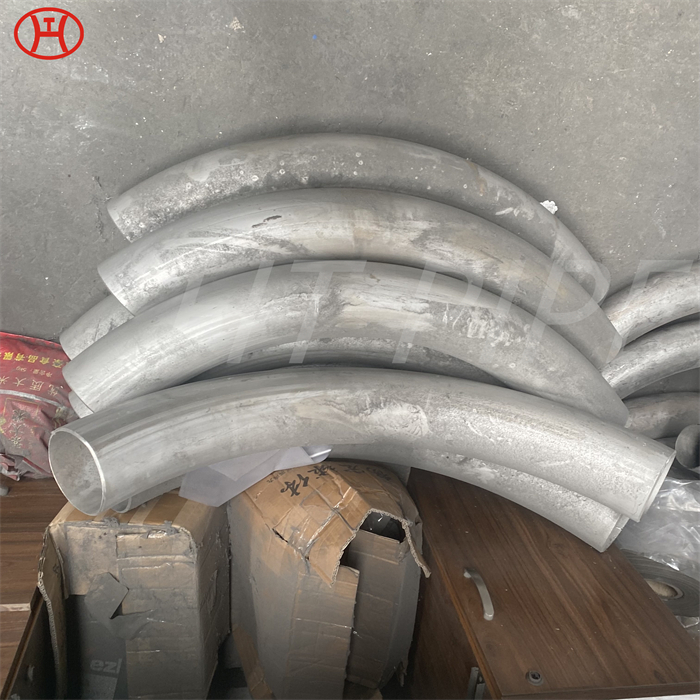
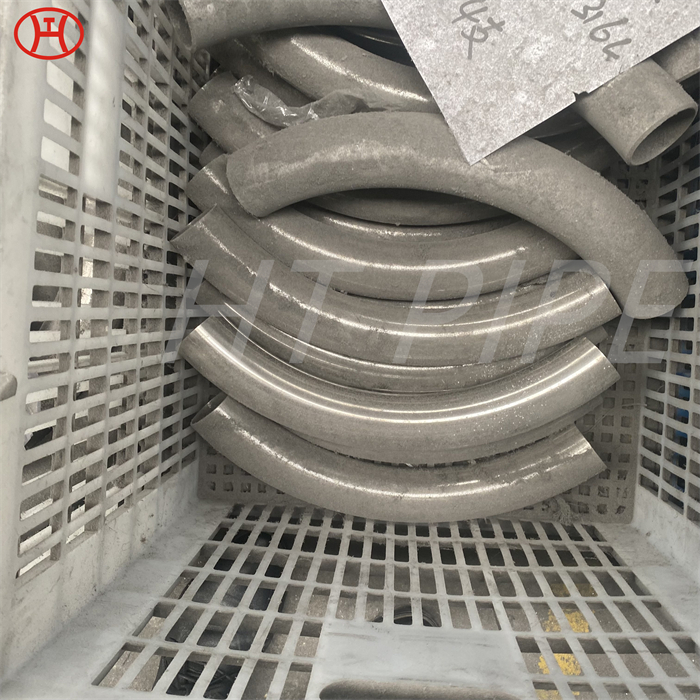
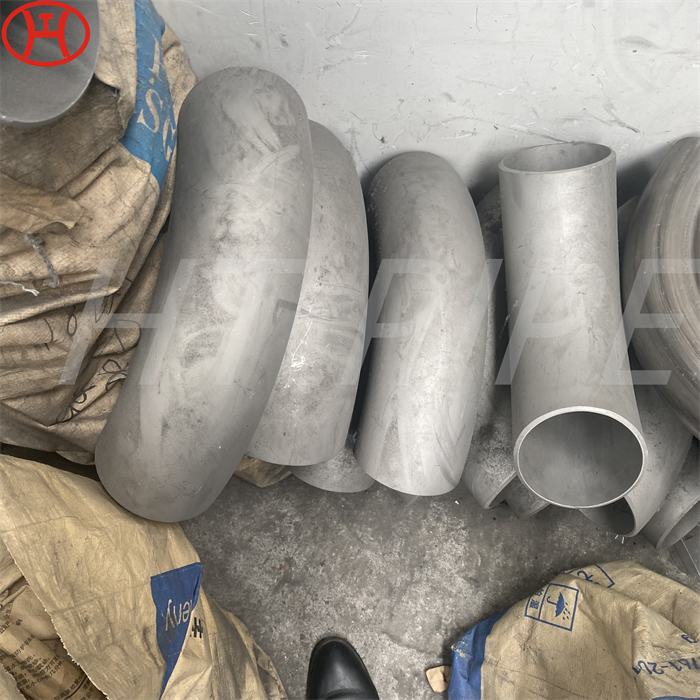
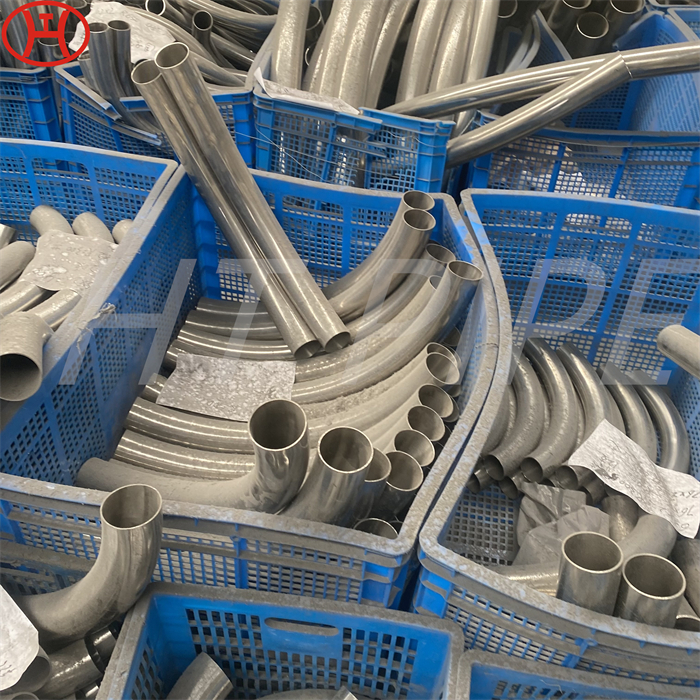
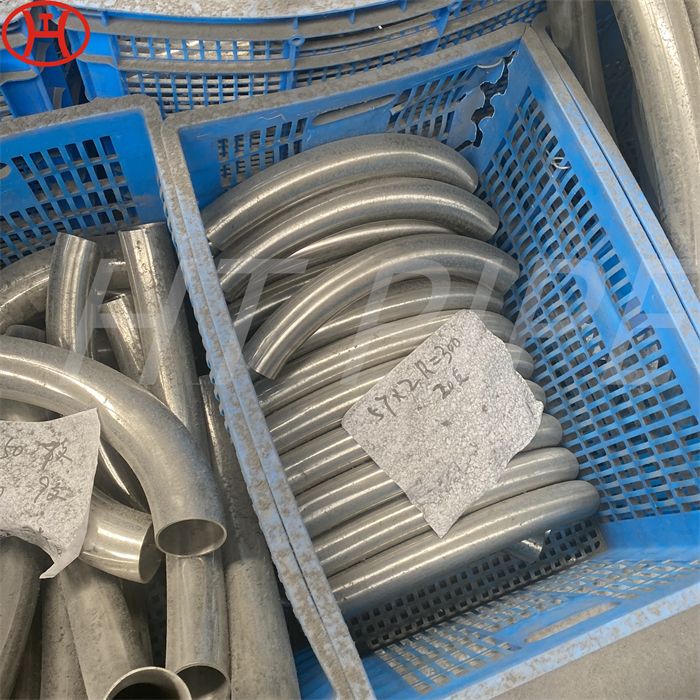
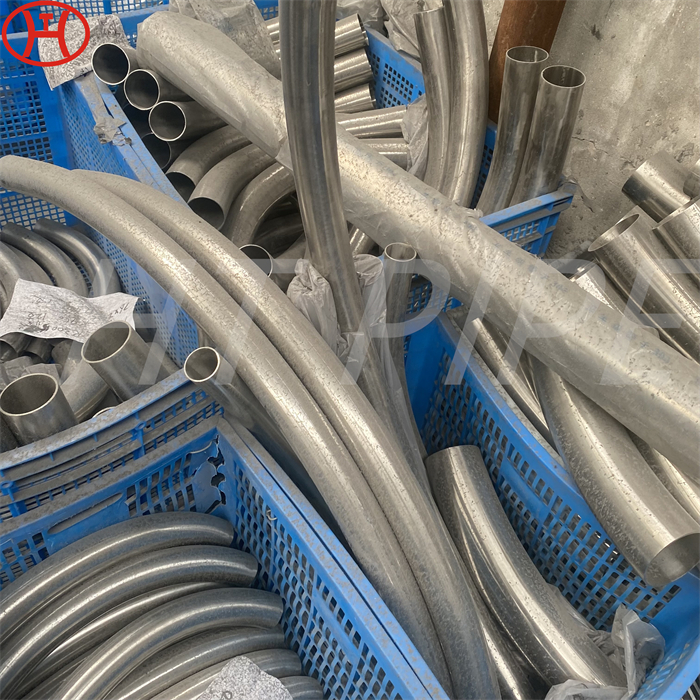
This nickel alloy provides excellent resistance to hydrochloric acid at all concentrations and temperatures. In additions, Hastelloy B2 pipe bend has excellent resistance to pitting, stress corrosion cracking and to knife-line and heat-affected zone attack.
Alloy B2 pipe bend provides resistance to pure sulfuric acid and a number of non-oxidizing acids.
These salts may develop when hydrochloric acid comes in contact with iron and copper. Therefore, if this alloy is used in conjunction with iron or copper piping in a system containing hydrochloric acid, the presence of these salts could cause the alloy to fail prematurely.
Industry users like the resistance to a wide range of organic acids and the resistance to chloride-induced stress-corrosion cracking.
Hastelloy B2 pipe bend resists the formation of grain boundary carbide precipitates in the weld heat-affected zone, making it suitable for most chemical process applications in the as-welded condition.
The heat-affected weld zones have reduced precipitation of carbides and other phases to ensure uniform corrosion resistance.
Alloy B2 also has excellent resistance to pitting and stress corrosion cracking.
Superior resistance to hydrochloric acid, aluminum chloride catalysts and other strongly reducing chemicals. Excellent high-temperature strength in inert and vacuum atmospheres.
Hastelloy B2 pipe bend is a nickel-molybdenum alloy particularly suited for equipment handling reducing chemical environments.
Applications in the chemical process industry involving sulfuric, phosphoric, hydrochloric and acetic acid.
Super alloys are also known as high performance alloys. They contain many elements in a variety of combinations designed to provide unique material properties for specific applications.
Hastelloy B2 is a nickel-molybdenum alloy with significant resistance to reducing environments, such as hydrogen chloride gas and sulfuric, acetic and phosphoric acids.
These alloys can function at very high temperatures and in severe mechanical stress environments, and also where high surface stability is required. They have high creep and oxidation resistance.
Hastelloy B2 pipe bend provides resistance to pure sulfuric acid and a number of non-oxidizing acids. The alloy should not be used in oxidizing media or where oxidizing contaminants are available in reducing media.
Strengthening of super alloy Hastelloy B2 pipe bend is performed by solid-solution hardening, work hardening, and precipitation hardening methods.
Hastelloy B2 pipe bend is a solid solution strengthened, nickel-molybdenum alloy, with significant resistance to reducing environments like hydrogen chloride gas, and sulfuric, acetic and phosphoric acids.
HASTELLOY(r) B-2 is a wrought nickel-molybdenum alloy that can be used in the ¡®as welded¡¯ condition.
The Molybdenum of Hastelloy B2 pipe bend is the primary alloying element which provides significant corrosion resistance to reducing environments.
Hastelloy B2 pipe bend has excellent resistance to all temperatures and concentrations of hydrochloric acid.
Monel nickel-copper alloy K-500 pipe bend and elbow combine the excellent corrosion resistance characteristic of Monel alloy 400 with the added advantages of greater strength and hardness.
The increased properties are obtained by adding aluminum and titanimum to the nickel-copper base, and by heating under controlled conditions so that submicroscopic particles of Ni3 (Ti, Al) are precipitated thoughout the matrix.
Typical applications for alloy K-500 pipe bend and elbow are pump shafts and impellers; doctor blades and scrapers; oil-well drill collars and instruments; electronic components; springs; and valve trim.
The corrosion resistance of Monel alloy K-500 is subtantially equivalent to that of alloy 400 except that, when in the age-hardened condition, alloy K-500 has a greater tendency toward stress-corrosion cracking in some environments.
Monel alloy K-500 pipe bend and elbow have been found to be resistant to a sour-gas environment. After 6 days of continuous immersion in saturated (3500ppm) hydrogen sulfide solutions at acidic and basic pH’s (ranging from 1.0 to 11.0), U-bend specimens of age-hardened sheet show no cracking.
The combination of very low corrosion rates in high-velocity sea water and high strength make alloy K-500 pipe bend and elbow particularly suitable for shafts of centrifugal pumps in marine service.