All of the common methods of welding can be used to weld Hastelloy C-276 alloy, although the oxyacetylene process is not recommended. Special precautions should be taken to avoid excessive heat input.
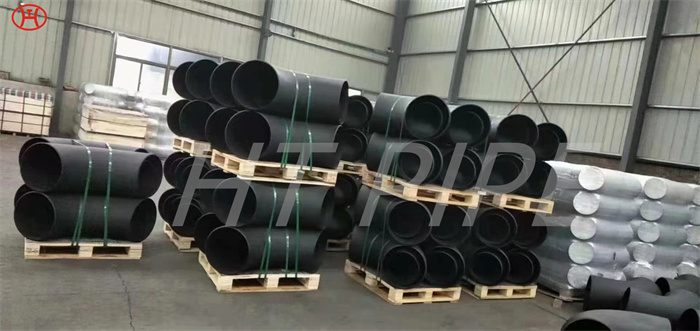
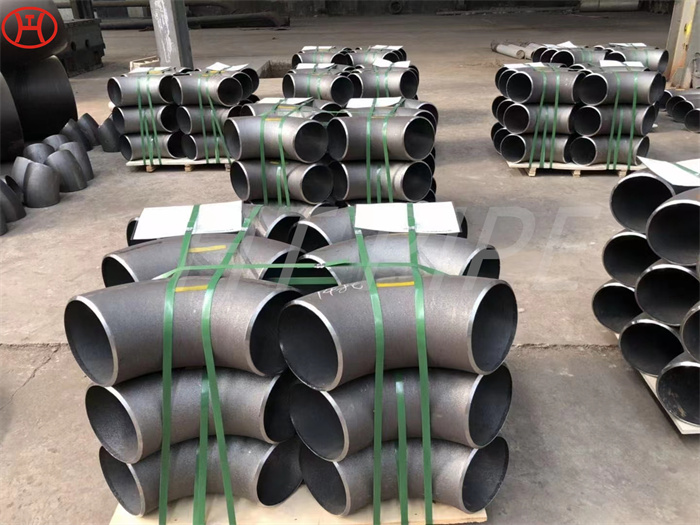
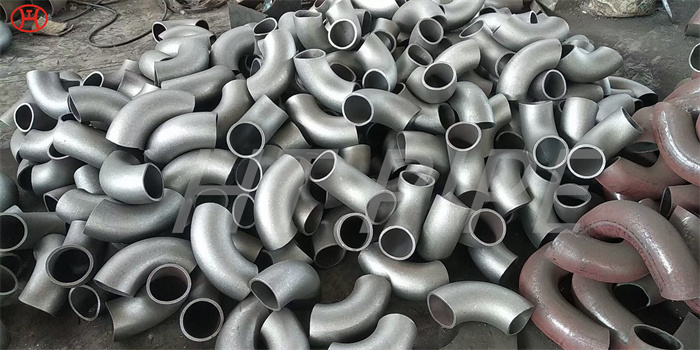
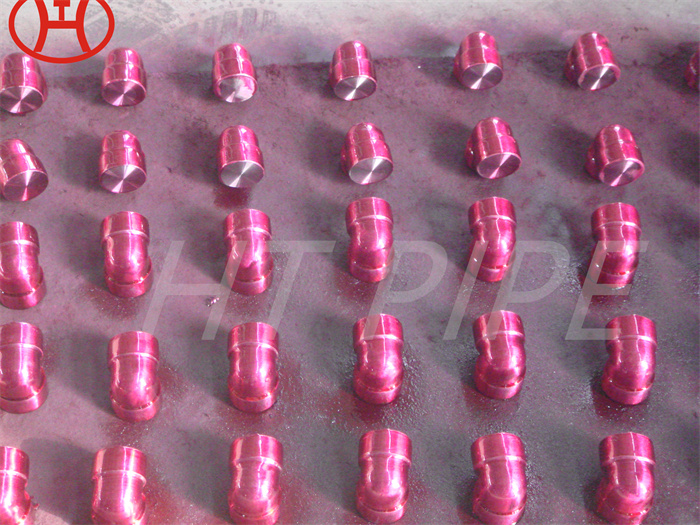
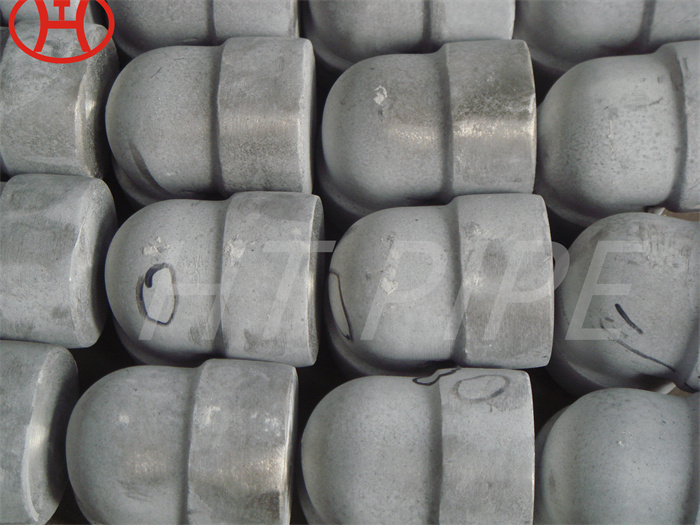
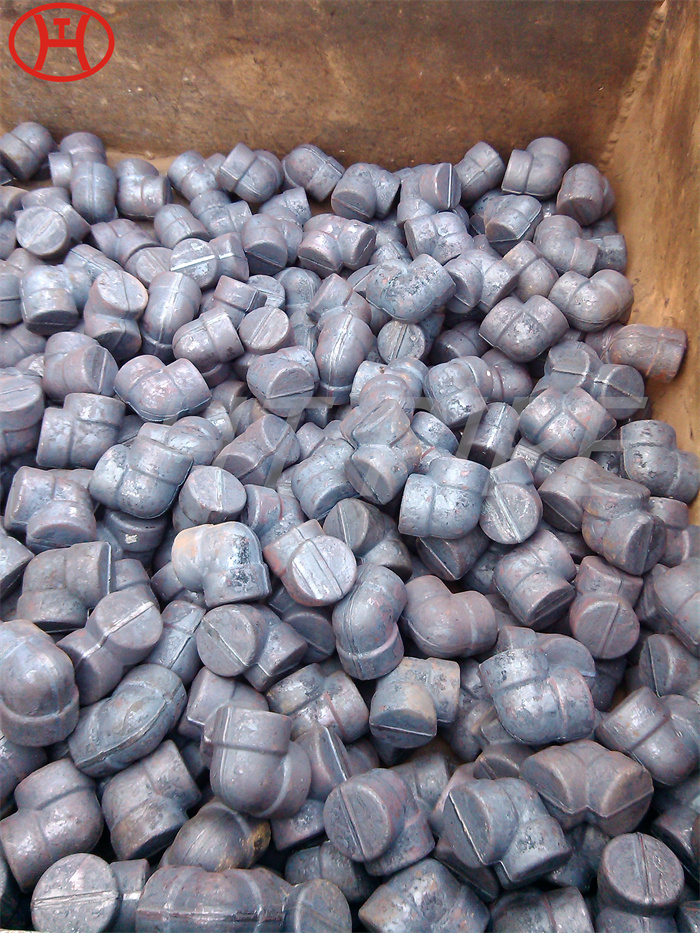
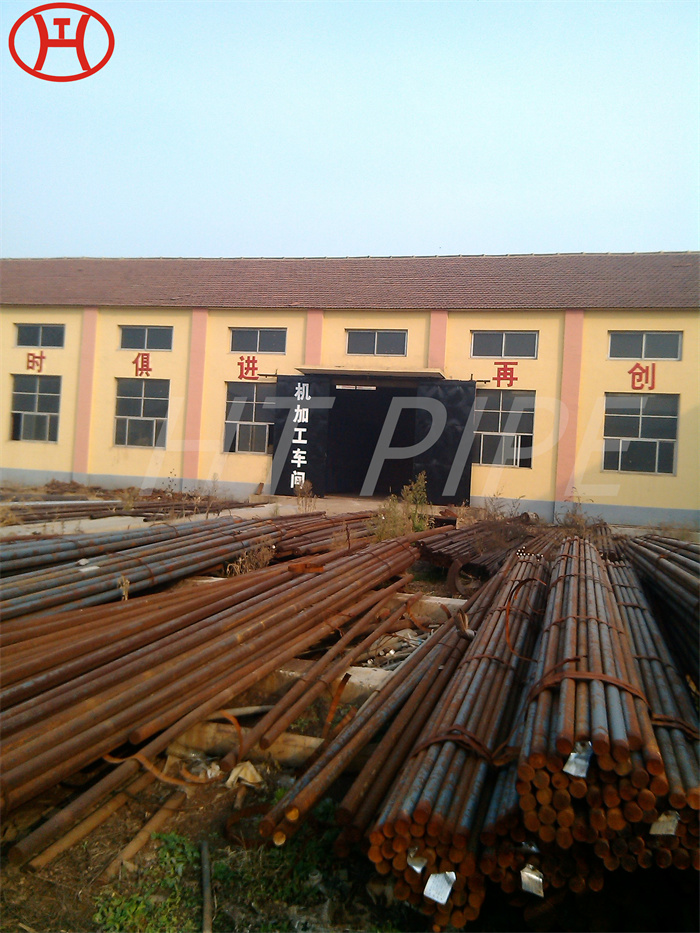
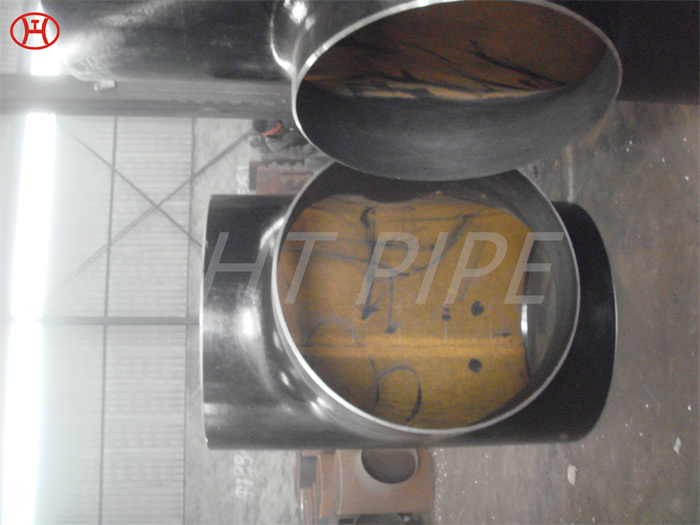
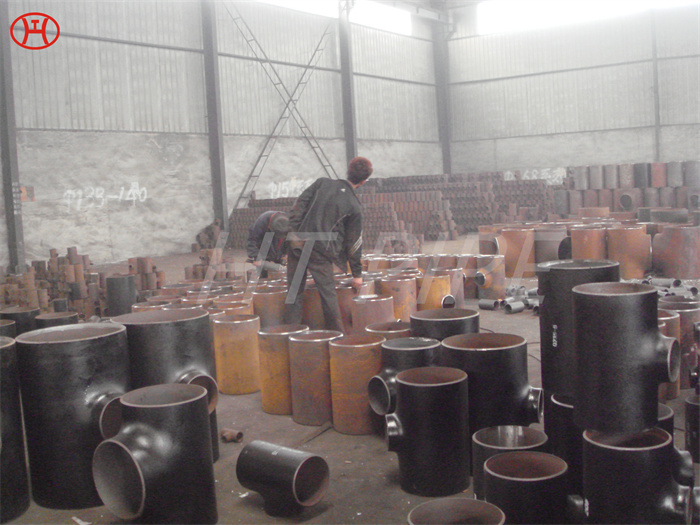
Hastelloy C-276 is available in the form of plate, sheet, strip, billet, bar, wire, covered electrodes, pipe, tubing, pipe fittings, flanges, fittings.
C-276 alloy is normally solution heat-treated at 2050¡ãF (1121¡ãC) and rapid quenched. If possible, parts which have been hot-formed should be solution heat-treated prior to final fabrication or installation.
Hastelloy C276 alloy, UNS N10276, 2.4819, is the most widely used and versatile corrosion resistant nickel alloy.
Hastelloy offer very good resistance to strong reducing and moderately oxidizing corrosive acids, as well excellent stress corrosion cracking resistance and resistance to localized attack.
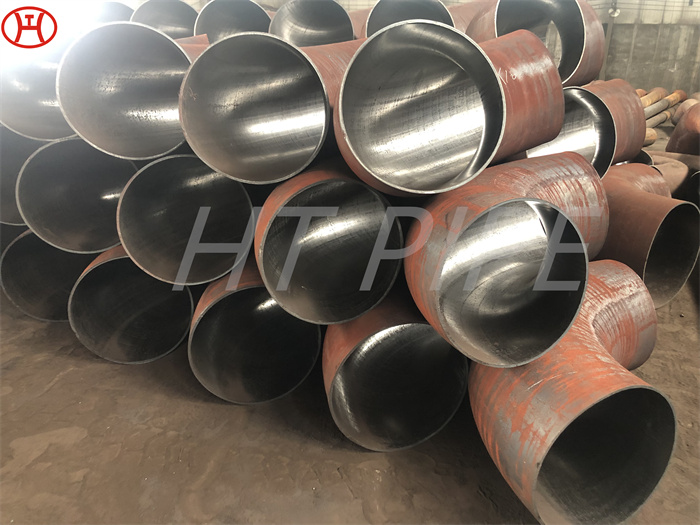
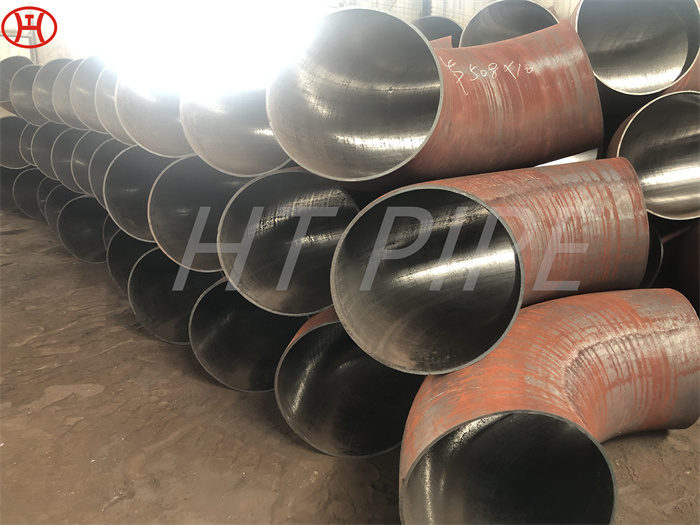
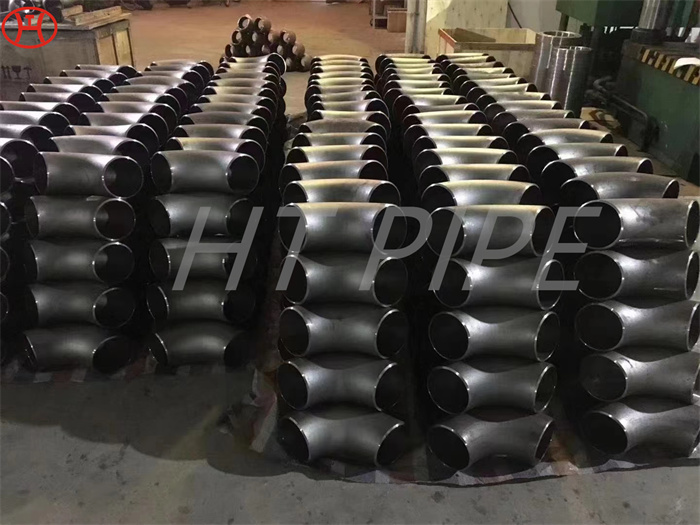
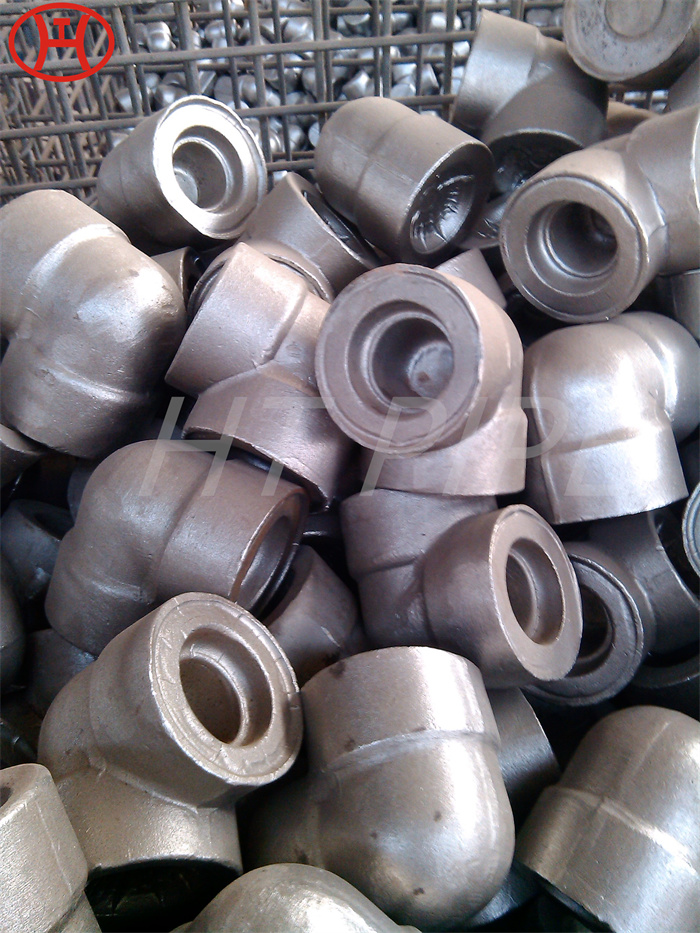
C276 Elbow has excellent corrosion resistance to a wide range of concentrated hot acids and reducing environments and can be easily used in hot sulfuric and hydrochloric applications.
Hastelloy’s resistance to sulfuric acid makes it a common choice for protection from hydrogen sulfide (H2S), more commonly known as?sour gas.
Hastelloy C276 is one of the few grades resistant to wet chloride gas and chlorine dioxide.
C276 is suitable for off-shore applications where hydrogen-sulphide stress corrosion cracking resistance is essential.
INCONEL nickel-chromium alloy 625 (UNS N06625/W.Nr. 2.4856) is used for its high strength, excellent fabricability (including joining), and outstanding corrosion resistance.
Alloy 625 (UNS N06625) is a nickel-chromium-molybdenum alloy with an addition of niobium.
The alloy resists a wide range of corrosive environments and has a good resistance to pitting and crevice corrosion. IN625 has good corrosion resistance in various corrosive environments.
Inconel is a superalloy made with high concentrations of nickel, chromium, and molybdenum.
The Inconel 625 is highly resistant against corrosion and oxidations mediums in various environments.
These alloys possess superior ductility and excellent formability.
They can be welded easily and resist post-weld carburization or graining.
The Inconel 625 material used in producing the products in this grade possesses superior strength and hardness.
They have a minimum tensile strength of 120Ksi and minimum yield strength of 60ksi.
Apart from this, they can be easily elongated by 30% and still possess excellent workability.
These alloys are widely used in chemical processing, pollution control, evaporator, nuclear reactors, marine industries, and so on.
The Inconel Alloy 625 is immune against chloride stress cracking.
These alloys can suffice in high pressures and extreme temperatures.
They can be either cold or hot rolled in different shapes to suit various applications.
The emphasis of this alloy is placed on the fact that it is more resistant to aggressive forms of corrosion. In particular, Incoloy 800 shows very high resistance to corrosive compounds seen in aqueous environments.
INCOLOY alloy 800 is used in a variety of applications involving exposure to corrosive environments and high temperatures.
The inclusion of chromium in combination with nickel in its chemistry makes it resilient to chemical and environmental corrosion.
The alloy also exhibits resistance to physical deterioration, e.g. – surface pitting and cracking.
Incoloy 800 is a popular choice in the oil and gas industries because it can withstand sour gas and high chloride environments.
The alloy exhibits excellent resistance to seawater and brine, making it well suited to marine applications.
Incoloy 800 may be also used for applications such as wet scrubbing, and the reactive atmospheres of furnaces as well as in industries like nuclear fuel.