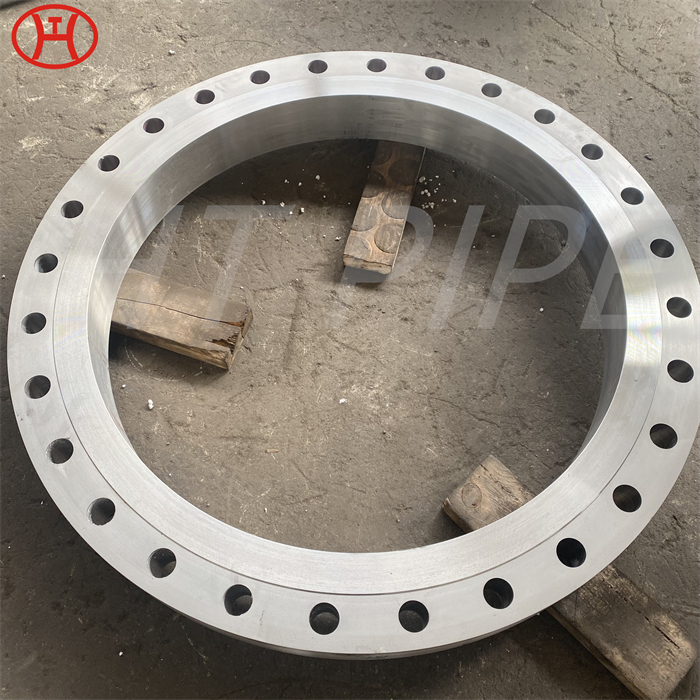
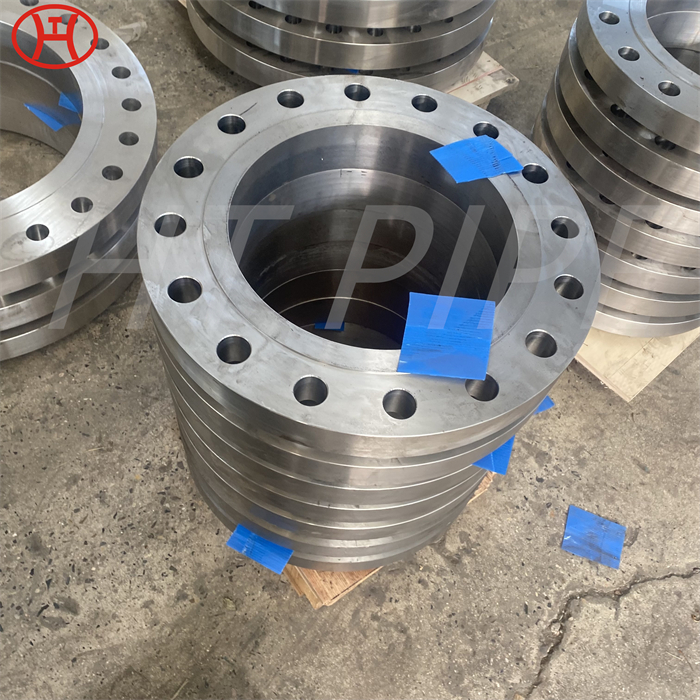
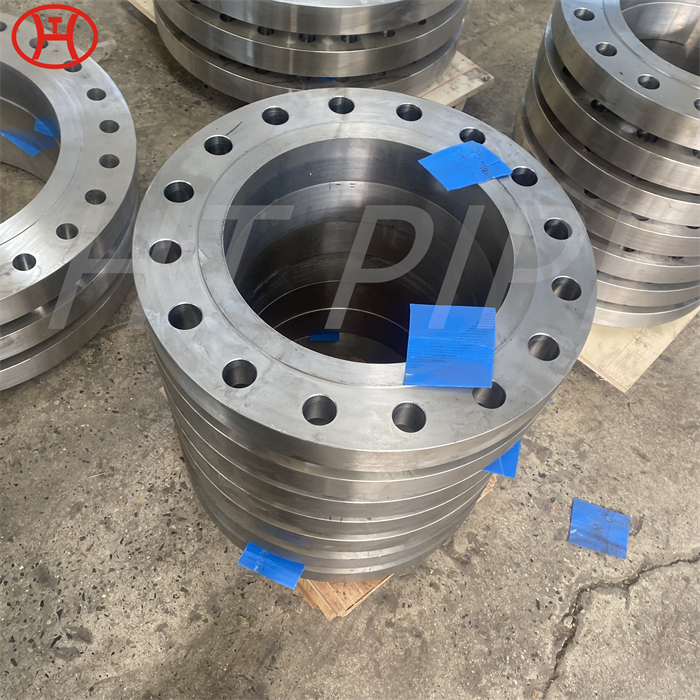
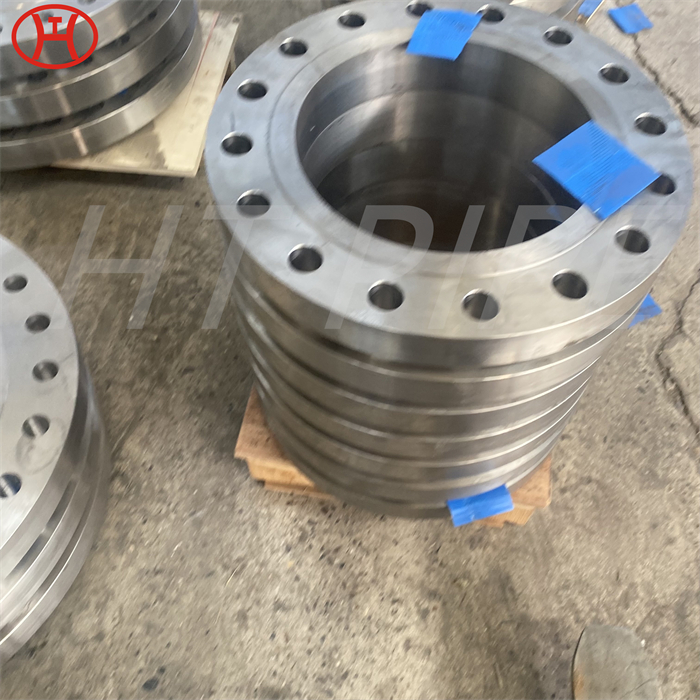
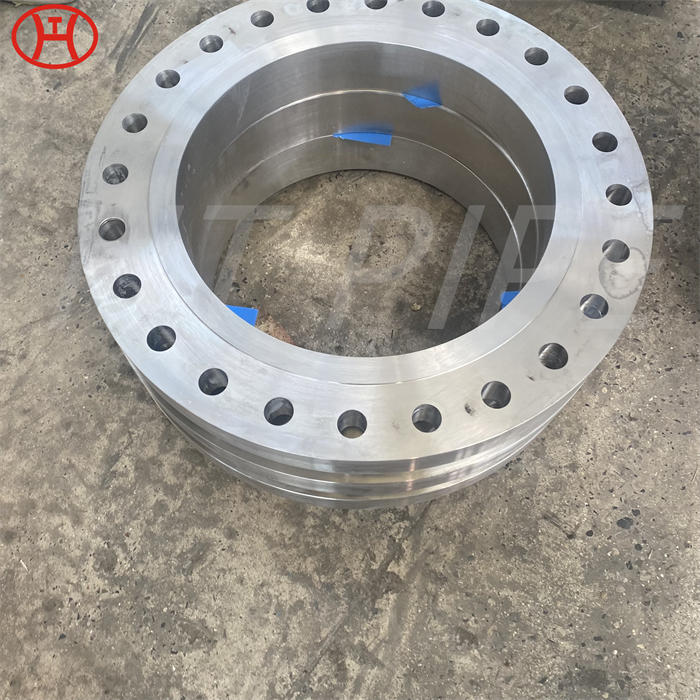
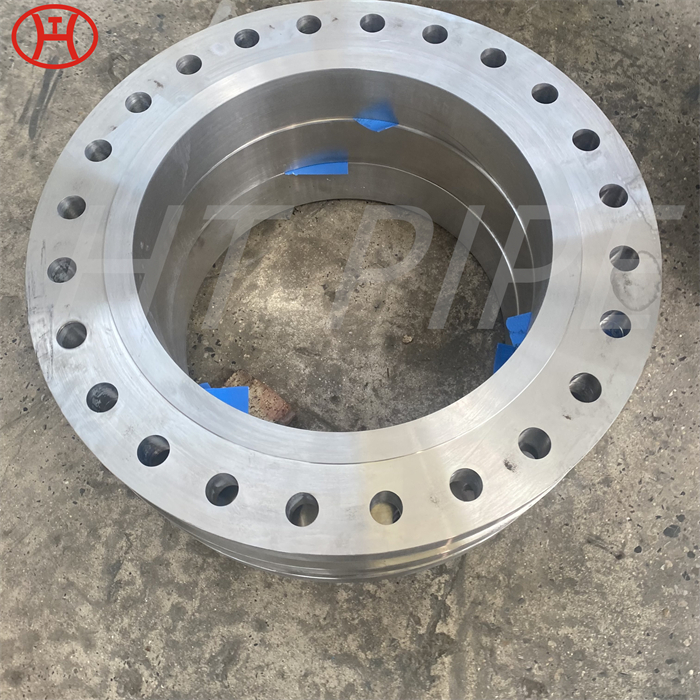
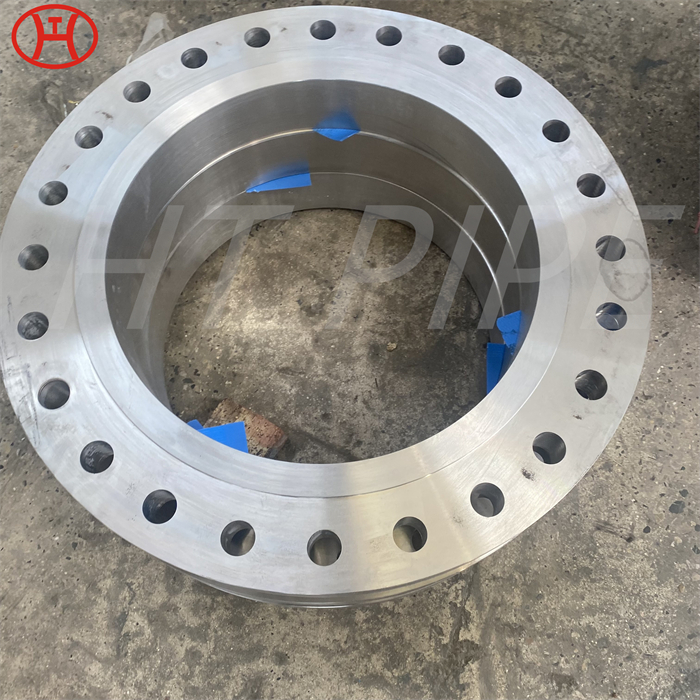
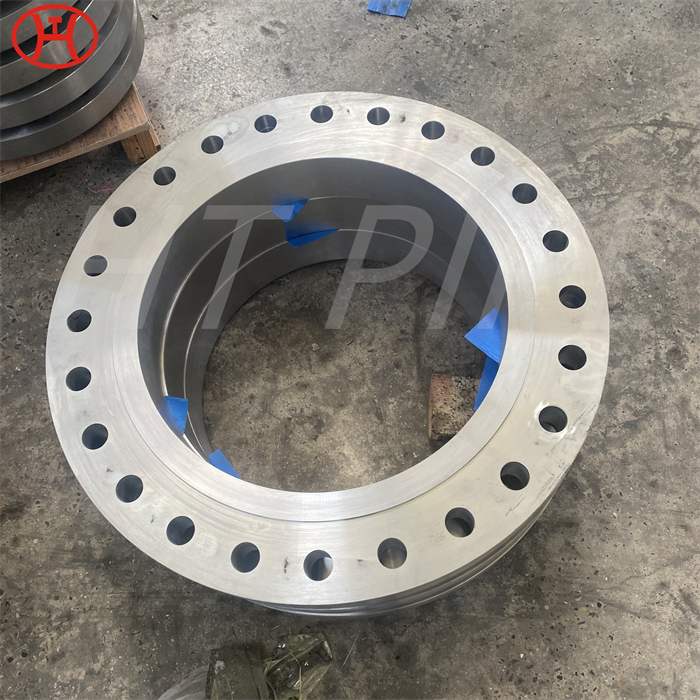
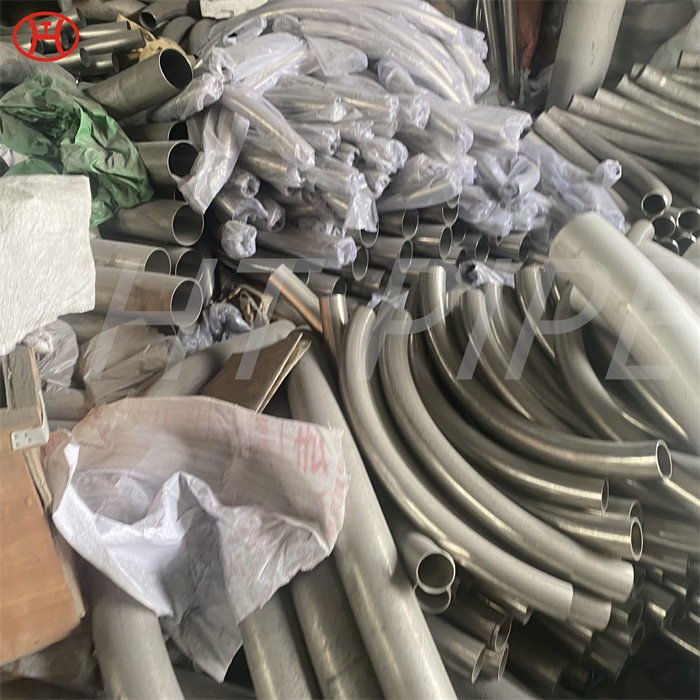
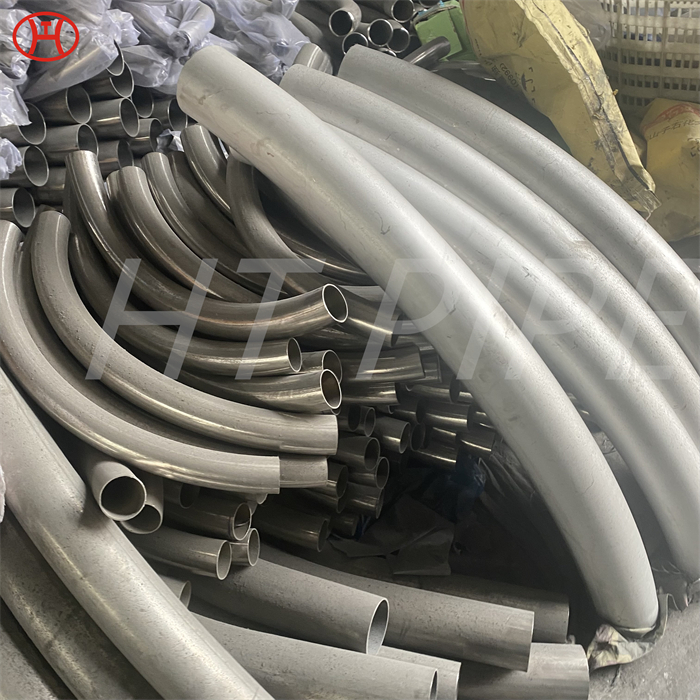
AL-6XN alloy is very attractive to many industries, because it is resistant to a broad range of corrosive environments and provides a high return on investment. The biggest advantage is CSI’s availability and large stock to address your high corrosion resistance requirements.
AL-6XN alloy has a long history in food, beverage, dairy, personal and home care, and biotech and pharmaceutical applications.
AL-6XN alloy is an excellent choice in instances where 316L/1.4435 and 304 stainless steels do not meet corrosion-resistant standards.
AL-6XN alloy is easy to weld using similar parameters as Type 316L stainless steel, including travel speed (IPM) and weld current. It is common to use a weld insert ring for additional alloying when orbital or manual welding in the field.
A typical AL-6XN weld has non-uniform freeze lines and oxide islands in the weld bead. These oxide islands appear as a thin film, having a varying color with tints from gray to dark brown that adhere to the surface.
AL-6XN alloy (UNS N08367) is a low carbon, high purity, nitrogen-bearing ¡°super-austenitic¡± stainless alloy. The AL-6XN alloy was designed to be a seawater resistant material and has since been demonstrated to be resistant to a broad range of very corrosive environments.
The high strength and corrosion resistance of the AL6XN alloy make it a better choice than the conventional duplex stainless steels and a cost effective alternative to more expensive nickel-base alloys where excellent formability, weldability, strength and corrosion resistance are essential.
AL6XN is a superaustenitic stainless steel with outstanding resistance to chloride pitting, crevice corrosion and stress corrosion cracking. AL6XN is a 6 moly alloy that was developed for and is used in highly aggressive environments.
AL-6XN (UNS N08367) is a 6% molybdenum, low carbon, nitrogen-bearing super-austenitic stainless alloy. The alloy was originally designed for seawater applications. AL-6XN? has also been successfully used in a broad range of very corrosive environments including the rapidly developing biopharm markets.
The high strength and corrosion resistance of the AL-6XN alloy make it a better choice than the conventional duplex stainless steels and a cost effective alternative to more expensive nickel-base alloys where excellent formability, weldability, strength and corrosion resistance are essential.
AL-6XN (UNS N08367) provides a stable and reliable value that enables the owner to establish an accurate return on investment.
AL6XN alloy (UNS N08367) is a low carbon, high purity, nitrogen-bearing “super-austenitic” stainless alloy.
AL-6XN alloy is identified by the Unified Numbering System (UNS) designation of N08367.
The AL-6XN alloy was designed to be a seawater resistant material and has since been demonstrated to be resistant to a broadrange of very corrosive environments.
It is an austenitic stainless steel alloy with high nickel (24%), chromium (22%), molybdenum (6%), and nitrogen (0.18%) content and is commonly known as superaustenitic stainless steel (alloys such as 254 SMO (UNS?S31254) and 904L (UNS?N08904) also fall under the superaustenitic designation) while 2205 (UNS S32305/ S31803) and 2507 (UNS S32750) are duplex and super duplex stainless steel, respectively.
The high strength and corrosion resistance of the AL-6XN alloy make it a better choice than the conventional duplex stainless steels and a cost effective alternative to more expensive nickel-base alloys in applications where excellent formability, weldability, strength and corrosion resistance are essential.
AL-6XN is widely used because it is a 6% moly superaustenitic alloy providing strong resistance to chlorides found in ketchup, barbecue sauce, sports drinks, buffer solutions, and active pharmaceutical ingredients that commonly cause localized corrosion.
It is also a cost-effective alternative to less expensive alloys, such as Type 316, that do not have the strength or corrosion resistance required to minimize life cycle costs in certain applications.
AL-6XN is an upgrade to 300 series alloys such as 316L/1.4435 and 304 when high concentration of chlorides, high temperature, acidic pH levels, and time of contact are introduced to the process.
Super Alloys provide a good return on investment by reducing product loss and maintenance time repairing and replacing corroded parts.
This nickel alloy resists the formation of grain-boundary precipitates in the weld heat-affected zone, thus making it suitable for most chemical process applications in the as-welded condition.
Alloy C-22 should not be used in service temperatures above 1250¡ã F due to the formation of detrimental phases which form above this temperature.
Alloy C22 is a nickel-chromium-molybdenum solid solution strengthened super-alloy with a nominal chemical composition of 56% nickel, 22% chromium, and 13% molybdenum, with additions of iron, tungsten, and cobalt.
It is commonly referred to by the tradename Hastelloy C22 and the universal designation UNS N06022. C22 has excellent corrosion and oxidation resistance, great mechanical properties over a wide range of temperatures, and good fabrication properties.
Alloy C22 is one of the most corrosion-resistant alloys available, even outperforming C276 and 625. It is resistant to almost all reducing and oxidizing environments, including strong oxidizers, seawater, and organic acids.
C22 has excellent resistance to chloride-induced localized corrosion, including pitting, crevice corrosion, and stress corrosion cracking.
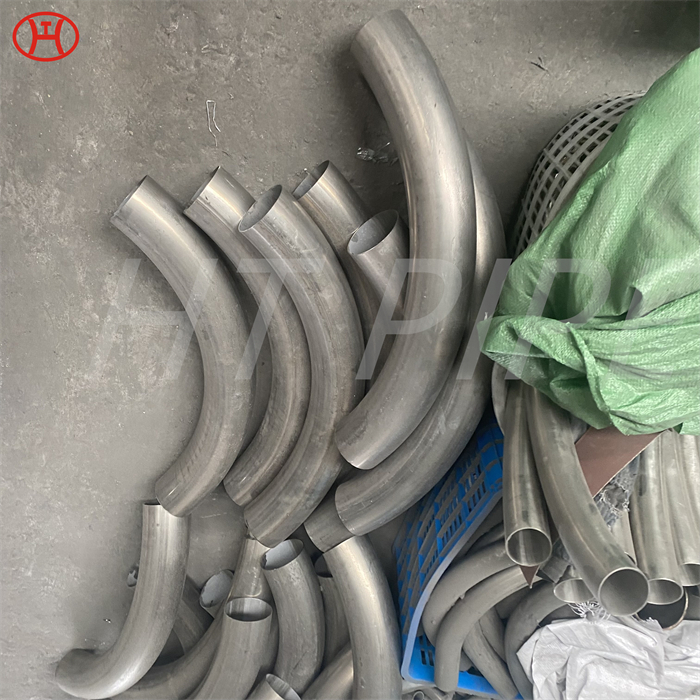
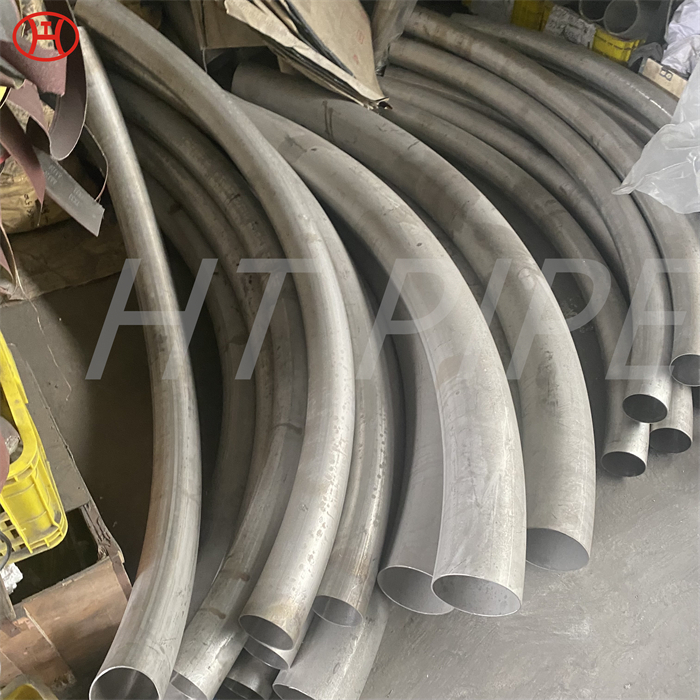
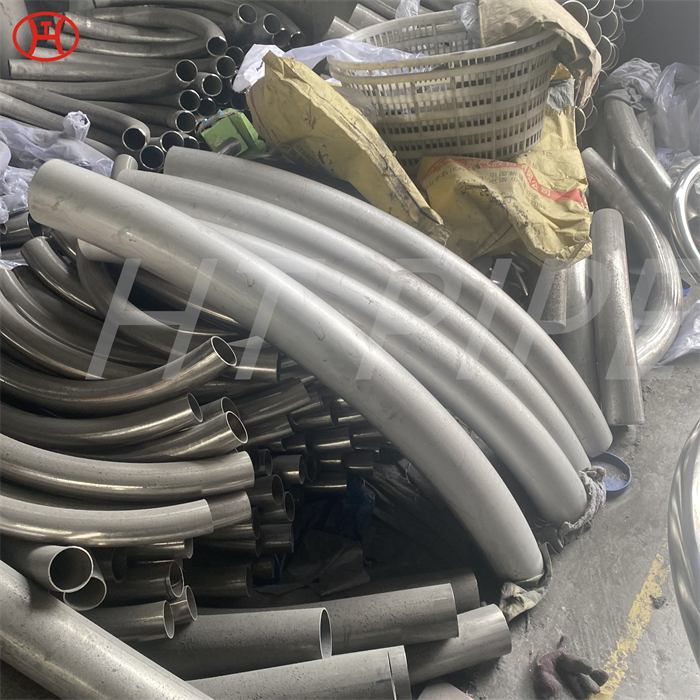
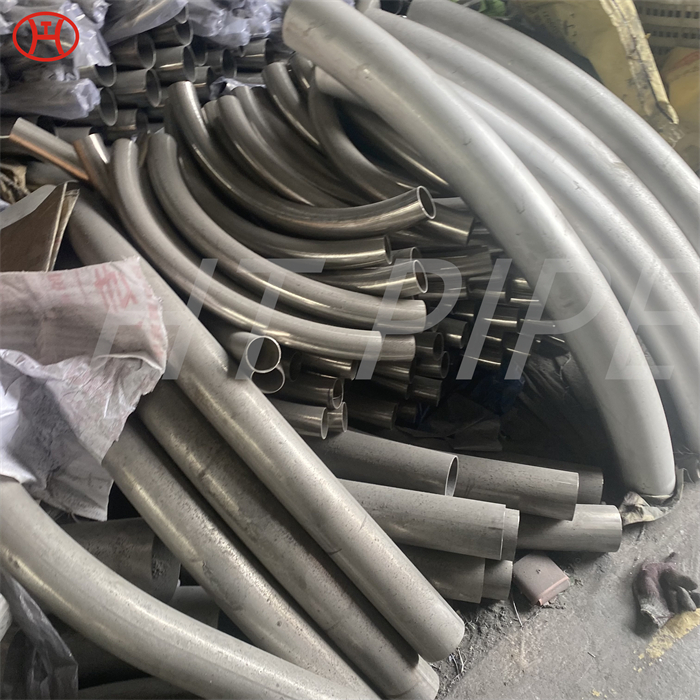
Hastelloy C-22 (UNS N06022) pipe bends and fittings in stock, allowing for a quick turnaround. Hastelloy C-22 has excellent resistance to aggressive oxidizing aqueous media including wet chlorine and mixtures containing nitric acid or oxidizing acids with chlorine ions.
C22 has excellent resistance to oxidation, carburization, and sulfidation at elevated temperatures. However, C22 should not be used at temperatures above 1250¡ãF due to the possible formation of embrittling phases.
Hastelloy C-22 is identified by the Unified Numbering System (UNS) designation of?N06022. It is a nickel based alloy with high nickel (56%), chromium (22%), and molyddenum (13%).
C22 is typically provided in the annealed condition with a minimum yield strength of 45 ksi. However, C22 can be cold worked to higher strength levels.