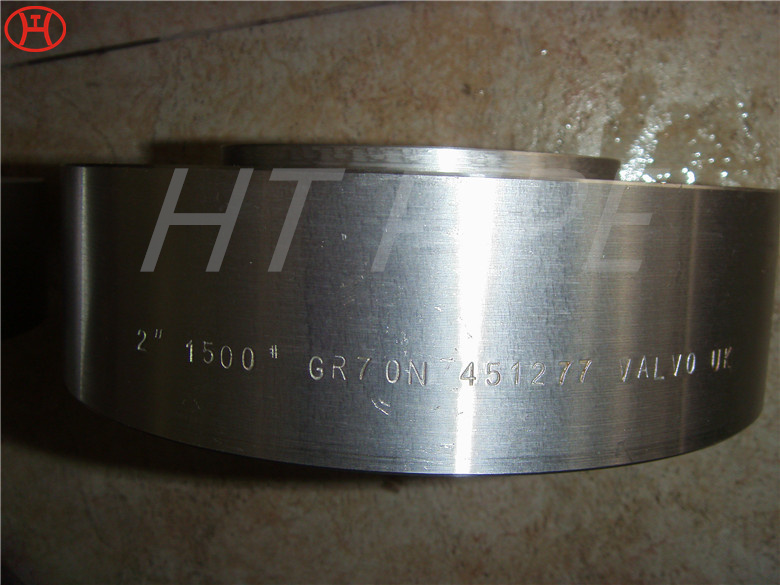
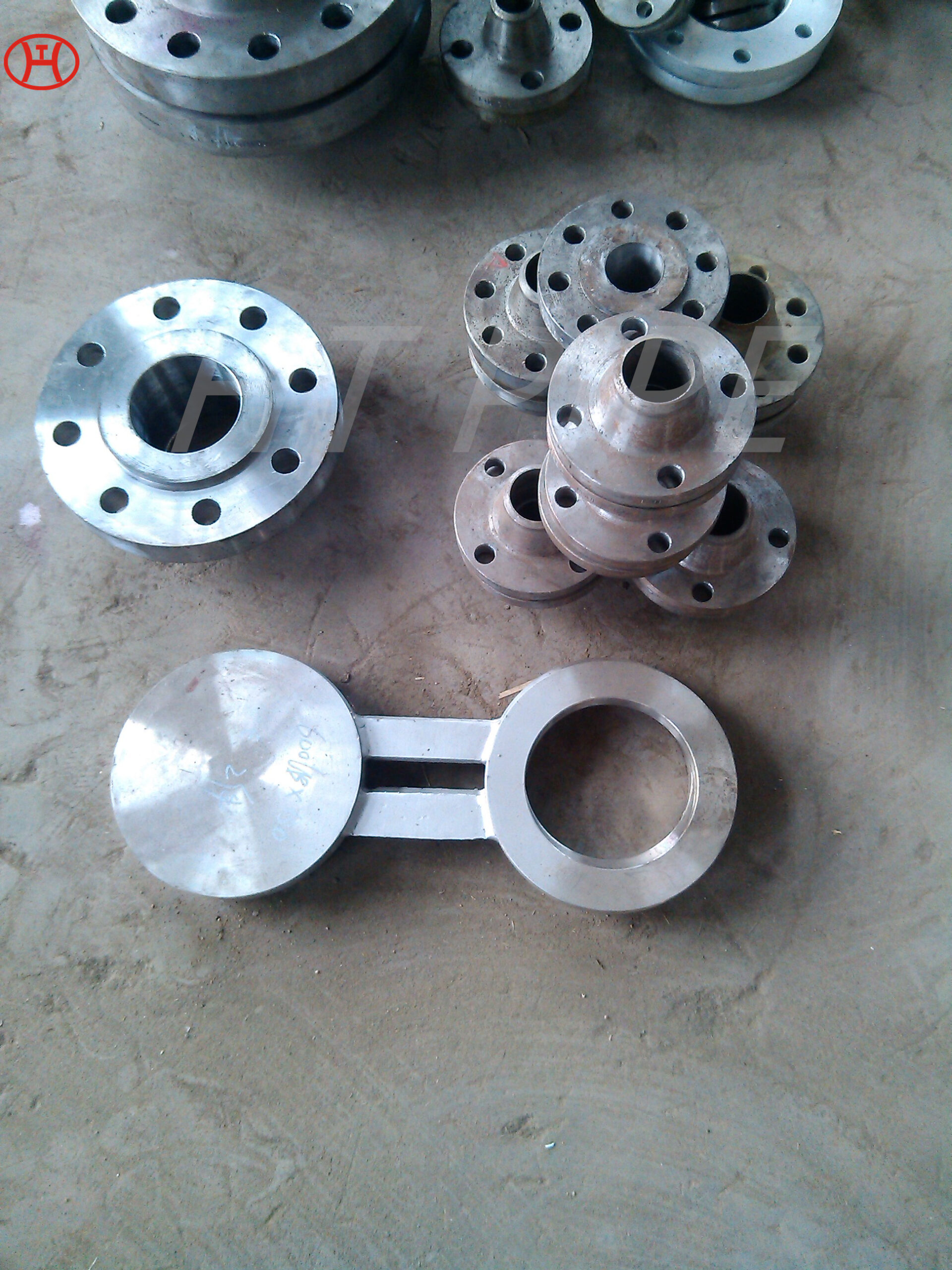
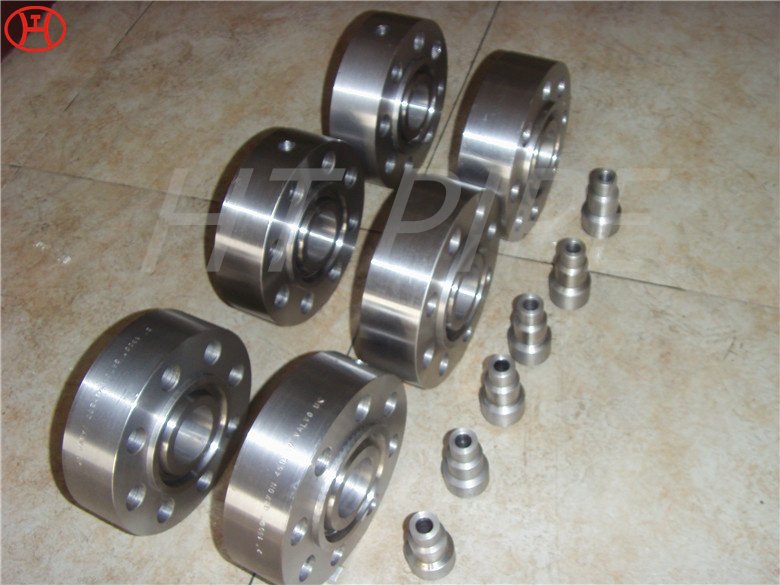
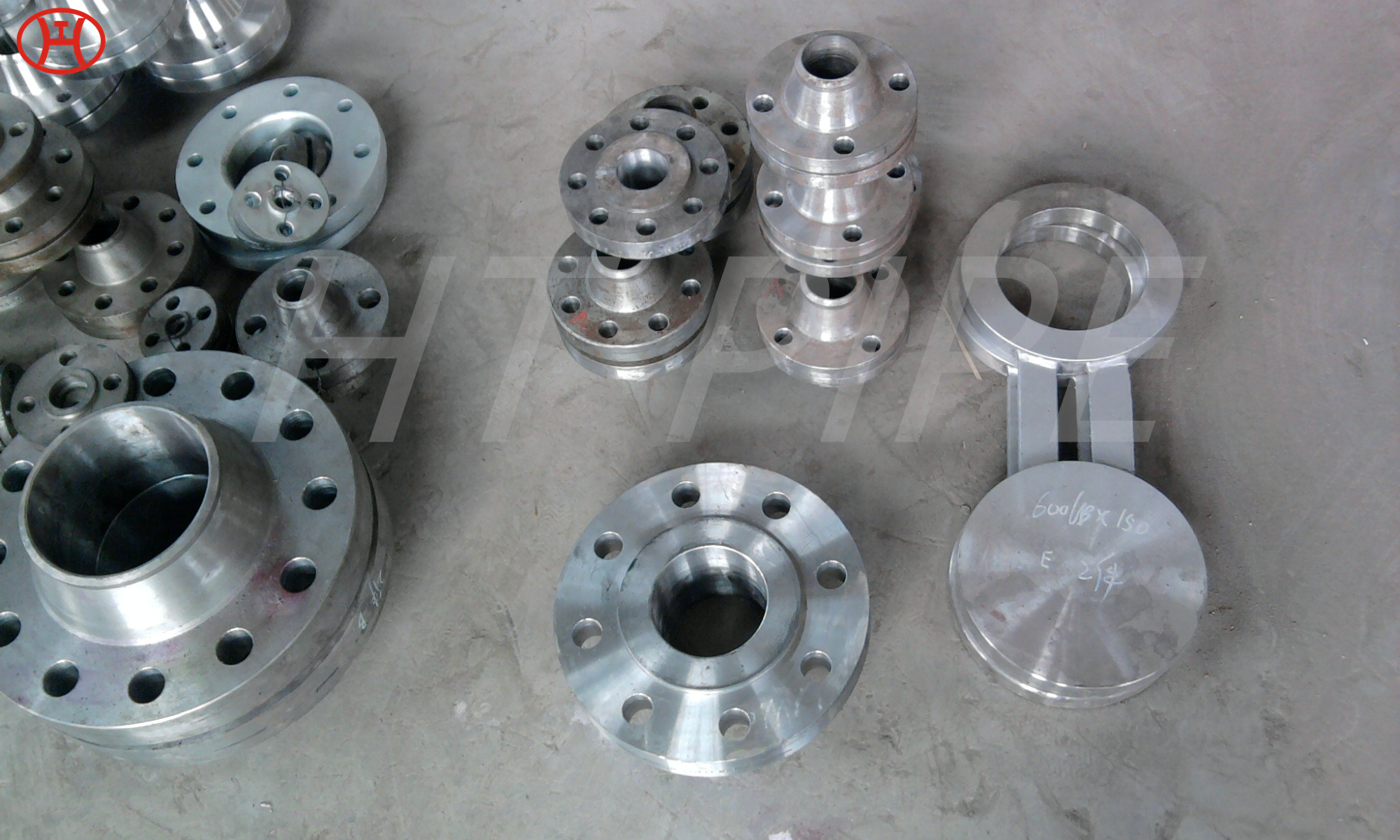
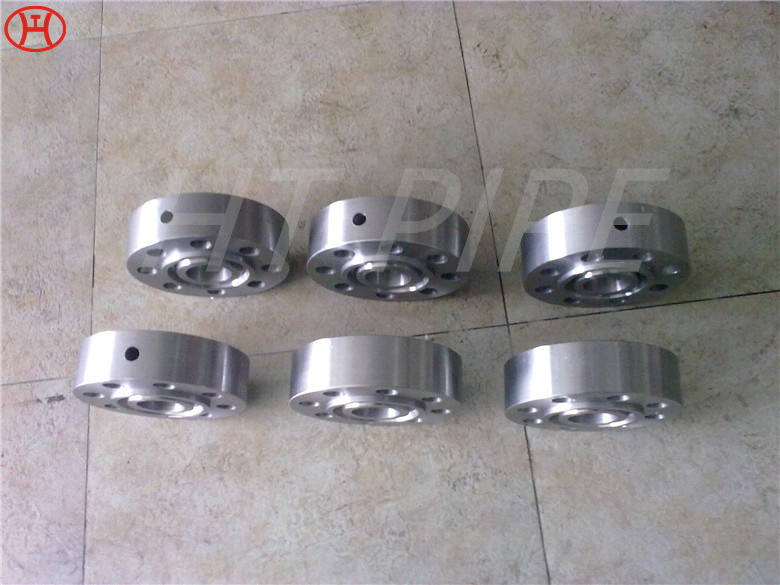
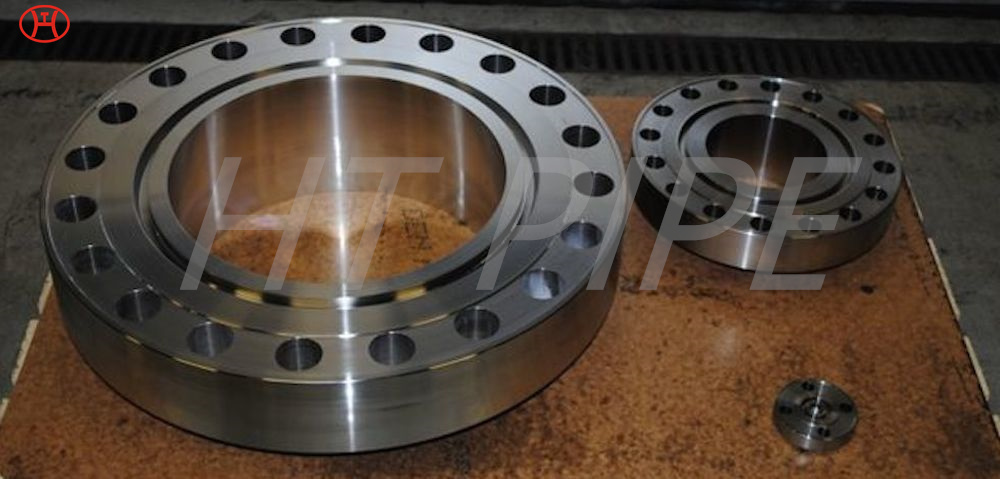
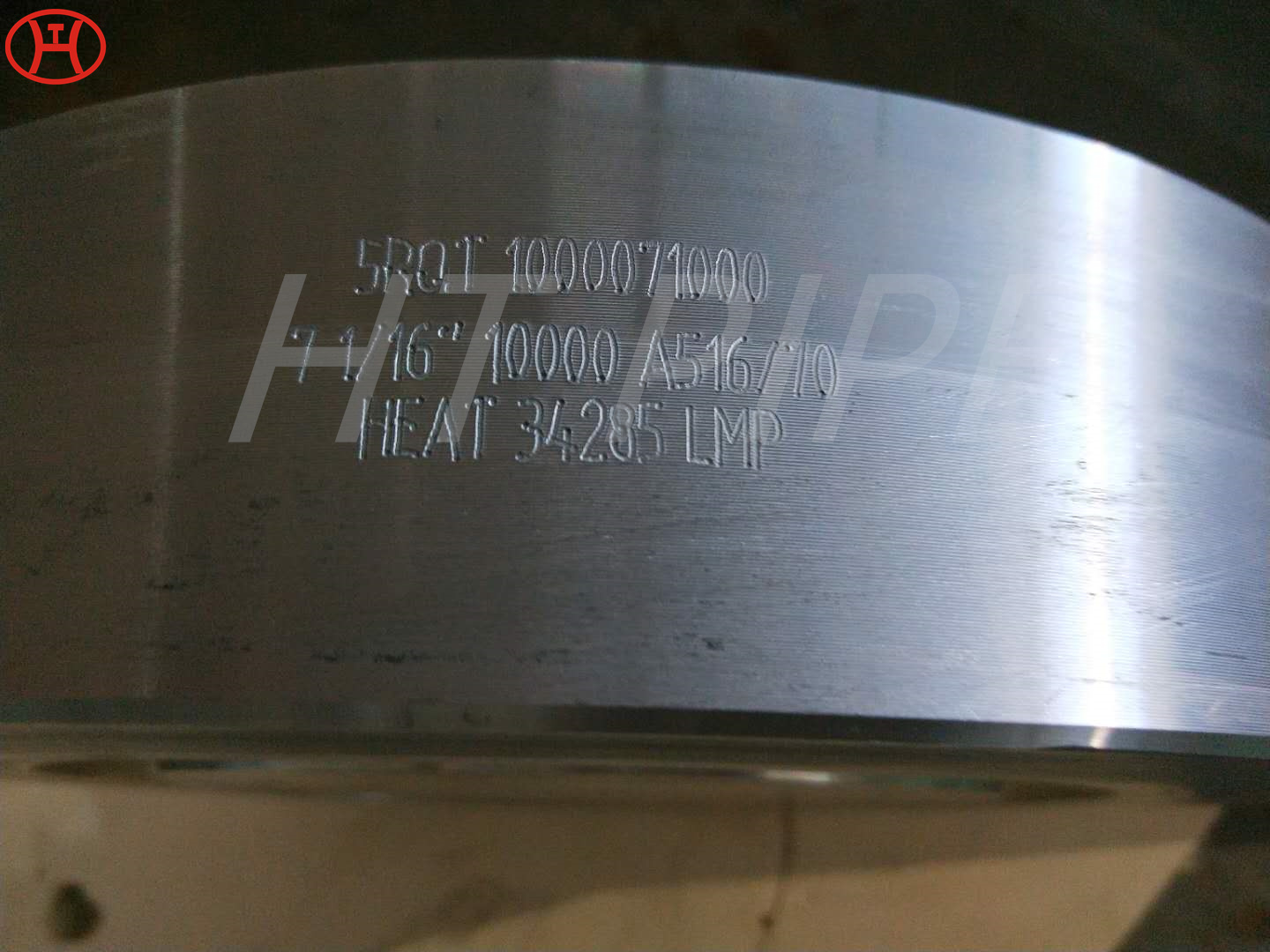
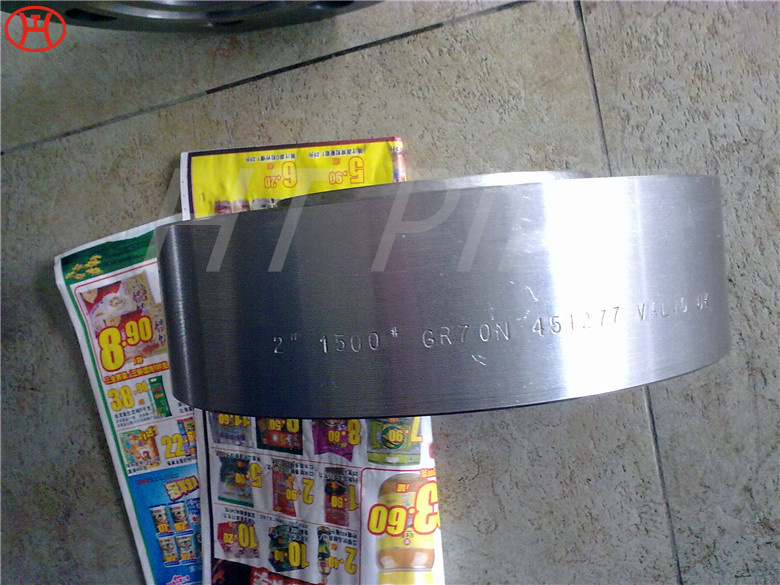
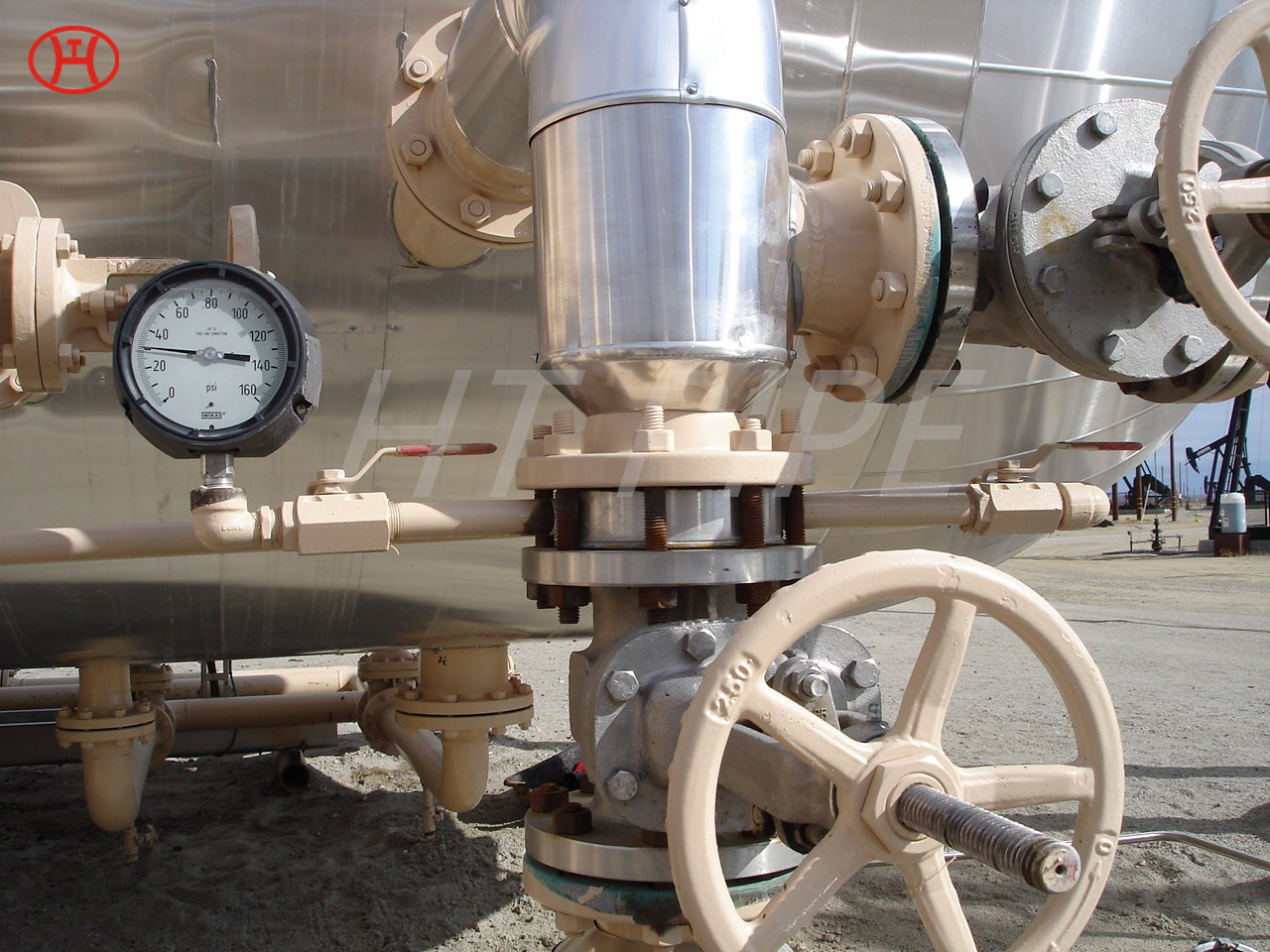
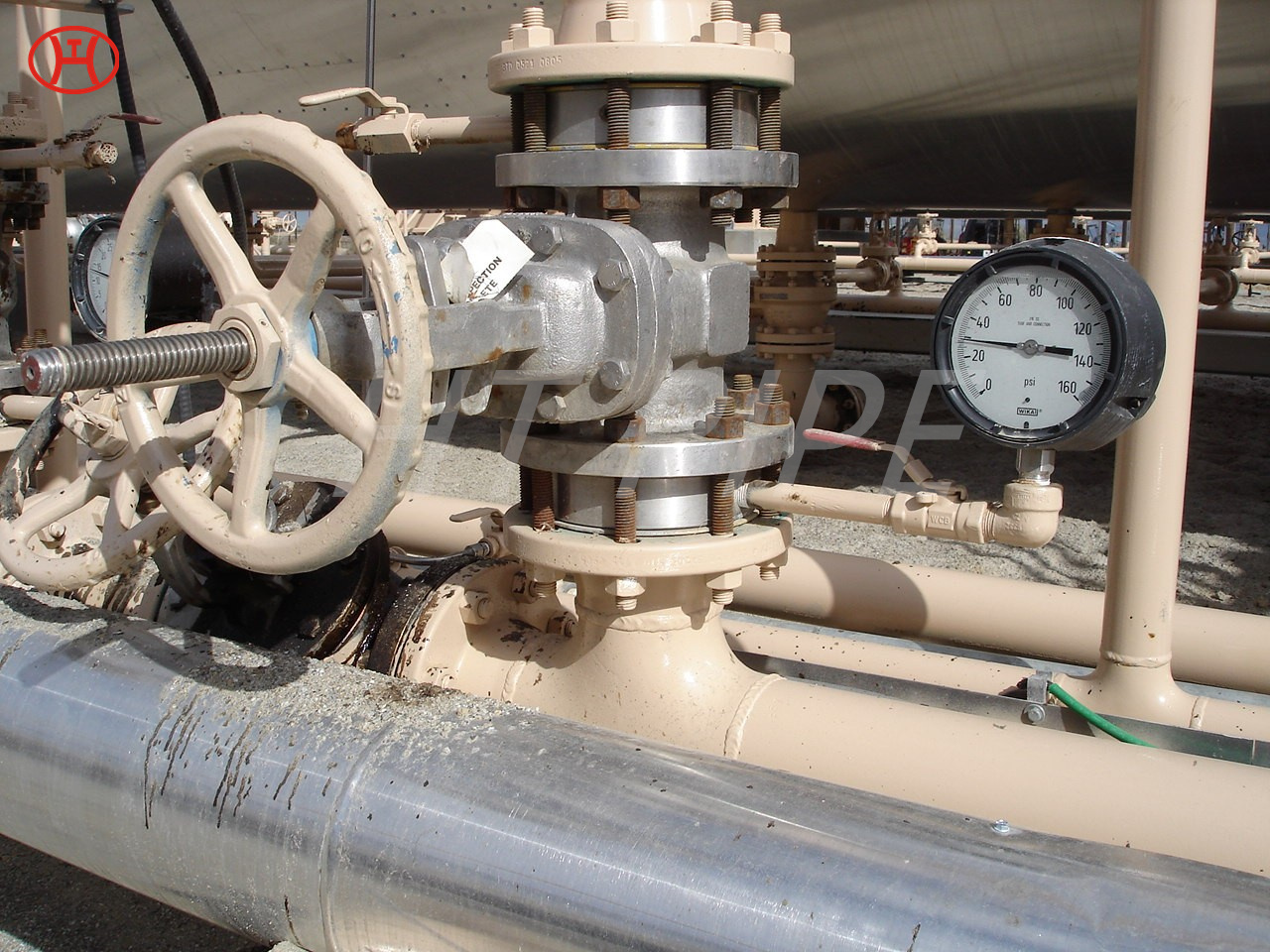
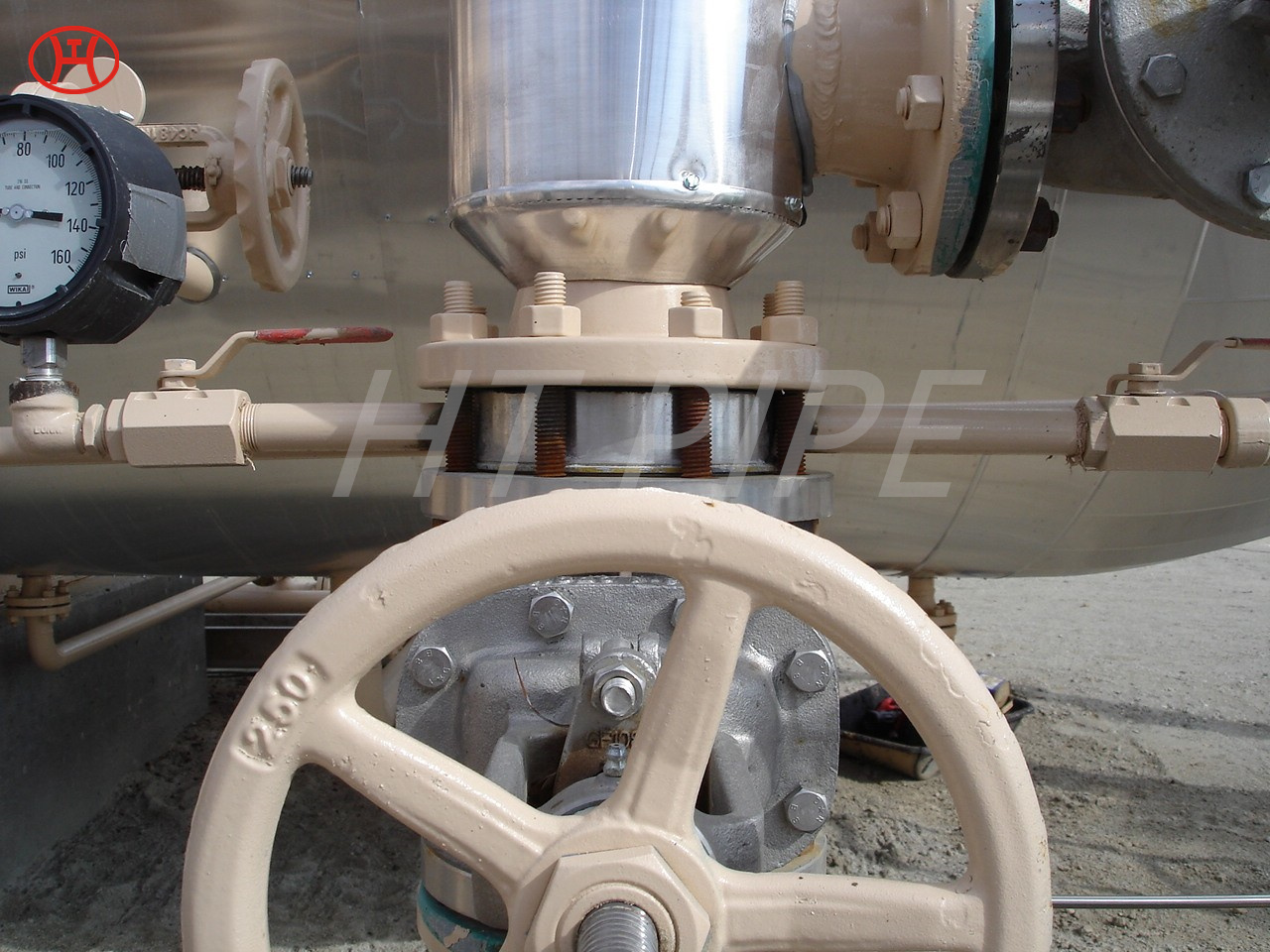
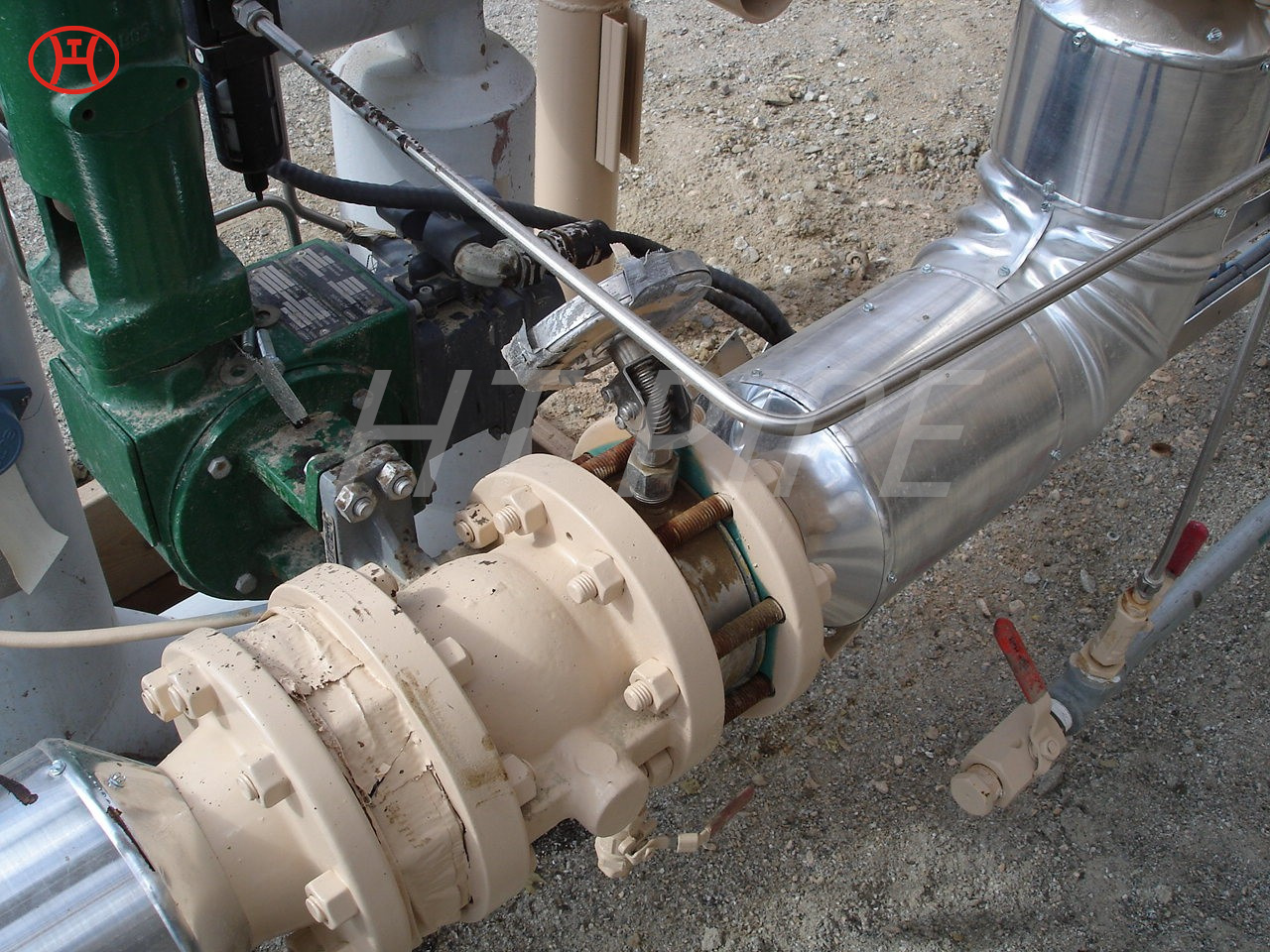
A515 grade 70 carbon steel has the advantage of high strength due to its machinability and formability characteristics. Due to their high chromium content, these carbon steels have excellent corrosion resistance in many media.
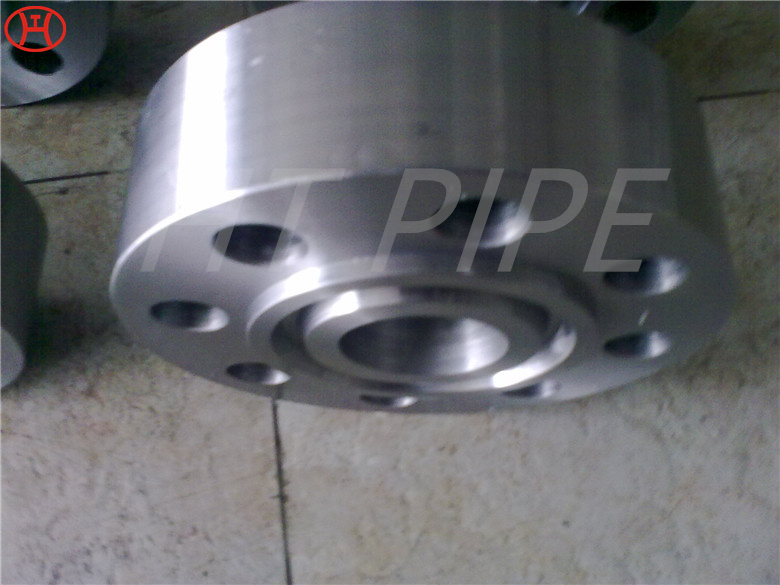
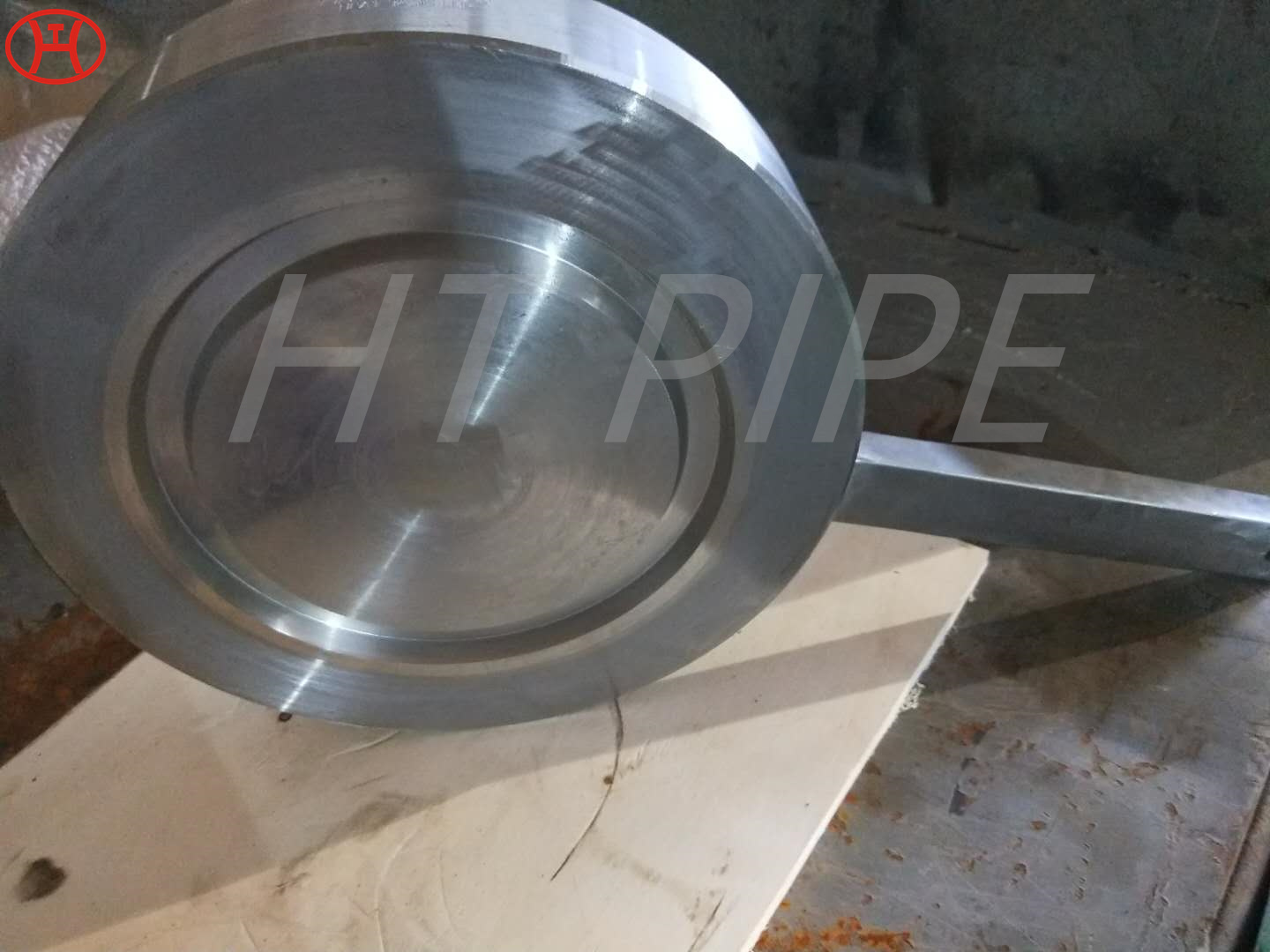
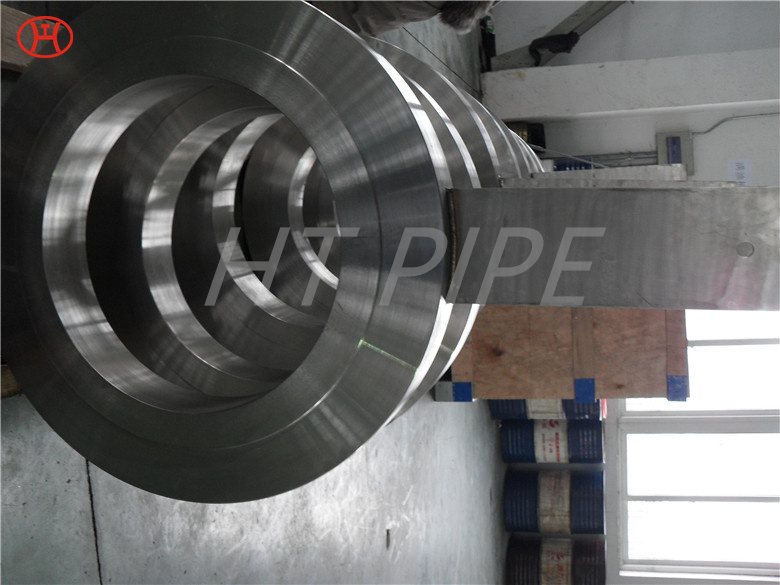
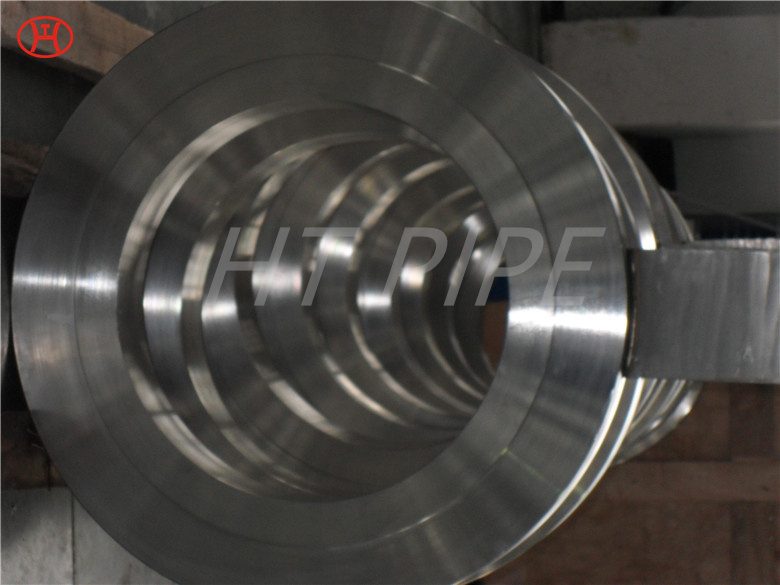
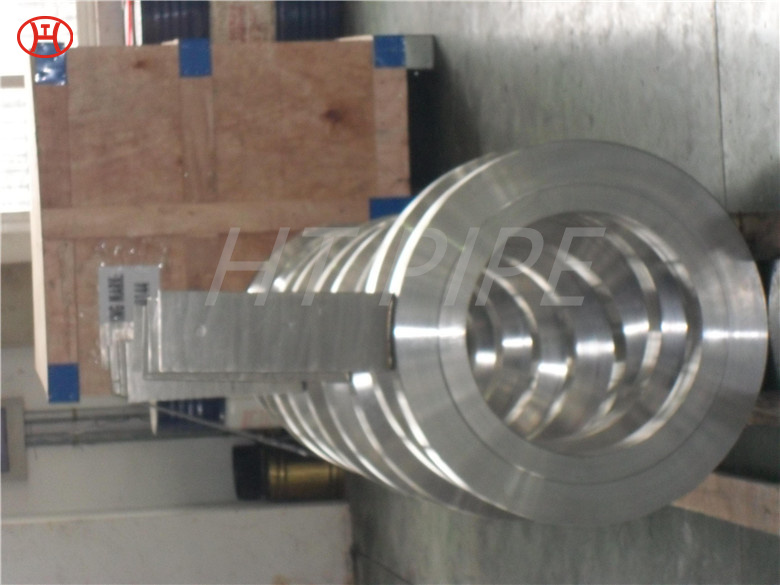
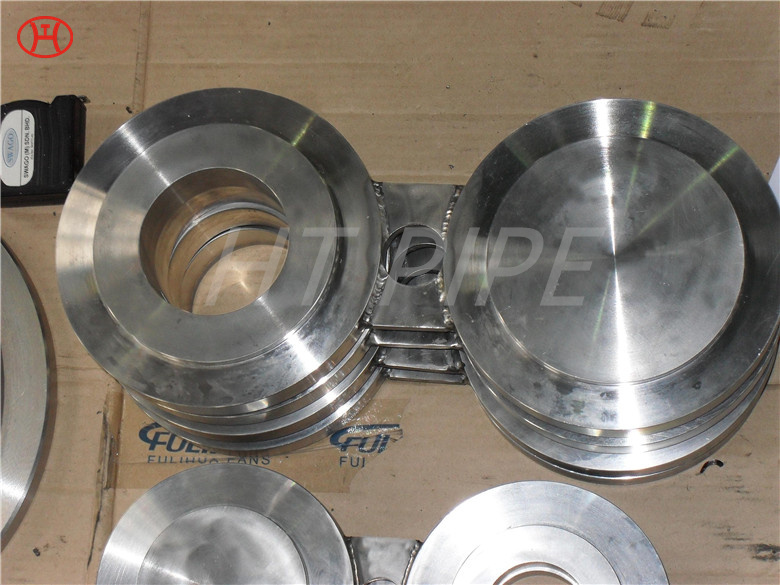
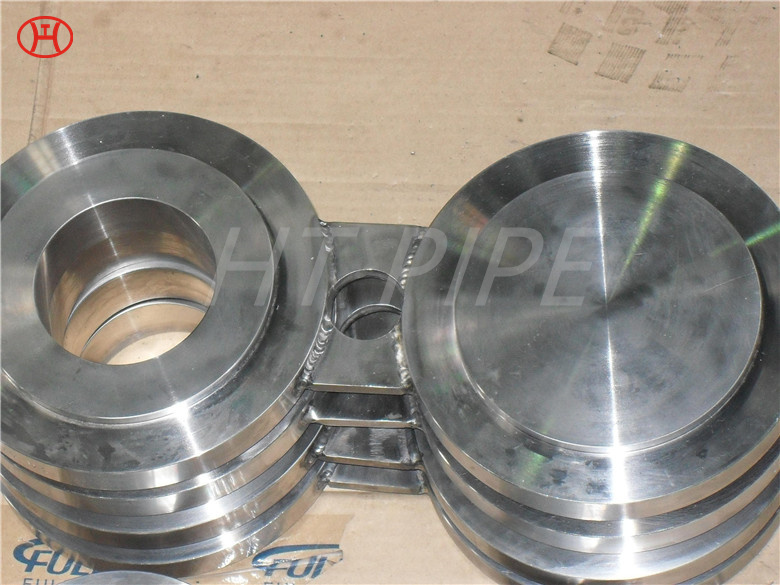
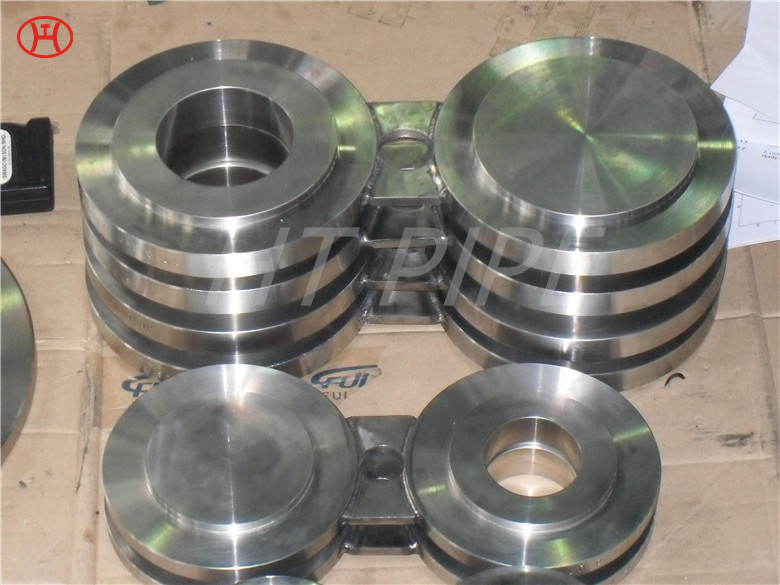
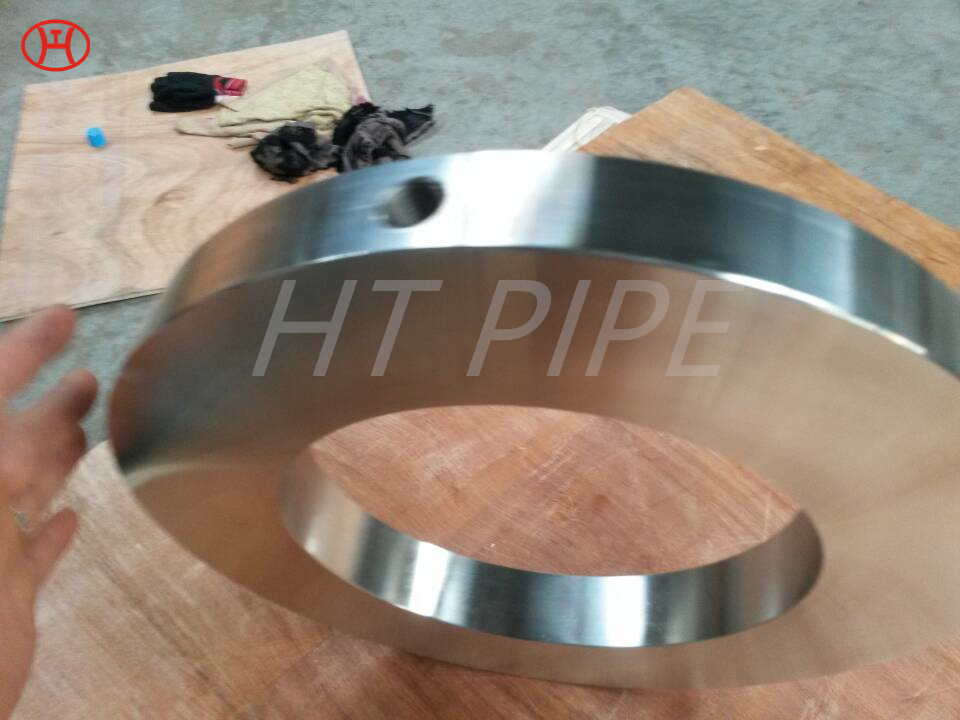
ASTM A516 plate can be used to make flange blinds, reducer flanges without hubs, plate flanges, eyeglass blind flanges (Figure 8 blank flanges), spacer flanges, paddle blanks, and more. These flanges shall be in accordance with manufacturing standard specifications ASME B16.5, ASME B16.48, EN 1092-1, AS 2129 and ASME B16.47 etc.
These ASTM compliant plates can be considered for applications such as pressure vessels and boilers.
This steel grade is a medium carbon alloy and also contains certain amounts of manganese, phosphorus, sulfur and silicon.
Our carbon steel GR.70 offers some great features, making it an ideal choice.
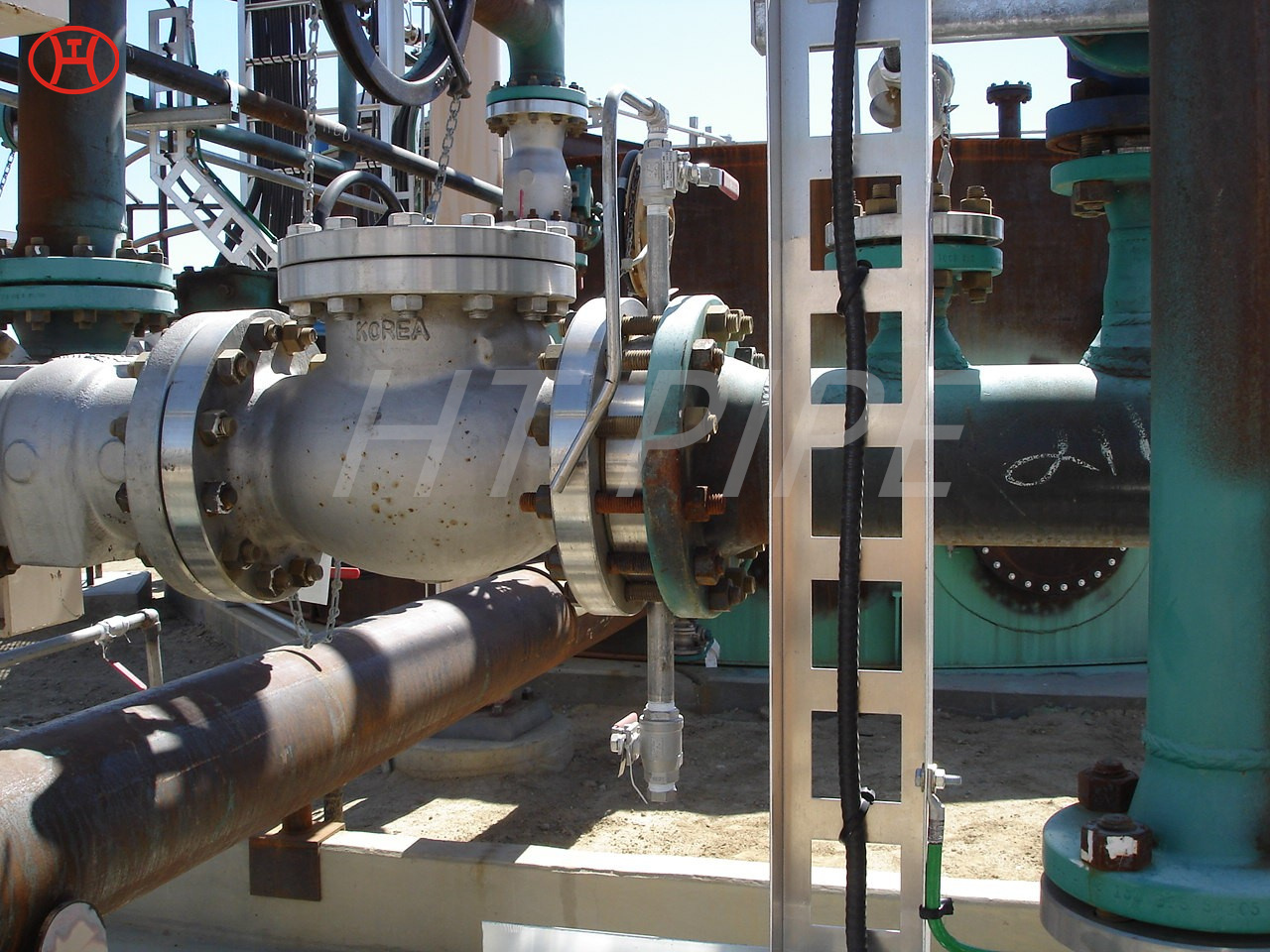
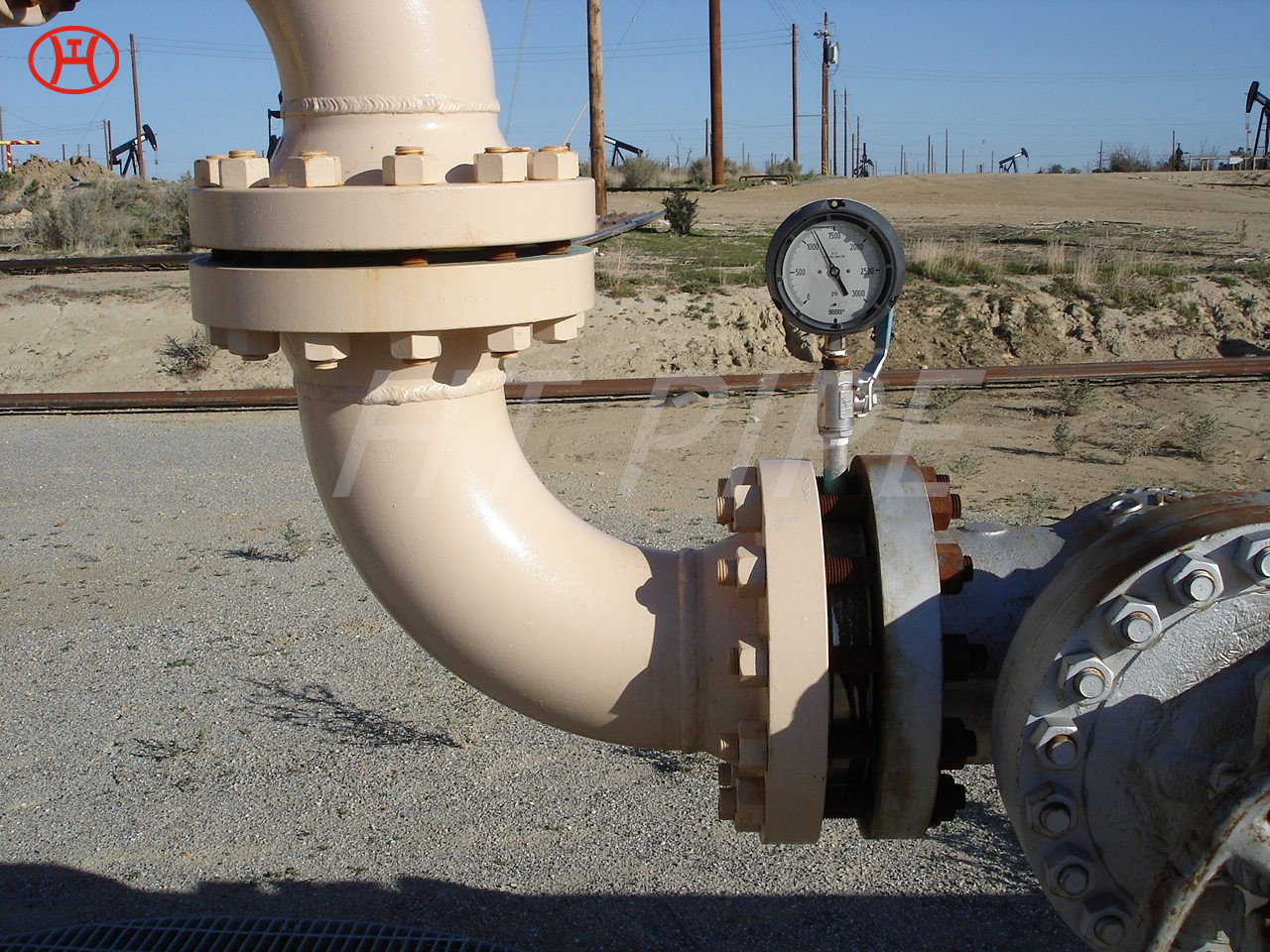
These flanges are best suited to the high demands imposed by the oil, gas and petrochemical industries
It includes solid design, wear resistance, very good durability, solid construction, corrosion resistance, excellent strength, best quality.
HT PIPE provides high quality carbon steel flanges for boiler and pressure vessel manufacturing.
Some of its applications are power generation, pulp and paper industry, power offshore oil drilling industry, specialty chemicals and pharmaceuticals. Other applications where it is found to be used are condensers, gas handling, chemical equipment, seawater equipment, pharmaceutical equipment and heat exchangers.
A516 CS 70 grade flanges are used for medium and low temperature service in pressure vessel applications where excellent notch toughness is required.
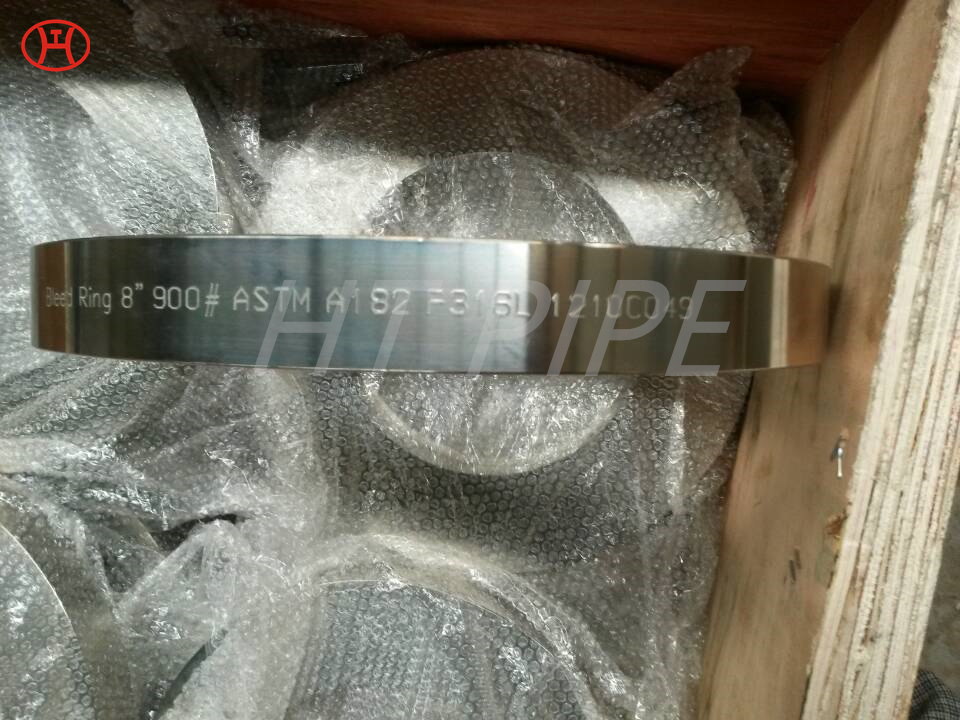
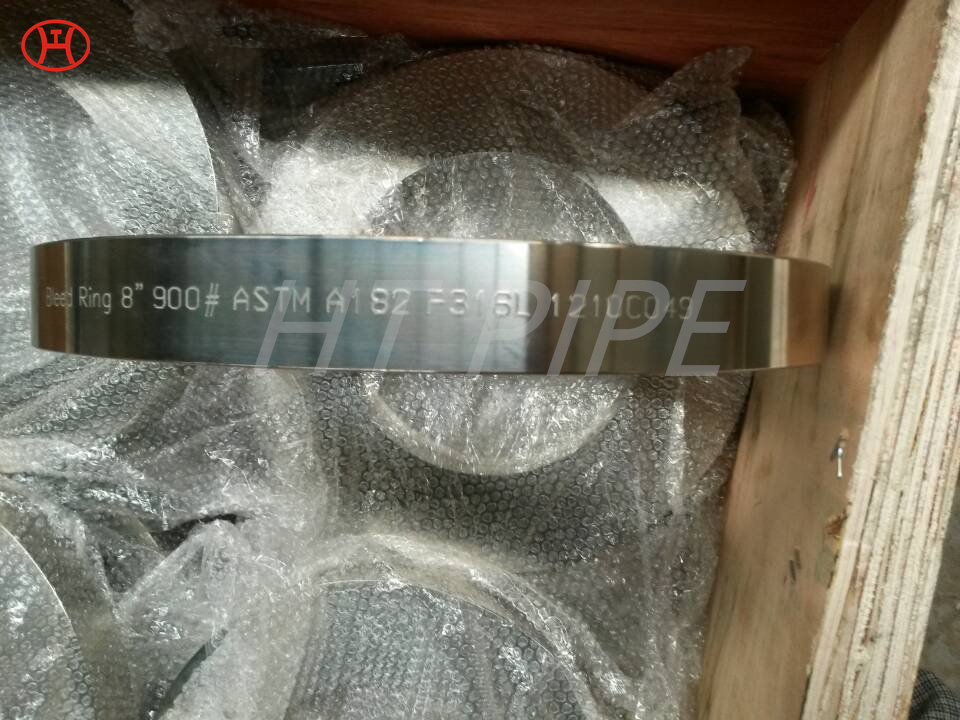
Type 316 stainless steel is manufactured into another grade due to its wide range of potential and is distinguished by the use of the letter “L” in its name. L represents the low carbon content in the steel.
316L is best known among manufacturers for crack resistance after the welding process is complete. This makes the 316L the first choice for manufacturers looking to build metal structures for industrial applications.
Besides L, there are other grade notations such as F, N, H and several others, by adjusting the composition specifications of carbon, manganese, silicon, phosphorus, sulfur, chromium, molybdenum, nickel, etc. to obtain the desired properties .
Typical applications for steel include: food preparation equipment, laboratory equipment, chemical containers for transportation, springs, heat exchangers, mining screens, coastal building paneling, railings, trim, marine fittings, quarrying and water filtration. One of the main differences between 316l stainless steel and 316 stainless steel is that the carbon content of the former is as high as 0.03%, and the carbon content of the latter is as high as 0.08%. These differences give them different properties. Let’s learn more about the 316l stainless steel alloy.
Where welding is required, the steel has the property of cracking as it cools. The high temperatures of the welding process cause what is known as “hot embrittlement” as the steel cools. This makes structures built with high carbon content steel more susceptible to damage due to the formation of cracks in areas where the metal is welded. 316l stainless steel alloy is used in a variety of applications as it is well suited to avoid weld corrosion. It can also withstand high temperatures and has a high melting point at about 2,500 degrees Fahrenheit or about 1,370 degrees Celsius. In addition to carbon, this alloy contains up to 2% manganese and up to 0.75% silicon.
The low carbon content of 316L provides an effective solution to a common engineering problem with 316 stainless steel. This small change in your application can have a big impact on your operating costs and quality assurance parameters as a business organization. Unlike other types of steel such as 304 and 306, the 316l stainless steel alloy can be used in a variety of applications where high corrosion resistance is required. For example, specialists in the chemical and pharmaceutical industries use it to make surgical tools and medical implants.
Because the alloy is easy to work with and less prone to damage, companies bend it into various shapes and forms. For example, 316l stainless steel is available in strip, wire, sheet, bar and other shapes. Every industry has successfully manipulated this metal to create a variety of finished products.
Although both of these steels are considered low carbon steel alloys, they are quite different. For example, “L” stands for “low” in 316l stainless steel, meaning the alloy has a very low carbon content. The 316l variant is also more resistant to solder corrosion and can withstand higher temperatures than the 316. This is why 316l is often used in marine and architectural projects.
316L steel combines excellent mechanical properties with good machinability with one of the best chemical resistances in the steel family.
It has long-term resistance to most chemicals, salts and acids, and challenging environments such as marine environments.
The alloy is resistant to chloride stress-corrosion cracking and pitting.
Because of its corrosion-resistant properties, Type 316 stainless steel is often used in engineering applications, especially in construction and manufacturing.
The addition of titanium stabilizes Alloy 825 against sensitization in the as-welded condition making the alloy resistant to intergranular attack after exposure to temperatures in a range that would sensitize un-stabilized stainless steels.
The fabrication of Alloy 825 is typical of nickel-base alloys, with material being readily formable and weldable by a variety of techniques.
Alloy 825 (UNS N08825) is an austenitic nickel-iron-chromium alloy with additions of molybdenum, copper and titanium. It was developed to provide exceptional resistance to numerous corrosive environments, both oxidizing and reducing.
The nickel content of Alloy 825 makes it resistant to chloride stress-corrosion cracking, and combined with molybdenum and copper, provides substantially improved corrosion resistance in reducing environments when compared to conventional austenitic stainless steels.
The chromium and molybdenum content of Alloy 825 provides resistance to chloride pitting, as well as resistance to a variety of oxidizing atmospheres.
This material is widely used in large gauge welded components and weld annealing is only required when the material is used in high stress environments. Due to the material’s high corrosion resistance, 316L has a wide range of uses, especially in marine applications.
316 and 316L steel plates and tubes have common properties and are often double certified, which confirms that both have properties and compositions consistent with both steel types. The Model 316H was excluded from this because, unlike the 316 and 316L, the 316H was designed to operate at higher operating temperatures.
The benefits of Type 316L stainless steel include low carbon content that eliminates carbon deposits during welding and can be used in severely corrosive environments.