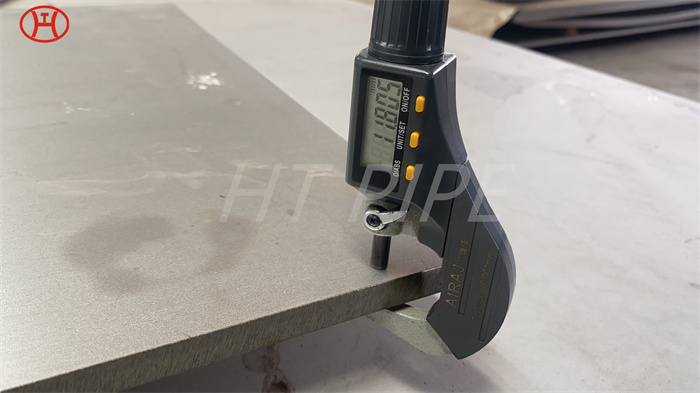
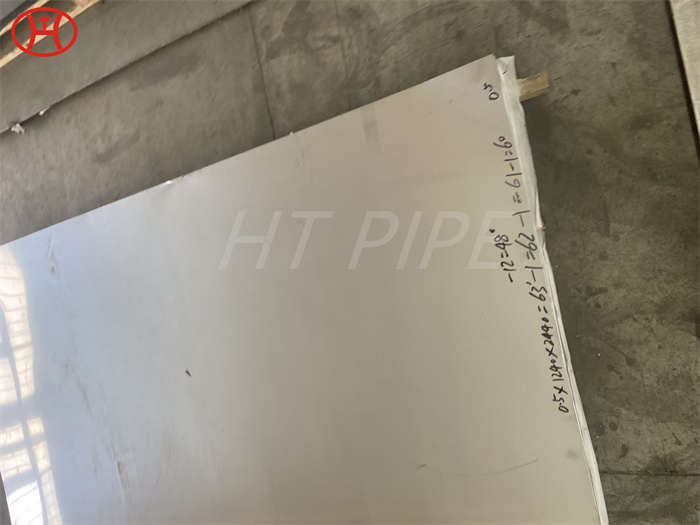
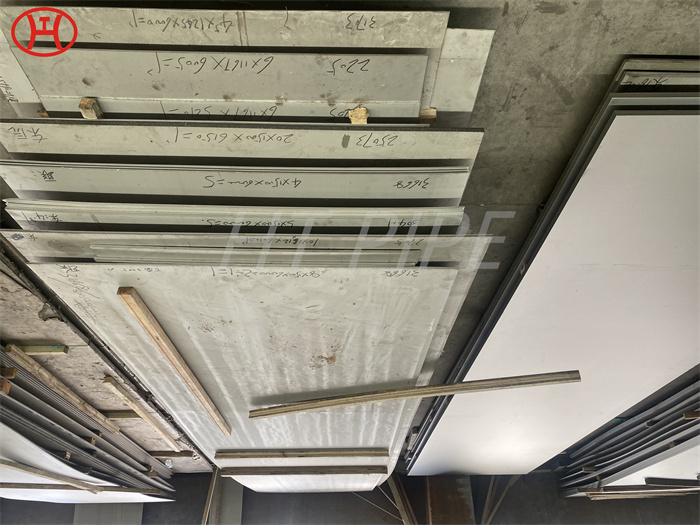
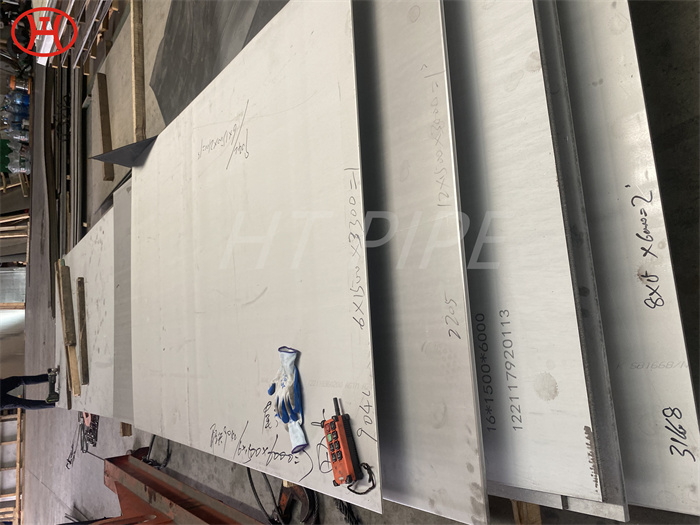
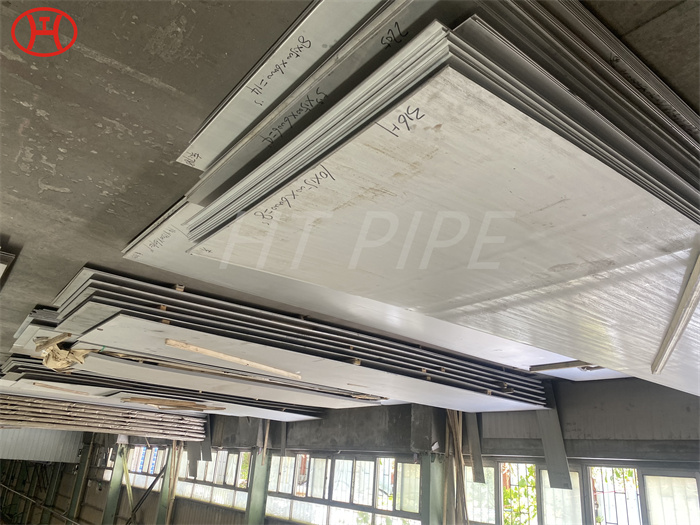
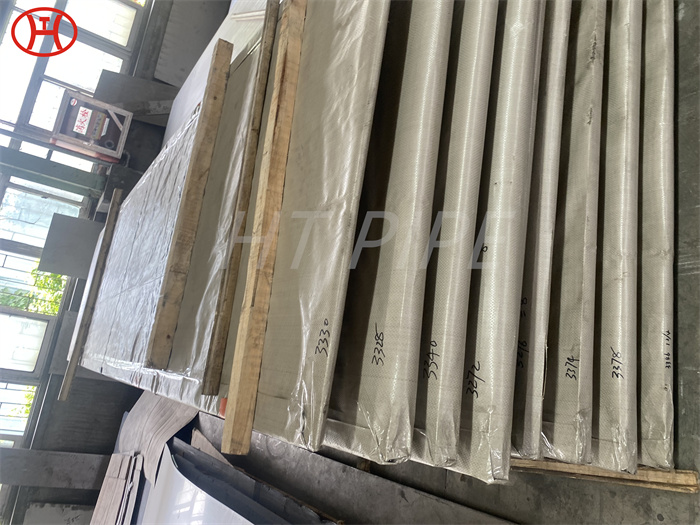
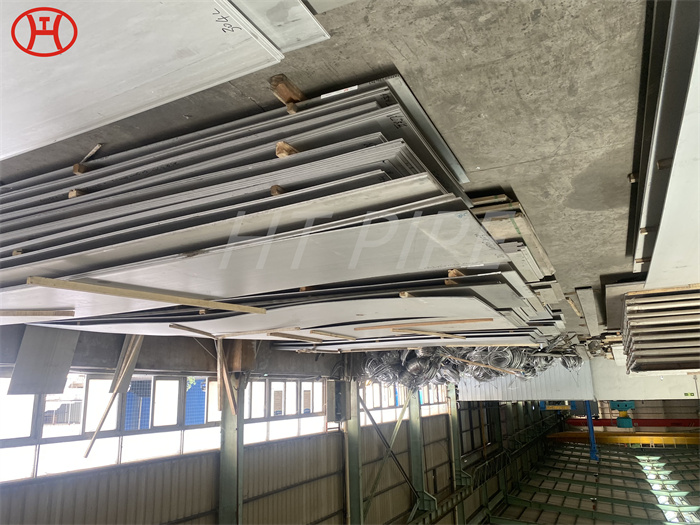
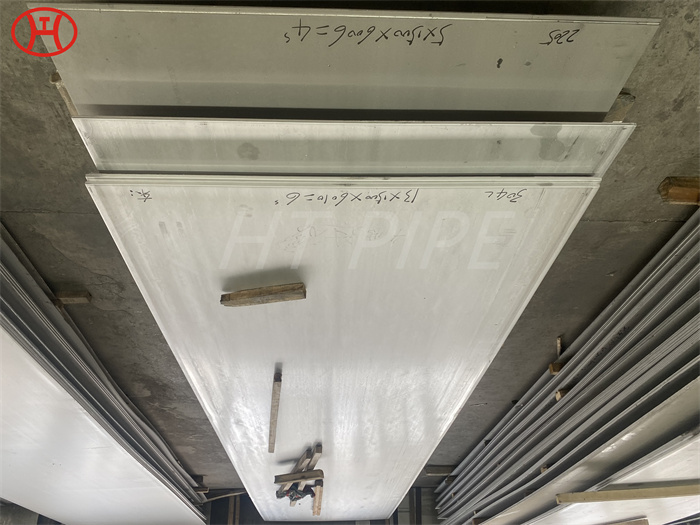
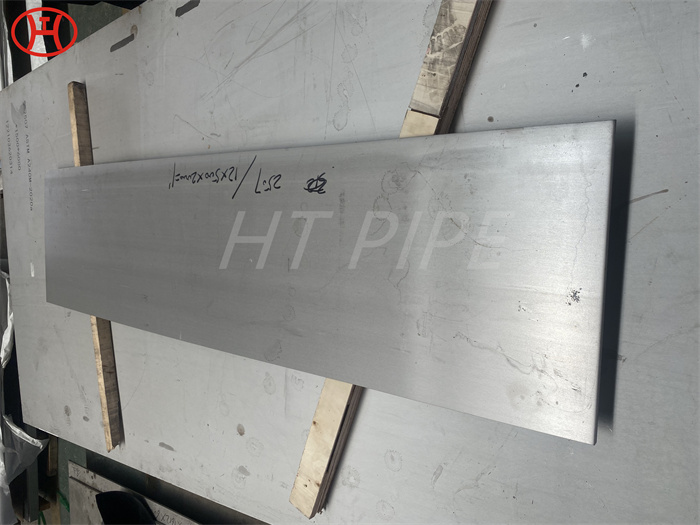
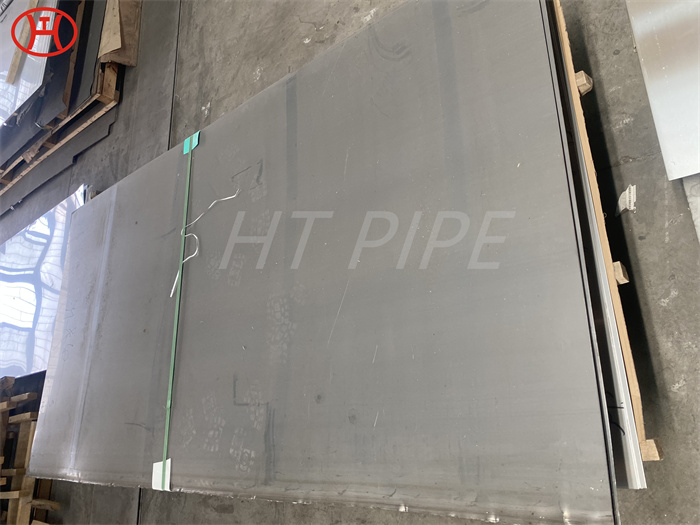
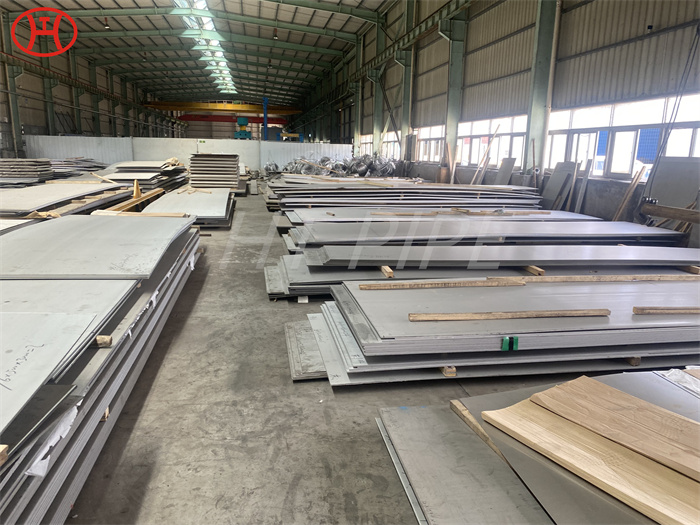
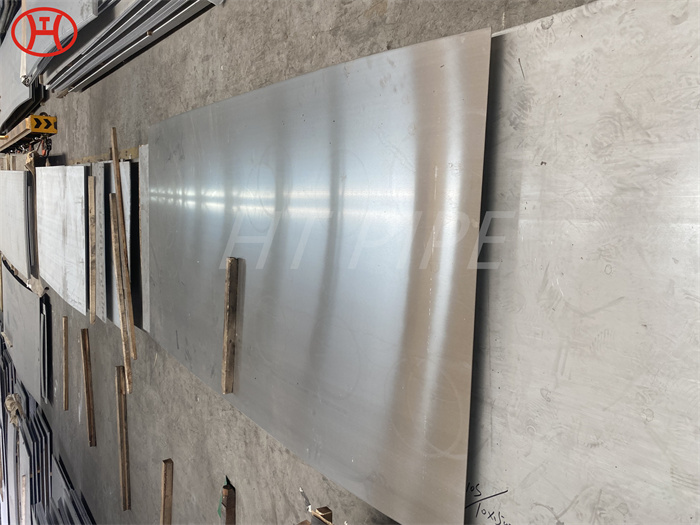
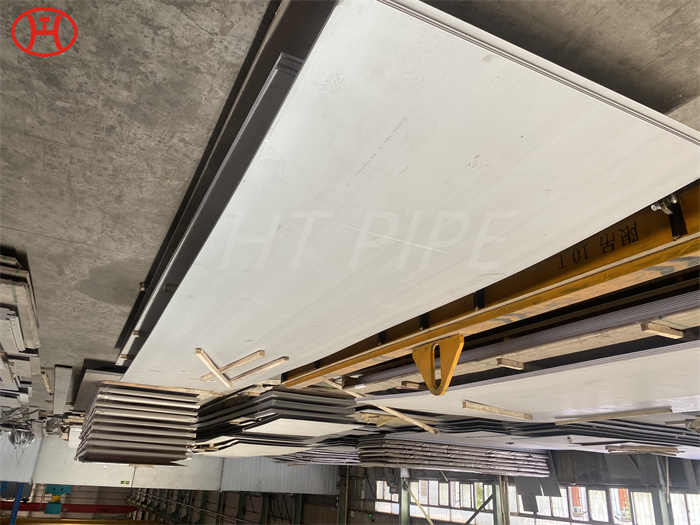
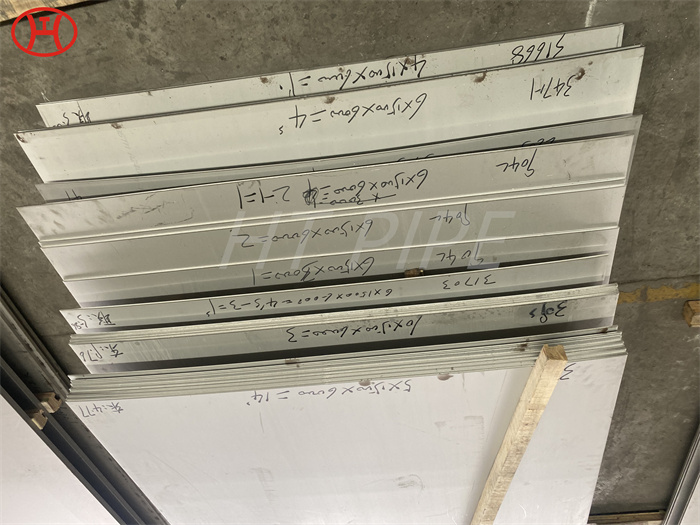
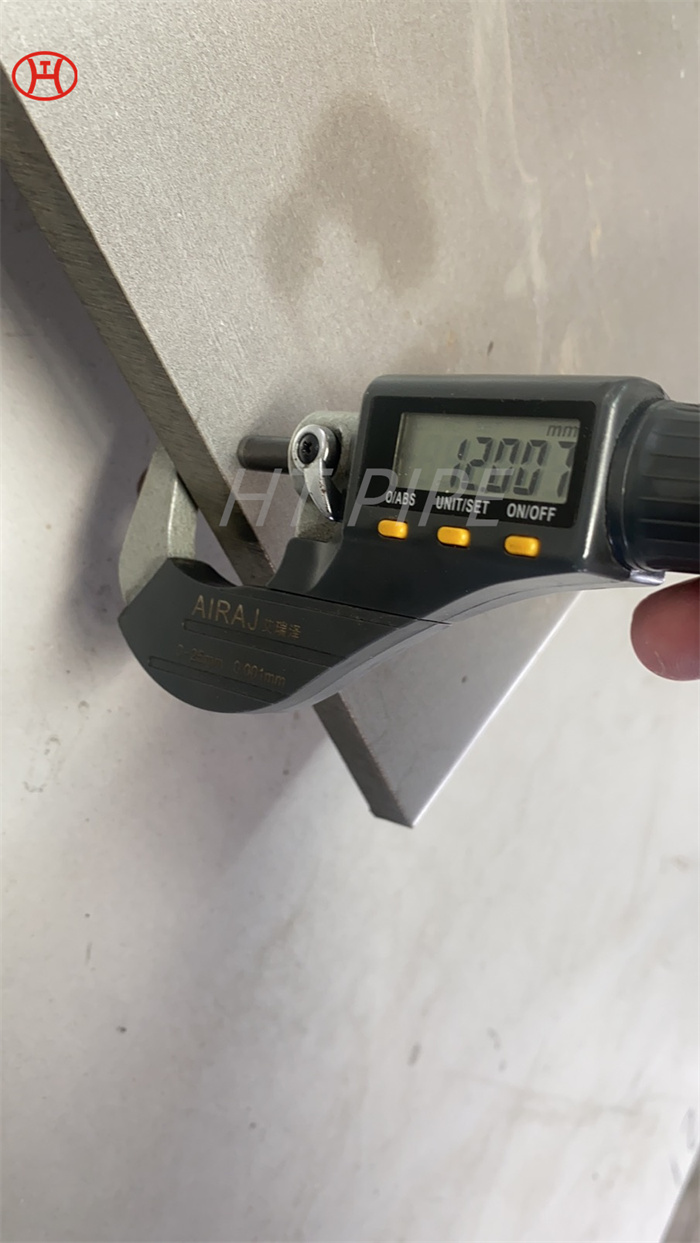
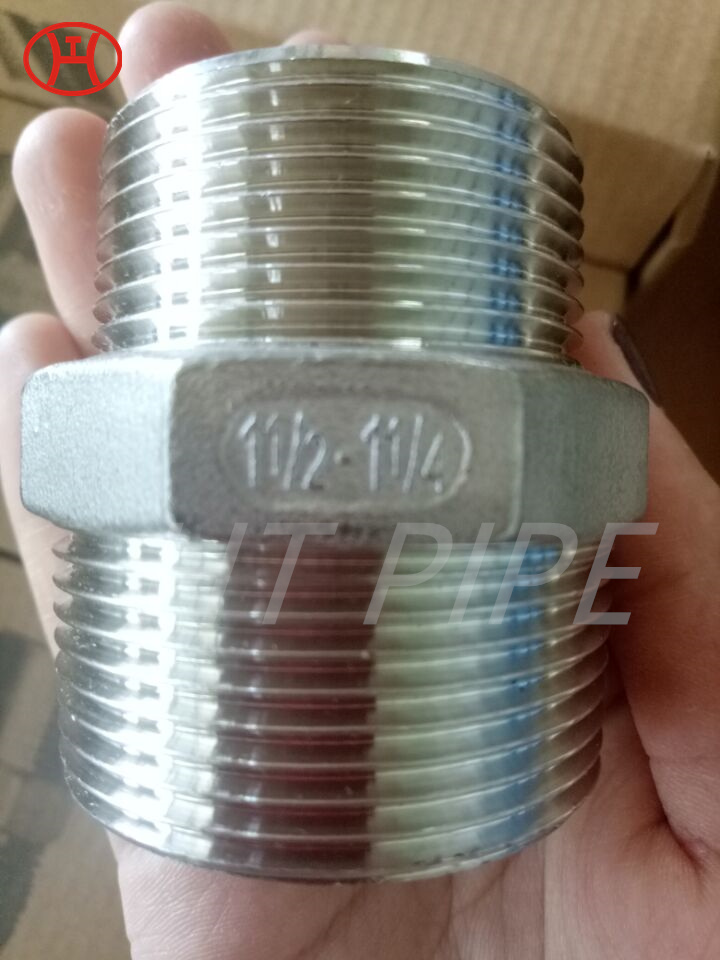
The SS 904L coil is used in heat exchangers and in high temperature applications because of their high melting range of 1300 to 1390 degrees Celsius.
The 1.4539 Plate is a standard which governs the thickness of the sheets and plates. There are different specifications to cover the sheets and plates as well.
Alloy 2205 duplex stainless steel is an alloy developed from the initial Super Duplex Stainless Steel. It is supplied in the solution annealed condition.
Duplex stainless steel, alloy 2205 was designed as comprising 22% chromium, 3% molybdenum, and 5-6% nickel nitrogen. Alloy 2205 combines the desirable aspect of properties of both austenitic and ferritic grades.
2205 has excellent corrosion properties, and it is well-suited to environments containing chlorides and hydrogen sulphide, for use in oil and gas extraction from sour wells, in refineries and in process solutions contaminated with chlorides.
2205 is also more formable under pressure than other ferritic grades. The greater toughness of this grade also outweighs most of its concerns.
2205 duplex grade without requiring higher levels of nickel or molybdenum. This means that it is a low-cost option than most austenitic stainless steel having the same requirements.
These plates combine desirable properties of austenitic and ferritic grades.
Super Duplex Alloy UNS S32750 (F53 / 1.4410 / Alloy 32750 / Alloy 2507) combines the most desirable characteristics of both ferritic and austenitic steels.
Super Duplex Stainless steels, which combine high strength and excellent corrosion resistance in many environments, have found applications in chemical and process industries.
The duplex microstructure gives this grade high strength UNS S32750 a low coefficient of thermal expansion and higher heat conductivity than austenitic steels and is suitable for working temperatures up to 300¡ãC.
2507 Duplex Plate also exhibit better ductility and toughness compared to ferritic stainless steels, but they do not provide these properties as successfully as austenitic stainless steels.
310S stainless steel is the lower carbon version of 310 plate which is less prone to embrittlement and sensitization in service. 310H stainless steel plate is the high carbon version.
904L stainless steel combines molybdenum and copper with iron for tremendously increased resistance to reducing acids like sulphuric acid. It stands up extremely well to chlorides in the environment for low pitting and crevice corrosion, as well as stress corrosion cracking.
904L cannot be hardened by heat treatment. You can weld 904L stainless using any standard method, but it is susceptible to hot cracking. It can be machined but does not machine well.
The alloying element that makes steel ¡®stainless¡¯ is chromium; however it is the addition of nickel that enables stainless steel to become such a versatile alloy.
Most iron-based metals react with water to produce the reddish iron oxide known better as rust. The oxygen atoms in the water pulls iron off of the base metal to form the porous rust structure with no real strength.
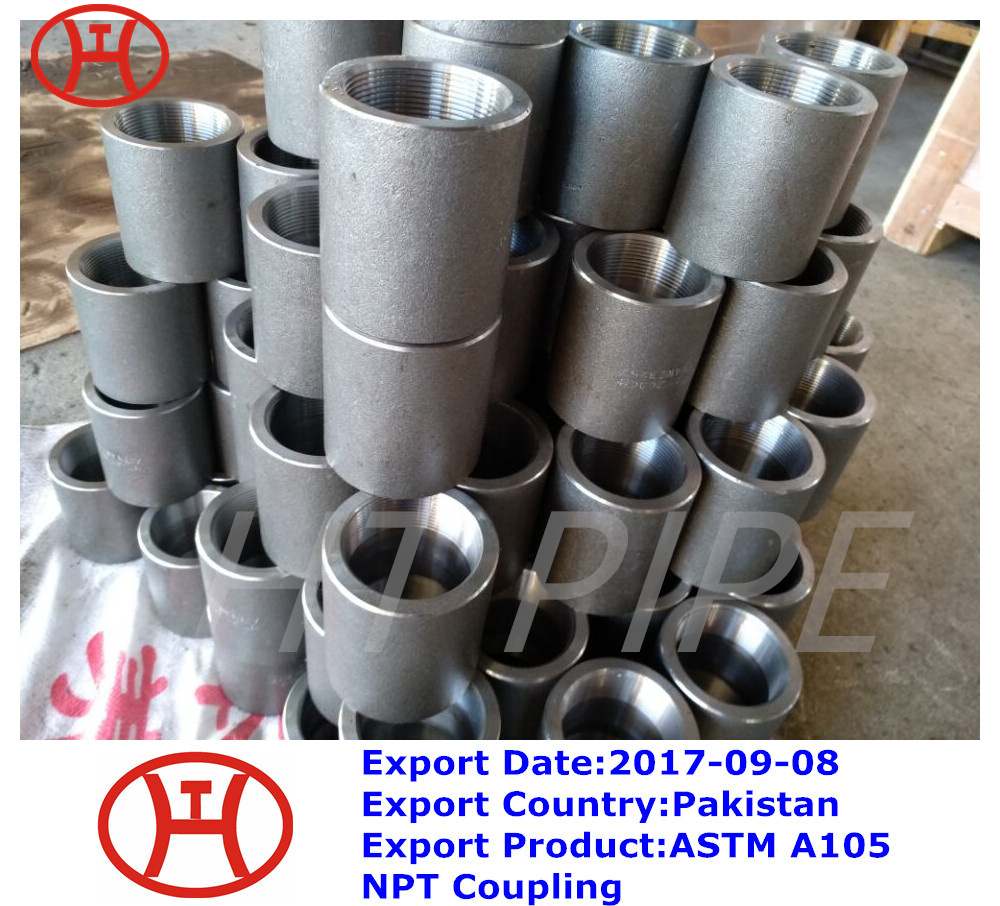
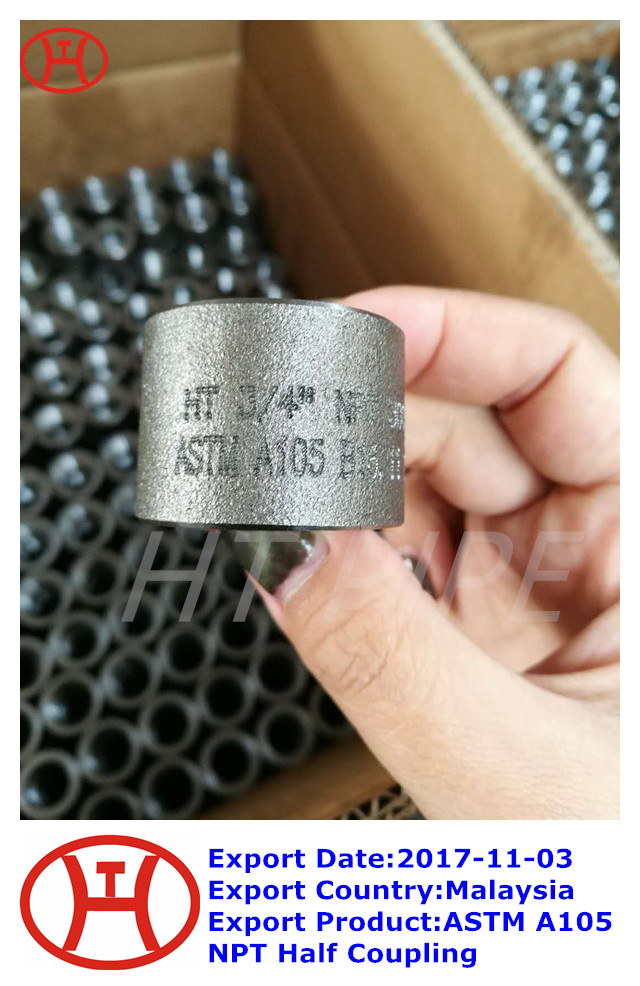
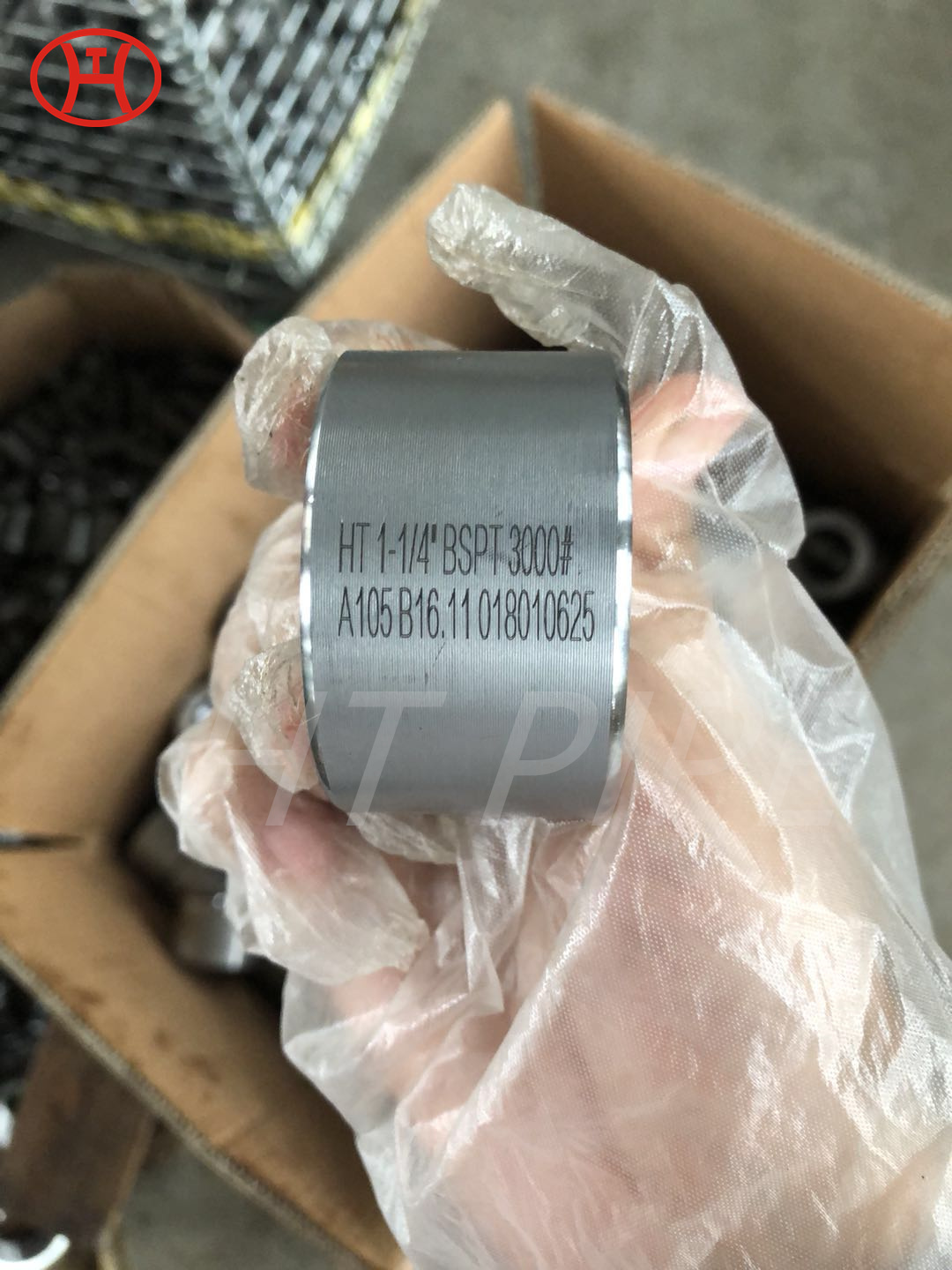
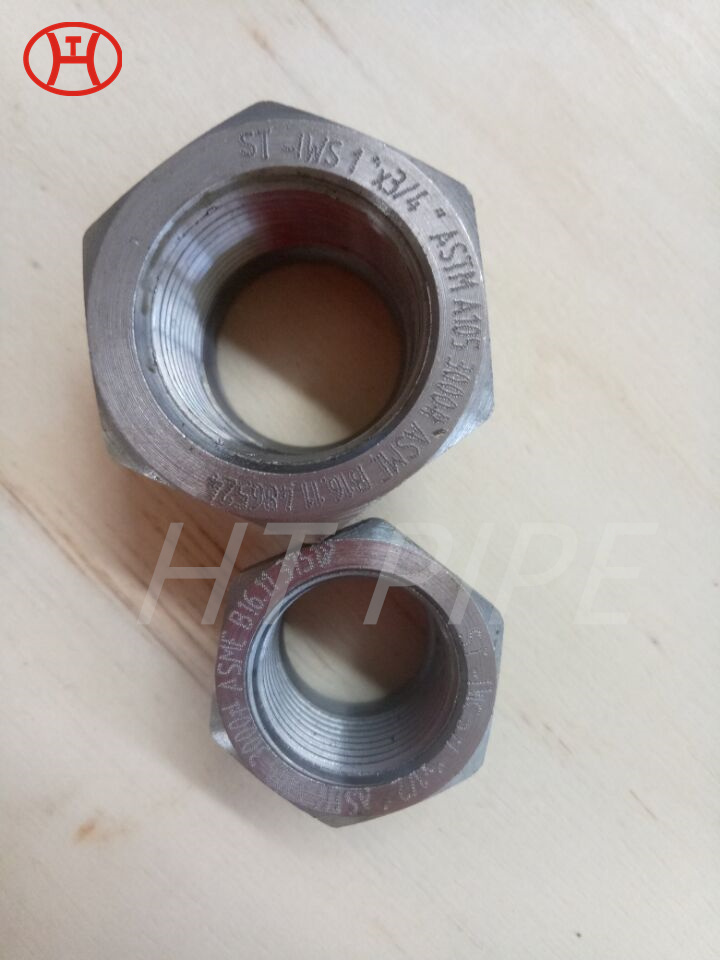
ASTM A105 (also known as ASME SA 105) covers seamless forged carbon steel piping components for use in pressure systems at ambient and high-temperature service.
Nickel is so important that nickel-containing grades make up 75% of stainless steel production. The best-known of these are Type 304, which has 8% nickel and Type 316, which has 11%.
ASTM A105 carbon steel can be forged at temperatures in the range of 2200 to 1700 F followed by quenching and tempering or normalizing.
This specification covers standards for forged carbon steel piping components, that is, flanges, fittings, valves, and similar parts, for use in pressure systems at ambient and higher-temperature service conditions.
A105 shall be subjected to heat treatment (annealing, normalizing, tempering, or quenching). A105 shall conform to carbon, manganese, phosphorus, sulfur, silicon, copper, nickel, chromium, molybdenum and vanadium contents.
A105 shall adhere to tensile strength, yield strength, elongation, reduction of area, and hardness requirements. Guidelines for retreatment, repair by welding, and product marking are given.
A105 is American ASTM standard number,¡±A¡± stands for common carbon structural steel.ASTM A105 is the most common carbon steel material under ASME/ANSI/API/MSS standard.It¡¯s standard specification for carbon steel forgings for piping applications.
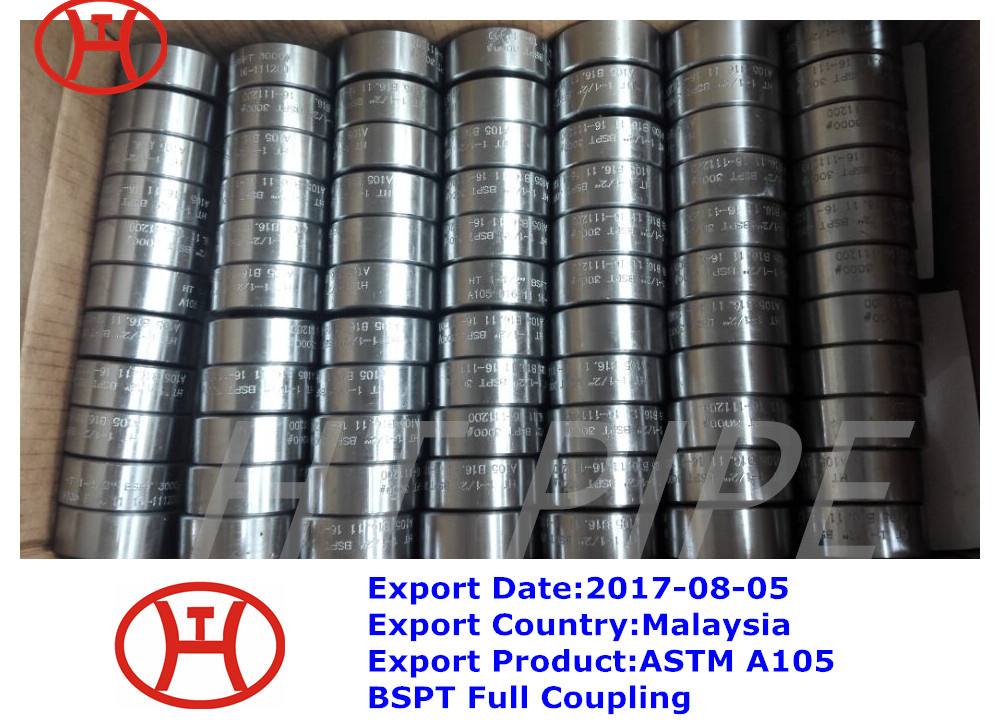
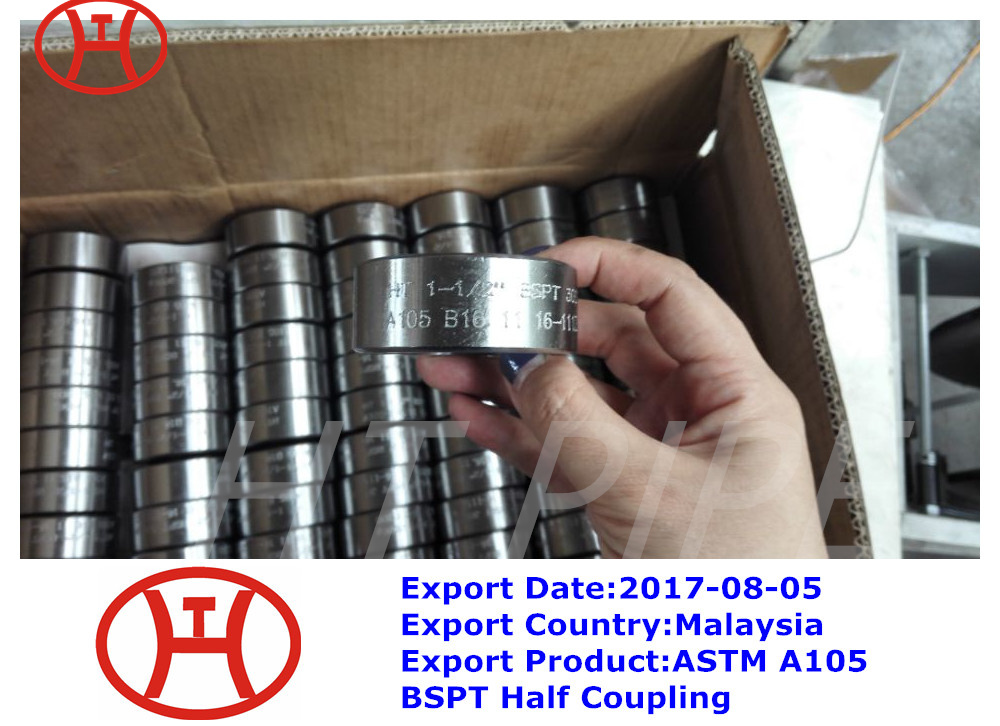
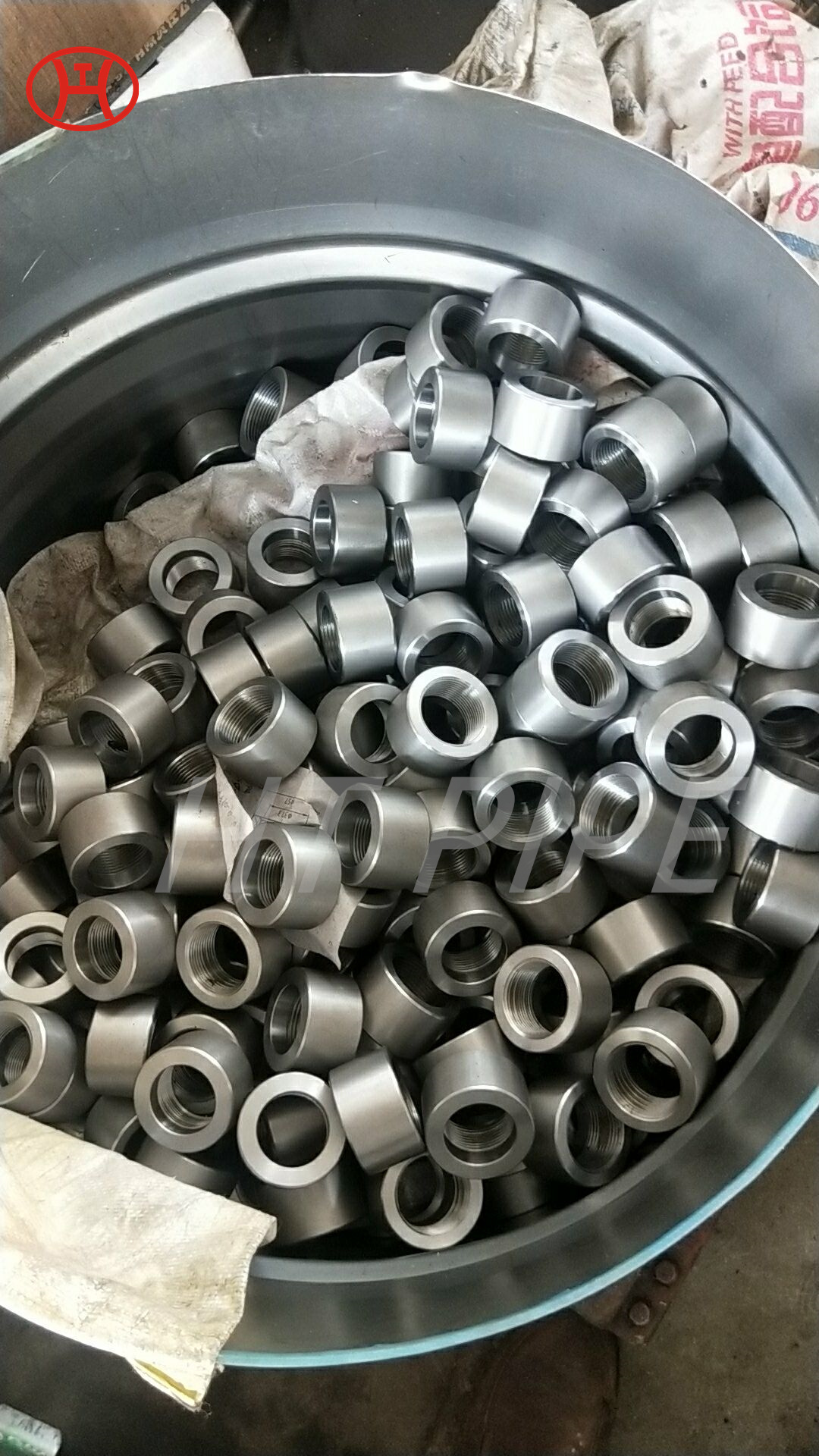
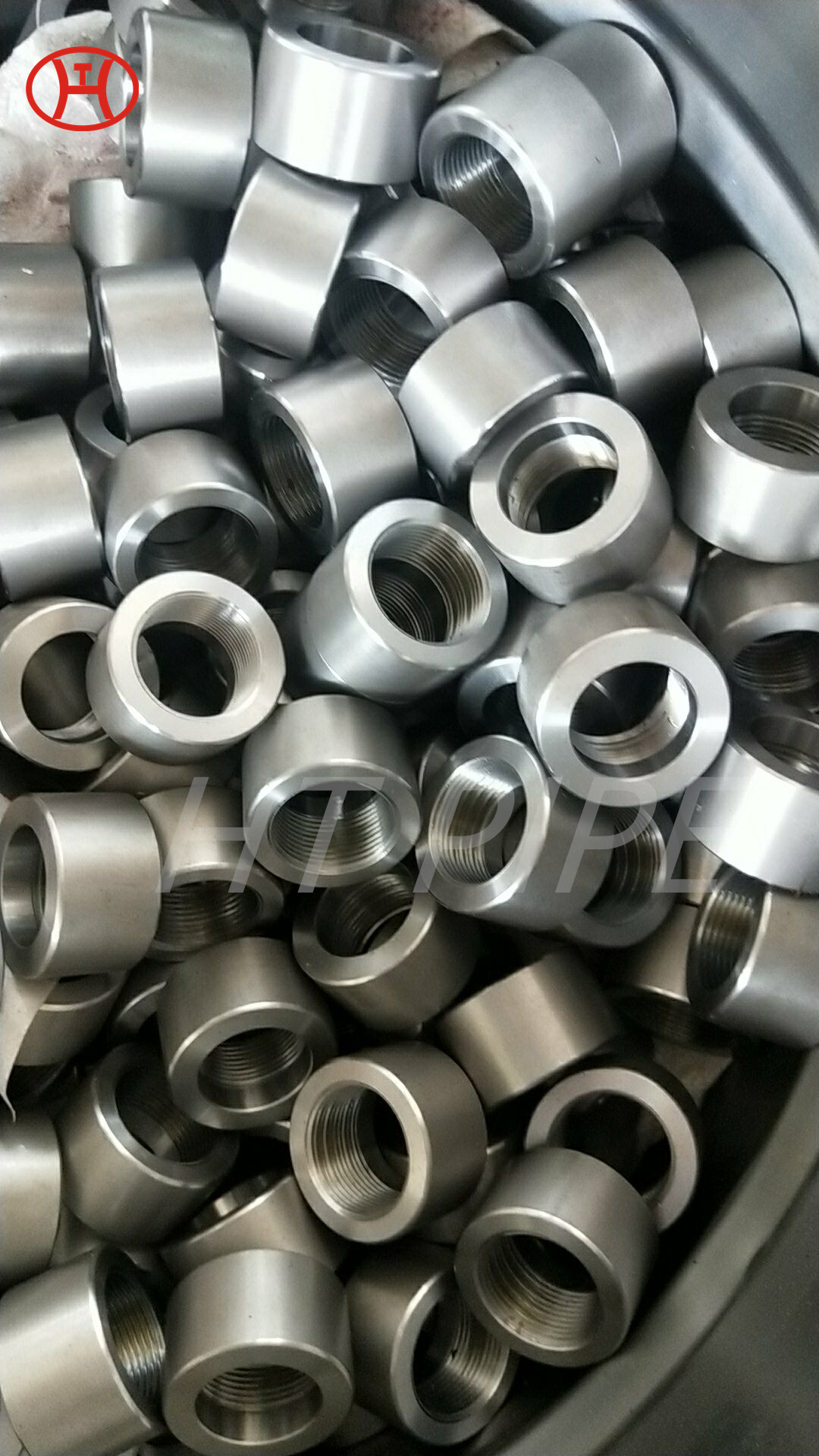
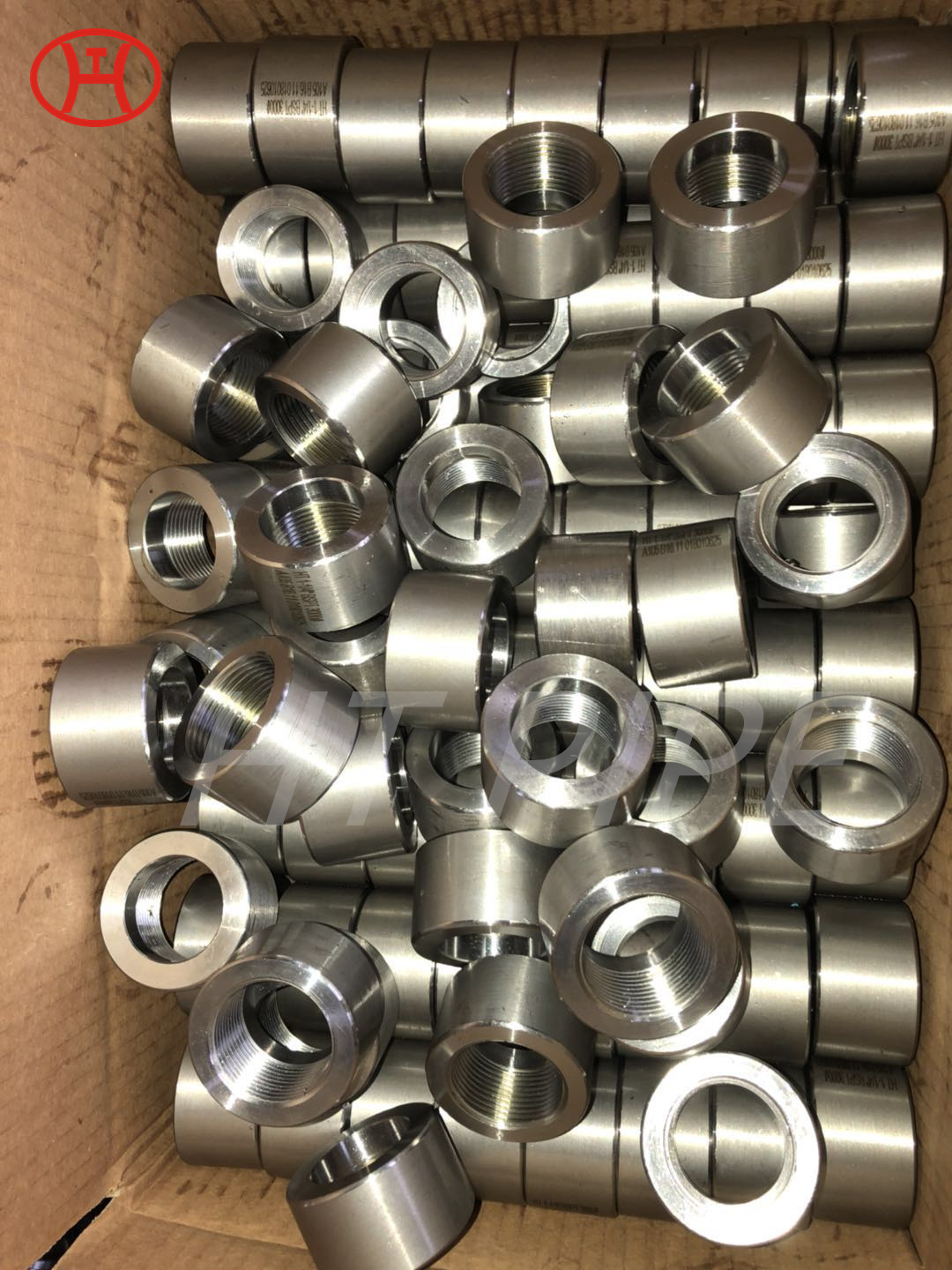
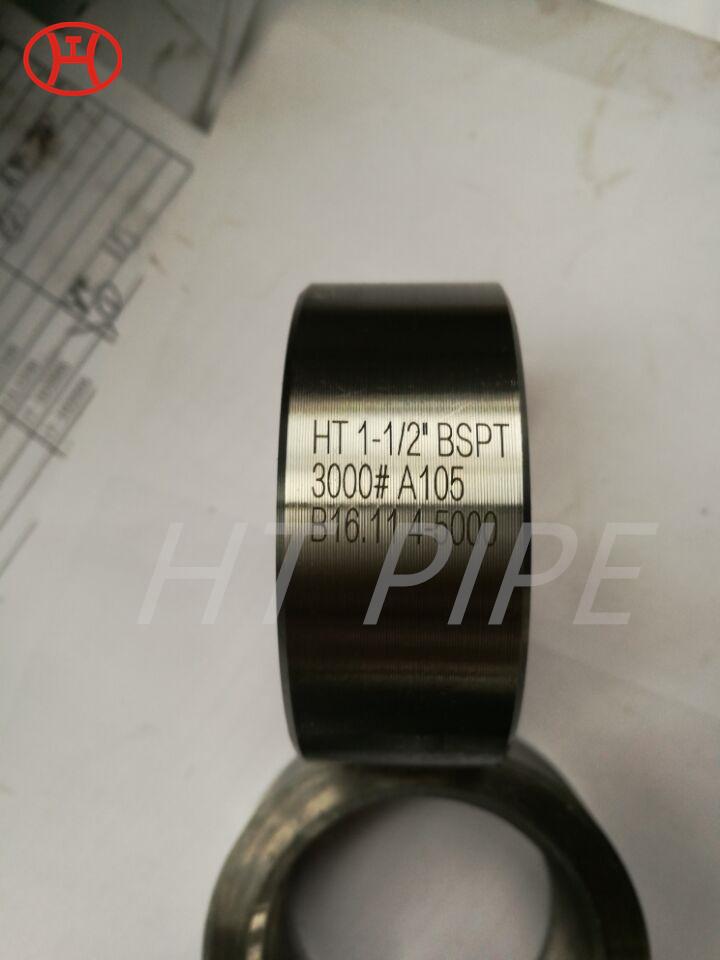
Carbon Steel ASTM A105 threaded Forged Fittings are low Carbon, Manganese and Silicon added fittings which are usable for non-critical yet pressure applications, like refrigeration fittings, that work at constant temperatures.
Carbon steel material is used for forging. This material can be in shape of a bar or in shape of the ingot to meet various forging requirement. They offer maximum machinability and weldability.
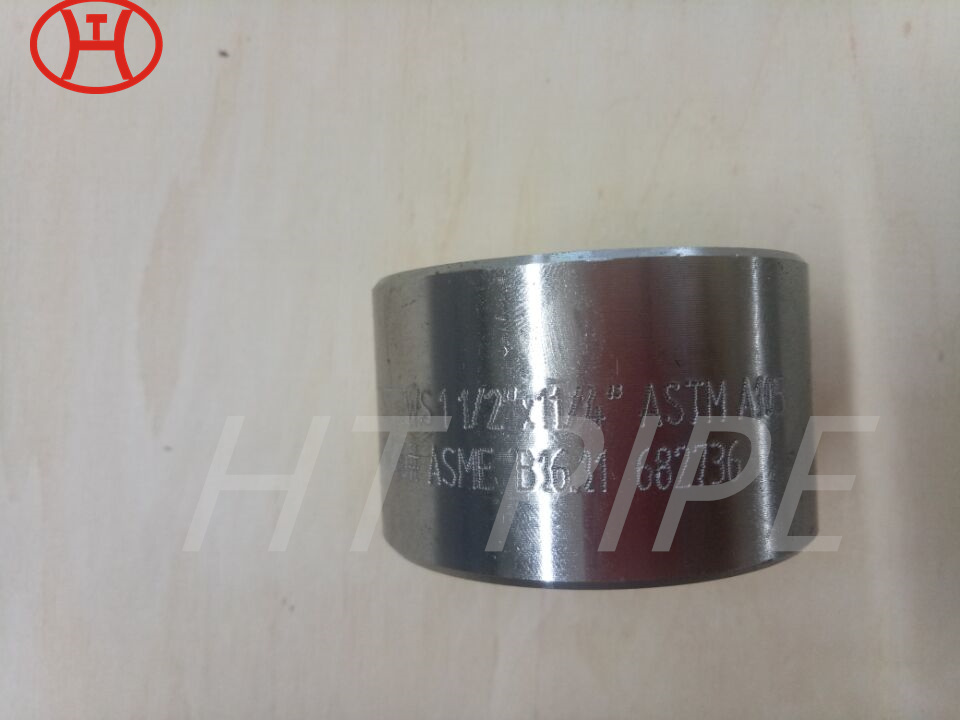
Carbon steel ASTM A105 socket weld forged fittings are usually ¡°normalized¡± heat treatment, devoid of any internal stresses and thus having superior performances.
Carbon Steel A105 Grade all products like flanges, butt weld fittings, forged fittings, outlets, round bar that is Fabricated From High Quality Raw Materials. Carbon Steel A105 products are available in Following Specification, Grade and Sizes.
ASTM A105 is a carbon steel material grade that has the greatest and widespread use. This is used in manufacturing forge piping components.
Stainless steel has been in use for more than one hundred years.