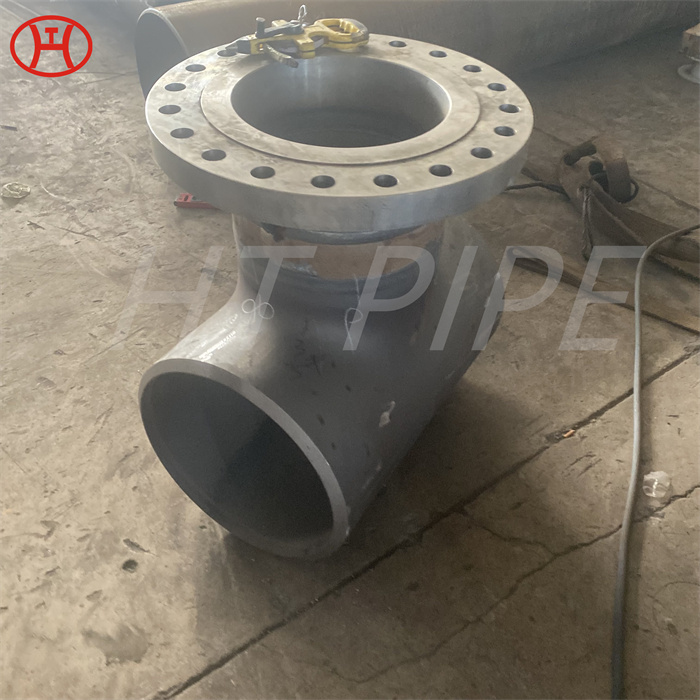
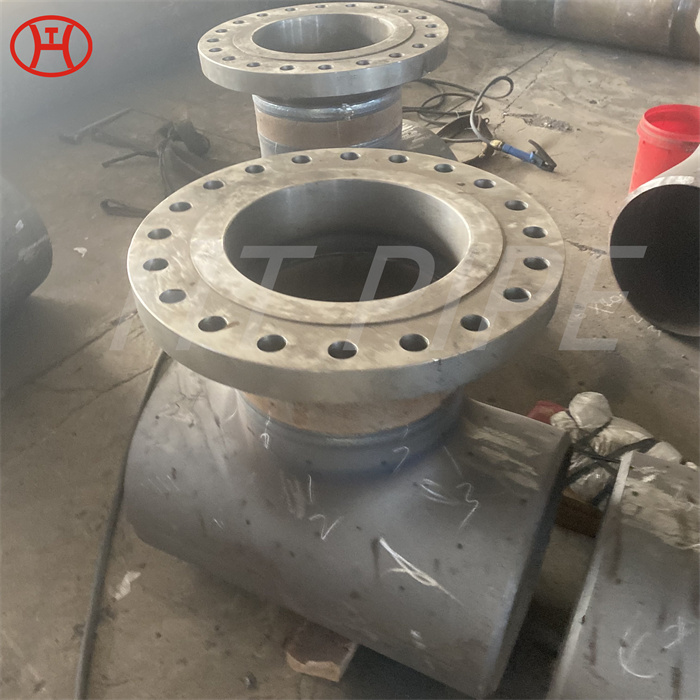
Hastelloy C-276 alloy excellent resistance to a wide variety of chemical process environments, including strong oxidizers such as ferric and cupric chlorides, and hot contaminated media (organic and inorganic).
Hastelloy C-276 alloy excellent resistance to a wide variety of chemical process environments such as chlorine, formic and acetic acids, acetic anhydride, and seawater and brine solutions.
It is used in flue gas desulfurizations systems because of its excellent resistance to sulfur compounds and chloride ions encountered in most scrubbers. C-276 alloy has excellent resistance to pitting and to stress- corrosion cracking.
It is also one of the few materials that withstands the corrosive effects of wet chlorine gas, hypochlorite, and chlorine dioxide.
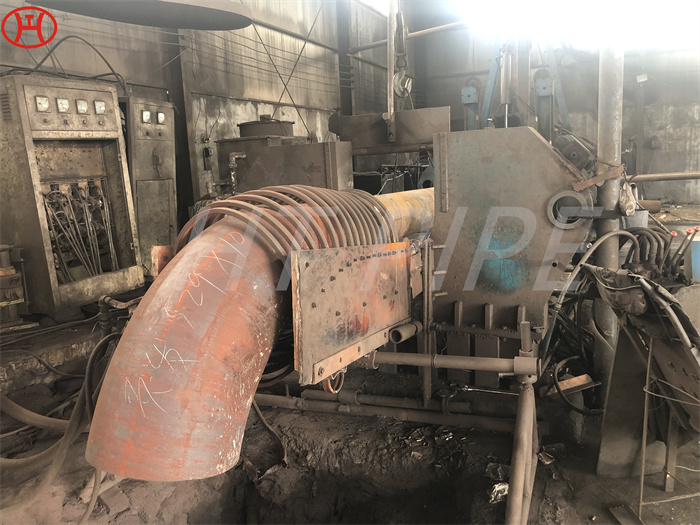
Hastelloy C-276 alloy can be forged, hot-upset, and impact extruded. Although the alloy tends to work-harden, it can be successfully deep-drawn, spun, press formed or punched.
All of the common methods of welding can be used to weld Hastelloy C-276 alloy, although the oxyacetylene process is not recommended. Special precautions should be taken to avoid excessive heat input.
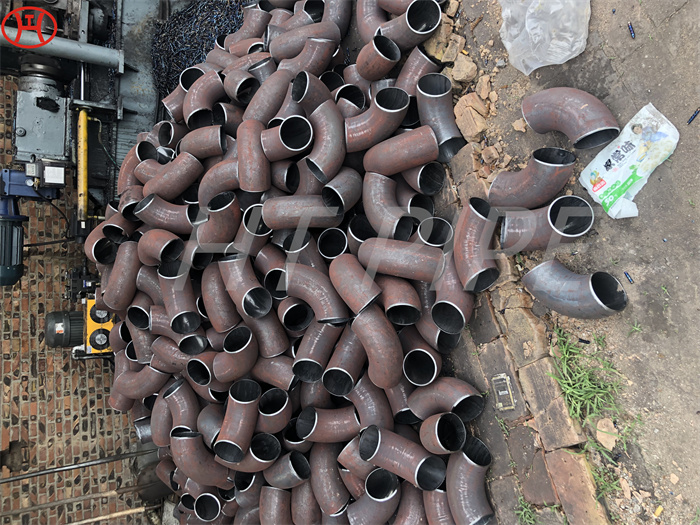
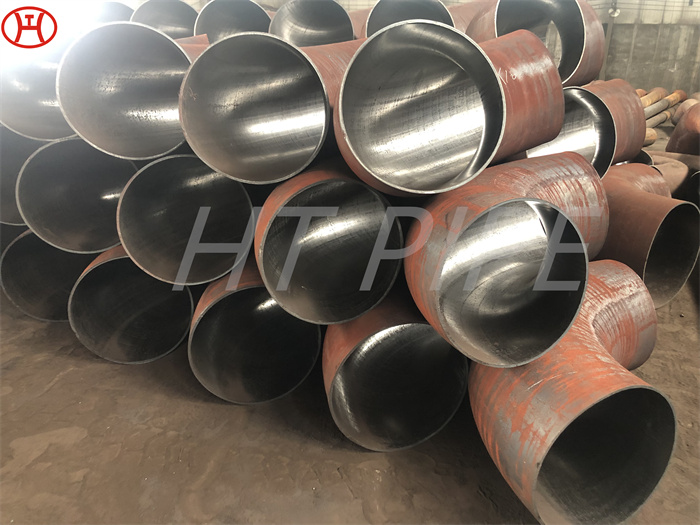
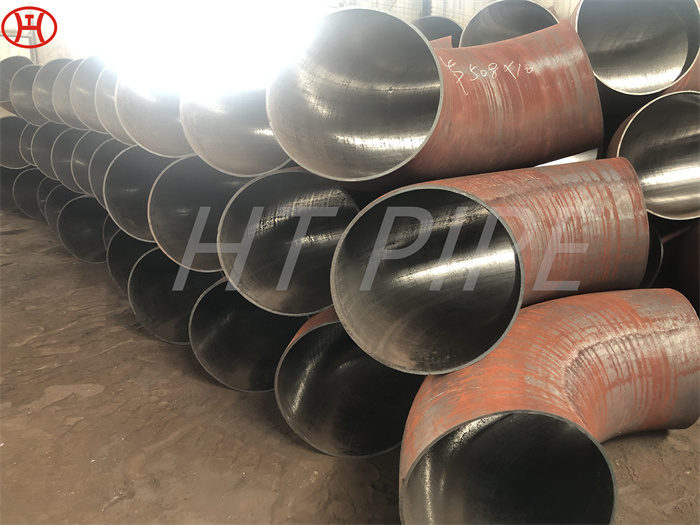
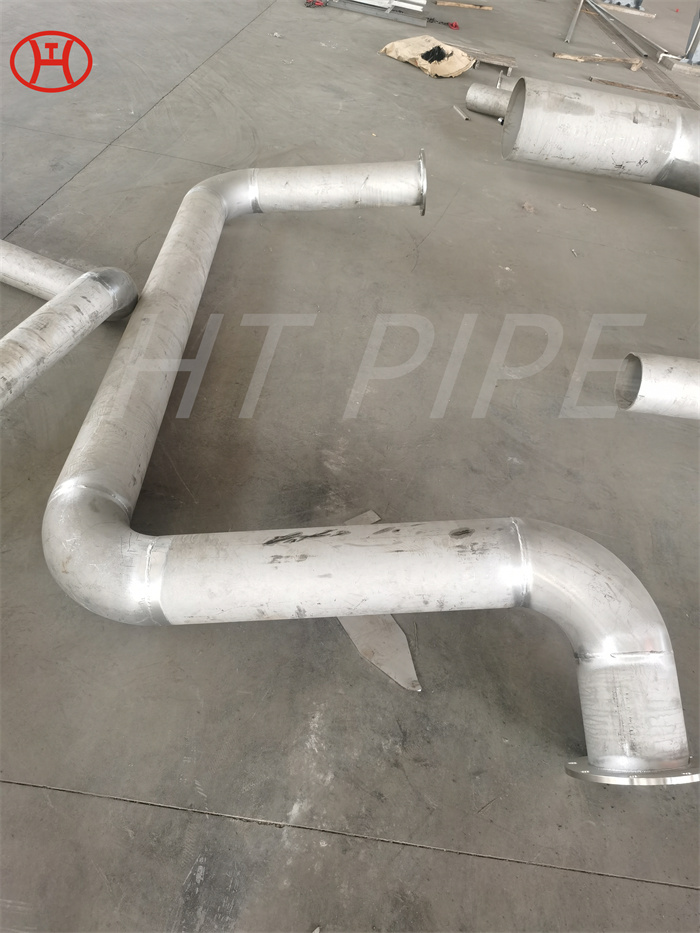
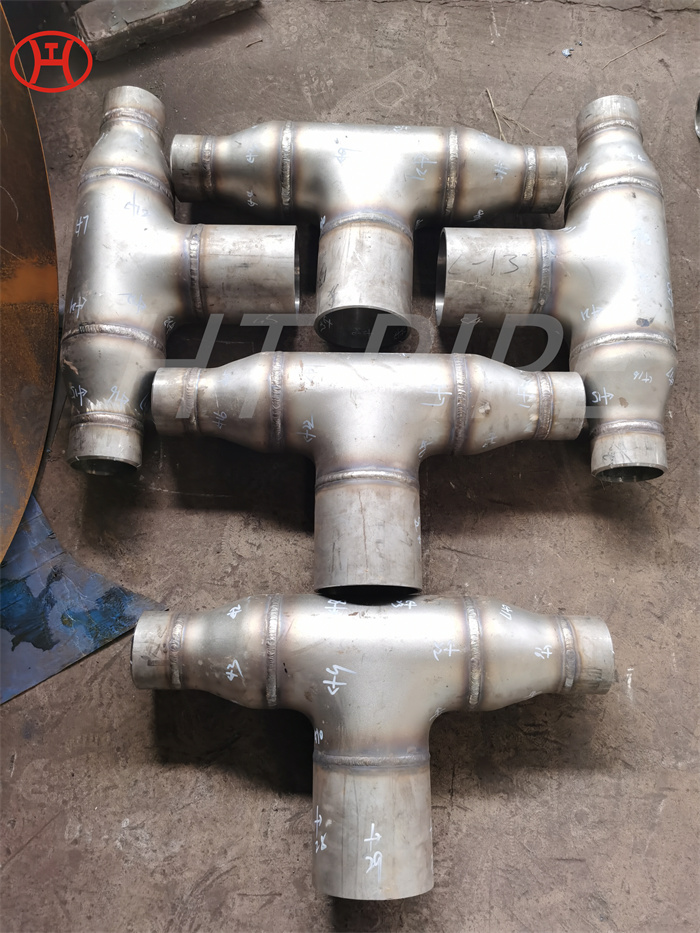
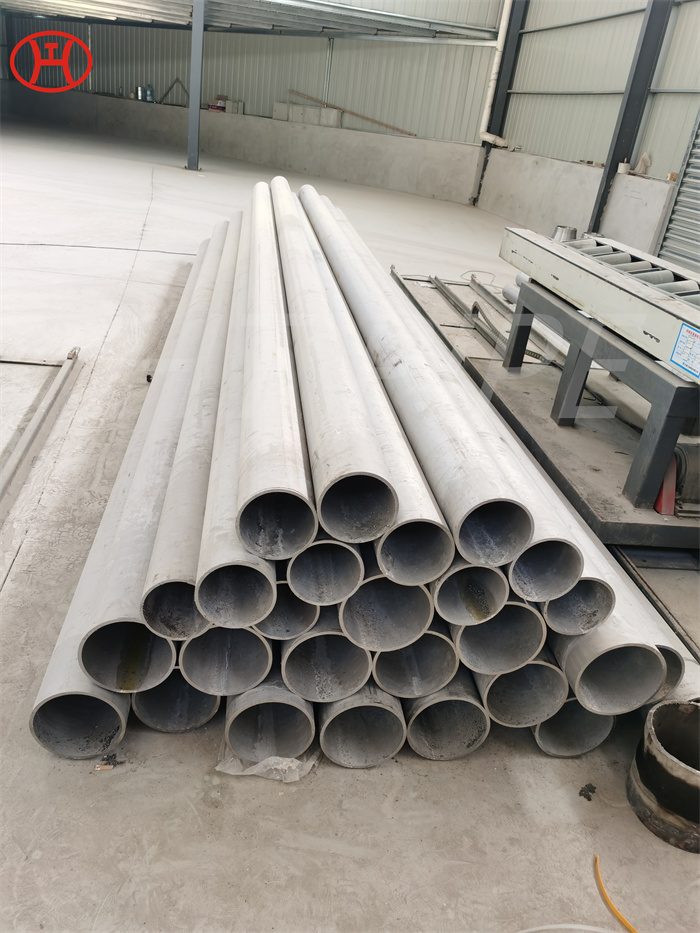
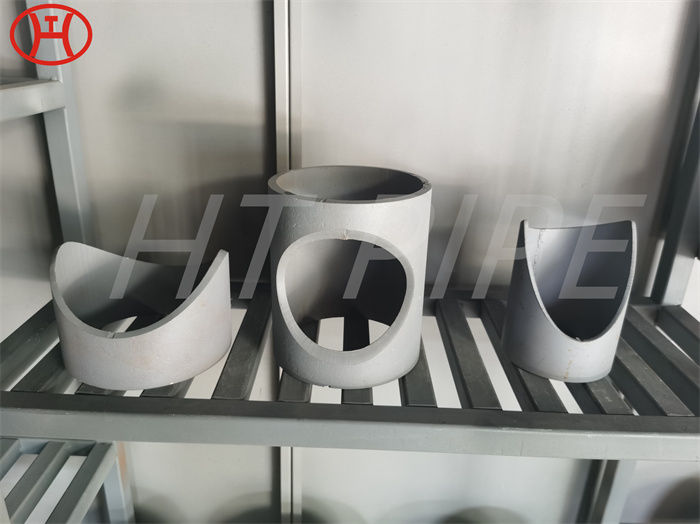
Hastelloy C-276 is available in the form of plate, sheet, strip, billet, bar, wire, covered electrodes, pipe, tubing, pipe fittings, flanges, fittings.
C-276 alloy is normally solution heat-treated at 2050¡ãF (1121¡ãC) and rapid quenched. If possible, parts which have been hot-formed should be solution heat-treated prior to final fabrication or installation.
Hastelloy Alloy B2 Pipes is known for its excellent chemical resistance, suited to high pressure and high temperature applications.
Hastelloy C276 is resistant to localized corrosion such as pitting and stress corrosion cracking.
Hastelloy C276 is one of the few materials that can withstand the corrosive effects of wet chlorine, hypochlorite and chlorine dioxide.
Hastelloy can be used with all common welding methods, but oxyacetylene and submerged arc processes are not recommended when the manufactured product is intended for corrosion service.
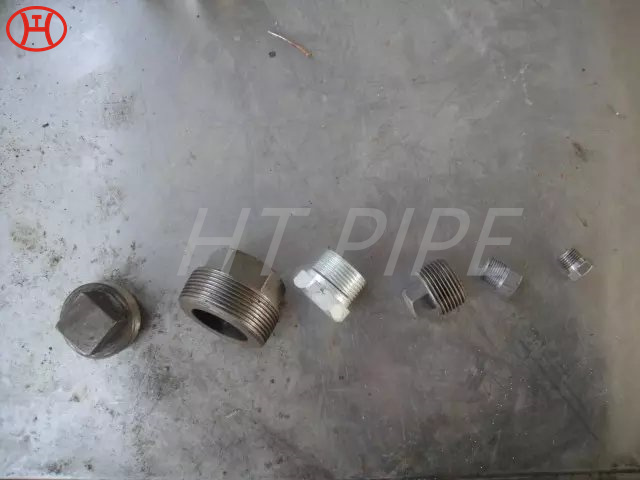
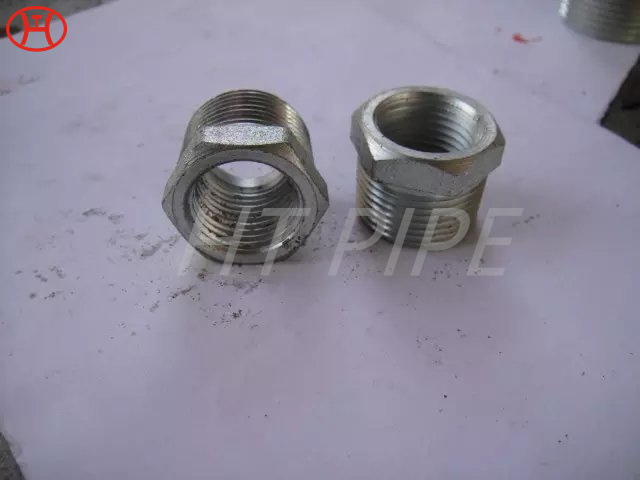
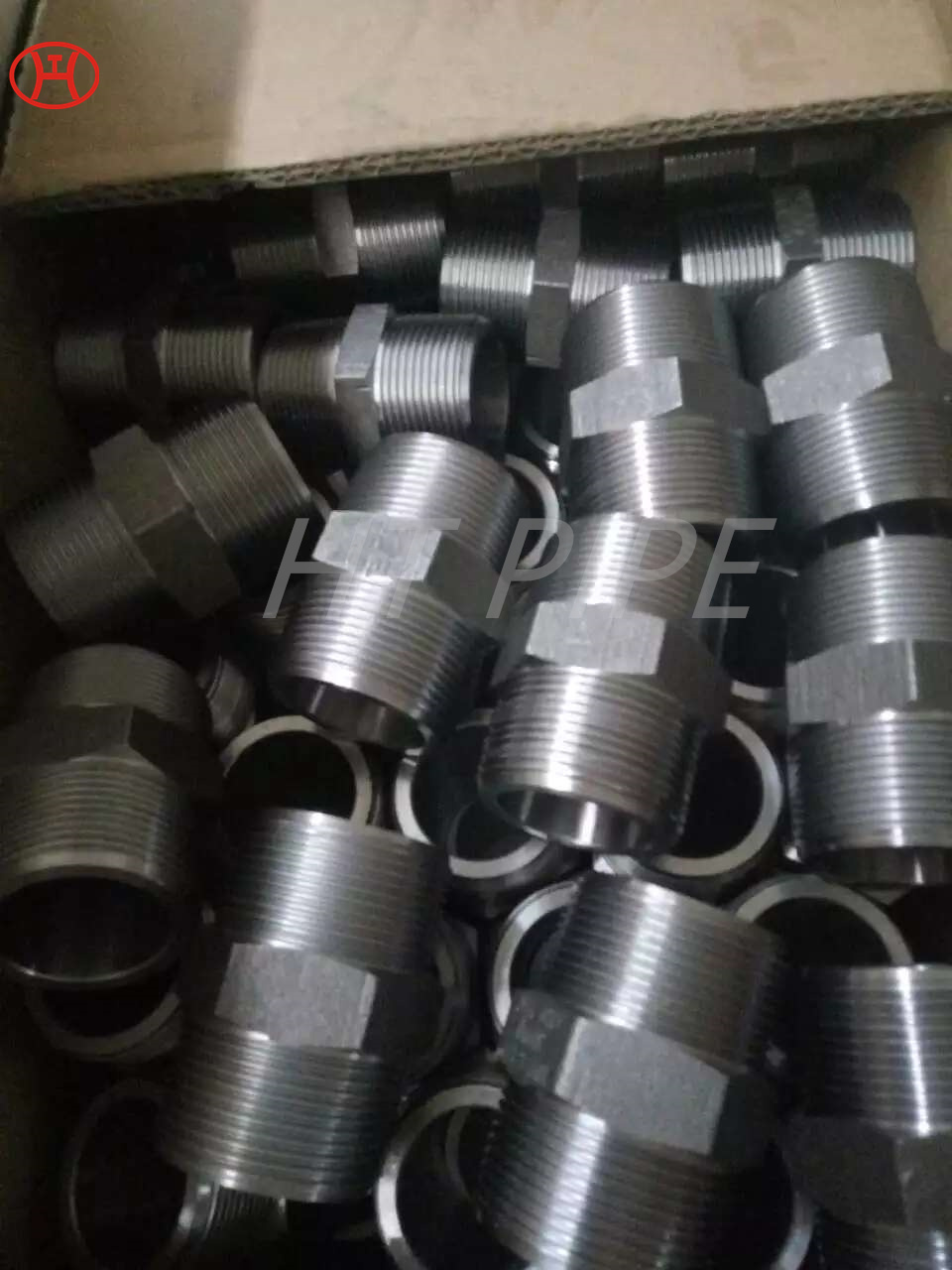
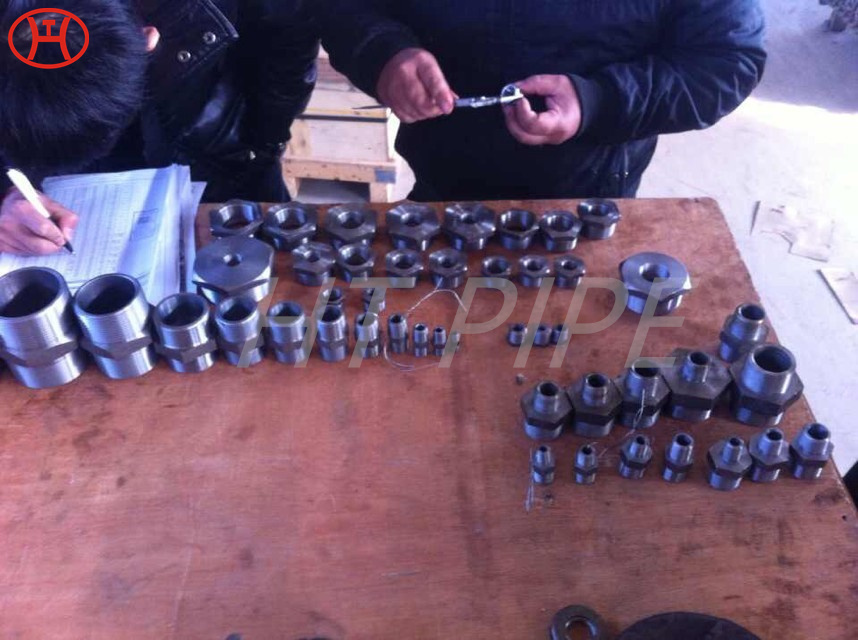
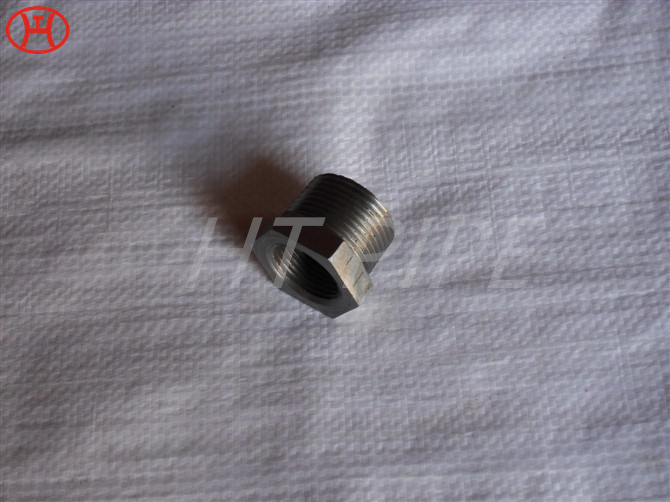
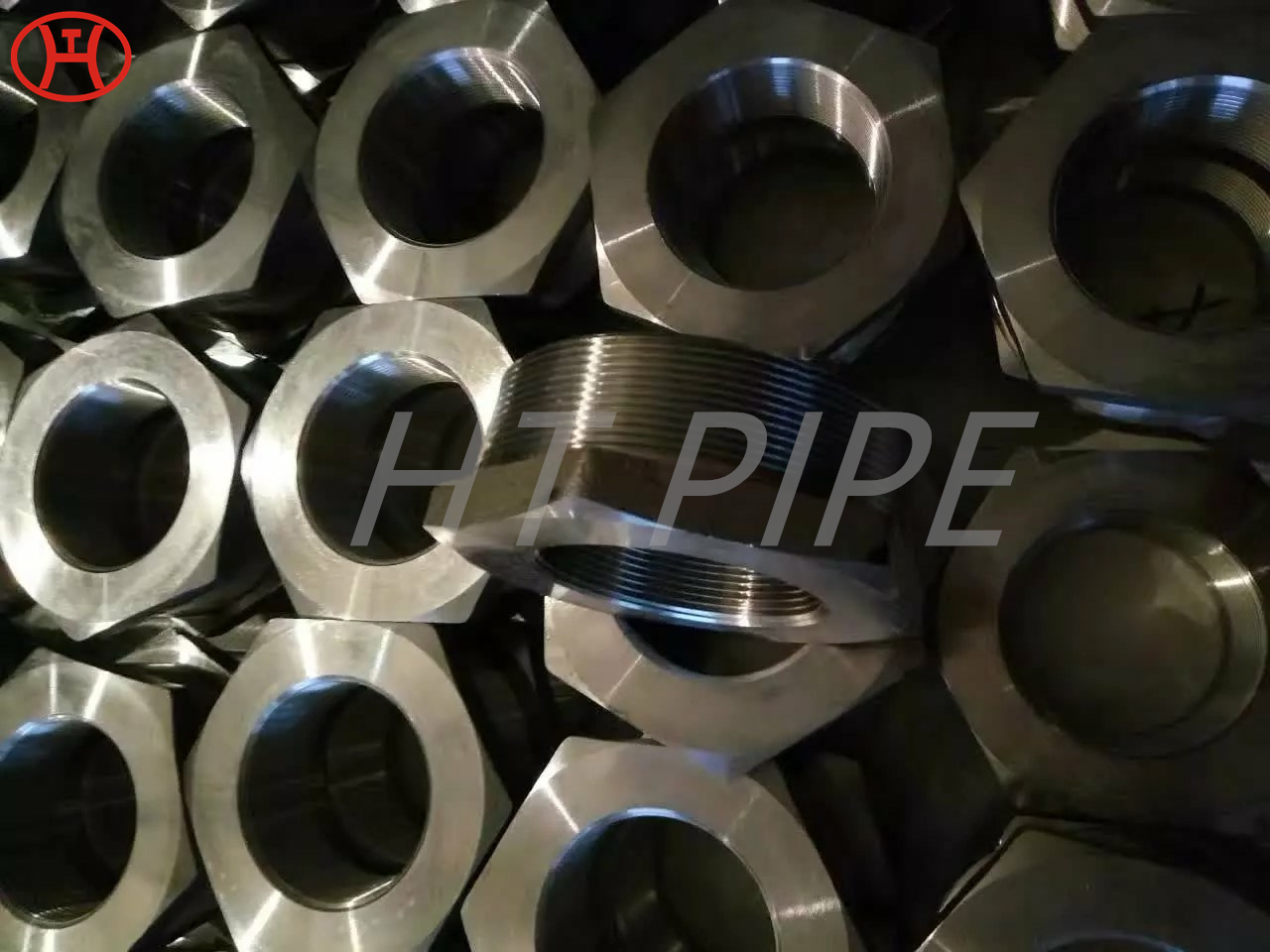
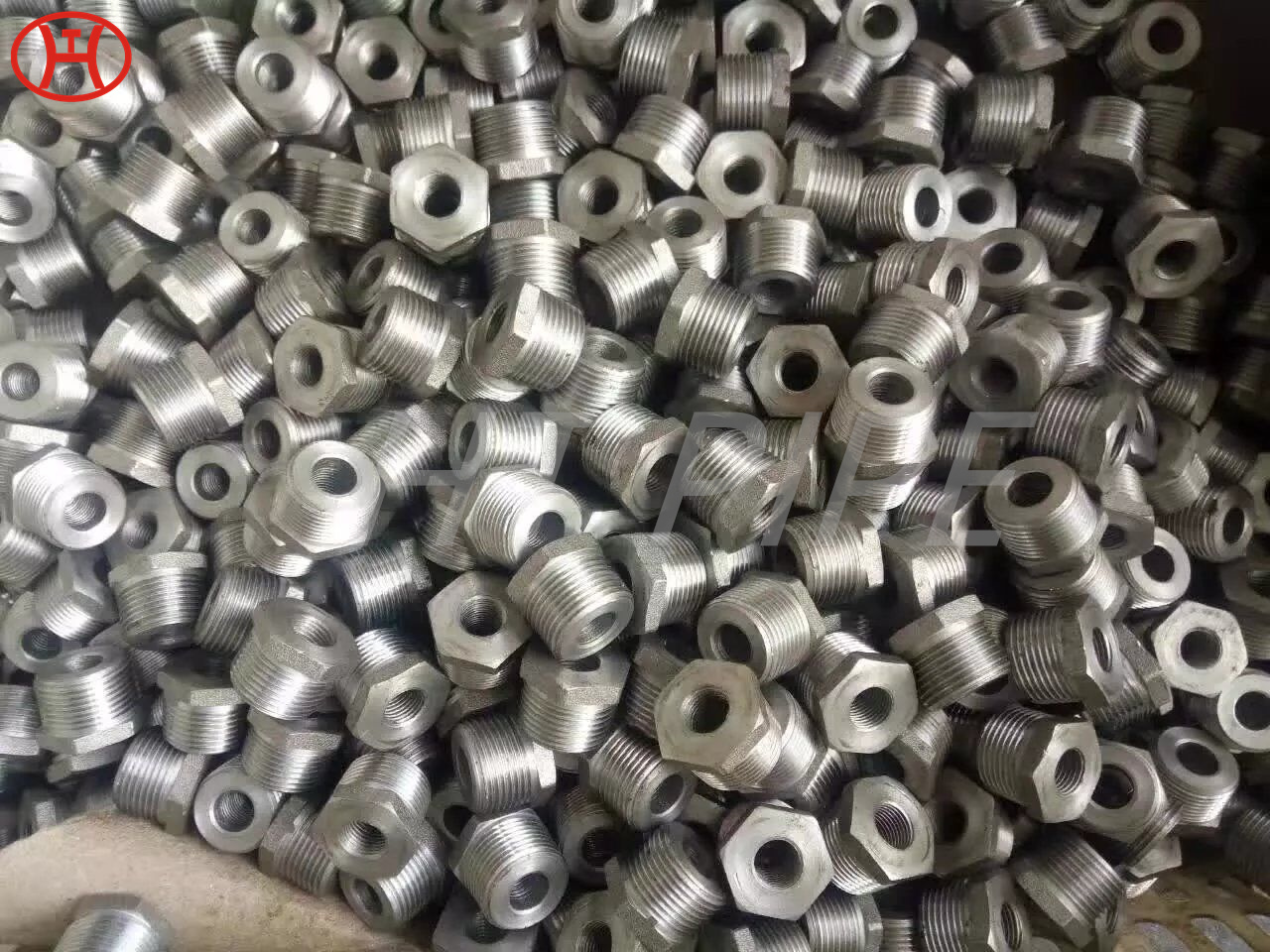
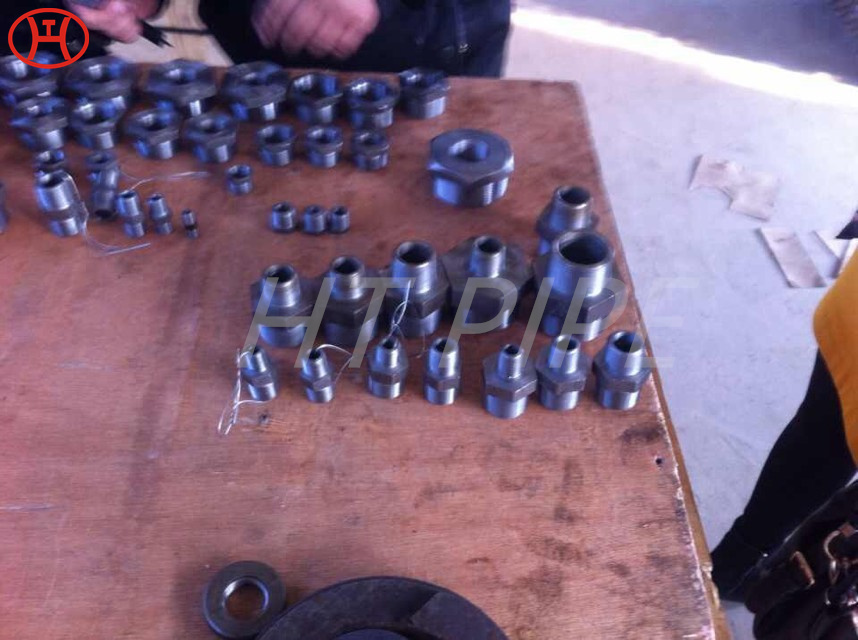
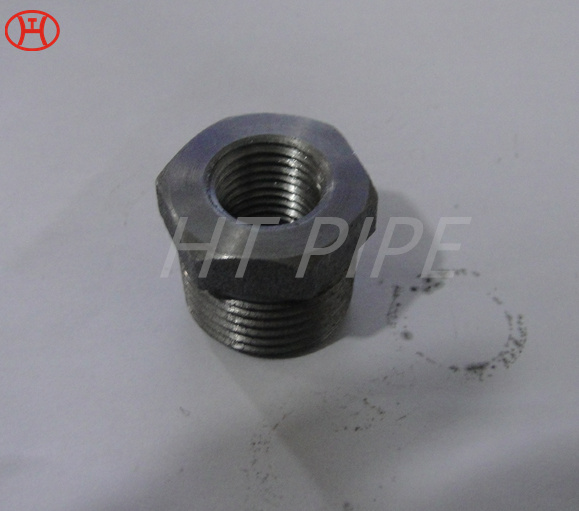
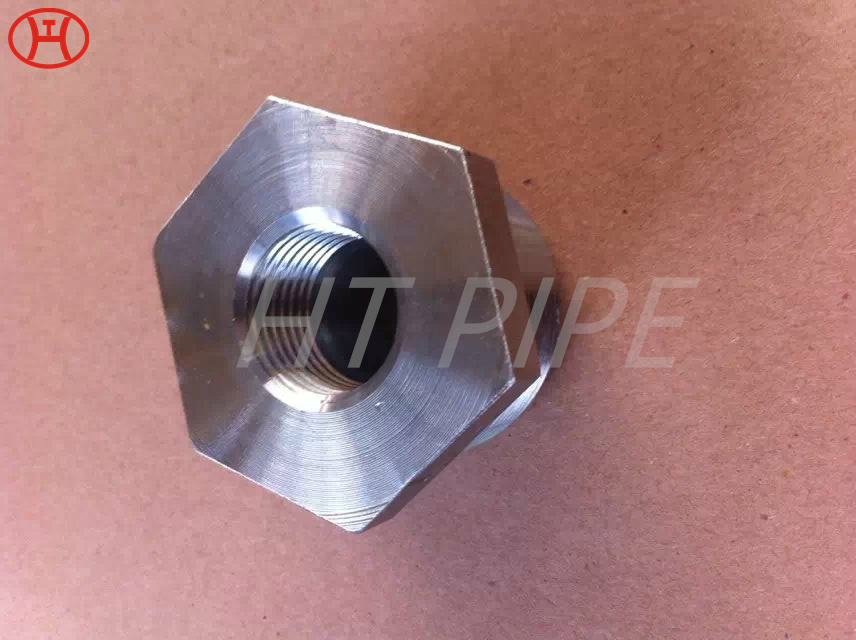
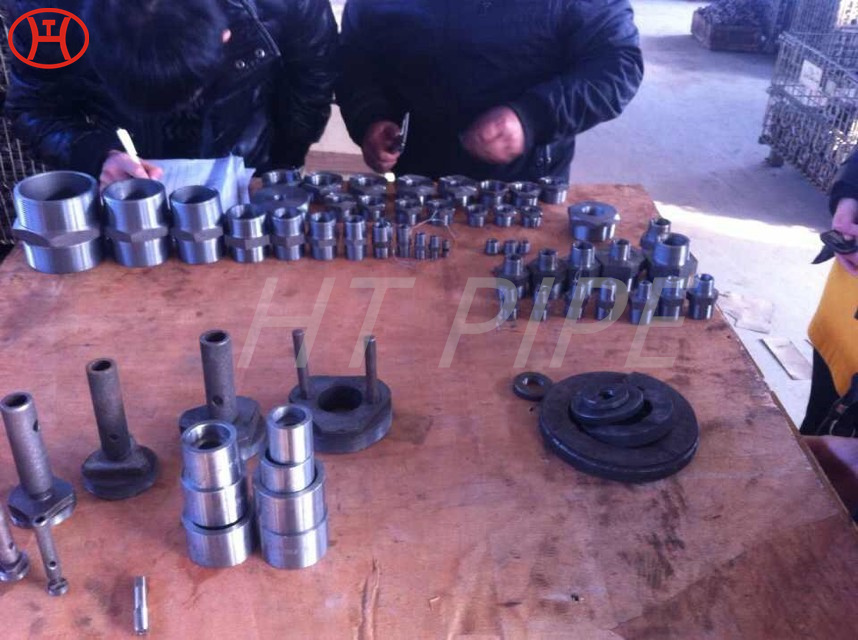
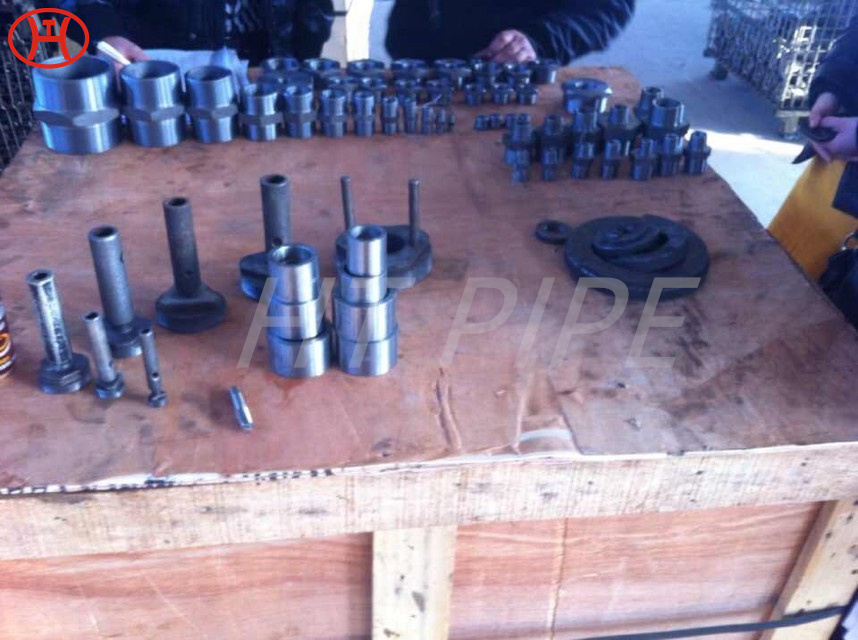
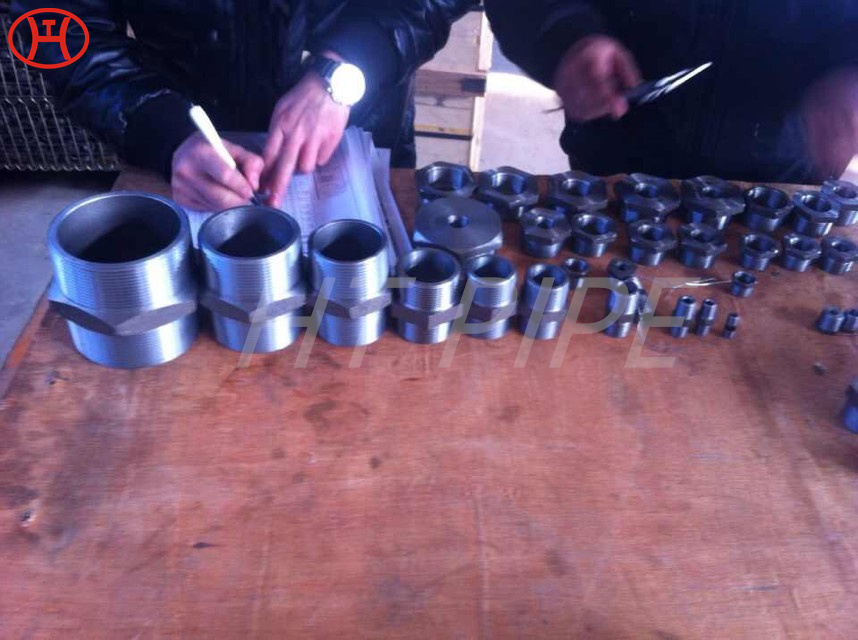
Hastelloy C-276 bushings are also used in sour gas wells, pulp and paper production, waste disposal, pharmaceutical and food processing equipment. Other important properties of this alloy Nickel Alloy C-276 and Hastelloy C-276 include its resistance to oxidizing agents.
Nickel Alloy C-276 and Hastelloy C-276 can be welded by all common welding methods (oxyacetylene is not recommended).
Bushings are similar to thin tubes most commonly used in machinery with rotating or sliding shafts to increase efficiency and reduce vibration and noise. Bushings can be used for drilling operations in drill stands, hydraulic external gear pumps and motors.
A bushing is a type of bearing. Generally speaking, “bearings” facilitate movement between two components while reducing friction. Simple in design, a typical bearing has two surfaces that roll against each other, allowing the two mating parts to move without friction.
Bushings, also known as sleeve bearings, are just one specific type of bearing. They slide on the rod to provide extremely low friction movement. They are ideal for shock absorption and minimise energy consumption, noise and wear.
Hastelloy C276 bushings are widely used in the harshest environments such as chemical processing, pollution control, pulp and paper, industrial and municipal waste treatment, and recovery of sour natural gas.
Considered one of the most versatile corrosion-resistant alloys available, Hastelloy C276 bushings exhibit excellent resistance in a variety of chemical process environments, including ferric and cupric chlorides, thermally contaminated organic and inorganic media, Chlorine, formic and acetic acid, acetic anhydride, seawater, brine and hypochlorite and chlorine dioxide solutions.
Hastelloy C276 bushings have excellent resistance to strong oxidizing salt solutions such as ferric chloride and cupric chloride. Alloy C-276 has excellent phosphoric acid resistance at all temperatures below boiling point and concentrations below 65%.
Hastelloy C276 bushings have high nickel and molybdenum contents to provide good corrosion resistance in reducing environments.
Hastelloy C276 has a low carbon content to minimize grain boundary carbide precipitation during welding to maintain corrosion resistance in the heat affected zone of the welded joint
HASTELLOY C276 is a Nickel-chromium-molybdenum wrought alloy that is considered the most versatile corrosion resistant alloy available.
This alloy is resistant to the formation of grain boundary precipitates in the weld heat-affected zone, thus making it suitable for most chemical process applications in an as welded condition.
Alloy C-276 also has excellent resistance to pitting, stress-corrosion cracking and oxidizing atmospheres up to 1900¡ãF. Alloy C-276 has exceptional resistance to a wide variety of chemical environments.
HASTELLOY C276 is one of the few alloys resistant to wet chloride gas, hypochlorite and chlorine dioxide solutions.
HASTELLOY C276 has exceptional resistance to strong solutions of oxidizing salts, such as ferric and cupric chlorides.
HASTELLOY C276 is not prone to grain boundary precipitation in the as welded condition and therefore suitable for many chemical process applications.
Alloy B2 is a highly resistant material to most organic and inorganic acids. It is a reduction resistant material.
These have the advantage of nickel and molybdenum providing resistance against the most reducing environments. The oxidation resistance is also high in these materials due to the addition of the chromium content.