Home » Forged Flanges » Nickel Alloy WN Flanges Hastelloy B2 Spectacle Blind Flanges

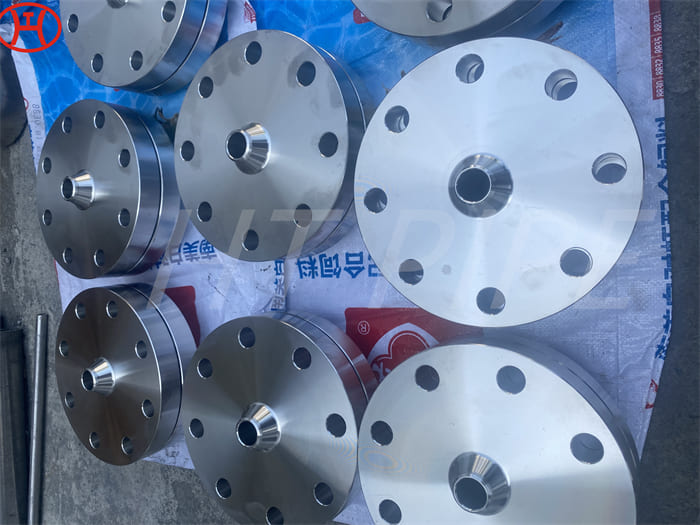
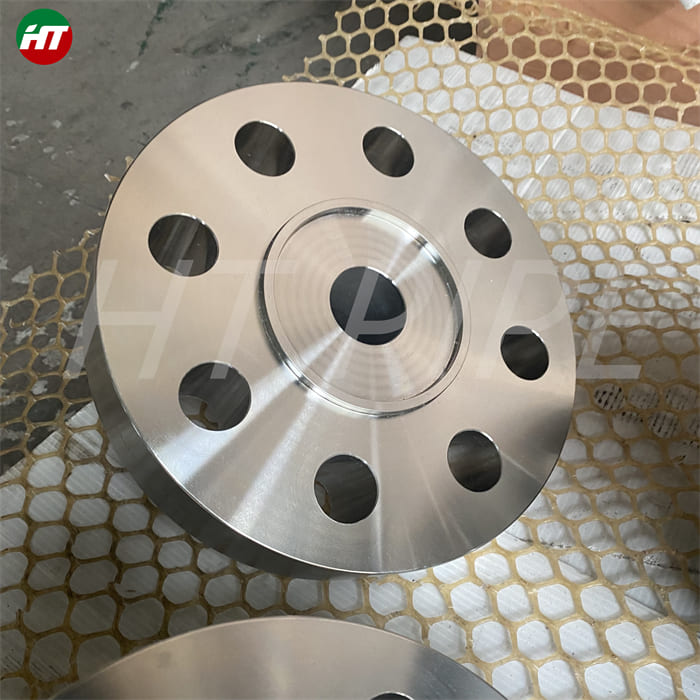
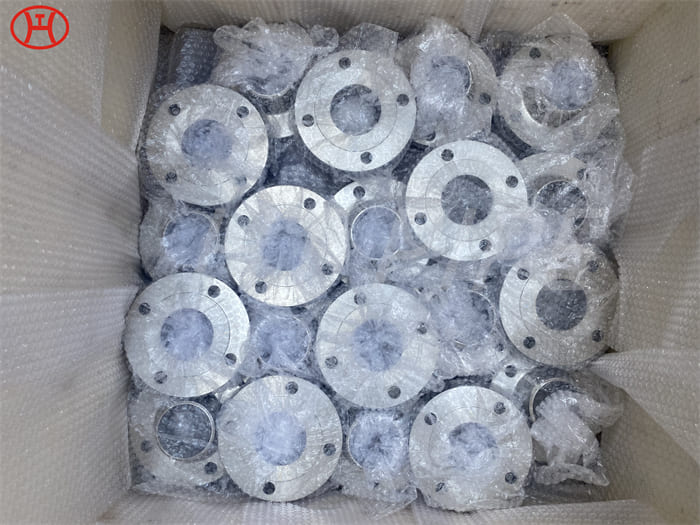
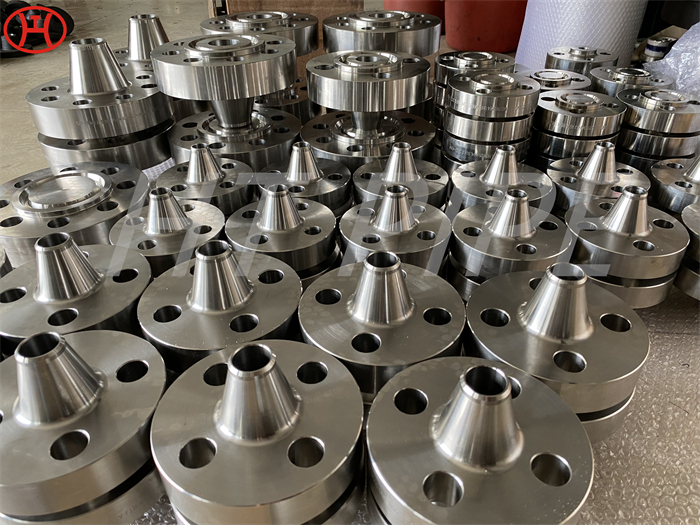
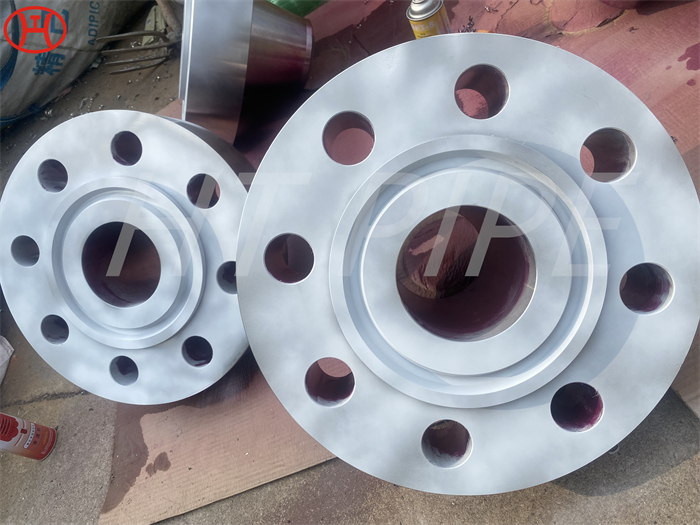
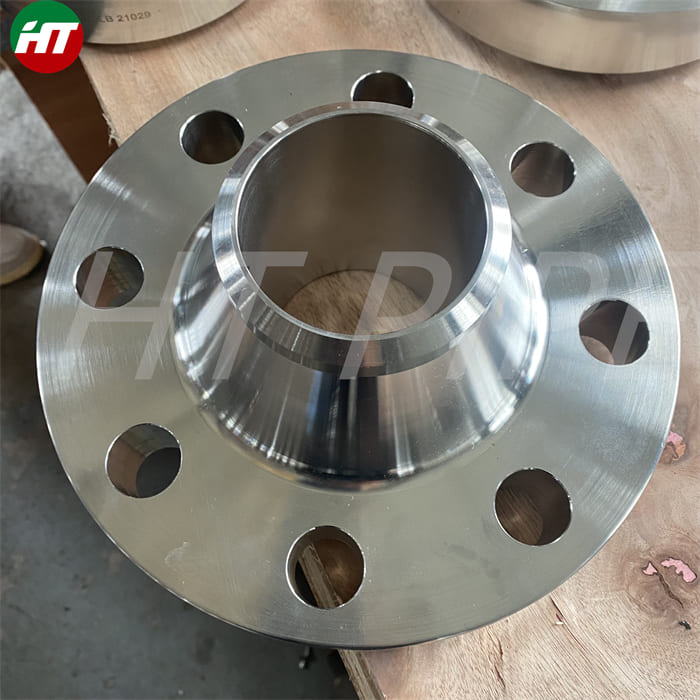
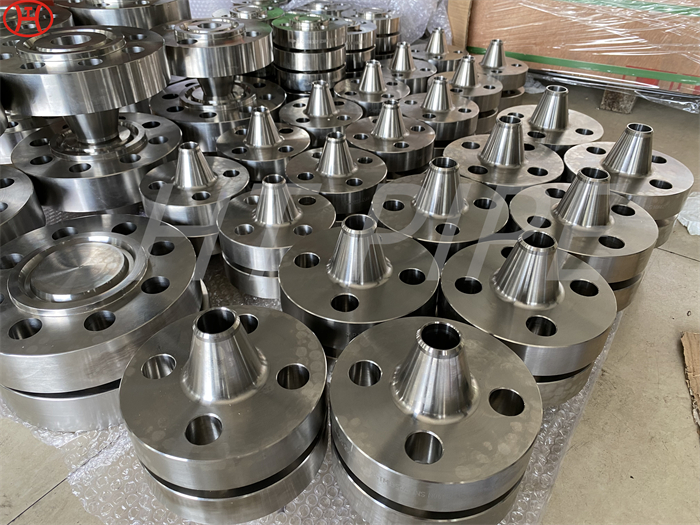
Nickel Alloy WN Flanges Hastelloy B2 Spectacle Blind Flanges

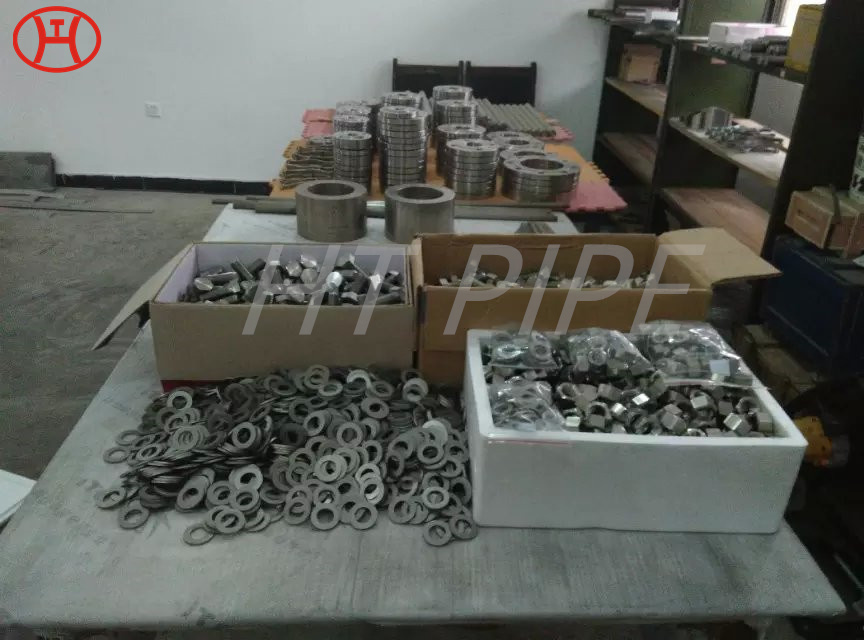
The chemical composition of Hastelloy B2 includes a very small amount of carbon content. Hence, the flanges produced from Hastelloy grade B2 tends to resist the formation of grain boundary carbide precipitates during welding in the weld heat-affected zone.

Rated 4.5/5 based on 579 customer reviews
Share:
Content

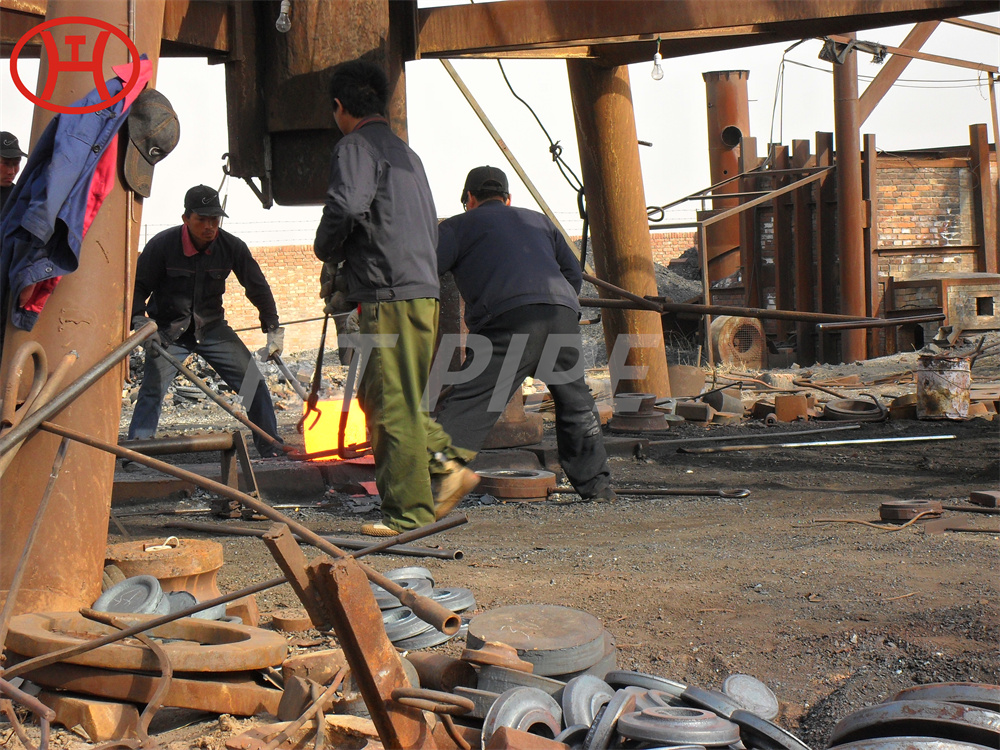
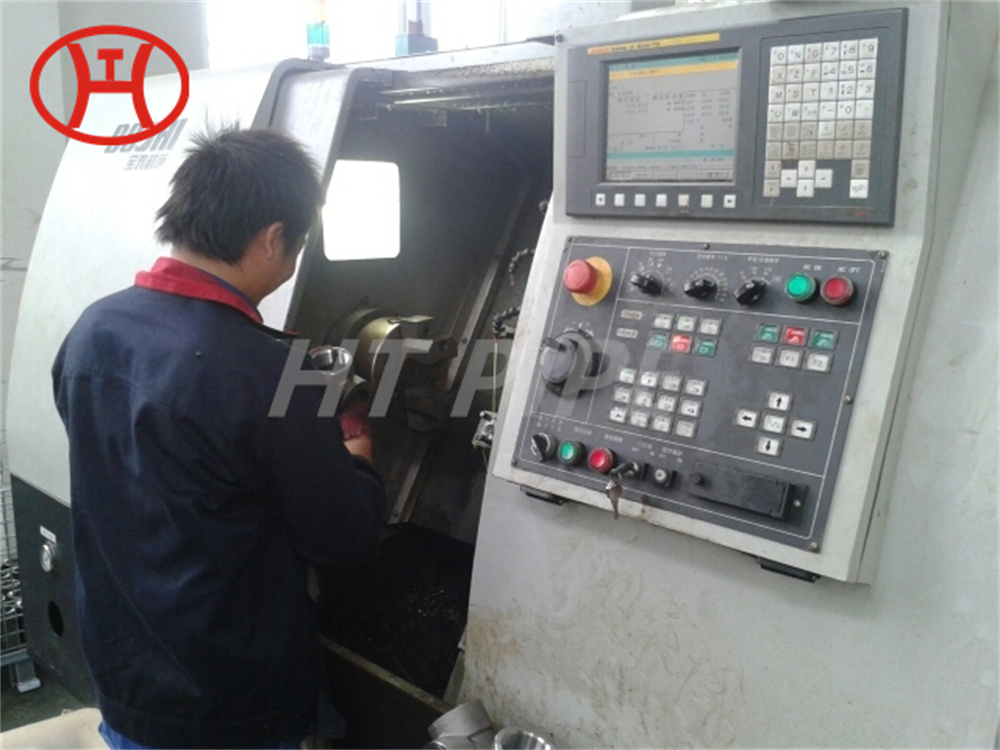
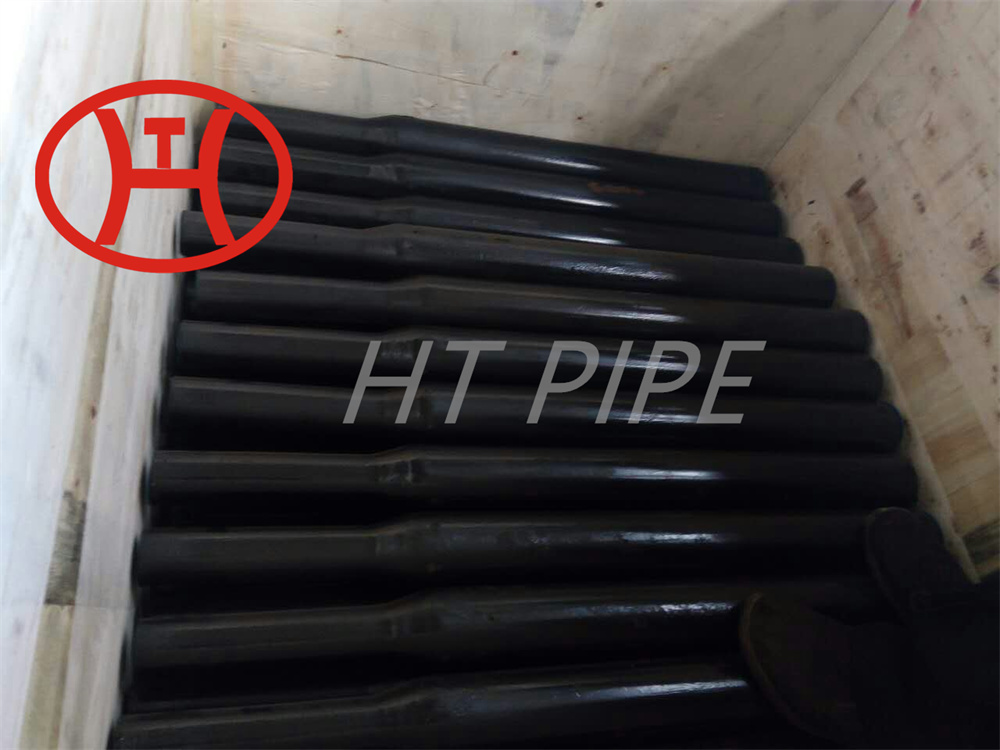
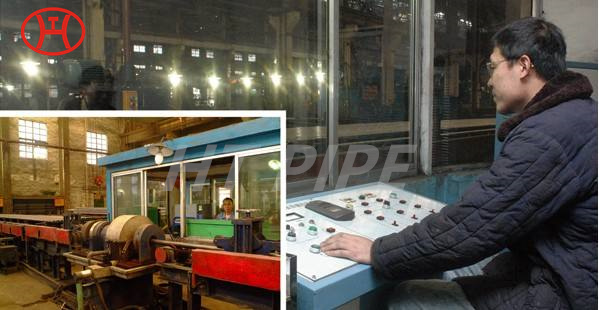
Hastelloy B2 is additionally referred to as UNS N10665 grade. It¡¯s the entire solution for engineering and industrial applications. It¡¯s combined with nickel and molybdenum content that¡¯s typically used for extreme reducing conditions. Hastelloy grade B2 has down iron, carbon, silicon content as compared to traditional grades. We have a professional team that is dedicatedly working on manufacturing supreme quality flanges using advanced machinery and modern equipment. These are designed in custom dimensions and specifications as per the industrial needs. In order to improve the quality of flanges, we keep on upgrading our fabrication methods and tools. The alloy is a smaller amount vulnerable to down corrosion resistance within the weld affected zone. The alloying chemistry leads to the high usage of grade during a wide selection of applications. Alloy B2 Flanges are manufactured from both cold and hot working operations. Usually, it¡¯s recommended for the new working operation in temperatures range between 1700 deg F to 2250 deg F.
Inquiry


    More Hastelloy

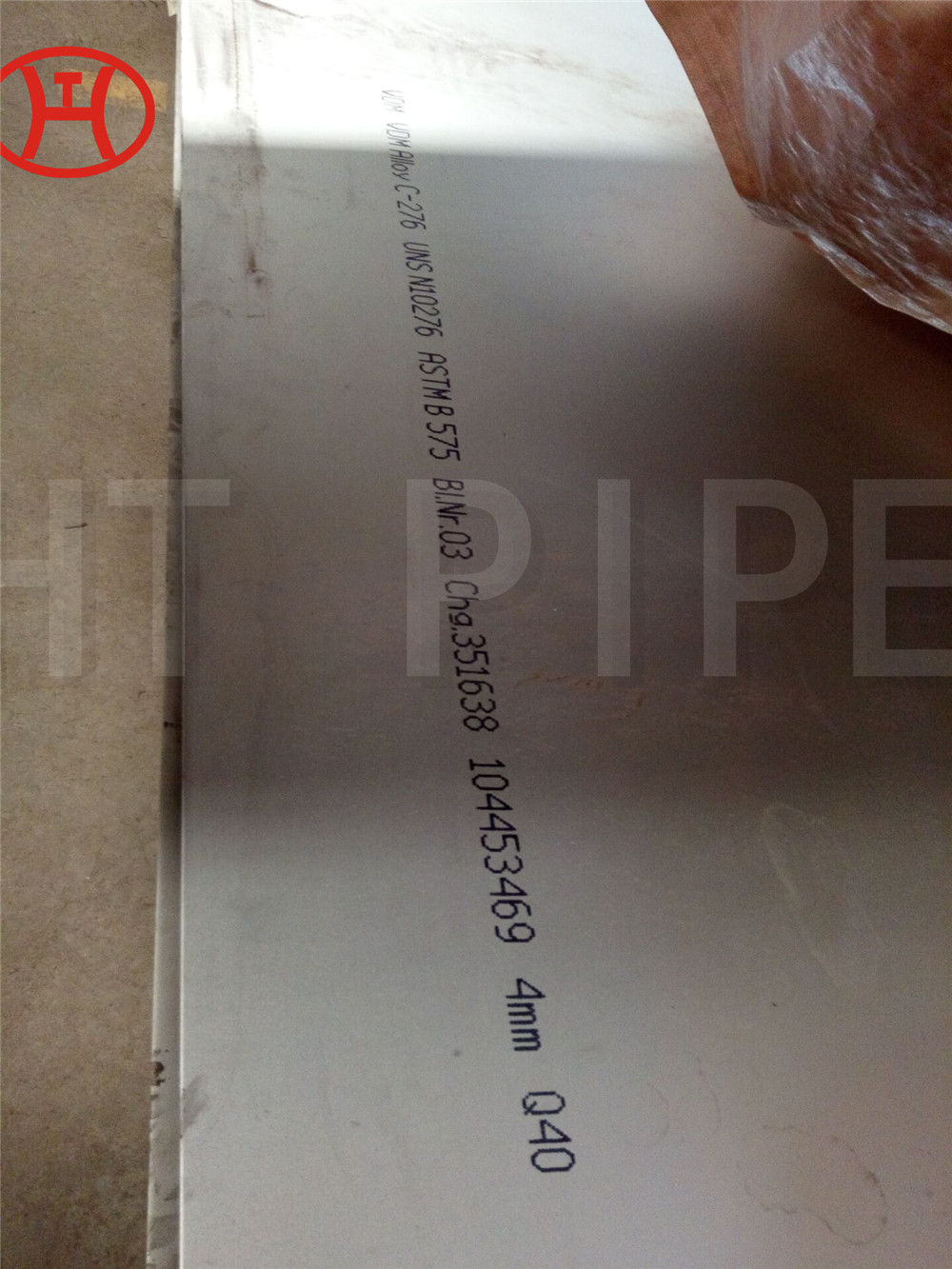
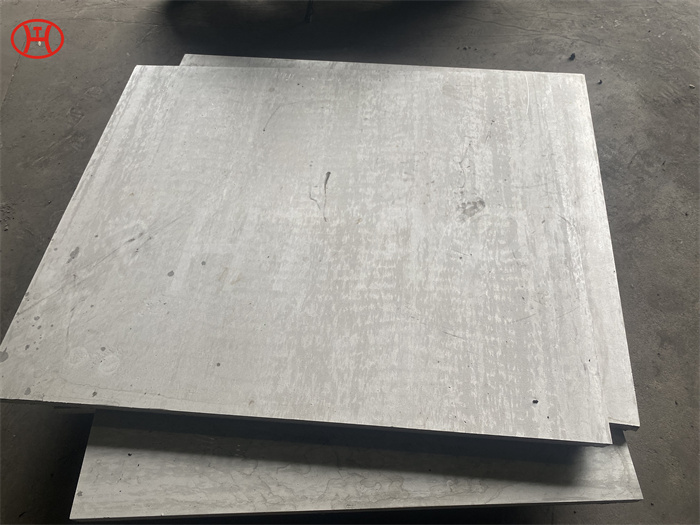
    Steel Plate are often used for structural and construction applications, pressure vessels, marine and offshord equipment, and military applications. The grade, elements and parameters of a steel plate are also important in how it is used.
    Steel plates are classified by thickness: thin plate, medium plate, thick plate and extra-thick plate.
    Thin steel plates are steel plates with a thickness between 0.2-4mm produced by hot rolling or cold rolling, and thick steel plates are those with a thickness of more than 4mm
    The general name of the good board.
    Thin steel plate refers to a steel plate with a thickness of not more than 3 mm. The commonly used thin steel plate thickness is 0.5-2MM, which is divided into sheet and coil supply. Thin
    The steel plates are generally B-type steels, cold-rolled or hot-rolled steel plates with steel grades B0-B3. Requirements for thin steel plates: smooth, smooth surface, thick
    The degree of uniformity, allowing a tight iron oxide film, must not have cracks, scarring and other defects. The process is divided into hot rolled sheet steel and cold rolled sheet
    plate. Mainly used in Changlin Dongfeng fans, automobiles, electrical equipment, vehicles, agricultural machinery, containers, steel furniture, etc.
    Thick steel plates refer to steel plates with a thickness greater than millimeters. Thick steel plate is divided into extra-thick steel plate and medium-thick steel plate.
    Medium and heavy steel plates refer to steel plates with a thickness greater than 3 mm and less than 50 mm. Medium and thick steel plates are mainly used in shipbuilding, boilers, bridges
    Armor and high-pressure vessel shells, etc.
    Extra-thick steel plate refers to a steel plate with a thickness of not less than 50 mm. Extra-thick steel plates are mainly used in shipbuilding, boilers, bridges and high-pressure vessel shells
    blog.