Home » Materials » acero inoxidable placa lamina bobina 904L N08904 1.4539

acero inoxidable placa lamina bobina 904L N08904 1.4539

Alloy 904L (UNS N08904) is a super austenitic stainless steel designed to provide moderate to high corrosion resistance in a variety of process environments. The combination of high chromium and nickel content, with the addition of molybdenum and copper, ensures good corrosion resistance.

Rated 4.8/5 based on 220 customer reviews
Share:
Content

904L has a highly alloyed chemistry – 25% nickel and 4.5% molybdenum, which provides good chloride stress corrosion cracking, pitting and general corrosion resistance over 316L and 317L molybdenum reinforced stainless steels.

The alloy contains high levels of chromium and nickel, with additions of molybdenum and copper for greater corrosion resistance. The high nickel (25%) and molybdenum (4.5%) content of 904L provides good resistance to chloride stress corrosion cracking, general and chloride pitting corrosion, above the levels of 316 and 317 stainless steels. The addition of copper increases resistance to hot phosphoric acid and dilute sulfuric acid.

It has good corrosion resistance in dilute acids and is designed for harsh corrosive conditions. High chromium content, sufficient nickel content, and the addition of copper make it highly resistant to acid, especially chloride crevice corrosion and stress corrosion cracking. The pitting corrosion resistance is slightly better than other steels, and it has good workability and weldability. The solution state is non-magnetic.
Inquiry


    More Stainless steel

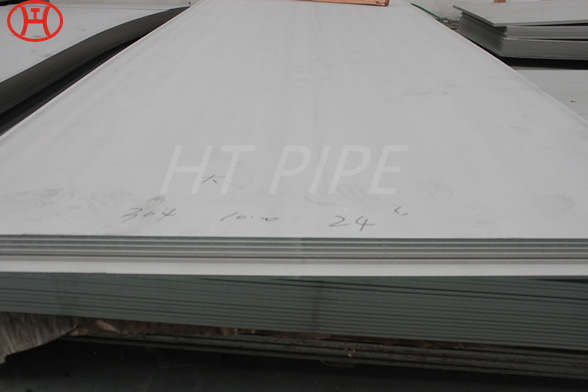
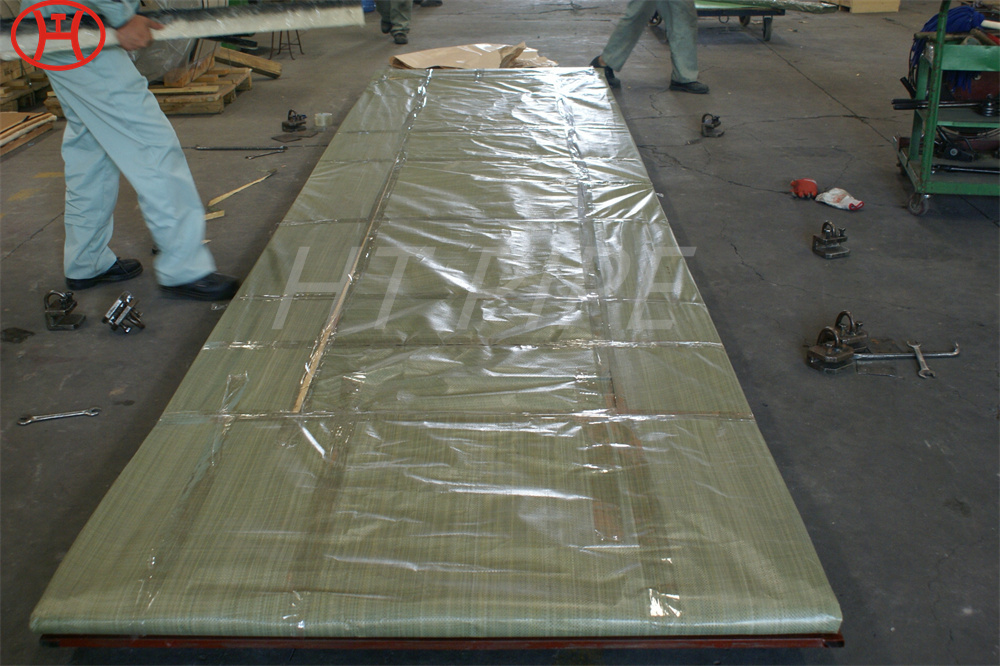
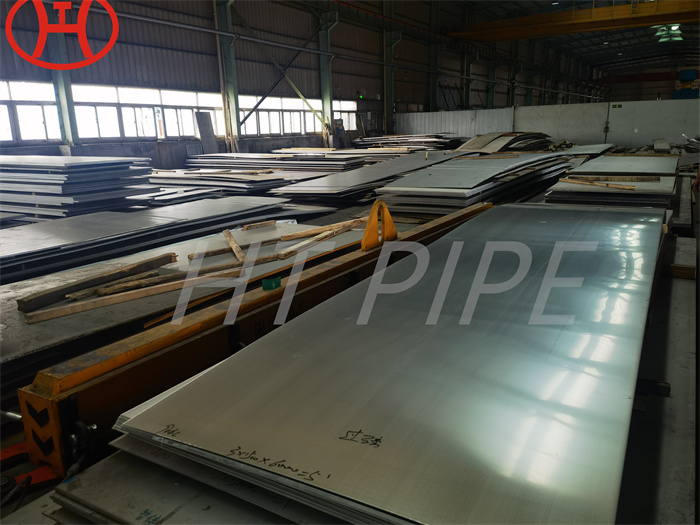
    Steel Plate are often used for structural and construction applications, pressure vessels, marine and offshord equipment, and military applications. The grade, elements and parameters of a steel plate are also important in how it is used.
    Steel plates are classified by thickness: thin plate, medium plate, thick plate and extra-thick plate.
    Thin steel plates are steel plates with a thickness between 0.2-4mm produced by hot rolling or cold rolling, and thick steel plates are those with a thickness of more than 4mm
    The general name of the good board.
    Thin steel plate refers to a steel plate with a thickness of not more than 3 mm. The commonly used thin steel plate thickness is 0.5-2MM, which is divided into sheet and coil supply. Thin
    The steel plates are generally B-type steels, cold-rolled or hot-rolled steel plates with steel grades B0-B3. Requirements for thin steel plates: smooth, smooth surface, thick
    The degree of uniformity, allowing a tight iron oxide film, must not have cracks, scarring and other defects. The process is divided into hot rolled sheet steel and cold rolled sheet
    plate. Mainly used in Changlin Dongfeng fans, automobiles, electrical equipment, vehicles, agricultural machinery, containers, steel furniture, etc.
    Thick steel plates refer to steel plates with a thickness greater than millimeters. Thick steel plate is divided into extra-thick steel plate and medium-thick steel plate.
    Medium and heavy steel plates refer to steel plates with a thickness greater than 3 mm and less than 50 mm. Medium and thick steel plates are mainly used in shipbuilding, boilers, bridges
    Armor and high-pressure vessel shells, etc.
    Extra-thick steel plate refers to a steel plate with a thickness of not less than 50 mm. Extra-thick steel plates are mainly used in shipbuilding, boilers, bridges and high-pressure vessel shells
    blog.