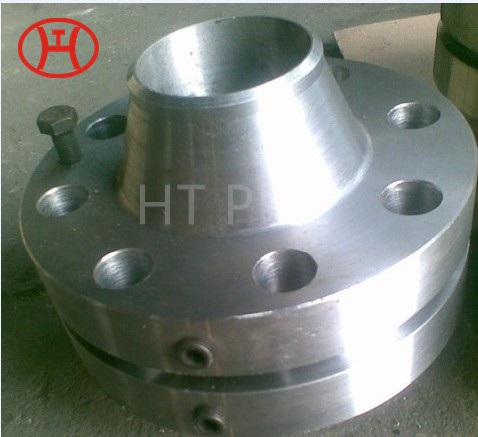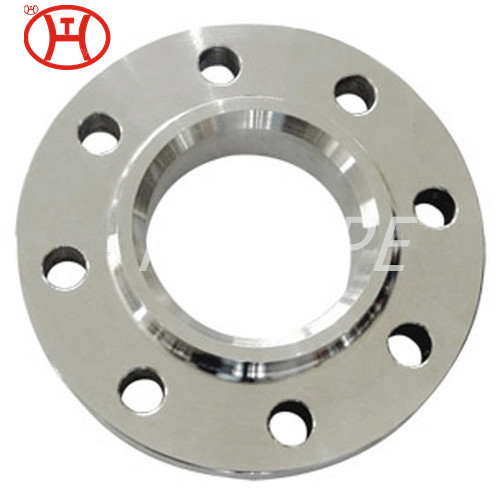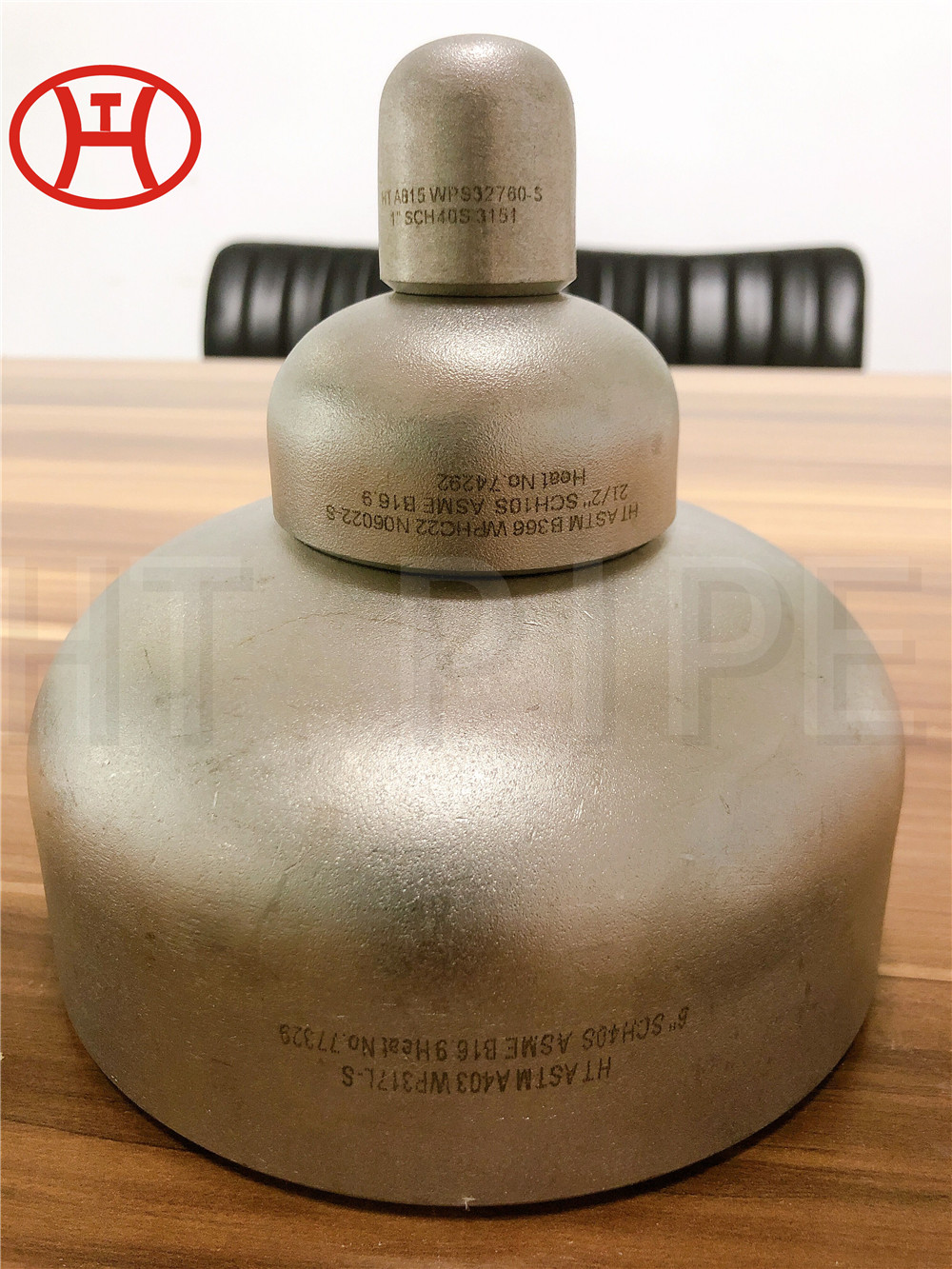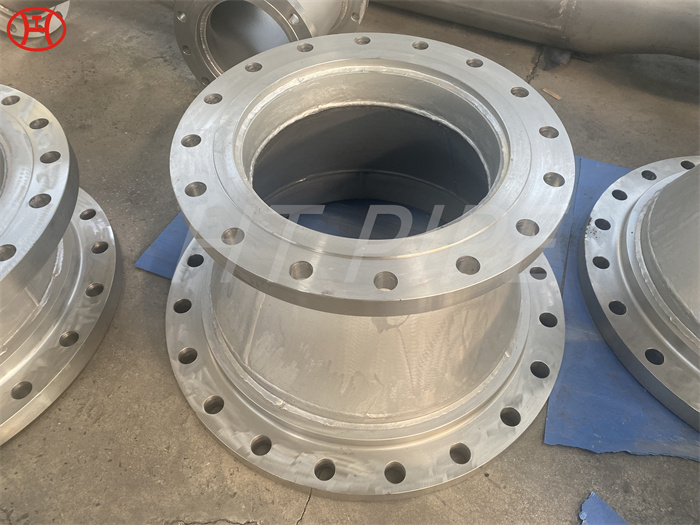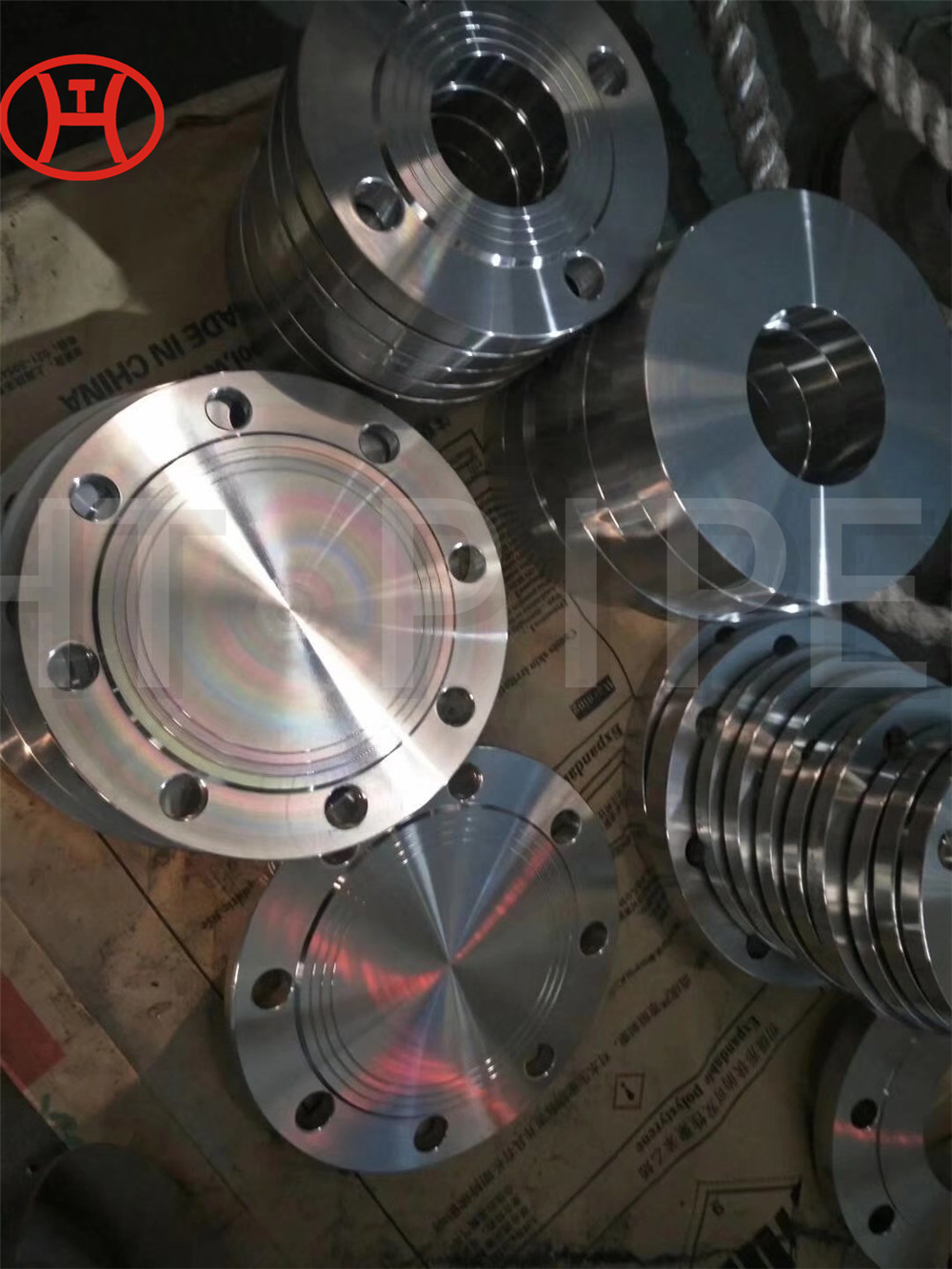
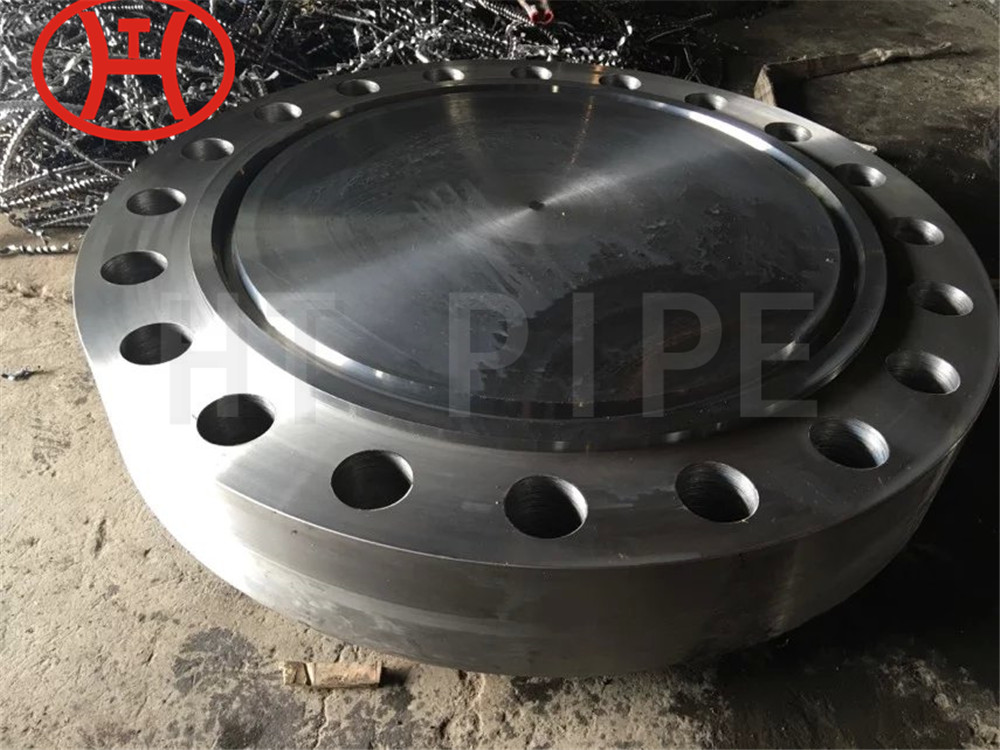
ASME B16.5 ASTM A182 316L TG Orifice Flange
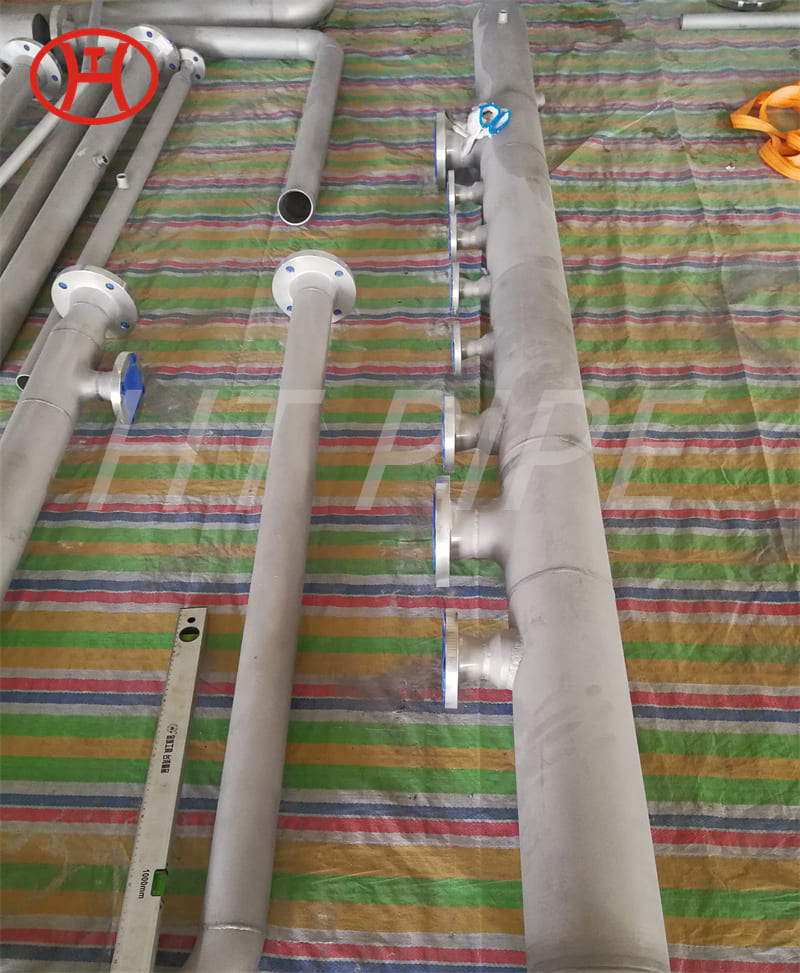
The flange is second most used joining method after selding. Flanges are used when joints need dismantling. It provides flexibility for maintenance. Flange connects the pipe with various equipment and valves. Breakup flanges are added in the pipeline system if regular maintenance in required during plant operation.
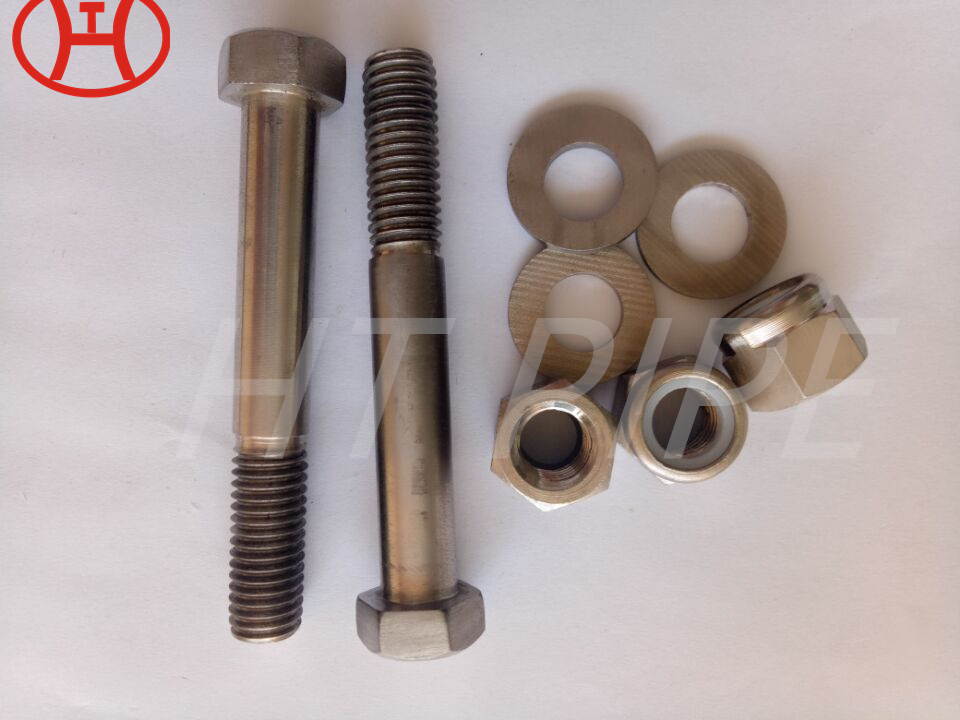
A flanged joint is composed of three separate and independent although interrdlated components; the flanges, the gaskets, and the bolting; which are assembled by yet another influence, the fitter. Special controls are required in the selection and application of all there elements to attain a joint, which has acceptable leak tightness.
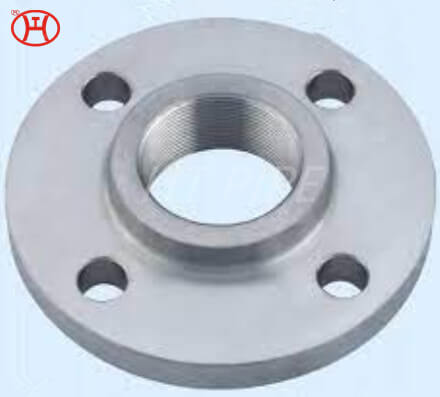
A flange is a protruded ridge, lip or rim, either external or internal, that serves to increase strength (as the flange of an iron beam such as an I-beam or a T-beam); for easy attachment/transfer of contact force with another object (as the flange on the end of a pipe, steam cylinder, etc., or on the lens mount of a camera); or for stabilizing and guiding the movements of a machine or its parts (as the inside flange of a rail car or tram wheel, which keep the wheels from running off the rails). The term “flange” is also used for a kind of tool used to form flanges.
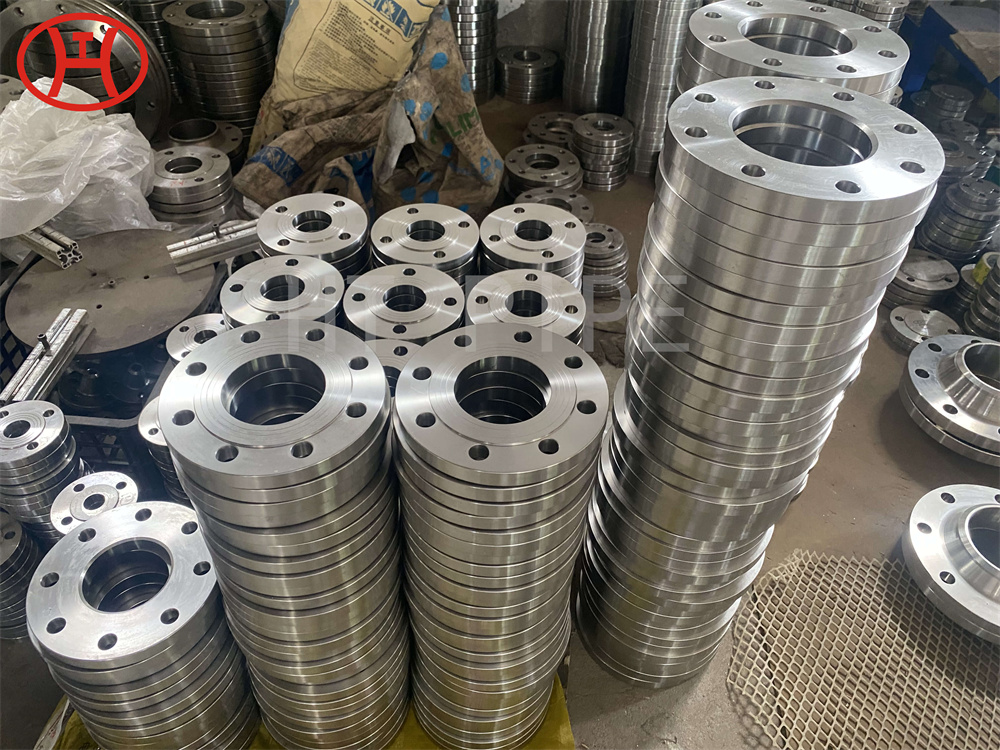
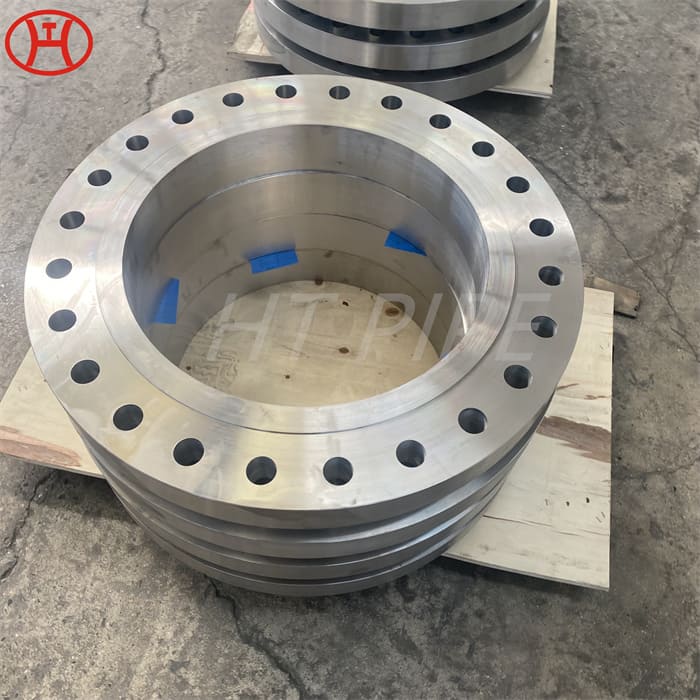
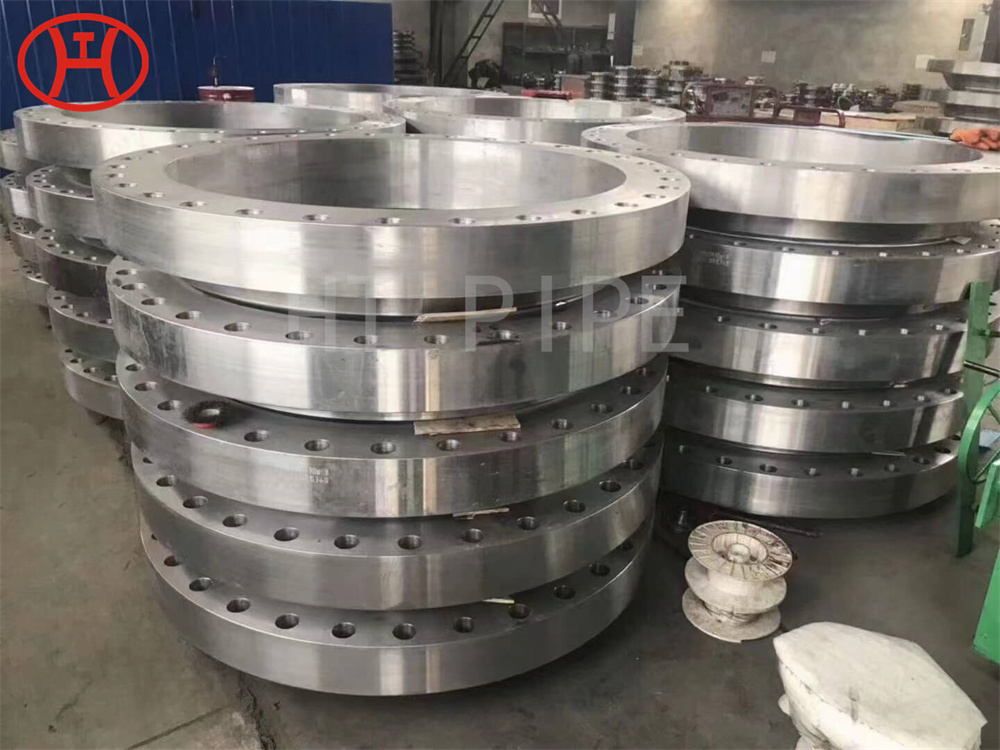
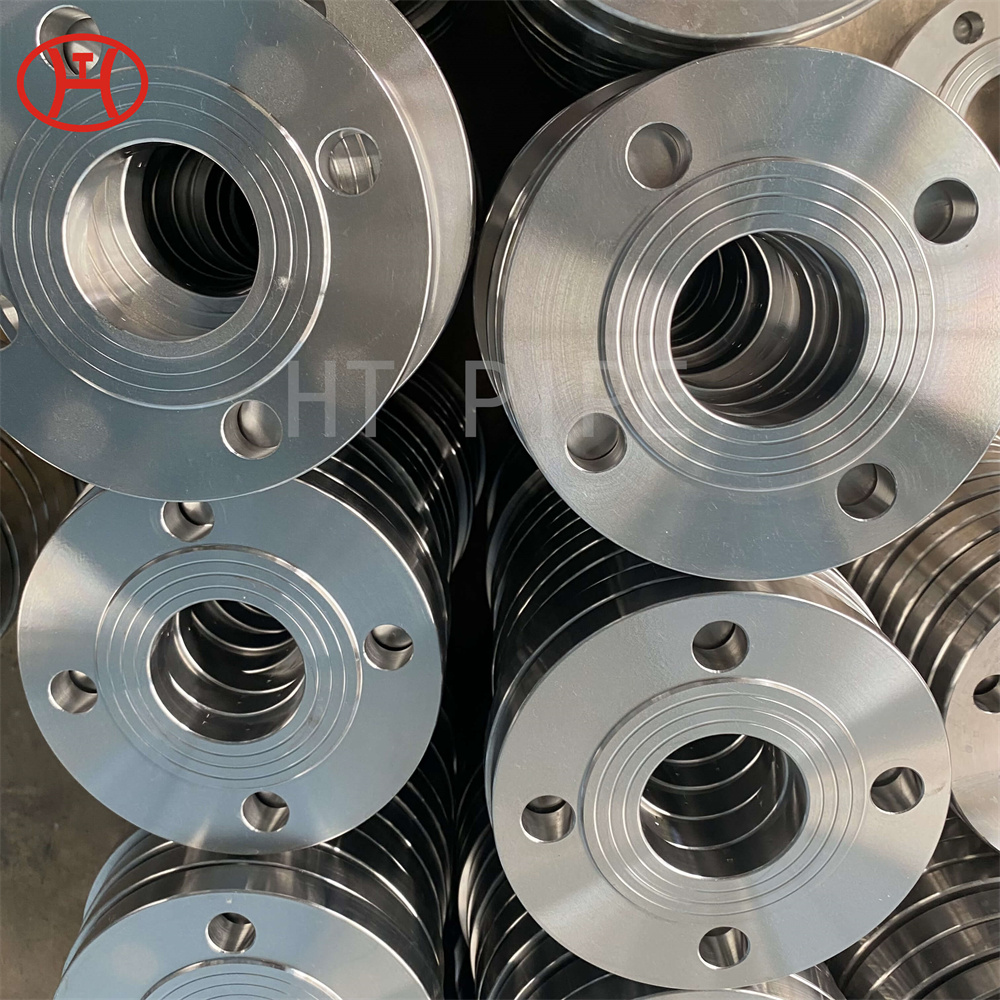
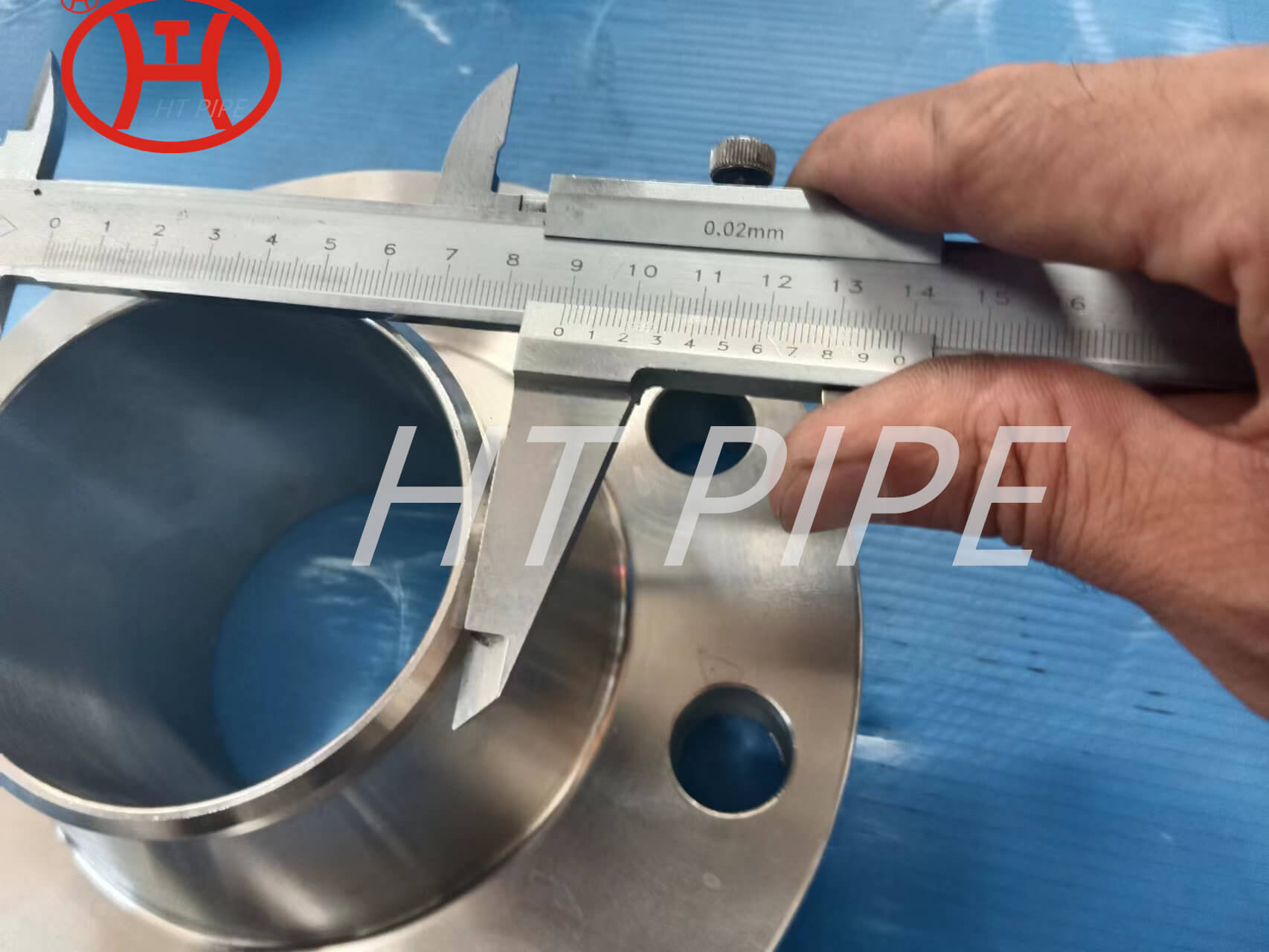
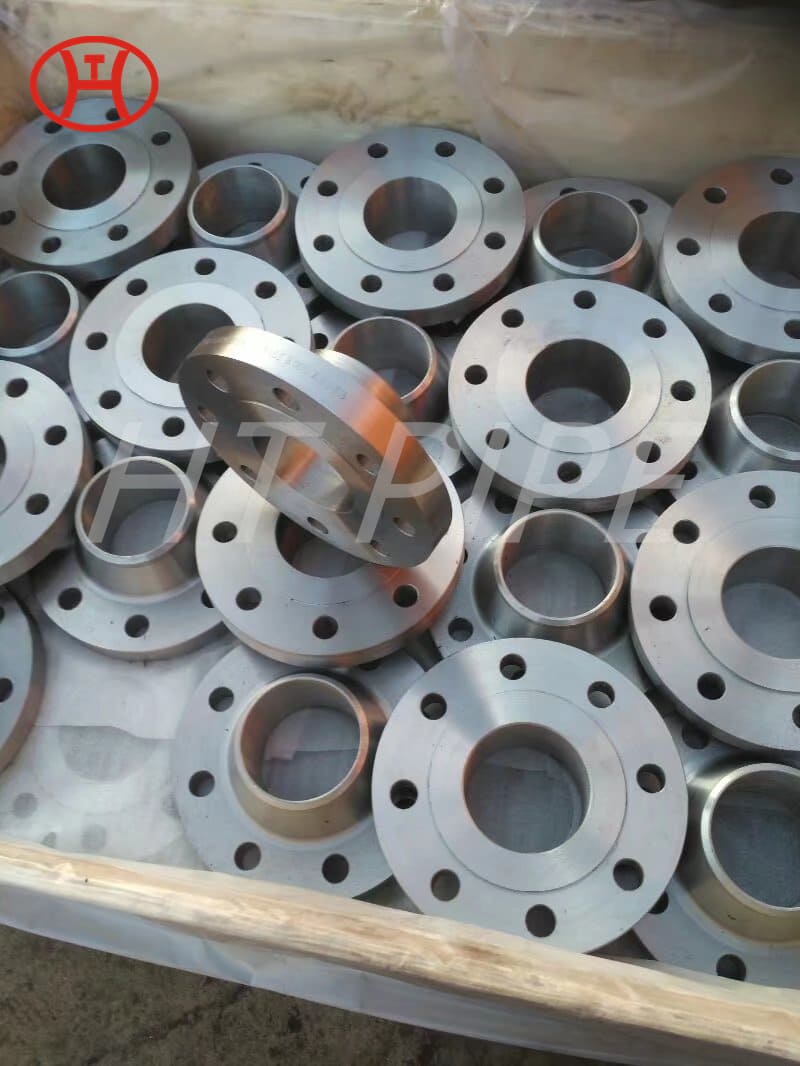
Stainless Steel 316L Flanges are low carbon version flanges of the 316 flanges. These are one of the most used flanges in the world next to the 304, 304L and 316 flanges. Navstar Steel is a leading manufacturer and supplier of the Stainless Steel 316L Flanges in various dimensions, pressure classes and types. There are different types of flanges belonging to different standards and specifications.
Using a flange in a piping system, brings about some ease in terms of cleaning, modifying or inspecting these systems. Apart from connecting pipes, the Stainless Steel 316L Flanges are used to connect valves, pumps and other equipment in a piping system. However, in those environments that have sufficient corrosive media that could cause intergranular corrosion of welds and heat-affected zones, ASTM A182 F316L Stainless Steel Pipe Flanges should be used on account of its alloy containing low carbon content.