Home » Materials » Hastelloy » ASTM B575 UNS N10276 2.4819 Hastelloy C276 Plate Sheet Coil

ASTM B575 UNS N10276 2.4819 Hastelloy C276 Plate Sheet Coil

Hastelloy C276 is a corrosion-resistant nickel-molybdenum-chromium alloy that is widely used in a variety of industrial applications, particularly in environments where strong acids and oxidizing agents are present.

Rated 4.8/5 based on 504 customer reviews
Share:
Content

ASTM B575 UNS N10276 2.4819 Hastelloy C276 Plate Sheet Coil, Hastelloy C276 Sheets, C276 Hastelloy Plates, Hastelloy C276 Industrial Sheet, UNS N10276 Sheets, Hastelloy Alloy C276 Coils, 2.4819 Sheets, Hastelloy Alloy C276 Plates, Hastelloy C276 Strips, Hastelloy NW 0276 Plates, Hastelloy C276 Foils


Hastelloy C276 is a corrosion-resistant nickel-molybdenum-chromium alloy that is widely used in a variety of industrial applications, particularly in environments where strong acids and oxidizing agents are present.


UNS N10276 Sheet has outstanding resistance to a wide variety of chemical process environments including ferric and cupric chlorides, hot contaminated mineral acids, solvents, chlorine and chlorine contaminated (both organic and inorganic), dry chlorine, formic and acetic acids, acetic anhydride, sea water and brine solutions and hypochlorite and chlorine dioxide solutions. Hastelloy Alloy C276 Coil also resists formation of grain boundary precipitates in the weld heat affected zone making it useful for most chemical processes in the as-welded condition. 2.4819 Sheet has excellent resistance to pitting and stress corrosion cracking.


The low carbon minimizes carbide precipitation in UNS N10276 plate during welding to maintain resistance to intergranular attack in heat-affected zones of welded joints. W.Nr. 2.4819 Sheet is used in chemical processing, pollution control, pulp and paper production, industrial and municipal waste treatment and the recovery of “sour” natural gas.
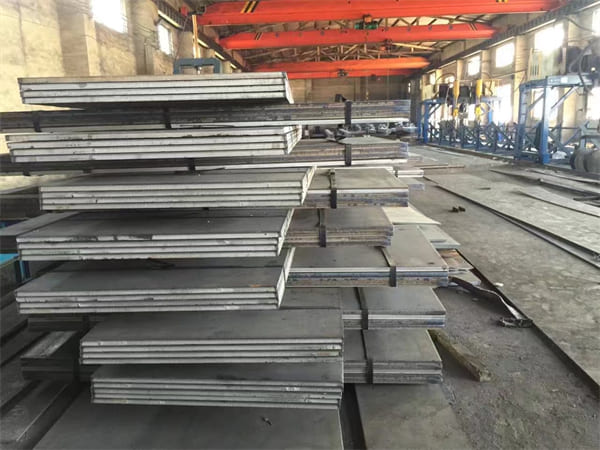
Hastelloy Alloy C276 Plates

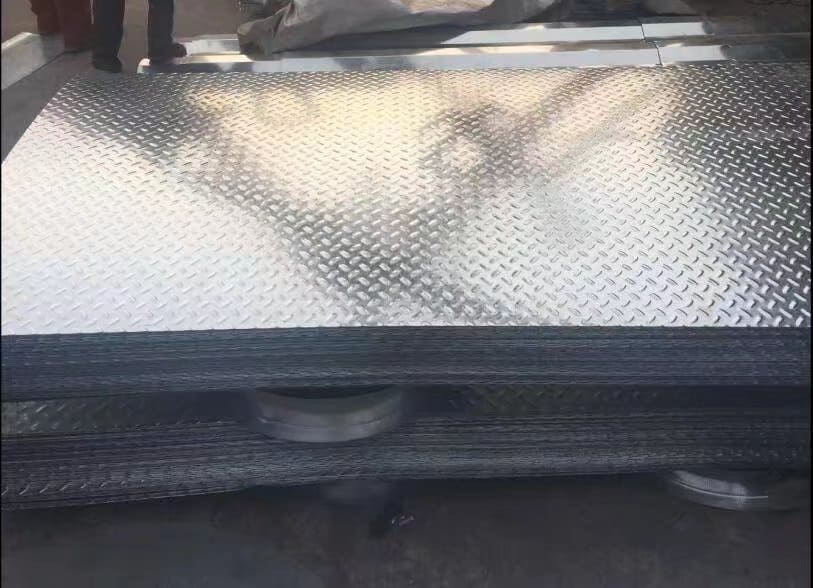
ASTM B575 UNS N10276 2.4819 Hastelloy C276 Plate Sheet Coil is a flat sheet of this alloy that is produced in various thicknesses and sizes. Hastelloy C276 Strip is commonly used in the construction of chemical processing equipment, as well as in the production of heat exchangers, pressure vessels, and other high-stress components that require excellent resistance to corrosion and high temperatures.


The applications of Hastelloy C276 Industrial Sheet also includes air pollution control include stack liners, ducts, dampers, scrubbers, stack-gas re-heaters, fans and fan housings. In chemical processing, Hastelloy NW 0276 Plate is used for components including heat exchangers, reaction vessels, evaporators and transfer piping.


ASTM B575 UNS N10276 2.4819 Hastelloy C276 Plate Sheet Coil is available in both standard and customized sizes, and it can be cut, shaped, and welded to meet specific project requirements. It is typically manufactured according to industry standards such as ASTM B575, ASME SB-575, and UNS N10276. The NiMo16Cr15W Hastelloy Sheet may be supplied in annealed or tempered condition, depending on the application requirements.


Chemical Composition of Hastelloy C276 Sheets & Plates

Grade C Mn Si S Co Ni Cr Fe Mo P
C276 0.010 max 1.00 max 0.08 max 0.03 max 2.50 max 50.99 min* 14.50 – 16.50 4.00 – 7.00 15.00 – 17.00 0.04 max


Mechanical Properties of Hastelloy B575 C276 Sheets & Plates

Element Density Melting Point Tensile Strength Yield Strength (0.2%Offset) Elongation
Hastelloy C276 8.89 g/cm3 1370 °C (2500 °F) Psi – 1,15,000 , MPa – 790 Psi – 52,000 , MPa – 355 40 %
Inquiry


    More Hastelloy

    Steel Plate are often used for structural and construction applications, pressure vessels, marine and offshord equipment, and military applications. The grade, elements and parameters of a steel plate are also important in how it is used.
    Steel plates are classified by thickness: thin plate, medium plate, thick plate and extra-thick plate.
    Thin steel plates are steel plates with a thickness between 0.2-4mm produced by hot rolling or cold rolling, and thick steel plates are those with a thickness of more than 4mm
    The general name of the good board.
    Thin steel plate refers to a steel plate with a thickness of not more than 3 mm. The commonly used thin steel plate thickness is 0.5-2MM, which is divided into sheet and coil supply. Thin
    The steel plates are generally B-type steels, cold-rolled or hot-rolled steel plates with steel grades B0-B3. Requirements for thin steel plates: smooth, smooth surface, thick
    The degree of uniformity, allowing a tight iron oxide film, must not have cracks, scarring and other defects. The process is divided into hot rolled sheet steel and cold rolled sheet
    plate. Mainly used in Changlin Dongfeng fans, automobiles, electrical equipment, vehicles, agricultural machinery, containers, steel furniture, etc.
    Thick steel plates refer to steel plates with a thickness greater than millimeters. Thick steel plate is divided into extra-thick steel plate and medium-thick steel plate.
    Medium and heavy steel plates refer to steel plates with a thickness greater than 3 mm and less than 50 mm. Medium and thick steel plates are mainly used in shipbuilding, boilers, bridges
    Armor and high-pressure vessel shells, etc.
    Extra-thick steel plate refers to a steel plate with a thickness of not less than 50 mm. Extra-thick steel plates are mainly used in shipbuilding, boilers, bridges and high-pressure vessel shells
    blog.

    Steel Plate are often used for structural and construction applications, pressure vessels, marine and offshord equipment, and military applications. The grade, elements and parameters of a steel plate are also important in how it is used.
    Steel plates are classified by thickness: thin plate, medium plate, thick plate and extra-thick plate.
    Thin steel plates are steel plates with a thickness between 0.2-4mm produced by hot rolling or cold rolling, and thick steel plates are those with a thickness of more than 4mm
    The general name of the good board.
    Thin steel plate refers to a steel plate with a thickness of not more than 3 mm. The commonly used thin steel plate thickness is 0.5-2MM, which is divided into sheet and coil supply. Thin
    The steel plates are generally B-type steels, cold-rolled or hot-rolled steel plates with steel grades B0-B3. Requirements for thin steel plates: smooth, smooth surface, thick
    The degree of uniformity, allowing a tight iron oxide film, must not have cracks, scarring and other defects. The process is divided into hot rolled sheet steel and cold rolled sheet
    plate. Mainly used in Changlin Dongfeng fans, automobiles, electrical equipment, vehicles, agricultural machinery, containers, steel furniture, etc.
    Thick steel plates refer to steel plates with a thickness greater than millimeters. Thick steel plate is divided into extra-thick steel plate and medium-thick steel plate.
    Medium and heavy steel plates refer to steel plates with a thickness greater than 3 mm and less than 50 mm. Medium and thick steel plates are mainly used in shipbuilding, boilers, bridges
    Armor and high-pressure vessel shells, etc.
    Extra-thick steel plate refers to a steel plate with a thickness of not less than 50 mm. Extra-thick steel plates are mainly used in shipbuilding, boilers, bridges and high-pressure vessel shells
    blog.