Home » Steel Pipe Fittings » Butt Weld Pipe Fittings » Hastelloy X pipe bend UNS N06002 pipe fittings for Nuclear engineering and Jet engine combustion chambers

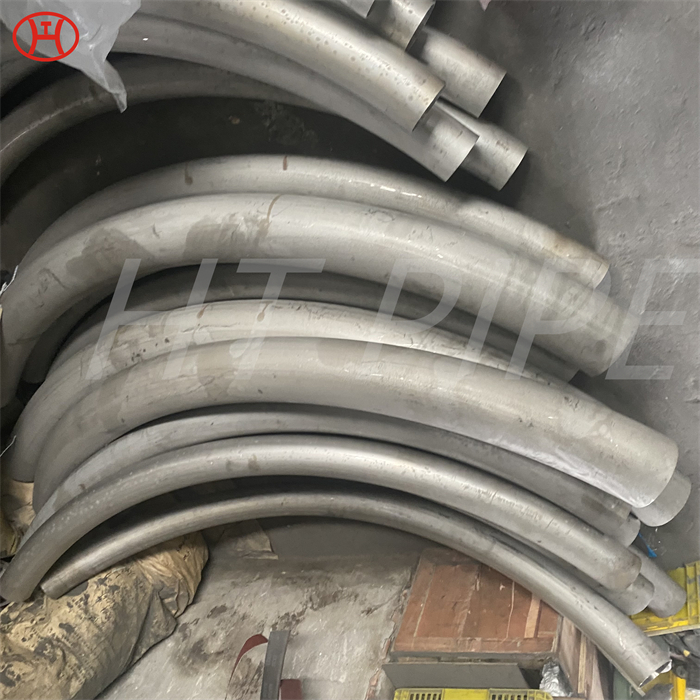
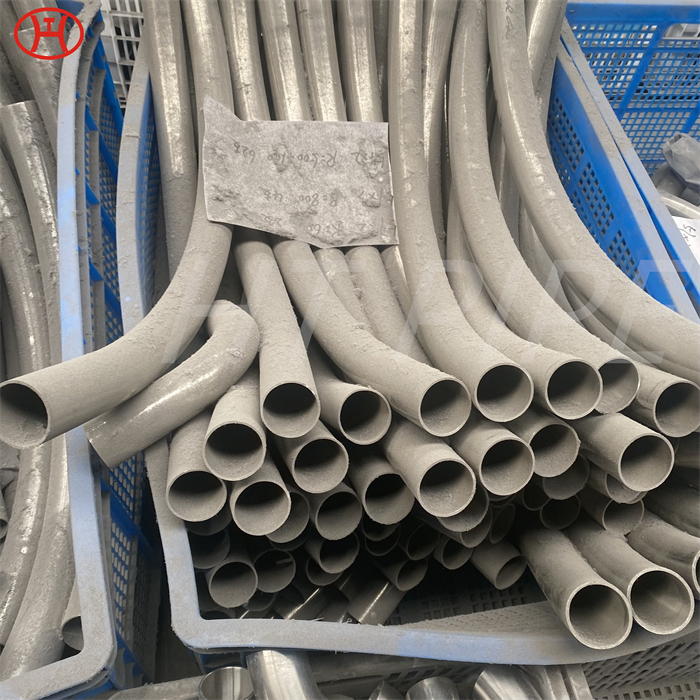
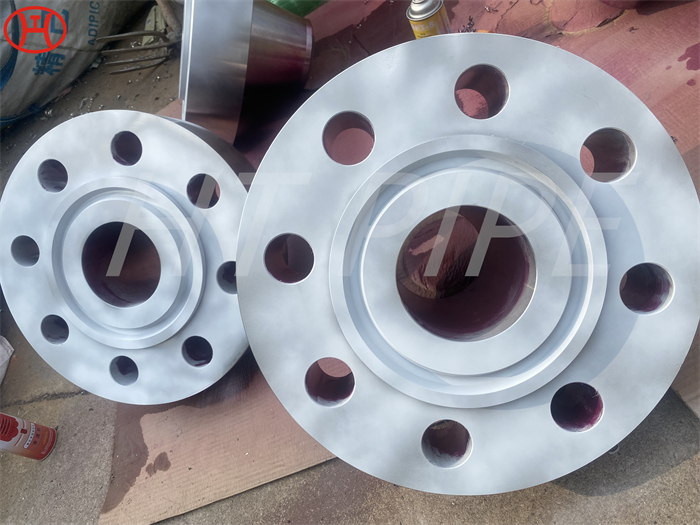
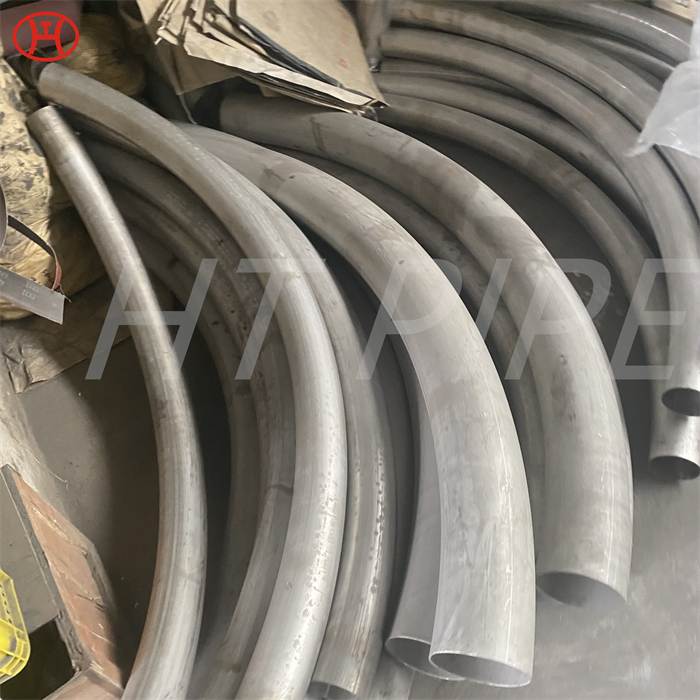
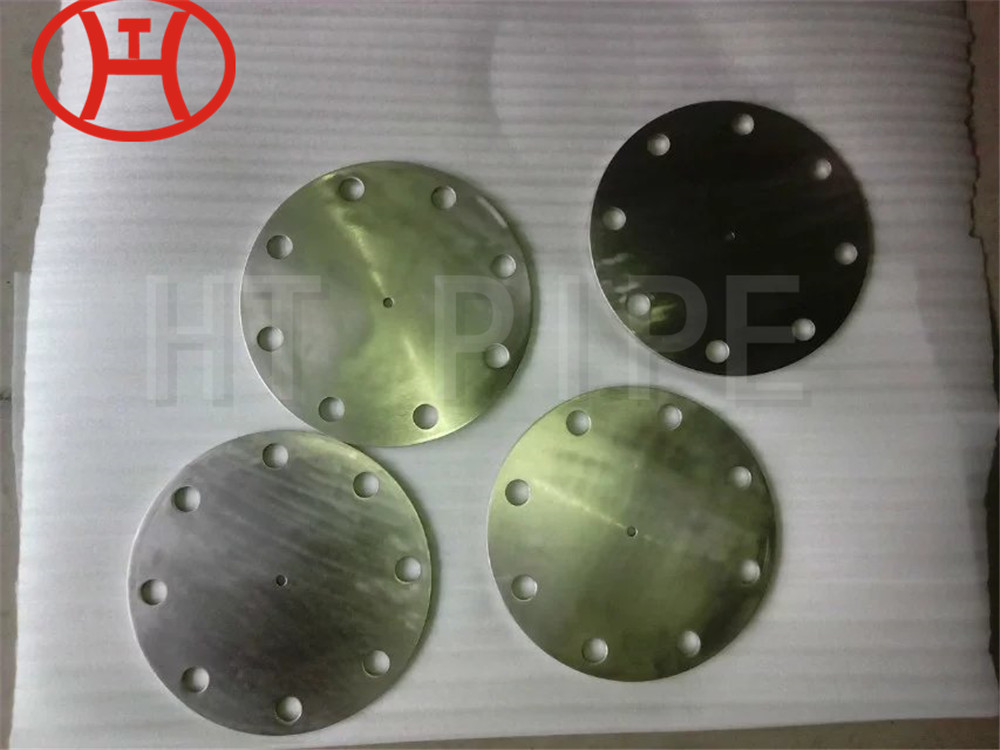
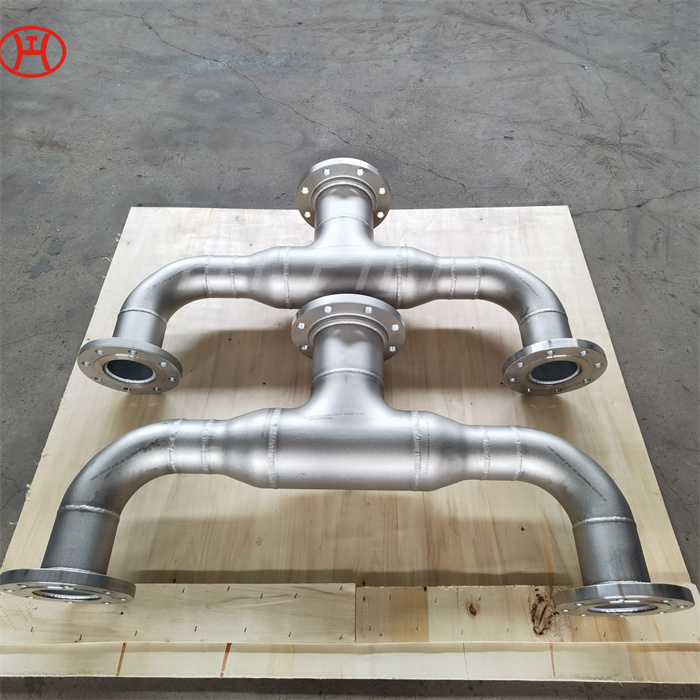
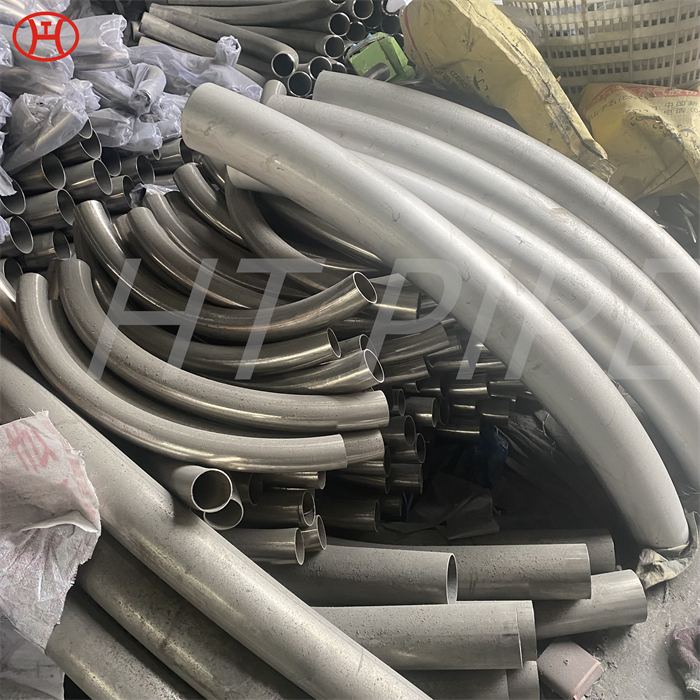
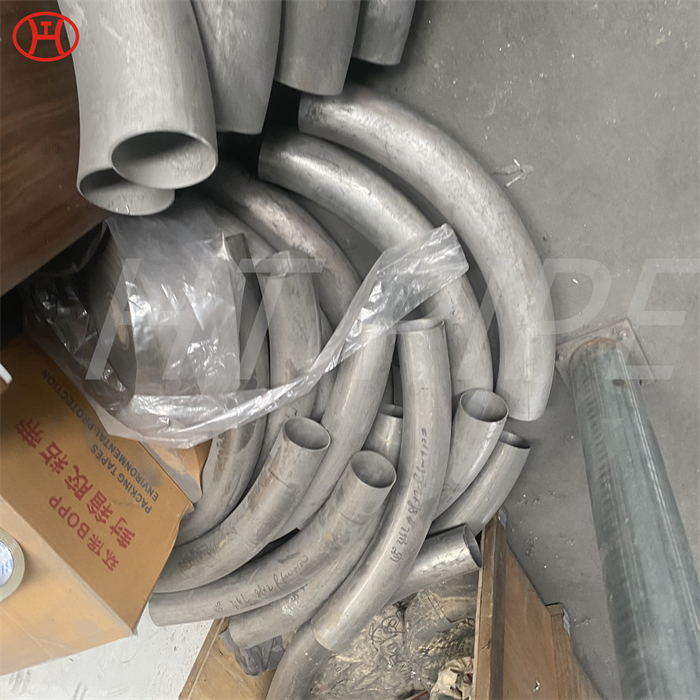
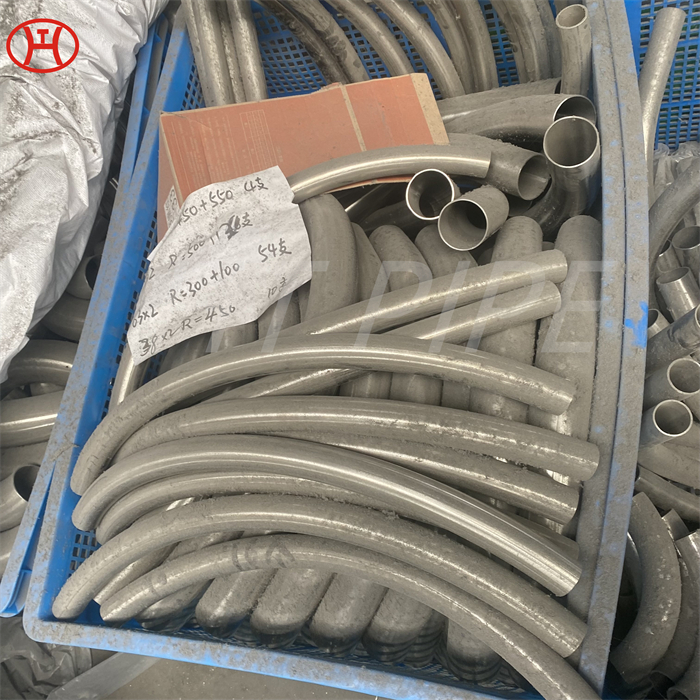
Hastelloy X pipe bend UNS N06002 pipe fittings for Nuclear engineering and Jet engine combustion chambers

Strong and Oxidation Resistant to 2200 Deg. F (1200 Deg. C) – HASTELLOY X pipe bend is a solid solution strengthened grade has good strength and oxidation resistance up to 2200 Deg. F (1200 Deg. C).

Rated 4.6/5 based on 517 customer reviews
Share:
Content

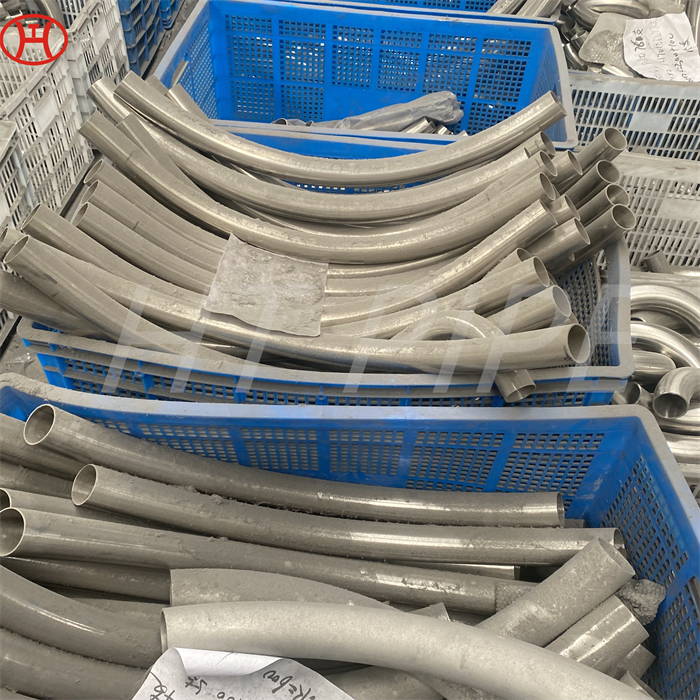
Hastelloy X pipe bend is basically known for providing high heat and oxidation resistance as well as excellent resistance to chloride stress corrosion cracking and outstanding resistance to reducing and carburizing conditions. It has been noticed to be extremely resistant to stress corrosion cracking in the petrochemical applications. Alloy X also performs well in aircraft parts, including jet engine tailpipes, afterburner components, and cabin heaters. ASME SB435 Hastelloy X pipe bend is known for its excellent high temperature strength withstanding up to 2200¡ãF. The alloy can perform well to resist oxidation and reduction even above 1200 degrees Celsius in environments such as the jet engine components.
Inquiry


    More Hastelloy

    Steel Plate are often used for structural and construction applications, pressure vessels, marine and offshord equipment, and military applications. The grade, elements and parameters of a steel plate are also important in how it is used.
    Steel plates are classified by thickness: thin plate, medium plate, thick plate and extra-thick plate.
    Thin steel plates are steel plates with a thickness between 0.2-4mm produced by hot rolling or cold rolling, and thick steel plates are those with a thickness of more than 4mm
    The general name of the good board.
    Thin steel plate refers to a steel plate with a thickness of not more than 3 mm. The commonly used thin steel plate thickness is 0.5-2MM, which is divided into sheet and coil supply. Thin
    The steel plates are generally B-type steels, cold-rolled or hot-rolled steel plates with steel grades B0-B3. Requirements for thin steel plates: smooth, smooth surface, thick
    The degree of uniformity, allowing a tight iron oxide film, must not have cracks, scarring and other defects. The process is divided into hot rolled sheet steel and cold rolled sheet
    plate. Mainly used in Changlin Dongfeng fans, automobiles, electrical equipment, vehicles, agricultural machinery, containers, steel furniture, etc.
    Thick steel plates refer to steel plates with a thickness greater than millimeters. Thick steel plate is divided into extra-thick steel plate and medium-thick steel plate.
    Medium and heavy steel plates refer to steel plates with a thickness greater than 3 mm and less than 50 mm. Medium and thick steel plates are mainly used in shipbuilding, boilers, bridges
    Armor and high-pressure vessel shells, etc.
    Extra-thick steel plate refers to a steel plate with a thickness of not less than 50 mm. Extra-thick steel plates are mainly used in shipbuilding, boilers, bridges and high-pressure vessel shells
    blog.