Home » Forged Flanges » Incoloy 926 ASTM B625 Stainless Steel Flange for corrosion resistance

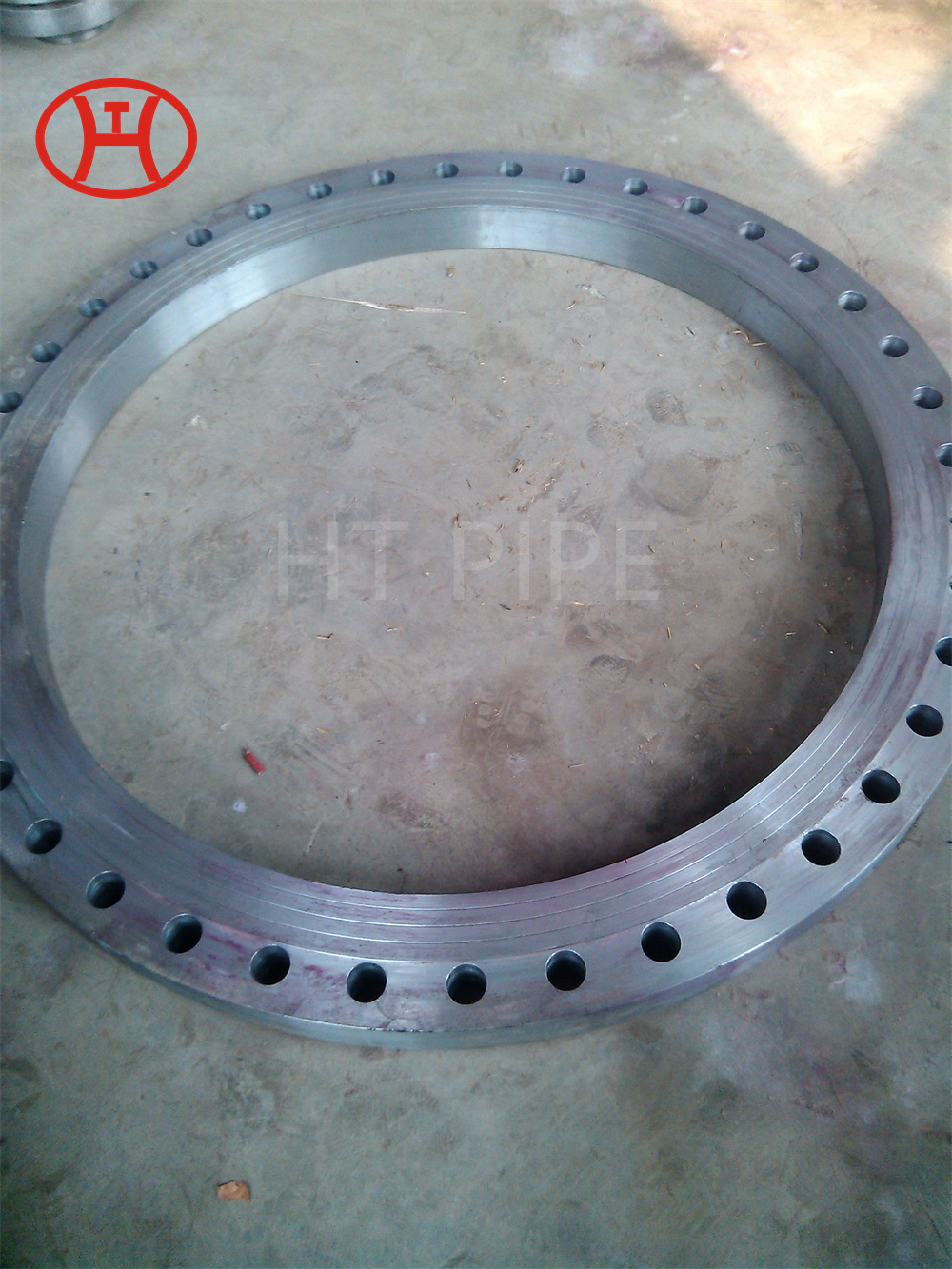
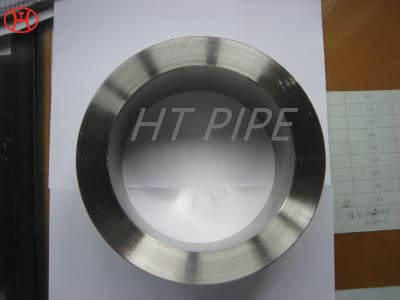
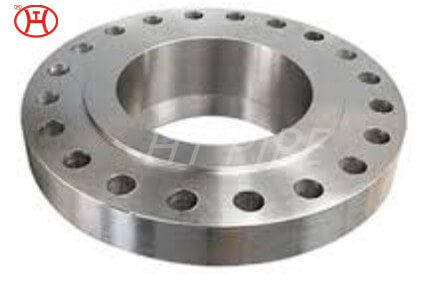
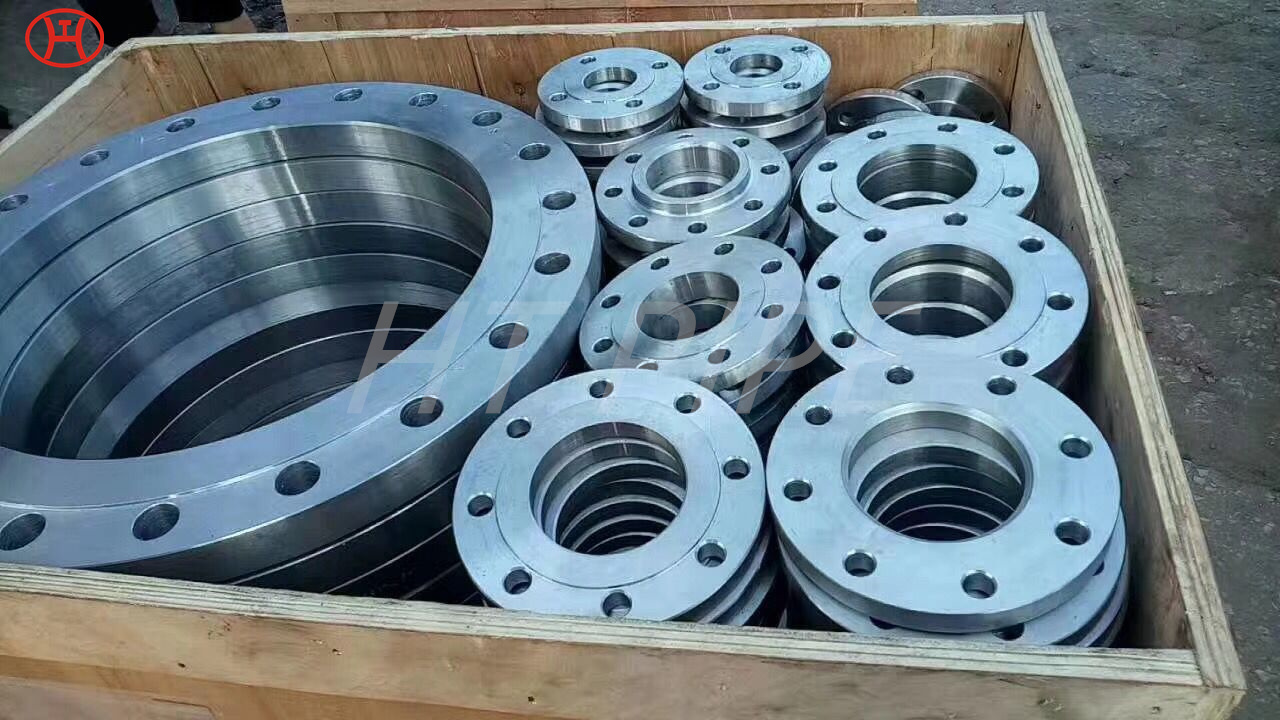
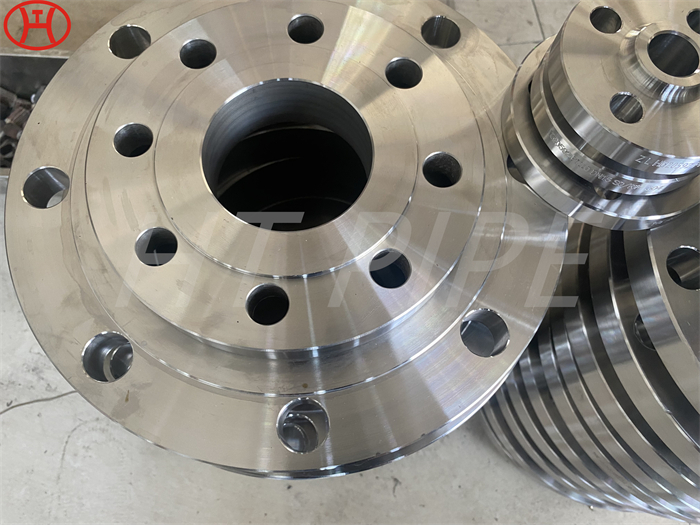
Incoloy 926 ASTM B625 Stainless Steel Flange for corrosion resistance

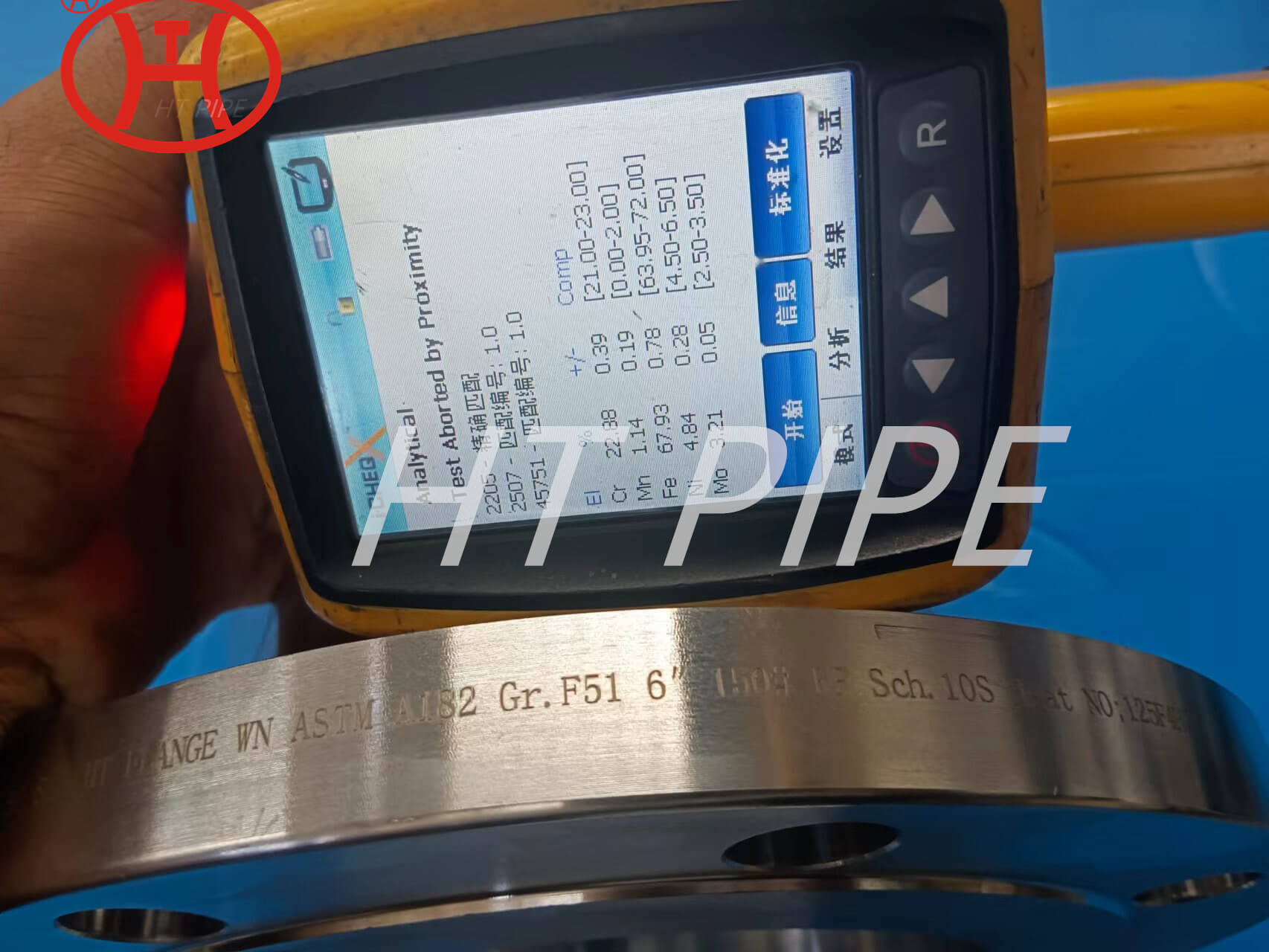
INCOLOY Alloy 926 (UNS N08926 / W. Nr. 1.4529 / INCOLOY Alloy 25-6MO) is a super austenitic stainless steel containing 6% molybdenum and reinforced by the addition of nitrogen. The nickel and chromium content of this alloy makes it resistant to a variety of corrosive environments.

Rated 4.6/5 based on 360 customer reviews
Share:
Content

Alloy 926 Flange is a super-austenitic molybdenum stainless steel that exhibits excellent resistance to a variety of highly corrosive environments. The combination of molybdenum and nitrogen in its composition resists pitting and crevice corrosion, while copper improves sulfuric acid resistance, and nitrogen improves yield and tensile strengths. Incoloy 926 Flange Applications

1) Reverse osmosis seawater desalination device, seawater heat exchanger, capacitor tube, etc.;
2) Pulp and paper industry, various bleaching devices, etc.;
3) Resin production equipment, drug reaction vessels, pipelines, etc.;
4) Fire fighting system, sea water purification system, hydraulic pressure and filling pipeline;
5) Ocean engineering system;
6) Hose systems in marine engineering;
7) Pipelines, joints, gas flow systems, etc. in acid gas production;
8) Flue gas desulfurization system components;
9) Evaporators, heat exchangers, filters, mixers, etc. in the production of phosphoric acid;
10) Sulfuric acid separation and condensation system;
11) Power plant cooling water piping system;
12) Storage tanks for transporting corrosive chemicals;
13) Halogen acid catalyzed organic production equipment;
Inquiry


    More Stainless steel

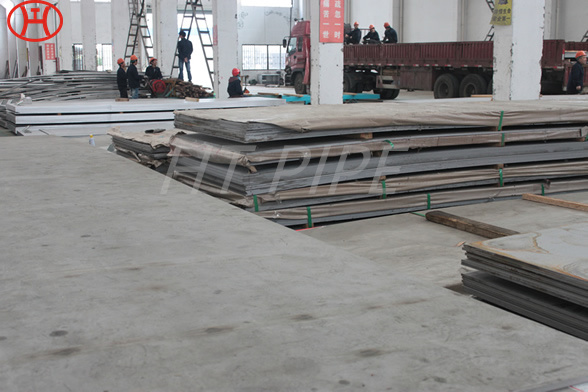
    Steel Plate are often used for structural and construction applications, pressure vessels, marine and offshord equipment, and military applications. The grade, elements and parameters of a steel plate are also important in how it is used.
    Steel plates are classified by thickness: thin plate, medium plate, thick plate and extra-thick plate.
    Thin steel plates are steel plates with a thickness between 0.2-4mm produced by hot rolling or cold rolling, and thick steel plates are those with a thickness of more than 4mm
    The general name of the good board.
    Thin steel plate refers to a steel plate with a thickness of not more than 3 mm. The commonly used thin steel plate thickness is 0.5-2MM, which is divided into sheet and coil supply. Thin
    The steel plates are generally B-type steels, cold-rolled or hot-rolled steel plates with steel grades B0-B3. Requirements for thin steel plates: smooth, smooth surface, thick
    The degree of uniformity, allowing a tight iron oxide film, must not have cracks, scarring and other defects. The process is divided into hot rolled sheet steel and cold rolled sheet
    plate. Mainly used in Changlin Dongfeng fans, automobiles, electrical equipment, vehicles, agricultural machinery, containers, steel furniture, etc.
    Thick steel plates refer to steel plates with a thickness greater than millimeters. Thick steel plate is divided into extra-thick steel plate and medium-thick steel plate.
    Medium and heavy steel plates refer to steel plates with a thickness greater than 3 mm and less than 50 mm. Medium and thick steel plates are mainly used in shipbuilding, boilers, bridges
    Armor and high-pressure vessel shells, etc.
    Extra-thick steel plate refers to a steel plate with a thickness of not less than 50 mm. Extra-thick steel plates are mainly used in shipbuilding, boilers, bridges and high-pressure vessel shells
    blog.