Home » Materials » 304 plate S30400 sheet a high amount of chromium
304 plate S30400 sheet a high amount of chromium

304 plate S30400 sheet a high amount of chromium

The alloy has excellent resistance to intergranular corrosion in the as-welded condition.

Rated 4.5/5 based on 337 customer reviews
Share:
Content

304 Stainless steel plate refers to steel plates resistant to corrosion by weak media such as atmosphere, steam and water, while acid-resistant steel plates refer to steel plates resistant to corrosion by chemically aggressive media such as acids, alkalis, and salts. Because SS 304 plate contains 18% chromium (Cr) and 8% nickel (Ni), it is also called 18/8 stainless steel. The 1.4301 stainless steel plate has good processability, weldability, corrosion resistance, heat resistance, low temperature strength and mechanical properties, good hot workability, such as stamping and bending, without heat treatment hardening.


AISI 304 stainless steel is the most commonly used material in stainless steel, reference standard ASTM A240, ASME SA240. This standard applies to the specification of chromium and chromium-nickel stainless steel plate, sheet, and strip for pressure vessels and general purposes. ASTM A240 UNS S30400 is widely used in construction, vehicles, kitchen utensils, chemical industry, medical treatment and other fields. It plays an important role in our daily life and production fields.


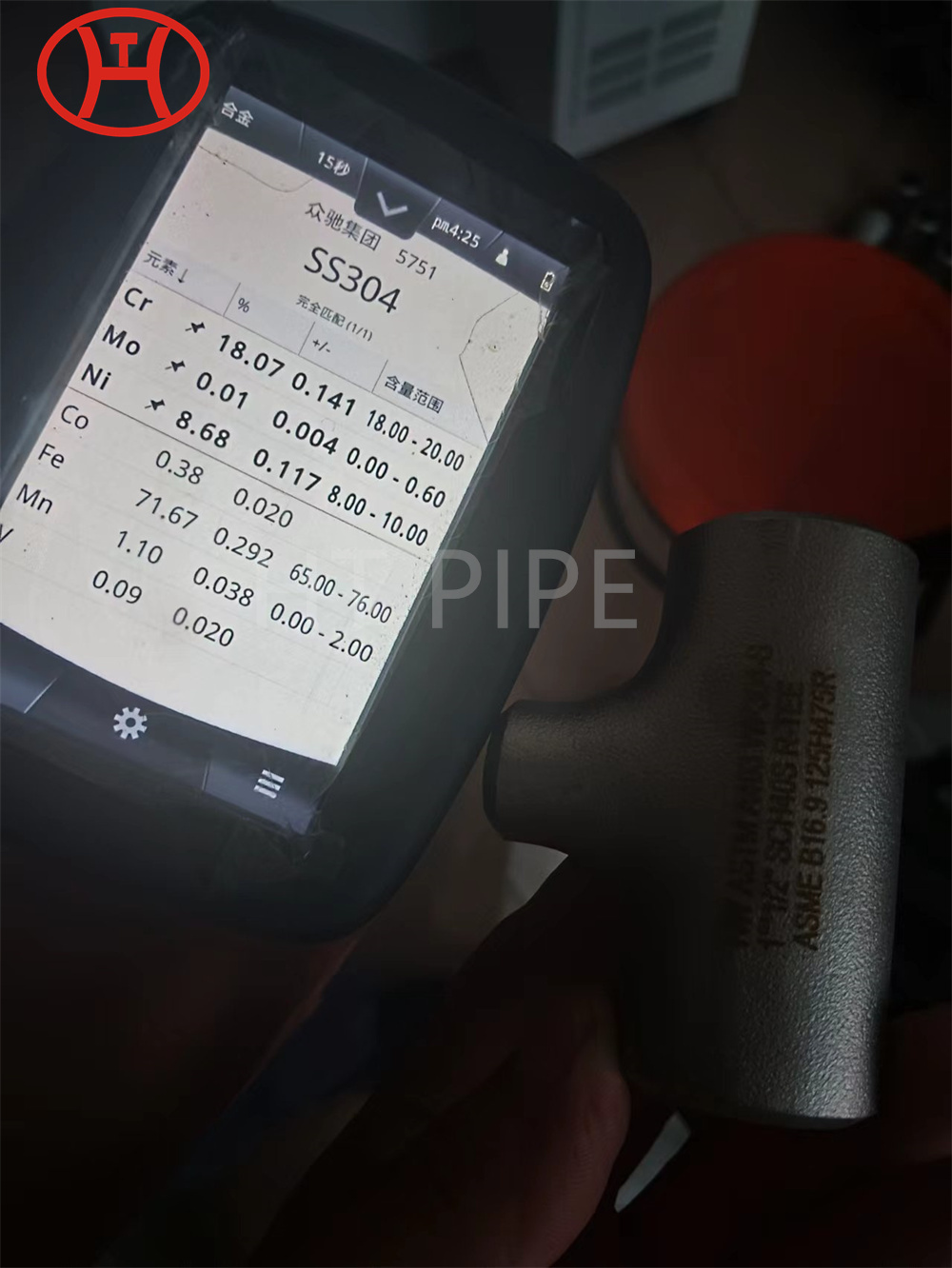
Chemical Composition of 304 Stainless steel plate:

Grade UNS C≤ Mn P≤ S≤ Si≤ Cr Mo Ni
TP304 S30400 0.08 2 0.045 0.03 1 18.0-20.0 8.0-11.0
Inquiry


    More Stainless steel

    Steel Plate are often used for structural and construction applications, pressure vessels, marine and offshord equipment, and military applications. The grade, elements and parameters of a steel plate are also important in how it is used.
    Steel plates are classified by thickness: thin plate, medium plate, thick plate and extra-thick plate.
    Thin steel plates are steel plates with a thickness between 0.2-4mm produced by hot rolling or cold rolling, and thick steel plates are those with a thickness of more than 4mm
    The general name of the good board.
    Thin steel plate refers to a steel plate with a thickness of not more than 3 mm. The commonly used thin steel plate thickness is 0.5-2MM, which is divided into sheet and coil supply. Thin
    The steel plates are generally B-type steels, cold-rolled or hot-rolled steel plates with steel grades B0-B3. Requirements for thin steel plates: smooth, smooth surface, thick
    The degree of uniformity, allowing a tight iron oxide film, must not have cracks, scarring and other defects. The process is divided into hot rolled sheet steel and cold rolled sheet
    plate. Mainly used in Changlin Dongfeng fans, automobiles, electrical equipment, vehicles, agricultural machinery, containers, steel furniture, etc.
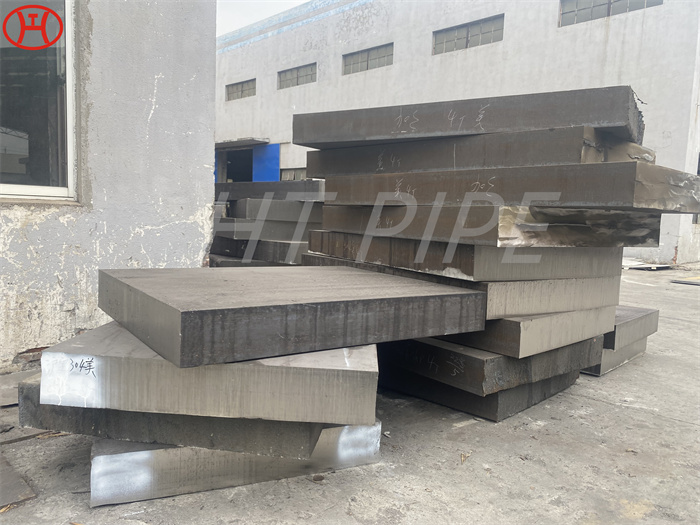
    Thick steel plates refer to steel plates with a thickness greater than millimeters. Thick steel plate is divided into extra-thick steel plate and medium-thick steel plate.
    Medium and heavy steel plates refer to steel plates with a thickness greater than 3 mm and less than 50 mm. Medium and thick steel plates are mainly used in shipbuilding, boilers, bridges
    Armor and high-pressure vessel shells, etc.
    Extra-thick steel plate refers to a steel plate with a thickness of not less than 50 mm. Extra-thick steel plates are mainly used in shipbuilding, boilers, bridges and high-pressure vessel shells
    blog.