Home » Forged Flanges » Incoloy 926 Stainless Steel Flange UNS No 8926 Incoloy alloy 800 Flange

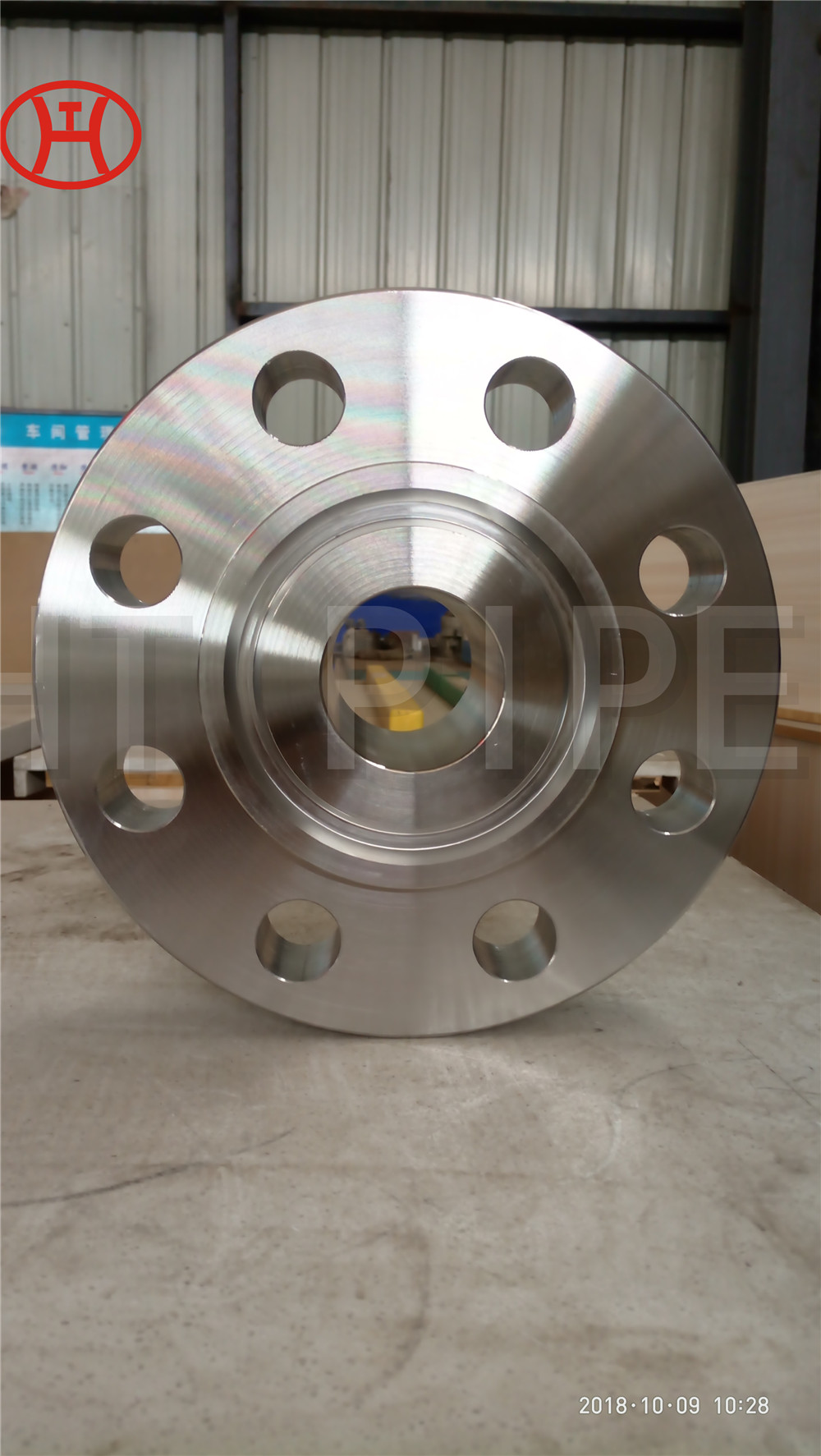
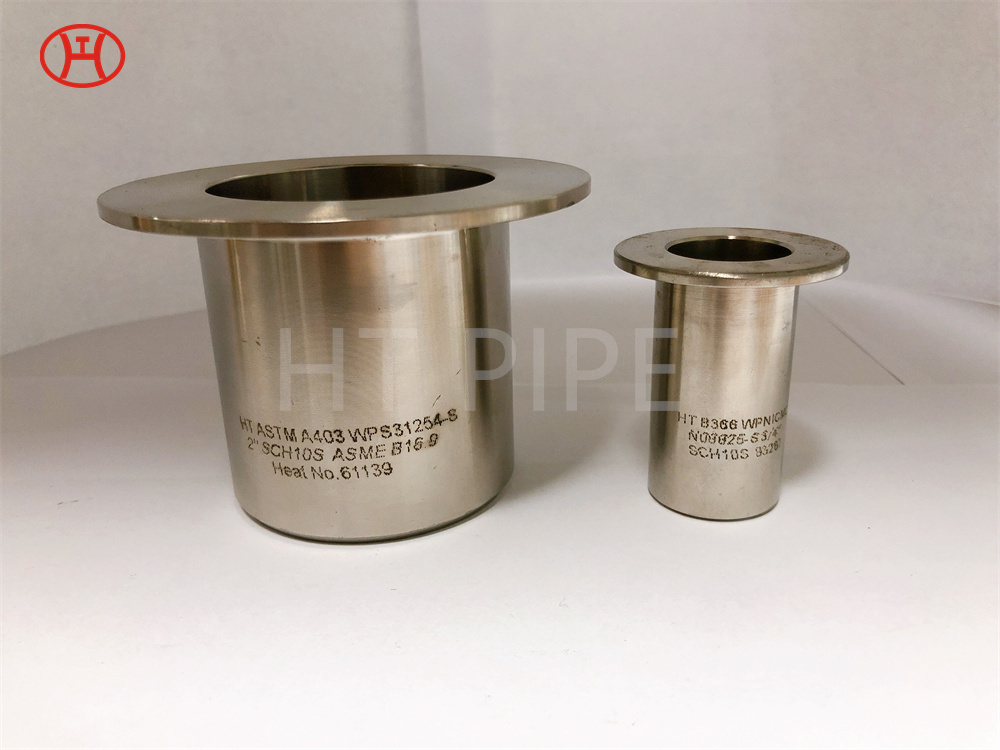
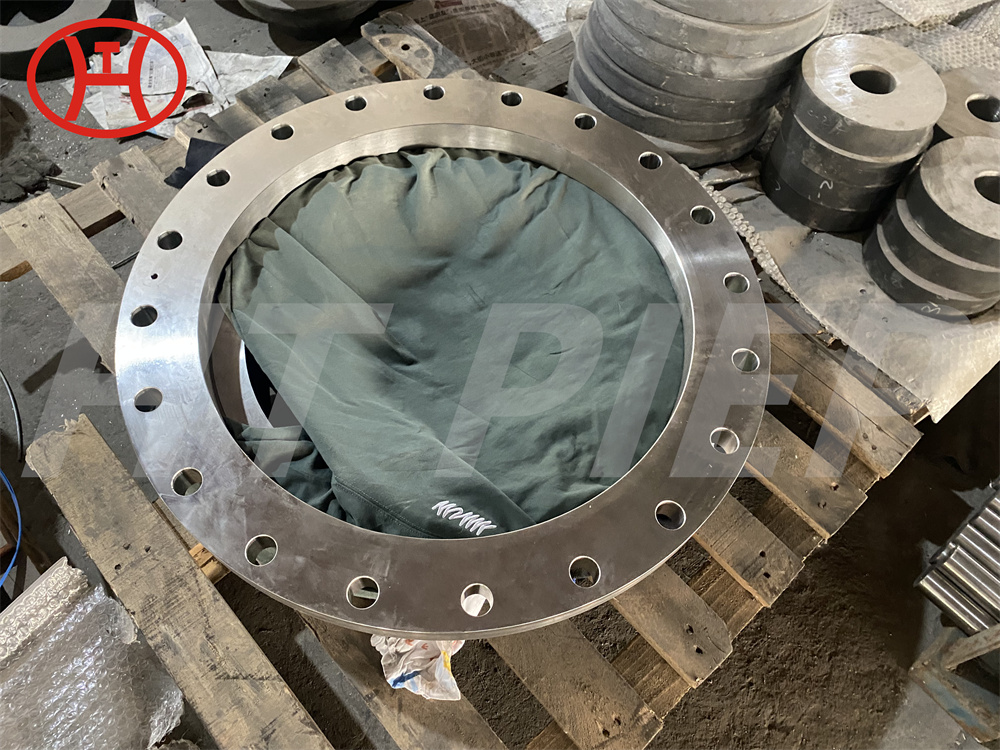
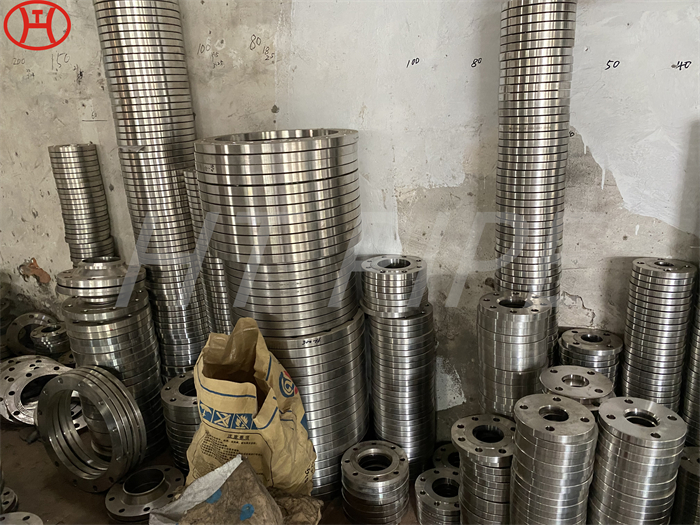
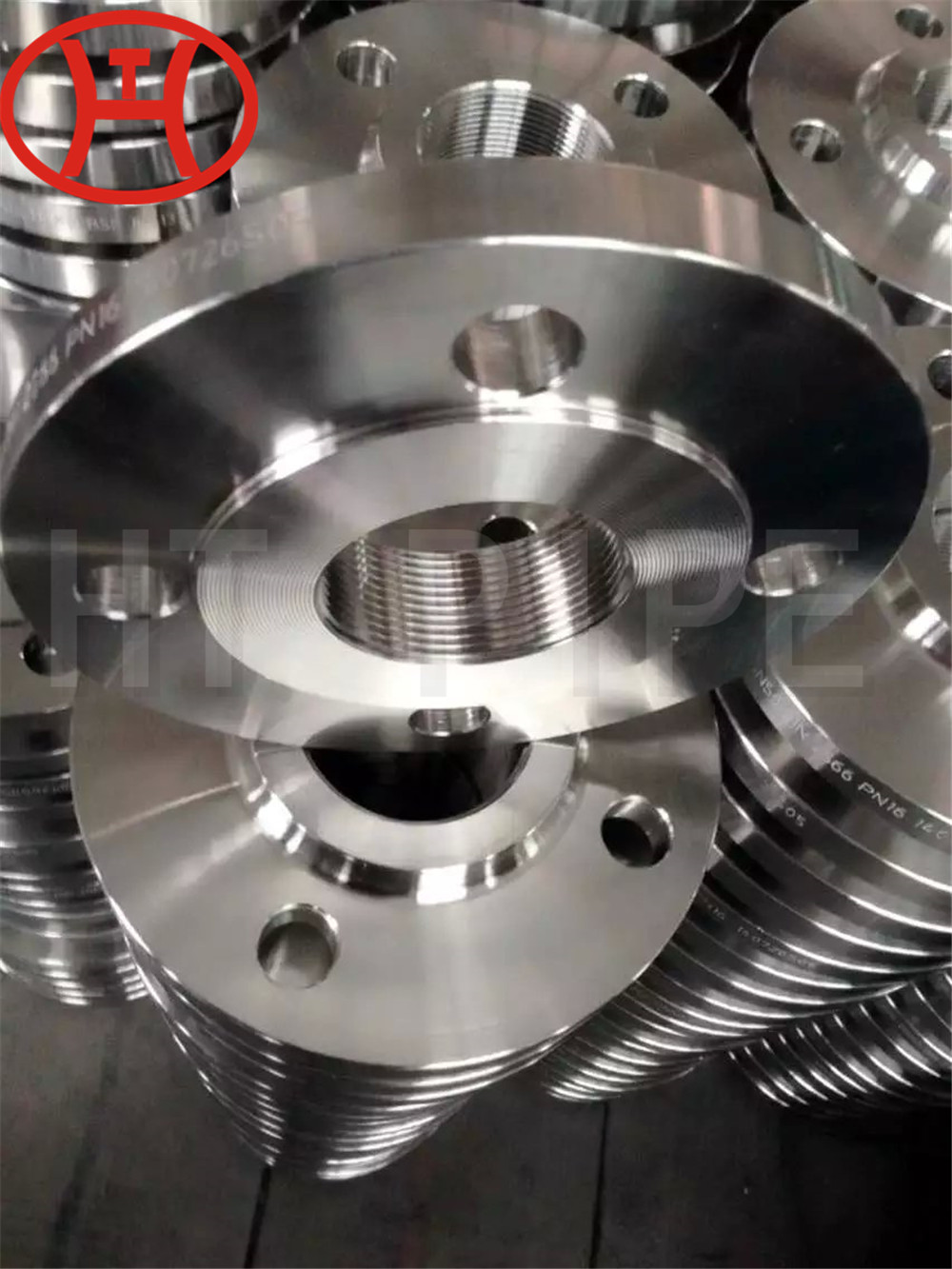
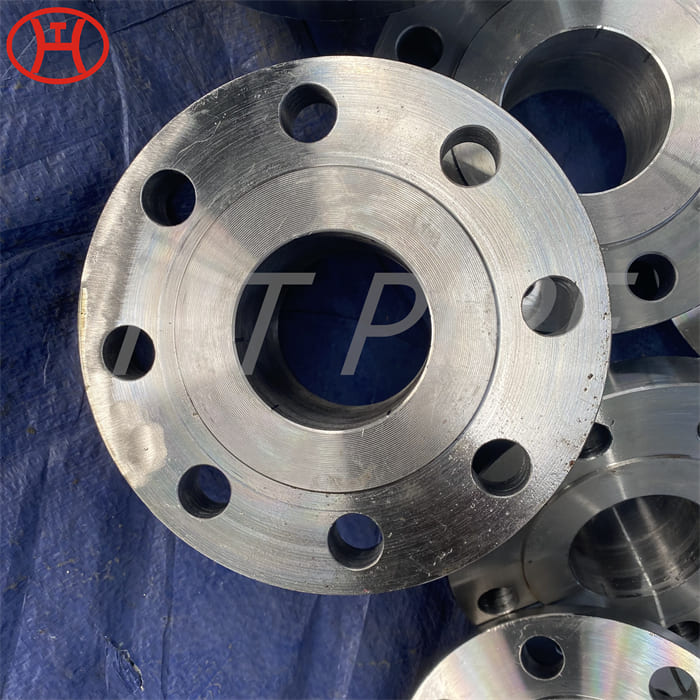
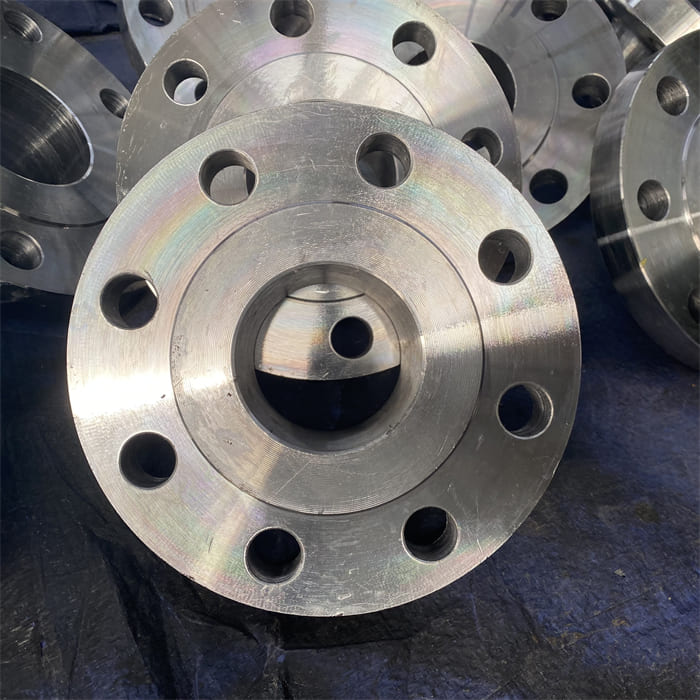
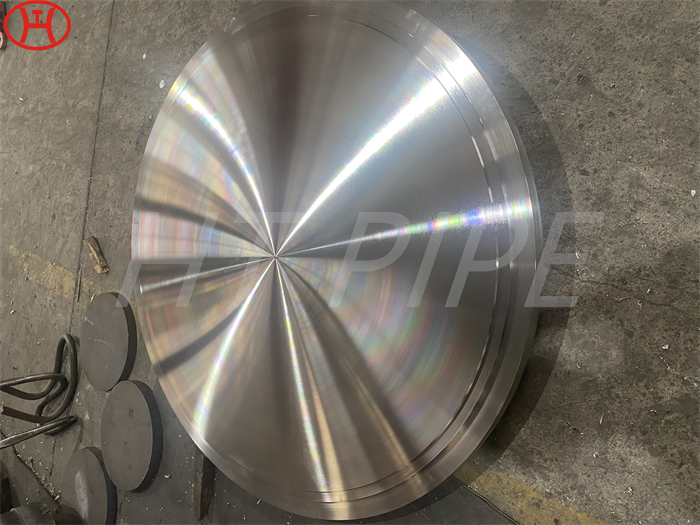
Incoloy 926 Stainless Steel Flange UNS No 8926 Incoloy alloy 800 Flange

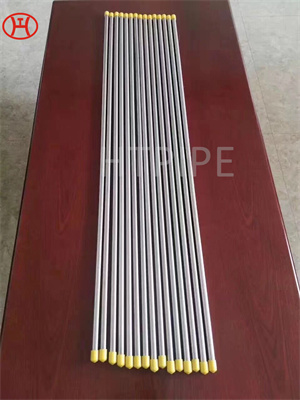
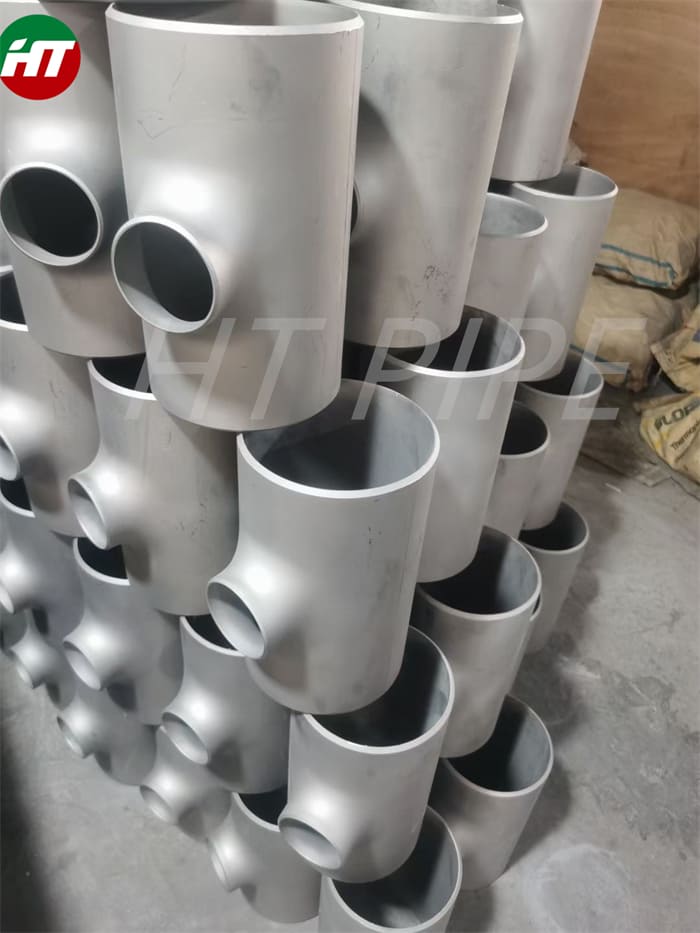
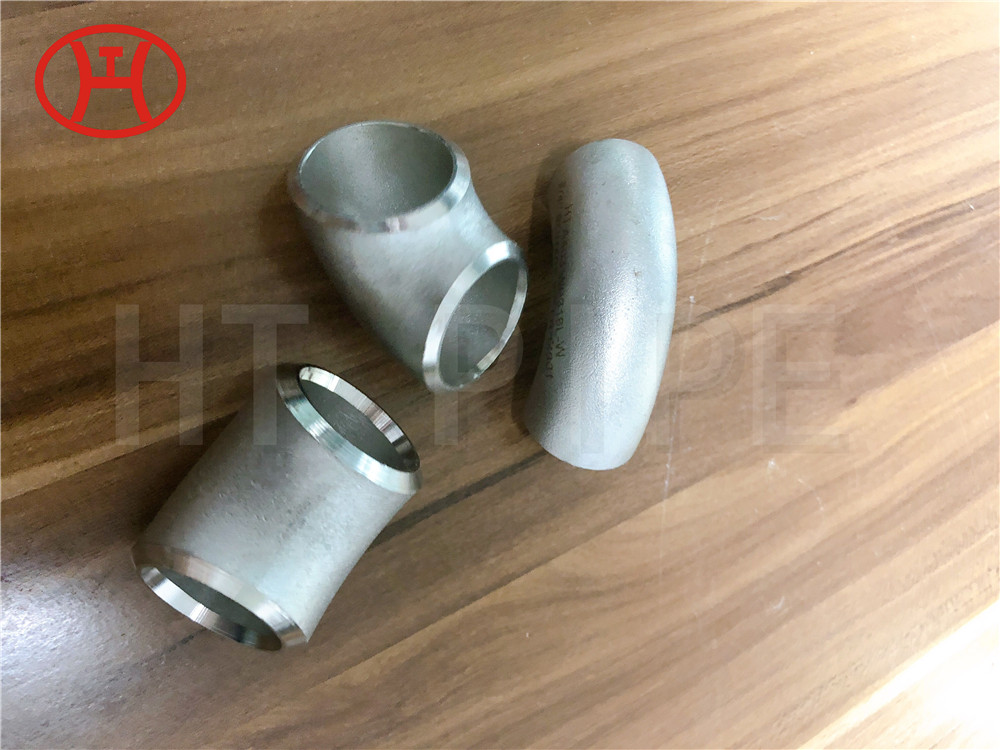
UNS N08926 forging rings, UNS N08926 forging spindles, UNS N08926 forging bars,UNS N08926 forging gears that are used in power transmission, turbine,gas compressor,gear boxes and so on.

Rated 4.9/5 based on 563 customer reviews
Share:
Content

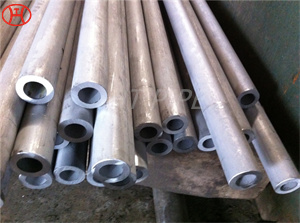
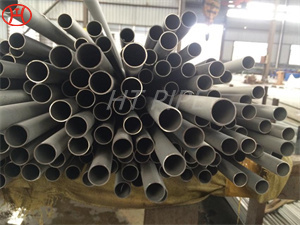
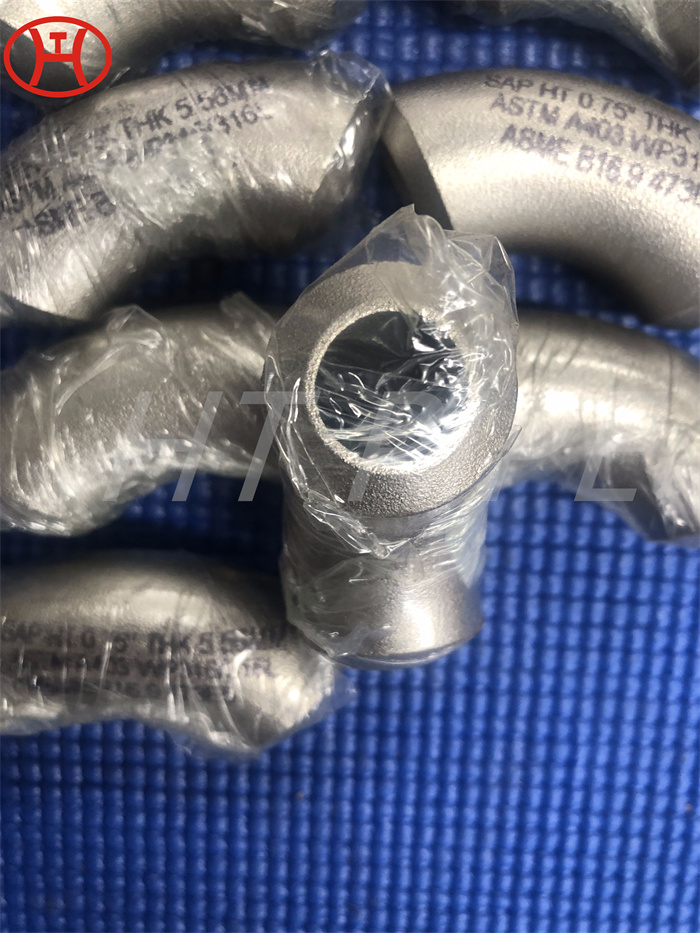
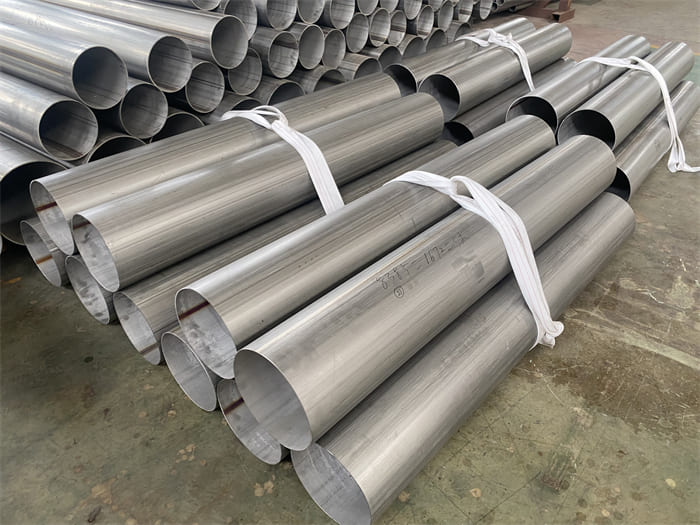
Incoloy 926 Stainless Steel Flange has particular corrosion resistance in the chloride ions medium due to the excellent local corrosion resistance and 25% nickel alloy content. Incoloy 926 Alloy in other chemical media also has good corrosion resistance in the high temperature and high concentration of media, including sulfuric acid, phosphoric acid, acid gas, sea water, salt and organic acids. Alloy 926 is a versatile material that can be used in many industrial fields: fire protection systems, seawater purification systems, hydraulic and perfusion piping systems in marine engineering, bleaching tanks in cellulose pulp production, polishing in corrosive oil wells Rod and hose systems in marine engineering. Incoloy 926 (N08926) nickel alloy is a high-corrosion-resistant super austenitic stainless steel, containing high Cr and high Mo, and it still maintains good corrosion resistance in harsh environments such as high temperature, seawater or flue gas desulfurization equipment. In some cases, it even rivals Hastelloy and titanium. Incoloy 926 (N08926), as an economical stainless steel with high corrosion resistance, has strong resistance to pitting and crevice corrosion in halide media and sulfhydryl-containing environments. Incoloy 926 is also resistant to chloride stress corrosion and has good corrosion resistance in both oxidizing and reducing media.
Inquiry


    More Stainless steel

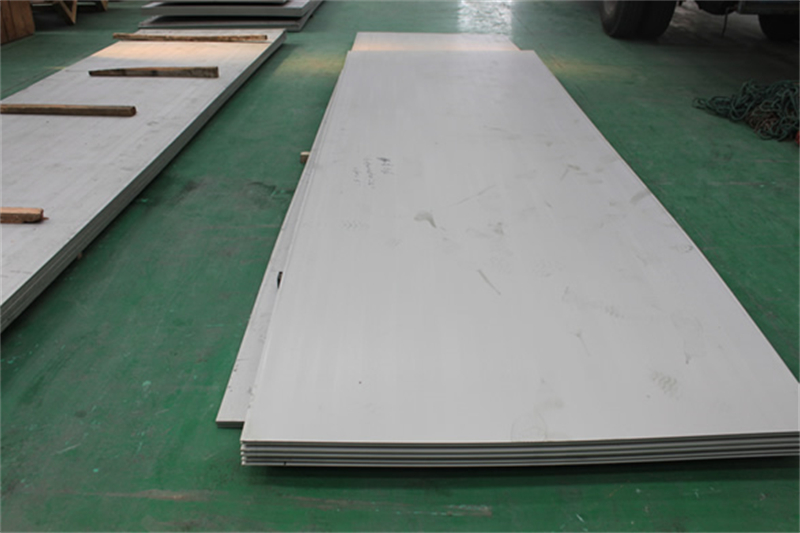
    Steel Plate are often used for structural and construction applications, pressure vessels, marine and offshord equipment, and military applications. The grade, elements and parameters of a steel plate are also important in how it is used.
    Steel plates are classified by thickness: thin plate, medium plate, thick plate and extra-thick plate.
    Thin steel plates are steel plates with a thickness between 0.2-4mm produced by hot rolling or cold rolling, and thick steel plates are those with a thickness of more than 4mm
    The general name of the good board.
    Thin steel plate refers to a steel plate with a thickness of not more than 3 mm. The commonly used thin steel plate thickness is 0.5-2MM, which is divided into sheet and coil supply. Thin
    The steel plates are generally B-type steels, cold-rolled or hot-rolled steel plates with steel grades B0-B3. Requirements for thin steel plates: smooth, smooth surface, thick
    The degree of uniformity, allowing a tight iron oxide film, must not have cracks, scarring and other defects. The process is divided into hot rolled sheet steel and cold rolled sheet
    plate. Mainly used in Changlin Dongfeng fans, automobiles, electrical equipment, vehicles, agricultural machinery, containers, steel furniture, etc.
    Thick steel plates refer to steel plates with a thickness greater than millimeters. Thick steel plate is divided into extra-thick steel plate and medium-thick steel plate.
    Medium and heavy steel plates refer to steel plates with a thickness greater than 3 mm and less than 50 mm. Medium and thick steel plates are mainly used in shipbuilding, boilers, bridges
    Armor and high-pressure vessel shells, etc.
    Extra-thick steel plate refers to a steel plate with a thickness of not less than 50 mm. Extra-thick steel plates are mainly used in shipbuilding, boilers, bridges and high-pressure vessel shells
    blog.