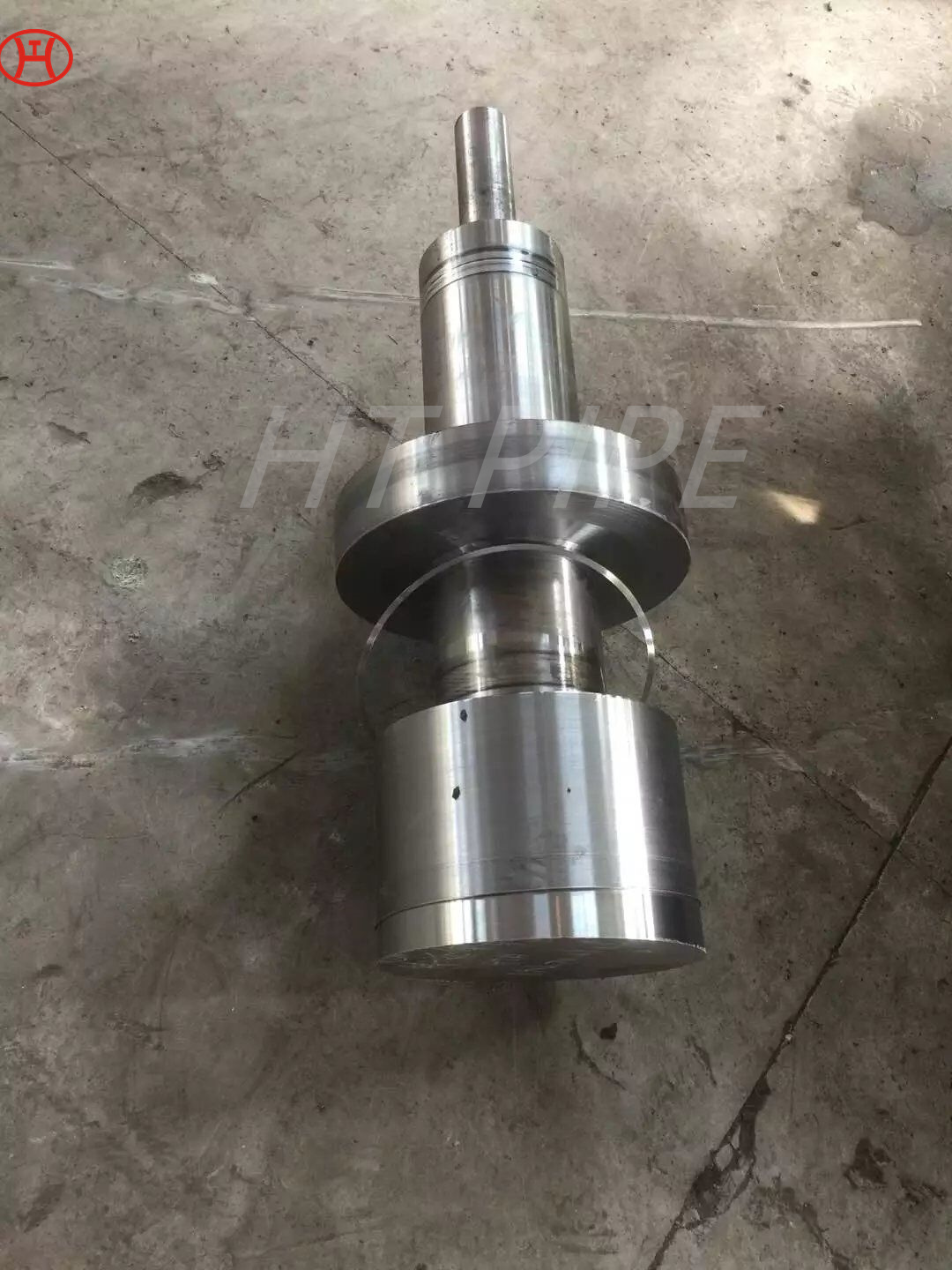
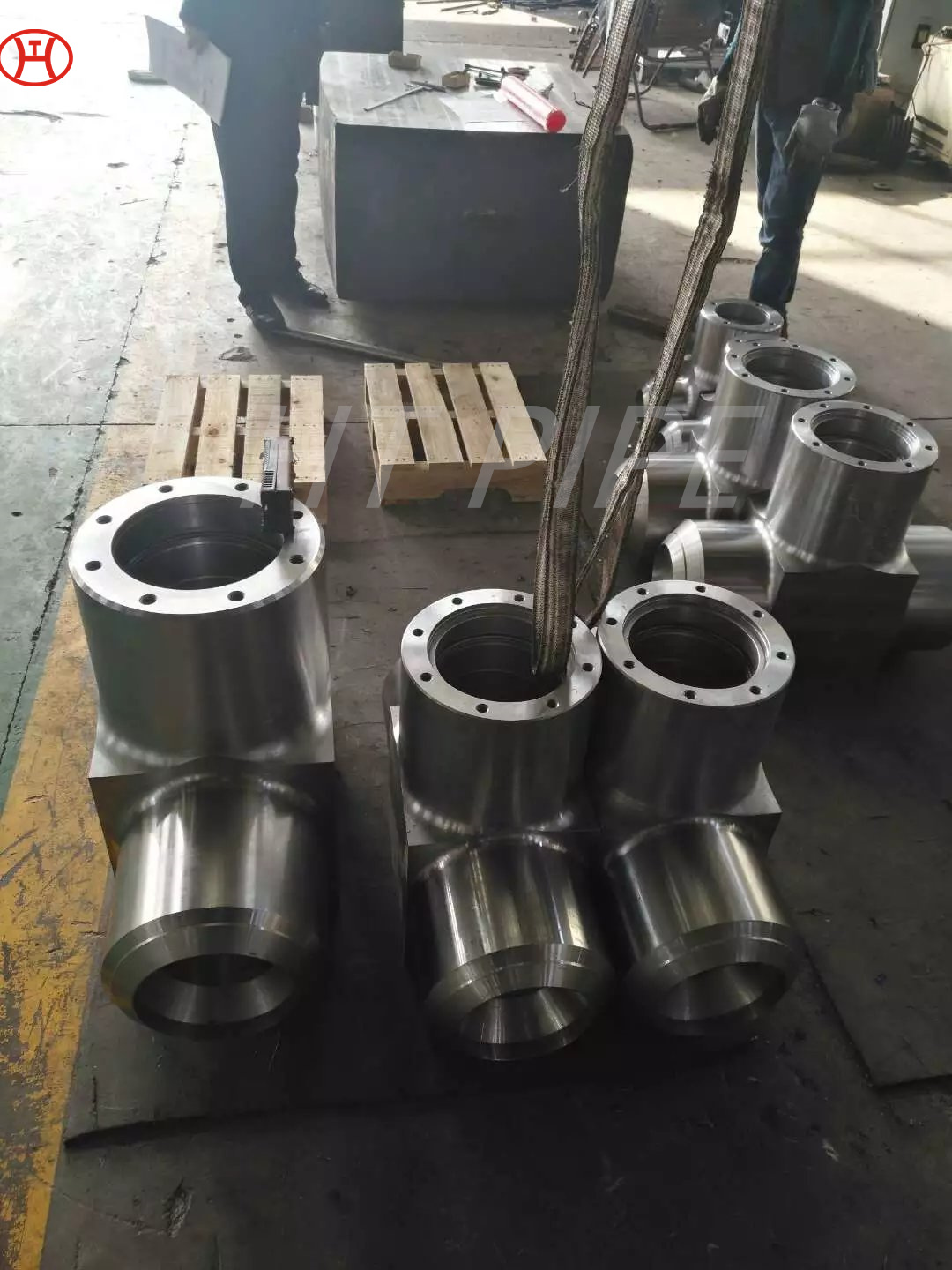
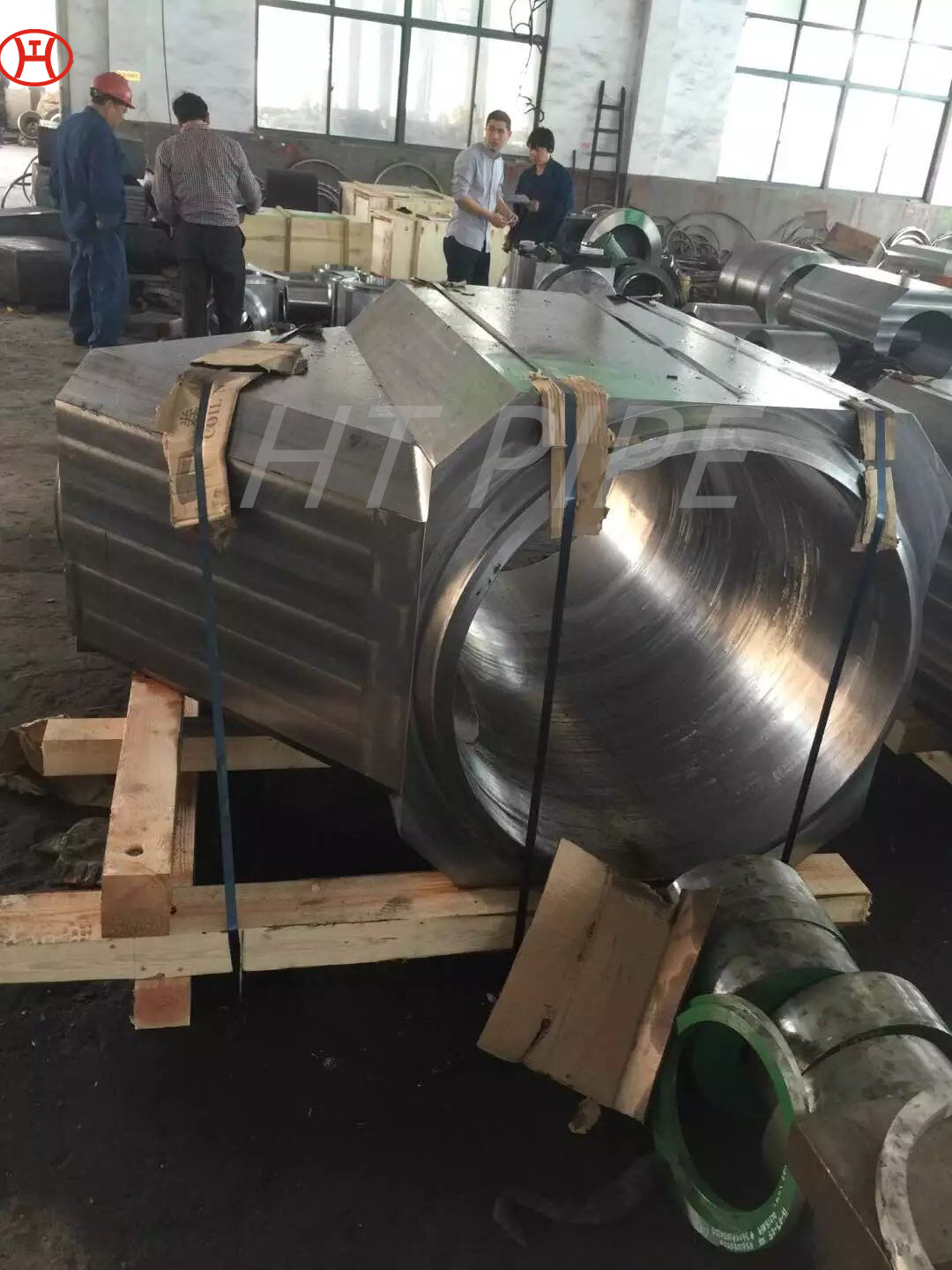
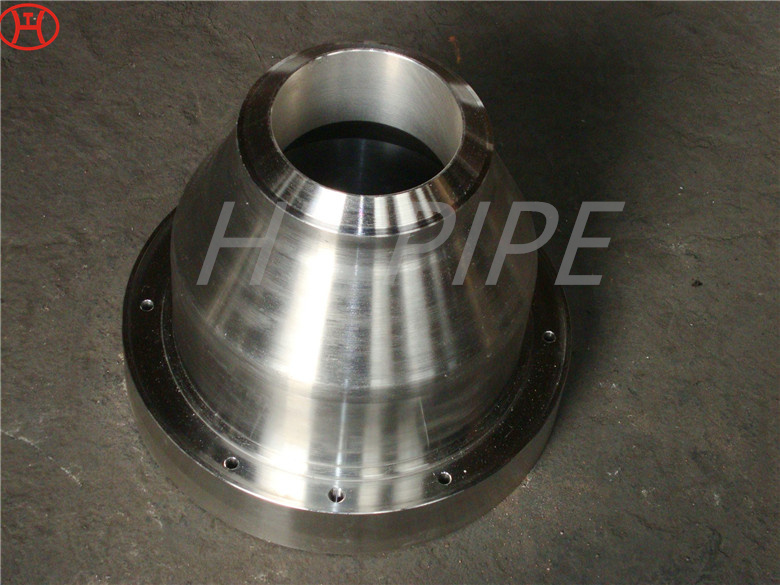
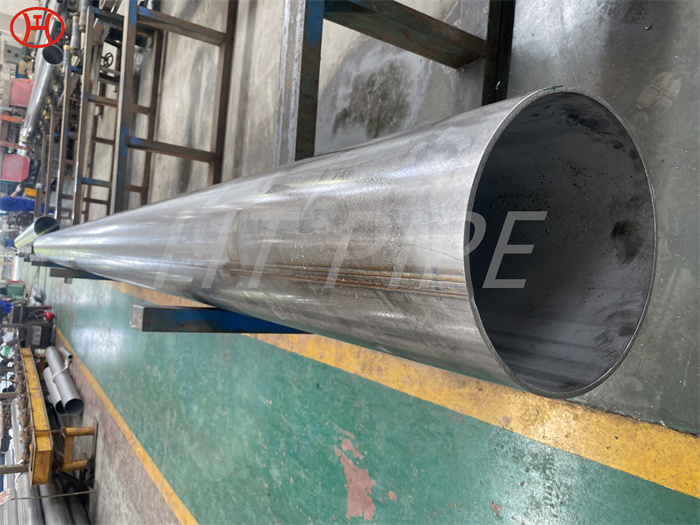
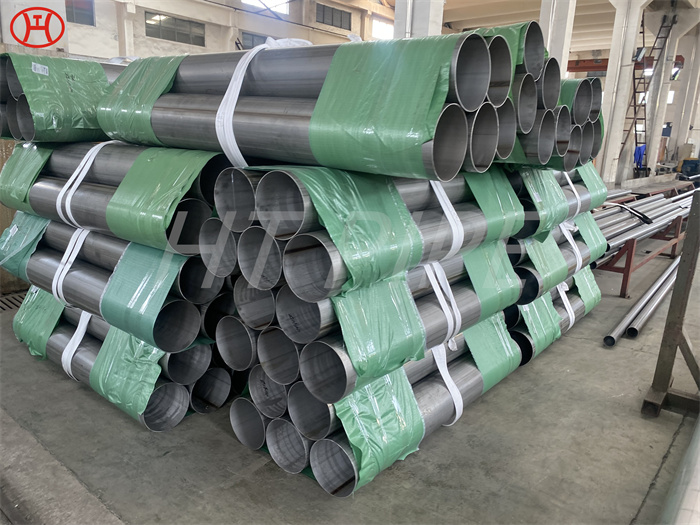
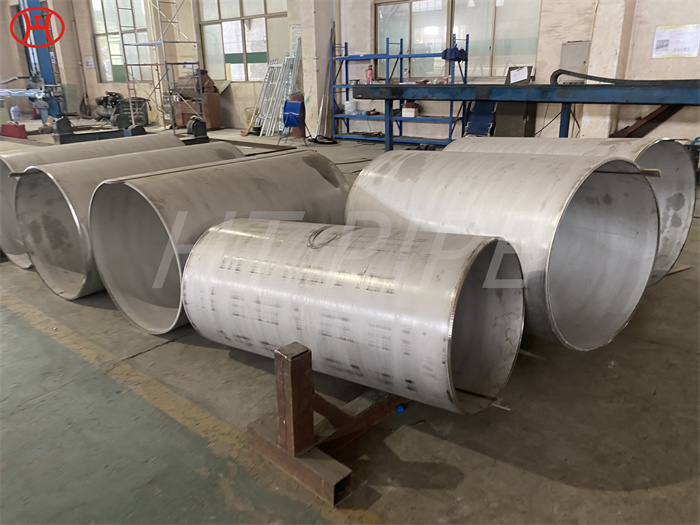
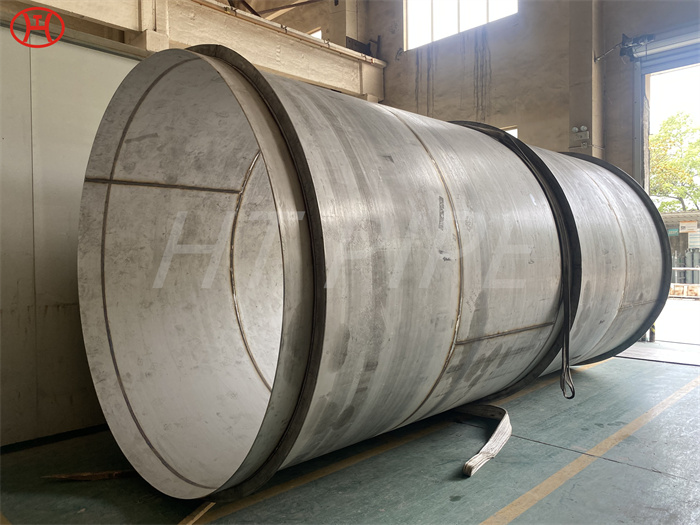
The yield strength of duplex stainless steel is twice that of austenitic stainless steel. This feature allows designers to reduce weight when designing products, making this alloy more cost-effective than 316, 317L.
This alloy is especially useful in the -50¡ãF/+600¡ãF temperature range. For applications outside this temperature range, this alloy can also be considered, but there are some restrictions, especially when used in welded structures.
Compared with austenitic stainless steel, F51 duplex stainless steel has twice the compressive strength, and compared with 316L and 317L, the designer can reduce its weight.
It is listed in Material Group 2.8 according to ASME B16.5 and ASME B16.47.
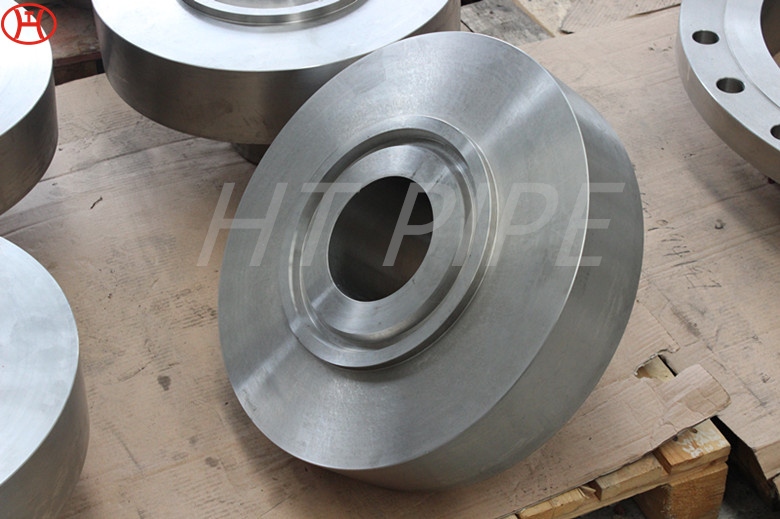
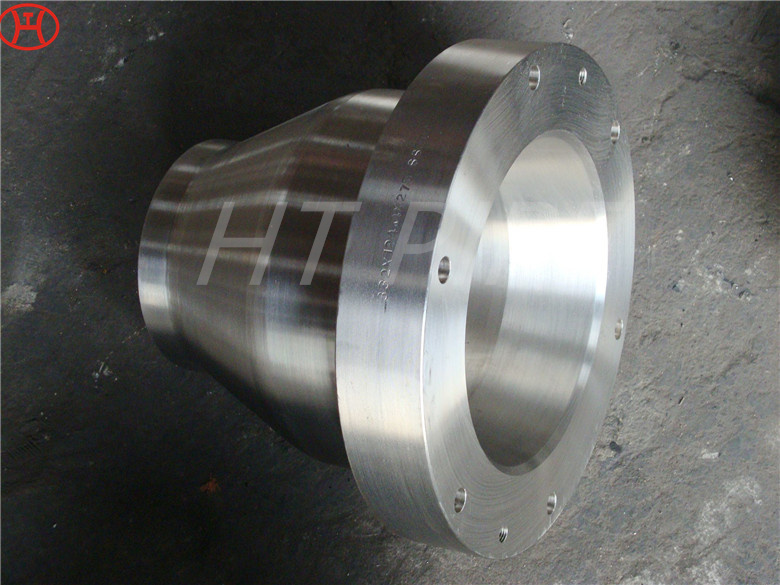
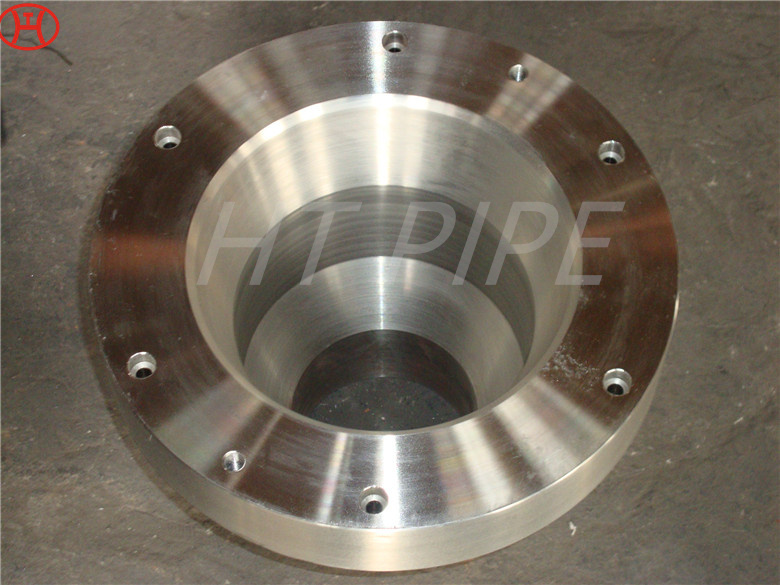
ASTM A182 F53 Flange is a high strength flange that has 550MPa minimum yield strength and 800MPa minimum tensile strength.
The pressure-temperature ratings for ASTM A182 F53 flanges are the same as that for other duplex stainless steels.
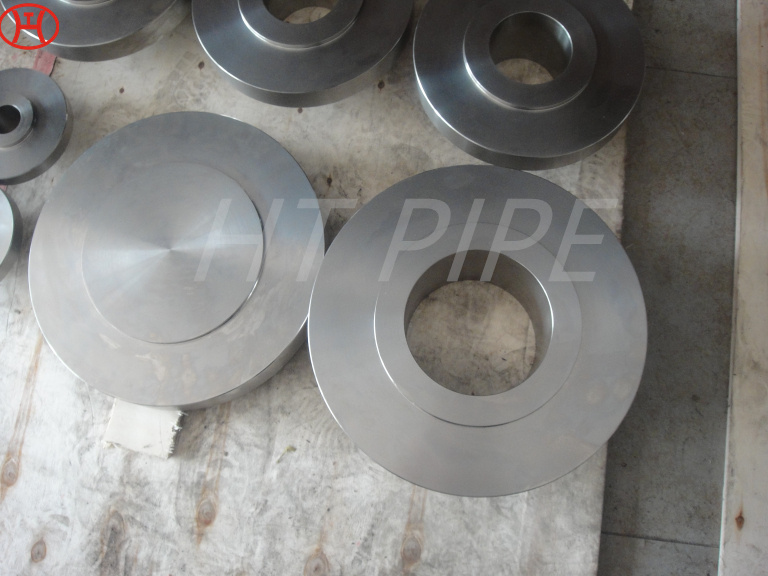
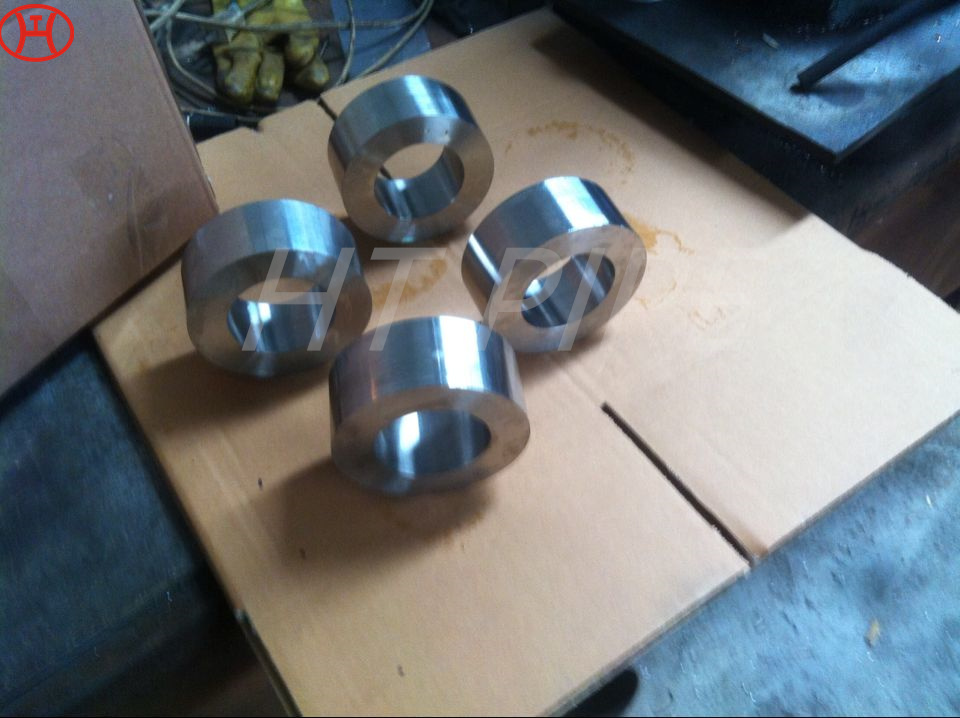
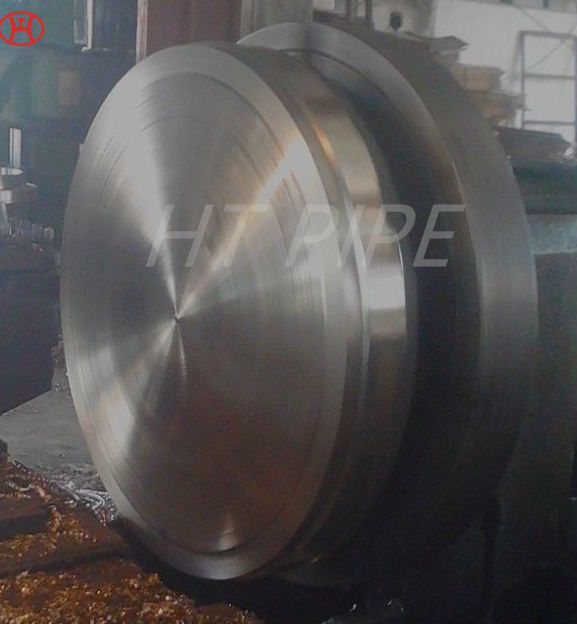
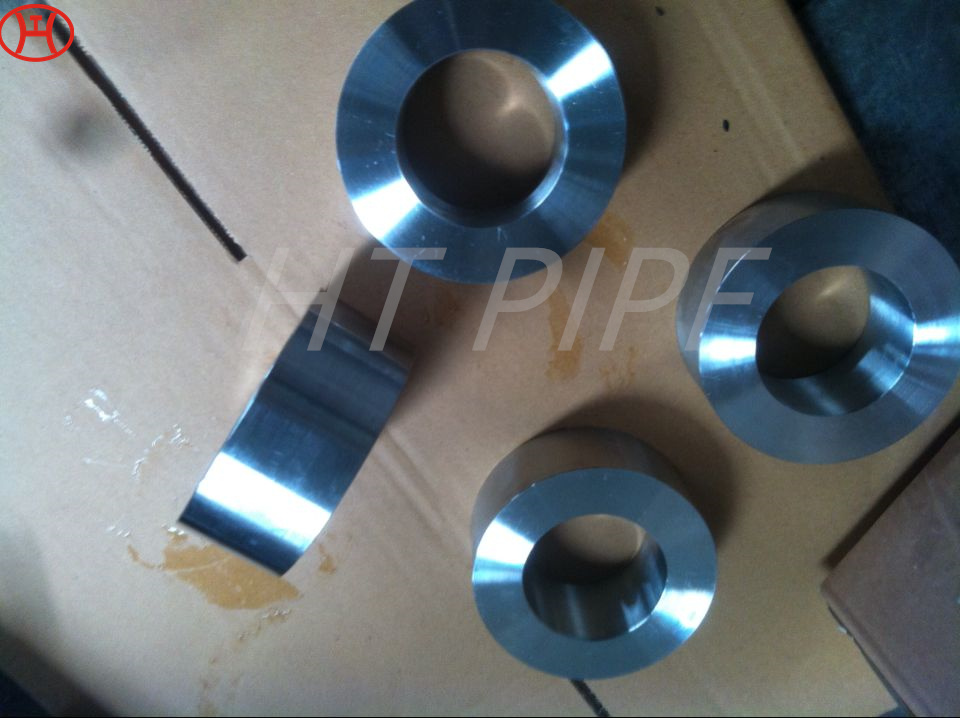
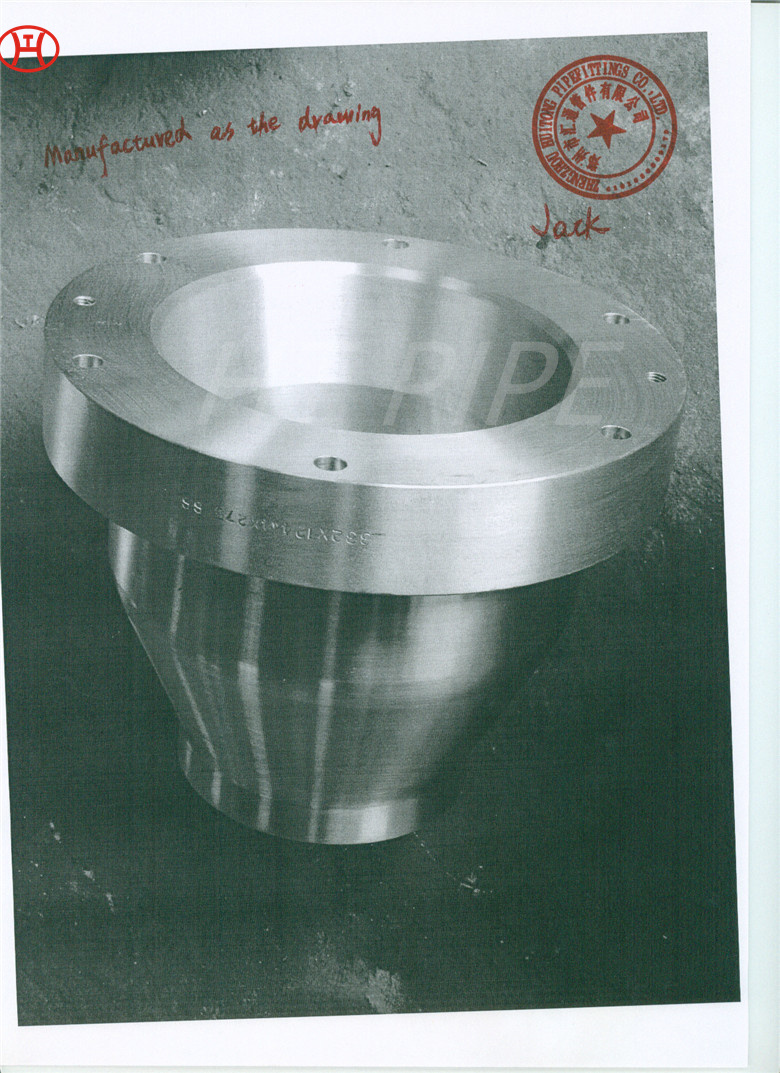
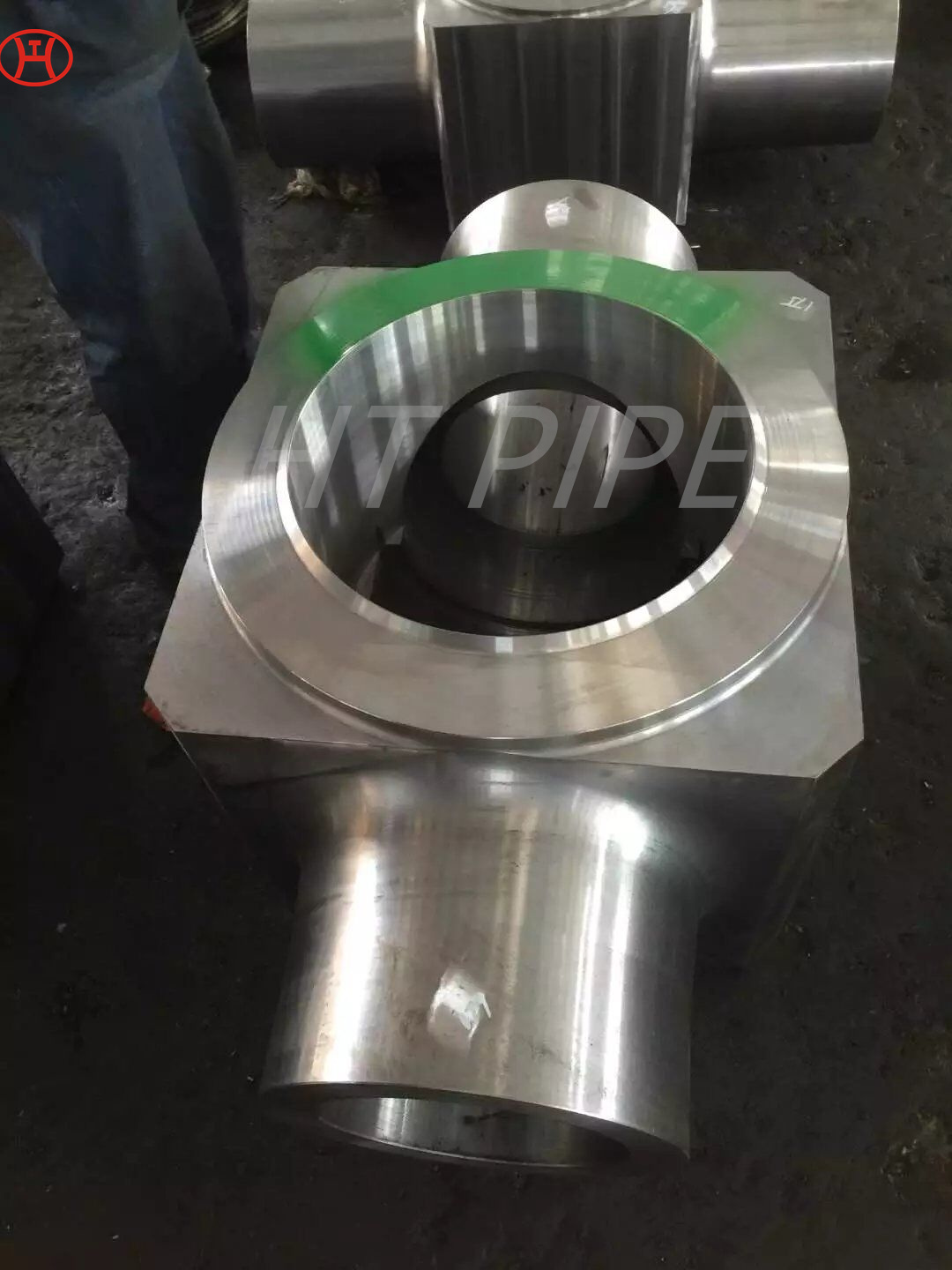
There are different types of flanges such as slip on flanges, socket weld flanges, forged flanges, blind flanges, reducing flanges and many by their functions.
The flanges shall not be used at temperatures over 600¡ãF [315¡ãC] since it may be subject to embrittlement after service at moderately elevated temperatures.
The flanges could also be manufactured as screwed, threaded or forged types. The forged flanges are made from a single piece of raw material. These are also called the cast flanges.
The flange a182 f53 can also differ in the face type as flat face, raised face and ring type joint flanges.
The astm a182 f53 vs f55 can come in different diameters ranging from ? inches to 48 inches with different pressure classes ranging from class 150 through class 2500.
The pressure capacities of the flanges can also be expressed in pressure numbers. The astm a182 f53 uns s32750 flange types come in pressure numbers ranging from PN6 through PN64.
The applications include high corrosive applications including acidic applications due to the material composition.
This provides the flanges with high corrosion resistance and higher mechanical properties. Please contact us for your orders of F53 flanges.
A182 F53 material displays excellent corrosion resistance.
SA 182 F53 S32750 Flange is a super duplex stainless steel supplied in the hot worked and solution annealed condition.
The mechanical strength, corrosion resistance and low temperature toughness of the ASTM A182 F53 Flanges is higher than that of ordinary duplex stainless steels.
ASTM A182 UNS S32750 Flanges is the most common super duplex grade that has an enhanced pitting and crevice corrosion resistance compared with the ordinary austenitic or duplex types.
ASTM A182 F53 Super Duplex Flanges available with rating class of 150#, 300#, 400#, 600#, 900# and 1500# in sizes NPS 1/2 to 24.
For 2500# in sizes from NPS 1/2 to NPS 12 ASTM A182 UNS S32750 Flanges, with requirements in both metric and U.S. A182 S32750 Flat Flanges for companies involved in Equipment Manufacturing, Oil Refineries, Mining, Chemical manufacturing and Industrial Construction.
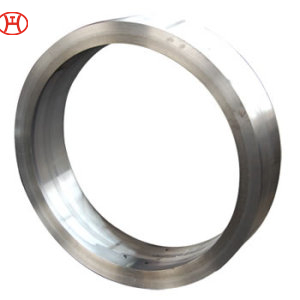
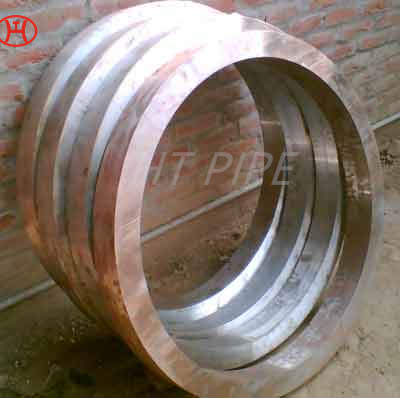
ASTM A182 F53 flanges refer to flanges made from super duplex stainless steel 2507 (UNS S32750) by a hot forging process.
The high chromium, molybdenum, and nitrogen levels provide excellent resistance to pitting, crevice, and general corrosion.
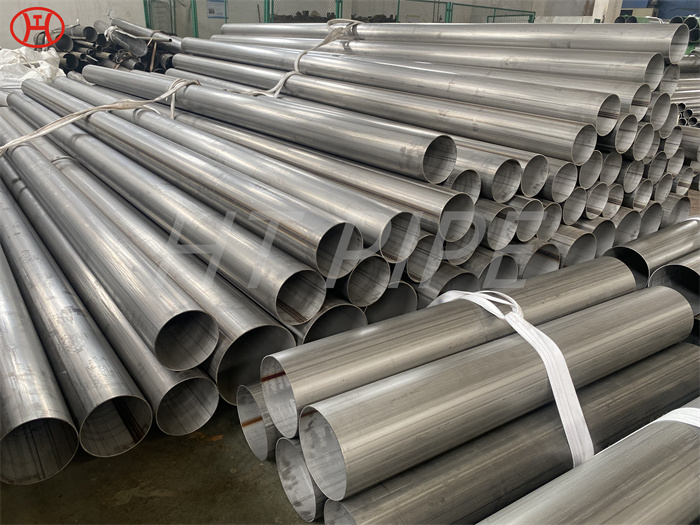
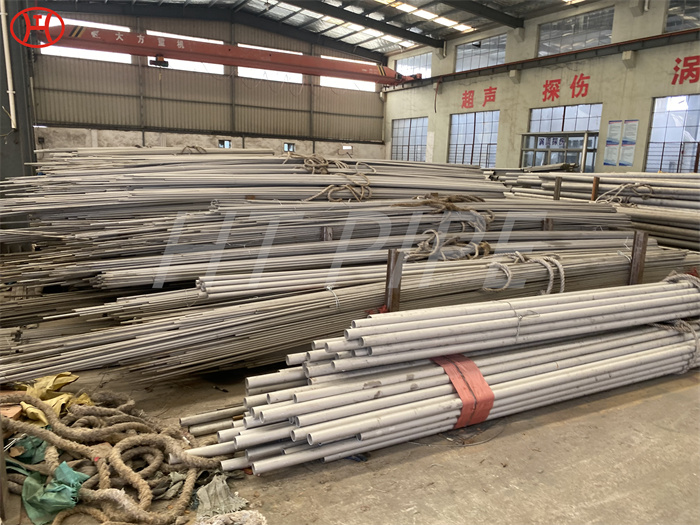
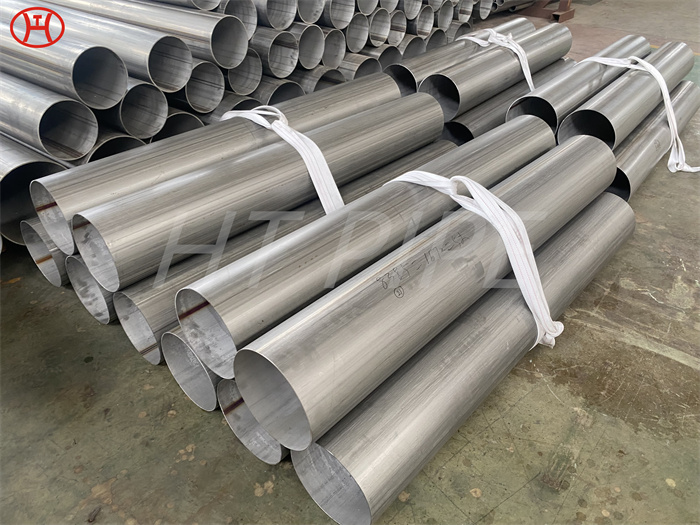
Super Duplex tubes for the increasing hostile temperature and operating environments – where maximising operating efficiency demands total product reliability. 2507 Super Duplex Products therefore have very his corrosion cracking resistance and tensile strength.
The steel has excellent resistance to chloride stress corrosion cracking, high thermal conductivity and a low coefficient of thermal expansion. The high chromium, molybdenum, and nitrogen levels provide excellent resistance to pitting, crevice, and general corrosion.
The material is also resistant to chloride stress corrosion cracking, to erosion corrosion, to corrosion fatigue, to general corrosion in acids. This alloy has good weldability and very high mechanical strength.
2507 Super Duplex Stainless Steel was designed for demanding applications which require exceptional strength and corrosion resistance, such as chemical process, petrochemical, and seawater equipment.
Super Duplex are trace amounts of carbon, phosphorus, sulfur, silicon, nitrogen, and copper. It has great general consumption resistance, proposed for applications up to 600¡ã F, and low rate of warm development.
2507 has high resistance to stress corrosion cracking (especially chloride stress corrosion cracking), high energy absorption, high strength, and erosion. Essentially, and the Duplex alloys are a compromise.
2507 is used for oil and gas industry equipment, offshore platforms, heat exchangers, process and service water systems, fire-fighting systems, and injection and ballast water systems.
2507 is used for Chemical process industries, heat exchangers, vessels, and piping, desalination plants, high pressure RO-plant and seawater piping, mechanical and structural components, high strength, corrosion-resistant parts.