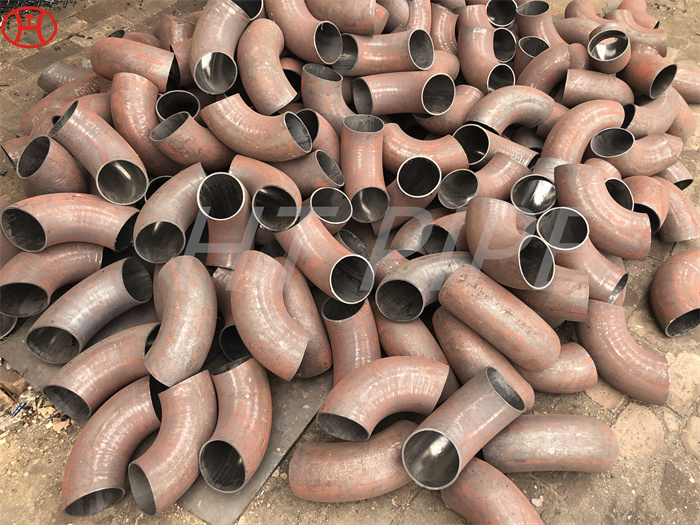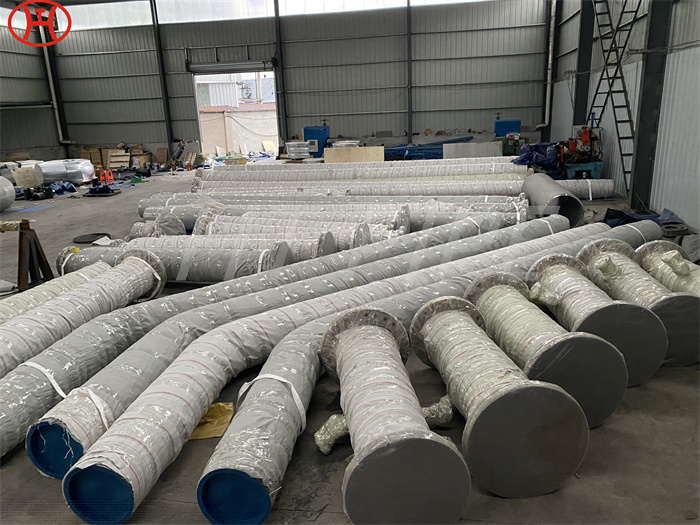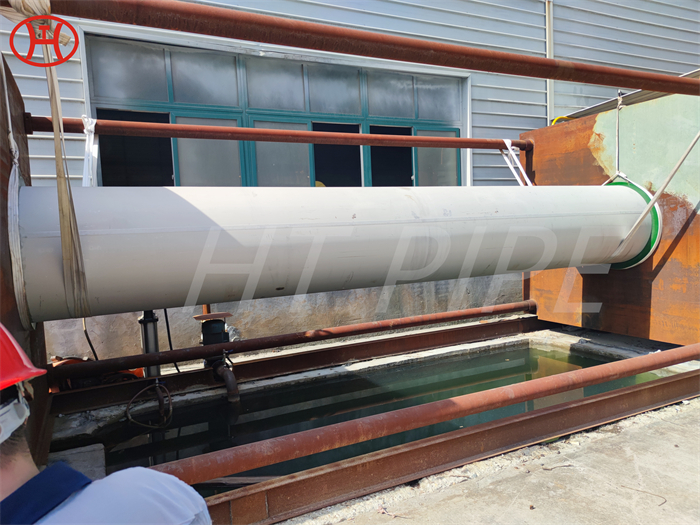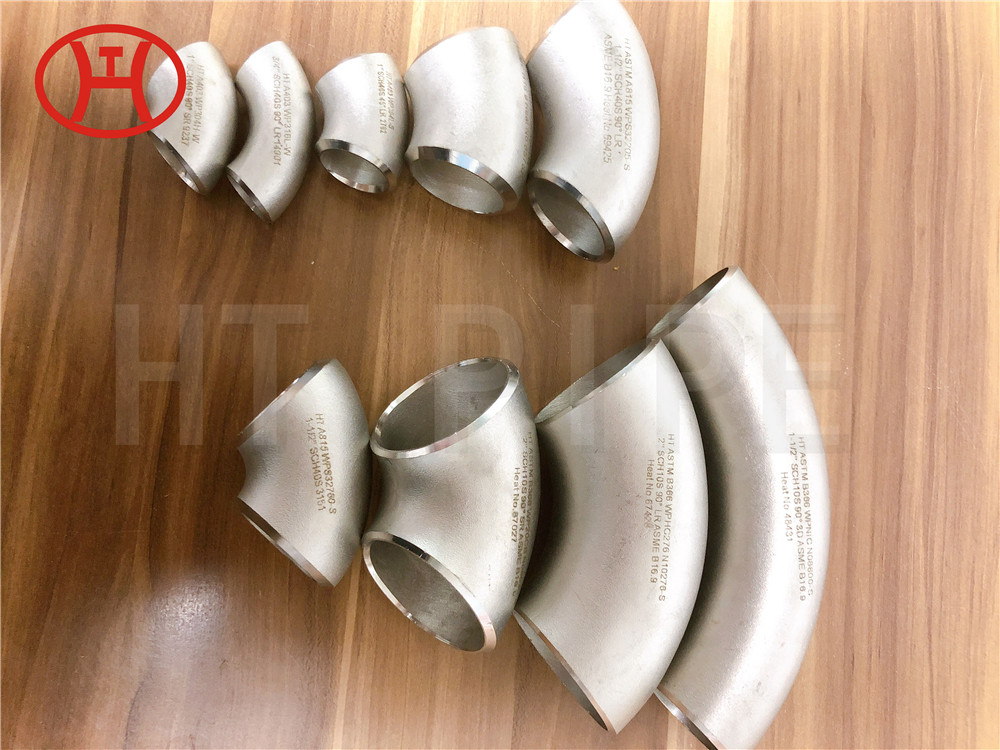
Home » Steel Pipe Fittings » Butt Weld Pipe Fittings » The pressure rating of pipe fittings Hastelloy C22 pipe bend

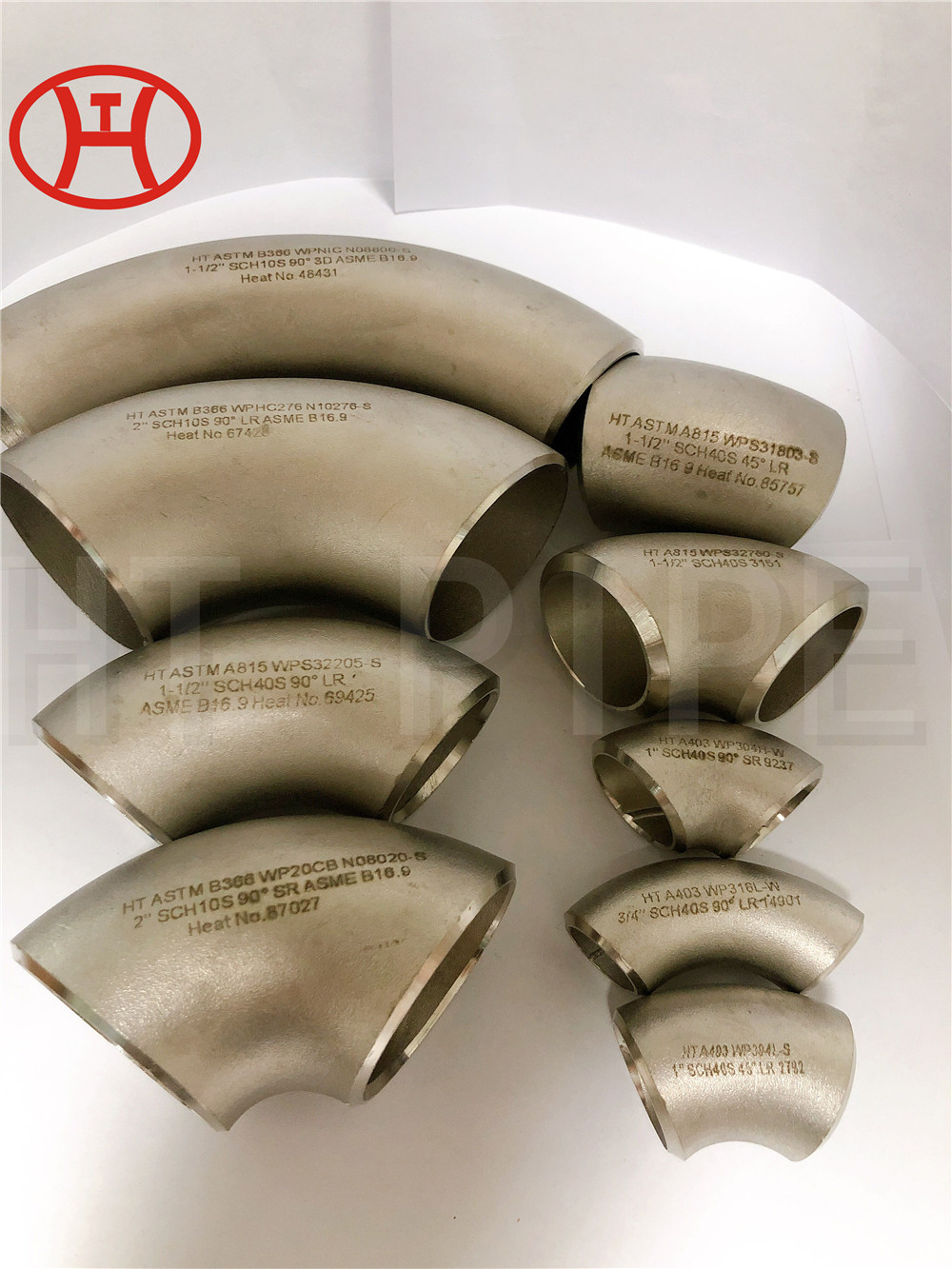
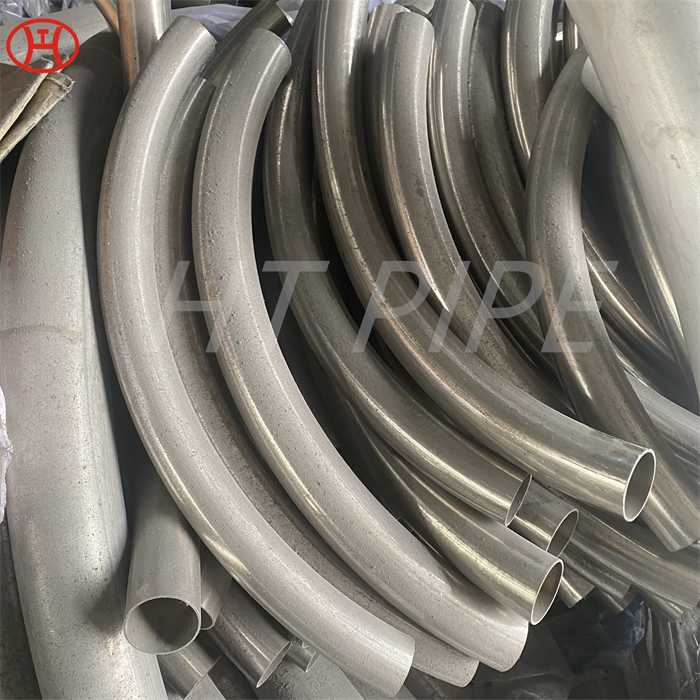
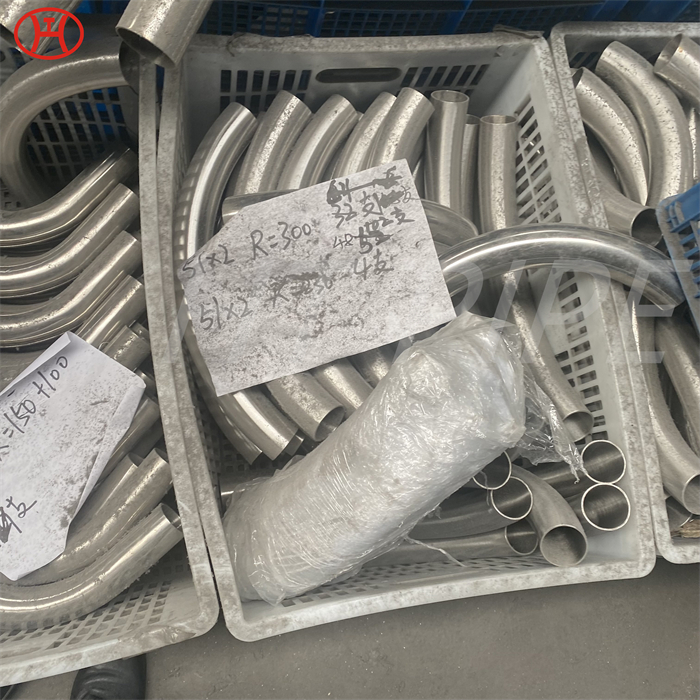
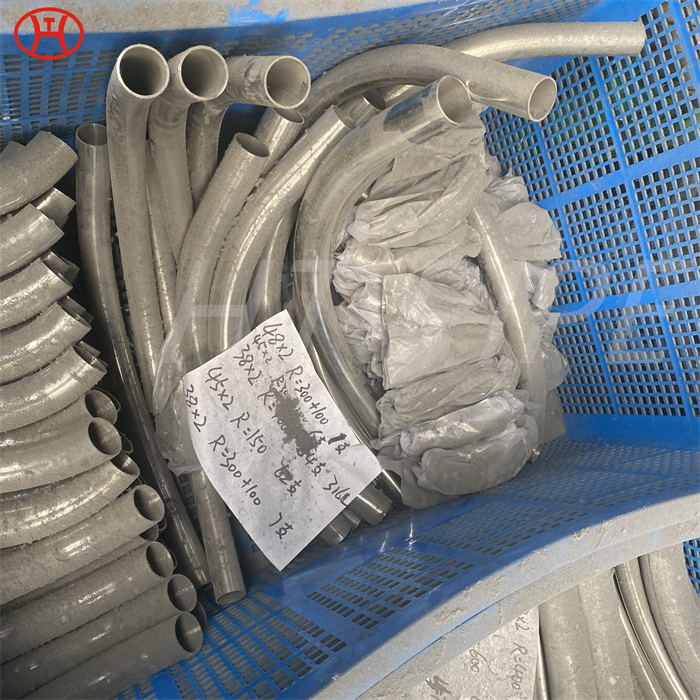
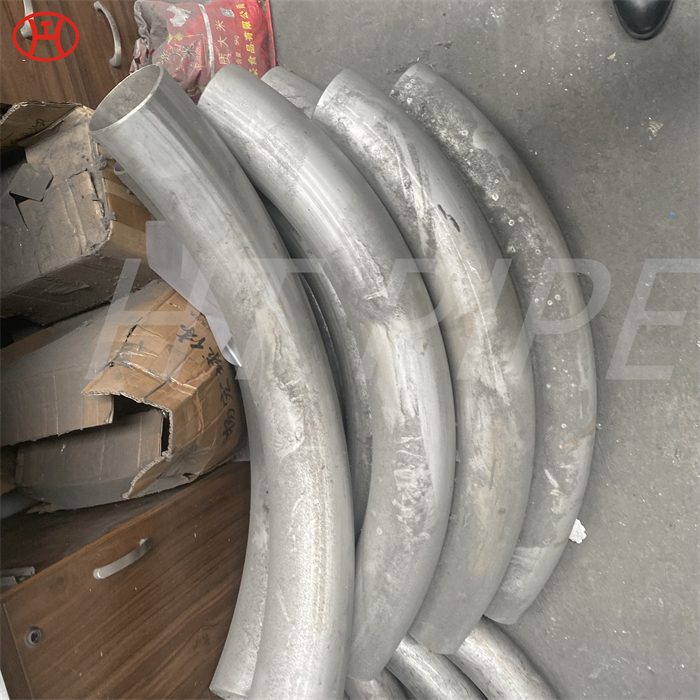
The pressure rating of pipe fittings Hastelloy C22 pipe bend

C-22 is a great alternative when superaustenitic stainless steels (AL-6XN, 904L, and 254 SMO) and duplex stainless steels (2205 and 2507) will not withstand extremely aggressive media. This is because it is a nickel-chromium-molybdenum-tungsten alloy with better overall resistance to uniform and localized corrosion than any other Ni-Cr-Mo alloy, like Hastelloy C-276, C-4, and alloy 625.

Rated 5/5 based on 270 customer reviews
Share:
Content

C22 pipe bend has excellent resistance to oxidation, carburization, and sulfidation at elevated temperatures. However, C22 should not be used at temperatures above 1250¡ãF due to the possible formation of embrittling phases. Hastelloy C-22 has exceptional resistance to a wide variety of chemical process environments, including strong oxidizers such as ferric and cupric chlorides, hot contaminated media (organic and inorganic), chlorine, formic and acetic acids, acetic anhydride, and seawater amd brine solutions. Hastelloy C-22 resists the formation of grain boundary precipitates in the weld heat affected zone, thus making it suitable for most chemical process applications in the as-welded condition. C22 pipe bend is typically provided in the annealed condition with a minimum yield strength of 45 ksi. However, C22 can be cold worked to higher strength levels.
Inquiry


    More Hastelloy

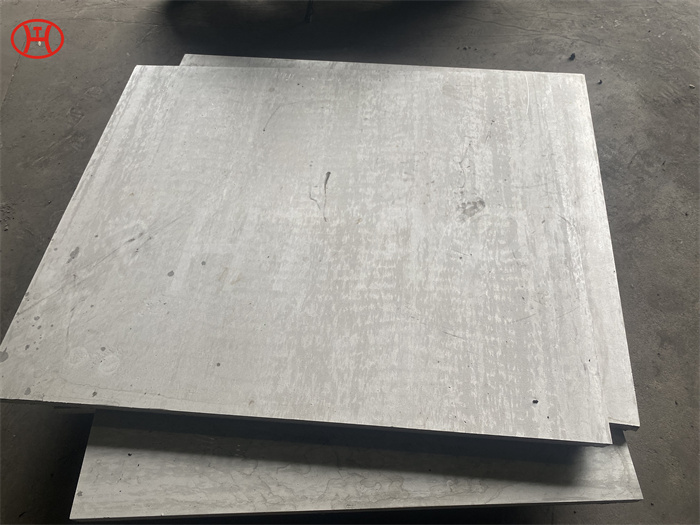
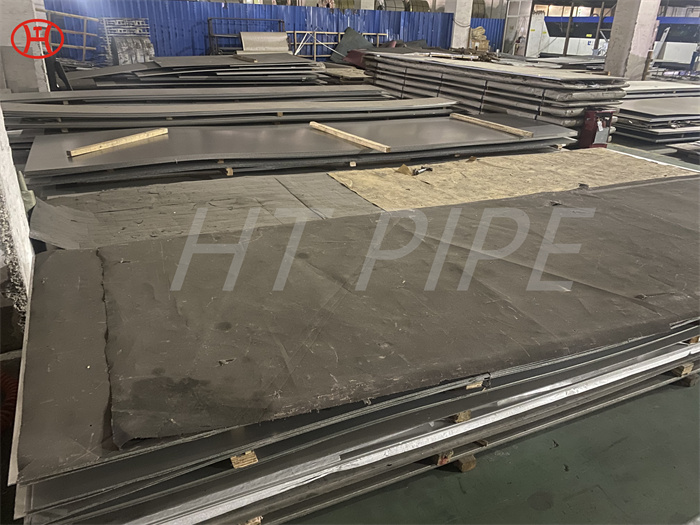
    Steel Plate are often used for structural and construction applications, pressure vessels, marine and offshord equipment, and military applications. The grade, elements and parameters of a steel plate are also important in how it is used.
    Steel plates are classified by thickness: thin plate, medium plate, thick plate and extra-thick plate.
    Thin steel plates are steel plates with a thickness between 0.2-4mm produced by hot rolling or cold rolling, and thick steel plates are those with a thickness of more than 4mm
    The general name of the good board.
    Thin steel plate refers to a steel plate with a thickness of not more than 3 mm. The commonly used thin steel plate thickness is 0.5-2MM, which is divided into sheet and coil supply. Thin
    The steel plates are generally B-type steels, cold-rolled or hot-rolled steel plates with steel grades B0-B3. Requirements for thin steel plates: smooth, smooth surface, thick
    The degree of uniformity, allowing a tight iron oxide film, must not have cracks, scarring and other defects. The process is divided into hot rolled sheet steel and cold rolled sheet
    plate. Mainly used in Changlin Dongfeng fans, automobiles, electrical equipment, vehicles, agricultural machinery, containers, steel furniture, etc.
    Thick steel plates refer to steel plates with a thickness greater than millimeters. Thick steel plate is divided into extra-thick steel plate and medium-thick steel plate.
    Medium and heavy steel plates refer to steel plates with a thickness greater than 3 mm and less than 50 mm. Medium and thick steel plates are mainly used in shipbuilding, boilers, bridges
    Armor and high-pressure vessel shells, etc.
    Extra-thick steel plate refers to a steel plate with a thickness of not less than 50 mm. Extra-thick steel plates are mainly used in shipbuilding, boilers, bridges and high-pressure vessel shells
    blog.