Home » Materials » Carbon steel » ASTM A307 Grade A carbon steel bolts studs and threaded rod 60000PSI tensile strength

ASTM A307 Grade A carbon steel bolts studs and threaded rod 60000PSI tensile strength

Nuts and bolts exhibit low strength. However, mild steel is highly flexible. High ductility is a property that makes the material ideal for machining and welding. No different elements – used as an alloying agent, not other types of steel, which makes nuts and bolts known as low-cost bolts.

Rated 4.6/5 based on 277 customer reviews
Share:
Content

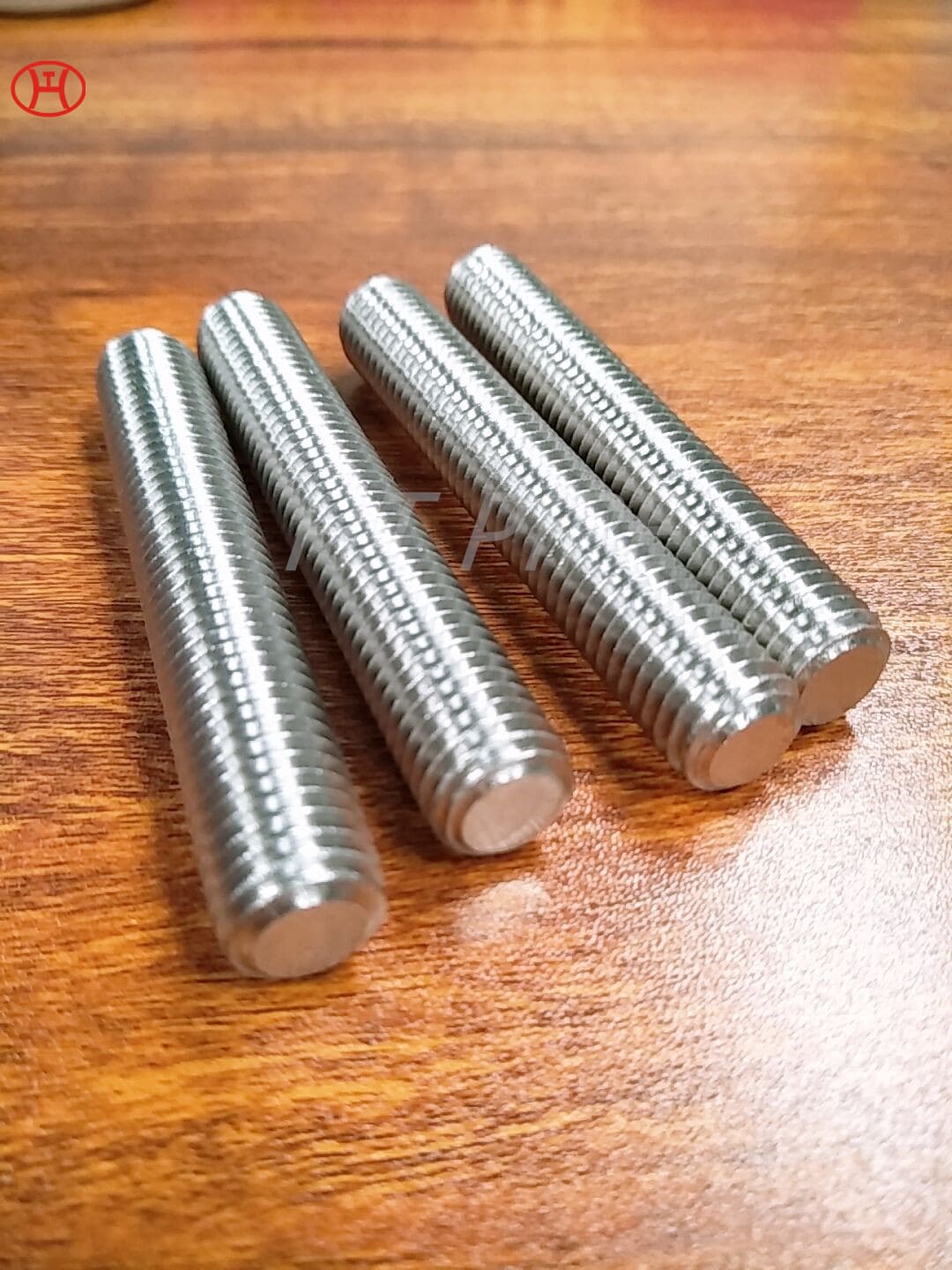
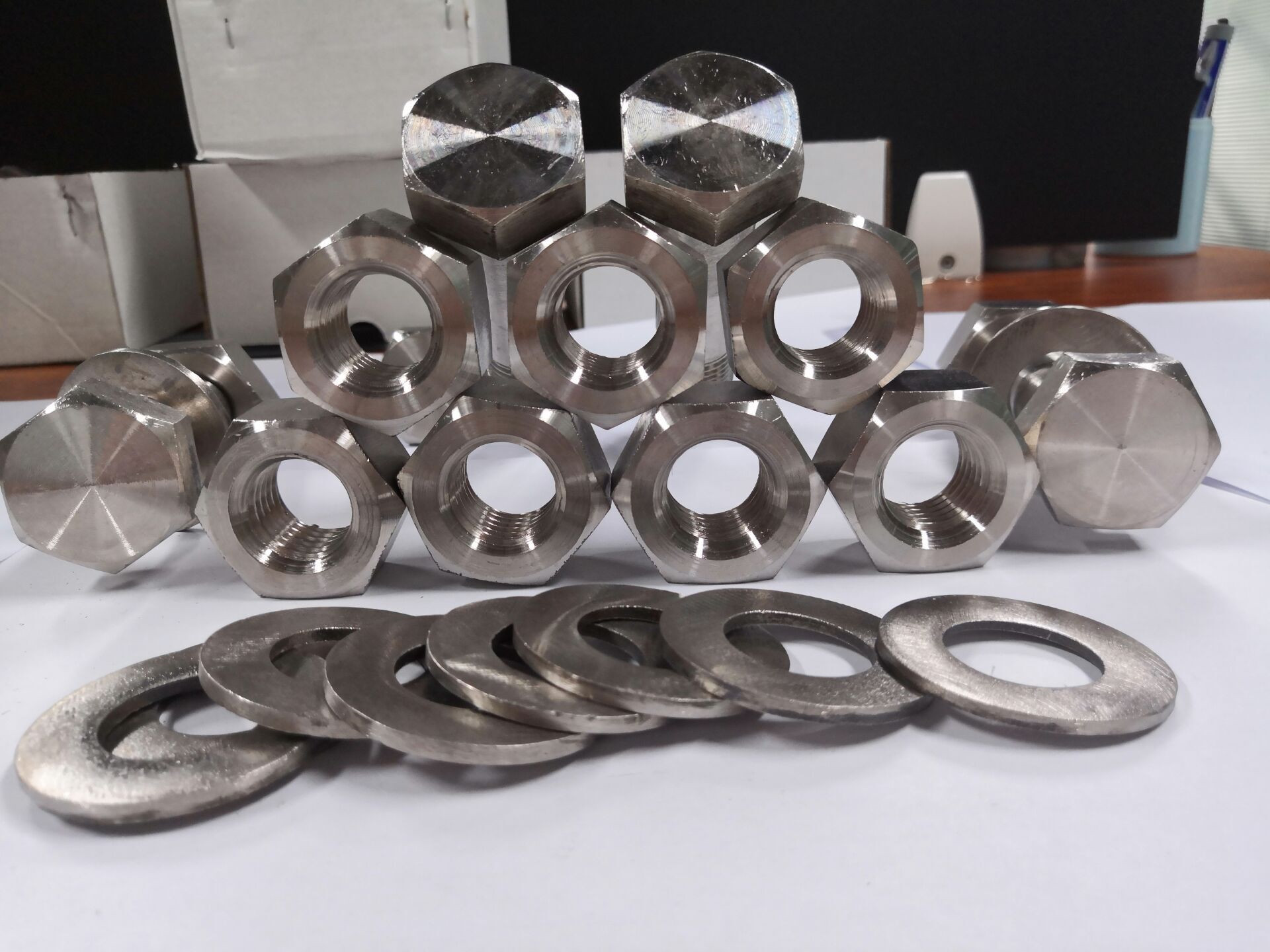
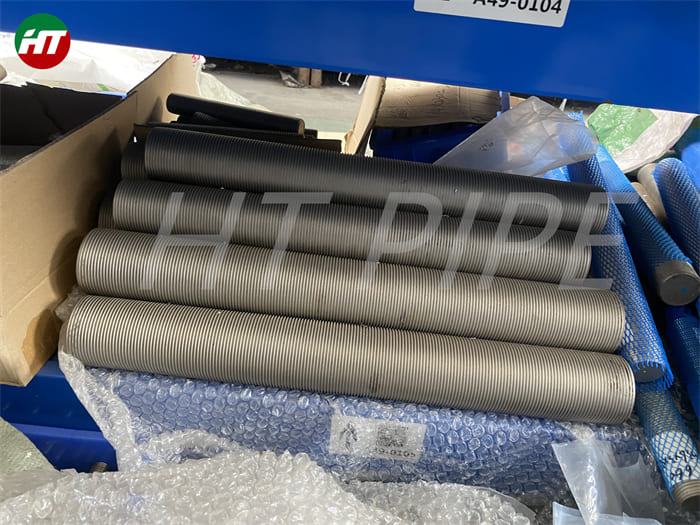
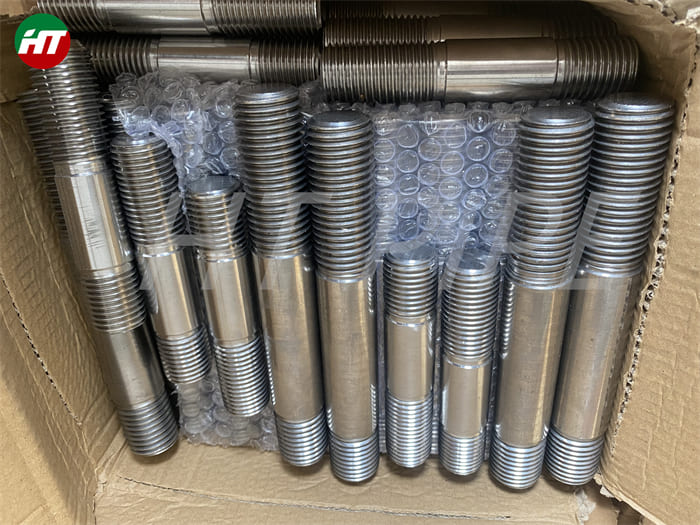
ASTM A307 is the standard specification for carbon steel bolts, studs, and threaded rods of 60000 PSI tensile strength in sizes from ¼ inch to 4 inches in diameter. A307 bolts are available in two grades, A and B, offering different mechanical and chemical properties for specific applications.
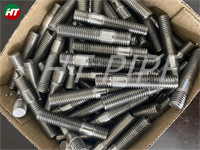
These bolts are designed, manufactured and tested to comply with the standards set by ASTM A307 for chemical composition, hardness, tensile strength, yield point, elongation, and dimensional accuracy.
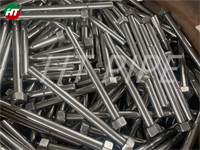
Grade A is a heat treated carbon steel bolting material with minimum tensile requirement of 60 ksi and hardness range from 121 to 241 BHN. ASTM A307 specification covers requirements for chemical composition, mechanical properties, hardness, heat-treatment and recommended nuts-washers for Grade A Bolts.


Chemical Composition

Element Grade A
Carbon 0.29
Manganese, max 1.20
Phosphorus, max 0.04
Sulfur, max 0.15

Mechanical Properties

Bolt Grade Diameter, Inch Tensile Strength, ksi Yield Strength ksi Elongation, % Hardness, BHN
A 1/4 to 4, inclusive 60 18 121 – 241

Recommended Nuts & Washers

Bolt Specification Bolting Diameter. Inch Nut Specification Washer Specification
A307 Grade A 1/4 to 4, inclusive ASTM A563 Grade A ASTM F844
Inquiry


    More Materials

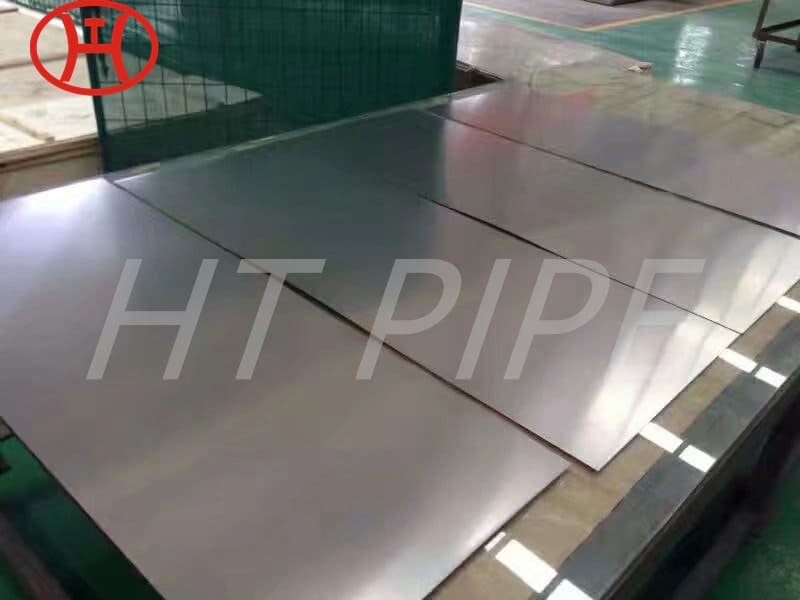
    Steel Plate are often used for structural and construction applications, pressure vessels, marine and offshord equipment, and military applications. The grade, elements and parameters of a steel plate are also important in how it is used.
    Steel plates are classified by thickness: thin plate, medium plate, thick plate and extra-thick plate.
    Thin steel plates are steel plates with a thickness between 0.2-4mm produced by hot rolling or cold rolling, and thick steel plates are those with a thickness of more than 4mm
    The general name of the good board.
    Thin steel plate refers to a steel plate with a thickness of not more than 3 mm. The commonly used thin steel plate thickness is 0.5-2MM, which is divided into sheet and coil supply. Thin
    The steel plates are generally B-type steels, cold-rolled or hot-rolled steel plates with steel grades B0-B3. Requirements for thin steel plates: smooth, smooth surface, thick
    The degree of uniformity, allowing a tight iron oxide film, must not have cracks, scarring and other defects. The process is divided into hot rolled sheet steel and cold rolled sheet
    plate. Mainly used in Changlin Dongfeng fans, automobiles, electrical equipment, vehicles, agricultural machinery, containers, steel furniture, etc.
    Thick steel plates refer to steel plates with a thickness greater than millimeters. Thick steel plate is divided into extra-thick steel plate and medium-thick steel plate.
    Medium and heavy steel plates refer to steel plates with a thickness greater than 3 mm and less than 50 mm. Medium and thick steel plates are mainly used in shipbuilding, boilers, bridges
    Armor and high-pressure vessel shells, etc.
    Extra-thick steel plate refers to a steel plate with a thickness of not less than 50 mm. Extra-thick steel plates are mainly used in shipbuilding, boilers, bridges and high-pressure vessel shells
    blog.