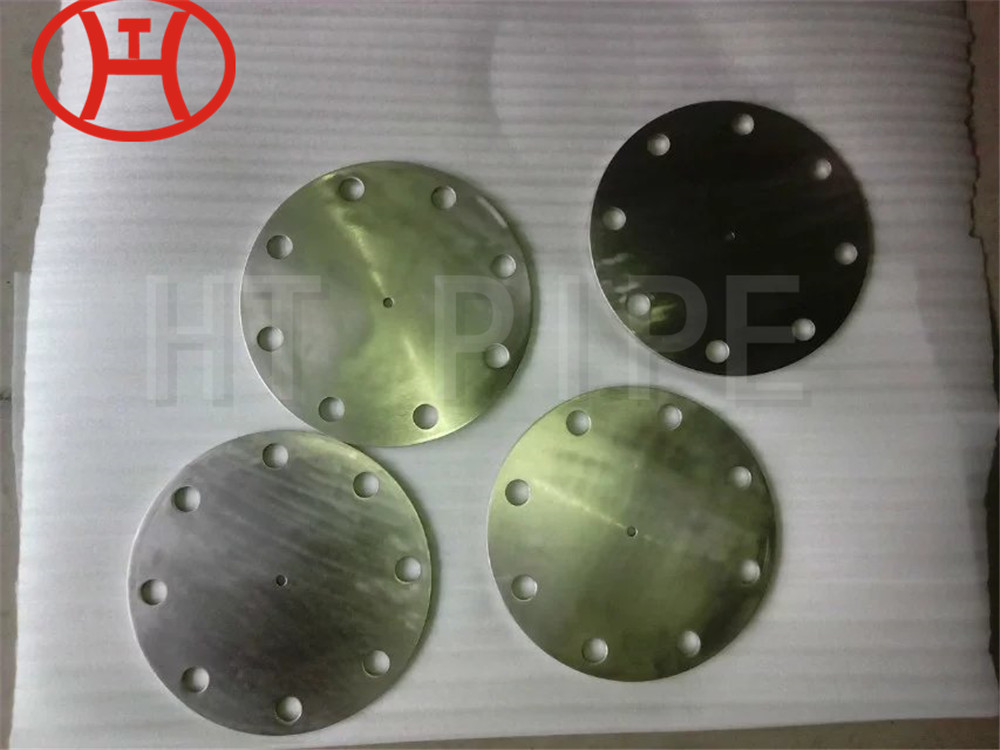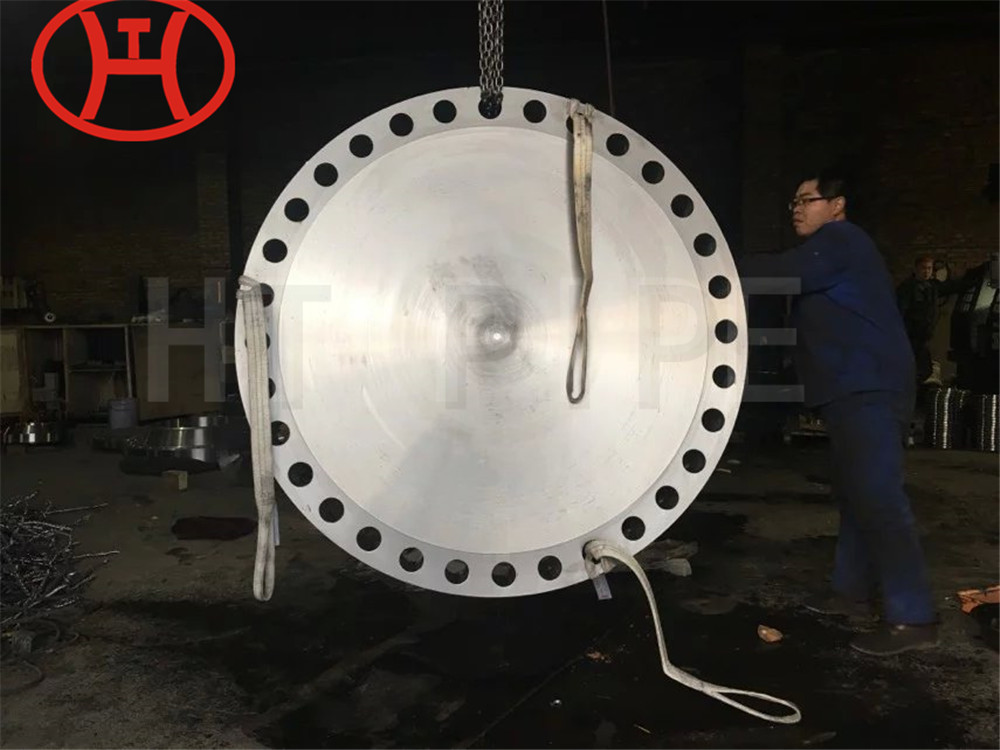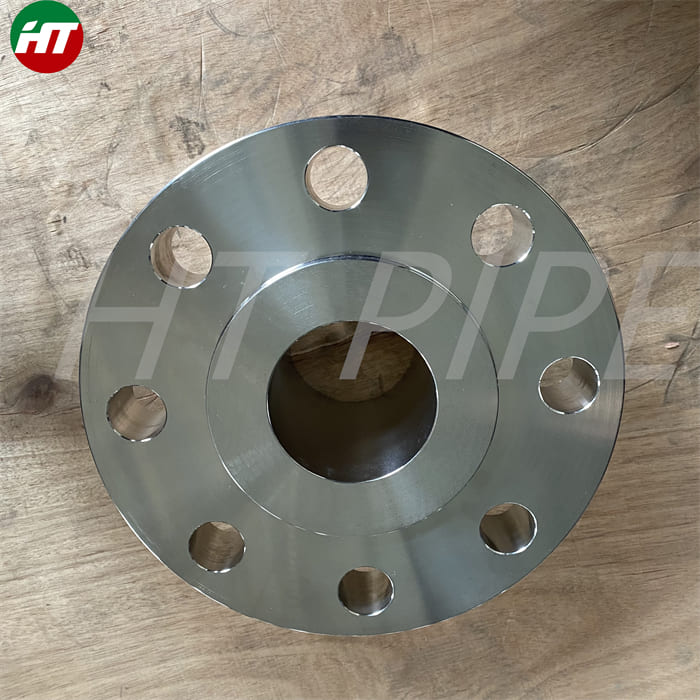
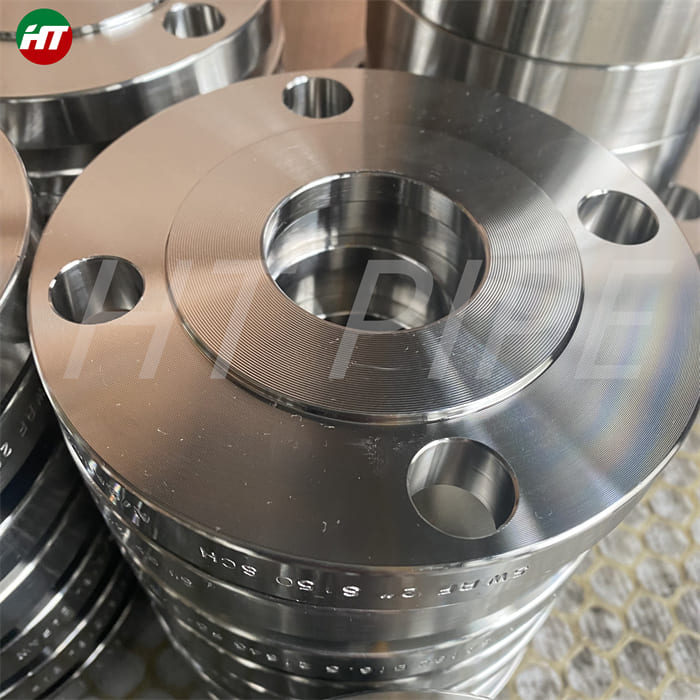
Home » Forged Flanges » HASTELLOY ALLOY C2000 FLANGES HASTELLOY C2000 SLIP-ON FLANGES

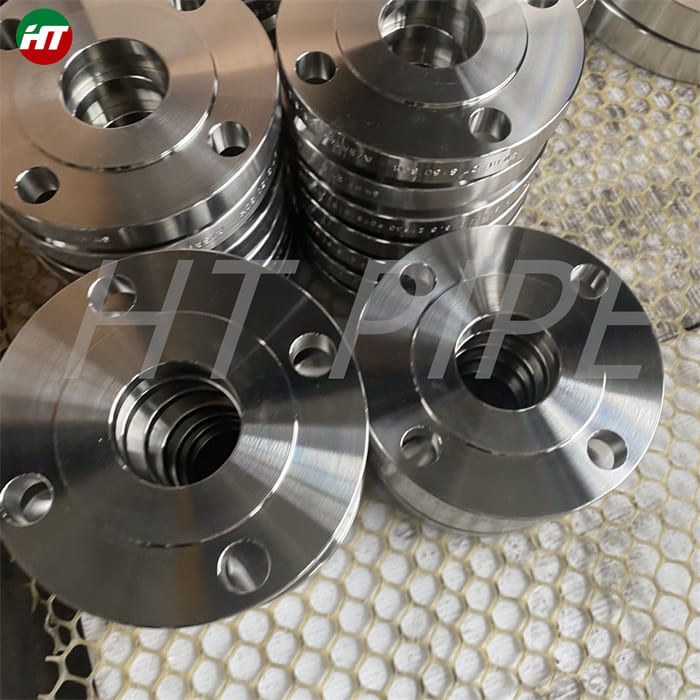
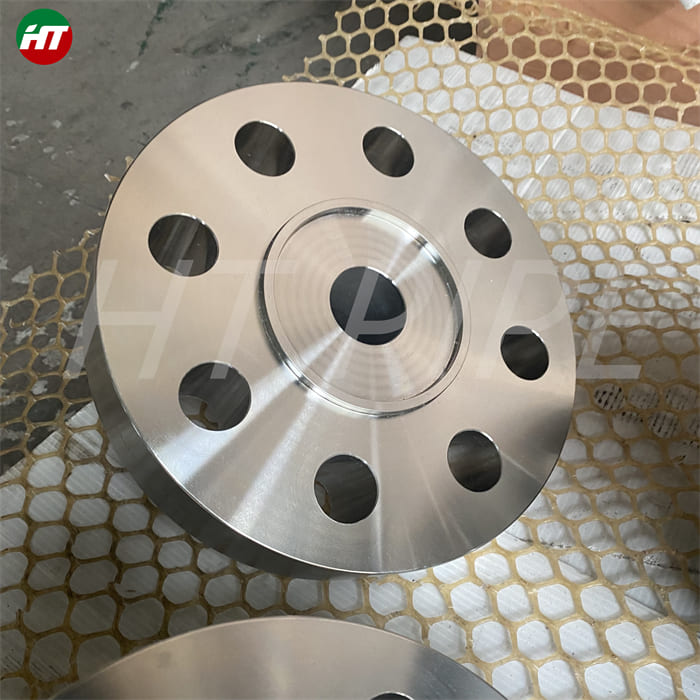
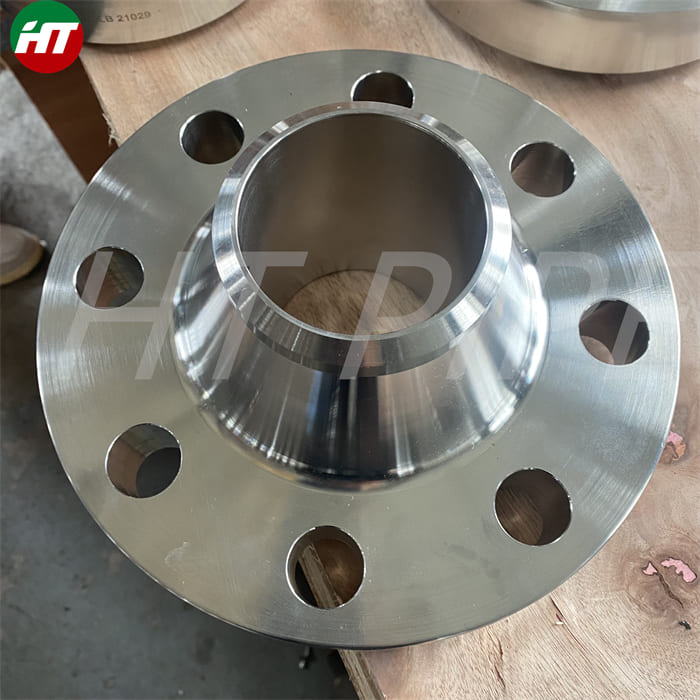
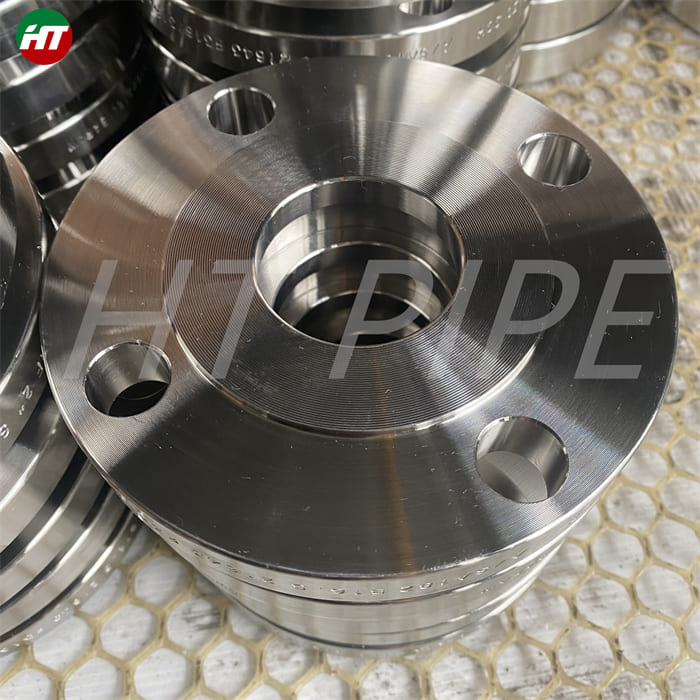
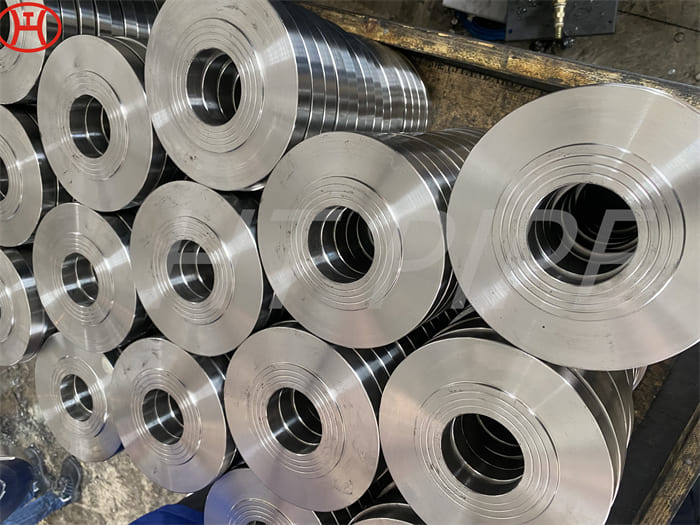
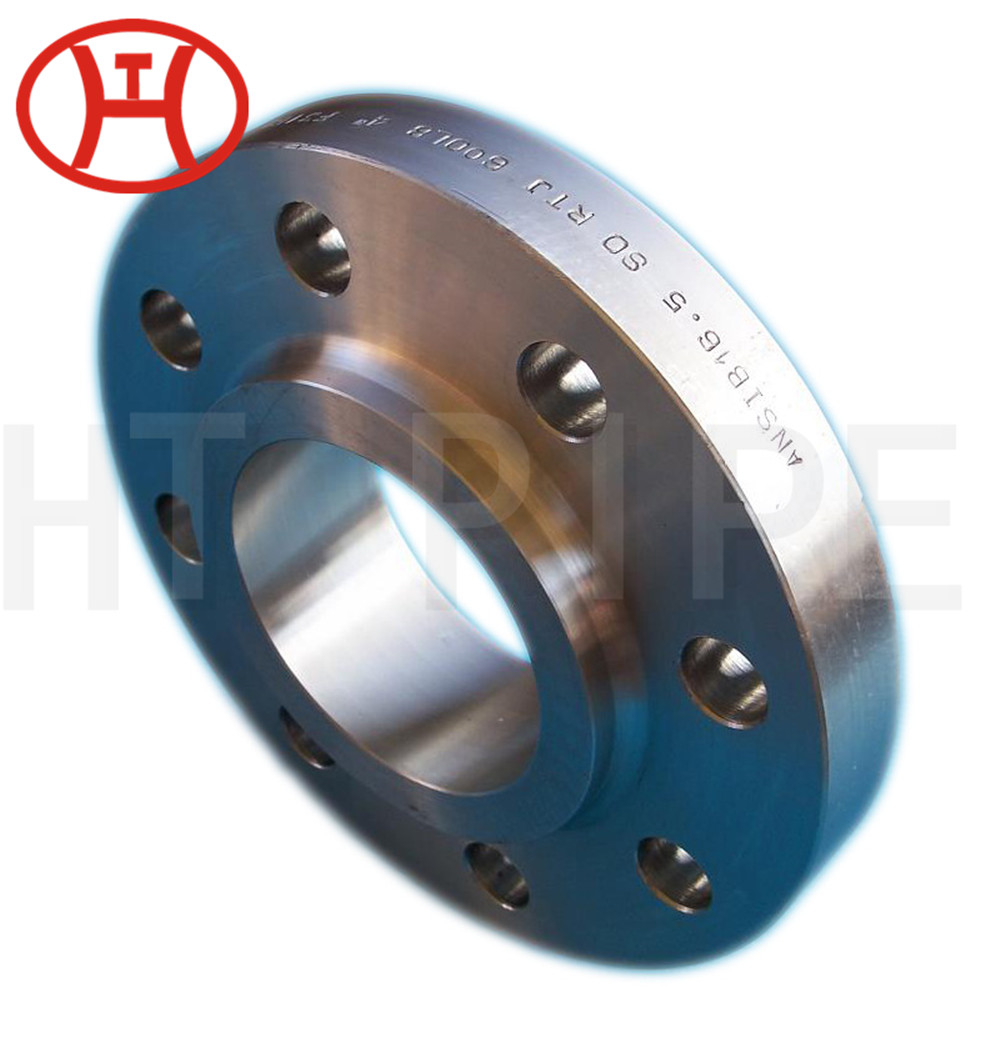
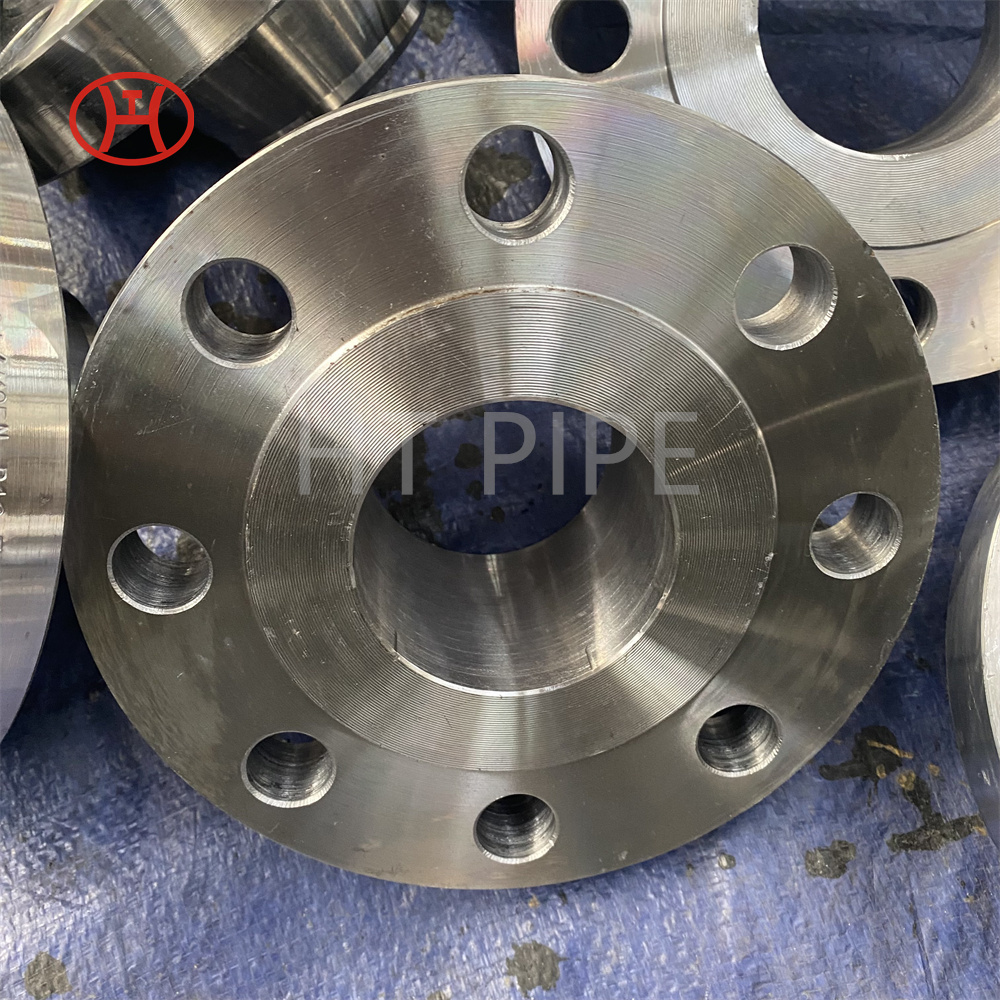
HASTELLOY ALLOY C2000 FLANGES HASTELLOY C2000 SLIP-ON FLANGES

C2000 flanges have better temperature capabilities in hydrofluoric, sulfuric, and diluted hydrochloric acids due to the addition of copper.

Rated 4.9/5 based on 207 customer reviews
Share:
Content

Hastelloy C2000 Flanges harden easily as compared to other steels or alloys. It may require several stages of cold treatment. These flanges can be easily welded or formed as they are highly ductile. They are resistant to chloride-bearing factors as well. It is used in industrial applications which have been used in petrochemical plants and heat exchangers. HASTELLOY C-2000 alloy (UNS N06200) is unique among the versatile nickel-chromium-molybdenum materials in having a deliberate copper addition. This provides greatly enhanced resistance to sulfuric acid. It also has a high chromium content, to maximize its resistance to oxidizing chemicals and process streams contaminated with ferric ions and dissolved oxygen. Like other nickel alloys, it is ductile, easy to form and weld, and possesses exceptional resistance to stress corrosion cracking in chloride-bearing solutions (a form of degradation to which the austenitic stainless steels are prone). It is able to withstand a wide range of oxidizing and non-oxidizing chemicals, and exhibits outstanding resistance to pitting and crevice attack in the presence of chlorides and other halides.
Inquiry


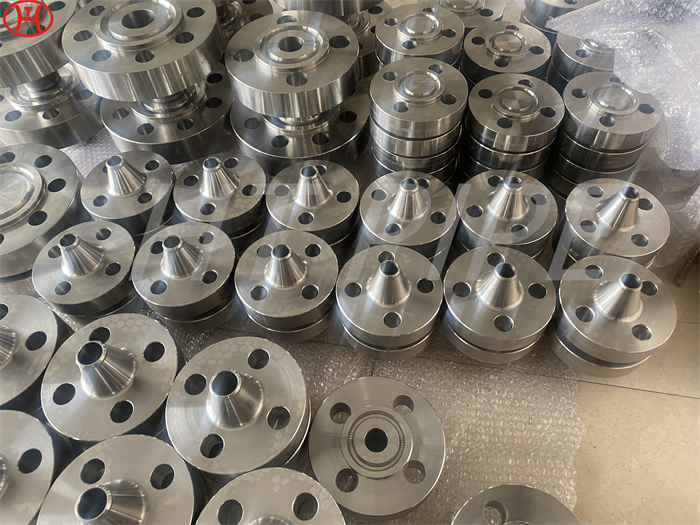
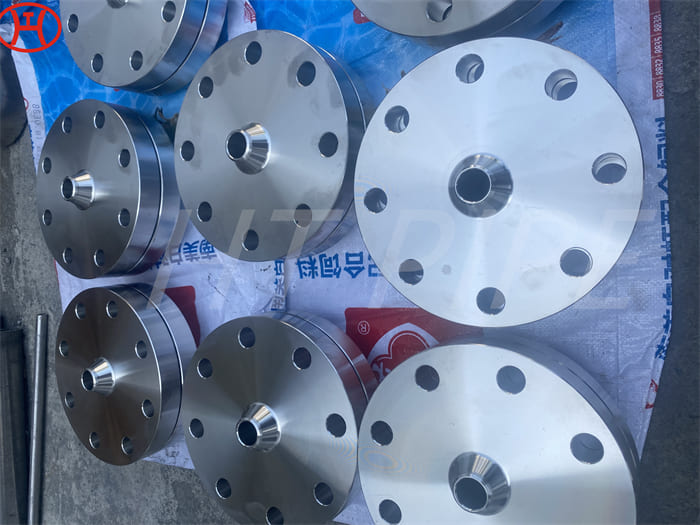
    More Hastelloy

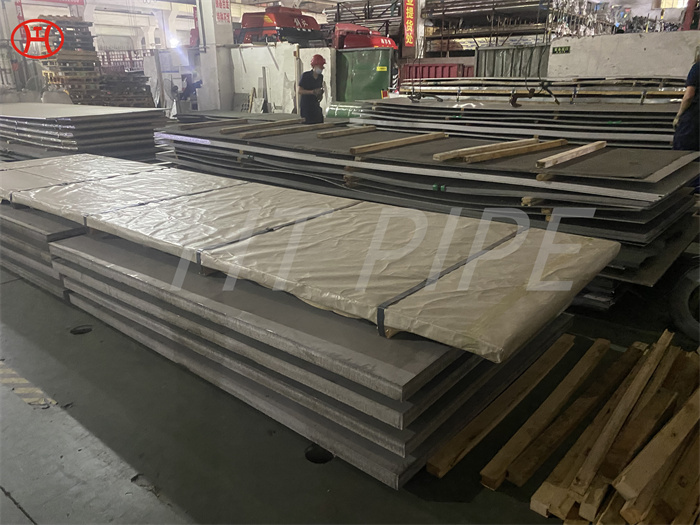
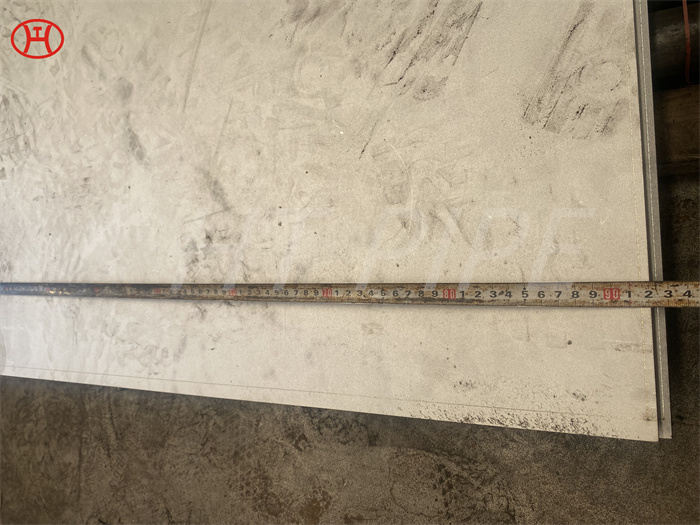
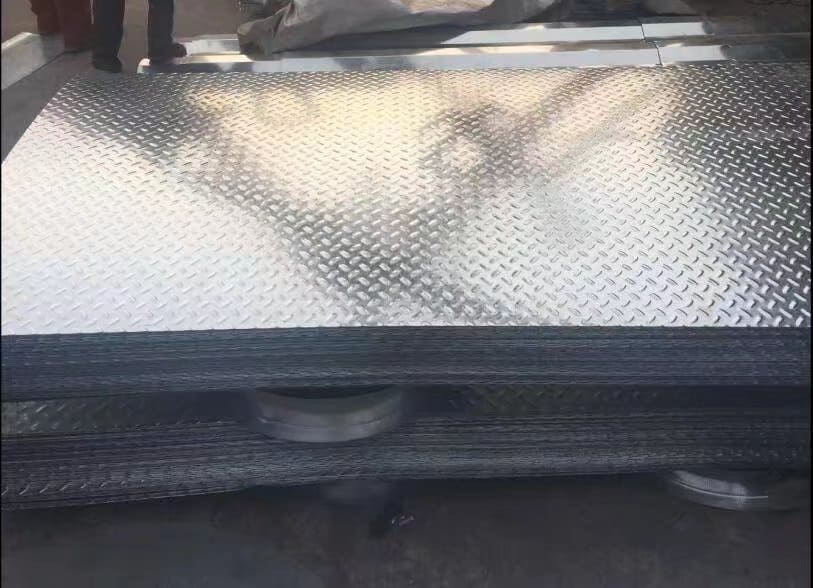
    Steel Plate are often used for structural and construction applications, pressure vessels, marine and offshord equipment, and military applications. The grade, elements and parameters of a steel plate are also important in how it is used.
    Steel plates are classified by thickness: thin plate, medium plate, thick plate and extra-thick plate.
    Thin steel plates are steel plates with a thickness between 0.2-4mm produced by hot rolling or cold rolling, and thick steel plates are those with a thickness of more than 4mm
    The general name of the good board.
    Thin steel plate refers to a steel plate with a thickness of not more than 3 mm. The commonly used thin steel plate thickness is 0.5-2MM, which is divided into sheet and coil supply. Thin
    The steel plates are generally B-type steels, cold-rolled or hot-rolled steel plates with steel grades B0-B3. Requirements for thin steel plates: smooth, smooth surface, thick
    The degree of uniformity, allowing a tight iron oxide film, must not have cracks, scarring and other defects. The process is divided into hot rolled sheet steel and cold rolled sheet
    plate. Mainly used in Changlin Dongfeng fans, automobiles, electrical equipment, vehicles, agricultural machinery, containers, steel furniture, etc.
    Thick steel plates refer to steel plates with a thickness greater than millimeters. Thick steel plate is divided into extra-thick steel plate and medium-thick steel plate.
    Medium and heavy steel plates refer to steel plates with a thickness greater than 3 mm and less than 50 mm. Medium and thick steel plates are mainly used in shipbuilding, boilers, bridges
    Armor and high-pressure vessel shells, etc.
    Extra-thick steel plate refers to a steel plate with a thickness of not less than 50 mm. Extra-thick steel plates are mainly used in shipbuilding, boilers, bridges and high-pressure vessel shells
    blog.