Home » Materials » Stainless steel » 17-4ph stainless steel flange plate flange

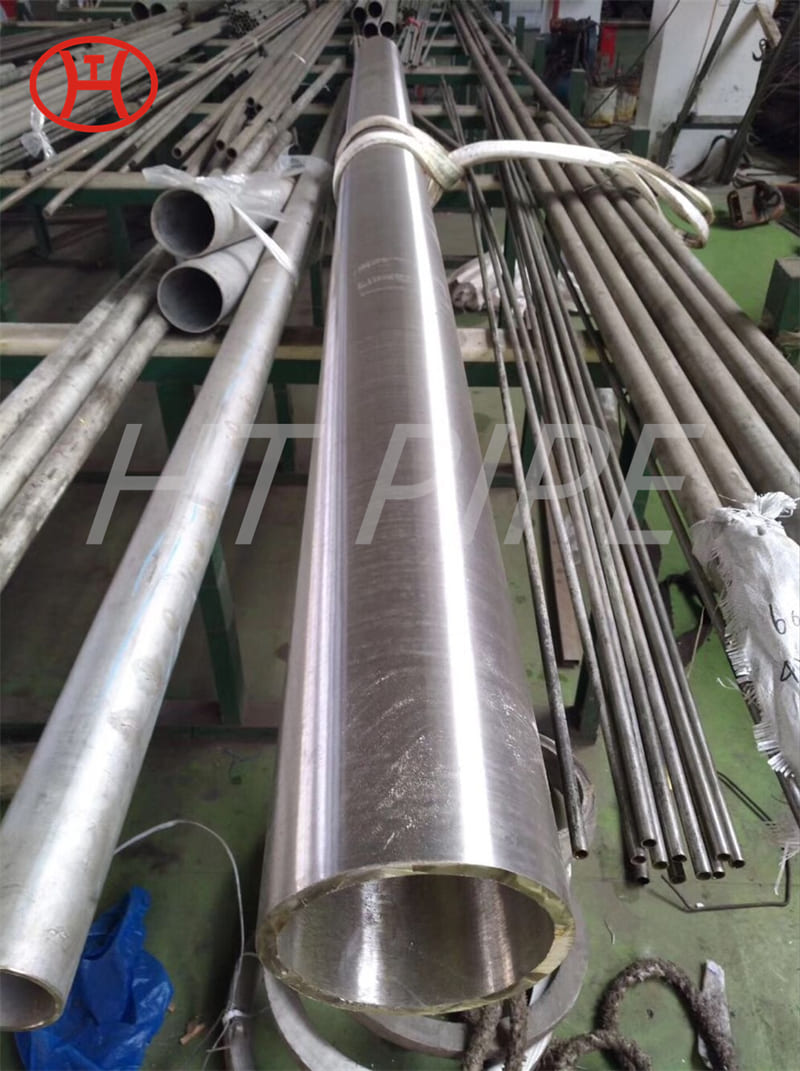
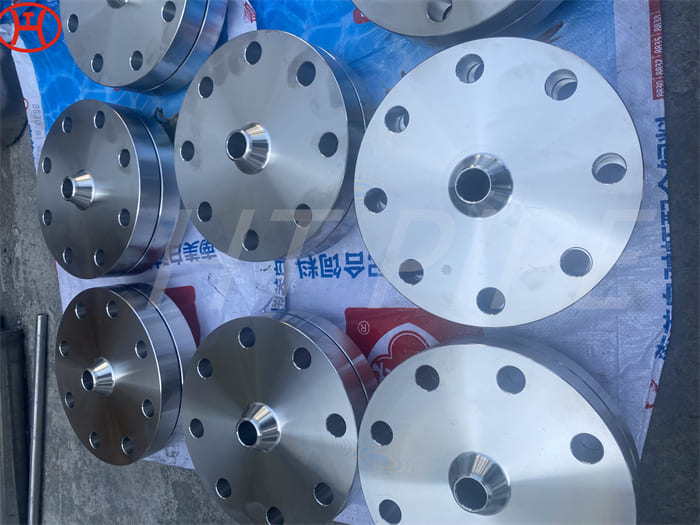
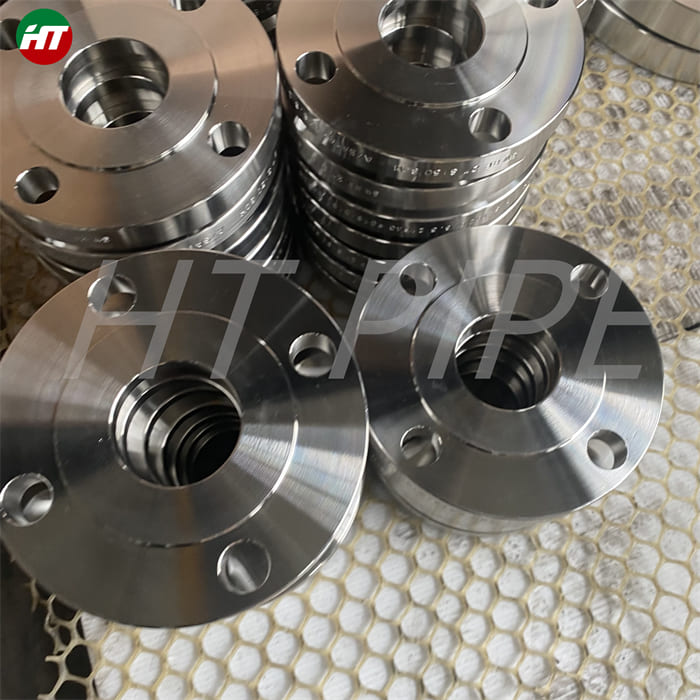
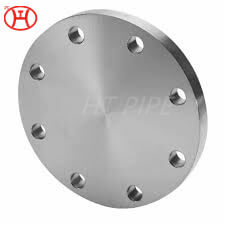
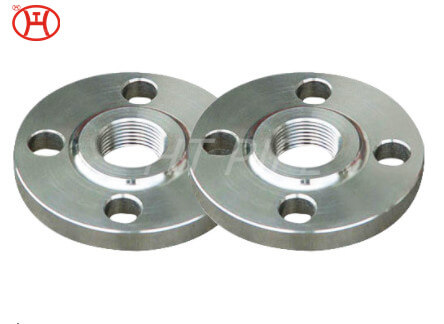
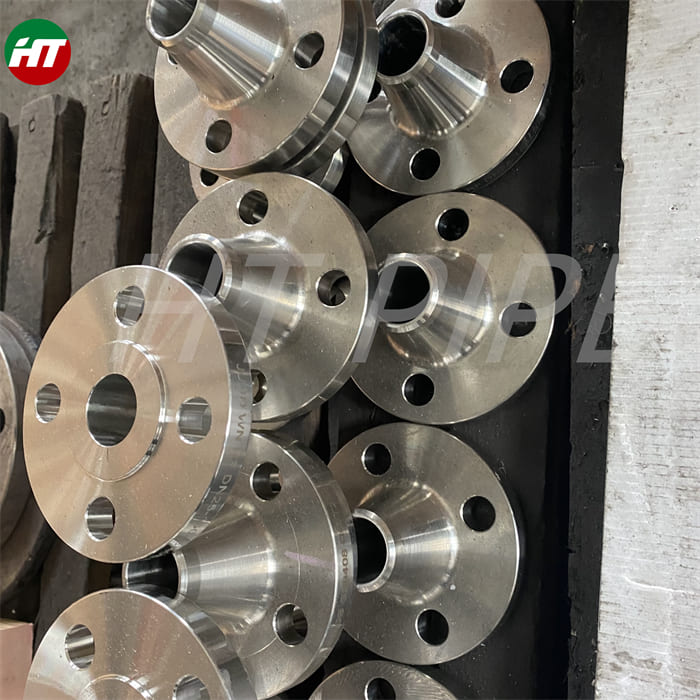
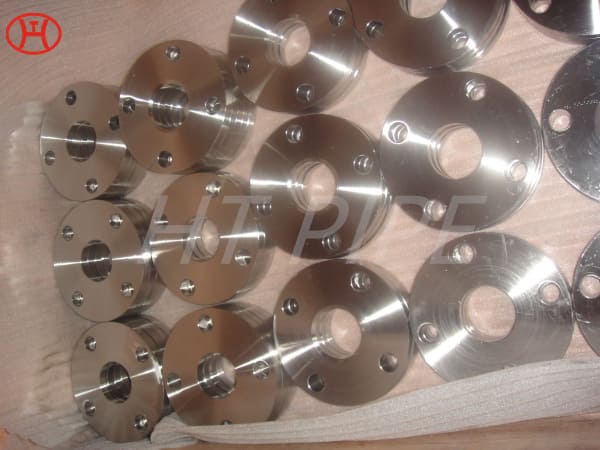
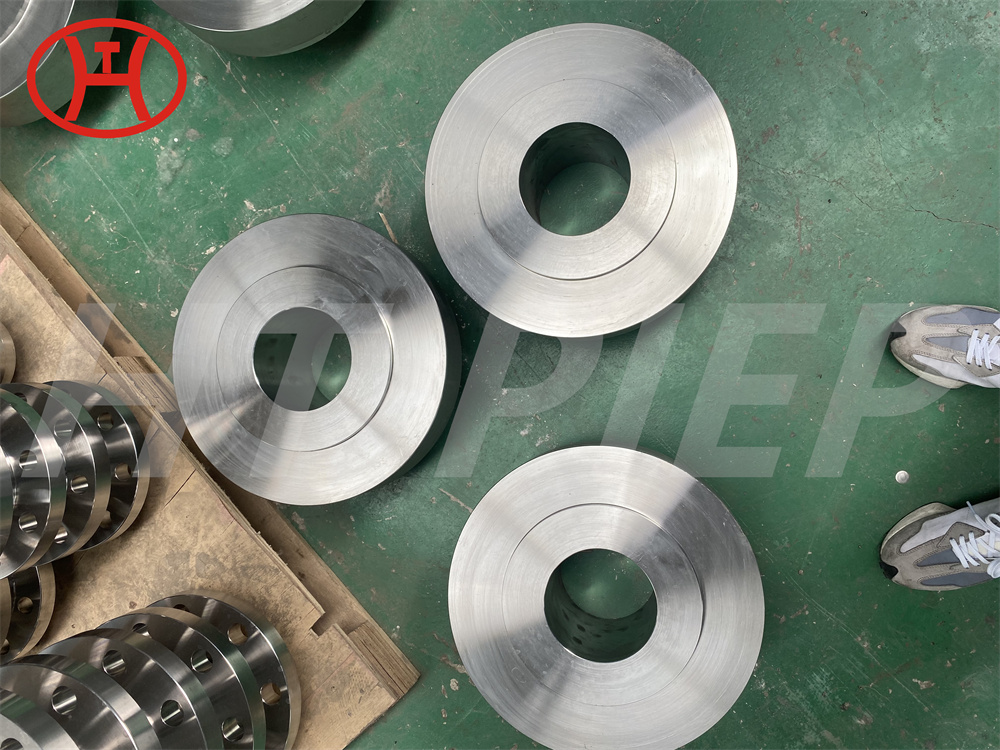
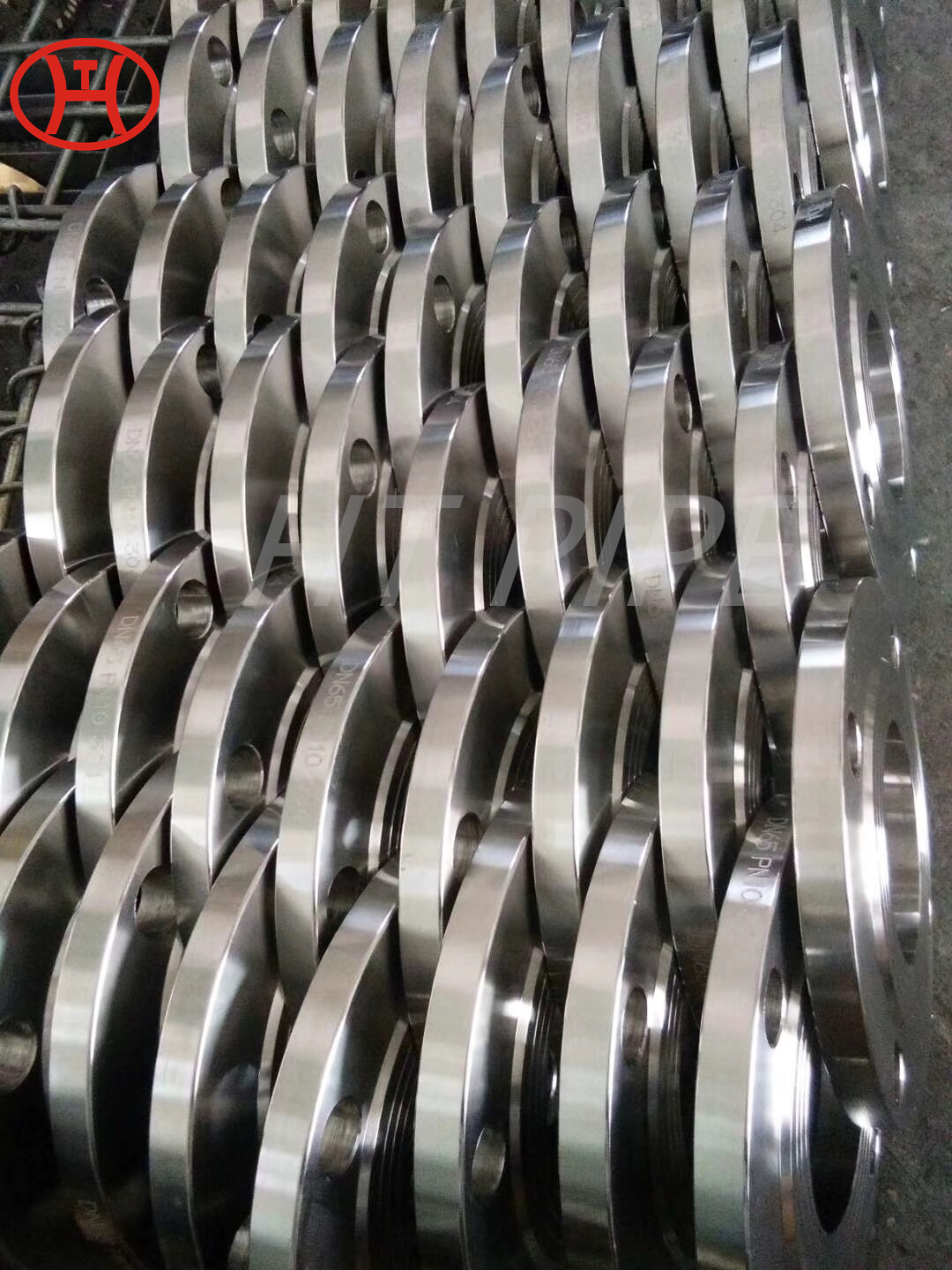
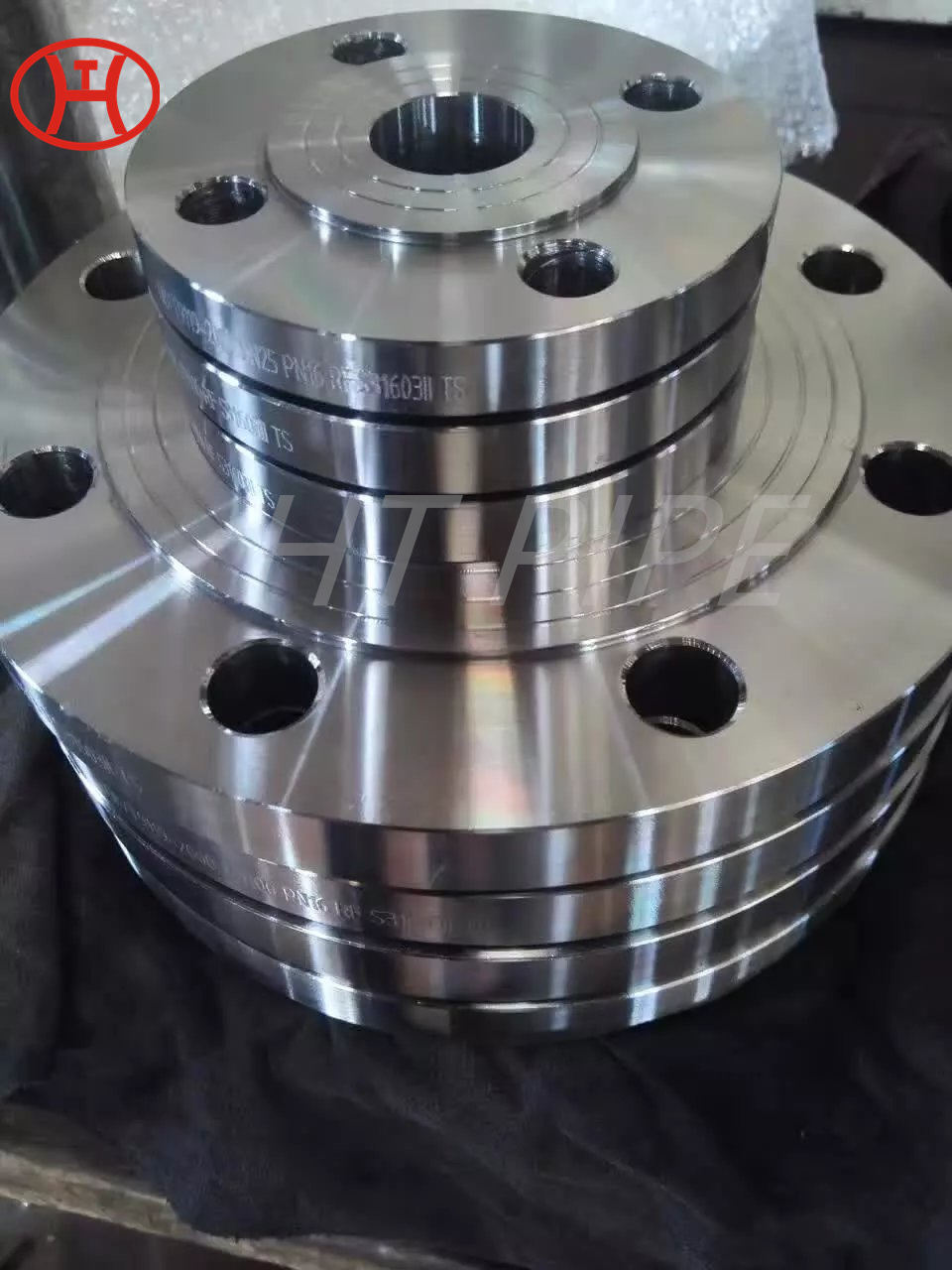
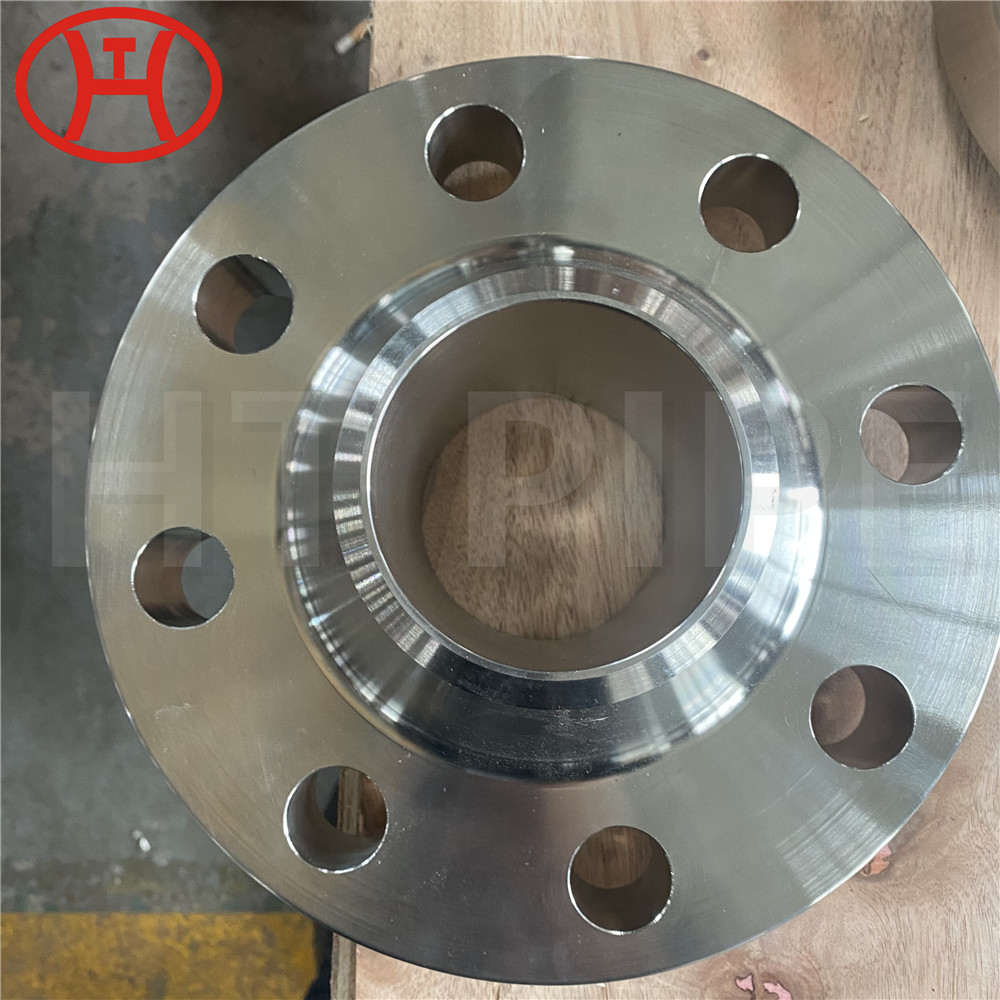
17-4ph stainless steel flange plate flange

Type 17-4 PH stainless steel is the most widely used of all precipitation hardening stainless steels. Its valuable feature set offers designers the opportunity to increase product reliability while simplifying manufacturing and reducing cost.

Rated 4.6/5 based on 313 customer reviews
Share:
Content

Type 17-4 PH is a martensitic precipitation hardening stainless steel with high strength, good corrosion resistance and good mechanical properties at temperatures up to 600o F (316oC). Its unique combination of properties makes this alloy an effective solution to many design and production problems.
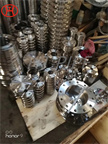
Meanwhile, 17-4 PH, or precipitation hardened stainless steel, is prized for its adaptability and quality attributes. 17-4 PH is a martensitic precipitation solidifying stainless steel with high quality, high wear resistance and strong mechanical properties. 17-4 PH stainless steel is a contrasting choice with different stainless steels and solid carbon steels.
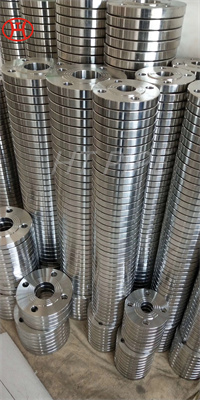
17-4 PH is a molybdenum-containing, low carbon content “L” grade austenitic stainless steel that offers increased corrosion resistance compared to 304L and 316L stainless steels. Low carbon provides sensitization resistance during welding and other thermal processing. 321/321H is non-magnetic in the annealed condition, but may become slightly magnetic by welding. 321/321H has excellent corrosion resistance in a variety of chemicals, especially in acidic chloride environments such as those encountered in pulp and paper mills. The increased chromium, nickel and molybdenum content increases resistance to chloride pitting and general corrosion compared to 316L stainless steel.
Inquiry


    More Materials

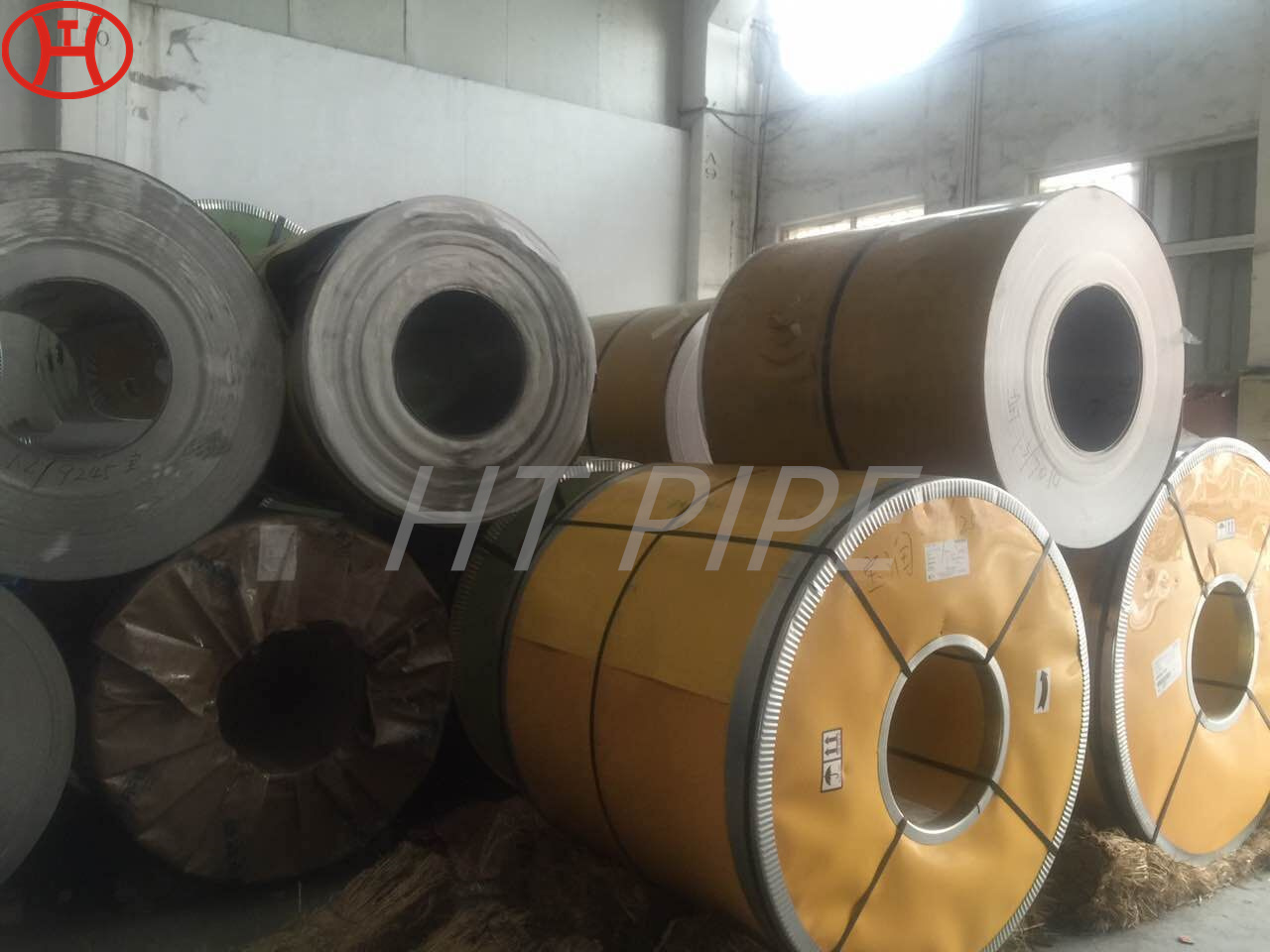
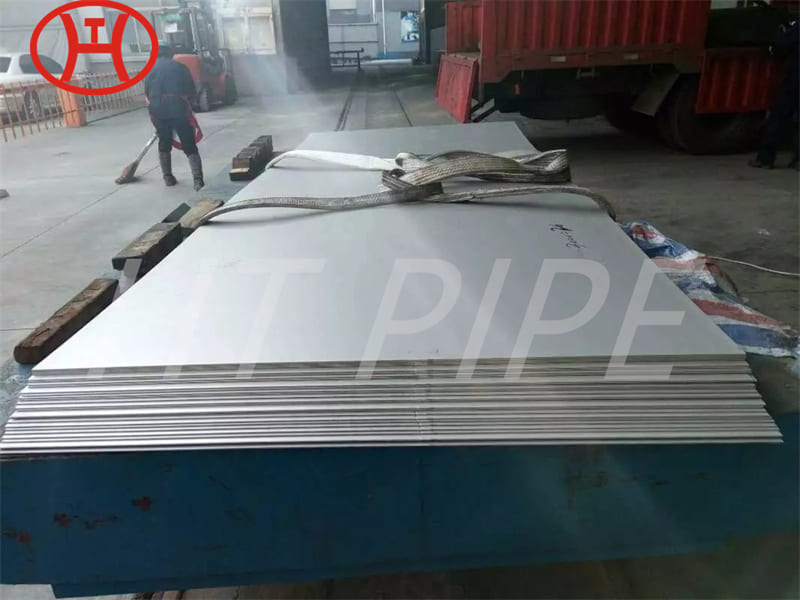
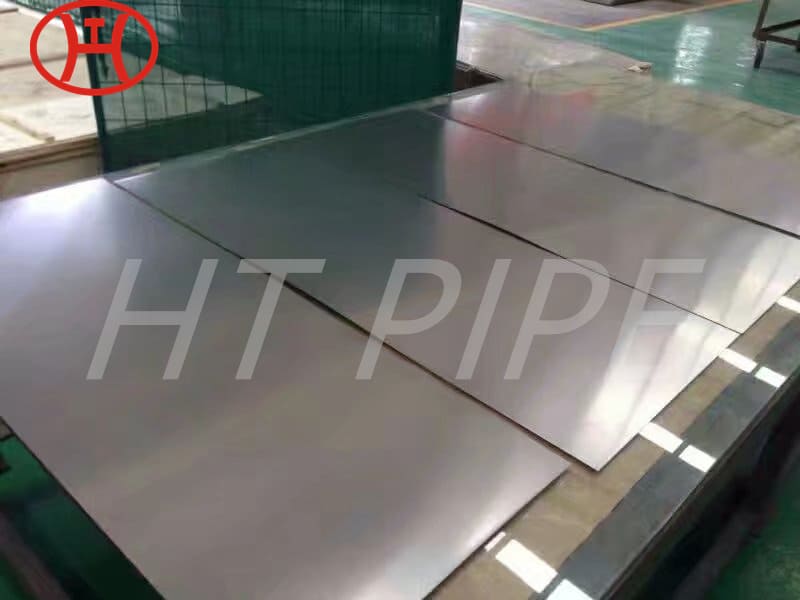
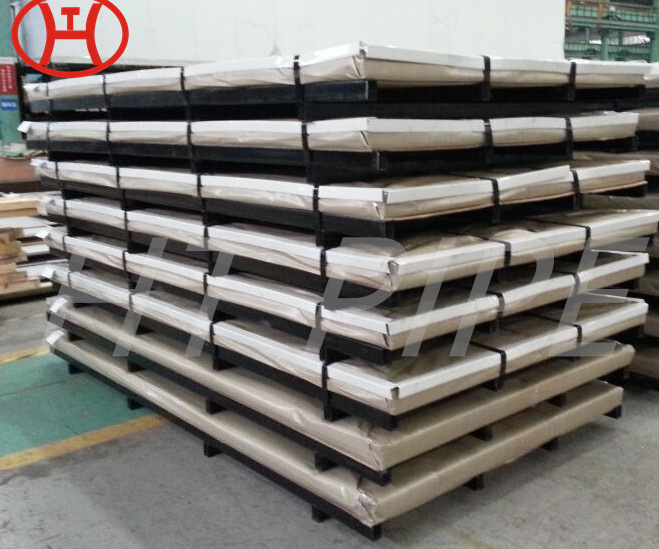
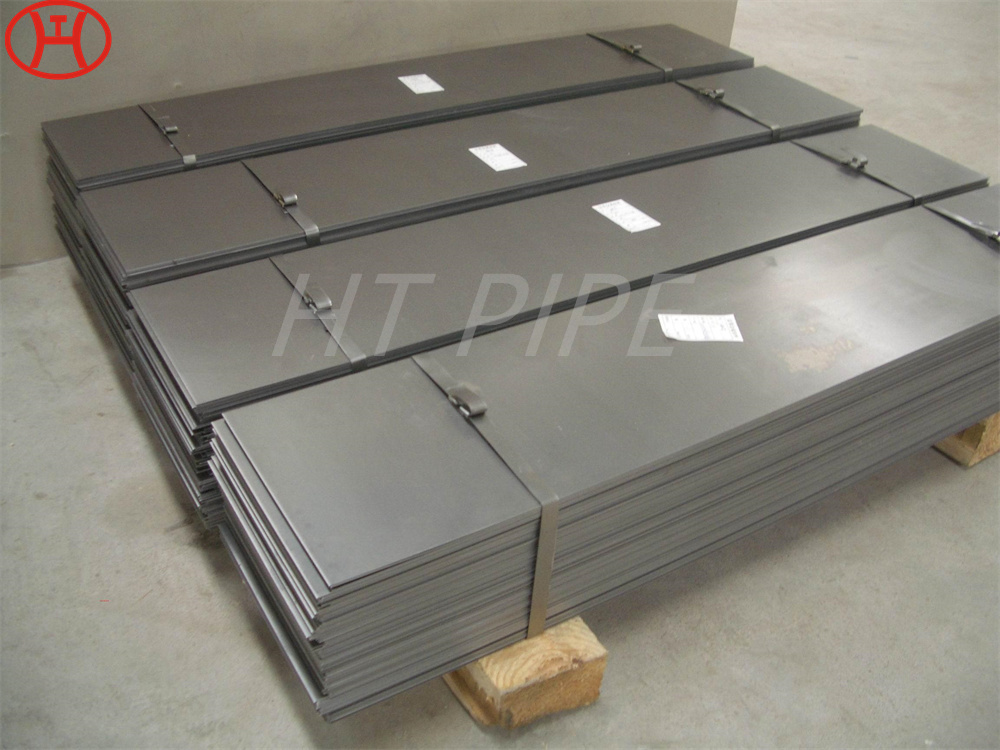
    Steel Plate are often used for structural and construction applications, pressure vessels, marine and offshord equipment, and military applications. The grade, elements and parameters of a steel plate are also important in how it is used.
    Steel plates are classified by thickness: thin plate, medium plate, thick plate and extra-thick plate.
    Thin steel plates are steel plates with a thickness between 0.2-4mm produced by hot rolling or cold rolling, and thick steel plates are those with a thickness of more than 4mm
    The general name of the good board.
    Thin steel plate refers to a steel plate with a thickness of not more than 3 mm. The commonly used thin steel plate thickness is 0.5-2MM, which is divided into sheet and coil supply. Thin
    The steel plates are generally B-type steels, cold-rolled or hot-rolled steel plates with steel grades B0-B3. Requirements for thin steel plates: smooth, smooth surface, thick
    The degree of uniformity, allowing a tight iron oxide film, must not have cracks, scarring and other defects. The process is divided into hot rolled sheet steel and cold rolled sheet
    plate. Mainly used in Changlin Dongfeng fans, automobiles, electrical equipment, vehicles, agricultural machinery, containers, steel furniture, etc.
    Thick steel plates refer to steel plates with a thickness greater than millimeters. Thick steel plate is divided into extra-thick steel plate and medium-thick steel plate.
    Medium and heavy steel plates refer to steel plates with a thickness greater than 3 mm and less than 50 mm. Medium and thick steel plates are mainly used in shipbuilding, boilers, bridges
    Armor and high-pressure vessel shells, etc.
    Extra-thick steel plate refers to a steel plate with a thickness of not less than 50 mm. Extra-thick steel plates are mainly used in shipbuilding, boilers, bridges and high-pressure vessel shells
    blog.