Home » Steel Pipe Fittings » Butt Weld Pipe Fittings » ASTM A403 WP304 SS Butt weld Pipe Fitting Tees

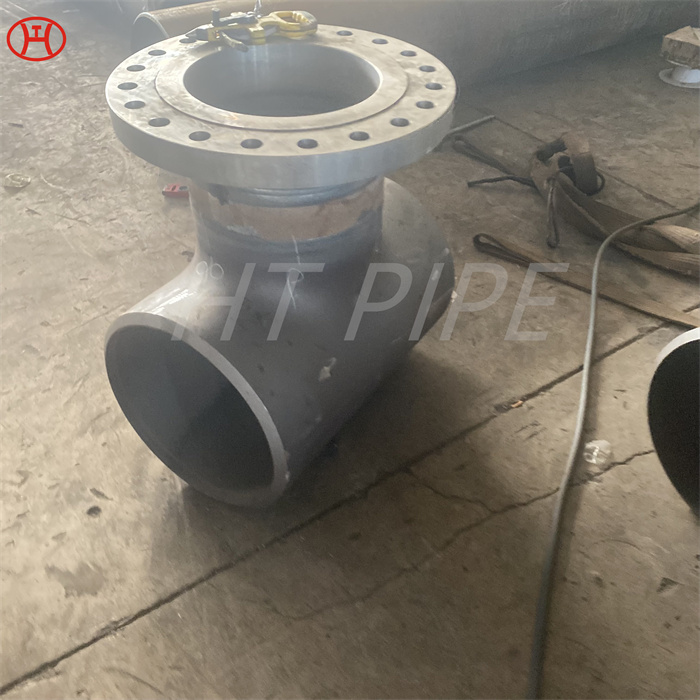
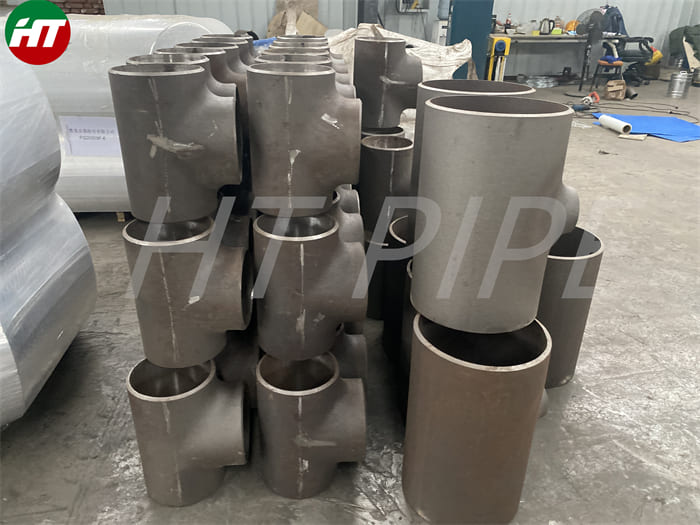
ASTM A403 WP304 SS Butt weld Pipe Fitting Tees

304 and 304L are austenitic alloys, which means that a nonmagnetic solid solution of ferric carbide or carbon in iron is used in giving this stainless steel its corrosion-resistant properties.

Rated 4.9/5 based on 252 customer reviews
Share:
Content

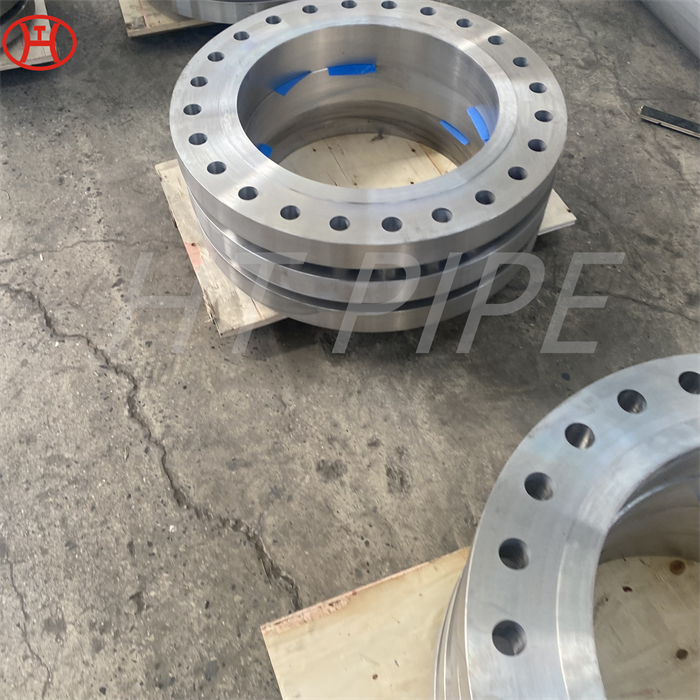
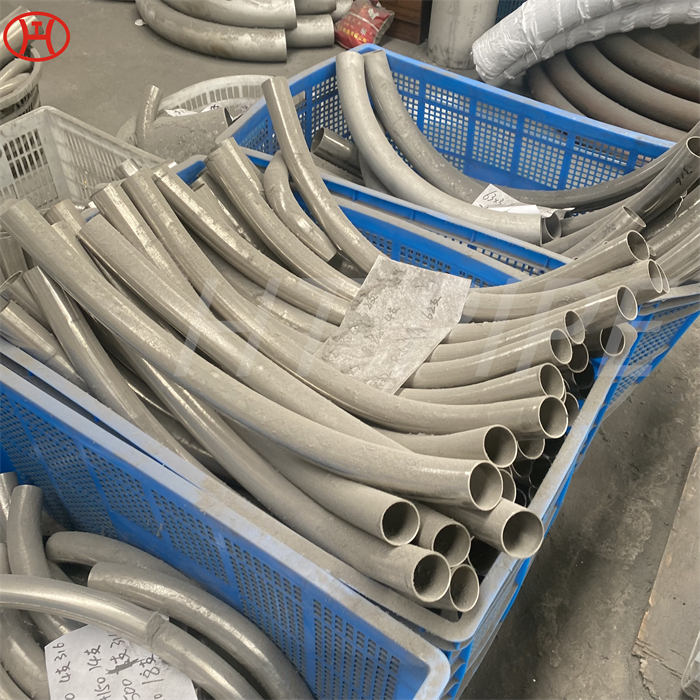
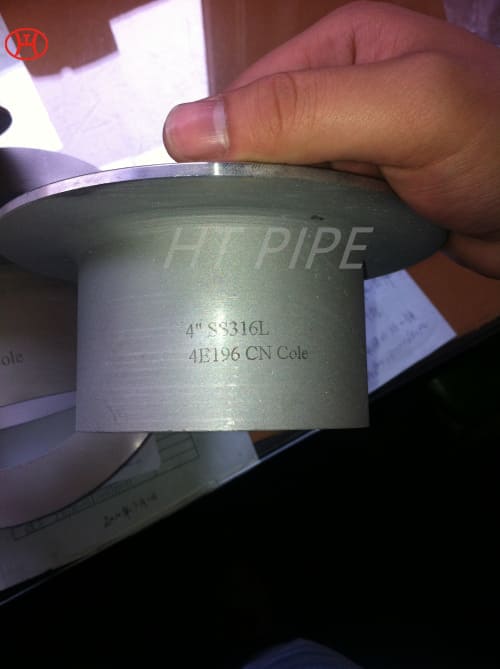
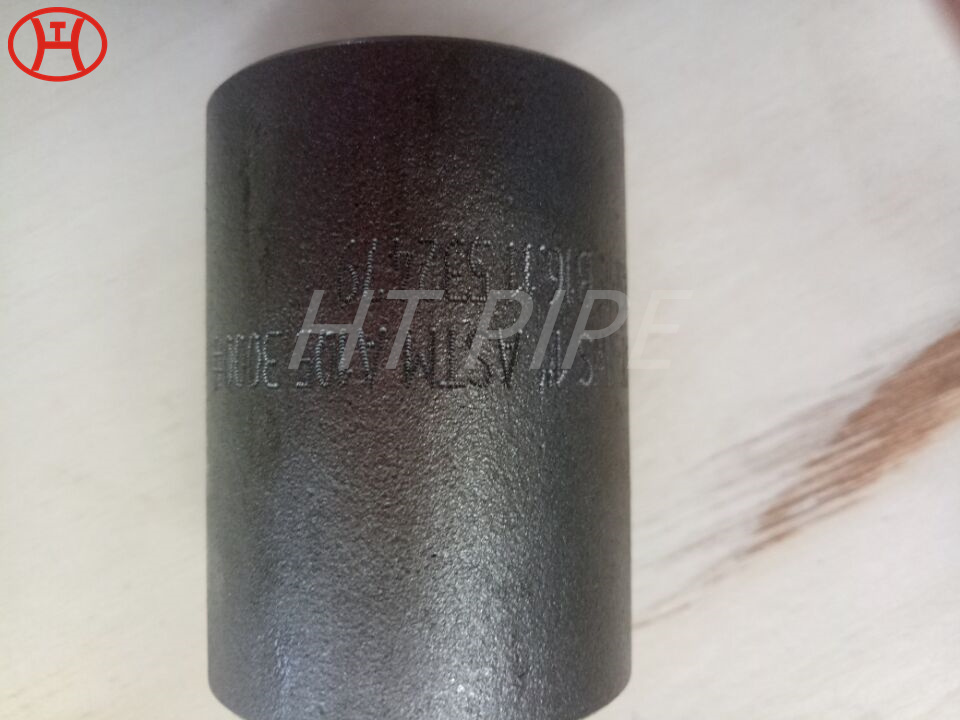
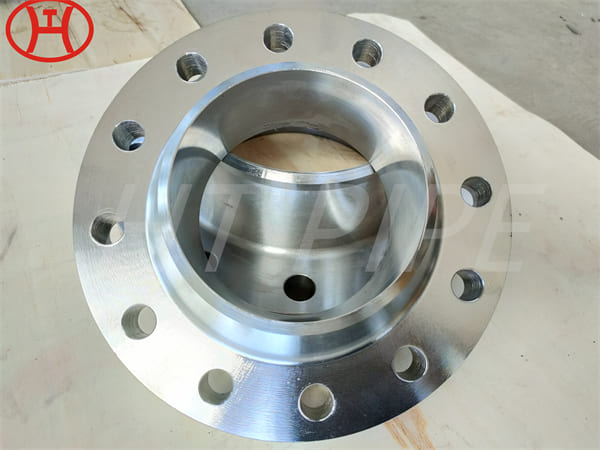
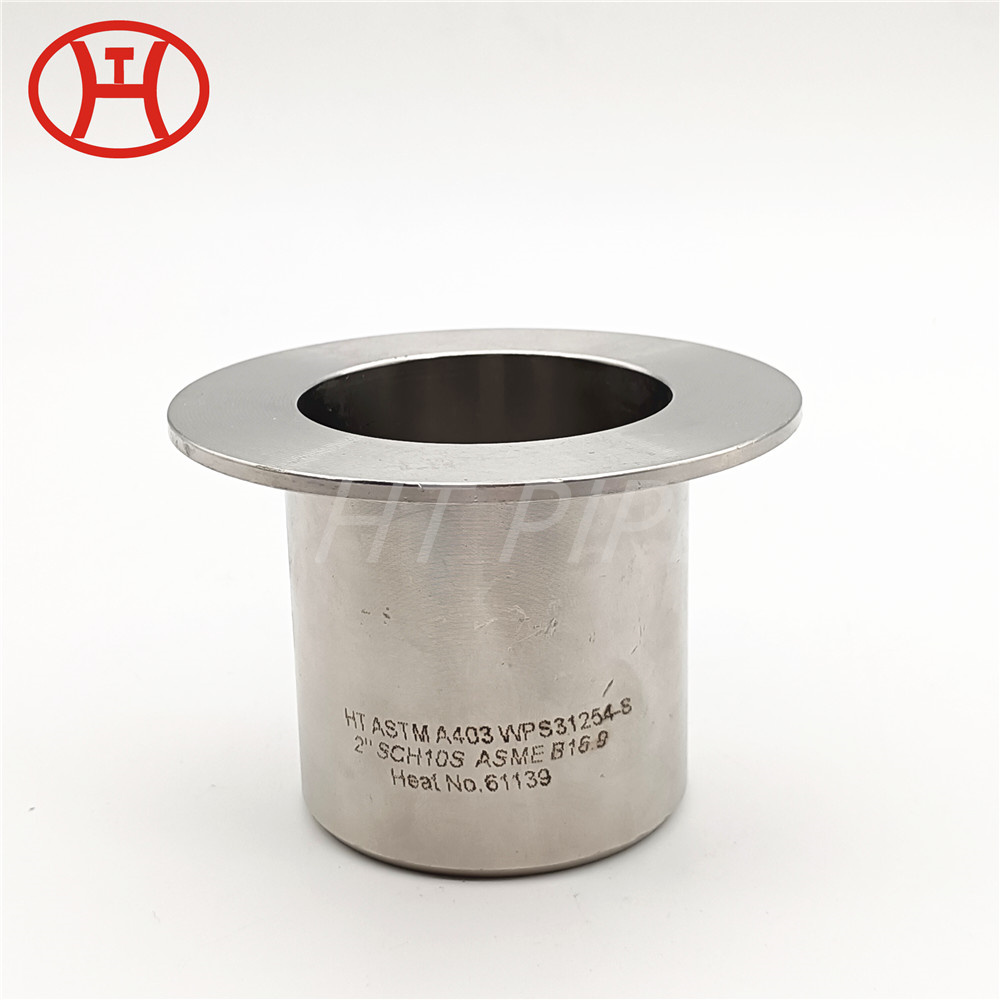
The high amounts of chromium and nickel give 304 stainless steel tee excellent corrosion resistance. Stainless steel bw fittings stains less easily than other iron-based metals, but it¡¯s not literally ¡°stainless¡±. Just like standard steel, stainless steel pipe fittings can get marked up by fingerprints and grease, discolor, and eventually rust. The difference is resilience. Stainless steel equal tee can withstand much more time and abuse before showing signs of wear. All steels have the same basic iron and carbon composition, but SS 304 Pipe Fittings also contains a healthy dose of chromium¡ªthe alloy that gives stainless steel its famous corrosion resistance. SS 304 Tube Fittings must contain at least 10.5 percent chromium. Depending on the grade, SS 304 Seamless & Welded Fittings may contain much higher chromium levels, and additional alloying ingredients like molybdenum, nickel, titanium, aluminum, copper, nitrogen, phosphorous or selenium.
Inquiry


    More Stainless steel

    Steel Plate are often used for structural and construction applications, pressure vessels, marine and offshord equipment, and military applications. The grade, elements and parameters of a steel plate are also important in how it is used.
    Steel plates are classified by thickness: thin plate, medium plate, thick plate and extra-thick plate.
    Thin steel plates are steel plates with a thickness between 0.2-4mm produced by hot rolling or cold rolling, and thick steel plates are those with a thickness of more than 4mm
    The general name of the good board.
    Thin steel plate refers to a steel plate with a thickness of not more than 3 mm. The commonly used thin steel plate thickness is 0.5-2MM, which is divided into sheet and coil supply. Thin
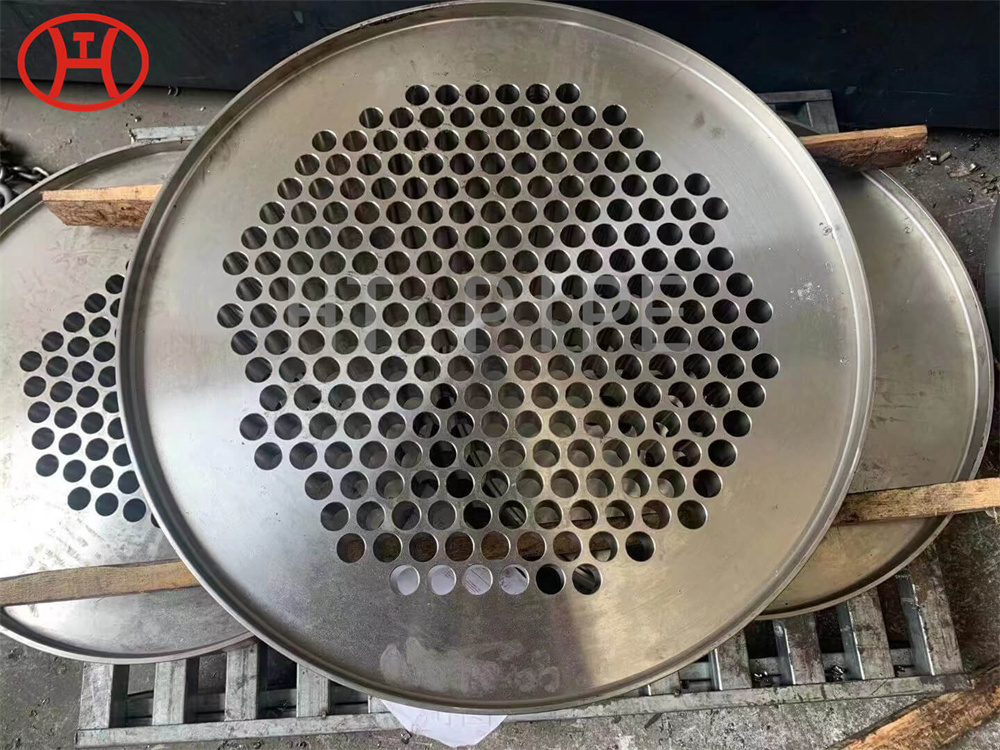
    The steel plates are generally B-type steels, cold-rolled or hot-rolled steel plates with steel grades B0-B3. Requirements for thin steel plates: smooth, smooth surface, thick
    The degree of uniformity, allowing a tight iron oxide film, must not have cracks, scarring and other defects. The process is divided into hot rolled sheet steel and cold rolled sheet
    plate. Mainly used in Changlin Dongfeng fans, automobiles, electrical equipment, vehicles, agricultural machinery, containers, steel furniture, etc.
    Thick steel plates refer to steel plates with a thickness greater than millimeters. Thick steel plate is divided into extra-thick steel plate and medium-thick steel plate.
    Medium and heavy steel plates refer to steel plates with a thickness greater than 3 mm and less than 50 mm. Medium and thick steel plates are mainly used in shipbuilding, boilers, bridges
    Armor and high-pressure vessel shells, etc.
    Extra-thick steel plate refers to a steel plate with a thickness of not less than 50 mm. Extra-thick steel plates are mainly used in shipbuilding, boilers, bridges and high-pressure vessel shells
    blog.