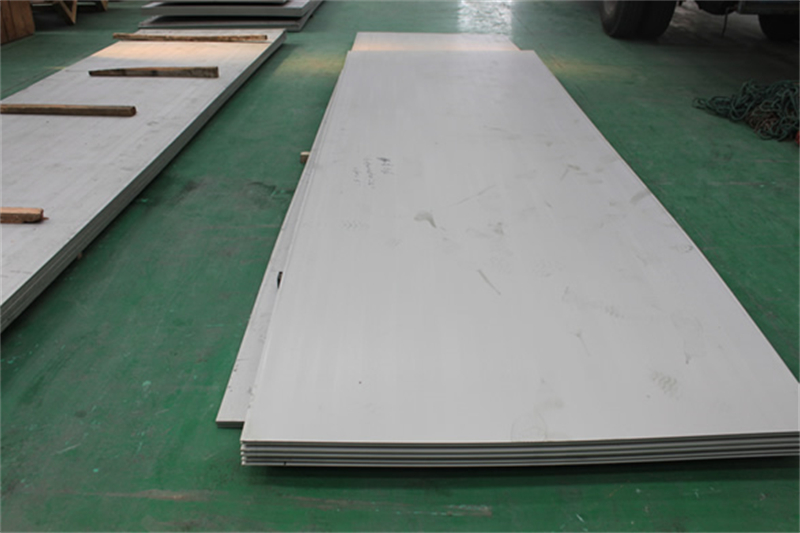
Stainless Steel 309 Plate Manufacturers SS 309 Strips Exporter
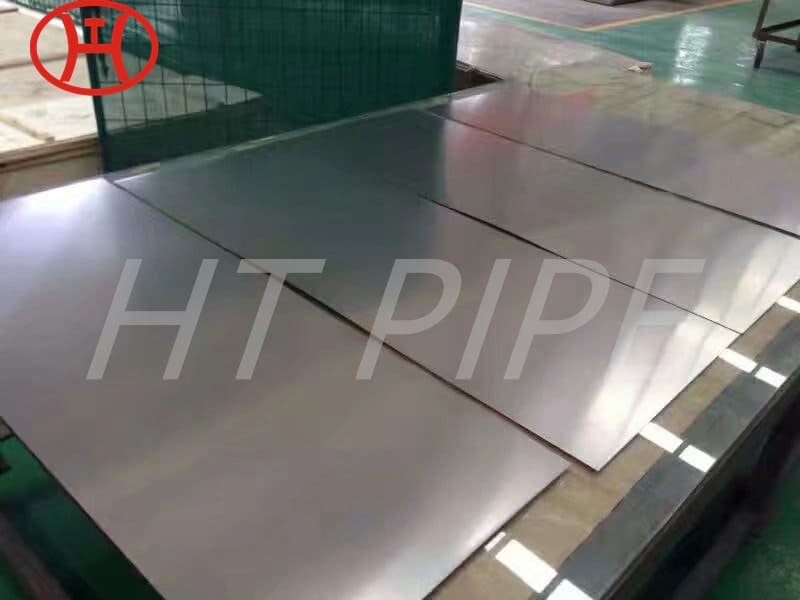
309 stainless steel is a type of austenitic stainless steel that is often used in high-temperature applications due to its excellent heat resistance. SA240 309 plate contains a high percentage of chromium and nickel, which gives it good corrosion resistance, as well as a high degree of strength and durability. SS 309 Strip (UNS S30900) is an austenitic stainless steel developed for use in high temperature corrosion resistance applications. The SA240 309 plate resists oxidation up to 1900°F (1038°C) under non-cyclic conditions. Frequent thermal cycling reduces oxidation resistance to approximately 1850°F (1010°C).
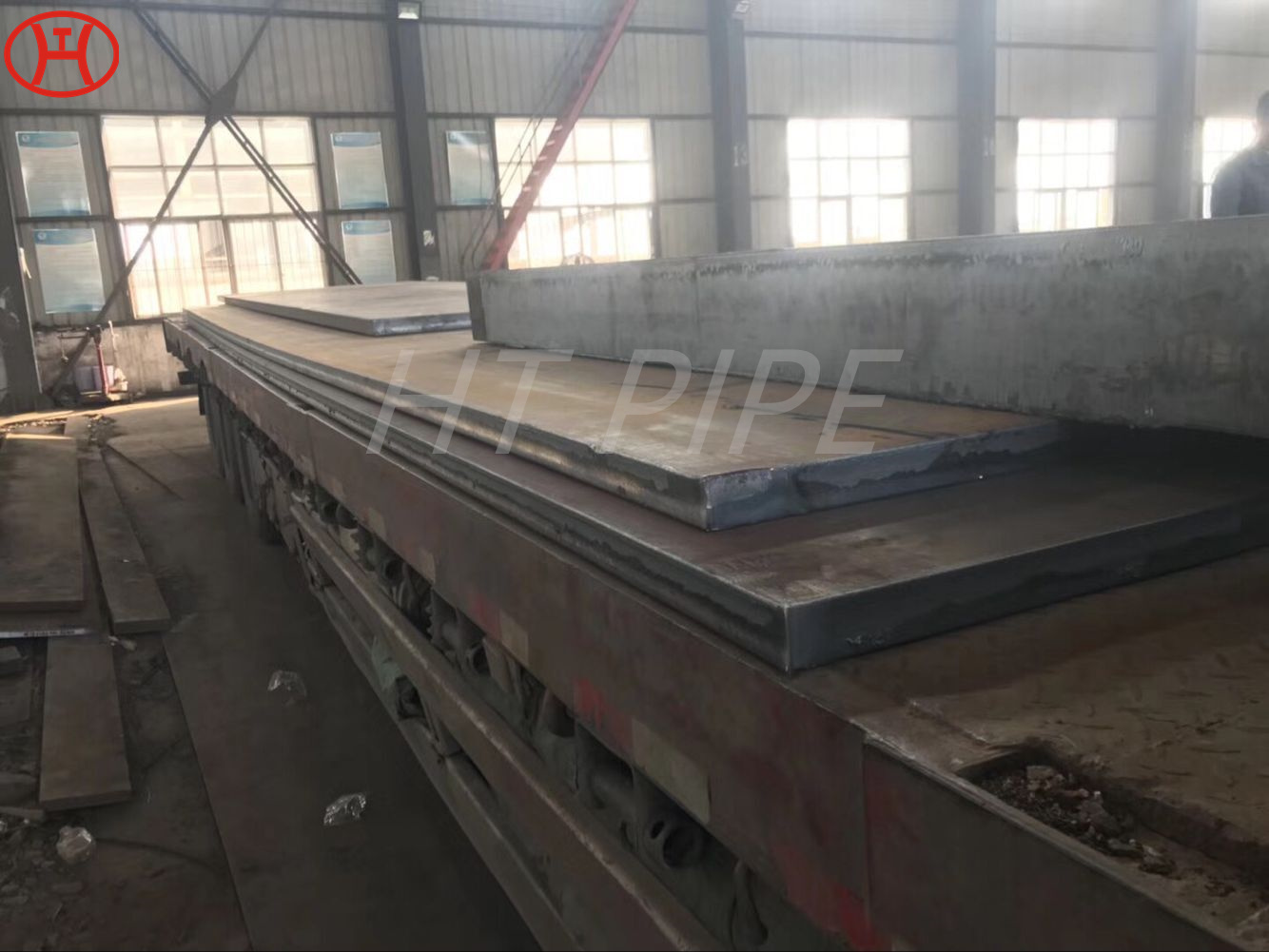
Stainless steel 309 plate manufacturers, SS 309 Strips exporter, 309 SS Coil traders, Hot rolled A240 T309 sheets distributor, 309 stainless steel foil stockist in China.
309 stainless steel is a type of austenitic stainless steel that is often used in high-temperature applications due to its excellent heat resistance. SA240 309 plate contains a high percentage of chromium and nickel, which gives it good corrosion resistance, as well as a high degree of strength and durability. SS 309 Strip (UNS S30900) is an austenitic stainless steel developed for use in high temperature corrosion resistance applications. The SA240 309 plate resists oxidation up to 1900°F (1038°C) under non-cyclic conditions. Frequent thermal cycling reduces oxidation resistance to approximately 1850°F (1010°C).
Because of its high chromium and low nickel content, UNS S30900 can be utilized in sulfur containing atmospheres up to 1832°F (1000°C). The UNS S30900 plate is not recommended for use in highly carburizing atmospheres since it exhibits only moderate resistance to carbon absorption. SA240 309 plate can be utilized in slightly oxidizing, nitriding, cementing and thermal cycling applications, albeit, the maximum service temperature must be reduced.
In general, 309 and 309S are more resistant than type 304. They provide high resistance to sulfite liquors and are often chosen for applications where the metal may be exposed to acids including nitric, nitric-sulfur, citric, lactic and more. 309 stainless steel foils can be hot or cold formed as well as annealed to optimize corrosion resistance. A240 T309 sheet can also be welded by typical methods. The machinability of S30900 is similar to grade 304.
SS 309/309S Sheets, Plates Chemical Composition
| Grade | C | Mn | Si | P | S | Cr | Ni | Fe |
| SS 309 | 0.20 max | 2.0 max | 0.75 max | 0.045 max | 0.030 max | 22.0 – 24.0 | 12.0 – 15.0 | Balance |
SS 309/309S Sheets, Plates Mechanical Properties:
| Density | Melting Point | Tensile Strength | Yield Strength (0.2%Offset) | Elongation(in 2 in.) |
| 7.89 g/cm3 | 1480-1530 °C (2500-2590 °F) | Psi – 85000 , MPa – 586 | Psi – 45000 , MPa – 310 | 50 % |