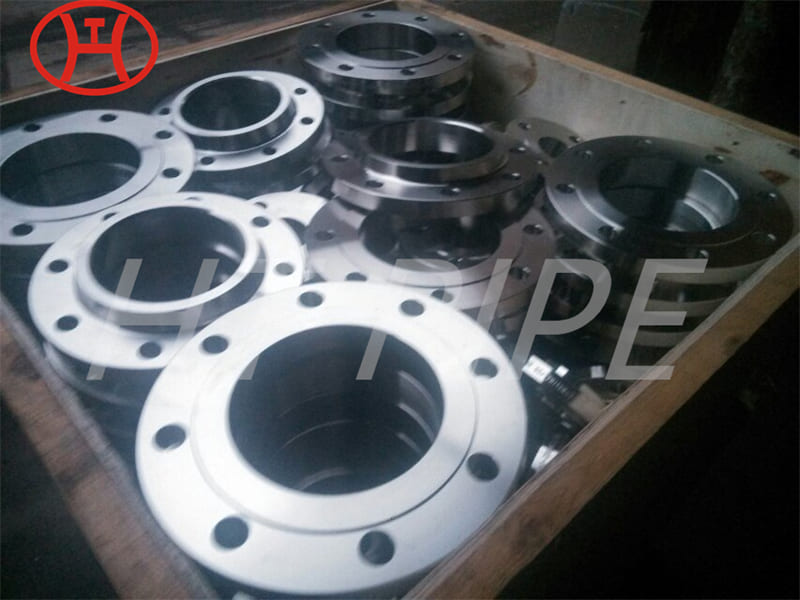
304 Stainless Steel SO Flange Suppliers and Manufacturers in China
304 Stainless Steel SO Flanges are important components used in piping systems to connect two pipes, valves, or fittings together.
304 Stainless Steel SO Flange, ASTM A182 304 Stainless Steel Flanges, SS 304 Flange, UNS S30400 Pipe Flanges, 304 Slip On Flange Supplier, ANSI B16.5 UNS S30400 Stainless Steel Flange.
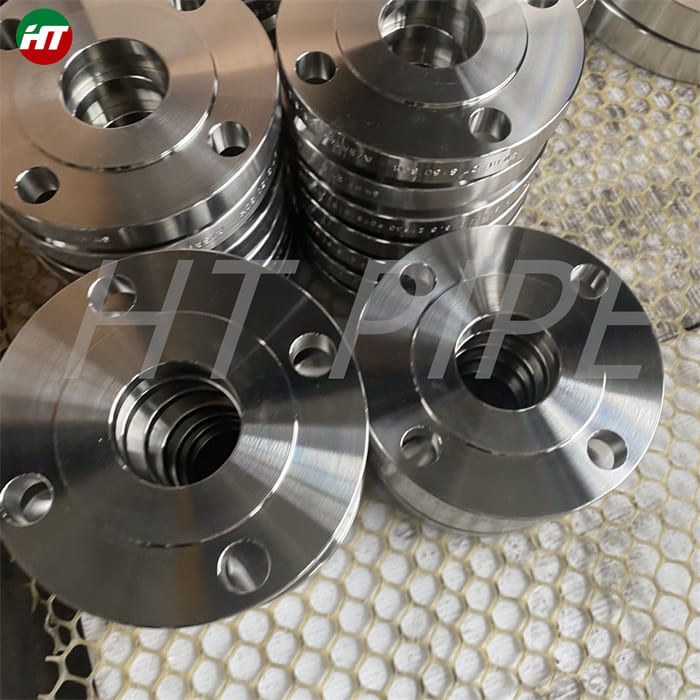
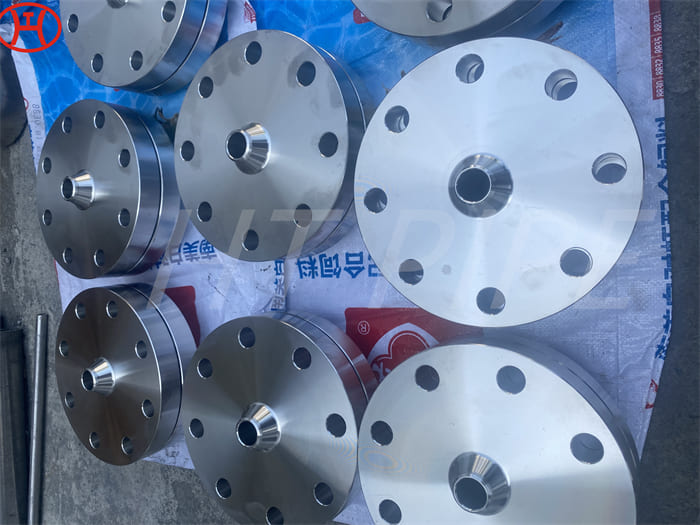
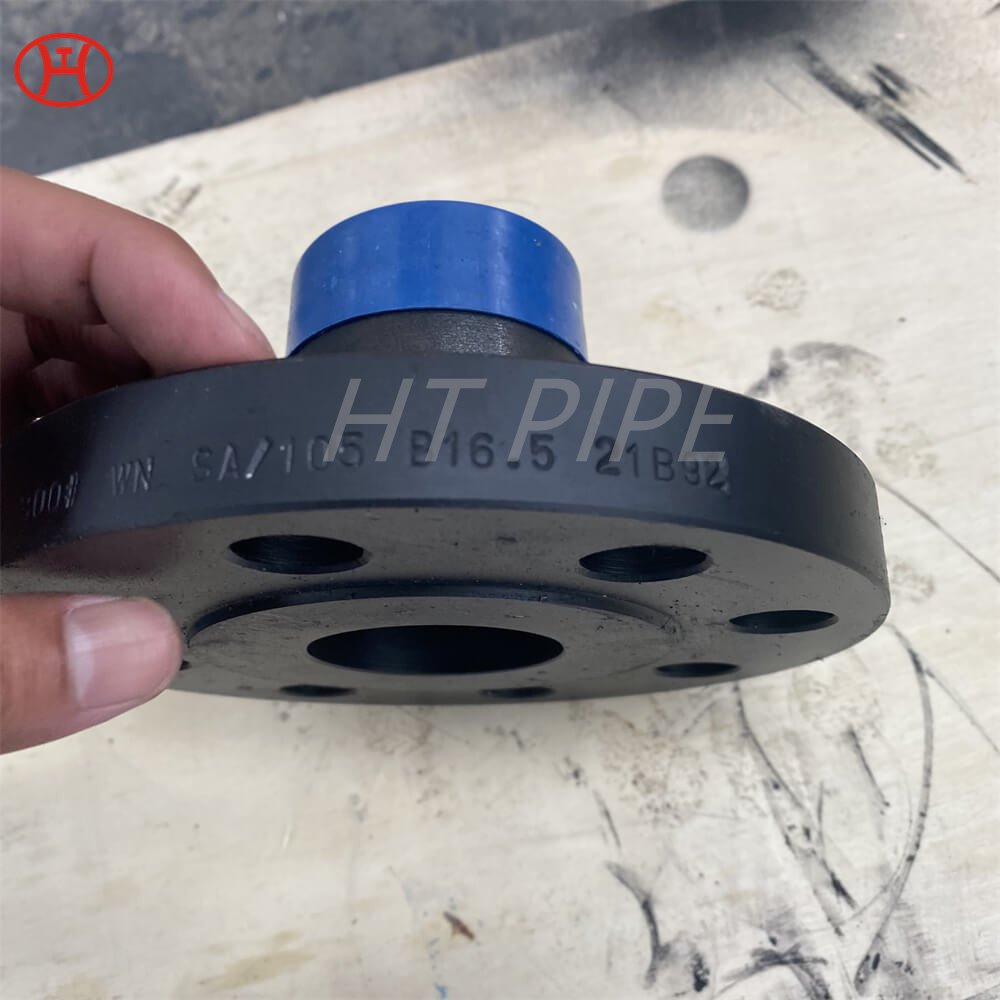
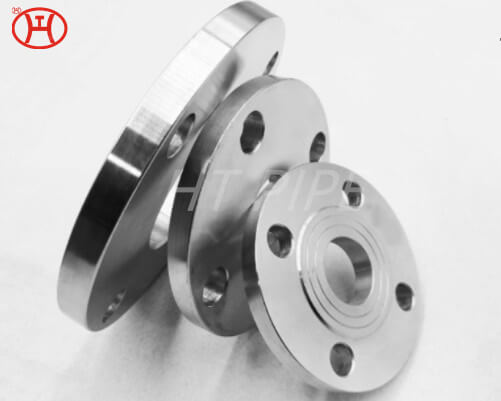
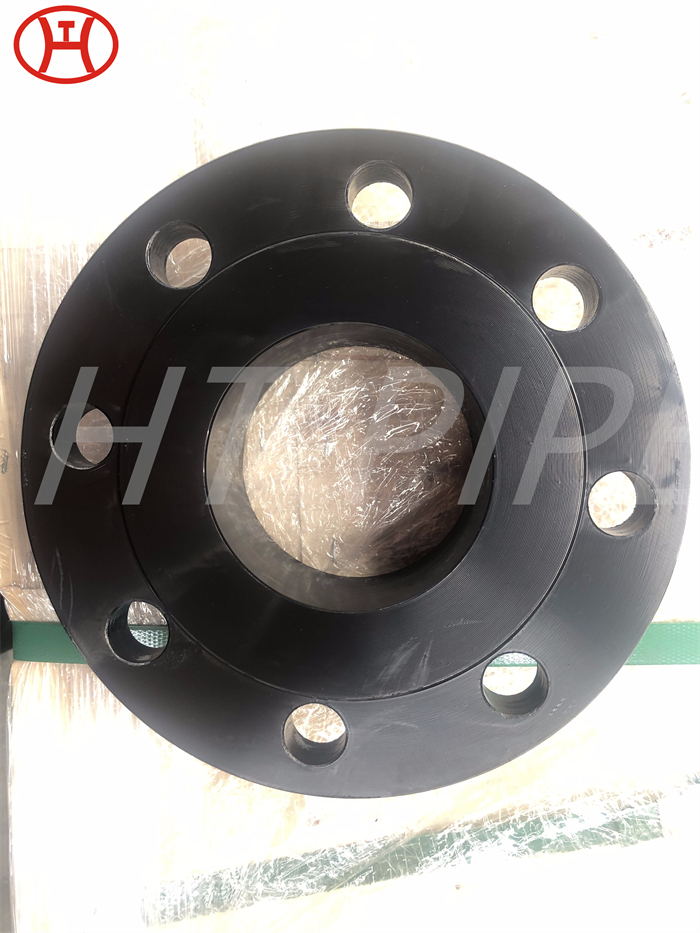
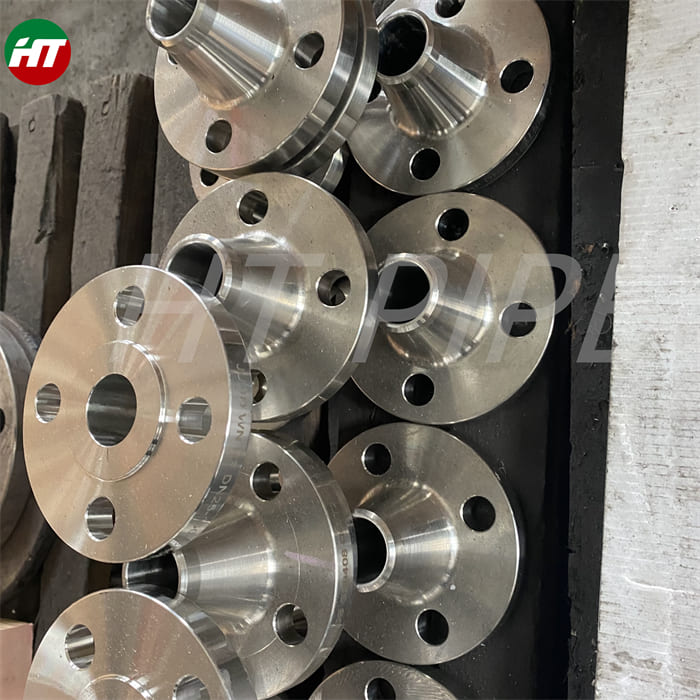
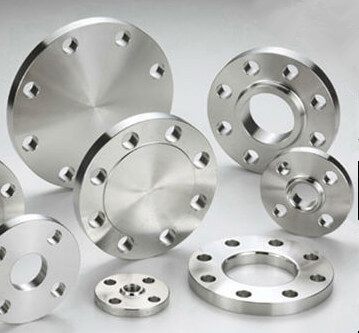
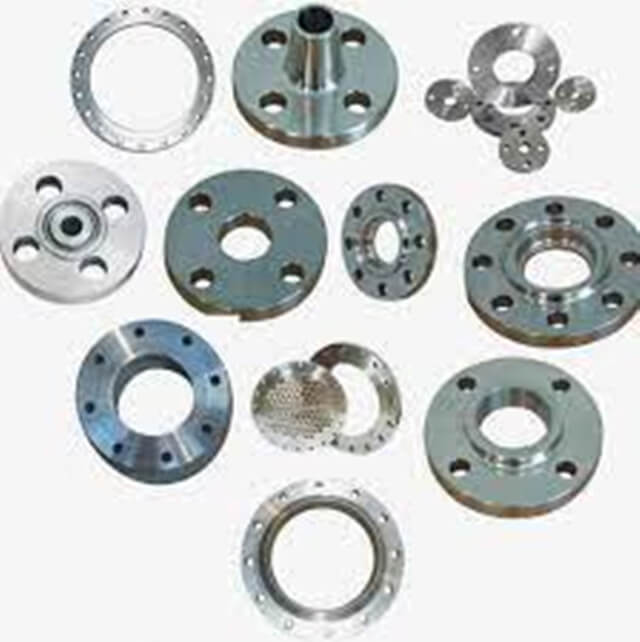
304 Stainless Steel SO Flanges are important components used in piping systems to connect two pipes, valves, or fittings together. ASTM A182 304 Stainless Steel Flanges come in various shapes, sizes and materials, with each type of flange being designed to fit a specific piping application. One such flange is the SO (slip-on) flange which is commonly made of 304 stainless steel.
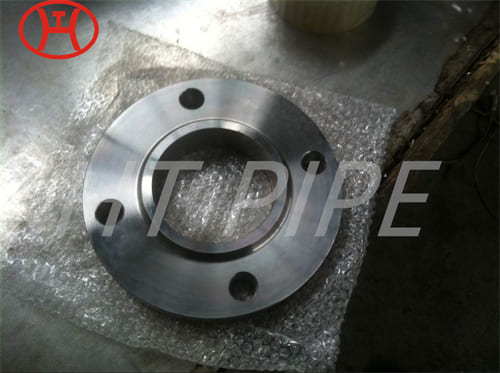
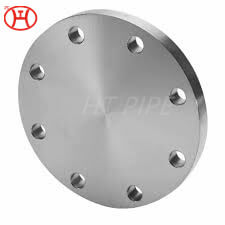
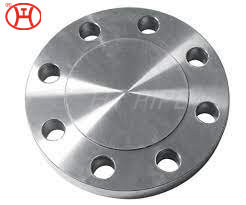
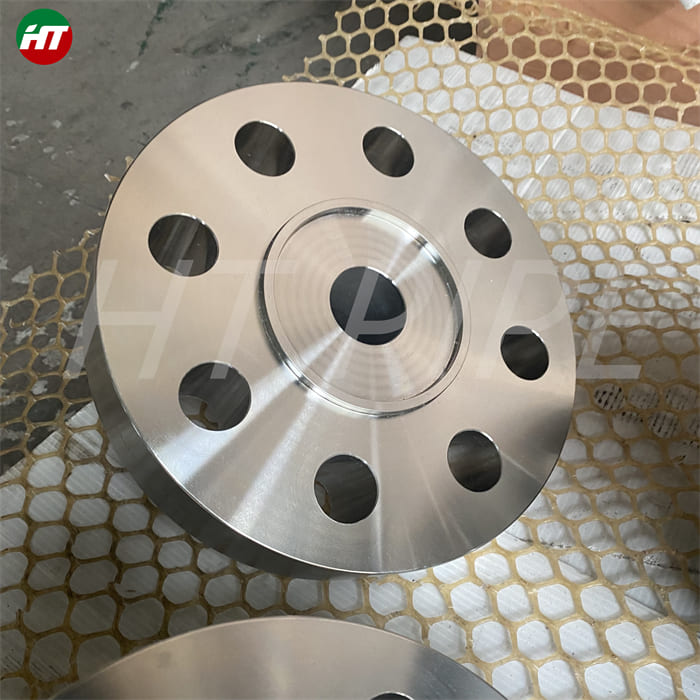
The 304 stainless steel SO flange is a circular plate or ring with a central hole that slips onto the pipe and is secured in place with bolts. SS 304 Flange provides an easy means of connecting pipes and is often used in low-pressure applications. The UNS S30400 Pipe Flange Face is flat, allowing for a smooth flow of fluid or gas, and the ends are beveled to allow for easy welding. The 304 stainless steel material makes 304 Slip On Flange corrosion-resistant, making it suitable for use in a wide range of industries, including chemical, food and beverage, and water treatment.
The 304 stainless steel SO flange is typically available in sizes ranging from 1/2 inch to 24 inch, with thicknesses ranging from 150 to 1500 pounds. The ANSI B16.5 UNS S30400 Stainless Steel Flanges are manufactured to strict standards and are available in different grades of stainless steel such as 304, 304L, 316, and 316L. The 304 grade is the most commonly used material due to its high level of corrosion resistance, high-temperature resistance, and cost-effectiveness.
SS 304 Flange Standards / Types And Pressure Class:
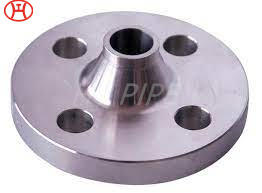
| ASME/ANSI B 16.5 | Welding Neck Flange, Slip on Flange, Blind Flange, High Hub Blind Flange, Socket Weld Flange, Lap Joint Flange, Threaded Flange, Ring Type Joint Flange |
| PRESSURE CLASS | 150, 300, 400, 600, 900, 1500, 2500 |
| ASME/ANSI B 16.47 | Welding Neck Flange, Blind Flange [Series A & B] |
| PRESSURE CLASS | 75, 150, 300, 400, 600, 900 |
| ASME/ANSI B 16.36 | Welding Neck Flange, Slip on Flange, Threaded Flange |
| PRESSURE CLASS | 300, 400, 600, 900, 1500, 2500 |